Search
Viewing 45 to 60 of 3053 news
-
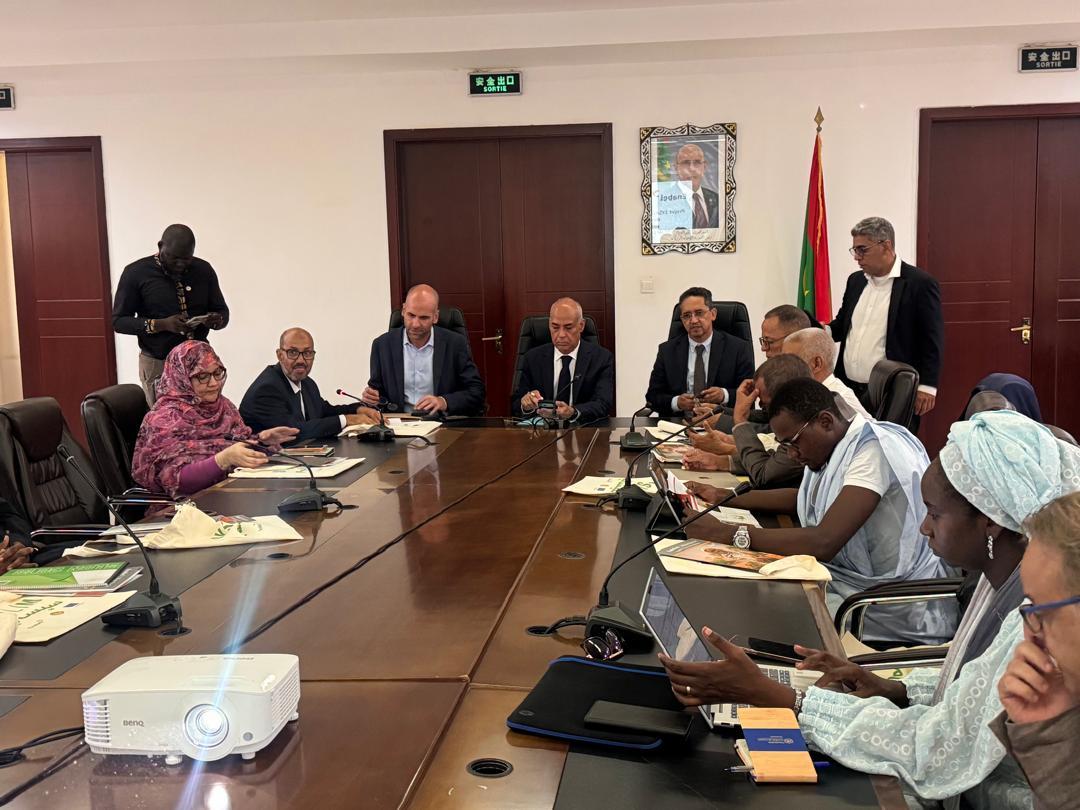
SYSALIM : premier Comité de Pilotage, une étape clé pour la sécurité alimentaire en Mauritanie
Aminata KANE | 09/09/2026
Nouakchott, 8 septembre 2026 — Financé par l'Union européenne à hauteur de 13,5 millions d'euros, le projet SYSALIM (Systèmes alimentaires durables et inclusifs pour une meilleure sécurité alimentaire et nutritionnelle en Mauritanie) a franchi une étape importante avec la tenue de son premier Comité de Pilotage, dans les locaux du Ministère des Affaires économiques et du Développement (MAED) à Nouakchott, en présence de la Délégation de l'Union européenne en Mauritanie.Mis en œuvre par l'Agence belge de coopération internationale depuis janvier 2025 et jusqu'en 2028, SYSALIM a été présenté aux côtés des principales institutions mauritaniennes concernées : le MAED, le Ministère de l'Élevage, le Ministère de l'Agriculture et de la Souveraineté Alimentaire, le Ministère du Commerce, de l'Industrie, de l'Artisanat et du Tourisme, le Ministère de l'Action Sociale, de l'Enfance et de la Famille, ainsi que la Chambre de Commerce, d'Industrie et d'Agriculture de Mauritanie.La Délégation de l'Union européenne a rappelé que SYSALIM s'inscrit dans les priorités du partenariat entre l'Union européenne et la Mauritanie, notamment en matière d'agriculture, de systèmes alimentaires durables, de sécurité alimentaire et nutritionnelle et de résilience face au changement climatique — saluant les premières avancées du projet et l'engagement des autorités mauritaniennes à ses côtés.Cette première réunion a marqué la mise en place officielle de l'instance chargée d'orienter stratégiquement le projet et de veiller à son alignement avec les priorités nationales. Comme l'a rappelé le Directeur Pays d'Enabel en Mauritanie, SYSALIM s'inscrit dans la continuité de projets antérieurs — RIMDIR, RIMFIL, SECURALIM et MIRECAM — qui ont déjà permis d'appuyer les filières agricoles et pastorales, de renforcer les organisations professionnelles et de structurer des cadres de concertation.Déployé dans sept wilayas (Hodh Ech Chargui, Assaba, Gorgol, Brakna, Hodh El Gharbi, Guidimakha et Trarza), soit près de la moitié de la population mauritanienne, le projet agit sur les filières céréales traditionnelles, lait et fourrage, maraîchage, ainsi que sur des filières innovantes comme la papaye. Son ambition : contribuer à des systèmes alimentaires plus durables, plus inclusifs et plus résilients, capables d'offrir à la population une alimentation saine, disponible et accessible.Des premiers résultats concrets sur le terrain. Moins de deux ans après le démarrage des activités, SYSALIM peut déjà s'appuyer sur des avancées tangibles : 23 pôles de développement des filières agropastorales ont été sélectionnés, deux accords opérationnels ont été signés avec la SMPL et le groupement Charghuiya pour porter la production laitière de 5 000 à 15 000 litres par jour, et une vingtaine de cadres de concertation ont été mis en place ou redynamisés dans les régions d'intervention. Cinq chambres froides ont été commandées et cinq kiosques à lait mis en service. Sur le volet financier, 172 crédits ont déjà été accordés via un dispositif de warrantage avec l'institution de microfinance Al Ibdaa. Enfin, 16 initiatives innovantes portées par des femmes et des jeunes ont été sélectionnées pour bénéficier d'un accompagnement technique et financier, tandis qu'une étude sur les comportements alimentaires — validée lors d'un atelier national — a permis d'identifier sept leviers d'action pour faire évoluer durablement les habitudes de consommation.Les échanges du Comité ont également porté sur les pistes de renforcement des synergies avec les autres partenaires techniques et financiers intervenant dans le secteur, dans un esprit de partenariat au service des priorités définies par l'État mauritanien.Ce premier Comité de Pilotage confirme l'engagement partagé des autorités mauritaniennes, de l'Union européenne — principal bailleur du projet — et d'Enabel à construire, ensemble, des systèmes alimentaires plus durables pour la Mauritanie.
-
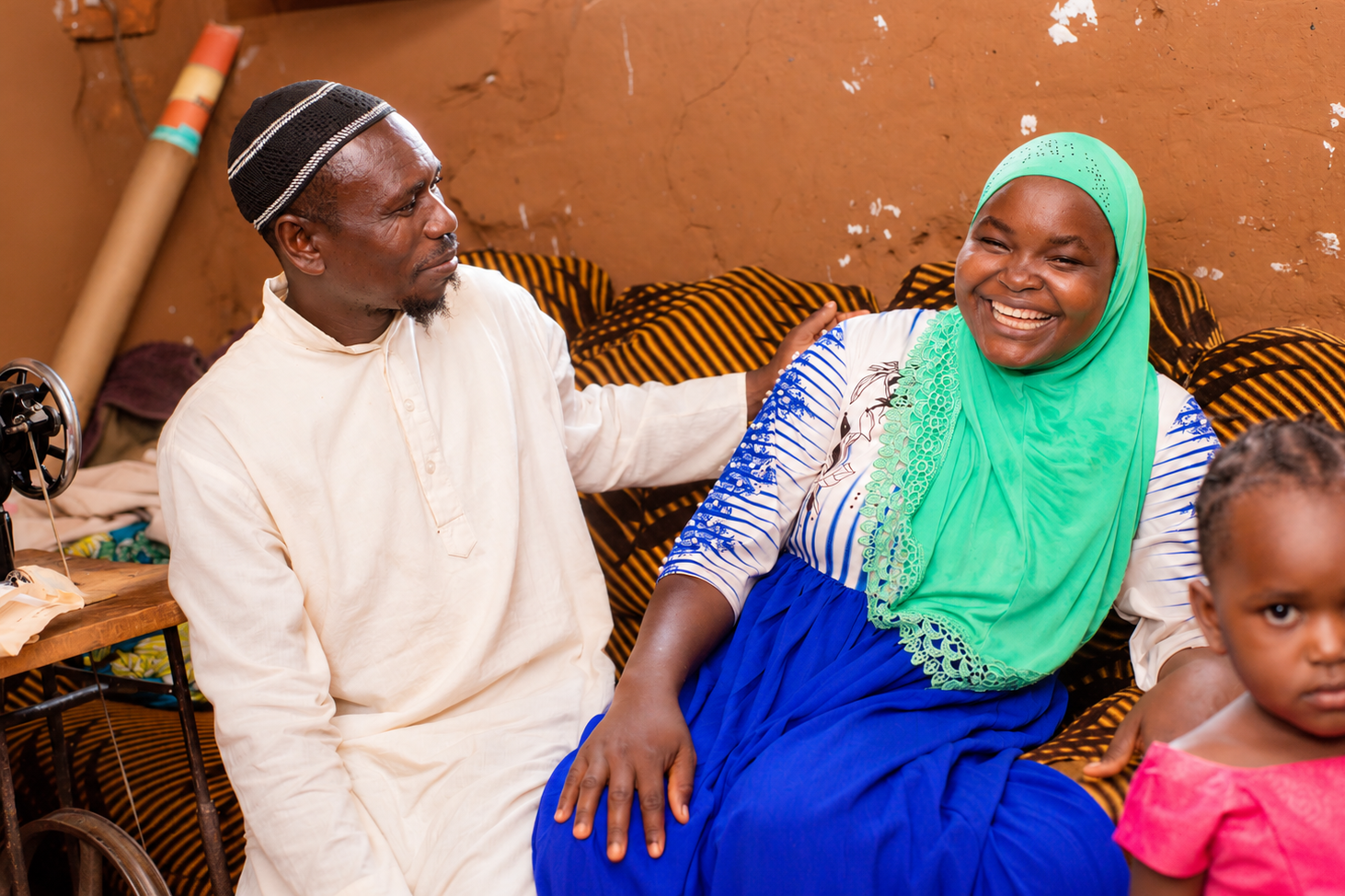
RDC : Quand la Masculinité positive change Idriss et inspire sa communauté à Mbuji-Mayi
Doudou-bienvenu KAJANGU | 08/09/2026
De « catcheurs » à partenaires : l’histoire d’une transformationIl fut un temps où, chez Idriss et Fatouma, une petite contrariété pouvait rapidement tourner à la dispute. À Mbuji-Mayi, leur entourage les avait même surnommés les « catcheurs ». Aujourd’hui, le même couple raconte une tout autre histoire. Idriss a appris à prendre du recul, à écouter et à parler plutôt qu’à réagir. Il prend aussi davantage part aux soins des enfants et aux décisions du ménage. Ce changement n’est pas arrivé du jour au lendemain. Il est né d’une réflexion sur ce que signifie être un homme, un mari et un père. Idriss, 35 ans, et Fatouma, 26 ans, sont mariés et parents de trois enfants, deux filles et un garçon. Tous deux sont diplômés et vivent dans un quartier périphérique de Mbuji-Mayi au Kasaï Oriental. Pourtant, dans leur vie quotidienne, leur niveau d’instruction ne suffisait pas à remettre en question certaines normes et habitudes profondément ancrées dans leur relation. Pendant longtemps, leur couple fonctionnait selon une logique que Fatouma résume simplement : une action appelait systématiquement une réaction. Une remarque de son épouse, une erreur, une contrariété ou une situation qu’Idriss jugeait insatisfaisante pouvait provoquer une réaction immédiate. Peu importait le lieu ou les personnes présentes. Au fil du temps, cette manière de fonctionner était devenue tellement visible que les voisins avaient fini par leur donner un surnom : les « catcheurs ». Une appellation qui, derrière son apparente légèreté, traduisait une réalité devenue presque ordinaire dans le quartier : les disputes du couple étaient connues de leur entourage.Une petite erreur, une grande surpriseUn matin de juillet, comme cela pouvait arriver dans n’importe quel foyer, Fatouma commit une petite erreur domestique : elle avait oublié de préparer à temps un repas qu’Idriss attendait avant de partir. Rien de grave en soi, mais connaissant les habitudes de son mari, elle s’attendait déjà à une réaction vive. Elle se préparait mentalement à la confrontation. Mais ce matin-là, quelque chose d’inattendu se produisit. Idriss ne réagit pas. Il ne cria pas. Il ne fit pas de reproches sur-le-champ. Il sortit simplement de la maison et partit vaquer à ses occupations. Pour Fatouma, ce silence était presque plus surprenant qu’une dispute. Lorsque son mari revint dans la soirée, il l’appela et lui expliqua calmement ce qui l’avait contrarié. Il lui fit part de ses reproches sans éclat de voix, sans confrontation et sans chercher à imposer son point de vue par la colère. Pour Fatouma, ce fut un véritable bouleversement. Elle venait d’assister à une réaction d’Idriss qu’elle n’avait pratiquement jamais connue auparavant : une réaction maîtrisée, réfléchie et orientée vers le dialogue.« Pour moi, c’était presque un miracle. Je m’attendais à une réaction comme avant, mais il est revenu et m’a parlé calmement. J’ai compris qu’il y avait quelque chose qui avait changé », témoigne-t-elle.Ce changement n’était pas le fruit du hasard.Le début d’un changement : réfléchir autrement à la masculinitéQuelques temps auparavant, Idriss avait commencé à participer à des séances de réflexion consacrées à la masculinité positive, avec l’appui d’Enabel dans le cadre du projet Lutte contre les Violences Sexuelles et l’Impunité (LVSI). Il y retrouvait une dizaine d’autres hommes engagés dans un groupe de réflexion. Au fil de plusieurs séances, les participants étaient invités à réfléchir à leurs comportements, à leurs relations avec leurs épouses et leurs enfants, ainsi qu’aux normes sociales qui définissent traditionnellement ce qu’un homme « doit » être dans sa famille et dans sa communauté. Les échanges ne se limitaient pas à des conseils généraux. Ils s’appuyaient sur le « Cahier de l’homme engagé », un support d’orientation structuré autour de quatre grands thèmes avec du contenu sur plusieurs sujets : les violences basées sur le genre (VBG), leurs causes, leurs conséquences, leur prévention et le rôle des hommes, la socialisation de genre, les rôles, le pouvoir, les privilèges et les responsabilités, la paternité responsable, la communication non violente, la gestion des émotions, … À travers des séances et des situations concrètes, les hommes étaient ainsi amenés à examiner des situations concrètes de leur quotidien, la manière de communiquer avec son épouse, la vie de couple, le partage des responsabilités, les soins aux enfants, à questionner leurs comportements et certaines croyances qu’ils considéraient jusque-là comme allant de soi. Pour Idriss, plusieurs de ces enseignements ont progressivement fait écho à sa propre expérience.Il a commencé à comprendre que l’autorité masculine ne devait pas nécessairement s'exprimer par l'imposition, la colère ou la réaction immédiate. Être un homme et être chef de famille pouvait aussi signifier écouter, dialoguer, prendre soin des siens et partager les responsabilités. C’est ce qu’il a expliqué à Fatouma après l’épisode du matin.Il lui a parlé des séances auxquelles il participait, de ce qu’il y apprenait sur les droits des femmes et sur les relations au sein du couple. Il lui a également expliqué l’importance des causeries au sein du foyer : prendre le temps de parler, d’écouter et de rechercher ensemble des solutions aux problèmes. La curiosité de Fatouma a alors pris le dessus. Elle a voulu comprendre ce qui était en train de transformer son mari.Lorsque des séances mixtes ont été organisées, Idriss a donc invité son épouse à y participer. Fatouma a ainsi pu découvrir directement les espaces de réflexion auxquels son mari prenait part. Le changement devenait progressivement une démarche de couple.De la confrontation à la causerie permanenteLa première transformation visible a été la manière de communiquer. Idriss, qui avait auparavant tendance à réagir immédiatement, a commencé à parler et à discuter avec son épouse. Il ne cherchait plus systématiquement à avoir le dernier mot. Il prenait davantage le temps d’expliquer ce qui n’allait pas et d’écouter ce que Fatouma avait à dire. Pour Fatouma, la différence est considérable. Et le changement ne s’est pas arrêté aux mots. Pendant longtemps, les enfants étaient presque entièrement la responsabilité de leur mère. Idriss ne pensait pas spontanément à prendre le bébé dans ses bras, à le changer ou à le bercer lorsqu’il pleurait. Même lorsqu’un enfant tombait malade, c’était Fatouma qu’il appelait. Elle se retrouvait ainsi à porter presque seule la charge des enfants, en plus des autres tâches de la maison. « Il ne pouvait même pas porter notre enfant. S’il faisait caca, il devait m’appeler pour que je le change. S’il pleurait, il m’appelait encore pour que je le berce, même lorsque j’étais occupée à faire d’autres travaux de la maison », se souvient-elle.Aujourd’hui, la scène est tout autre. Idriss prend son enfant dans les bras, s’en occupe et peut l’emmener lui-même à l’hôpital lorsqu’il tombe malade. Ce qui relevait autrefois presque exclusivement du rôle de la mère devient progressivement une responsabilité partagée. Et dans le quartier, ce changement ne passe pas inaperçu. Mais derrière ces gestes visibles se joue une transformation plus profonde. Les séances de réflexion sur la masculinité positive ont offert aux hommes un espace pour questionner leurs habitudes, confronter leurs expériences et regarder autrement les normes qui définissent traditionnellement la place de l’homme et de la femme dans le foyer. Pour Idriss, comprendre que l’autorité ne se résume pas à décider, imposer ou réagir, mais peut aussi se construire dans l’écoute, le respect et la participation, a progressivement changé sa manière d’être époux et père.Même les petits gestes ont pris une nouvelle signification. Pendant longtemps, le mot « merci » semblait ne pas faire partie du vocabulaire d’Idriss. Les services rendus par son épouse, les repas préparés avec soin ou les efforts qu’elle fournissait au quotidien étaient rarement accompagnés d’un mot de reconnaissance. Aujourd’hui, Fatouma l’entend la remercier par un « shukran ». « Avant, même quand je lui rendais un grand service ou que je préparais une très bonne recette, je n’entendais jamais “merci”. Aujourd’hui, je l’entends me remercier et cela me fait énormément plaisir », confie-t-elle. Autre signe révélateur : Idriss a commencé à partager son budget avec son épouse afin qu’ils puissent planifier ensemble. Ce geste, simple en apparence, traduit une évolution dans leur manière de prendre les décisions et de gérer les ressources du ménage. Le foyer devient progressivement un espace où l’on discute, où l’on partage et où chacun peut contribuer.Une journée pour reconnaître les hommes qui changentCette transformation a trouvé une résonance particulière lors d’une journée de validation communautaire et de capitalisation des changements induits par la Masculinité positive organisée par la coordination provinciale de la Cellule Technique Mixte de la Masculinité positive (CTM+) avec l’appui d’Enabel à Mbuji-Mayi. La rencontre a permis de revenir sur le parcours des hommes engagés, de présenter les changements observés dans les ménages et la communauté, mais aussi de recueillir les réactions des participants et les témoignages des épouses. Au cours des séances de réflexion, 60 hommes ont été accompagnés par dix (10) facilitateurs formés par Enabel dans le cadre du projet LVSI. Les groupes ont bénéficié d’une supervision de la CTM+, du PNSA et d’Enabel. Pour cette phase, 58 hommes sur 60 sont allés au bout du parcours, soit 96,7 %, contre une cible de 50 % et une valeur de 73 % les années précédentes. Seuls deux hommes ont abandonné. Ce niveau de persévérance est un signal fort pour une approche qui invite les hommes à questionner leurs comportements, leur rôle dans la famille et leur contribution à la prévention des violences et des inégalités de genre. La démarche a aussi progressivement impliqué les couples. Lors des trois dernières séances, les épouses ont participé aux côtés de leurs maris, donnant à la réflexion une dimension plus concrète : le changement de l’homme pouvait désormais être discuté et observé dans la relation de couple. C’est dans cet esprit que plusieurs hommes ayant achevé le cursus ont été reconnus au cours de la cérémonie, avec la remise de diplômes de mérite et la proclamation des Hommes Modèles, selon les critères présentés par la CTM+ avec la validation des membres des communautés, des représentants de l'autorité provinciale et des cinq bourgmestres de la ville de Mbuji-Mayi. Parmi les témoignages, celui de Fatouma a particulièrement retenu l’attention. Elle a raconté la transformation de son mari, Idriss, et les changements qu’elle observe désormais dans leur foyer : davantage de dialogue, un partage des responsabilités et une plus grande implication auprès des enfants Pour Fatouma, ces gestes sont devenus les signes visibles d’une évolution profonde. Elle résume aujourd’hui leur relation en quelques mots : ils vivent « dans l’harmonie ».Pour Idriss, il reconnait que changer ses habitudes et sa manière de voir son rôle dans la famille n’était pas toujours facile, mais que les séances lui avaient permis de comprendre qu’être un homme ne signifiait pas imposer, mais aussi écouter, dialoguer, prendre soin et partager les responsabilités.« J’ai compris qu’être un homme dans ma famille, ce n’est pas seulement être celui qui décide. C’est aussi savoir écouter ma femme, prendre soin de mes enfants et partager avec eux les responsabilités. Je pensais que changer allait me faire perdre mon autorité. Aujourd’hui, je comprends que le respect que ma famille me donne vaut plus que l’autorité que je voulais imposer. » nous a-t-il confié. Ces témoignages rappellent que derrière les 96,7 % d’hommes ayant achevé le parcours, il y a des changements qui se vivent dans les foyers : un homme qui écoute davantage, un père qui s’implique, un couple qui dialogue et des responsabilités qui se partagent.Une histoire qui commence dans un foyer, mais ne s’y arrête pasL’histoire d’Idriss et de Fatouma n’est finalement pas celle d’un homme devenu parfait. C’est celle d’un homme qui a accepté de regarder autrement son rôle dans sa famille et de remettre en question des comportements qu’il considérait auparavant comme normaux. Hier, une petite erreur pouvait déclencher une confrontation. Aujourd’hui, elle peut donner lieu à une discussion. Hier, les soins aux enfants étaient presque entièrement laissés à Fatouma. Aujourd’hui, Idriss prend son enfant dans les bras et peut l’emmener lui-même à l’hôpital. Hier, les efforts de son épouse étaient rarement reconnus. Aujourd’hui, un simple « merci » peut suffire à lui montrer qu’il voit et apprécie ce qu’elle fait. Hier, les voisins les appelaient les « catcheurs ». Aujourd’hui, ils observent un couple qui a retrouvé davantage d’harmonie. Et c’est peut-être là le résultat le plus important de cette transformation : lorsque le changement devient visible dans un foyer, il peut commencer à changer le regard de toute une communauté. À Mbuji-Mayi, Idriss Nyembue est ainsi devenu, à son échelle, un exemple de ce que la masculinité positive peut produire lorsqu’elle passe des séances de réflexion aux gestes du quotidien. Doudou Kajangu
-
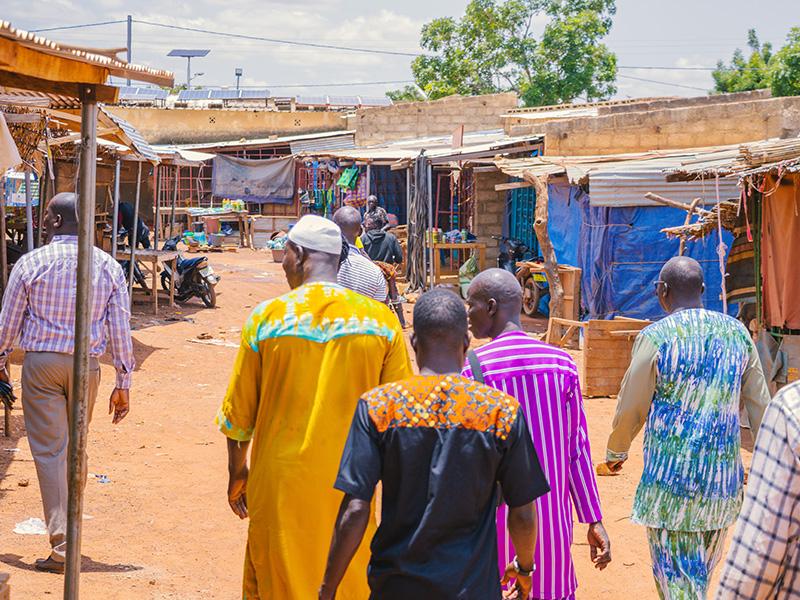
Dans les marchés et gares des COGES pour faire vivre durablement les ouvrages d’eau, d’hygiène et d’assainissement
Wendpouiré Julien NANA | 07/09/2026
De juillet à août 2026, les acteurs locaux de 14 communes d’intervention du portefeuille bilatérale (Kaya, Korsimoro, Ziga, Mogtédo, Zam, Nagréongo, Absouya, Tensobtenga, Andemtenga, Yargo, Garango, Koupéla, Pouytenga et Komtoega) se sont réunis autour d’un enjeu essentiel : faire en sorte que les ouvrages d’eau, d’hygiène et d’assainissement (WASH) des marchés restent fonctionnels et correctement entretenus dans le temps. Avec l’appui d’Enabel, les communes renforcent ainsi l’organisation et les capacités des Comités de gestion (COGES), appelés à jouer un rôle central dans la gestion de ces infrastructures. Au total 22 COGES ont été mis en place et formés durant ces sessions.Dans un marché, construire une latrine, installer un point d’eau ou mettre à disposition des équipements d’hygiène constitue une première étape. Leur entretien et leur bonne utilisation dans la durée nécessitent cependant une organisation claire et des acteurs capables d’en assurer le suivi. C’est dans cette logique qu’Enabel accompagne les communes dans la mise en place et le renforcement des capacités des COGES des marchés et des gares Dans les communes citées ci-dessus, cette dynamique s’est notamment traduite par la formalisation des comités de gestion des marchés à travers un arrêté communal. Une évolution importante pour une commune où les comités existaient déjà, mais fonctionnaient jusque-là de manière informelle.Des comités désormais reconnus et des rôles clarifiés Auparavant, la gestion des questions liées aux marchés passait souvent par les Comités villageois de développement (CVD), sans que les responsabilités de chacun soient clairement établies. L’intervention d’Enabel a contribué à faire évoluer cette organisation en accompagnant les communes dans la formalisation des COGES. « Avant, il y en avait, mais ce n’était pas vraiment fonctionnel. On ne savait pas à qui s’adresser », explique Henriette Kamarad BOURGOU/TRAORE, secrétaire générale de la commune de Nagréongo. Aujourd’hui, les interlocuteurs sont identifiés et les échanges avec la commune sont facilités. « Quand on a besoin d’un membre du comité, rapidement, on saisit le président et ils sont toujours disponibles. Quand il y a des difficultés, ils viennent vers nous. Quand nous aussi, on a des difficultés, on sait qui appeler pour résoudre. »Cette clarification constitue un changement important dans la gestion des marchés. Elle permet aux COGES de mieux jouer leur rôle auprès des occupants et des usager·ères, tout en facilitant le travail d’accompagnement de la commune.Former les acteurs pour assurer le suiviLes formations organisées durant cette période s’inscrivent dans cette démarche. Elle vise à renforcer les capacités des acteurs impliqués dans la gestion des ouvrages WASH et à leur donner des outils pour mieux planifier, suivre et accompagner les actions sur le terrain. L’accompagnement concerne également les services techniques municipaux. Les formations leur permettent notamment d’établir des plans d’action et de développer des outils de collecte de données et de suivi des activités. L’agent technique municipal peut ainsi effectuer des visites régulières dans les marchés, observer l’utilisation des infrastructures, recueillir des informations et sensibiliser les occupants. « Il essaie de mettre vraiment en œuvre ce qu’il a appris. Il fait des outils de collecte, il se rend sur les sites, il sensibilise les gens », témoigne la secrétaire générale.Cette évolution permet progressivement à la commune de disposer d’un dispositif de suivi plus structuré des infrastructures hydrauliques et sanitaires.Faire durer les changements au-delà de l’accompagnementPour ces communes, la mise en place des COGES n’est toutefois qu’une première étape. Leur efficacité dépendra de leur capacité à exercer leurs responsabilités et de l’accompagnement qui leur sera apporté dans la durée. « Il ne suffit pas de mettre les structures en place. Si on met une structure en place sans former, ça ne peut pas aboutir. [...] Il faut nécessairement qu’on renforce les capacités de ces COGES-là pour pouvoir mieux gérer les différents marchés. » a relevé la Secrétaire Générale de la commune de Nagréongo. Les communes prévoient ainsi de poursuivre le renforcement des capacités des comités, mais également de les accompagner dans l’entretien et la gestion quotidienne des marchés. Des réflexions sont notamment engagées sur les modalités de gestion des latrines et sur les moyens à mobiliser pour garantir leur entretien régulier. Au-delà des infrastructures, c’est donc une nouvelle manière de gérer les services WASH dans les espaces marchands qui se met progressivement en place : des responsabilités mieux définies, des acteurs formés, un suivi renforcé et une plus grande implication des usager·ères.À travers cet accompagnement, Enabel contribue avec les communes à créer les conditions d’une gestion locale et durable des ouvrages d’eau, d’hygiène et d’assainissement, afin que les investissements réalisés continuent de produire leurs effets au quotidien pour les populations.
-
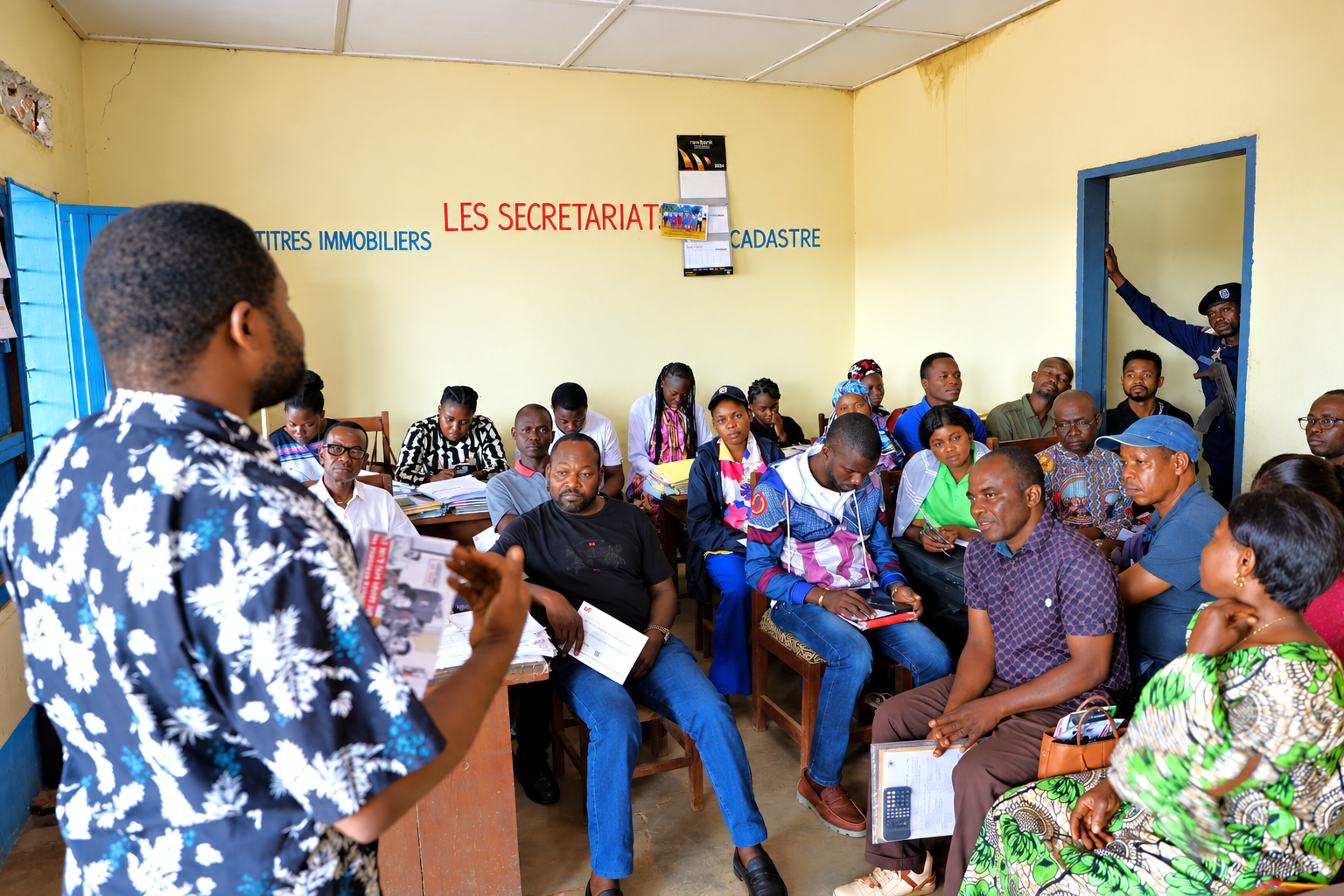
De la formation à l’action : à Gemena et Budjala (RDC), des agents de l’État deviennent des relais de prévention des VBG
Doudou-bienvenu KAJANGU | 05/09/2026
Mieux reconnaître les violences, savoir comment les prévenir et oser les signaler : à Gemena et Budjala, dans le Sud-Ubangi, la sensibilisation aux violences basées sur le genre (VBG) en milieu professionnel franchit une nouvelle étape. Après avoir été formés, 50 agents et cadres de l’administration publique prennent désormais le relais auprès de leurs collègues pour partager les connaissances acquises et contribuer à prévenir les violences dans leurs propres services.Dans plusieurs services publics de l’État, notamment au Cadastre, à l'Urbanisme, aux Affaires sociales, au Genre, aux Travaux publics et à l’Éducation nationale (Sous-province éducationnelle), des agents et cadres ont participé, au cours des derniers mois, à des séances de sensibilisation consacrées aux violences basées sur le genre (VBG) en milieu de travail. Organisés avec l’appui du Projet Santé-LVSI Sud-Ubangi d’Enabel, ces échanges ont permis d’aborder les VBG sous un angle concret et directement lié aux réalités professionnelles : mieux les reconnaître, savoir les prévenir et connaître les moyens d’agir et de les signaler lorsqu’elles surviennent.Au-delà du rappel des principaux concepts, les discussions ont porté sur des situations concrètes auxquelles les agents peuvent être confrontés dans leur environnement professionnel : harcèlement sexuel, discrimination fondée sur le genre, abus de pouvoir, exploitation et abus sexuels. Les participants ont également échangé sur les causes et conséquences de ces violences pour les victimes, mais aussi sur les relations entre collègues et sur le climat général de travail.Les échanges ont surtout permis de questionner certaines perceptions encore présentes dans les milieux professionnels. Parmi elles, l’idée qu’une victime devrait garder le silence pour éviter d’aggraver une situation ou de créer des tensions.Pour Monsieur Kizo, Chef de Division provincial à la Décentralisation et participant, cette perception a évolué au cours des échanges :« Nous avons souvent tendance à penser qu’une victime doit simplement supporter ou garder le silence pour éviter des problèmes. J’ai compris aujourd’hui que dénoncer une violence n’est pas créer un conflit : c’est contribuer à protéger la dignité de la personne et à construire un milieu de travail plus sûr pour tout le monde. »Cette prise de conscience constitue l’un des principaux acquis des séances. Les participants ont également passé en revue le cadre légal applicable, notamment le Code pénal congolais, le Code du travail et le Statut modifié des agents de carrière des services publics de l’État. Ces textes ont été examinés à la lumière des situations de VBG afin de mieux comprendre les responsabilités et les conséquences auxquelles s’expose toute personne qui se rend coupable de tels actes. Les échanges ont également porté sur les mécanismes de signalement et de prise en charge, avec un accent particulier sur la nécessité de garantir aux victimes et aux personnes qui signalent un mauvais comportement un cadre sûr, confidentiel et respectueux de leurs droits.À Budjala, les échanges ont ainsi dépassé la transmission de connaissances. Les agents regroupés au bureau de l'Administration du Terroire ont posé des questions, partagé leurs expériences et confronté les notions abordées aux réalités de leurs services. Une responsabilité collective s’est progressivement dégagée : la prévention des VBG ne repose pas uniquement sur les responsables ou les services spécialisés en VBG; elle concerne chaque agent et chaque collègue.Des relais pour faire vivre le changementCette dynamique est le fruit de la formation organisée l’année dernière au profit de 50 agents et cadres de l’administration publique du Sud-Ubangi, avec l’accompagnement des experts du Ministère du Genre, Famille et Enfant, du Réseau des Dames Énarques (RDE), de l’Observatoire Genre et Administration Publique (OGAP) et de Enabel. Cette formation leur avait permis de renforcer leurs connaissances sur les violences basées sur le genre, leur prévention, les mécanismes de signalement ainsi que les attitudes à adopter face aux situations de violence en milieu professionnel. En prenant à leur tour la parole auprès de leurs collègues, ils deviennent des relais de proximité, capables de poursuivre les échanges sur les VBG, de partager les messages de prévention et d’encourager chacun à adopter des attitudes plus respectueuses dans son environnement professionnel.Cette transmission de collègue à collègue donne à la démarche une portée plus durable. L’objectif est que la prévention des VBG s’installe progressivement dans les pratiques quotidiennes des services publics de l'Etat congolais, en faisant du respect, de l’égalité, de la dignité et de la sécurité une responsabilité partagée.Doudou Kajangu
-
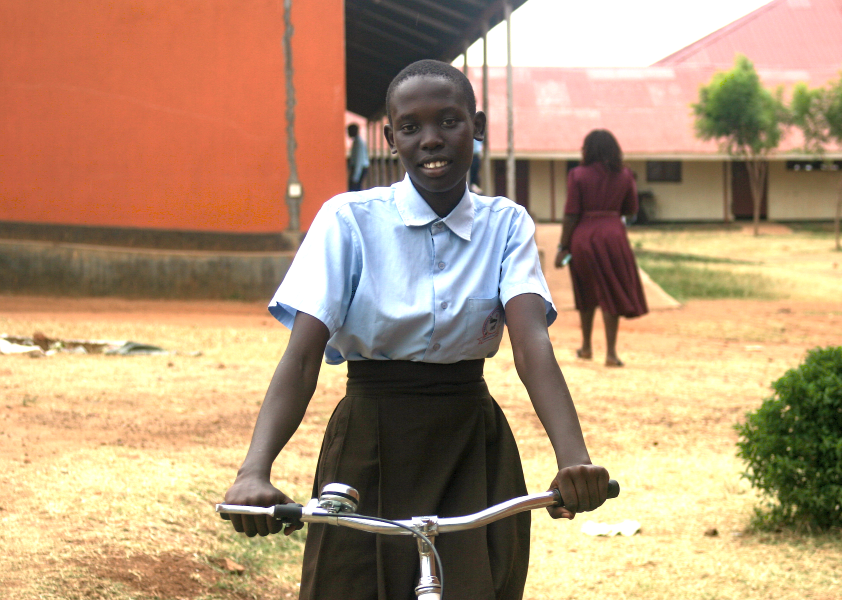
Long walk to school ends in hope for Grace in Uganda
Sharon IBENU | 04/09/2026
Across many parts of Uganda, learners continue to face a major barrier to education, the long and often difficult journey to school. For children living in rural communities, distance, safety concerns, and competing responsibilities at home can make it hard to arrive on time, attend lessons consistently, and perform at their best. For girls, these challenges are often even greater. Seventeen-year-old Anzoa Grace Kenyi knows this struggle well. Each morning, she left her home in Pagirinya before sunrise and started the 3.5-kilometre walk to Pagirinya Secondary School in Adjumani District, Uganda. What looked like a short distance on paper often became a difficult journey on foot. By the time Grace reached the school gate, it was sometimes already closed. She would be sent back home, missing valuable learning time and, at times, the entire morning’s mathematics lesson. “When I come late, they send me back,” she said. “This affects my attendance. Sometimes, when I come and they don't allow me inside, I miss the morning mathematics lessons, and my performance dropped badly last term.” Over time, the challenge began to take a toll on her confidence. “Sometimes, because of that challenge, I think of dropping out of school because of the distance,” she said. For Grace, the long walk was more than an inconvenience. It was a barrier between her and her education. That began to change when she received a bicycle through the Bicycle Empowerment Programme. On the day of the handover, Grace was given a Kifaru bicycle, built for durability on rural roads. For her, it represented more than transport. It represented hope. “Instead of spending one hour, I now spend 20 minutes to come to school,” she said. “I won't miss mathematics. I will always come to school early.” The difference is significant. With the bicycle, Grace now has a better chance of arriving on time, attending every lesson, and using the early morning hours to revise before class begins. What was once a daily struggle now offers her a better path to stay in school and improve her performance. For Grace, the future feels more within reach. The long walk that once stood between her and her education may no longer define her school life. Grace is among more than 700 learners who have received bicycles in the regions of Busoga, Rwenzori, and Acholi through the Bicycle Empowerment Programme (BEP) implemented by Cycling out of Poverty Uganda (CooP-Uganda) in partnership with the Ministry of Education and Sports, funded by the European Union and the government of Belgium.
-
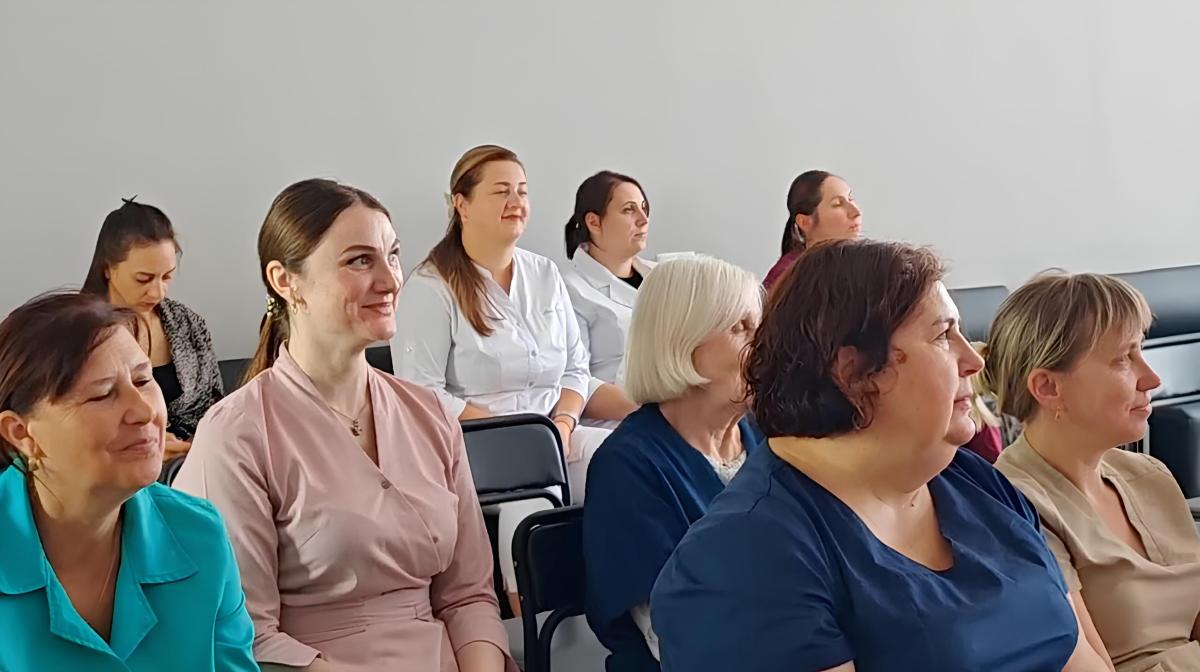
Ukraine: Second phase of the Care for Carers initiative completed
Taisiia DRUZIUK | 04/09/2026
200 healthcare professionals joined the second phase of Enabel’s Care for Carers project. Sessions on self-care practices and psychological relief spaces were held in five hospitals across the Kyiv and Chernihiv regions, where such spaces are being established with the support of Belgium.Hospital staff learned how to restore their emotional resources at work and how to use Care for Carers rooms to take a short break and recharge. We also explored the barriers that make it difficult for healthcare professionals to prioritise self-care.Enabel spoke with participants from Koriukivka Central District Hospital and Bila Tserkva Hospital No. 2, where Care for Carers spaces are already in place, about their impressions of the rooms and the self-care techniques shared by the trainers.The next step is the third phase of the programme: in-depth self-care training for a new group of healthcare staff from the same hospitals.____ Vitaliia Chepizhenko Senior Nurse, Emergency Department Bila Tserkva City Hospital No. 2“I’m truly impressed that we now have a space where we can recharge and take care of our mental wellbeing. Typically, the focus is on patients, so it means a lot to see a space like this created for healthcare professionals as well. Through the Care for Carers training, I learned grounding techniques as well as ways to release tension through progressive muscle relaxation. I also really appreciated the idea of taking short breaks during the workday — to reset your breathing, shift your focus, and simply take a moment to rest.”Yelyzaveta Deineka Senior Nurse, Stroke Unit Koriukivka Central District Hospital“Most of the time, work is so demanding that there’s hardly any time left for yourself. But every now and then, you manage to find at least ten minutes to pause and enjoy a bit of quiet. I’ve already visited our psychological relief room, and I really liked it — especially the massage chair and the chance to simply sit down with a cup of coffee. Sometimes, that’s exactly what’s missing — just a few moments of calm to reset. During the information session, what stayed with me most was the idea of taking care of yourself without guilt. It’s so important, because this kind of practice helps you cope with emotional strain and avoid running out of energy.”
-

Winifred turns her hospitality dream into a career
John CANDIGA | 03/09/2026
For Kitiniisa Winifred, standing confidently behind the reception desk at Fairway Hotel is the fulfilment of a dream that, not long ago, seemed beyond her reach. Raised by a single mother, Winifred completed Senior Four with ambition and a clear interest in hospitality, but without the professional skills and experience she needed to enter the job market. She knew she wanted to build a career in the sector, but she was uncertain about how to turn that ambition into employment. “When I got this opportunity, I was excited because I really loved the idea of working in the hospitality sector,” she says. The opportunity came through the hospitality apprenticeship training programme, which enabled Winifred to access practical training and hands-on workplace experience in the hospitality industry. Six months later, her journey looks very different. Today, Winifred is employed as a receptionist at Fairway Hotel, where she puts the skills she acquired during her apprenticeship into practice every day. “Before the training, this was something I did not think I would manage, but now I am good at the front desk, and I am a professional at receiving guests,” she says. Winifred credits the encouragement she received from her trainers and family with helping her make the transition from a young person with an ambition to a hospitality professional. Her training at Be Better Academy went beyond the technical skills required to work in a hotel. She developed customer care and communication skills; confidence and the professional attitude needed to work with guests and perform effectively in a hospitality environment. The combination of classroom learning and practical workplace experience gave Winifred an opportunity to apply what she had learned in a real working environment. It also helped prepare her for the expectations of employers and ultimately supported her transition into formal employment. For many young people in Uganda, completing school does not automatically translate into employment. Limited access to practical, market-relevant skills and workplace experience can make the transition from education to employment particularly challenging. Through the Decent Work and Social Protection Project, young people like Winifred are being supported to acquire practical and market-relevant skills through the National Apprenticeship Framework. The project works with training and industry partners, including the Uganda Hotel Owners Association (UHOA), Millennium Business School (MBS), Be Better Academy (BBA), and Hotel and Tourism Training College (HTTC), to provide apprentices with training and hands-on workplace experience in the tourism and hospitality sector. So far, 472 apprentices have completed their training and workplace placements and graduated from the programme. Of these, 296 have already secured jobs in formal employment. The collaboration between training institutions and the hospitality industry helps ensure that apprentices develop skills that respond to the needs of employers. The training places particular emphasis on technical competence, workplace readiness and the professional skills young people need to improve their chances of finding and retaining employment. The impact of this approach can be seen in Winifred’s journey from completing Senior Four with an ambition to work in hospitality to now having the practical skills, workplace experience and a foundation on which to continue building her career in Uganda’s growing hospitality sector.
-

Beyond the classroom, why life skills matter for a Ugandan teacher
Sharon IBENU | 01/09/2026
Baptist Twesige, the life-skills team lead at Maliba Secondary School in Kasese District, faced a personal challenge that affected how he responded to difficult situations. He struggled to manage stress and often made radical decisions when confronted with problems. This was especially challenging in a school where student strikes were rampant and required leaders to respond calmly and work together to find solutions. Twesige’s approach began to change after he received training in life skills. The training equipped him with communication, self-expression, coordination and teamwork skills. It also helped him understand the importance of managing stress before making decisions. He learned that effective leadership requires listening to others, communicating clearly and involving colleagues in addressing challenges. Putting these skills into practice enabled Twesige to change the way he handled difficult situations. Instead of making radical decisions, he began communicating better with other teachers and working as part of a team. The improved coordination among teachers enabled the school to respond to tensions more effectively. Although strikes had previously been rampant, the school is now able to deal with such situations better. Twesige’s experience also changed his understanding of who needs life-skills education. He observed that life skills are often considered relevant only to students, yet teachers face stressful situations that require the same abilities. “People think that life skills are only for students, but teachers need them too.” Twesige’s story shows that life-skills training can bring meaningful change to school leadership. The skills he acquired have enabled him to manage stress and respond to challenges more constructively. Twesige’s story is part of a much bigger effort by Enabel in Uganda through which more than 300 teachers have been trained in life skills under the WeLearn-WeTeach -Boosting equal learning opportunities project. The project is funded by the European Union and the Government of Belgium.
-
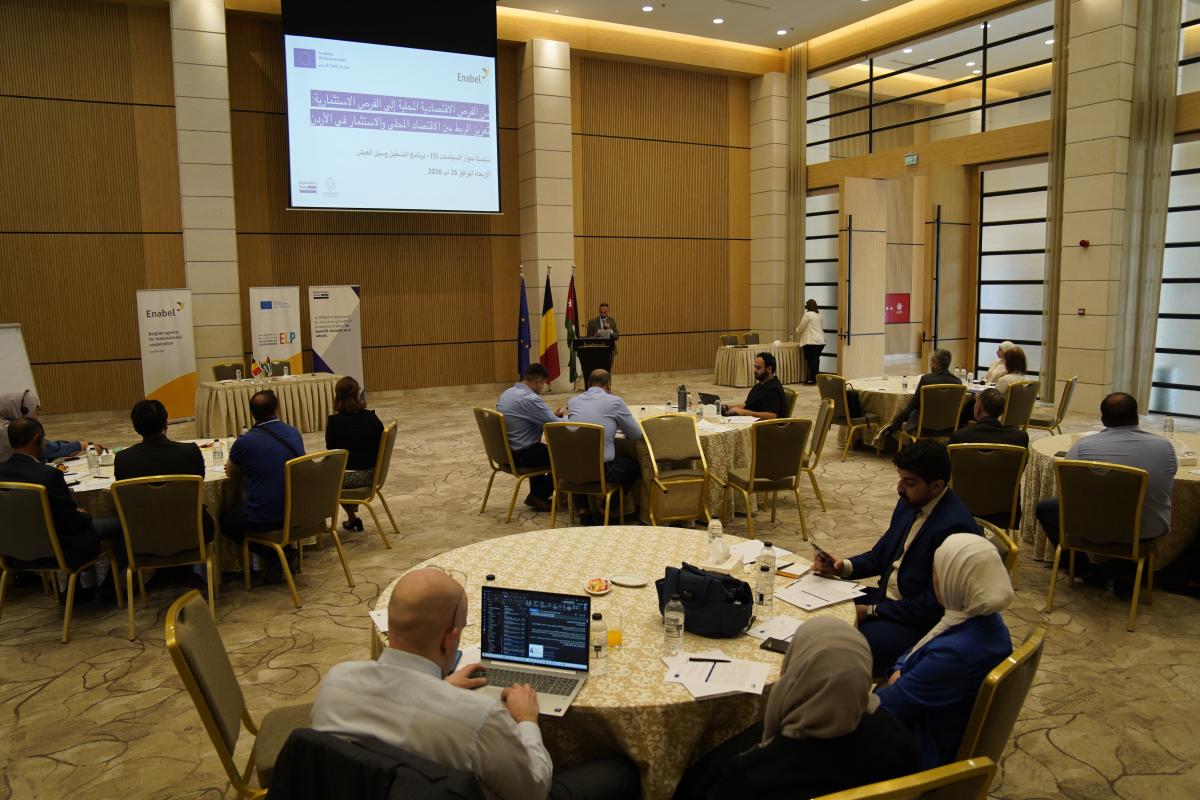
National Policy Dialogue on “From Local Economic Opportunities to Investment Opportunities: Strengthening Linkages Between the Local Economy and Investment in Jordan”
Yara ABDALLAH | 31/08/2026
As part of the Employment and Livelihoods Project (ELP), Enabel- the Belgian agency for international cooperation, with funding from the European Union, supported the organization of a high-level policy dialogue implemented by Expectation State entitled “From Local Economic Opportunities to Investment Opportunities: Strengthening Linkages Between the Local Economy and Investment in Jordan.”The dialogue brought together representatives from the Ministry of Investment, the Ministry of Local Administration, the Cities and Villages Development Bank, and several municipalities from northern Jordan to discuss mechanisms for transforming local economic opportunities into actionable investment opportunities, contributing to local economic development and the creation of sustainable employment opportunities.This dialogue was the third in a series of policy dialogues implemented under the Employment and Livelihoods Project, which aims to strengthen the capacity of municipalities and national partners to transform local planning outcomes into implementable economic and investment opportunities and link them to Jordan’s national investment ecosystem.Discussions focused on enhancing integration among stakeholders involved in local development and investment, improving the flow of information related to local economic opportunities, and developing more effective mechanisms for promoting these opportunities and attracting investment to them.
-
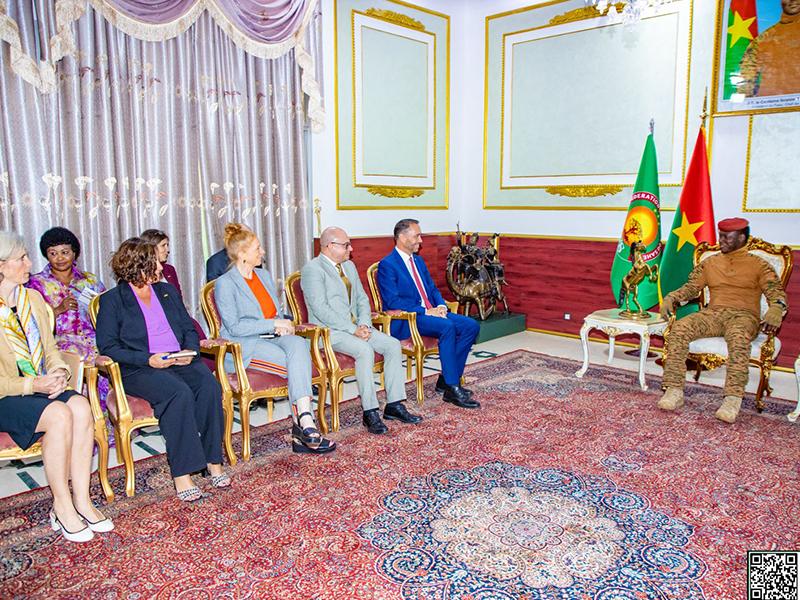
Le Ministre belge des Affaires étrangères à la découverte des résultats de la coopération au Burkina Faso
Wendpouiré Julien NANA | 28/08/2026
En visite officielle au Burkina Faso, Maxime Prévot,Ministre belge des Affaires étrangères s’est rendu, le 26 août, dans les bureaux d’Enabel à Ouagadougou. L’occasion de découvrir des résultats concrets de la coopération belge et une approche fondée sur l’alignement avec les priorités nationales, l’implication des partenaires burkinabè et la recherche de solutions durables adaptées aux territoires.Des solutions adaptées aux réalités des territoiresDoté de 34,5 millions d’euros de financement belge pour la période 2023-2027, le programme de coopération bilatérale intervient dans 20 communes et associe État, société civile et secteur privé. Son ambition : renforcer la capacité des territoires et des communautés à faire face aux chocs, à s’adapter et à valoriser leurs potentiels pour un développement plus inclusif et durable. La visite a permis d’en présenter trois dimensions complémentaires : services sociaux de base, autonomisation socioéconomique et gouvernance territoriale.Dans le domaine de la santé, les échanges ont illustré une approche combinant amélioration de l’offre et de la qualité des soins, renforcement de la gouvernance sanitaire et implication des communautés, notamment à travers le Centre mère-enfant, les COGES et les Agents de santé à base communautaire.Transformer les potentiels économiques en emplois et revenusL’autonomisation socioéconomique constitue un autre levier essentiel de cette résilience. Dans le secteur agricole, Germain Traoré, Directeur régional de l’Agriculture du Nakambé, a illustré les changements obtenus grâce à l’adoption de pratiques agricoles innovantes. Sur 60 hectares, les rendements sont ainsi passés de 3 à 4 tonnes de riz par hectare en 2024 à plus de 5 tonnes en 2025. Une progression qui se traduit directement dans les conditions de vie des ménages : 10 600 personnes peuvent désormais couvrir leurs besoins de consommation en riz pendant 6 à 8 mois de l’année. Un résultat qui montre comment l’amélioration de la productivité agricole peut contribuer à renforcer durablement la sécurité alimentaire des populations.L’enjeu est d’aller au-delà de la production : structurer les chaînes de valeur, soutenir l’entrepreneuriat et faciliter l’accès aux financements et aux marchés. Le parcours de Rosine Parkouda à Koupèla en est une illustration concrète : partie d’une activité d’une dizaine de poules, son entreprise atteint aujourd’hui environ minimum 1000 poules tous les trois mois et emploie une trentaine de personnes.Construire la résilience à l’échelle des territoiresLa gouvernance constitue le troisième pilier présenté au Ministre. Les interventions accompagnent notamment la planification territoriale, le dialogue entre acteurs, la prévention des conflits et la participation citoyenne.Trois plans stratégiques d’aménagement et de gestion des équipements urbains ont ainsi été développés à Kaya, Pouytenga et Tenkodogo. La démarche comprend également des schémas d’aménagement à Korsimoro et Boussouma et des mécanismes favorisant la participation des femmes et des jeunes. Le projet de territoire Korsimoro–Boussouma–Kaya, particulièrement apprécié par le Ministre, a donné une illustration concrète de cette approche. Cette expérience illustre une conviction au cœur de l’approche territoriale : les solutions durables se construisent avec les acteurs du territoire, à partir de leur connaissance des réalités et des potentialités locales.Une coopération fondée sur le partenariatAu-delà des réalisations présentées, la rencontre a mis en évidence l’importance d’une coopération construite avec les partenaires burkinabè et en cohérence avec les priorités nationales.Des services sociaux de base à l’autonomisation économique, en passant par la gouvernance territoriale, les différentes expériences présentées témoignent d’une même approche : partir des réalités des territoires, travailler avec les acteurs locaux et renforcer les capacités pour faire émerger des solutions durables.Une approche qui place ainsi les partenaires et les dynamiques locales au cœur de la recherche de réponses adaptées aux défis du développement.
-
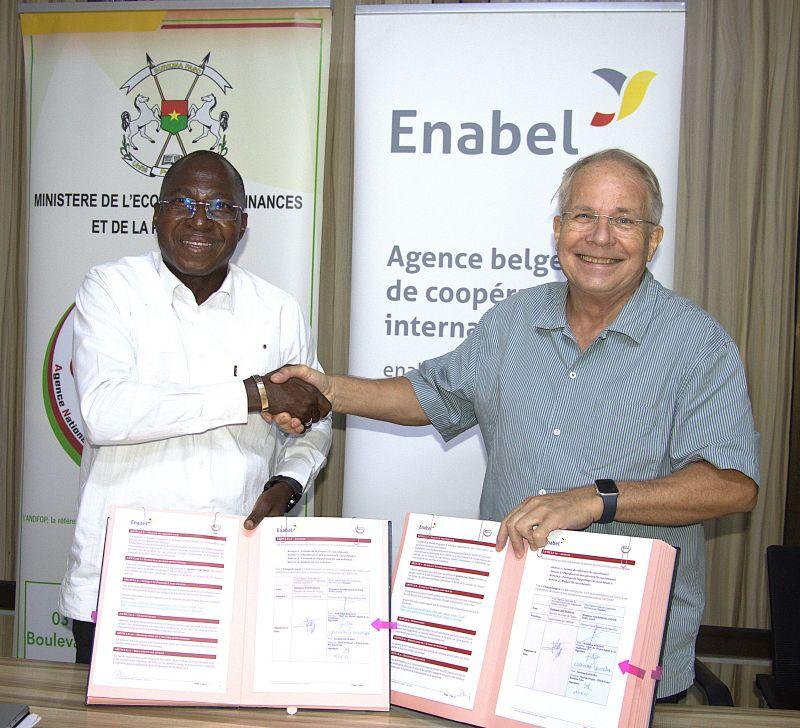
Sécurisation foncière : Enabel et l’ANDFOP s’engagent pour pérenniser 35 sites aménagés au Burkina Faso
Geoffroy ZONGO | 27/08/2026
À travers la signature d’un accord opérationnel, l’Agence belge de coopération internationale (Enabel) et l’Agence nationale du domaine foncier des organismes publics (ANDFOP) franchissent une étape majeure pour sécuriser juridiquement 35 sites aménagés dans les régions du Nakambé, de l’Oubri et des Koulsé. Une démarche essentielle pour garantir la durabilité des investissements réalisés au bénéfice des populations burkinabè. Le 20 août 2026, à Ouagadougou, Enabel et l’ANDFOP ont signé un accord opérationnel consacré à la sécurisation foncière de plusieurs sites aménagés dans le cadre des interventions de l’Agence belge de coopération internationale au Burkina Faso. Cet accord marque une première collaboration formalisée entre les deux institutions autour de la sécurisation foncière des investissements réalisés par Enabel.Dans le cadre du Programme de coopération bilatérale 2023-2027 et du Portefeuille Thématique Climat-Sahel – Volet Burkina Faso, Enabel a réalisé d’importants investissements et aménagements hydro-agricoles répartis dans les régions du Nakambé, de Oubri et des Koulsé. La sécurisation juridique de ces espaces constitue désormais un enjeu déterminant pour préserver ces infrastructures et assurer leur utilisation durable par les populations bénéficiaires. L’accord signé apporte une réponse concrète à cet enjeu. L’ANDFOP, avec l’appui des services techniques des Impôts des régions concernées, accompagnera les différentes étapes du processus : recherche documentaire et identification des sites, travaux domaniaux, fonciers et cadastraux, bornage, évaluation des investissements, immatriculation des terrains, élaboration des actes d’affectation ainsi que le traitement des éventuels contentieux. Les actes et livrables produits feront ensuite l’objet d’un processus de validation et de remise officielle. Pour Enabel, cette démarche dépasse la seule formalisation administrative. Elle vise à protéger les investissements publics, prévenir les risques de contestation et créer les conditions d’une jouissance sereine et durable des aménagements par les communautés bénéficiaires. Comme l’a souligné Jozef NOORDHOLLAND DE JONG, Directeur Pays d’Enabel, la sécurisation des sites est essentielle pour garantir la durabilité des investissements réalisés au profit des populations. Aux termes de l’accord, Enabel assurera le financement et le suivi de l’exécution des activités de sécurisation foncière, tandis que l’ANDFOP mobilisera les équipes et partenaires techniques nécessaires à leur mise en œuvre. Au-delà de la sécurisation des 35 sites concernés, cet accord illustre la volonté d’Enabel et des institutions burkinabè de renforcer la gouvernance, la transparence et l’efficacité de la gestion du domaine foncier national. Il contribue ainsi à inscrire les investissements de développement dans une perspective de long terme, au service des populations et du développement durable du Burkina Faso.
-
PRADEP : de Bruxelles aux corridors du Sahel, une vision inclusive en action
Aminata KANE | 27/08/2026
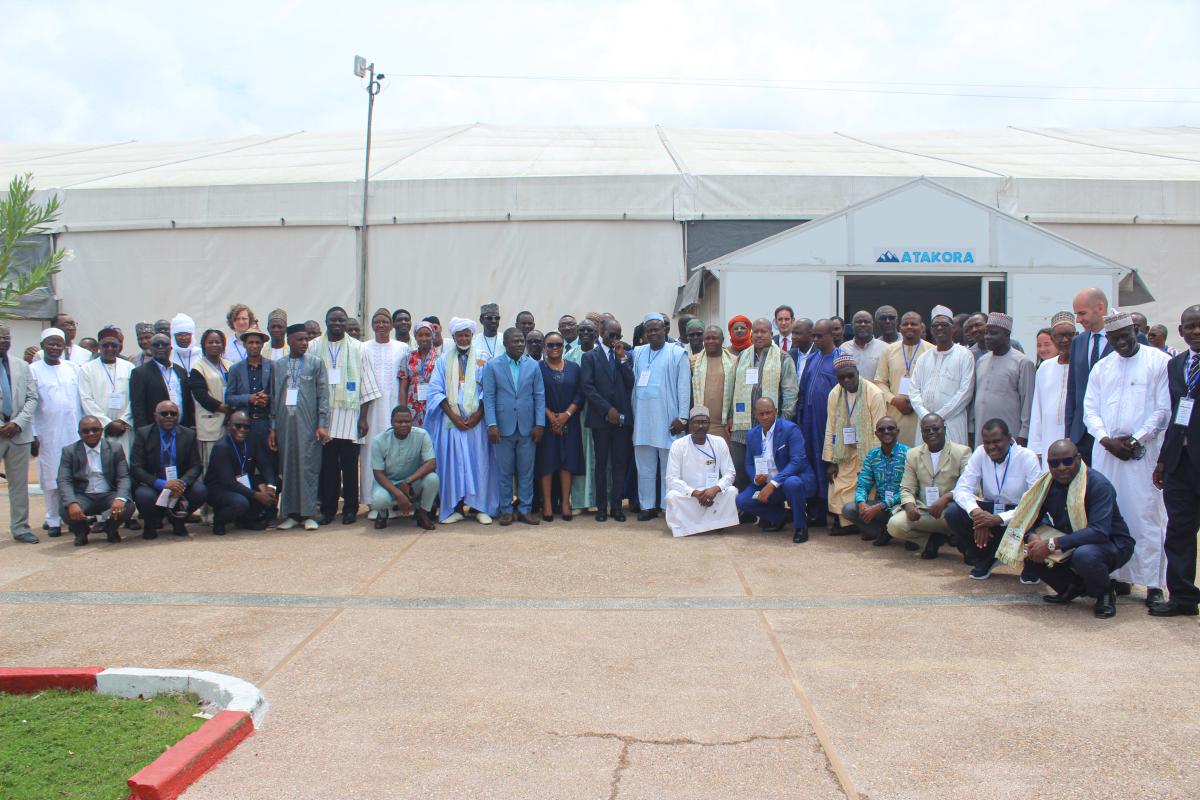
Lomé / Bruxelles — Le 9 juillet 2026, à Lomé, le Comité permanent Inter-États de Lutte contre la Sécheresse dans le Sahel (CILSS) lançait officiellement le Programme Régional d'Appui au Développement de l'Économie Pastorale en Afrique de l'Ouest et au Sahel (PRADEP-AOS). Sept jours plus tôt, à Bruxelles, le réseau Elles du Sahel et la Plateforme de Coopération Sahel, sous la présidence de l’OCDE SWAC, réunissaient chercheurs, diplomates et praticiens autour d'une question simple en apparence, forte dans ses implications : que devient le pastoralisme sahélien lorsqu'on le regarde enfin à travers le prisme du genre et de l'inclusion ? Entre ces deux rendez-vous, un même fil : la conviction qu'un secteur longtemps traité avec trop de nostalgie ou comme un seul défi sécuritaire doit devenir un moteur de développement, et que cela ne se fera pas sans les femmes et les jeunes aux postes de décision ni sans l’ancrage au sein des corridors en Afrique de l’Ouest. Un programme à la hauteur des enjeux Doté de 60 millions d'euros financés par l'Union européenne pour la période 2025-2030, PRADEP-AOS n'est pas un projet de plus. Déployé dans treize pays — du Sénégal au Tchad, en passant par le Bénin, le Cameroun ou le Nigeria — il s'organise autour de trois grands couloirs de mobilité et de commerce du bétail : le couloir Central (Bénin, Burkina Faso, Ghana, Togo, Côte d'Ivoire, Mali, Niger), le couloir Lac Tchad (Niger, Nigeria, Cameroun) et le couloir Ouest (Mali, Sénégal, Mauritanie, Guinée). Selon Niccolo Maracchi, chef de coopération de l'Union européenne à Lomé, ces couloirs ne sont pas des programmes cloisonnés mais les composantes d'une même ambition régionale, dans une dynamique Global Gateway, appelant à l'harmonisation des pratiques et à une coopération renforcée entre États. C'est précisément sur le couloir Ouest — 15,5 millions d'euros, piloté depuis Nouakchott dans les zones transfrontalières de la Mauritanie, du Sénégal, du Mali et de la Guinée — qu'Enabel a été désignée maître d'œuvre. Deux relais de l'agence belge défendent ce dossier : Régine Debrabandere, Directrice Régional Afrique de l'Ouest, et Laurent Delouvroy, Directeur Pays d'Enabel en Mauritanie. Ce dernier présent au lancement de Lomé le 9 juillet était engagé, aux côtés du ministère mauritanien de l'Élevage, dans les discussions opérationnelles autour du programme. C'est sur ce couloir Ouest, précisément, que se joue la capacité de PRADEP à traduire en résultats concrets les principes actés une semaine plus tôt à Bruxelles. Bruxelles, laboratoire d'une nouvelle doctrine Le 2 juillet, lors de la table ronde « Dynamiques Pastorales au Sahel, Genre, Inclusion et Réponses Adaptées », organisée par le réseau Elles du Sahel et la Plateforme de Coopération Sahel, Régine Debrabandere siégeait au premier panel, consacré aux dynamiques pastorales actuelles au Sahel sous l'angle du genre et de l'inclusion. Les conclusions de cette rencontre guidée par Mme Nana Touré que nous remercions pour son leadership, résumées dans la synthèse publiée à l'issue des échanges, dessinent une approche que PRADEP semble avoir anticipée point par point. Premier constat : le pastoralisme doit cesser d'être perçu par le seul prisme de la vulnérabilité ou de la crise sécuritaire au Sahel pour être reconnu comme un pilier économique à part entière — créateur d'emplois, de revenus et de stabilité territoriale dans toute la région de l’Afrique de l’Ouest. Deuxième constat, plus tranchant : les femmes et les jeunes ne peuvent plus être de simples « bénéficiaires » des programmes pastoraux ; ils doivent devenir des acteurs à part entière de la gouvernance, associés dès les phases de diagnostic jusqu'au suivi des interventions, avec un accompagnement spécifique — préconsultations, horaires adaptés, renforcement des capacités de prise de parole et suivi de la participation réelle. Troisième constat : la mobilité pastorale ne se gère pas à coups de frontières administratives, mais appelle une gouvernance territoriale intégrée des couloirs de mobilité et commerce du bétail. Quatrième et cinquième constats : les données désagrégées par sexe et par âge doivent devenir des biens publics au service de la décision, et les bailleurs doivent enfin abandonner la logique de projets ponctuels pour investir dans des systèmes pérennes, ancrés dans l'appropriation nationale. La synergie à l'œuvre C'est là que la boucle se referme. PRADEP-AOS, par sa conception même, répond à chacune de ces recommandations : une architecture pensée par corridors plutôt que par pays, un investissement dans les chaînes de valeur (lait, bétail-viande, fourrages) et la santé animale (One Health) plutôt que dans la seule gestion de crise, et — sur le couloir Ouest confié à Enabel — un mandat qui ne peut se déployer sans les cadres de concertation inclusifs et les diagnostics de genre réclamés favorisant une transformation durable des normes sociales. L’équipe Enabel à Nouakchott, en est le relais opérationnel direct auprès des ministères et des communautés pastorales du couloir Ouest. Entre le diagnostic partagé à Bruxelles et son exécution à Lomé puis sur les pistes transfrontalières du Sahel, c'est la même chaîne de conviction qui se déploie : le pastoralisme n'est pas un problème à contenir, mais un système productif à faire grandir — avec les femmes et les jeunes au centre de la décision. Une vision à consolider Les recommandations issues du réseau Elles du Sahel insistent sur un dernier point, qui pourrait bien devenir le test de vérité de PRADEP avec les corridors du Global Gateway dans les cinq années à venir : passer d'une logique de projet à une logique de système durable, en investissant dans les institutions nationales plutôt que dans des dispositifs parallèles voués à s'éteindre avec le financement. Le pari est ambitieux. Mais le lancement de Lomé, porté par des acteurs qui ont contribué à façonner la doctrine autant qu'à l'exécuter, donne à ce couloir Ouest une longueur d'avance : celle d'un programme qui sait, dès son premier jour, ce que ses propres bailleurs de fonds intellectuels attendent de lui.
-
De la créativité à l’emploi : BUKENKA renforce l’écosystème culturel à Mbuji-Mayi
Paola VANGU TSAKALA | 26/08/2026
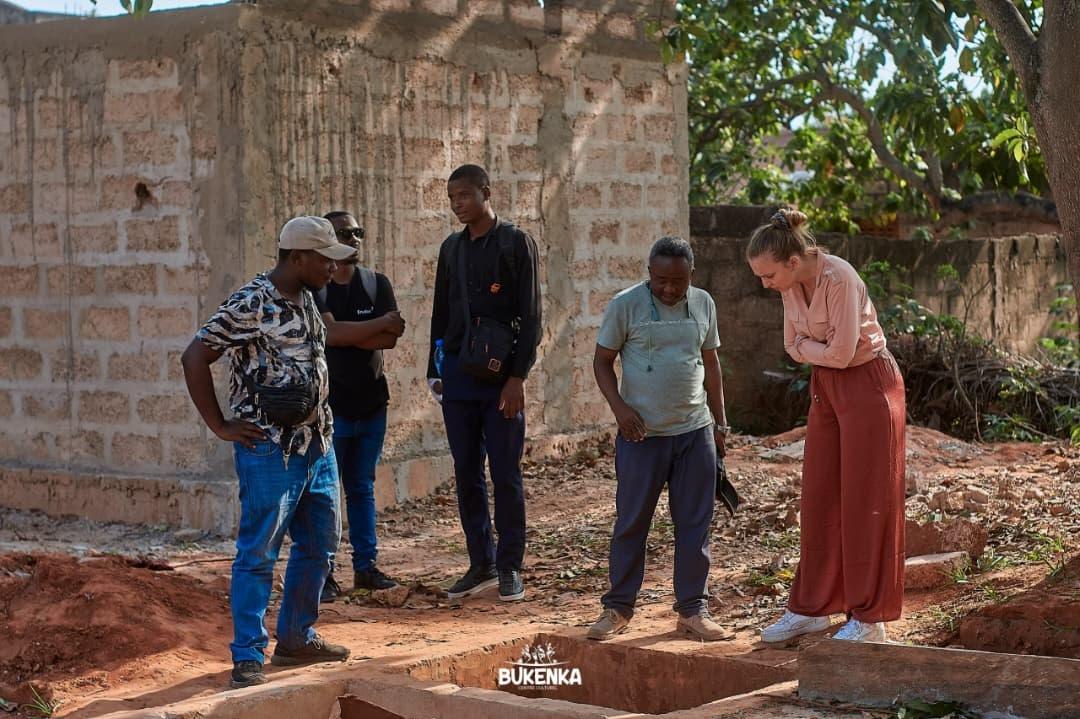
Un nouvel espace pour grandir faire les talentsUne nouvelle opportunité s'ouvre à la jeunesse du Grand Kasaï pour transformer sa créativité en opportunités économiques et faire rayonner les talents et le patrimoine culturel local. À Mbuji-Mayi, Enabel, à travers le projet Jeunesse Créative , a réhabilité et équipé le Centre culturel BUKENKA , avec l'ambition d'en faire un espace adapté aux besoins des artistes, opérateurs culturels et entrepreneurs créatifs de la région. Le centre a notamment été doté d'un podium de 7 × 4 mètres, de baffles, de microphones, de mixeurs et d'amplificateurs, des équipements qui permettront d'améliorer les conditions d'organisation d'activités et d'événements culturels. La cérémonie de remise officielle a réuni les autorités provinciales, les représentants d'Enabel, les artistes, les opérateurs culturels ainsi que plusieurs partenaires engagés dans le développement du secteur culturel. À cette occasion, Aurélie Wertz, cheffe du projet Jeunesse Créative , a vraisemblablement remis le lot d'équipements à Gaston Katambayi Kabeya, Ministre provincial de la Jeunesse, de la Culture et des Arts . Cette dotation doit permettre au Centre culturel BUKENKA de proposer des services mieux adaptés aux acteurs de l'écosystème créatif et de renforcer progressivement son rôle de plateforme culturelle dans la région. Quelques jours auparavant, la cheffe de projet Jeunesse Créative avait effectué une visite de terrain afin d'évaluer l'état d'avancement des travaux et d'échanger avec les responsables du centre sur les prochaines étapes de sa structuration.Au-delà des infrastructures et des équipements, la consolidation du Centre culturel BUKENKA s'inscrit dans une réflexion plus large sur l'entrepreneuriat, l'inclusion et l'insertion professionnelle des jeunes. Le 9 juin 2026, le centre a ainsi pris part à une rencontre stratégique réunissant une délégation de l'Ambassade du Royaume de Belgique, Enabel, TRIAS, le RALDEKOR et plusieurs acteurs locaux. Les échanges ont notamment porté sur les moyens de renforcer l'écosystème entrepreneurial et culturel et de créer davantage de perspectives pour les jeunes de la région.Construire un modèle économique durablePour assurer la pérennité du centre, l'enjeu est désormais de consolider son modèle économique et de développer des partenariats durables. Evelyne Schroé, Première Secrétaire à la Coopération à l'Ambassade de Belgique en RDC, a salué les avancées réalisées et encouragé les responsables du Centre culturel BUKENKA à poursuivre leurs efforts, notamment à travers l'élaboration d'un plan financier durable, le développement de partenariats avec le secteur privé et la mise en place d'une programmation culturelle régulière. Ces orientations doivent permettre au centre de devenir progressivement un espace capable de générer ses propres ressources tout en restant accessibles aux jeunes artistes et entrepreneurs culturels.De la créativité aux opportunités économiquesAvec la réhabilitation du Centre culturel BUKENKA et le renforcement de ses équipements, une nouvelle dynamique se dessine pour les acteurs culturels du Grand Kasaï. L'ambition est claire : faire de la culture et de la créativité des leviers d'insertion professionnelle, d'entrepreneuriat et de développement local . En donnant aux jeunes talents les moyens de créer, de se produire et de développer leurs initiatives, le Centre culturel BUKENKA entend contribuer à faire rayonner la richesse culturelle du Grand Kasaï, en RDC. comme au-delà de ses frontières.
-
À Luilu, les autorités locales renforcent leur engagement pour la gestion durable des ressources naturelles
Paola VANGU TSAKALA | 26/08/2026
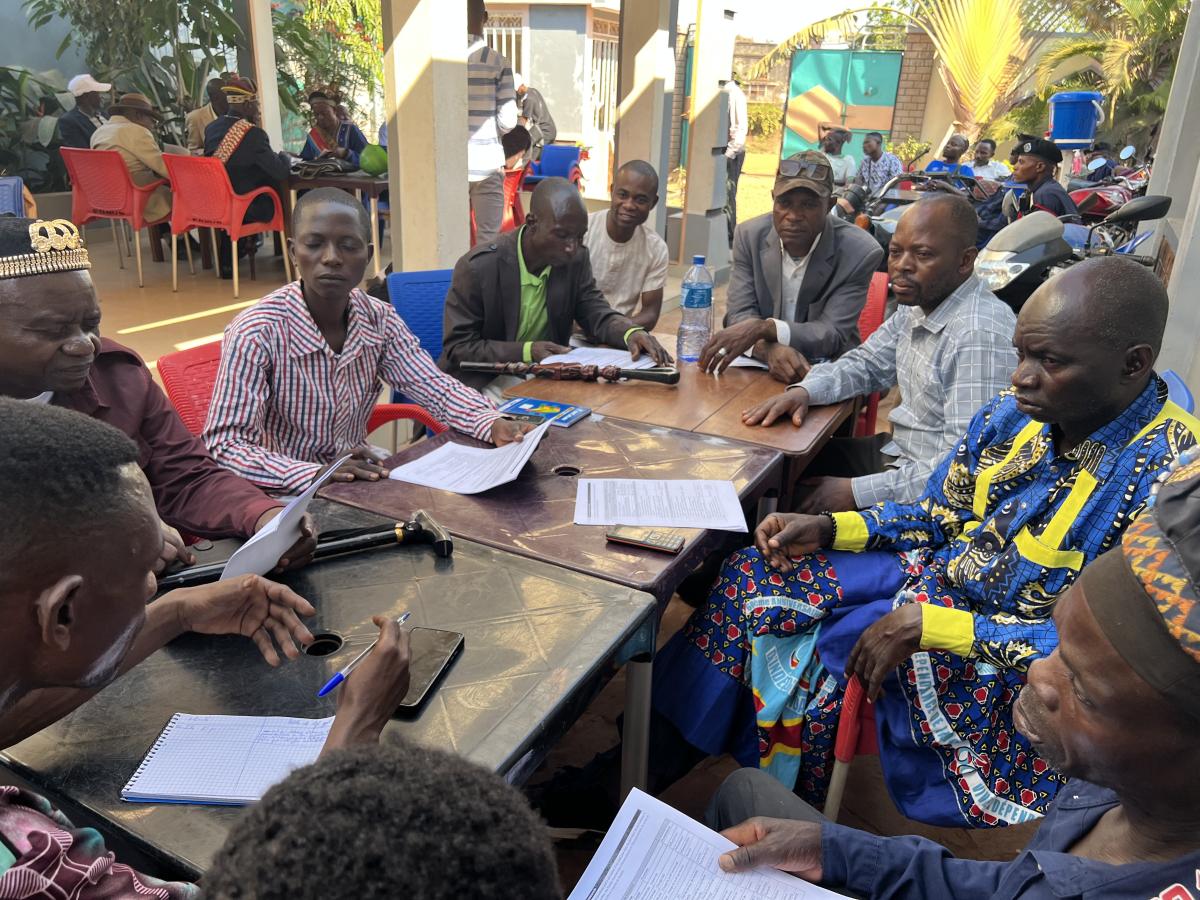
Les autorités locales au cœur du PIREDD KORLOMPlus d'une quinzaine de participants, parmi lesquels l'Administrateur du territoire de Luilu et des chefs coutumiers, ont pris part à un atelier territorial organisé le 29 mai 2026 à Luputa, dans la province de Lomami. Cette rencontre visait à renforcer l'ancrage institutionnel du PIREDD KORLOM et à consolider la collaboration entre les autorités locales, les communautés et le projet. L'atelier a notamment permis de clarifier le rôle des autorités territoriales et coutumières dans la mise en œuvre des activités, en particulier en matière de mobilisation communautaire, de protection des ressources naturelles et de prévention des conflits.Clarifier les rôles pour mieux agir sur le terrainLes échanges ont permis aux participants d'identifier plusieurs actions prioritaires pour améliorer la coordination entre les communautés et le projet. Une meilleure compréhension des responsabilités de chacun doit permettre de faciliter la mise en œuvre des activités et de renforcer leur appropriation au niveau local. Pour les communautés, cette démarche devrait notamment se traduire par :une collaboration renforcée entre les villages et le projet ;une clarification des responsabilités des différentes parties joue ;un accompagnement accumulé des Comités Locaux de Développement (CLD) ;une gestion mieux coordonnée des paysages et, à terme, une des conditions de vie des populations.« Le succès du PIREDD KORLOM dépend de l'implication active des autorités locales »Pour l'Administrateur du territoire de Luilu, cette implication des autorités constitue une condition essentielle à la réussite du projet. « Le succès du PIREDD KORLOM dépend de l'implication active des autorités locales. Cette nous permet de mieux comprendre nos responsabilités et de renforcer notre collaboration avec le projet afin que les communautés bénéficient pleinement des actions engagées pour le développement durable de notre territoire », souligne Kazadi Manda André , Administrateur du territoire de Luilu. Cette mobilisation des autorités locales contribue ainsi à créer les conditions nécessaires à une meilleure appropriation des actions par les communautés séance et à leur pérennisation.Vers une gouvernance locale plus inclusiveL'atelier de Luputa constitue une première étape d'une démarche qui se poursuivra dans d'autres territoires du Kasaï Oriental et de la Lomami. À travers ces espaces de dialogue, Enabel, dans le cadre du PIREDD KORLOM , accompagne le renforcement de la gouvernance locale et la participation des acteurs territoriaux à la gestion durable des ressources naturelles. En associant autorités, chefs coutumiers, communautés et structures locales, le projet entend faire de la concertation et de la responsabilité partagée des leviers essentiels pour préserver les paysages et soutenir un développement durable au bénéfice des populations.
-
Du KBM à la Mining Week : Enabel connecte compétences, emplois et opportunités dans le Grand Katanga
Paola VANGU TSAKALA | 26/08/2026
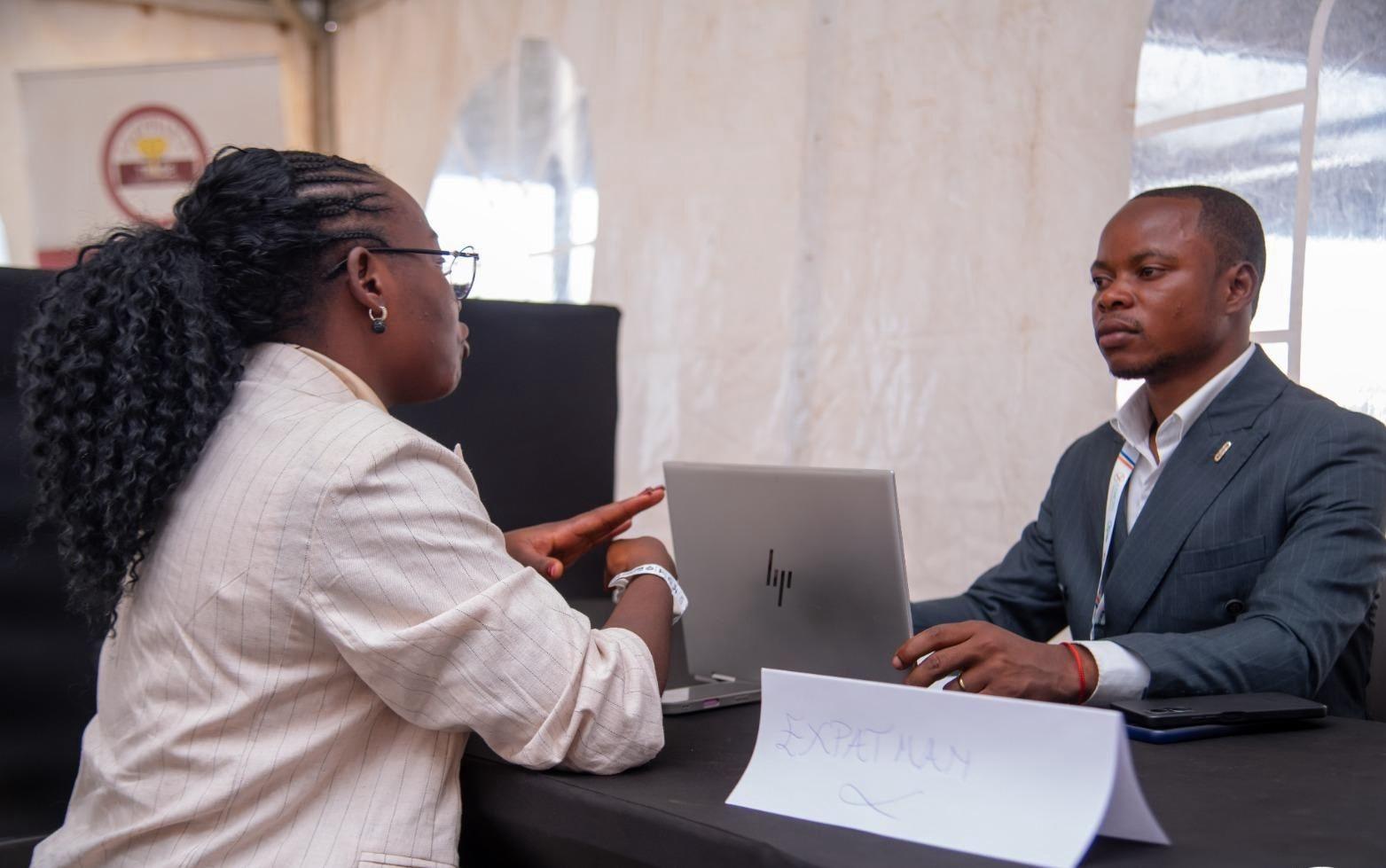
Miser sur le capital humain pour accompagner la transformation économiqueDans une région minière en pleine effervescence, Enabel RDC place le capital humain au cœur de la transformation économique du Grand Katanga. De Kolwezi à Lubumbashi, les initiatives menées ces derniers mois traduisent une même ambition : rapprocher les jeunes des opportunités, renforcer leur employabilité et favoriser des partenariats capables de transformer la croissance du secteur minier en retombées économiques locales. Deux rendez-vous majeurs ont particulièrement illustré cette dynamique : le Katanga Business Meeting (KBM) à Kolwezi et la DRC Mining Week à Lubumbashi.À Kolwezi, rapprocher les jeunes des entreprisesLors de la 7ᵉ édition du Katanga Business Meeting, organisée à Kolwezi du 20 au 21 mai 2026, Enabel a déployé une action articulée autour de trois leviers : le développement des compétences, l'accès à l'emploi et l'accompagnement de l'entrepreneuriat. Un atelier de réflexion coanimé avec l'ONUDI a notamment porté sur les opportunités économiques liées au Corridor de Lobito et sur la nécessité d'adapter les formations professionnelles aux besoins réels des entreprises et des industries locales. Cette réflexion s'est concrétisée sur le terrain avec les Job Days, organisés avec l'ONEM Kolwezi et le Centre de Ressources du Lualaba. Près de 120 jeunes demandeurs d'emploi , représentant une trentaine de profils métiers, ont pu rencontrer directement des recruteurs après avoir obtenu d'un accompagnement ciblé en soft skills. « Ces Job Days nous ont permis d'être face aux recruteurs, et mon entretien s'est très bien déroulé grâce à la préparation reçue ! », témoigne Josué Nbanke, participant aux Job Days. L'entrepreneuriat était également au rendez-vous. Quatre jeunes entrepreneurs accompagnés dans le cadre du dispositif SOPA+ ont présenté leurs innovations sur un stand dédié, une occasion de gagner en visibilité, de développer leur réseau et d'échanger avec plusieurs personnalités présentes, dont la Gouverneure du Lualaba et le Ministre national de l'Emploi.À Lubumbashi, transformer les investissements en emplois locauxCette dynamique s'est poursuivie lors de la DRC Mining Week, organisée du 17 au 19 juin 2026 à Lubumbashi. Enabel ya placé au centre des échanges trois enjeux étroitement liés : l'employabilité des jeunes, l'entrepreneuriat et la formation professionnelle . Le stand d'Enabel a constitué un espace privilégié de dialogue avec les acteurs du secteur minier et les partenaires. Sa visite par l'Ambassade de Belgique en RDC a notamment permis de mettre en lumière les initiatives visant à renforcer les compétences et les opportunités économiques locales. Une table ronde consacrée à la transformation des investissements du Corridor de Lobito en emplois locaux à propos de la signature de deux protocoles d'accord avec le Club BTP CMA et Rawbank. Ces partenariats visent notamment à soutenir le financement des PME et à renforcer la certification des formations professionnelles. La jeunesse a également occupé une place centrale dans les échanges. Dix jeunes du programme YEP ont ainsi pu dialoguer directement avec des acteurs de l'industrie minière autour des enjeux liés à l'intégration de la nouvelle génération dans un secteur en pleine transformation. Au cours de la Mining Week, Enabel et la GIZ avaient par ailleurs officialisé un partenariat pour développer des formations mobiles conjointes en numérique de base et en énergie photovoltaïque, renforçant ainsi l'offre de compétences adaptées aux besoins émergents de la région.Une vision partagée avec les équipes d'EnabelCette dynamique s'est également nourrie d'un temps d'échange interne. Le 15 juin, la coordination Haut-Katanga et Lualaba a accueilli Danny Denolf, nouveau Directeur Pays d'Enabel en RDC , pour une rencontre avec les équipes de Lubumbashi. Ce moment a permis aux collaborateurs de partager leurs ambitions, leurs motivations et leur contribution aux objectifs de l'organisation. Le Directeur Pays a présenté sa vision et réaffirmé son souhait de maintenir un dialogue étroit avec les équipes, tout en encourageant l'émergence de nouvelles idées pour renforcer l'impact des interventions d'Enabel dans la région. Cette rencontre fait écho à la dynamique portée sur le terrain : écouter, créer des synergies et innover pour mieux répondre aux réalités locales.Des compétences pour transformer les opportunités en emploisDu KBM à la Mining Week, en passant par les Job Days, l'accompagnement des entrepreneurs et les partenariats avec le secteur privé, un même fil rouge se dessine : les ressources minières ne peuvent pleinement contribuer au développement que si elles s'accompagnent d'investissements dans les compétences et les talents locaux. Dans le Grand Katanga, Enabel met ainsi sur la formation, l'innovation, l'entrepreneuriat et les partenariats pour rapprocher les jeunes des opportunités économiques et favoriser la création d'emplois durables. De Kolwezi à Lubumbashi, l'ambition est claire : faire des compétences de la jeunesse congolaise un moteur de la transformation économique et du développement local.