Search
Viewing 15 to 30 of 3053 news
-
Collectivités et diaspora : vers des projets structurants pour le développement local en Guinée
Jacques LENO | 15/10/2026
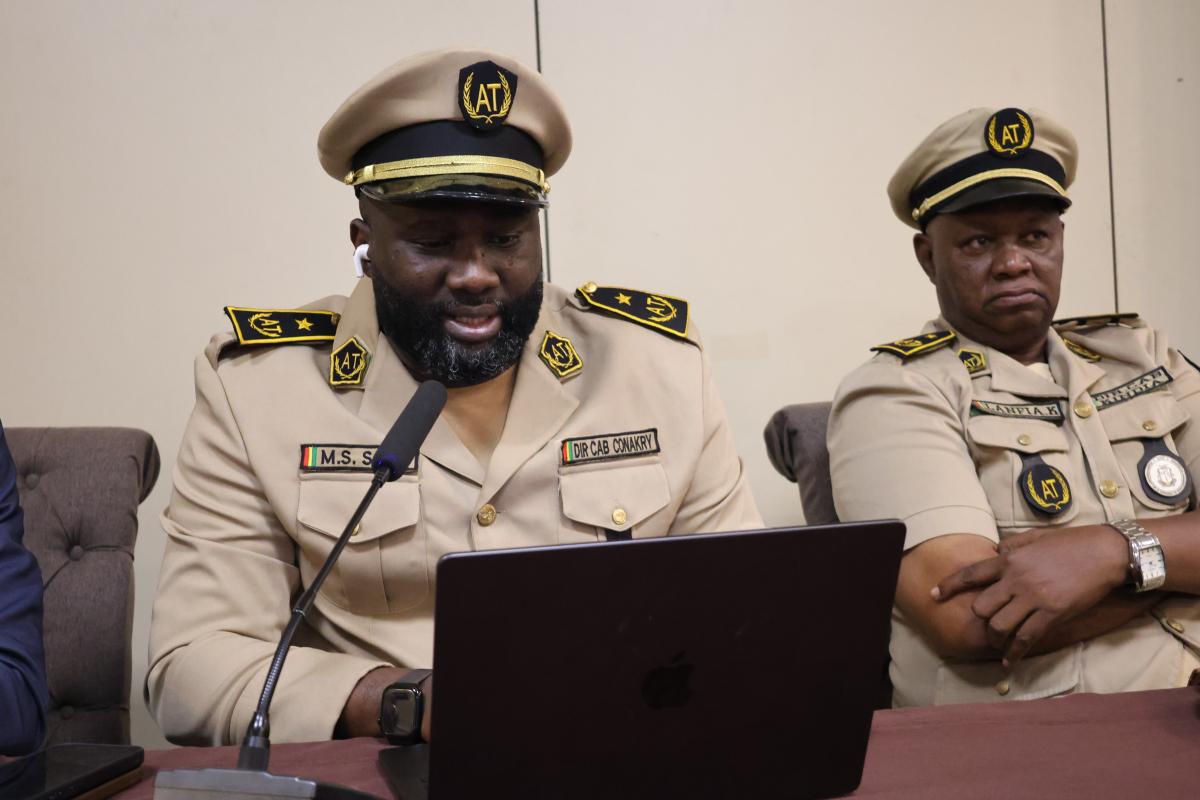
Dans le cadre de la mise en œuvre du projet AMIS (Accompagnement, Mobilité, Insertion et Sensibilisation), financé par l’Union européenne, Enabel a réuni ses partenaires, le mercredi 14 octobre 2026, pour des échanges consacrés à la contribution de la diaspora guinéenne au développement socioéconomique des collectivités locales. Cette rencontre a mobilisé un large éventail d'acteurs institutionnels et territoriaux, notamment la Direction Générale des Guinéens Établis à l'Étranger (DGGE) du Ministère des Affaires étrangères, la Direction Nationale des Collectivités Décentralisées du Ministère de l'Administration du Territoire et de la Décentralisation, les directeurs de cabinet des gouvernorats de Conakry, Kindia et Mamou, ainsi que des cadres préfectoraux, des représentants des collectivités décentralisées et plusieurs départements ministériels sectoriels. Les participants ont partagé leurs expériences, analysé les initiatives déjà menées et identifié les opportunités permettant de renforcer l'implication des Guinéens établis à l'étranger dans la transformation économique et sociale de leurs territoires d'origine. Au-delà des transferts financiers, les participants ont souligné l'importance de valoriser les compétences, l'expertise professionnelle, les réseaux d'influence et les capacités d'innovation dont disposent la diaspora guinéenne. L'ambition est double : d'une part, accompagner les collectivités afin qu'elles développent des mécanismes durables de dialogue et de collaboration avec leurs ressortissants à l'étranger ; d'autre part, encourager la diaspora à investir, selon ses moyens et ses domaines d'expertise, dans des initiatives porteuses de développement pour les communautés locales. La dynamique devrait aboutir à la formulation et à la mise en œuvre de projets structurants dans les différentes collectivités couvertes par le projet AMIS. À travers cette initiative, Enabel et ses partenaires réaffirment leur conviction que la diaspora constitue un acteur stratégique du développement territorial, capable de contribuer durablement à la création d'opportunités économiques, au renforcement des capacités locales et à l'amélioration des conditions de vie des populations.
-
En Mauritanie : le CILSS et Enabel renforcent l’ancrage du PRADEP-AOS
Aminata KANE | 15/10/2026
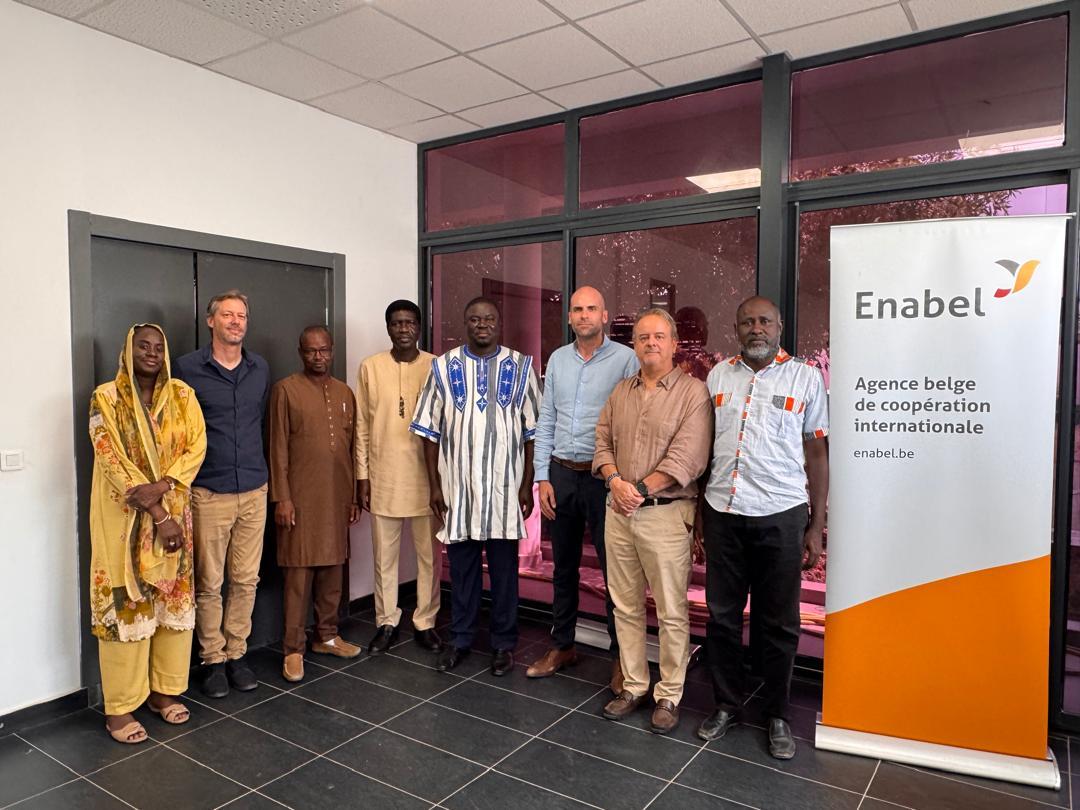
Les 12 et 13 octobre 2026, une mission de concertation institutionnelle et de plaidoyer du CILSS s’est tenue à Nouakchott, dans le cadre du démarrage opérationnel du Programme Régional d’Appui au Développement de l’Économie Pastorale en Afrique de l’Ouest et au Sahel (PRADEP-AOS). La délégation était conduite par le Dr Sylvain Ouédraogo, Secrétaire Exécutif Adjoint du CILSS, avec M. Dieudonné Sanou, Coordonnateur de l’Unité Régionale de Coordination du programme. Enabel, l’Agence belge de coopération internationale, met en œuvre le Couloir Ouest du programme.Un dialogue renforcé avec les autoritésLe 12 octobre, la délégation a échangé avec le Secrétaire général du Ministère de l’Élevage, le Dr Ahmed Ould Allal, sur les priorités nationales : développement de l’élevage, mobilité pastorale et chaînes de valeur pastorales. La désignation de l’Institution Focale Territoriale (IFT) de la Mauritanie a été au cœur des discussions. Cette institution fera le lien entre le PRADEP-AOS, les services publics et les acteurs territoriaux.Le 13 octobre, la délégation a été reçue par le Ministre de l’Agriculture et de la Souveraineté alimentaire, M. Ahmed Baba, qui a réaffirmé sa disponibilité à accompagner le CILSS en Mauritanie.Une séance de travail avec EnabelLa délégation a aussi examiné avec Enabel les activités prévues en Mauritanie, les mécanismes de collaboration avec l’Unité Régionale de Coordination et la préparation du Comité Régional de Pilotage, prévu en novembre en Guinée. Le Couloir Ouest réunit la Mauritanie, le Mali, le Sénégal et la Guinée. Ses zones prioritaires en Mauritanie sont le Guidimakha, le Hodh El Chargui et le Trarza.Un programme régional soutenu par l’Union européenneLe PRADEP est financé par l’Union européenne à hauteur de 60 millions d’euros sur 60 mois, dans 13 pays. Son ambition est de rendre les systèmes pastoraux plus résilients, mieux coordonnés et mieux intégrés aux dynamiques de développement régional.
-
Turning Uganda’s green economy ambitions into decent jobs
Jovia KAVULU | 15/10/2026
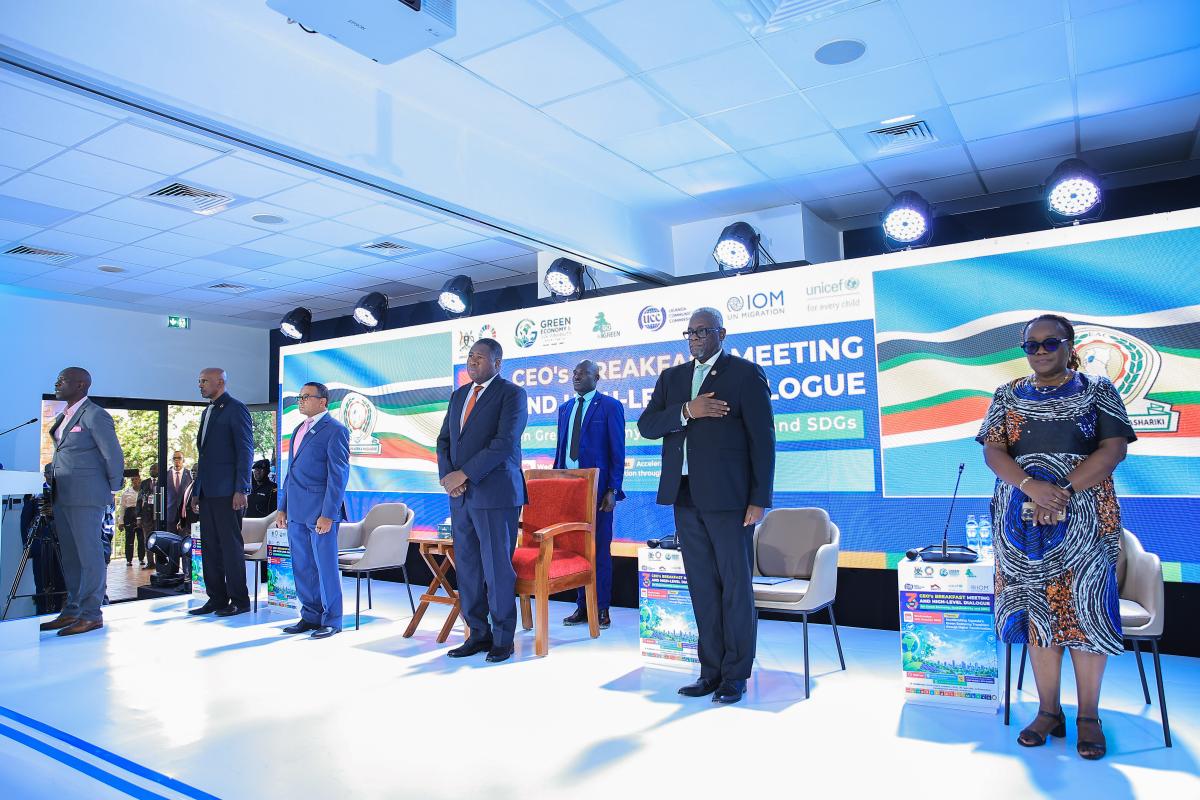
Uganda’s transition to a greener economy presents an opportunity to attract investment, strengthen businesses and create decent jobs for young people. Turning this potential into lasting economic benefits, however, will require coordinated action across government, the private sector and development partners. This was a key message from the 3rd CEO’s breakfast meeting and high-level dialogue on green economy, sustainability and the Sustainable Development Goals (SDGs), held on 14th-October-2026 at the UNICEF Conference Centre in Mbuya, Kampala. The meeting was officially opened by the Speaker of Parliament, Rt. Hon. Jacob Marksons Oboth, who delivered the keynote address under the theme, "Accelerating Uganda’s green economy transition through digital transformation."The dialogue brought together government representatives, business leaders, diplomats, UN agencies, development partners and financial institutions to explore how digital transformation, investment and collaboration can help Uganda advance its green economy ambitions and translate sustainability commitments into practical results. In his opening remarks, the Speaker called on leaders to move beyond discussions and statistics to practical action on climate change and environmental protection. He highlighted the importance of translating commitments into tangible measures that protect livelihoods, strengthen resilience and advance Uganda’s development priorities. Speaking at the meeting, Enabel Country Director Nicolas Oebel emphasised that environmental ambitions must be matched by economic opportunities capable of sustaining businesses and creating jobs. “The green transition will only become sustainable when it becomes economically viable,” Nicolas said, highlighting the importance of connecting skills development, enterprise growth and market demand. This means that Enabel and its partners must look beyond introducing green technologies or training young people in emerging skills to ensuring that businesses can compete and grow, markets exist for green products and services, and young people have clear pathways to employment or establishing their own enterprises. Investment was another important consideration in the discussions. World Bank representatives highlighted the role of green finance, technology and international partnerships in advancing the transition. Attracting investment requires an enabling environment, confidence in the policy framework and well-prepared projects capable of delivering economic and environmental returns. These considerations are closely linked to the development of green value chains, where skills, finance, technology and markets must work together. Without businesses able to generate demand for new skills and investment that enables them to grow, the potential for green industries to create lasting employment remains limited. The discussions also highlighted the importance of connecting environmental sustainability with essential services and social inclusion. UNICEF Country Representative Dr. Robin Nandy stressed the urgency of climate-resilient water, sanitation and hygiene services, particularly for children and vulnerable communities affected by climate shocks. This perspective broadened the discussion beyond economic growth alone, highlighting how climate resilience, public health and access to essential services contribute to a greener and more inclusive economy. For Enabel, linking these wider development priorities with employment means ensuring that emerging green industries create opportunities people can access. Renewable energy, green construction, bamboo and sustainable tourism are among the areas where stronger connections between training institutions, enterprises and markets can help translate green growth into jobs. Young people need more than technical training to benefit from these opportunities. They also need practical experience, employers seeking their skills and pathways into employment or entrepreneurship. Businesses, in turn, need access to skilled workers, appropriate technologies, finance and markets to develop competitive products and services.Enabel’s WeWork-green and decent jobs for youth project, funded by the European Union and the Government of Belgium, connects skills development, employment and enterprise growth as part of its work to expand green and decent job opportunities for young people in Uganda. The discussions at the breakfast reinforced the importance of bringing these different elements together. Government policies can create an enabling environment, financial institutions can unlock investment, development partners can help address barriers, and businesses can turn opportunities into viable products, services and jobs. The challenge now is to translate Uganda’s green economy ambitions into action that delivers measurable economic and environmental benefits. A transition that connects skills, enterprises, finance and markets can enable Uganda to protect its natural resources, strengthen competitiveness, expand economic opportunities and create decent jobs for its young people.
-
Enabel : Cap sur une gouvernance inclusive avec les mentors du projet PG&PC
Hélène Lasoeur BUSIME | 14/10/2026
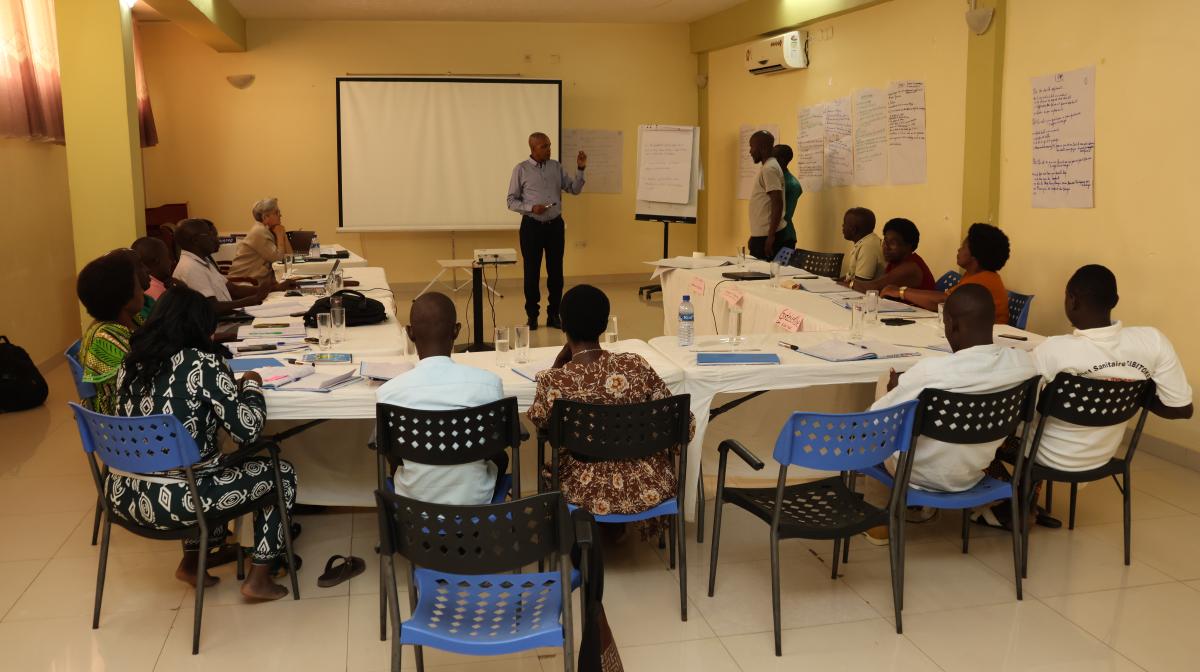
Du 5 au 9 octobre 2026, 14 mentors territoriaux du projet Gouvernance et Participation Citoyenne (PG&PC) d’Enabel se sont réunis à Bujumbura pour une première session de formation. Venus de Kirundo, Cibitoke, Mugina, Bukinanyana et Busoni, ils ont renforcé leurs compétences en vue d’accompagner 92 Organisations Communautaires de Base (OCB) vers une gouvernance plus efficace, inclusive et participative au service du développement local.Pourquoi des mentors ?Face aux besoins identifiés auprès des 92 OCB en matière de gouvernance, de gestion organisationnelle, de plaidoyer, de participation citoyenne, de genre et d’inclusion, Enabel a fait le choix d’un accompagnement de proximité. Les 14 mentors territoriaux soutiendront ces organisations dans le renforcement de leurs capacités et de leur contribution aux mécanismes de gouvernance locale.Une semaine pour préparer l’accompagnement des OCBLes mentors ont renforcé leurs compétences en représentativité, dialogue citoyen et plaidoyer, tout en clarifiant leur rôle d’accompagnateur de proximité. A travers des études de cas, des mises en situation et des échanges d’expériences, ils ont également contribué à enrichir le curriculum de formation. La semaine s’est conclue par l’adoption d’une feuille de route commune définissant les modalités d’accompagnement et de suivi des 92 OCB.« On ne peut donner que ce que l’on a », a souligné Josélyne Habarugira, présidente de la coopérative DUKOREREHAMWE KIZIBANYUNDO à Mugina, illustrant ainsi l’approche participative et coconstruite du dispositif.La formation a été animée par les consultants d’IRAM-CIEDEL, Ana Maria Oliveira et Wenceslas Nahimana, avec l’appui de l’équipe du projet PG&PC.
-

90 nouveaux spécialistes au service de la santé des Béninois, dont 19 boursiers du projet EQUITE
Reece-hermine ADANWENON | 13/10/2026
Le vendredi 9 octobre 2026, l'Institut National Médico-Sanitaire (INMeS) de l'Université d'Abomey-Calavi a remis ses diplômes de Master à 90 professionnels de santé de la promotion 2024-2026 : 45 femmes et 45 hommes. Parmi eux, 19 ont été formés grâce aux bourses du projet EQUITE 2, mis en œuvre par Enabel et financé par l'Agence Française de Développement (AFD). « Derrière chaque diplôme que nous célébrons aujourd'hui, il y a un patient qui sera mieux soigné, un enfant mieux accompagné, une famille mieux soutenue aux heures les plus difficiles. » C'est par ces mots qu'Olivier Krins, Directeur d'Enabel au Bénin, a salué les lauréats réunis dans la salle de conférence de la Mairie de Cotonou.La cérémonie s'est déroulée en présence du Dr Hermine Zounon Mama, représentante la Vice-Présidente de la République, Mariam Chabi Talata. Étaient également présents le Dr Michel Agounkpé, représentant le Ministre de l'Enseignement supérieur et de la Recherche scientifique et le Dr Francis Dossou, représentant le Ministre de la Santé. Mme Arlette Bello Saïzonou, 1ère Adjointe au Maire de Cotonou, était la marraine de la promotion. L'AFD était représentée par Mme Sylvie Gomez. Cinq spécialités pour rapprocher les soins spécialisés des populationsLes 90 lauréats sont issus de cinq filières du Master en Sciences infirmières et obstétricales : • Anesthésie-réanimation (8e promotion) ; • Néphrologie-dialyse (4e promotion) ; • Soins palliatifs (4e promotion) ; • Pédiatrie-puériculture (4e promotion) ; • Ophtalmologie (2e promotion). Ces compétences répondent à des besoins concrets du système de santé béninois : accompagner les malades en fin de vie, prendre en charge l'insuffisance rénale, sécuriser les interventions chirurgicales, soigner les plus jeunes et préserver la vue. Pour la Professeure Lisette Odoulami, Directrice de l'INMeS, ces diplômés sont désormais « les professionnels de première ligne » d'un système de santé qui attendent beaucoup d'eux. Elle les a invités à être des références, à partager leurs connaissances et à contribuer à la qualité et à la sécurité des soins. Avec le projet EQUITE dans sa deuxième phase, Enabel et l'AFD ont accompagné la mise en place des Masters en Soins palliatifs et en Néphrologie-dialyse à l'INMeS. Dans sa deuxième phase, le projet a financé les études de 19 lauréats de cette promotion. Ils s'ajoutent aux 39 boursiers de Master financés lors de la première phase. « Nous sommes convaincus que c'est le talent, et non les moyens, qui doit décider de qui peut se former », a souligné Olivier Krins. Il a remercié l'AFD pour la confiance et l'engagement qui ont rendu ce résultat possible. Pour Mme Sylvie Gomez, qui représentait la Directrice de l'AFD au Bénin, ces 90 diplômés sont « 90 nouvelles ressources pour le système de santé béninois ». Elle a rappelé la conviction qui guide EQUITE depuis le départ : on ne peut améliorer durablement la qualité des soins sans investir dans celles et ceux qui les dispensent. La Directrice de l'INMeS a, elle aussi, salue le soutien du projet : bourses d'études, matériel pédagogique et de simulation, et appui à la démarche d'assurance qualité en vue de l'accréditation de six offres de Master et de deux offres de Licence.Au-delà des bourses : former mieux, protéger, valoriserFormer des spécialistes ne suffit pas. Il faut aussi des formations de qualité et durables, un environnement d'études et un système de santé sûr capable d'accueillir ces compétences. Aux côtés du Gouvernement du Bénin, Enabel et l'AFD agissent autour de trois priorités. 1. La qualité et la pérennité des formations. EQUITE 2 soutient l'accréditation prochaine des offres de formation des instituts, dont l'INMeS. Le projet accompagne également les enseignants en pédagogie universitaire et développe la simulation et la digitalisation de l'apprentissage. 2. L'équité et la sécurité des études. Avec les partenaires académiques, le projet porte une politique contre l'exploitation, les abus et le harcèlement sexuels. Objectif : que chaque étudiante et chaque étudiant apprenne dans un environnement sain. 3. Un système de santé qui valorise ces compétences. EQUITE 2 accompagne la mise en place d'une plateforme digitalisée de gestion des ressources humaines en santé et l'élaboration du plan national de développement des ressources humaines en santé.« 45 Femmes, 45 Modèles » : une promotion parfaitement paritaireCette promotion compte autant de femmes que d'hommes. Les lauréats ont voulu en faire un message : à travers l'initiative « 45 Femmes, 45 Modèles », ils souhaitent inspirer les jeunes filles et les encourager à oser les sciences et les métiers de santé. « Une réussite prend toute sa valeur lorsqu'elle ouvre la voie à d'autres », a déclaré Arielle N'Dah, diplômée en Soins palliatifs et porte-parole des lauréats. Elle a rappelé deux années passées à concilier cours, stages, gardes, recherches et mémoires avec des responsabilités professionnelles et familiales. Au nom de la Vice-Présidente de la République, Dr Hermine Zounon Mama a, elle aussi, salue cette présence féminine comme un encouragement pour toutes les jeunes filles qui visent des carrières exigeantes. Elle a appelé les lauréats à offrir la même qualité de soins à chaque patient, quels que soient son origine, son lieu de résidence, son âge ou ses moyens. « Le Bénin a besoin de votre compétence. Il a besoin de votre sens du devoir. Il a surtout besoin de votre humanité. »Allez, soignez, transmettezCe succès est collectif. Il associe l'INMeS, son corps enseignant et ses encadreurs, les hôpitaux qui accueillent les stagiaires, les ministères de tutelle, l'AFD, Enabel et tous les partenaires. Il doit aussi beaucoup aux familles des lauréats. Olivier Krins a conclu par un message simple aux nouveaux diplômés : « Allez, soignez, transmettez. Que vos compétences soient au service de vos communautés, avec exigence et avec humanité. »
-

WorldSkills Shanghai 2026 highlights the value of skills for Uganda’s future
Jovia KAVULU | 13/10/2026
When Paul Terran Lugobe stepped into the cookery competition at WorldSkills Shanghai 2026, he was competing against young professionals from around the world, under pressure and against a shared international standard. The Hotel and Tourism Training College (HTTC) student returned with a 'best of nation medal', recognising him as Uganda’s highest-scoring competitor. Paul was one of three young Ugandans who represented the country at the 48th WorldSkills Competition in Shanghai, China. Flavia Nakaayi, a nursing trainee from Kabale Institute of Comprehensive Nursing, competed in health and social care, while Elizabeth Mirabel Mutoro from Arua Technical Institute represented Uganda in welding. Their participation offered an opportunity to demonstrate their skills on an international stage and showed what young Ugandans can achieve when they have opportunities to develop and demonstrate their abilities. The competition, which concluded on 27th-September-2026, brought together approximately 1,400 young professionals from around the world to compete in 64 skill categories. The accompanying WorldSkills Conference convened more than 2,000 participants, including government officials, international organisations, training institutions and businesses, to discuss how skills development can respond to changing economies and workforce needs. According Jackson Kuucha, Executive Director of WorldSkills Uganda, the competition provides a rigorous test of what young tradespeople can do. Competitors must produce work under time pressure, using the tools and materials of their trade. Assessors from other countries evaluate their performance against a shared international marking scheme. This means that there is no home advantage and no partial credit simply for effort. For Uganda’s representatives, taking part meant measuring their abilities against international standards and gaining experience that can inform their future careers.Their journey to Shanghai began at home. Enabel, working with WorldSkills Uganda under the WeWork – green and decent jobs for youth project facilitated national skills competitions through which the three young professionals emerged to represent Uganda internationally. Their progression from national competitions to the global stage demonstrates how opportunities to showcase practical skills can open doors for talented young people. Funded by the European Union and the Government of Belgium, Enabel collaborates with the Ministry of Education and Sports, WorldSkills Uganda and other partners under the WeWork project to strengthen and promote Technical and Vocational Education and Training (TVET). A key part of this work is addressing public perceptions that often position vocational education as a second choice to academic education. Changing these perceptions starts within communities. Through the WeWork project, para social workers engage parents, young people and community members in conversations about the value of vocational skills. They use social and behaviour change communication approaches and tools, including games, storytelling and flashcards, to make these conversations accessible and relatable. By highlighting the opportunities that technical skills can create, these engagements encourage young people and their families to consider TVET as a pathway to employment and entrepreneurship. Enabel also works with Vocational Training Institutions across Busoga, West Nile, Rwenzori/Albertine and the greater Kampala metropolitan region to organise institutional skills competitions. These events give learners an opportunity to demonstrate their abilities while inviting parents, community members and primary and secondary school students to see vocational training in practice. Through practical demonstrations and interaction with learners, visitors discover the range of skills taught at these institutions and the career opportunities they offer. The experience in Shanghai also speaks to the importance of keeping vocational training connected to the world of work. Uganda’s TVET Act 2025 includes provisions intended to ensure that trainers remain current in their trades, including requirements relating to industrial attachment and licence renewal. The law also provides for a two-month industry break each year. These measures reflect the importance of maintaining relevant, up-to-date skills among those responsible for training the next generation of professionals. At the international level, Uganda’s participation highlighted the opportunities that could come with deeper engagement in WorldSkills International. As an associate member, Uganda is limited to entering three skill categories at the competition. In Shanghai, the country used its places for cookery, welding and health and social care.The state minister for Higher Education, Hon. Phyllis Chemutai, emphasised the need for Uganda to become a full member of WorldSkills International to widen opportunities for young people in TVET institutions. Full membership would allow Uganda to participate in all 64 skill categories, opening more opportunities for young professionals to test their abilities against international standards. However, participating across all categories requires substantial investment. According to Kuucha, only Brazil and China entered competitors in all 64 categories at the Shanghai competition. Each skill category requires experts to accompany and oversee the competitors, in addition to other officials. A delegation could therefore comprise around 200 people travelling for approximately 10 days, making the cost a significant consideration for countries seeking to expand their participation. The discussions at the WorldSkills Conference also emphasised the need to make skills training accessible to people from different backgrounds, embrace new technologies and strengthen cooperation between countries. These efforts are essential to ensuring that skills development keeps pace with changes in the labour market and prepares young people for emerging opportunities. For Uganda, these priorities reinforce the need for collaboration among government, training institutions, employers, communities and development partners to build a skills system that responds to the needs of the economy and creates opportunities for young people. The next WorldSkills Competition is scheduled for 2028 in Aichi, Japan. The experience gained in Shanghai provides Uganda with a foundation to build on as it works to strengthen its TVET sector and create more opportunities for young people to demonstrate their skills on the international stage. Paul Terran Lugobe’s best of nation medal is a notable achievement, but the wider story is about the potential of Uganda’s young people. With quality training, opportunities to demonstrate their abilities and stronger connections between education and industry, vocational skills can open pathways to decent work and contribute to the country’s social and economic development. Through the WeWork project, Enabel and its partners, are working to make these opportunities more accessible and strengthen recognition of TVET as a valuable pathway to a rewarding career.
-
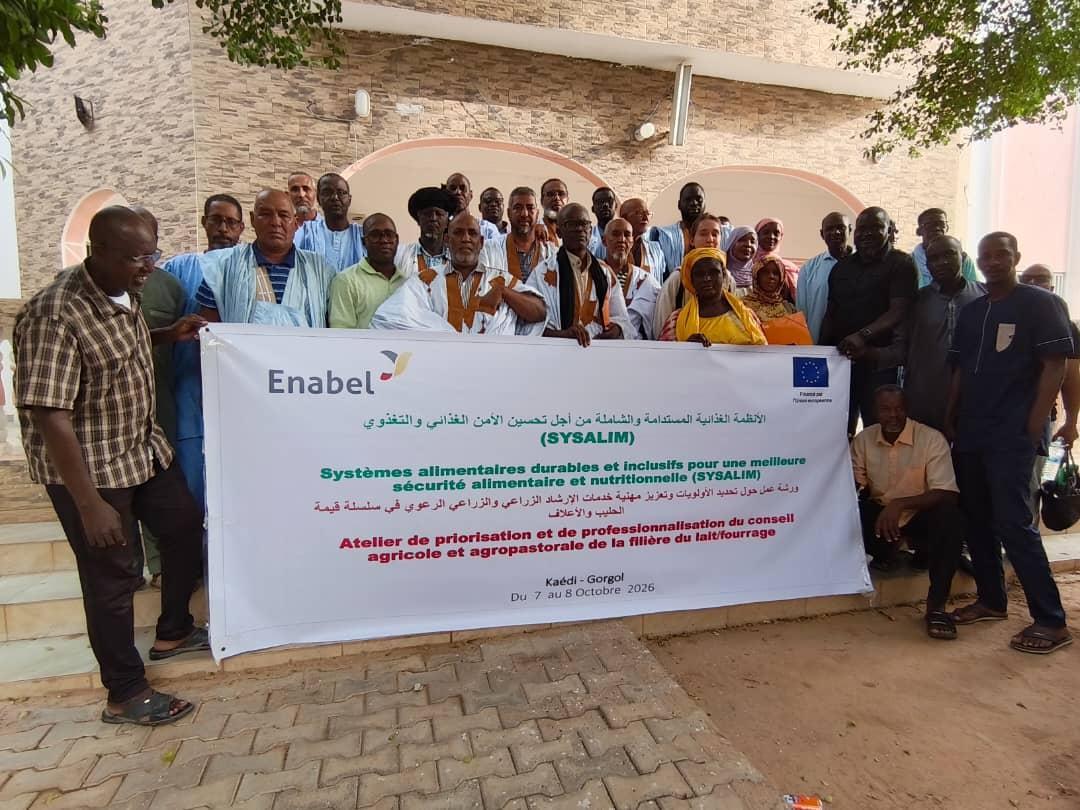
En Mauritanie: Lait et fourrage : à Kaédi, éleveurs, facilitateurs et institutions bâtissent ensemble le conseil de demain
Aminata KANE | 12/10/2026
Quarante acteurs venus de Nouakchott, du Trarza, du Brakna, du Gorgol, du Guidimakha, de l'Assaba et du Hodh ont travaillé deux jours à Kaédi pour une question simple : quels services de conseil les éleveurs ont-ils vraiment besoin, et qui peut les fournir durablement ?À Kaédi, dans la salle comme sur le terrain, une conviction a guidé l'atelier de priorisation et de professionnalisation des services de conseil agropastoral de la filière lait/fourrage : on ne repart pas de zéro. Organisé par le projet SYSALIM (Systèmes alimentaires durables et inclusifs), mis en œuvre par Enabel, Agence belge de coopération internationale, avec le financement de l'Union européenne, l'atelier a réuni éleveurs, facilitateurs, organisations socioprofessionnelles, mini-laiteries, services techniques de l'État, structures de recherche et de formation, ainsi que l'équipe SYSALIM.Construire sur l'acquis de RIMDIR, RIMFIL et SECURALIMSYSALIM s'inscrit dans la continuité des interventions précédentes d'Enabel en Mauritanie. RIMFIL a permis d'expérimenter et d'apprendre (facilitateurs, conseil de gestion), SECURALIM de renforcer les acteurs (OSP, techniciens, conseil de proximité). SYSALIM veut aujourd'hui consolider : identifier les services prioritaires, les prestataires crédibles, et tester des modèles viables. Plutôt que de créer un système parallèle, le projet s'appuie sur les compétences et dispositifs déjà présents dans les zones d'intervention.Un besoin n'est pas toujours un besoin de conseilPremier défi relevé par les participants : distinguer ce qui relève de l'investissement (un tank à lait, une motopompe), du financement, de la formation ou du véritable conseil, c'est-à-dire ce qui aide l'éleveur à prendre une meilleure décision. Un refroidisseur à lait ne suffit pas sans accompagnement pour décider, gérer et pérenniser.Du problème au service, puis à l'expérimentationEn cinq exercices, les groupes sont partis de problèmes réellement observés dans la filière, ont formulé la décision que l'éleveur doit pouvoir mieux prendre, puis ont cartographié qui fait quoi aujourd'hui et qui pourrait le porter demain. Ils ont ensuite soumis les services présélectionnés à un « test de professionnalisation » : compétences et outils, proximité, information, organisation, financement, résultats. La question test : « Si SYSALIM cesse d'appuyer ce service demain, qu'est-ce qui reste et qu'est-ce qui s'arrête ? »Les travaux ont fait émerger quatre services de conseil à approfondir :La ressource fourragère : conseil de proximité pour choisir, produire, conserver et valoriser les fourrages adaptés à chaque système d'élevage ;L'animal et le lait : conseil intégré alimentation et performance laitière, pour améliorer production, qualité du lait et rentabilité ;L'eau : conseil pour sécuriser et arbitrer l'usage de l'eau entre abreuvement, production fourragère et autres besoins, à un coût viable ;La reproduction et le potentiel génétique : accompagner les choix de reproduction et d'amélioration du troupeau laitier.Des acteurs du terrain au cœur du dispositifFacilitateurs fourragers du Guidimakha et de l'Assaba, facilitatrices du Brakna, noyau laitier, mini-laiterie, inspections de l'élevage, SONADER, ESAV, ISPM, GNAP, AMAD : la diversité des participants a permis de croiser les regards et de ne retenir que des services réalistes, portés par des acteurs existants. Les témoignages d'un facilitateur et d'une OSP ont ouvert la seconde journée.Et maintenant ?Les résultats des groupes alimentent une matrice opérationnelle des services prioritaires. SYSALIM retiendra un nombre limité de services à expérimenter : tester, mesurer, apprendre, ajuster. Le même exercice est conduit pour le maraîchage et les céréales traditionnelles.Projet SYSALIM, financé par l'Union européenne et mis en œuvre par Enabel, Agence belge de coopération internationale.
-
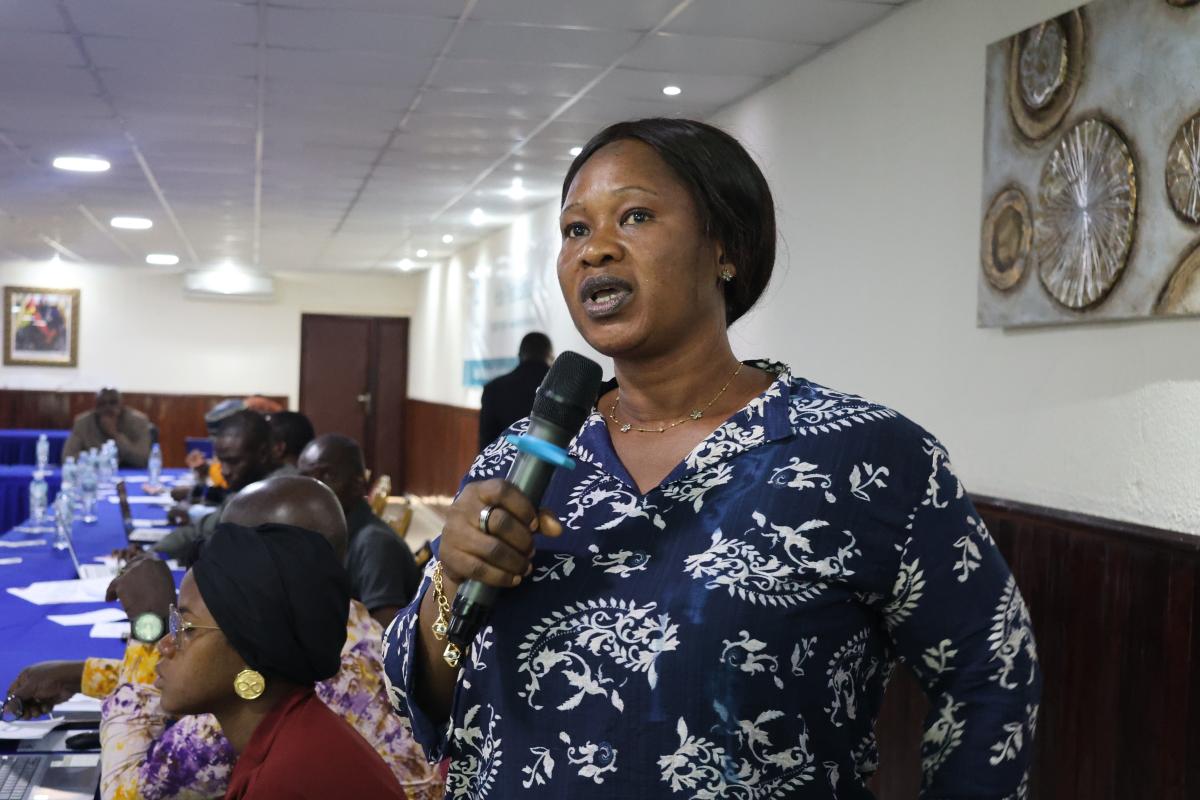
Des sites identifiés dans les centres de formation publics pour abriter des crèches
Jacques LENO | 09/10/2026
La mise en place de crèches au sein des centres de formation publics franchit une nouvelle étape en Guinée. Réunis les 7 et 8 octobre à Conakry, les acteurs de la petite enfance, de l'enseignement technique et de la formation professionnelle ont validé les sites retenus à l'issue d'une étude conduite avec leur participation active. Cette initiative, portée par la Direction nationale de la Petite Enfance en collaboration avec la Direction nationale de l'Enseignement technique, les écoles de formation technique et professionnelle ainsi que les Centres d'autonomisation et d'entrepreneuriat des femmes (CAEF) de Conakry, Kindia et Mamou, bénéficie de l'appui d'Enabel à travers le projet AMIS grâce au financement de l'Union européenne.Au-delà de l'identification des sites, l'étude a permis d'explorer avec les différentes parties prenantes des modèles de gestion durables adaptés aux réalités locales. Les travaux de l'atelier ont ainsi abouti à l'élaboration de plans d'action et de stratégies de durabilité pour chacun des sites sélectionnés.Au total, neuf sites ont été retenus, dont trois au sein des CAEF et six dans des écoles de formation professionnelle. L'ambition affichée est de faire des futures crèches des structures autonomes, capables de fonctionner durablement sans dépendre exclusivement des financements des partenaires techniques et financiers. Une approche qui entend rompre avec le modèle de crèches créées grâce aux appuis extérieurs mais qui cessent souvent leurs activités faute de mécanismes de pérennisation. Les participants ont réaffirmé leur engagement à faire aboutir ce projet. Prochaine étape : l'appui d'Enabel, à travers le projet AMIS, à la phase opérationnelle de mise en place des crèches. Parallèlement, les acteurs concernés s'organisent pour mettre en place les comités de gestion chargés d'assurer le bon fonctionnement et la viabilité de ces infrastructures.
-
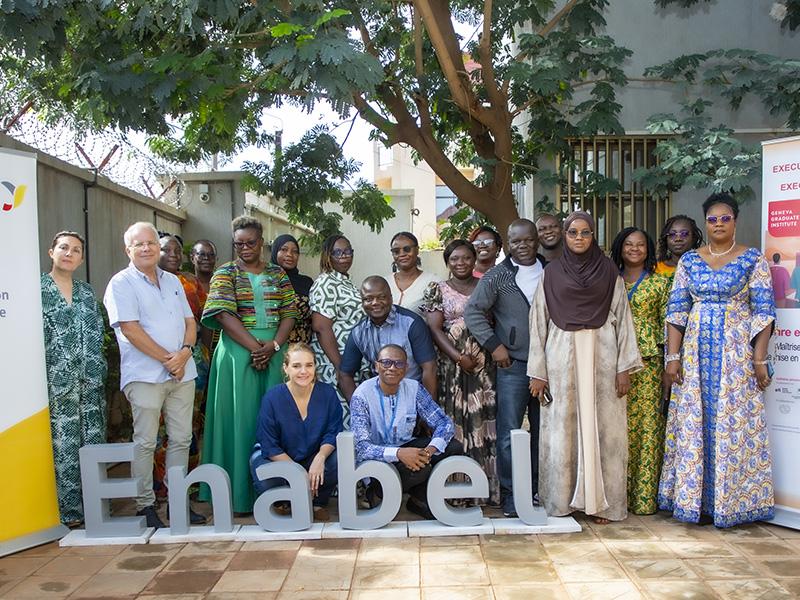
Institutionnaliser le genre : Enabel Burkina Faso, une expérience qui inspire et fait école
Wendpouiré Julien NANA | 09/10/2026
Le 11 septembre 2026, Enabel Burkina Faso a ouvert ses portes à une délégation d’étudiantes et d’étudiants de l’Institut de hautes études internationales du développement (IHEID) de Genève, venu·e·s découvrir concrètement comment une organisation peut faire de l’égalité de genre un principe structurant de sa culture, de ses pratiques et de ses interventions. Une rencontre riche en enseignements, qui confirme qu’au-delà de ses projets, Enabel peut aussi être un espace d’apprentissage, d’inspiration et de partage d’expériences.Et si l’égalité de genre cessait d’être une intention pour devenir une réalité concrète, mesurable et transformatrice ? C’est autour de cette question que s’est articulée la visite de terrain organisée au sein d’Enabel Burkina Faso au profit des participantes et participants aux programmes Executive Certificate of Advanced Studies (CAS) et Executive Diploma (DAS) en Genre et développement de l’IHEID de Genève.Cette visite intervenait à l’issue d’un atelier de fin de module consacré à la budgétisation sensible au genre, aux pouvoirs et transformations sociales. Elle a permis aux étudiant·e·s de confronter les connaissances acquises dans le cadre académique à une expérience institutionnelle et opérationnelle concrète : celle d’une organisation expérimentant l’intégration du genre aussi bien dans son fonctionnement interne que dans la conception, la budgétisation, la mise en œuvre, le monitoring, la capitalisation de ses interventions.Dans son mot de bienvenue, Jozef Noordholland De Jong, Directeur Pays d’Enabel au Burkina Faso, a placé cette rencontre sous le signe de l’apprentissage mutuel. « La budgétisation sensible au genre constitue un levier majeur de transparence, d’efficacité et de garantie de l’égalité de genre », a-t-il souligné, rappelant que cette exigence guide Enabel dans l’intégration systématique du genre et de l’inclusion au cœur de ses projets et programmes. Pour le Directeur Pays, l’objectif n’était donc pas simplement de présenter des outils ou des procédures. Il s’agissait surtout de créer un véritable espace d’échanges permettant aux équipes d’Enabel et aux étudiant·e·s de partager les bonnes pratiques, outils, expériences et leçons apprises du terrain, avec l’ambition d’améliorer continuellement les pratiques organisationnelles et opérationnelles. Du principe à la pratique : une approche intégrée du genreAu cours de la visite, les échanges ont porté sur plusieurs dimensions de l’institutionnalisation du genre. Les étudiant·e·s ont notamment découvert comment les principes d’inclusion peuvent être pris en compte dans les procédures organisationnelles, les ressources humaines, la communication, ainsi que dans la programmation des interventions.La démarche présentée par Enabel montre ainsi que le genre ne se limite pas à une composante isolée d’un projet. Ile genre est une véritable dimension transversale de la culture organisationnelle : équilibre entre vie professionnelle et vie familiale, procédures ressources humaines inclusives et équitables, etc. La dynamique portée par le cercle genre et inclusion d’Enabel Burkina a contribué à la mise en œuvre des projets transformateurs pour une organisation plus inclusive. Sur le plan opérationnel, l’approche repose également sur la co-création avec les partenaires et les acteurs·rices des territoires d’intervention. L’objectif est de contribuer à l’émergence de solutions durables et inclusives, adaptées aux réalités locales et capables de produire des transformations au-delà de la durée des projets. Cette approche trouve son expression dans une conviction forte portée par Enabel Burkina Faso : l’égalité de genre se construit par la co-création, le partenariat, l’engagement et la mobilisation de l’expertise collective. « Deux heures d’échanges, l’équivalent de six mois de stage »Pour les étudiant·e·s, cette immersion a constitué bien plus qu’une simple visite institutionnelle. Jules Rodolphe KOUAME, étudiant originaire de Côte d’Ivoire, ne cache pas son émerveillement devant la richesse des échanges. « Ces (2 h) deux heures d’échange, c’est l’équivalent de 6 mois de stage », témoigne-t-il. Son intérêt porte notamment sur la manière dont Enabel a réussi à opérationnaliser l’institutionnalisation du genre à travers ses différents départements et sa culture organisationnelle. Pour lui, l’expérience a également permis de mettre en évidence un élément déterminant : l’engagement de la haute direction. La présence du Directeur Pays et de son adjointe lors de cette rencontre est perçue comme un signal institutionnel fort. Elle traduit, selon l’étudiant, l’importance accordée à cette question et contribue à expliquer les résultats observés. Son témoignage révèle également une attente : voir les bonnes pratiques expérimentées par Enabel davantage partagées avec les acteurs gouvernementaux et les organisations de la société civile, afin que l’institutionnalisation du genre puisse progressivement irriguer d’autres structures. « L’institutionnalisation du genre n’est pas abstraite »Pour Ange MAKADI NGOY, étudiante originaire de la République démocratique du Congo, cette visite a également permis de déconstruire une idée reçue.Elle explique que l’expérience d’Enabel lui a permis de dépasser l’idée selon laquelle institutionnaliser le genre et mettre en place une budgétisation sensible au genre seraient des processus trop complexes, voire impossibles. La découverte des mécanismes concrètement utilisés par Enabel lui a permis d’en percevoir à la fois les défis et les possibilités. Elle insiste particulièrement sur l’importance des alliés, des ressources et de la formation. Pour elle, une institutionnalisation durable suppose des personnes suffisamment formées et engagées pour porter l’enjeu du genre au sein de leur organisation. Autre élément qui l’a marquée : la transparence dans la manière dont Enabel présente et partage son travail sur le genre. La découverte concrète de la « toile de l’institutionnalisation », étudiée jusque-là dans un cadre académique, lui a permis de passer de la théorie à la pratique. Sa conclusion est particulièrement forte : l’institutionnalisation du genre n’est « pas abstraite ou impossible ou inaccessible » ; elle nécessite du temps, de la volonté, des ressources et des personnes capables de porter cet enjeu. Une expérience qui dépasse les murs d’EnabelCette visite illustre ainsi une dimension essentielle de l’action d’Enabel : faire, mais aussi partager ; accompagner, mais aussi transmettre ; agir avec les partenaires, tout en contribuant au renforcement durable des capacités.L’expérience présentée aux étudiant·e·s rappelle que la transformation ne se mesure pas uniquement au nombre d’activités réalisées ou d’acteurs·rices touché·e·s. Elle se mesure aussi à la capacité d’une institution à faire évoluer ses pratiques, ses procédures, ses partenariats et, progressivement, les normes qui structurent les sociétés inclusives et équitables.Dans cette perspective, l’impact peut prendre de multiples formes : une femme qui accède à un métier traditionnellement réservé aux hommes ; une jeune fille qui poursuit sa scolarité et envisage son avenir avec confiance ; une survivante de violences basées sur le genre qui bénéficie d’une prise en charge respectueuse de ses droits ; une collectivité qui intègre l’égalité de genre dans sa planification et ses budgets ; ou encore un homme qui devient un allié du changement. Enabel Burkina Faso apparaît ainsi, à travers cette rencontre, non seulement comme un acteur de coopération engagé dans des projets et programmes, mais également comme un espace où les pratiques peuvent être expérimentées, documentées, questionnées et partagées.Le regard porté par les étudiant·e·s de l’IHEID constitue à cet égard un retour particulièrement significatif : leurs témoignages montrent que l’expérience d’Enabel peut nourrir la réflexion académique, professionnelle et institutionnelle bien au-delà du Burkina Faso.Car au-delà des projets mis en œuvre, ce sont des trajectoires professionnelles et institutionnelles qui peuvent être influencées. Au-delà des activités réalisées, ce sont des capacités et des opportunités qui peuvent être renforcées. Et au-delà de l’action immédiate, c’est une ambition de transformation durable, inclusive et co-construite qui se dessine.Cette rencontre aura donc permis une nouvelle fois de rappeler une conviction forte : lorsque les connaissances, l’expérience du terrain, l’engagement institutionnel et le dialogue se rencontrent, les pratiques peuvent devenir des références, les expériences peuvent devenir des enseignements et les enseignements peuvent, à leur tour, inspirer d’autres acteurs et actrices à agir.
-
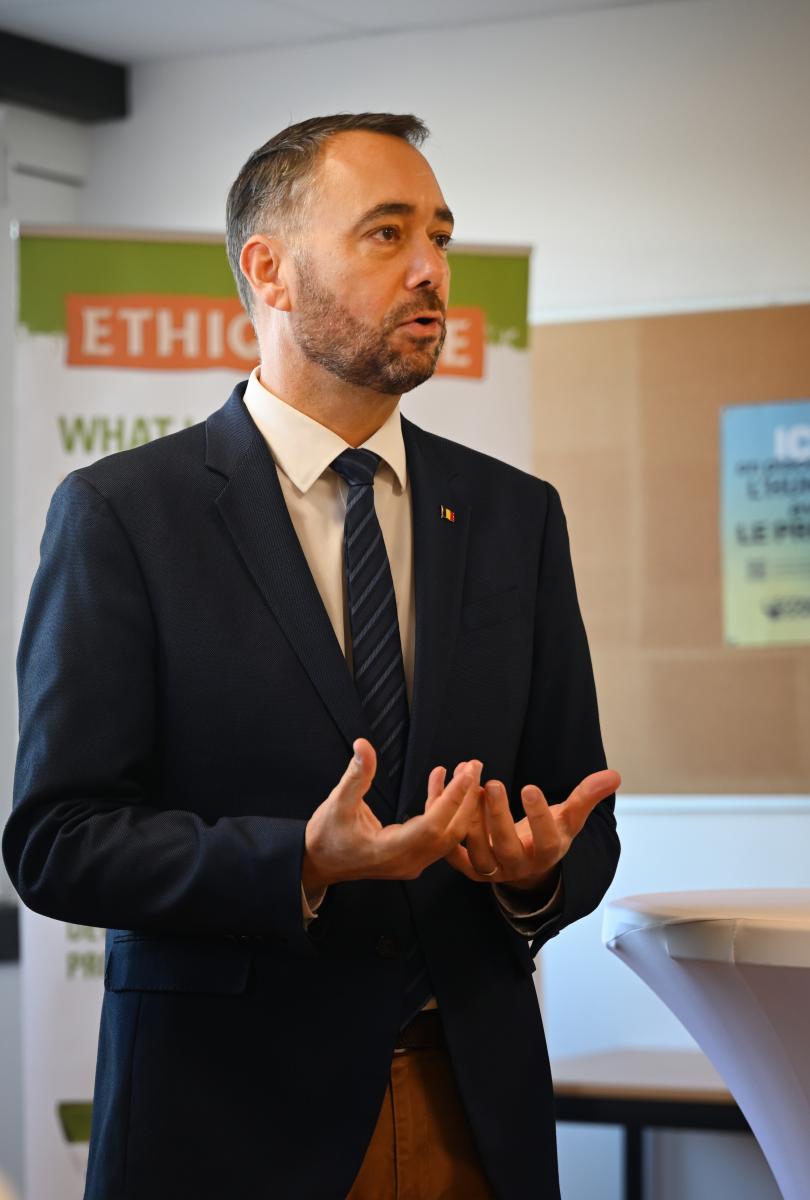
Minister Maxime Prévot Kicks Off Fair Trade Week in Belgium
Samuel POOS | 08/10/2026
From cocoa produced in Côte d’Ivoire to pralines made in Namur: fair trade creates tangible links between producers and consumers.Minister Maxime Prévot officially launched Fair Trade Week (October 7–17) with a visit to the Ethiquable Benelux cooperative, which sources its cocoa in part from the Ivorian Société coopérative Equitable du Bandama (SCEB), supported by Enabel’s Trade for Development Center. There, he toured Ethiquable’s brand-new chocolate workshop, where pralines are made from fair trade cocoa.In Côte d’Ivoire, SCEB is one of the cooperatives committed to addressing the challenges facing the cocoa sector. With Enabel’s support, it has been able to double its organic production and better prepare for European requirements regarding deforestation and child labor. “As Minister of Development Cooperation, I had the opportunity to travel to Côte d’Ivoire and visit cocoa plantations. It was a particularly memorable experience, because that is where one truly becomes aware of the conditions under which cocoa is grown, harvested, and processed. This experience further convinced me of the great added value of purchasing these products in a conscious and responsible manner, as they hold immense human value,” said the minister.“That is why I believe it is important to continue this fight. Despite the pressures we face today, I am more convinced than ever that international cooperation is an essential part of a larger whole. We live in a highly interconnected world. What happens there has consequences here—and vice versa. A new edition of Fair Trade Week begins tomorrow, and I think this initiative is truly meaningful!” the minister concluded.Check out the program for Fair Trade Week, coordinated by Enabel's Trade for Development Centre: https://semaineducommerceequitable.be/apercu-des-activites/
-
Lutte contre le changement climatique au Burkina Faso : Enabel mise sur les associations locales pour faire émerger des solutions durables
Wendpouiré Julien NANA | 06/10/2026
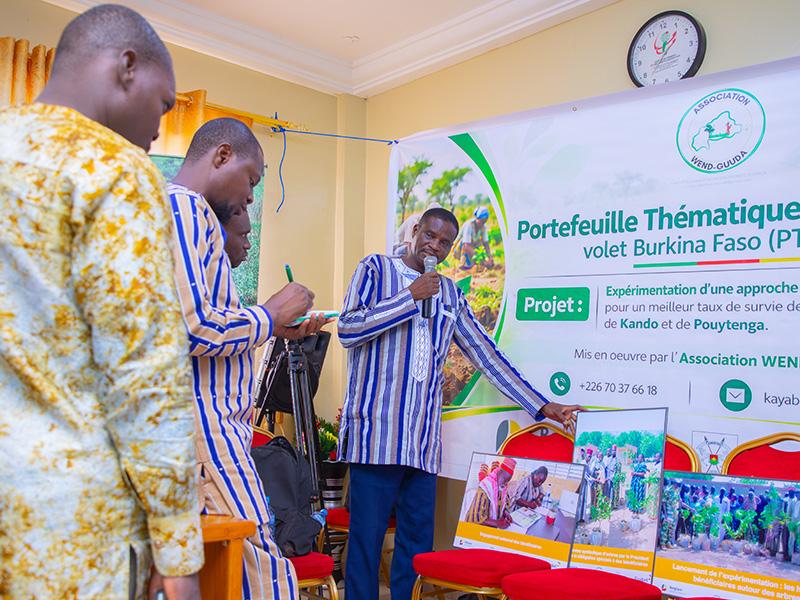
Pendant 9 mois, des associations locales avec l’appui financier d’Enabel au Burkina Faso ont conduit des initiatives sur plusieurs thématiques en lien avec la lutte contre le changement climatique. A l’issue de la mise en œuvre de ces initiatives ayant abouti à des résultats satisfaisants, un atelier de capitalisation croisée et de valorisation multimédia desdits résultats a été organisé les 29 et 30 septembre 2026 à Koupèla avec l’ensemble des acteurs. L’enjeu de cette rencontre était de comprendre ce que les initiatives locales ont permis d’engranger, les difficultés rencontrées et les conditions nécessaires à leur poursuite. L’ensemble du processus d’accompagnement a fait l’objet d’une recherche action ayant permis à Enabel de documenter non seulement les innovations développer mais aussi la capacité des associations locales à conduire avec succès des projets tout en impactant positivement les prises de décision et le changement de comportement en faveur de la lutte contre le changement climatique. Des formations mises à l’épreuve du terrainLa démarche s’inscrit dans le cadre du PTCS, approuvé par l’État belge fin 2021 et doté, d’une enveloppe globale de 50 millions d’euros pour le Burkina Faso, le Mali, le Niger et le Sénégal. Au Burkina Faso, le volet consacré à l’engagement de la société de la société civile vise notamment à renforcer la participation des organisations locales aux décisions concernant la lutte contre les changements climatiques.Norbert OUEDRAOGO, chargé de projet pour le volet gouvernance locale du PTCS Burkina, explique que le processus a commencé par une cartographie des organisations de la société civile dans treize communes d’intervention. Un diagnostic a ensuite permis de sélectionner une cinquantaine d’organisations, formées au leadership, à la communication et au plaidoyer.Après ces formations, un appel à projets a conduit à la sélection de cinq initiatives pilotes, contractualisées début 2026. Il s’agissait de vérifier comment les associations pouvaient mobiliser leurs acquis, conduire des actions concrètes et dialoguer avec les collectivités territoriales en faveur de la lutte contre le changement climatique. La recherche-action devait permettre de documenter les activités et d’en tirer des connaissances utiles à d’autres acteurs.Les projets couvrent plusieurs domaines : la récupération des terres dégradées à Méguet, la plantation familiale d’arbres à Kando et Pouytenga, la diffusion des semences communautaires et des bio-intrants à Andemtenga, l’assainissement urbain à Boulsa et la gestion durable des forêts villageoises à Dargo. À Méguet des sols qui retiennent davantage l’eauDans la commune de Méguet, l’association Wend La Panga, identifiée sous le sigle AWLP, porte une initiative de restauration productive des terres dégradées. Son président, Mathieu SOUDRE, décrit l’installation de demi-lunes multifonctions et forestières, associées à de petits bassins de rétention d’eau, les mini-boulis. Le projet entend favoriser à la fois la remise en culture des terres dégradées et la reconstitution du couvert végétal.Son premier constat concerne la persistance de l’humidité après les pluies. Il rapporte que l’eau peut encore être présente une à deux semaines après une pluie et que le sol reste humide. Les plants mis en terre, de même que les cultures de mil, de haricots et d’arachides, présentent, selon lui, une bonne physionomie. « Et vraiment, ça promet », résume-t-il.Cette observation prend un relief particulier sur des parcelles délaissées depuis dix à quinze ans, devenues difficiles à cultiver, explique le responsable de l’association. En retenant l’eau, les aménagements doivent contribuer à rendre ces terres à nouveau productives. À ce stade, son témoignage décrit une évolution favorable de l’humidité des sols et du développement des cultures L’expérience, déployée dans cinq villages selon Mathieu SOUDRE, repose aussi sur la mobilisation des habitants. Le travail de sensibilisation auprès des autorités locales, des services techniques et des leaders communautaires a favorisé l’adhésion au projet. Le responsable souligne une participation majoritairement féminine et évoque des activités ayant mobilisé plus de cent femmes.Pour lui, cette implication doit se prolonger dans les décisions. Il plaide pour « impliquer conséquemment les femmes sur toutes les lignes de décisions, sur toutes les lignes de mise en œuvre de nos actions ». Leur place dans la conduite des initiatives constitue ainsi un enseignement à prendre en compte dans les prochaines interventions.À Boulsa mieux organiser la gestion des déchetsÀ Boulsa, l’initiative portée par l’association Wend-Kuuni, identifiée sous le sigle AWK, concerne l’assainissement urbain à travers des bacs à ordures et des panneaux de sensibilisation bilingues, en mooré et en français. Issaka SANGLA confirme la réception de panneaux ainsi que d’une vingtaine de bacs à ordures.Ces équipements doivent être disposés à des points spécifiques pour faciliter le ramassage, explique le président de la délégation spéciale. L’objectif est aussi de permettre aux associations intervenant dans ce domaine de mieux organiser l’enlèvement des déchets et leur acheminement vers des lieux appropriés.Le responsable communal exprime une appréciation « extrêmement positive » des présentations auxquelles il a assisté. Il salue l’engagement des associations et des populations dans les différentes communes.Trois autres expérimentations complètent ce travail. À Kando et Pouytenga, AWEG teste la plantation familiale d’arbres avec l’objectif d’améliorer la survie des plants. À Andemtenga, UDSCOOP intervient dans la production et la dissémination de semences communautaires améliorées, la fabrication de bio-intrants, notamment le bokashi et les biopesticides, ainsi que la sensibilisation sur les marchés. A Dargo, ABDD mène des actions pour la gestion durable et l’amélioration de la couverture végétale des forêts communautaires. Des capacités associatives reconnues et des moyens à renforcerPour Norbert OUEDRAOGO, les expériences apportent des enseignements sur les capacités des organisations locales. « Le bilan, il est très satisfaisant », estime-t-il. Il relève leur engagement, leur aptitude à conduire des projets avec des moyens limités et leur capacité à mobiliser les autorités comme les acteurs communautaires. Cette appréciation l’amène à plaider pour un recours à ces organisations pour la mise en œuvre de futurs projets en lien avec la lutte contre le changement climatique. Des expériences locales pour éclairer les décisions publiquesPour approfondir l’analyse, des échanges entre associations, autorités locales, services techniques, équipe d’Enabel et accompagnateurs ont eu lieu. La méthode prévue a associé une « Foire aux Évidences de Terrain », destinée à présenter les réalisations et leurs supports, un « Mur des Échecs Constructifs », consacré aux difficultés et aux ajustements, et des discussions thématiques sur la résilience climatique, le genre, l’inclusion sociale et la gouvernance locale.Ces travaux doivent permettre de consolider des fiches d’expérience, des témoignages et des supports multimédias. Ils visent aussi à préparer une feuille de route pour intégrer les acquis dans les Plans communaux de développement et les partager avec les communautés. Leur intérêt est de rendre les enseignements utilisables au-delà des seuls projets pilotes, en précisant ce qui peut être reproduit et les moyens nécessaires.Les témoignages recueillis décrivent des premiers acquis techniques, une mobilisation communautaire et des capacités associatives sur lesquelles Enabel envisage de s’appuyer. La capitalisation doit désormais permettre de consolider les données et de préciser les conditions d’une extension. Pour les acteurs locaux, la suite se joue dans la continuité de l’accompagnement, la disponibilité des moyens et la prise en compte de leurs expériences dans les décisions communales.
-
RDC : Une page se tourne pour le projet LVSI, une nouvelle s’écrit avec le SPSS-LVSI
Doudou-bienvenu KAJANGU | 06/10/2026
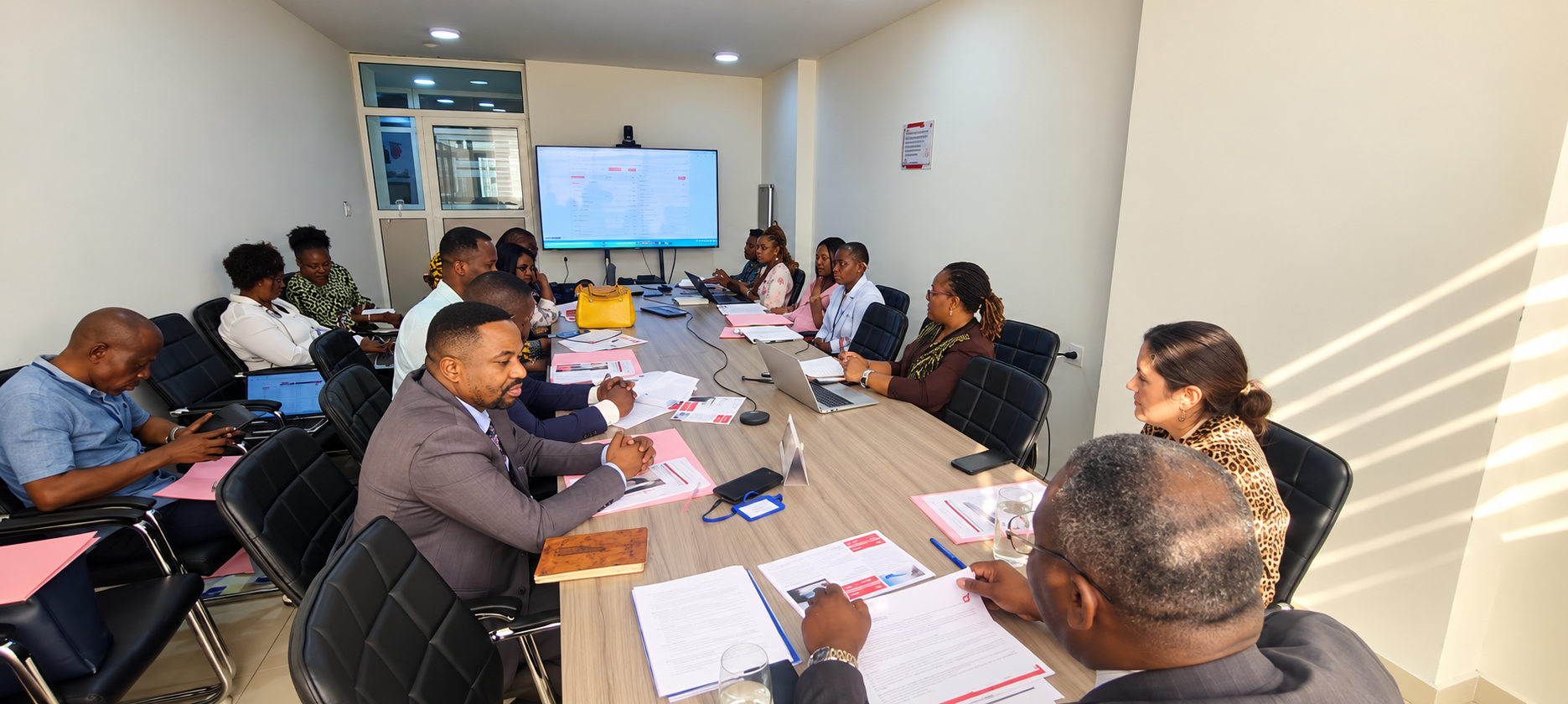
Kinshasa, 30 septembre 2026. Les membres du Comité de pilotage du projet Lutte contre les Violences Sexuelles et l’Impunité (LVSI) se sont réunis à Kinshasa pour dresser le bilan des résultats obtenus et officialiser la clôture administrative du projet. Une étape importante qui marque également la transition vers une nouvelle configuration des interventions au sein du SPSS-LVSI (Santé et Protection Sociale en Santé et Lutte contre les Violences Sexuelles et l'Impunité).La réunion était placée sous la présidence du Ministre provincial en charge du Genre et Famille, TSHITENGA KABUYA Thierry, représenté par son Directeur de cabinet. Les échanges ont surtout permis de revenir sur ce que le projet LVSI a permis de construire au fil de sa mise en œuvre. Les chiffres donnent une idée de l’ampleur du travail réalisé pendant les deux dernières années : 1.536 cas de violences sexuelles détectés, 461 procès remportés par les survivantes, 97 % de réinsertion scolaire et 104 % de réinsertion sociale. À cela s’ajoutent les actions menées auprès des communautés, des structures de santé, des acteurs judiciaires et des institutions publiques. 79 % des groupes de protection communautaire sont notamment restés opérationnels, tandis que des Centres intégrés de services multisectoriels (CISM) ont été mis en place pour renforcer la prise en charge des survivantes. Mais la clôture de LVSI ne signifie pas l’arrêt de ces interventions. Elle correspond à une nouvelle organisation du programme. Dans le cadre de la révision stratégique de la coopération bilatérale belgo-congolaise, les résultats et les activités de LVSI sont désormais intégrés aux Actions SPSS-LVSI de Kinshasa, de la Tshopo et du Sud-Ubangi. Cette évolution doit permettre de préserver les acquis et de poursuivre les actions dans une configuration renouvelée. Le Comité de pilotage a notamment validé les modalités de cette fusion ainsi que le transfert des actifs et l’intégration du rapportage des activités LVSI dans le projet fusionné. La réunion a également permis de regarder au-delà des résultats déjà obtenus. Plusieurs défis restent présents : faciliter l’accès des survivantes aux soins dans les 72 heures, renforcer la prise en charge holistique, développer davantage la réinsertion professionnelle et améliorer la coordination entre les différents acteurs. Le COPIL a aussi insisté sur la nécessité de mieux capitaliser les pratiques développées par le projet et de renforcer l’implication des institutions provinciales dans la suite des actions. Ainsi, le 30 septembre n’a pas marqué la fin d’un engagement, mais le passage à une nouvelle étape. Les acquis du LVSI, les expériences accumulées sur le terrain et les enseignements tirés de sa mise en œuvre constituent désormais un socle pour le SPSS-LVSI. Doudou Kajangu
-
Au Burundi, l’INSP mobilise ses partenaires autour de la recherche scientifique en santé
Jean BIRONKWA | 02/10/2026
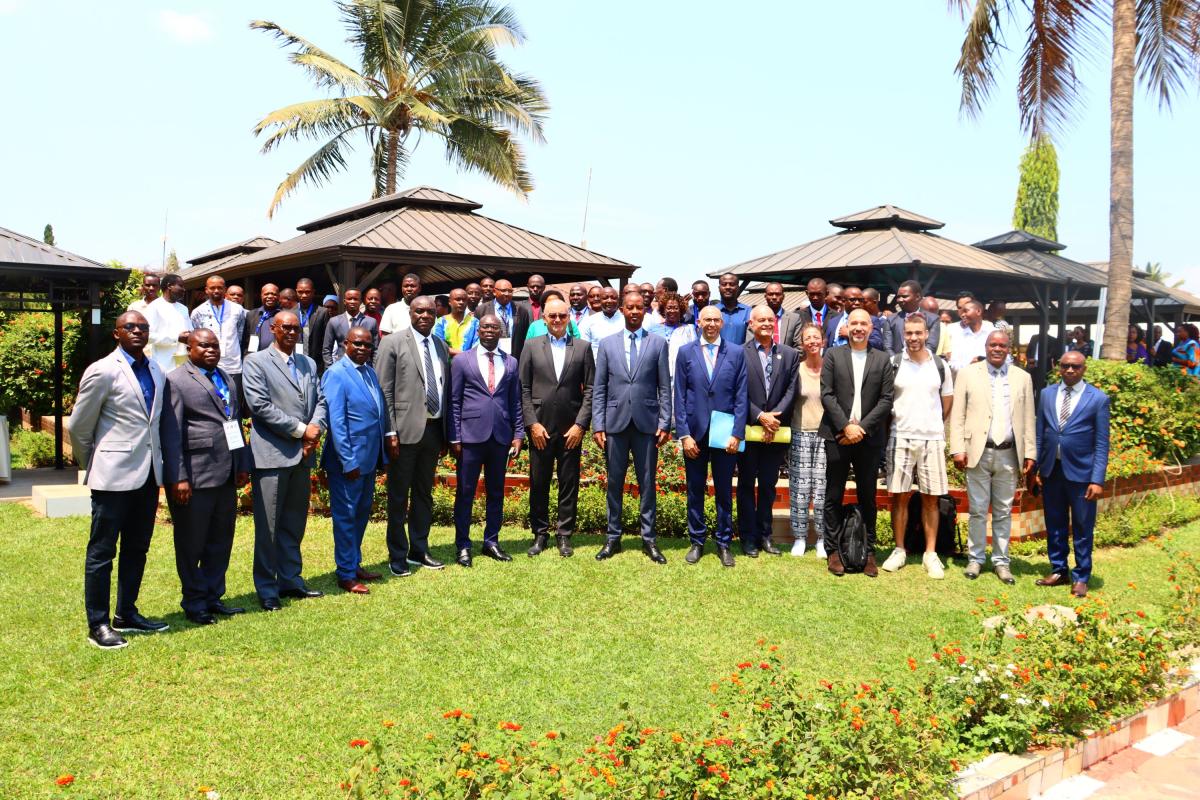
Le ministère de la Santé publique, à travers l'Institut national de santé publique (INSP), et ses partenaires, dont Enabel, à travers le projet d'appui à l'INSP financé par l'Union européenne, ont organisé, du 24 au 25 septembre 2026, une conférence scientifique. Cette rencontre, qui a réuni des chercheurs, des décideurs, des enseignants ainsi que d'autres acteurs du secteur de la santé, était consacrée à un enjeu stratégique : faire des évidences scientifiques et des données probantes des leviers pour une prise de décision éclairée et la transformation du système de santé. La recherche scientifique au service de la décision Durant ces deux jours, plusieurs tables rondes ont été organisées autour de thématiques liées notamment à la couverture sanitaire universelle, à la kinésithérapie et à la réadaptation innovantes, à la prévention des épidémies, à la sécurité sanitaire, à l'innovation et à la transformation numérique du secteur de la santé. « Aucun pays ne peut se développer sans la recherche », a déclaré le professeur Joseph Nyandwi, directeur général de l'Institut national de santé publique (INSP), lors de l'ouverture de la conférence. Il a rappelé l'importance de la recherche scientifique dans l'élaboration de politiques publiques adaptées aux réalités du pays. Il a également souligné la nécessité de s'appuyer sur des preuves scientifiques et des données probantes pour éclairer les décisions et contribuer à l'atteinte de la couverture sanitaire universelle au Burundi. Des recommandations attendues pour orienter les politiques publiques De son côté, Fidèle Nkezabahizi, ministre de la Santé publique, a présenté cette rencontre scientifique comme une « boussole décisionnelle », un outil de planification et un instrument de transformation des politiques publiques. Le gouvernement attend des travaux présentés ainsi que des recommandations qui en découleront qu'ils pourront contribuer à l'élaboration et à l'amélioration des politiques publiques, « afin de les traduire dans les politiques publiques », a t-il indiqué. L'importance des données fiables dans l'action publique Le représentant de l'Union européenne, ainsi que les partenaires ayant soutenu cette initiative, notamment l'Agence belge de coopération internationale (Enabel), ont également insisté sur l'importance des données dans l'action publique. Ignacio Gallardo a notamment rappelé : « Il n'y a pas de politique publique efficace sans données fiables. » Cette intervention souligne l'importance d'une meilleure utilisation des données et des résultats de la recherche pour accompagner les décisions et renforcer l'efficacité des interventions dans le secteur de la santé. Renforcer le lien entre recherche et prise de décision À travers cette conférence, l'INSP entend ainsi renforcer le lien entre la production de connaissances scientifiques et la prise de décision. Cette démarche intervient dans un contexte où le Burundi cherche à améliorer son système de santé et à inscrire ses politiques publiques dans la perspective de sa vision de développement à l'horizon 2040-2060. La conférence constitue ainsi un espace d'échange entre chercheurs, décideurs, enseignants et partenaires, avec l'objectif de rapprocher davantage les connaissances produites par la recherche des besoins et des décisions liées au développement du système de santé burundais.
-
International Coffee Day - World of Coffee
Samuel POOS | 02/10/2026
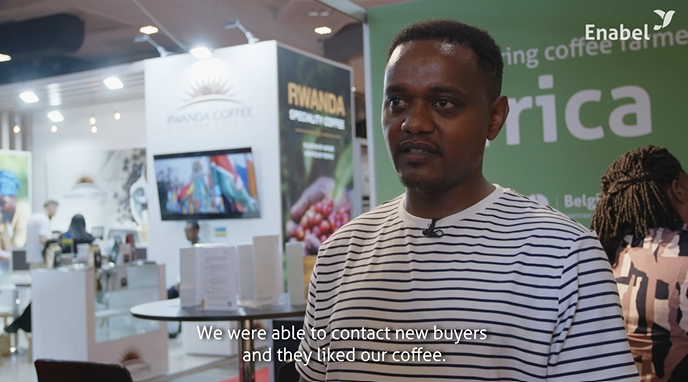
On the occasion of International Coffee Day, October 1, we are showcasing the exceptional quality of African coffee. During the latest edition of World of Coffee in Brussels – the world’s leading event dedicated to specialty coffee – Enabel’s TDC organised an official cupping session that brought together a large audience of international buyers, importers and professional coffee roasters. Seventeen producer organisations and companies from Uganda, the Democratic Republic of Congo, Ethiopia, Burundi, Kenya and Tanzania gave visitors the opportunity to discover the quality and delicate flavours of their coffees. This important commercial showcase generated numerous direct business contacts and contributed to strengthening the position of African specialty coffee on the global market.Here is the link to the video : EN: https://www.youtube.com/watch?v=ANNueBnDFbUFR: https://www.youtube.com/watch?v=NDmZC9Ow6L4
-
Clap de fin du projet Jeunesse créative RDC
Mandy BAKINE NGASHUE | 01/10/2026
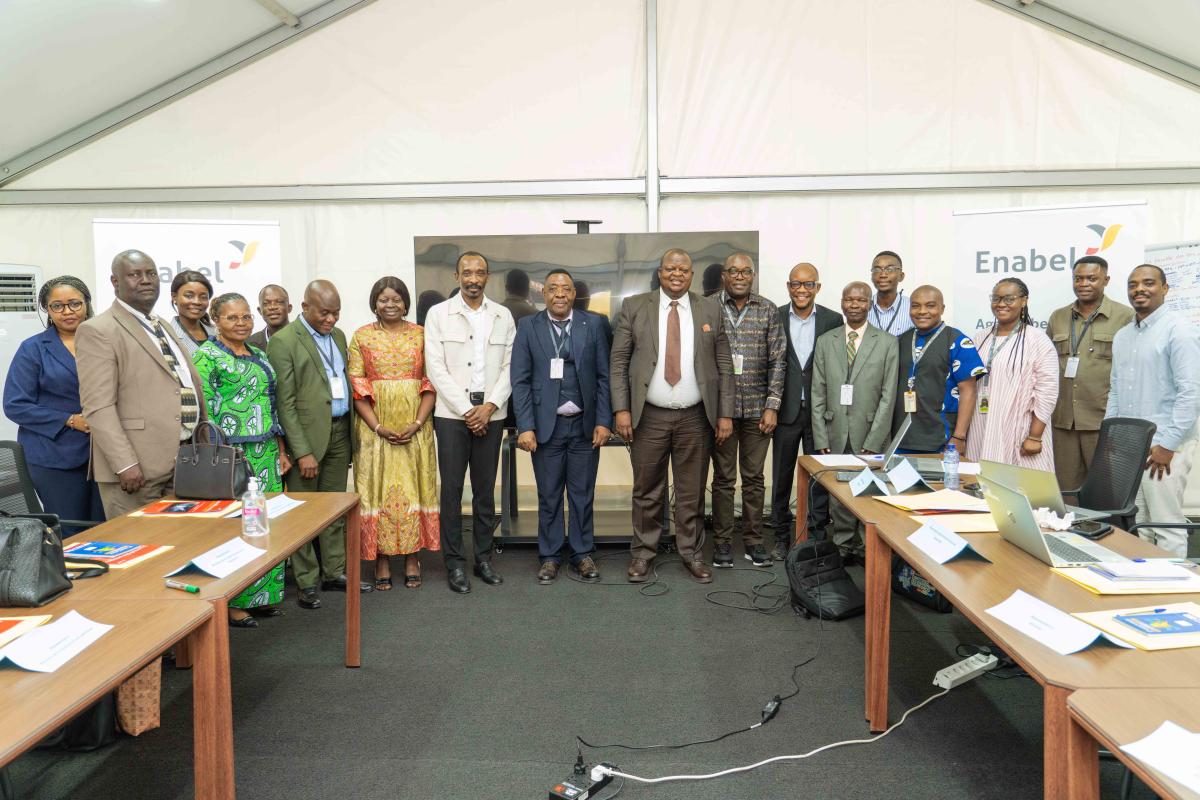
Sous la présidence du Secrétariat Général à la culture, art et patrimoine, représenté par M.Rémy MPUTU et en présence du Secrétaire Général à la jeunesse et Eveil Patriotique, M.Vincent MOYA KILIMA, le projet Jeunesse créative a dressé son bilan général, ce lundi 28 septembre 2026, après trois ans d’activités au service de l’essor du secteur culturel en RDC.Ce sont plus de 150.000 jeunes touchés par des services culturels (91% de la cible), plus de 600 jeunes congolais accompagnés vers un métier culturel ou créatif , plusieurs emplois créés et plusieurs prestations d'opérateurs culturels soutenues . Autant de tremplins concrets pour transformer des idées en projets viables et concrets.À l’heure du bilan, plus de 70% des jeunes sont satisfaits du statut actuel du secteur culturel et créatif congolais, qui est à ce jour plus solide avec l’accompagnement du projet Jeunesse créative. Prochaine étape ? Enabel veille à la continuité des actions avec les autorités locales et les gestionnaires d’espaces culturels, pour que ces acquis soient pérennes.