Search
Viewing 1485 to 1500 of 3053 news
-
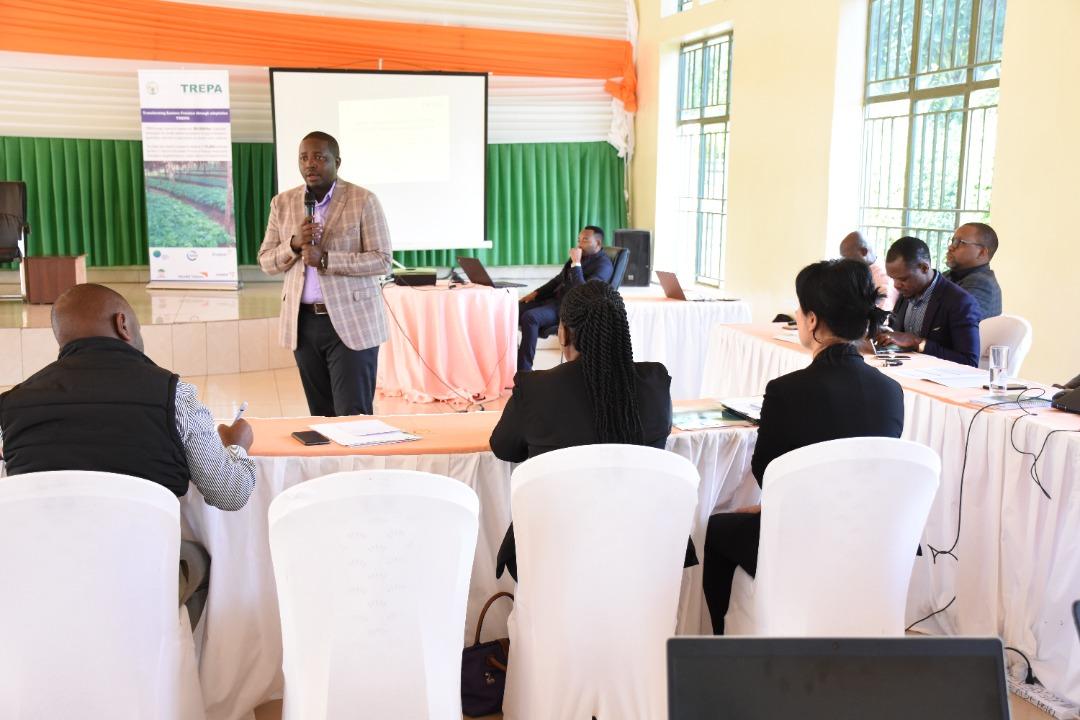
Launch of the TREPA project at the Eastern Province of Rwanda
Modeste BIZIMANA | 23/12/2022
The Eastern Province, due to its specific climate (characterized by frequent and prolonged rainfall deficits and droughts), high dependence on subsistence rain fed agriculture, lower forest cover, is among the country province with the largest challenge of degradation that need to be addressed. This was disclosed during the official TREPA Technical Kick Off convened on 02, December 2022 at NTENDE Hotel in Gatsibo District. TREPA (Transforming Eastern Province through Adaptation) project, a Green Climatic funded project, aims at restoring around 60,000 ha of drought degraded landscapes into climate resilient ecosystems through reforestation, agroforestry, restoration of pasturelands and soil erosion control measures in seven districts of the eastern province such as Rwamagana, Nyagatare, Kirehe, Kayonza, Gatsibo, Ngoma and Bugesera Districts. The workshop was an occasion for TREPA project implementing partners such as MoE, IUCN, ENABEL, RAF, World Vision, ICRAF, Cordaid and Eastern Province and District Officials to share and discuss on TREPA project intended activities and deliberate on implementation plan, approaches and collaboration framework to use towards successful implementation of the project. In her welcome remarks, the Eastern Province Executive Secretary, Dr. Jeanne NYIRAHABIMANA shared with the workshop audience the EP particularity and need for restoration, noting that EP is among the granary of the country that sustain the life of the country population. “We are very proud to welcome to TREPA project and its team in the Eastern Province and given the current status of Eastern province’s land that need to be restored, our people are ready to work with the project in reversing land degradation and build climate resilient ecosystems” she said. In his opening remarks, the Permanent Secretary in the Ministry of Environment, Mr. Patrick Karera recalls for concerted efforts and investment to support the Government willing to address development challenges owing to climate change through mobilization of investment and projects that impact on the community wellbeing and environment protection. He noted that EP is among the country parts that need more attention in regard to increasing drought, land degradation, poor soil productivity, increasing vulnerability to climate change and consequent poverty of its people, and that TREPA project is coming as a solution to these challenges that EP population in particular and Rwandans in general are requested to own and get benefit from it. During the workshop, project team and District Officials discussed on the use of community approach in TREPA project implementation, like a good way of involving the community in the project implementation. Chief Of Party (COP) of TREPA project, Mr. HABIMANA Olivier noted that Community approach is highly recommended to be used in TREPA Project as it will ensure increased ownership of project activities and improved technical and financial capacity to them.Already proposed TREPA project Hubs by Project Management Unit (PMU) such as Ngoma TREPA Hub, Gatsibo TREPA Hub, and Rwamagana TREPA Hub were officially validated with project beneficiaries and their urgent equipping and operationalization by all concerned TREPA project implementing entities and service providers was recommended by the workshop. Drafting a Memorandum of Understanding (MoU) to be signed between implementing entities and Districts was urged by the workshop and District legal adviser was requested to be part of MoU drafting and validation.
-
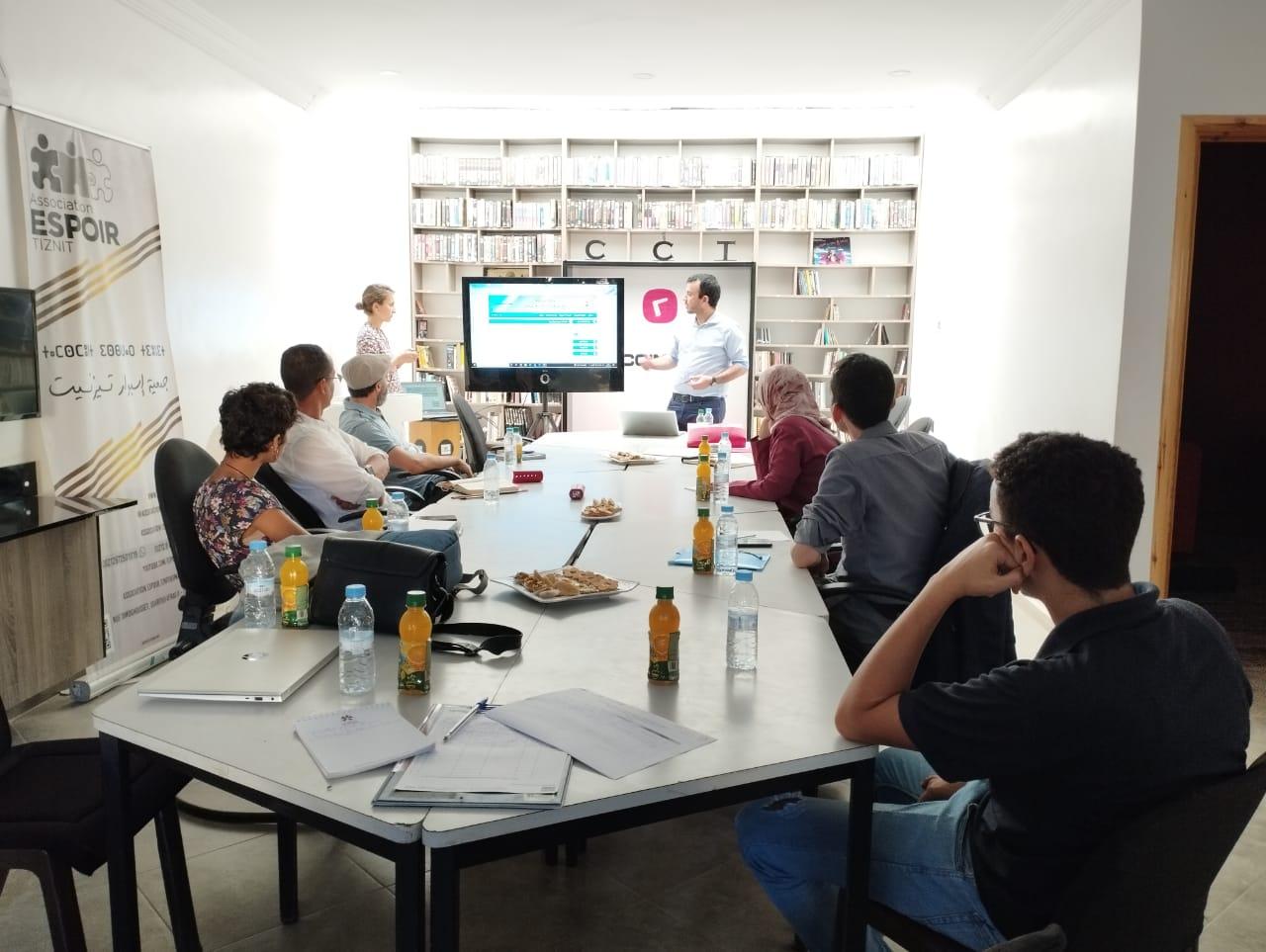
Au Maroc, le programme Tadafor organise une tournée des villes sur le thème de la digitalisation
Meriem HILALI | 22/12/2022
Au cours des trois derniers mois, 10 rencontres sur la digitalisation ont été organisées dans les communes de Settat, Mohammedia, Tiznit, Taroudant, Tata, Beni Mellal, Azilal, Berkane, Jerada et Oujda afin de réaliser un état des lieux sur la dynamique de digitalisation au sein de la commune et la société civile. Pourquoi le digital ? Le programme vise à développer ou à mettre à niveau des plateformes digitales pour renforcer les mécanismes de participation citoyenne au niveau local. De plus, le développement des compétences des communes et de la société civile en matière de recours aux nouvelles technologies de l’information et de la communication (NITC) pour la participation et l’engagement citoyen est également prévu. Dans ce cadre, ces rencontres, organisées à la fois avec les fonctionnaires communaux et les organisations de la société civile locales, ont permis d’identifier les besoins et priorités en matière de compétences à renforcer, ainsi que les attentes de la société civile et de la commune concernant les plateformes digitales de participation citoyenne à développer. Quelques recommandations sont ressorties : Développer des plateformes/ solutions digitales de participation citoyenne inclusives ; Intégrer des outils simples de participation citoyenne dans les sites web existants des communes (tels que les sondages et la consultation) ; Intégrer des liens vers d’autres plateformes existantes de participation citoyenne (telles que chikaya, chafafiya, majaliss) dans les sites web des communes ; Sensibiliser les citoyen.ne.s sur l’existence et l’utilisation de ces plateformes de participation citoyenne ; Développer des formations sur le digital adaptées aux besoins spécifiques de la société civile de chaque commune. Pour rappel, la composante 2 du programme d’Appui à la Participation Citoyenne "Tadafor", mis en œuvre en étroite collaboration avec la Direction Générale des Collectivités Territoriales (DGCT) et la Direction des Relations avec la Société Civile (DRSC), fait partie du programme multi-acteurs d’Appui à la Participation Citoyenne qui s’inscrit dans le cadre du partenariat entre le Royaume du Maroc et l’Union européenne. Il vise à appuyer les efforts déployés en matière de promotion de la démocratie participative et de la participation citoyenne au Maroc.
-
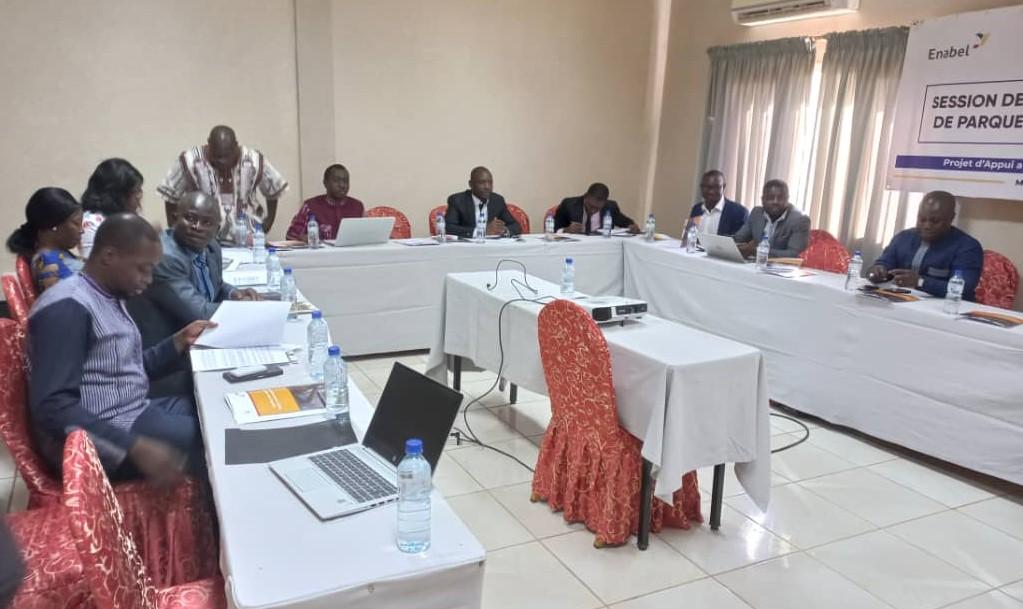
Au Burkina Faso, Enabel renforce les capacités des acteurs judiciaires sur les techniques d’élaboration de plans d’actions
Kimsegninga SAVADOGO | 21/12/2022
Enabel, à travers le Projet d’Appui au Renforcement de la Justice pour lutter contre l’Impunité (PARJI), financé par l’Union européenne, accompagne depuis avril 2021, le Conseil Supérieur de la Magistrature (CSM), dans sa volonté de renforcer les capacités des acteurs judiciaires et des auxiliaires de justice, en vue d’une amélioration des performances globales de la Justice, au profit de tous les justiciables du Burkina Faso. A la suite des sessions de formation sur le management des juridictions, le PARJI, en collaboration avec le CSM, a initié deux sessions de formation sur les techniques d’élaboration, de suivi et d’évaluation de plans d’actions de l’activité juridictionnelle au bénéfice des juridictions du ressort de la Cour d’Appel de Ouagadougou. La première session de formation qui s’est tenue à Ouagadougou du 14 au 17 décembre 2022 a concerné la Cour d’Appel de Ouagadougou ainsi que les Tribunaux de Grande Instance (TGI) de Ouaga I, Ouaga II, Ouahigouya, Yako et Ziniaré. La seconde, qui a eu lieu du 19 au 22 décembre 2022 à Koudougou, a concerné la Cour d’Appel de Bobo –Dioulasso et les TGI de Bobo-Dioulasso, de Kaya, de Pô, de Léo, de Manga et de Dori. Ces formations avaient pour objectif principal de fournir aux participants les connaissances, compétences et outils nécessaires à la conception, à la mise en œuvre, au suivi et à l’évaluation d’un plan d’actions de leur juridiction. Au terme de ces formations, les participants ont pu élaborer des plans d’actions détaillés pour leur juridiction, qui constitueront une “feuille de route” qui permettra de guider l’activité juridictionnelle ces trois prochaines années et d’assurer que les actions entreprises permettent effectivement d’atteindre les objectifs définis. Cet outil contribuera à améliorer davantage encore le fonctionnement des juridictions et à renforcer leurs performances, pour une justice de plus grande qualité au bénéfice de tous les justiciables vivant au Burkina Faso.
-
Rwanda: Drug prevention and social reintegration of former drug users in 7 districts of intervention of Barame project
Denise NSANGA | 21/12/2022
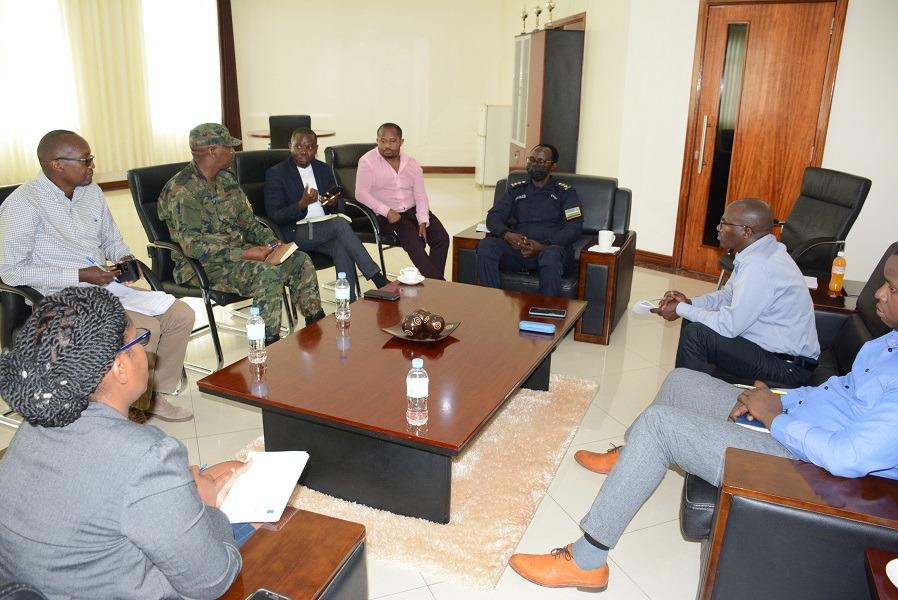
AVSI-IDA Rwanda in partnership with Rwanda Biomedical Centre (RBC) and Enabel co-organized workshops with authorities from the seven districts of interventions of Barame project, from 12-16 December 2022, to discuss strategies to strengthen the anti-drug committees for prevention and social reintegration of former drug users. The workshops were organized following the guidelines of the Ministry of Health and the Ministry of Local Government, to come up with strategies to strengthen the anti-drug committees, including co-developing a work plan through which such committees will implement their activities at the community level. Seven anti-drug committees shall be strengthened at district level and 105 committees at sector level, equaling the total number of sectors in the seven districts of the project’s intervention. The work plans which are co-developed with the district provide guidance to the established anti-drug committees to implement activities related to community information and mobilization aiming at drug abuse prevention and the social reintegration of former drug users. Under the funding from Enabel, the Joint-venture of AVSI Rwanda and IDA Rwanda have been implementing the Barame project entitled “The Preparation and Implementation of a Comprehensive Awareness Program towards Drugs and Substance Abuse and Comprehensive Approach towards Social Reintegration of the Drug Users, for Adolescents, in Gakenke, Gisagara, Karongi, Nyamasheke, Nyarugenge, Rulindo, and Rusizi districts. The project seeks to raise awareness towards preventing drugs and substance abuse in the seven districts, and to facilitate the social reintegration of former drug users aged 10-24 years into their families and communities. The project is being implemented with the technical support of the Mental Health Division of RBC and its activities include “Strengthening of established anti-drug committees from district up to the cell level”, by developing and organizing ongoing programs for prevention of drug abuse, treatment and rehabilitation, supply reduction at community level.
-
Lancement réussi pour le programme d’accompagnement "100% Créative"
Ousmane BANGOURA | 21/12/2022
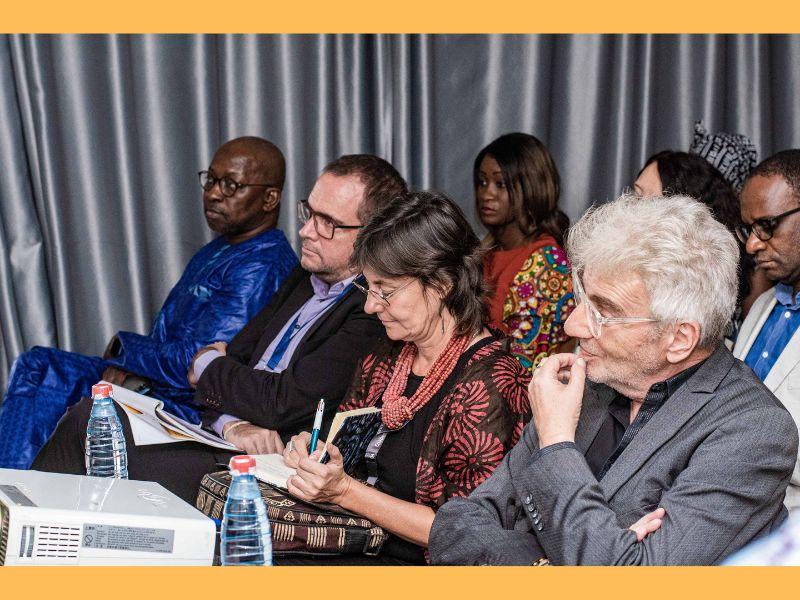
Le mercredi 14 décembre 2022, plus de 150 personnalités des industries créatives guinéennes se sont réunies aux Studios Kirah pour lancer officiellement le programme “100% Créative”, financé par l’Union européenne et mis en œuvre par Enabel. Ce programme vise à renforcer les capacités des entrepreneurs culturels de Guinée, à créer des entreprises et de l’emploi pour en faire de véritables leviers du développement économique. Le programme s’inscrit dans le contexte plus large de l’engagement de l’Union européenne pour l’enterpreneuriat en Guinée. A date, les programmes d’accompagnement d’entrepreneurs mis en œuvre par Enabel et financés par l’Union Européenne et le Royaume de Belgique ont permis de soutenir plus de 3500 entreprises sur l’axe Conakry-Kindia-Mamou dont plus de 250 à fort potentiel qui bénéficient de parcours sur mesure. Rien que cette année 2022, ce sont plus de 7M€ qui ont été dépensés au bénéfice de celles et ceux qui entreprennent en Guinée. Le soutien pour le développement des industries créatives, lui, s’est concrétisé en Guinée avec le financement à hauteur de 2,4 millions d’euros du Projet de “soutien à l’émergence de l’économie créative en Guinée”. Au-delà des chiffres c’est l’ambition de développer des secteurs porteurs de croissance économique inclusive et durable qui anime les équipes impliquées, en partenariat avec les institutions guinéennes, des acteurs de l’écosystème entrepreneurial et une multitude de partenaires internationaux. Pendant toute l’année 2023, le programme “100% Créative”, qui fait partie de ce plus vaste projet, accompagnera une centaine de porteurs de projets et d’entrepreneurs culturels sur l’axe Conakry-Kindia-Mamou dans les filières mode, design, audiovisuel et digital. Ils seront accompagnés par des experts reconnus, nationaux et internationaux, à chaque étape de leurs projets, et bénéficieront d’un soutien personnalisé. 100% Créative est le fruit d’un partenariat inédit en Guinée : c’est la première fois que le Réseau des Structures d’Accompagnement à l’Entrepreneuriat participe de manière commune à la mise en œuvre d’un programme d’accompagnement. C’est une fierté pour l’ensemble des partenaires qui, depuis 2019, conjuguent leurs efforts pour la structuration progressive de l'écosystème. Voir aujourd’hui 9 des 12 structures en capacité de s’associer pour porter un projet d’envergure et offrir l’expertise pointue dont les entrepreneurs ICC ont besoin est une grande satisfaction. Le projet sera ainsi piloté conjointement par le RESAE et et le consortium constitué de pali pali (Belgique) et LAFAAAC (France), et mis en oeuvre sur le plan national par ses membres : Les studios Kirah, TOogueda, Saboutech, Ose Ton Emploi, Jatropha, EBooster, Dream For Africa, Giganstesq Connexion et Africa Digitale Academie. La présentation s’est déroulée dans une ambiance festive, en présence des représentants du Ministère du Commerce, de l’Industrie et des Petites et Moyennes Entreprises, du Ministère de la Culture, du Tourisme et de l’Artisanat, de l’Union Européenne et d’Enabel, ainsi que des structures qui accompaneront les projets (pali pali, LAFAAAC, et le Réseau des Structures d’Accompagnement à l’Entrepreneuriat - RESAE). A l’issue de la journée, et d’un concert du Groupe One Time, l’appel à candidatures a été officiellement lancé. Il est ouvert à tous les porteurs de projet jusqu’au 6 janvier, et accessible par un formulaire disponible sur le site Guinée Créative et sur les réseaux sociaux. Les entrepreneurs sélectionnés pourront profiter de l’accompagnement d’experts nationaux et internationaux pendant une durée de six mois, que votre projet soit au stade de l’idée ou qu’il ait besoin d’être accéléré.
-
Clôture de la deuxième édition du "Label Guinée" : Enabel aux côtés des artisans guinéens
Ousmane BANGOURA | 21/12/2022
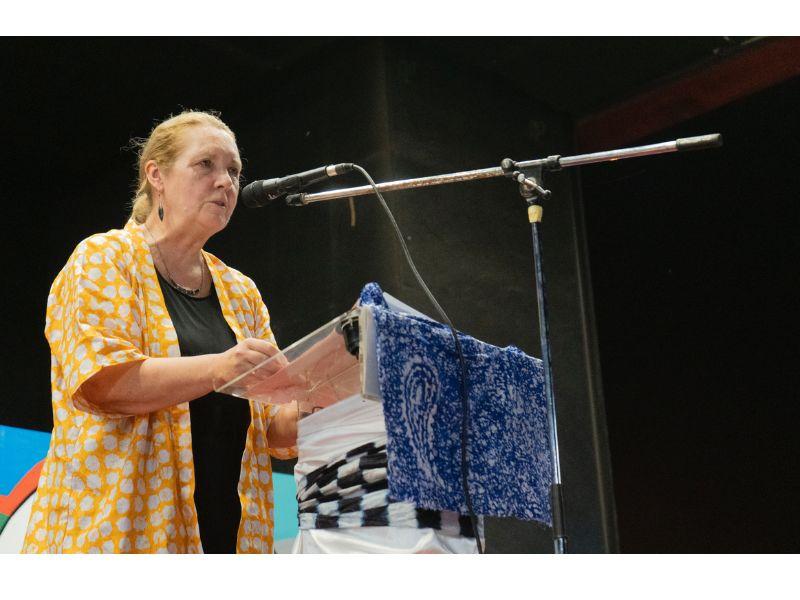
Les rideaux sont tombés ce samedi 5 novembre sur la deuxième édition du salon des productions locales, LABEL Guinée, à la Blue Zone de Kaloum. Ouvert depuis le 31 octobre 2022, Label Guinée est un espace d’exposition et de vente des produits issus de la créativité guinéenne. Enabel a renouvelé son soutien au savoir-faire guinéen en accompagnant, pour une deuxième fois, la structure nommée AGILITÉS, porteuse de cette initiative. Aux côtés des autorités et des acteurs de l’écosystème de l’artisanat guinéen, Madame Krista VERSTRAELEN, Représentante Résidente de l’Agence belge de développement, Enabel a pris part à la cérémonie de clôture accompagnée de Madame Marine ABONDANCE, Cheffe du projet Guinée Créative.Le Salon des productions locales se veut un tremplin pour la création de richesse à travers la promotion de l’industrie créative en Guinée. Cette vision s’inscrit au rang des défis auxquels Enabel tente d’apporter des solutions en Guinée aux côtés des autorités. « Pour nous, Agence Belge de Développement, le Salon des Productions Locales résonne comme une opportunité. Opportunité de mobiliser toutes les chaines de valeurs productives, pour répondre notamment au défi de la sécurité alimentaire mais aussi de contribuer à libérer le potentiel inexploité des secteurs créatifs en Guinée, en lien avec les priorités guinéennes », a précisé la Représentante Résidente dans son discours de circonstance.PROMOUVOIR LE MADE IN GUINEA EN VALORISANT LES PRODUCTEURSCe sont une dizaine d’entrepreneurs locaux dans le domaine artisanal dont Enabel a sponsorisé la participation à ce salon à travers le projet Guinée Créative financé par l’Union Européenne. Une aubaine pour ces bénéficiaires qui ont mis en avant leurs produits et également élargi leurs réseaux d’affaire pendant une semaine. « Je remercie Guinée Créative qui m’a donné un stand. J’en suis honorée parce que j’ai pu échanger avec les consommateurs qui ont regardé ce que je fais. Ils m’ont donné des conseils, de retours… LABEL Guinée est une très belle opportunité parce que ça nous permet, nous artisans, de montrer ce qu’on sait faire de beau parce qu’il y’a énormément de belles choses en Guinée. » se réjouit Mabinty Dramé, Gérante de l’entreprise KEMANSA, évoluant dans la mode.Dans la même lancée, Madame la Représentante Résidente a effectué le tour des stands. Elle profité de cet instant pour, non seulement découvrir et acheter les produits locaux, mais également échanger avec les entrepreneurs mobilisés à cet effet.La visite de madame Krista VERSTRAELEN intervient un jour après celle de Son Excellence Dr Jolita PONS, l’Ambassadrice de la Délégation de l’Union Européenne en Guinée. Lors de son passage, Madame l’Ambassadrice avait également salué les efforts d’Enabel en Guinée dans la mise en œuvre des projets soutenus par son organisation. « J’étais ravie d’être ici, de voir certains projets qui ont été soutenus par l’Union Européenne et mis en œuvre par nos partenaires notamment Enabel. Je découvre la créativité de la Guinée à travers son artisanat. Je suis vraiment très impressionnée. Je suis très contente que nous avons pu soutenir la création de l’Emploi mais aussi les créativités guinéennes. » S’est-elle réjouit.Depuis 2016, Enabel se tient aux côtés de la Guinée et accompagne les efforts du gouvernement dans de nombreux secteurs, dans le cadre de coopération entre la Belgique et la Guinée. Ce programme est orienté autour du soutien à l’entrepreneuriat, l’entrepreneuriat agricole, urbain et féminin, la santé sexuelle et reproductive, et de manière transversale, le renforcement des capacités des acteurs du développement en Guinée.
-
Bénin: 16 Jours d’activisme contre les Violences basées sur le genre
Reece-hermine ADANWENON | 21/12/2022
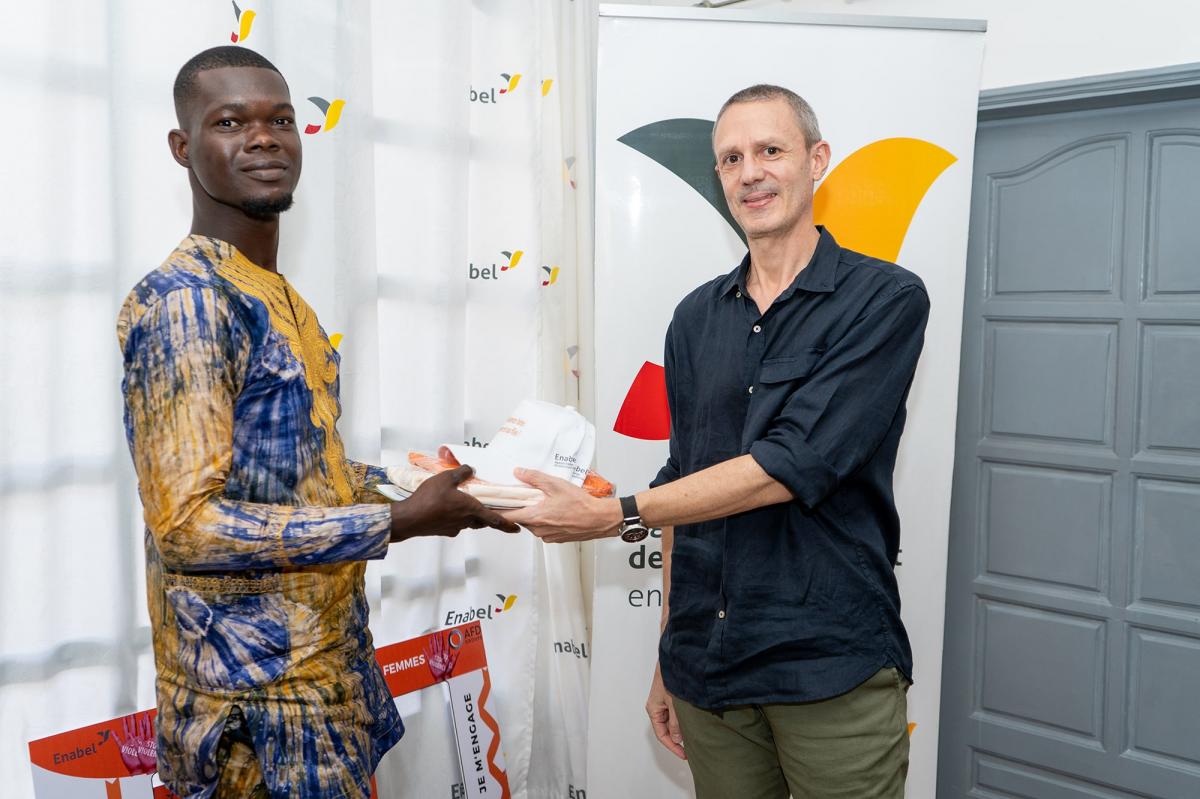
Au Bénin, Enabel est engagée sur l’accompagnement des femmes victimes de violence, sur la sensibilisation à la lutte contre les violences et les discriminations envers les femmes. Durant ces 16 jours d’activisme, nous avons intensifié nos actions d’information, de mobilisation, de sensibilisation et d’éducation des populations en particulier des jeunes et adolescents. Oui l’avenir c’est avec eux. Et pour assurer une relève de qualité, apte à respecter les droits humains, nous avons décidé pour cette campagne de focaliser sur la jeunesse. Cette jeunesse très active sur nos réseaux sociaux a participé massivement au Quizday que nous avons lancé depuis le 29 Novembre 2022 au 9 Décembre 2022. Au total 6 questions relatives aux dispositions de prise en charge de victimes de violences basées sur le genre. De la procédure judiciaire à la sanction des auteurs de violences de toutes formes en passant par la constitution des preuves à travers le certificat médical, tous ces aspects ont été abordés et nos activistes très dévoués ont partagé avec nous leurs connaissances et parfois même leurs histoires.Le quizday VBG en 13 jours, c’est 305.130 personnes touchées via Facebook avec 8978 interactions (commentaires) enregistrés. Les tranches d’âges les plus touchées sont comprises entre 18 à 24 ans, 25 à 34 ans et 35 à 44 ans avec une forte participation des hommes. Au terme des 6 Quizday VBG, nous avons enregistrés 437 participants et 55 Gagnants.Cette campagne est initiée par le Projet EQUITE financé par l’Agence Française de Développement (AFD) mis en œuvre par Enabel au Bénin. Elle a été appuyée par les Projets PAOP (Appui à la Police Républicaine), et P@SRIS (Droits à la santé sexuelle et reproductive).
-
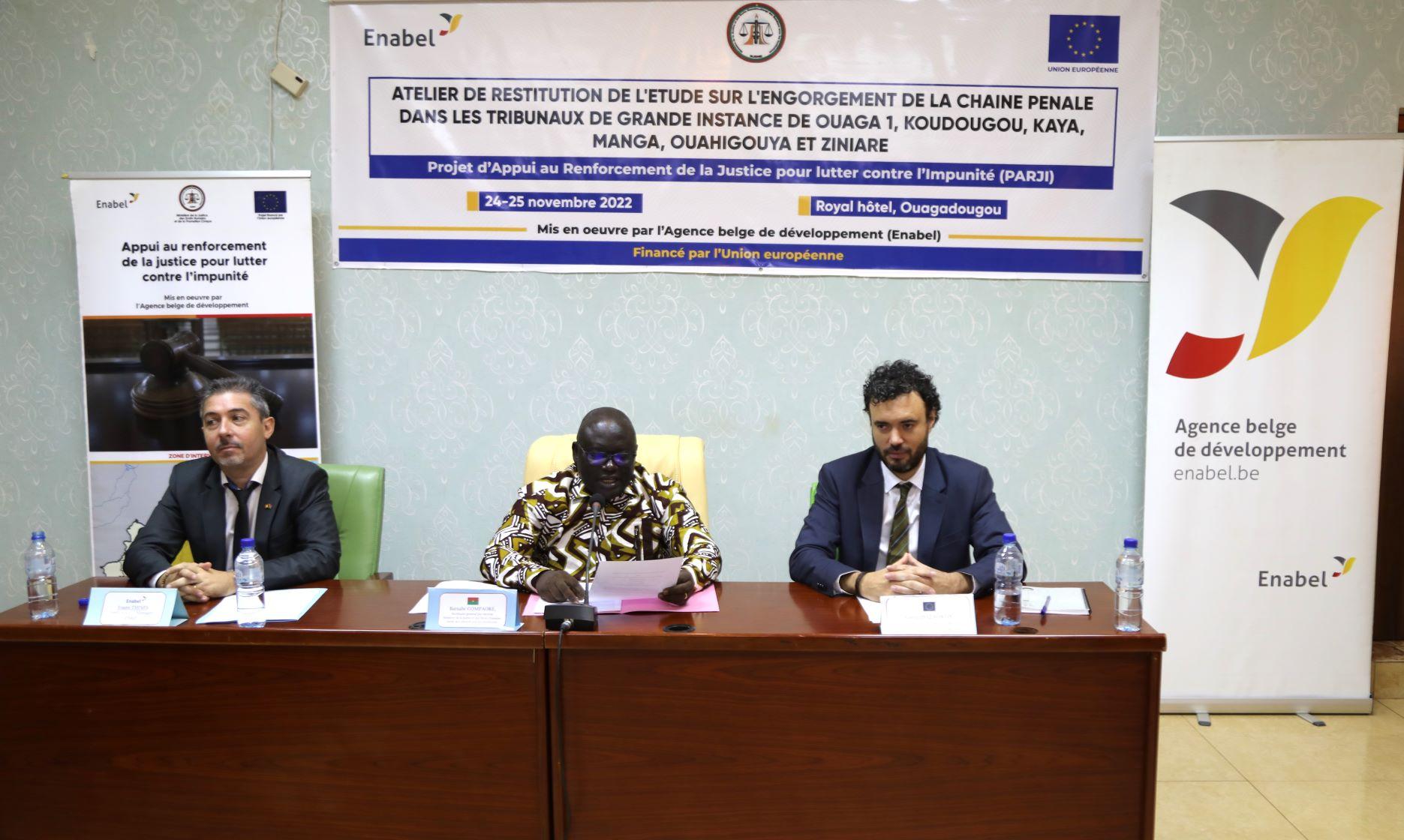
Au Burkina Faso, présentation des résultats d’une étude sur l’engorgement de la chaine pénale au Ministère de la Justice et aux acteurs judiciaires
Kimsegninga SAVADOGO | 21/12/2022
Dans le cadre de la mise en œuvre du Projet d’Appui au Renforcement de la Justice pour lutter contre l’Impunité (PARJI), financé par l’Union européenne, Enabel a commandité une étude sur l’engorgement de la chaine pénale. Cette étude, menée dans plusieurs juridictions du ressort de la Cour d’Appel de Ouagadougou, a été présentée aux responsables du Ministère de la Justice et des Droits Humains, chargé des Relations avec les Institutions (MJDHRI) ainsi qu’aux acteurs judiciaires du ressort de la Cour d'Appel de Ouagadougou au cours d'un atelier qui s'est tenu les 24 et 25 novembre 2022 à Ouagadougou. Cet atelier a été présidé par Monsieur Barnabé COMPAORE, Directeur Général de la Justice Pénale et du Sceau, Secrétaire Général par intérim et représentant Madame la Ministre de la Justice. Il était accompagné de Monsieur Valerio DIAZ MARTIN, chef d’équipe « Paix, Justice et Sécurité » de la Délégation de l’Union européenne et de Monsieur Yoann THINES, Portefolio Manager à Enabel. L’objectif de cet atelier était de présenter les résultats de l’étude aux participants et de recueillir leurs observations s’agissant des constats posés par le consultant, Me OUATTARA Fako Bruno, relativement aux principales causes de l’engorgement des juridictions pénales. Les participants ont ensuite pu débattre autour de recommandations à court et à plus long terme en vue d’améliorer les performances du système judiciaire burkinabè. L’atelier s’est clôturé par l’adoption d’un plan d’actions prioritaires et réalistes en vue d’atteindre les changements souhaités. Enabel a réaffirmé sa volonté de poursuivre l’appui à ses partenaires burkinabè pour la bonne mise en œuvre de ces recommandations afin de lutter contre l’impunité et d’améliorer l’accès à la justice au bénéfice des populations.
-
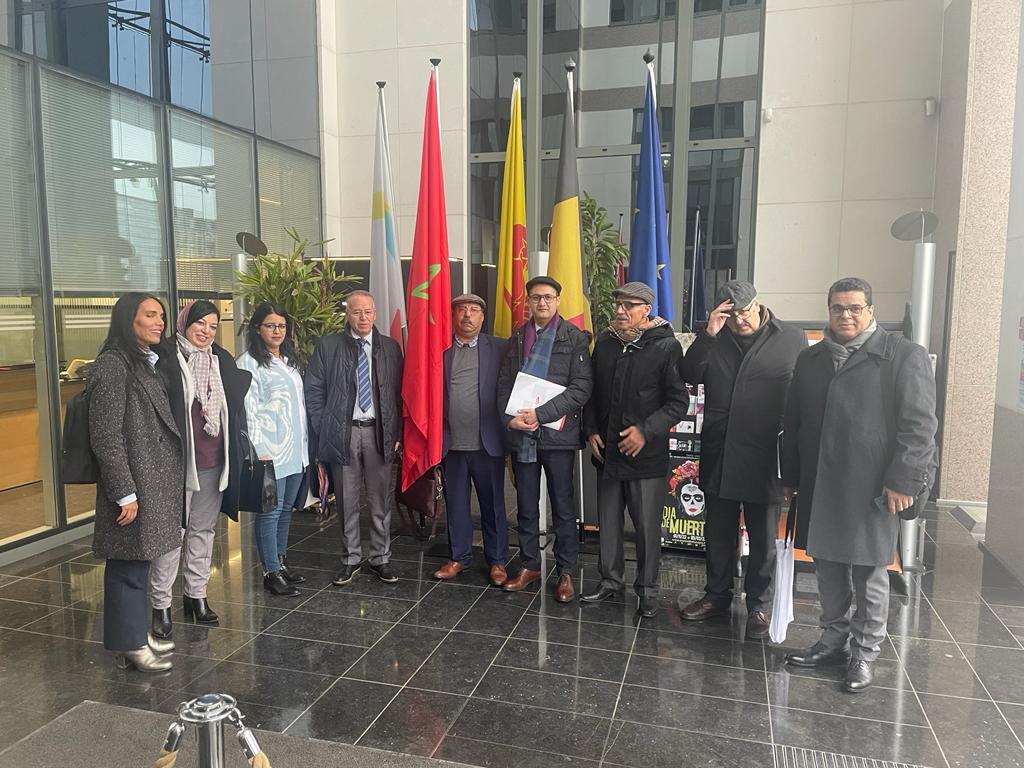
Maroc : Visite d’échange pour la promotion des potentialités économiques et opportunités d’investissement de la région de l’Oriental
Arturo BIGLIA | 19/12/2022
Entre les 8 et 15 décembre, une délégation de la région de l’Oriental était en visite à Bruxelles, à Milan et à Bologne dans le but de promouvoir les potentialités de la région et de créer un canal de communication continue entre les investisseurs potentiels porteurs de projet et les acteurs en charge d’accompagnement des initiatives d’investissement.Cette activité, organisée dans le cadre du projet Déploiement des politiques migratoires au niveau régional – DEPOMI en collaboration avec le Conseil et la Wilaya de la région de l’Oriental ainsi que le Comité européen pour la Formation et l’Agriculture (CEFA), a notamment pu compter sur la participation du Centre régional d’Investissement de l’Oriental (CRIO), de la Confédération Générale des Entreprises du Maroc de l’Oriental (CGEMO), des Directions régionales de l’Agriculture et du Tourisme et de l’association ASTICUDE. A Bruxelles, la délégation a eu l’occasion d’échanger et de promouvoir sa région auprès d’Enabel et son Directeur Général Jean Van Wetter, de représentants du SPF Affaires étrangères, Commerce extérieur et Coopération au Développement, de la Chancellerie et Ministère des Affaires étrangères flamands, des trois agences économiques belges régionales Flanders Investment & Trade (FIT), Agence wallonne des Exportations (AWEX) et Hub.Brussels, ainsi qu’avec l’APEFE, l’agence de coopération au développement des gouvernements de la Fédération Wallonie-Bruxelles et wallon. Par après, un atelier « Investir au Maroc – Le rôle des Marocain.es du monde et les opportunités dans la région de l’Oriental » a été organisé afin de présenter les potentialités de l’Oriental et d’échanger avec des ressortissant.es marocains installé.es en Belgique et potentiellement intéressé.es par un investissement productif dans la région. A Milan, la délégation marocaine, après avoir rencontré le Consul du Royaume du Maroc à Milan et le Président de la Commission des relations internationales et d’Europe de la Commune de Milan, a organisé son deuxième atelier avec les MRE potentiels investisseurs installés dans la région de Lombardie. Enfin à Bologne, les participant.es à la visite d’échange ont pu rencontrer la direction du CEFA, un représentant du Consulat du Maroc à Bologne, ainsi que la section de la région d’Emilie Romagne de la Confédération générale des coopératives et entreprises sociales italiennes, qui regroupe plus de 16.000 entreprises sociales, pour discuter de la région de l'Oriental et des possibilités qu’elle peut offrir à ces entreprises. Suite à ces rencontres, s’est déroulé le troisième et dernier atelier à destination des MRE installés dans la région. Pour rappel, le projet DEPOMI vise, entre autres, à mobiliser les Marocains résidant à l’étranger pour le développement territorial des régions. Cette visite aura donc également eu pour objectifs principaux de promouvoir la région auprès des institutions rencontrées, mais également de renforcer la confiance des MRE envers leur pays d’origine et de les inciter à y investir.
-
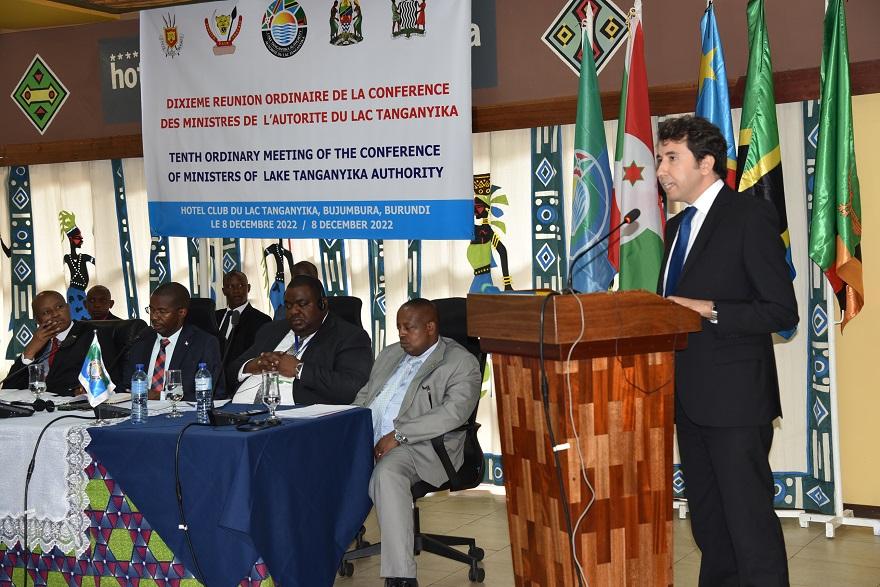
Au Burundi, la contribution du projet Latawama est reconnue par la 10ème conférence de l’Autorité du Lac Tanganyika
Rodrigue NIYONGABO | 12/12/2022
La ville de Bujumbura a tenu ce 8 décembre 2022, la dixième conférence des ministres de l’Autorité du Lac Tanganyika. Des délégations des pays signataires de la convention sur la gestion durable des eaux du lac Tanganyika y ont pris part en la présence du vice-président de la République du Burundi, monsieur Prosper BAZOMBANZA. La contribution du projet Lake Tanganyika Water Management Project « LATAWAMA » qui est mis en œuvre conjointement par Enabel et l’Autorité du Lac Tanganyika sur financement de l’Union européenne est reconnue par la plupart des intervenants. Les partenaires maintiennent leur soutien à la protection des eaux du lac Tanganyika. Procédant à l’ouverture de la Conférence, le vice-président la République du Burundi a réaffirmé le soutien indéfectible du gouvernement du Burundi à l’Autorité du Lac Tanganyika et à la mise en œuvre des actions coordonnées visant la gestion durable du lac Tanganyika. L’ambassadeur de l’Union européenne au Burundi, Claude Bochu a fait savoir que l’Union européenne est engagée dans la protection de la nature et la lutte contre le changement climatique au niveau de sa coopération bilatérale avec le Burundi, la Tanzanie, la Zambie et la RDC, ainsi qu’au niveau régional et en particulier dans les bassins d’eau transfrontaliers, comme le Lac Tanganyika. Il a ainsi rappelé qu’en 2019, l’Union européenne a financé le projet Lake Tanganyika Water Management (LATAWAMA) et prévoit d’engager en 2023 une nouvelle enveloppe budgétaire qui permettra de financer une nouvelle phase du projet LATAWAMA. Le Représentant Résident d’Enabel au Burundi, monsieur Abou El Mahassine Fassi-Fihri, a souligné que le projet LATAWAMA contribue à la mise en œuvre du plan d’action stratégique de l’Autorité du Lac Tanganyika, spécifiquement pour les priorités liées à la gestion de l’Information par le développement du réseau de surveillance de la qualité de l’eau et la lutte contre la pollution à travers la gestion des déchets solides et liquides. Le Ministre de la Pêche et de l’Elevage de la République Démocratique du Congo apprécie également les actions du projet LATAWAMA. Différentes interventions témoignaient de l’engagement des partenaires pour le financement des actions visant la protection durable des eaux du lac Tanganyika. La conférence des ministres constitue un cadre formel d’évaluer la mise en œuvre du plan d’action stratégique de l’Autorité du Lac Tanganyika et permet de prendre des décisions sur la gestion durable des eaux du lac Tanganyika. Elle est composée par les quatre ministres des pays riverains du lac ayant l’environnement dans leur attribution avec une présidence tournante. Cette année, c’est le Professeur Sanctus Niragira, Ministre Burundais de l’environnement, de l’agriculture et de l’élevage qui présida cette conférence.
-
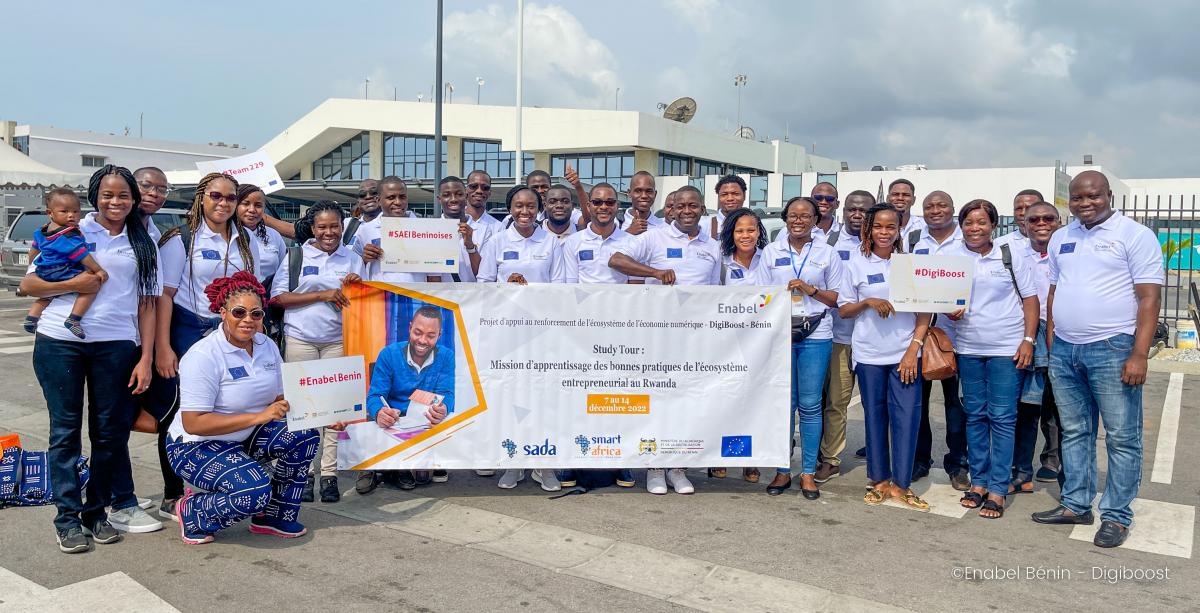
Smart Africa et Enabel au Bénin s'associent pour stimuler l'esprit d'entreprise axé sur la technologie
Reece-hermine ADANWENON | 09/12/2022
Kigali, 8 Décembre 2022 - Smart Africa à travers son véhicule de renforcement des capacités Smart Africa Digital Academy (SADA) et Enabel à travers le projet DigiBoost organisent un atelier d'échange d'apprentissage par les pairs dans le domaine de l'entrepreneuriat entre le Bénin et le Rwanda et un voyage d'étude au cours duquel les entrepreneurs béninois découvriront et apprendront de l'écosystème des startups rwandaises. Le programme s'inscrit dans la vision commune entre le secrétariat de Smart Africa, le Ministère du Numérique et de la Digitalisation du Bénin et le Ministère des TIC et de l'Innovation du Rwanda pour partager les connaissances et rassembler les efforts nationaux et régionaux afin de combler le déficit de compétences numériques en Afrique. L'objectif de cet échange d'apprentissage par les pairs et de ce voyage d'étude est de partager les connaissances et les meilleures pratiques entre les écosystèmes du numérique et de l'entrepreneuriat du Rwanda et du Bénin. Il vise également à renforcer les capacités et les connaissances des participants en matière d'entrepreneuriat par le biais d'un atelier de deux jours et, au final, à accroître les performances des entrepreneurs numériques. La délégation de trente-cinq (35) personnes venues du Bénin est constituée d’entrepreneurs béninois, de structures d’accompagnement à l’entrepreneuriat innovant (SAEI), de représentants des responsables gouvernementaux et d’acteurs clés de l’écosystème entrepreneurial du Bénin. Durant ces six (06) jours, la délégation côtoiera leurs homologues du Rwanda au nombre de 30.Cet événement assez important intervient à un moment où l'économie numérique croissante en Afrique ouvre de nouvelles opportunités pour les entrepreneurs et permet la création de nouveaux modèles d'affaires, d'innovations et de valeurs dans les industries axées sur les données.“L'économie numérique africaine progresse à grand pas et l'entrepreneuriat numérique prend forme. Le renforcement des capacités des entrepreneurs africains et le partage des enseignements entre les États membres constituent une étape cruciale pour tirer parti des immenses possibilités offertes par ce nouveau type d'économie,” a souligné M. Lacina Koné, le Directeur Général de Smart Africa, en commentant cette initiative.« Cette mission d’apprentissage de bonnes pratiques de l'écosystème innovant et entrepreneurial rwandais qui s'achèvera le 13 Décembre 2022 comprend une formation dispensée par l'Institut des ingénieurs électriciens et électroniciens (IEEE) et un voyage d'étude au cours duquel les visiteurs béninois découvriront l'écosystème innovant et entrepreneurial rwandais. Elle permettra aux structures d’accompagnement à l’entrepreneuriat innovant béninoises de renforcer leurs connaissances et compétences autour du métier de l’accompagnement et de créer un cadre de rencontre et d’échanges avec leurs homologues rwandaises. » a déclaré Emmanuelle BOUITI la coordonnatrice du projet DigiBoost mise en œuvre par Enabel au Bénin. A propos de Smart AfricaSmart Africa est une alliance réunissant 35 pays ; des organisations internationales et des acteurs mondiaux du secteur privé avec comme objectif le numérique en Afrique.L’alliance est inspirée par un engagement audacieux et innovant de chefs d’états africains avec pour objectif d’accélérer le développement socio-économique du continent et accompagner l’Afrique vers l’économie du savoir à travers l’accès à l’internet bon marché et l’utilisation des NTICs. Avec la vision de créer un marché numérique unique en Afrique d’ici 2030, l’Alliance Smart Africa rassemble les Chefs d’Etats qui souhaitent accélérer la digitalisation du continent et créer un marché commun. Lancé en 2013 par sept (7) Chefs d’Etats africains, l’Alliance compte aujourd’hui 35 membres, qui représentent plus de 1,1 milliard de personnes et plus de 40 membres issus du secteur privé et tous tournés vers la même vision et le progrès pour l’Afrique.
-
Appui au renforcement des capacités des membres des Commissions d’assistance judiciaire au Burkina Faso
Kimsegninga SAVADOGO | 07/12/2022
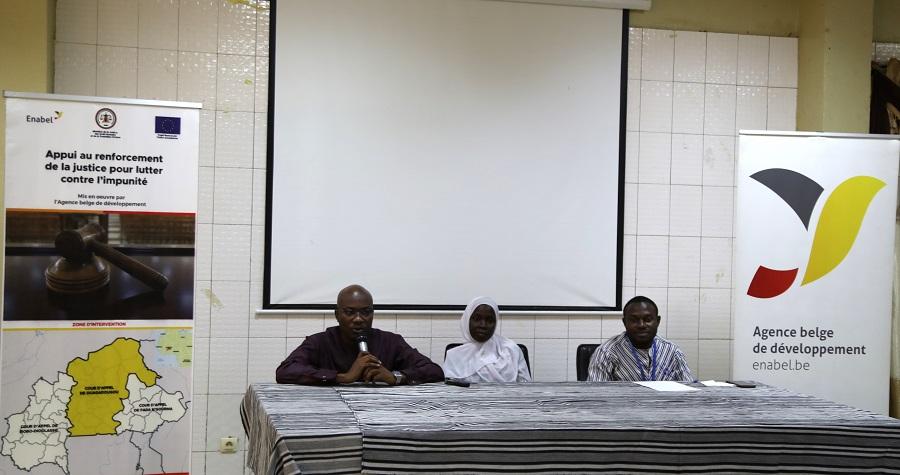
Dans le cadre du Projet d’Appui au Renforcement de la Justice pour lutter contre l’Impunité (PARJI), Enabel, en collaboration avec le Fonds d’Assistance Judiciaire (FAJ), contribue au renforcement des capacités des membres des Commissions d’Assistance Judiciaire (CAJ) et ainsi, à l’amélioration de l’accès à la justice des populations. L’Agence belge de développement (Enabel), met en œuvre depuis avril 2021 le Projet d’Appui au Renforcement de la Justice pour lutter contre l’Impunité (PARJI), avec l’appui financier de l’Union européenne. Un des objectifs de ce projet vise à renforcer l’accès à la justice des populations vivant au Burkina Faso, en particulier les personnes en situation de vulnérabilité. Dans ce cadre, Enabel, en partenariat avec le Fonds d’Assistance Judiciaire (FAJ), a initié une série de formations au profit des membres des Commissions d’Assistance Judiciaire (CAJ), qui ont la mission d'examiner les demandes et le cas échéant, d’accorder le bénéfice de l’assistance judiciaire aux justiciables qui se trouvent, en raison de l’insuffisance de leurs ressources, dans l'impossibilité d’exercer leurs droits en justice, comme demandeur ou défendeur. Cette formation, organisée du 23 au 25 novembre à Kaya, est la 4ème et dernière formation organisée au profit de membres des CAJ sur l’année 2022. A cette occasion, 26 participants issus des CAJ des Tribunaux de Grande Instance de Dori, Kaya, Kongoussi, Koudougou, Leo, Ouaga 1, Po et Tenkodogo, ont bénéficié d’un renforcement de leurs compétences sur l’organisation judiciaire au Burkina Faso, le cadre juridique et institutionnel applicable ainsi que sur les conditions d’obtention, les effets et le retrait de l’assistance judiciaire. Ils ont par ailleurs été sensibilisés sur le rôle crucial qu’ils ont à jouer dans la vulgarisation et la promotion du mécanisme de l’assistance judiciaire auprès de la population. Cette session leur a également permis de partager leurs expériences et bonnes pratiques mais également d’identifier des solutions aux problèmes auxquels ils sont fréquemment confrontés dans la réalisation de leur mandat. Tous les participants ont salué l’organisation de cette activité considérée comme particulièrement pertinente en vue d’'améliorer les services d’accès à la justice au profit des populations vulnérables.
-
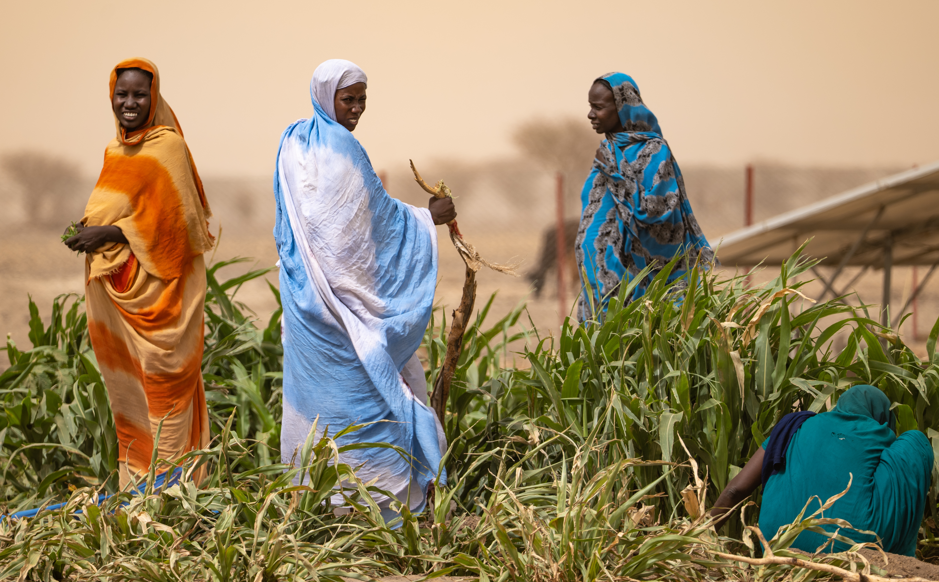
En Mauritanie, les femmes œuvrent pour le développement de leur communauté
Aminata KANE | 07/12/2022
A plus de 1200 kms de la capitale, entouré de montagne de pierres et enveloppé de l’air sec du climat sahélien, des femmes se rebroussent les voiles et attaquent. La délégation de l’agriculture, avec son appui en semences et grâce à Enabel avec le programme RIMFIL, apporte son appui technique et conseille pour mettre en place des périmètres maraichers gérés par les femmes de la coopérative. La représentante de la coopérative nous parle de l'impact du programme dans leur vie:https://youtu.be/wMicb0CvOSMCe village situé dans une région aride n’était pas familier de l’agriculture. L’équipe Enabel de la région du Hodh El Chargui ont accompagné les femmes de Zeidar pour la mise en place et l’organisation de jardins maraichers, ainsi que la mise à disposition d’un puit, de panneaux solaires, d’une clôture et d’abreuvoirs. Ce site est exclusivement géré par 60 femmes, réparties en deux jardins (l’un de 20 et l’autre de 40). Elles puisaient l’eau et marchaient une assez longue distance, chacune apportant 2 bidons de 20litres. Les abreuvoirs construits permettent de ne plus aller jusqu’au bassin érigé. L’eau est très salée (mauvais pour la récolte et santé des plantes) via l’application de différentes méthodes ici le cendre de bois qui a eu un bon effet sur les plantes. Les femmes ont senti la différence. Avec un apprentissage à petits pas, les femmes de Zeidar ont acquis des compétences qui leur ont apportées un changement concret dans leur vie de tous les jours. Auparavant, ce village n’avait aucune activité réelle; le jardin est devenu le centre d’occupation des villageois. Elles y passent toutes leurs journées et travaillent de façon continue. Avec comme résultats la récolte d’aliments ; tomate, navet, chou, gombo grâce à l’engrais naturel. Le programme RIMDIR a pour but d’augmenter l’accès aux périmètres avec des superficies utiles, augmentation de la production et productivité. Ici nous avons l’accès à des périmètres maraichers pour 121 ménages avec une superficie totale de 2.30 hectares (Zeidar et Nguiya). Pour la récolte actuelle, les femmes ont réalisé 440 kg de récolte en dehors des oignons qui ne sont pas encore mûrs. Elles vendent le kilo à 50 MRU, soit une recette de 22000 MRU. Elles comptent investir sur la préparation et la commercialisation du couscous qui est un autre lien avec la filière décrue. Les femmes de Zeidar ont acquis des connaissances concrètes qui apportent un changement concret dans leur vie et dans le développement de leur bien-être et pour celui de leur famille. Un apport concret de revenus pour leur ménage et la commercialisation de leur récolte. Elles veulent dans le futur investir afin de participer au développement de leur zone et d’elles-mêmes.
-
From water to energy: Digitalization and innovation go hand in hand in developing hydropower in Mozambique
Akila MUNIR | 06/12/2022
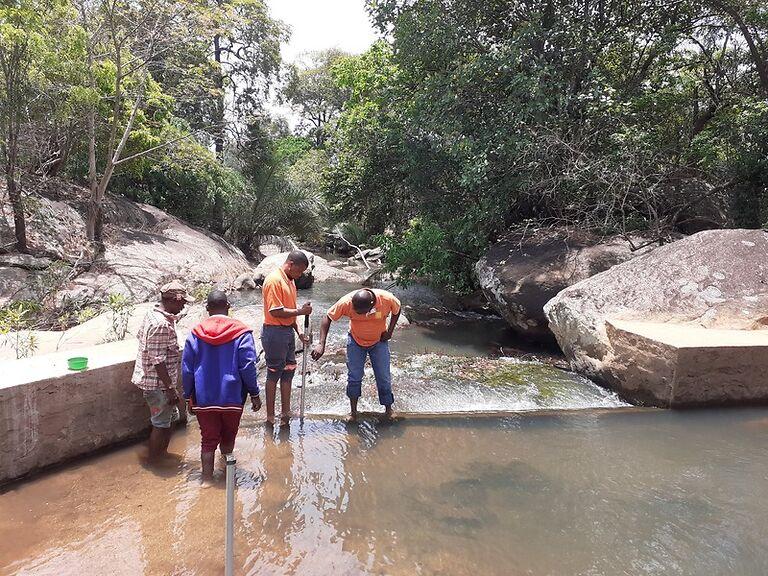
By: RERD2Energia para todos (Energy for All) The Mozambican government’s ambition is clear: Energia para todos. By 2030, all Mozambican households should have access to sustainable and affordable electricity. In 2019, however, the counter stood at only 29.6%. Mozambique, therefore, faces an enormous challenge. The country has a considerable potential for renewable energy, with significant prospects for hydroelectric and solar power. The north of Mozambique in particular has several rivers with great potential for electricity production. At the same time this is also the region where the population has the least access to electricity. "A match made in heaven". But why is the number of hydropower plants in Mozambique still so limited? Complexity The reason is simple: hydropower projects excel in their complexity. They are projects in which different disciplines and specialisations come together: hydrology, civil works, electromechanics, environmental management and so on. Moreover, building a hydropower plant requires considerable financial resources. Hydropower projects, therefore, are by nature not "a walk in the park". In Mozambique, there are some additional specific challenges. There is a lack of recent measurement data of the rivers and their surroundings. Potential sites are often difficult to reach in this vast country. Financial resources from government are limited, and there is little experience in developing projects with the private sector. FUNAE FUNAE, the National Energy Fund in Mozambique, is responsible for facilitating and realizing ‘off-grid’ energy projects, i.e. outside the national electricity network. FUNAE and Enabel have been working together for more than 10 years on the development of renewable energy projects in Mozambique, both in the field of solar energy and hydropower. Within the framework of the “Renewable Energy for Rural Development, Phase 2 (RERD2)” program, Enabel and FUNAE are jointly seeking solutions to best study the feasibility of hydropower projects, with a clear focus on digitalization and new methods. This approach already resulted in 3 clear innovative ways of working. Solution 1: GIS "This was a very valuable training," commented engineer Norberto Novelo after the intensive training on using geographical information systems (GIS) to analyse new potential locations for hydropower. Enabel and FUNAE jointly developed a methodology to investigate new sites involving historical river data, correlation analysis, freely available geographical data and Excel templates. Concrete key parameters, such as catchment area, river flow and power output, can be calculated and visualised using these techniques. The great added value is especially that the methodology allows to identify the most interesting sites remotely and in advance, i.e. from the desktop, so that FUNAE can make the best use of its limited financial resources. With this new method, five new sites were recently analysed, of which one with a particularly high potential. Solution 2: Drone After selecting the potential sites, the initial analysis needs to be verified in the field through measurements and fieldwork. However, hydropower projects can involve huge areas, up to several km2, often difficult to access. Here too, technology and digitalisation offer a solution. The entire area can be mapped in detail from a safe location by using a drone. Moreover, using a drone, a very detailed digital elevation model of the area can be built, which is particularly valuable during the hydropower plant design. This approach was tested in Nintulo as part of a training program and will be increasingly used in the next couple of years. Solution 3: River flow measurements with community involvement One of the most critical parameters for a hydropower project is the available river flow. One of the biggest problems in Mozambique is the lack of up-to-date measurement data, so these have to be collected in the field. But how do you start? In Nintulo in Zambézia province, Enabel and FUNAE have found a great solution. Together with the local community, a small dam was built in 2019 to allow measurement of the river flow and water levels. Since then, every day, someone from the community walks up the hill to measure the water level. These daily water levels are meticulously recorded in a notebook and the data is shared monthly in a WhatsApp group with FUNAE and Enabel members. Subsequently Enabel and FUNAE, with the support of the community, carry out monthly control measurements. The community also guarantees the maintenance of the access roads to the river so that the measurement sites remain easily accessible. Through this approach, FUNAE and Enabel have already been able to collect measurement data for the past two years. But there is more. The active involvement of the community of Nintulo in the whole process ensures that there is substantial local support for the project. The contacts between FUNAE, Enabel and the community of Nintulo are particularly close, and the use of the common WhatsApp group also ensures that any problems are addressed immediately. Or, as the "chefe de posto", Senhor Renato, repeatedly says, "this project is extremely important for the further development of our community, Nintulo". What's next? After the technical elaboration of a hydropower project, financing must be sought. In the past, energy projects were the exclusive responsibility of the Mozambican government. But in 2021, also due to the influence of FUNAE, the legislation changed so that private funds can also be used for renewable energy projects. In anticipation of further regulations, Enabel and FUNAE are already working together to develop new financing and management models for energy installations enabled by FUNAE. Because, after all, the end goal is very clear: Energia para Todos. Key data29.6% of the Mozambican population of 32 million had access to electricity in 2019Enabel and FUNAE have been working together since 2011More than 2 years of river flow measurements in Nintulo5 new hydropower sites analysed, of which one identified as high potentialDigital elevation model obtained from Nintulo area by using drone
-
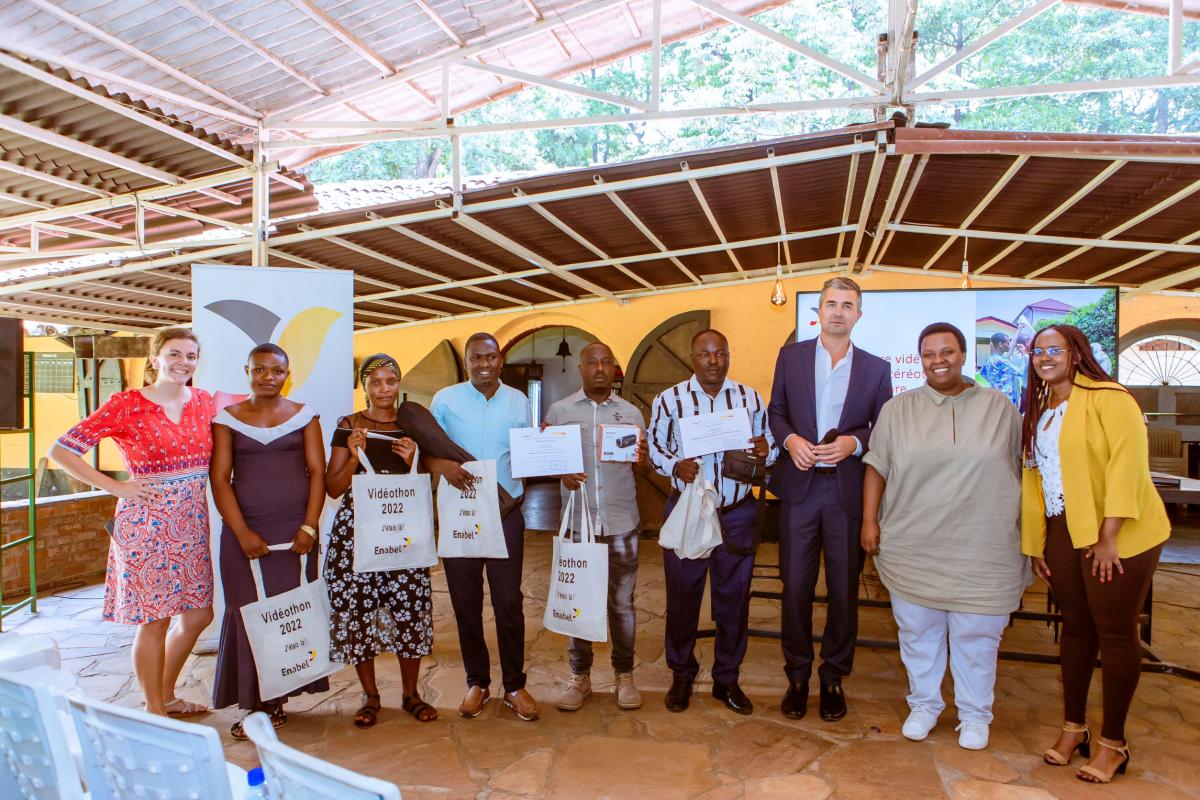
Burundi : Cérémonie de remise des prix aux gagnants du concours Vidéothon
Donavine KWIZERA | 03/12/2022
Enabel à travers le projet ACFPT a procédé à la remise des prix du concours Vidéothon. 11 Centres d’Enseignement des Métiers (CEMs) partenaires du projet avaient créé 11 vidéos, chacun sur un des métiers enseignés dans leur centre : Agri-élevage, Maçonnerie, Mécanique-auto, Électricité, Plomberie, Hôtellerie-tourisme, Transformation Agro-Alimentaire, Menuiserie, Soudure, Bureautique et Couture. Dans ces vidéos, des apprenants, formateurs techniques, lauréats ou artisans ont raconté leurs histoires personnelles pour répondre à la question « Pourquoi avez-vous choisi ce métier ? ». La cérémonie de remise des prix aux gagnants du concours avait lieu 25 novembre 2022 dans les enceintes Cercle Hippique de Bujumbura en présence de l’Ambassadeur de la Belgique, Alain VAN GUCHT. Elle marquait l’étape finale d’un parcours qui consistait en deux ateliers de création et une journée de tournage par centre. Pour les participants, c’était la première fois d’écrire un scénario et de tourner et monter une vidéo. Ils ont été accompagnés par Yaga, un collectif de jeunes blogueurs burundais, experts en approches digitales. Le jury, présidé par David JORDENS, Chef du Pôle Coopération de l’Ambassade de la Belgique était composé par deux experts techniques par catégorie. Le CFP Gitega a reçu le prix du « meilleur scénario » illustrant la Transformation Agro-Alimentaire. Le CFP Muyinga a été récompensé avec le prix du « meilleur vidéo-montage » pour une vidéo sur le métier d’Électricien.ne. Le CFP Karurama a gagné le prix de la « meilleure vidéo qui brise les stéréotypes de genre » sur le métier de Plomberie. Les trois centres gagnants ont reçu une caméra, un microphone et un trépied, leur permettant de poursuivre les productions vidéo pour leur centre. Tous les participants au concours Vidéothon 2022 ont reçu une attestation de participation, un T-shirt et un goodie-bag en guise de remerciement pour leur participation, motivation et engagement. Les formateurs, les lauréats et les artisans qui ont participé à cette aventure étaient fiers d’y avoir contribué, ils trouvent que leurs métiers seront bien valorisés à travers leurs témoignages. L’événement a permis au public d’interroger un panel de participants ainsi que les formateurs de Yaga Burundi sur les leçons à tirer de cette expérience et comment capitaliser les compétences acquises en élaboration de script, tournage et montage vidéo de façon durable au niveau de leur centre d’enseignement des métiers. Cette formation-action a permis aux CEMs partenaires du projet d’acquérir des compétences en lien avec la création de capsules vidéo qu’ils vont mettre à profit pour améliorer la qualité des enseignements ou pour développer des activités génératrices de revenus. Alors, pourquoi choisir une carrière dans l’Enseignement des Métiers ? Découvrez la réponse dans les vidéos réalisées : https://youtube.com/playlist?list=PLERKYv3OZDtH-0uw75-BDk6ywp5FxSPKJ