Search
Viewing 450 to 465 of 3043 news
-

Dialogue en crampons : la Police béninoise sur le terrain social
Osée DOSSOU-HOUEGBE | 24/09/2025
Dans les trois zones de mise en œuvre du projet PAOP II - Djougou, Dassa et Bembèrèkè - des milliers de citoyens ont répondu présents pour assister à un tournoi de football pas comme les autres. Organisé sous l’impulsion de la Direction de la formation et des sports de la Police républicaine, avec l’appui technique d’Enabel, ce tournoi « police-population » a réuni les équipes de la Police républicaine et celles issues des différentes couches sociales : artisans, journalistes, élèves et étudiants, conducteurs de taxi moto, et même des équipes féminines. Au-delà de la compétition sportive, l’événement a été un véritable espace de dialogue et de convivialité. Les gradins ont vibré au rythme des encouragements, mais aussi des échanges entre citoyens et fonctionnaires de police. Pour beaucoup, c’était une première occasion de rencontrer les agents dans un cadre détendu et accessible. Malgré les défaites enregistrées par les équipes de la Police lors des matchs de pools, leur présence constante tout au long de la compétition a été saluée comme un signe fort d’engagement et de proximité. « C’était un honneur de jouer contre les policiers. L’ambiance était fraternelle et le fair-play total ». Il faut absolument rééditer l’initiative », témoigne un joueur. Il faut noter que ce tournoi a également mobilisé les autorités administratives, locales (élus locaux), religieuses et coutumières qui ont marqué leur présence au cours des différents matchs. Ce tournoi illustre parfaitement l’esprit du projet PAOP II : renforcer la cohésion sociale, promouvoir la police communautaire et instaurer un climat de confiance durable entre les forces de sécurité et les populations.
-
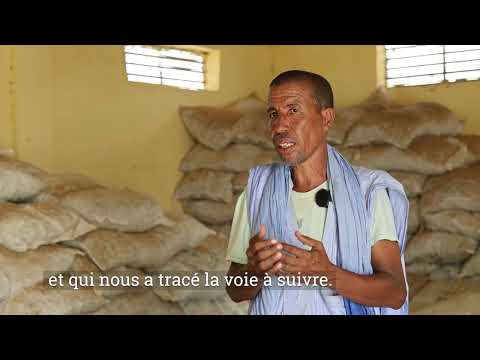
Mauritanie: Des magasins qui nourrissent bien plus que le bétail !
Aminata KANE | 24/09/2025
Dans le Hodh El Charghi, une petite révolution silencieuse est en marche. Là où la survie du bétail conditionne souvent celle des familles, les magasins communautaires d’aliments pour bétail changent profondément la donne et transforment la vie des éleveurs. Grâce à eux, les troupeaux sont mieux nourris et plus résistants, les pertes diminuent, et les ventes forcées de bétail ne sont plus une fatalité. Les magasins contribuent à renforcer la résilience ainsi que la cohésion sociale.Soutenus par le programme MIRECAM, financé par l’Union européenne et mis en œuvre par Enabel, ces magasins ne se contentent pas de distribuer de l’alimentation animale. Ils protègent le cheptel, sécurisent les revenus des éleveurs et renforcent les liens de solidarité au sein des communautés. Ces espaces nourrissent bien plus que le bétail : ils nourrissent l’espoir d’un avenir plus résilient et plus uni. Découvrez cette histoire dans la vidéo ci-dessous, et n’hésitez pas à regarder, commenter et partager !
-
Tanzania: Enabel catalyses commercializing vegetable growing in Tanga
Mkama MWIJARUBI | 24/09/2025
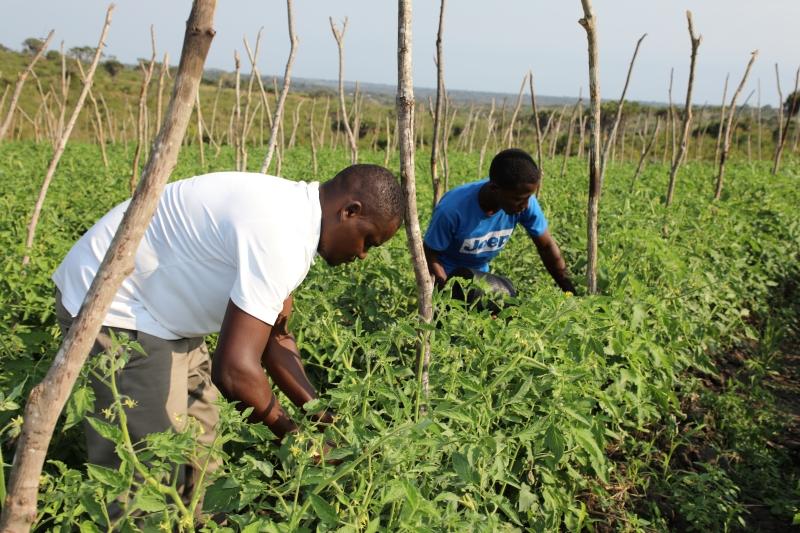
Tanga, a serene town of nearly 400,000 on the eastern coast of Tanzania, boasts a youthful population, re-emerging harbour and the East African Pipeline to Uganda. Arable land envelops the city, but it has not been fully put to work. Farmers grow fruits and food crops on small farms, mingled with patches of vegetable growers. In Tanzania, most small and medium scale enterprises are in agriculture, and they contribute 27percent to the DGP, according to The Tanzania Development Vision (TDV) 2025. But they contend with weak business development services, limited access to capital and high informality. “I’m a health professional that love farming, but I have struggled all along,” says Modest Massawe, vegetable grower in Pongwe ward in Tanga city. Like many farmers, he used to invest inputs in the field, without proper insight of market dynamics. Additionally, limited knowledge of proper inputs such as seed varieties, pests, and diseases led to recurring low returns. For instance, he used to water his tomatoes by carrying pails of water; upgrading to a diesel pump relieved him from carrying water with his hands, but the pump gushed the expensively pumped water excessively, depleting the water source prematurely and helping weeds to sprout. “I had to spend up to 10,000/- a day on fuel,” he recalls. This is bound to change, as farming, especially vegetable growing in urban Tanga orients itself to profit making, and become attractive to youthful farmers, thirsting to progress. Under its SASA Program, the European Union, funds the Inclu-cities project that is catalysing growth of businesses in the food systems in Tanga. Enabel Tanzania, the main implementor of the Inclu-cities collaborates with Rikolto East Africa to execute the food system initiative. In collaboration with the Tanga city, Inclu-cities spearheaded collaboration of the stakeholders in the food system to transform subsistence small holders into commercial vegetable growers, mindful of the environment and food safety. Early results foretell lasting impact. “Inclucities business-oriented approach to development initiative is proving impactful because each stakeholder involved has seen an opportunity to make profit,” says Kikolo Mwakasungula, Inclu-cities Project Manager. Farmers from Pongwe, Maweni and Amboni wards participated in a training that Inclu-cities organised to impart knowledge and skills about looking for markets, networking with input suppliers and improving productivity in growing vegetables. “We designated a number of farmers as lead farmer that will be coaching their fellows and facilitate collaboration, learning and networking with other stakeholders for the interest of farmers,” said Eliud Dotto, Rikolto’s Field Officer in Tanga. The lead farmers, including Massawe and James Kapalata in Pongwe and Maweni wards respectively, actively work with more than 300 farmers, helping them benefit from growing vegetables. In Maweni ward for example, Chote Vegetable Producers Association started after the Inclu-cities training. With more than 40 active members, the group organises learning events in their plots, where up to 70 farmers participate. Kange Mchicha, another group in Maweni was strengthened with a leadership, training and networking with input suppliers through the project. Personally, Massawe has evolved and transformed from an ambitious less informed farmer contending with losses to an informed and visionary who now understands how farming can be profitable. The solar pump and drip irrigation system that Inclucities has provided to the model farmer has flipped the outlook of many farmers. The once insufficient source of water for 2,000 or less tomato plants now suffices 4,000 plants and can cater for more. Besides, drip irrigation targets plants, depriving moisture to weeds, delaying their sprouting. “We also apply the least amounts of chemicals directly on our plants to control pests and diseases,” says James Kapalata. Instead, industrial made and plant’s scents are used to drive pests. These groups have become magnets for farm input suppliers. Kapatala and his fellow farmers grow tomato, watermelons, pepper and leafy vegetables. “What sets this initiative apart is the emphasis on safety of the produce to the consumers and caring for the environment during the production,” says the Agricultural Extension Officer in Pongwe ward, Mwanahawa Mwalimu. “When farmers see by evidence that there is proven way to rise productivity and suppress costs in vegetable growing, they happily adopt because, vegetable is a fast-moving farm produce.” Equipped with information, Kapalata and fellows negotiated with the sole buyer in Tanga for gainful prices for their pepper. “We reasoned with the buyer that offering low prices will discourage farmer from growing pepper and deprive the buyer a source of produce,” said Kapalata. Additionally, they have now secured sale contracts for their pepper from a buyer elsewhere. This EU funded initiative to catalyse food system economy in Tanga started in December 2024 and may last until 2027. Because the initiative hinges on local collaborations, its impact is likely to snowball. “We have an abundant market for vegetables in Tanga and we are only 400kms from the insatiable market in Dar es Salaam; we only need to keep the promise of profitability real among the vegetable growers,” said Mwalimu. The Tanzania Irrigation Commission has earmarked 20 acres near Massawe plot to establish a vegetable growing block. A deep well will be drilled. (need confirmation).“The ultimate goals is an ecosystem of profitable and bankable businesses where farmers, input suppliers, buyers and farmers, each can engage profitably,” said Dotto.
-
Du sommet à l’action : le Sahel en marche pour un avenir durable
Halissa HASSAN DAN AZOUMI | 23/09/2025
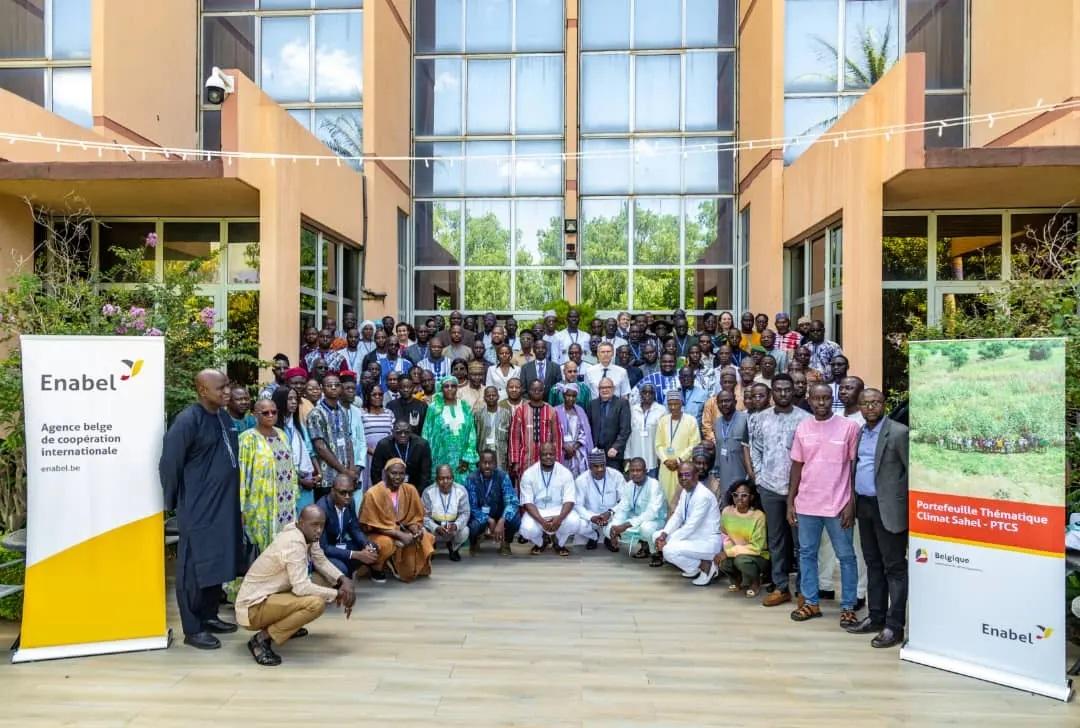
Du Sommet d’Addis au Forum de Ouagadougou : le Sahel en action face à la crise climatiqueQuelques jours seulement après le Deuxième Sommet Africain sur le Climat à Addis-Abeba, la mobilisation pour l’avenir du Sahel s’est poursuivie à Ouagadougou. Du 15 au 17 septembre 2025, plus d’une centaine d’acteurs venus de huit pays se sont réunis au Forum sur la gestion durable des ressources naturelles, un rendez-vous majeur organisé par le Portefeuille Thématique Climat Sahel (PTCS) et ses partenaires. L’événement a démontré comment les engagements pris à Addis se traduisent déjà en actions concrètes sur le terrain.À Addis-Abeba, le PTCS avait mis en lumière des innovations communautaires telles que le Biochar ou encore le HIMO pastoral, et participé à un panel de haut niveau sur l’Initiative de la Grande Muraille Verte. Cette dynamique s’est confirmée à Ouagadougou, où le Secrétaire général du Ministère burkinabè de l’Environnement, de l’Eau et de l’Assainissement a rappelé : « Aucun État, aucune organisation, aucune communauté ne peut relever seul les défis climatiques ».Les résultats déjà obtenus montrent l’ampleur du changement en cours :Plus de 10 000 hectares de terres restaurées ;2 000 producteurs formés aux pratiques agroécologiques ;Des centaines de structures locales renforcées pour une gouvernance durable ;Des femmes et des jeunes accompagnés dans des activités génératrices de revenus ;Des solutions innovantes diffusées, telles que le Biochar ou les foyers améliorés.Mais l’ambition du PTCS va bien au-delà des projets pilotes : il s’agit de soutenir de véritables transformations structurelles dans la gouvernance des terres, la gestion durable des ressources et la résilience des communautés. Le message est clair : le Sahel n’est pas un simple spectateur de la crise climatique. Il agit, innove et inspire.
-
Mauritanie : Des magasins communautaires d’aliments de bétail comme levier de résilience et de cohésion sociale
Aminata KANE | 20/09/2025
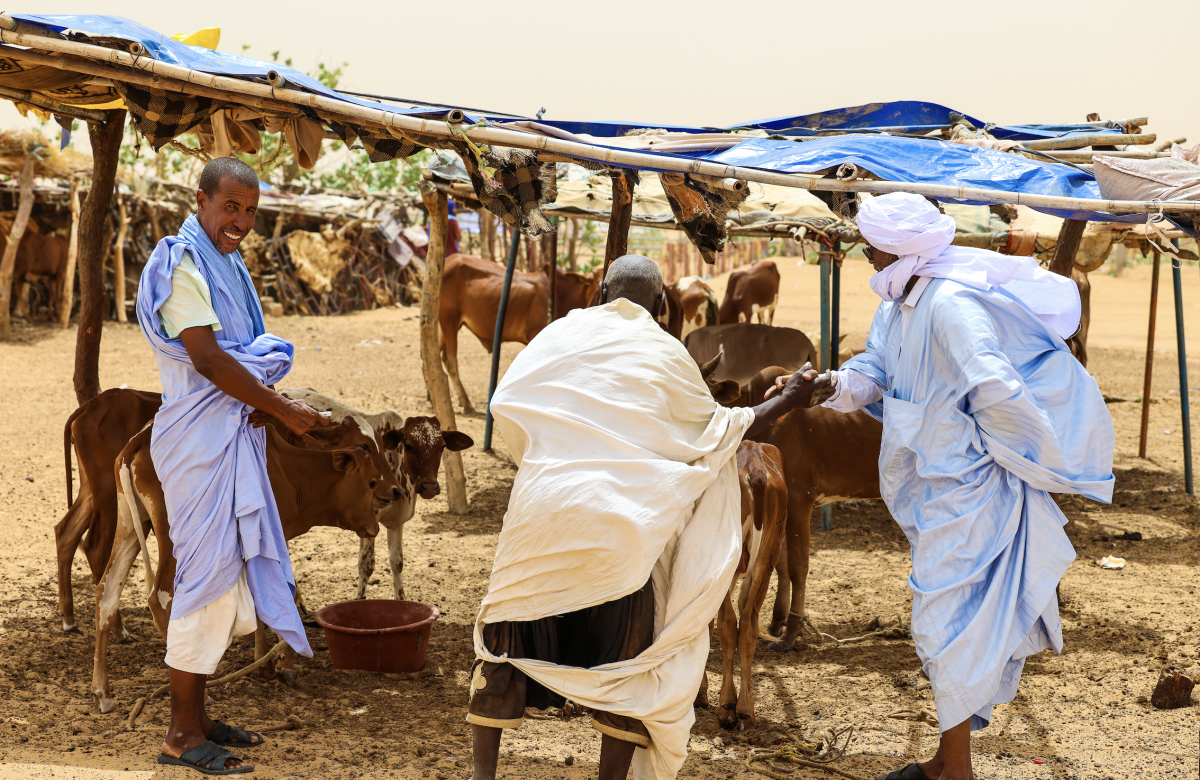
Au cœur du Hodh El Charghi, région sahélienne de l’extrême est mauritanien, l’élevage est bien plus qu’une activité économique : il incarne la richesse, la sécurité et la culture des communautés. Mais face aux sécheresses récurrentes, à l’avancée du désert et à la pression démographique, la survie des troupeaux est de plus en plus compromise. L’arrivée de populations maliennes déplacées accentue encore la pression sur les ressources, faisant de l’accès équitable aux pâturages et à l’alimentation animale un enjeu crucial pour la paix sociale.C’est dans ce contexte que le programme MIRECAM financé par l’Union européenne et mis en œuvre par Enabel, a introduit une innovation décisive : les magasins communautaires d’aliments de bétail.Une réponse concrète aux crises pastoralesImplantés dans des zones stratégiques, ces magasins facilitent l’accès des éleveurs à un fourrage subventionné, réduisant les déplacements coûteux et stabilisant les prix. Gérés par des comités locaux associant éleveurs, autorités et parfois réfugiés, ils garantissent transparence et équité.« Nous avons mis en place dès le début un système transparent sans aucune distinction… Cette expérience nous donne beaucoup d’espoir », témoigne Mohamed Yahya Ould Mohamedou, secrétaire du magasin de Timbedra.Un impact direct sur la résilienceLes bénéfices sont immédiats : moins de mortalité animale en saison sèche, préservation du cheptel comme capital économique et social et réduction de l’endettement grâce à la baisse des ventes forcées.« Ce fourrage mis à disposition a permis de fixer localement nos frères éleveurs, alors qu’auparavant, ils migraient ailleurs », explique Ely Ould Cheikh Mohamed Lemine, président de l’association des éleveurs de Timbedra.Des espaces de cohésion socialeAu-delà de leur rôle économique, ces magasins deviennent des lieux de concertation et de gouvernance partagée, renforçant la confiance entre communautés locales et réfugiés maliens.« Nous avons trouvé une hospitalité exceptionnelle… La gestion transparente du magasin a renforcé la confiance et la solidarité entre nous », souligne Yahya Diallo, représentant des déplacés maliens.Vers un avenir durablePour pérenniser ces acquis, le renforcement des capacités locales, l’extension des magasins et l’amélioration de l’accès à l’eau figurent parmi les prochaines priorités. Ces initiatives ne sauvent pas seulement le bétail, elles protègent des moyens de vie, apaisent les tensions et ouvrent la voie à une résilience collective durable.
-
Ukraine: Enabel kicks off the restoration of a shelter in Sosnytsia
Taisiia DRUZIUK | 19/09/2025
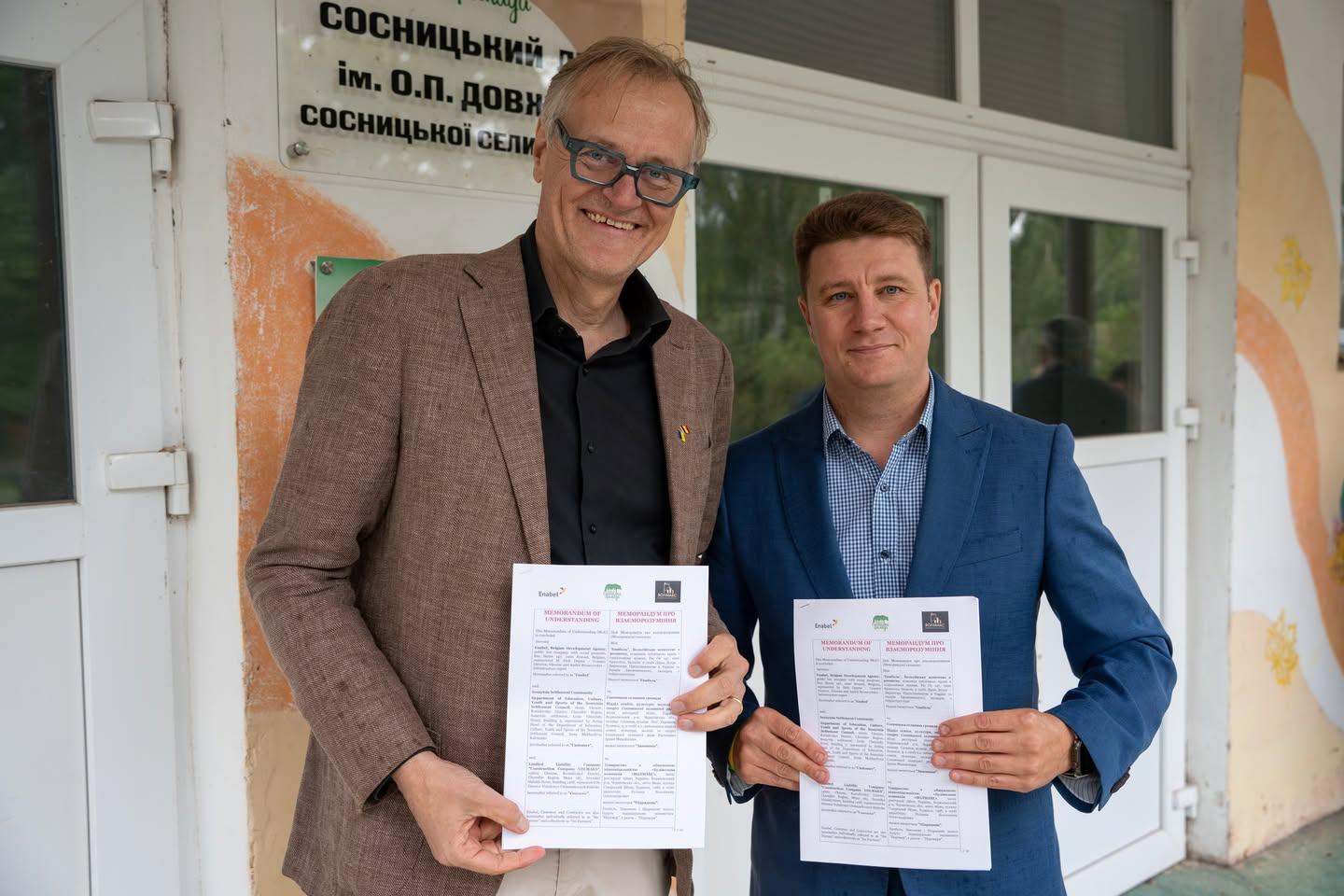
Enabel has launched another infrastructure project in the Chernihiv region – the major renovation of a shelter at Sosnytsia Dovzhenko Lyceum. The lyceum is the largest educational institution in the Sosnytsia community, with more than 500 students enrolled. The ongoing works include waterproofing and insulation, upgrading internal utilities, and completing interior finishes. Within a few months, the shelter will provide a safe refuge during air raid alerts. Once such protection is no longer needed, the space will be repurposed for other uses. Safe learning conditions for children are a key factor in strengthening community resilience. Ensuring these conditions remains one of the main priorities of our BE-Relieve Ukraine programme.
-

Uganda’s top employers honoured at 2025 Employer of the Year awards
Sharon IBENU | 18/09/2025
Uganda’s best employers were recognized for outstanding workplace practices during the 2025 Employer of the Year Awards (EYA) dinner held on 11th September in Kampala. The dinner, hosted by the Federation of Uganda Employers (FUE) in partnership with Enabel, brought together organizations from across Uganda under the theme “Investing in Uganda’s Future: Employers Fostering Job Creation.” The annual awards aim to celebrate organizations that are creating stable jobs, addressing barriers to growth, and implementing innovative strategies to foster sustainable employment. According to organizers, recognizing organizations that go above and beyond to create opportunities is essential in shaping Uganda’s labour market and ensuring long-term economic growth. This year’s event assessed organizations across 17 award categories highlighting employers making exceptional contributions in agriculture, tourism and hospitality. Speaking at the event, Douglas Opio, CEO of FUE emphasized the importance of partnerships in driving meaningful change. “We deeply appreciate Enabel’s commitment to fostering job creation and sustainable development in Uganda. Their partnership has been instrumental in recognizing and celebrating the organizations that are shaping the future of work in our country,” he said. Enabel, through its Decent Work project, played a pivotal role in sponsoring awards and highlighting businesses that are investing in people and communities. For Enabel, the recognition aligns with its mission of empowering communities and driving sustainable development by creating an environment where businesses thrive and individuals access meaningful employment. The awards, presented by Enabel went to Nyaika Hotel for the Tourism and Hospitality Award of the year; Tooro Botanical Gardens for the agriculture in the Rwenzori region award; Agri Evolve Uganda Ltd, as the overall winner in the agriculture sector; Golden Castle Hoima for the Tourism in the Albertine region award and Mountains of the Moon hotel as the overall winner in the tourism and hospitality sector.
-
Tanzania: Traders initiated community microfinance group boosts growth of their businesses
Mkama MWIJARUBI | 16/09/2025
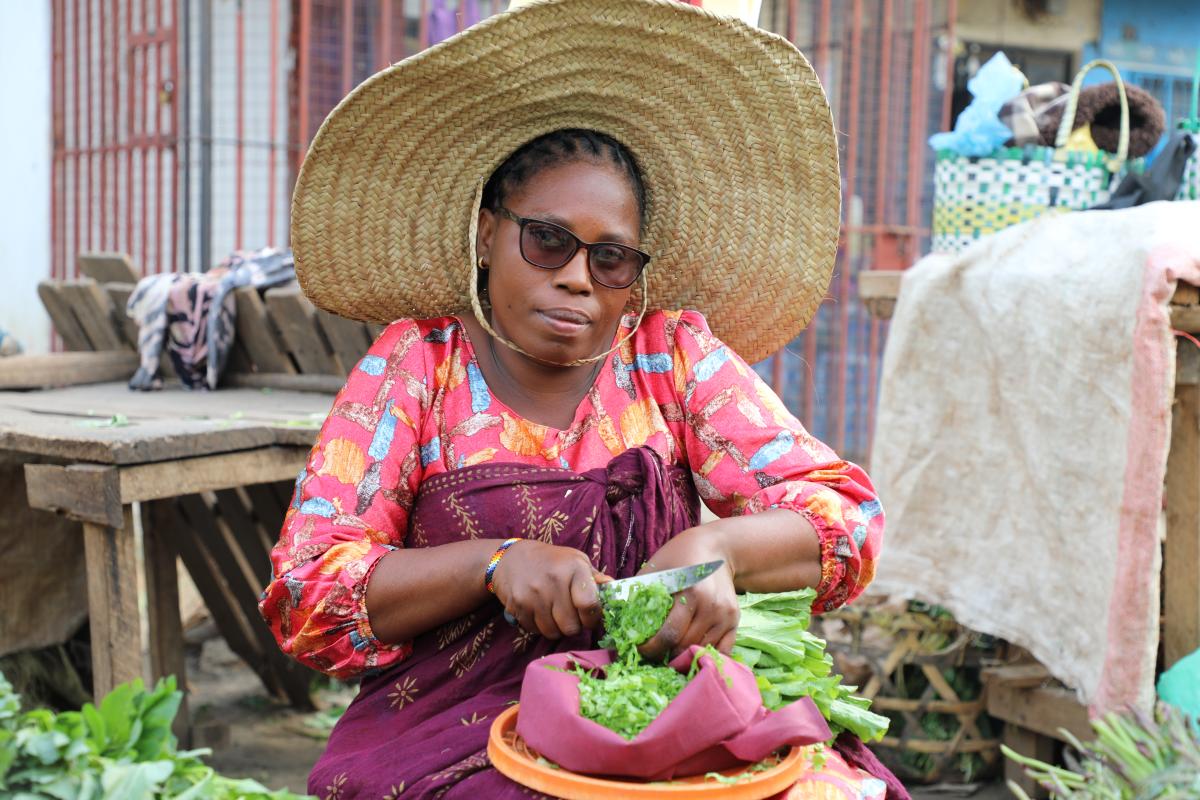
For a successful business of selling fresh vegetables at Mlango wa chuma market in Tanga you need capital, space in the market, good quality produce from farmers and, customers. One of these ingredients is scarce for most traders in the market. Capital, perplexingly. Vegetable sellers in Mlango wa Chuma and Mgandini Markets struggle with capital not only because their merchandise is perishable but also, they lacked essential financial skills. Big pictureIt is estimated that Tanzania's SME sector consists of over 3 million enterprises that contribute 27% of the overall GDP. More than half are owned by women. They are pestered with weak business development services, high informality, weak governance and capital. Community taste—and demand— for fresh farm produce hook vegetable traders at Mlango wa Chuma to a one-day business cycle—buy fresh produce at sunrise dusk, sort, sell, buy your domestic needs, tomorrow—repeat. Whenever an emergency gutted cash flow, most traders floundered without cash to buy fresh produce the next morning. “I had no choice except borrowing from loan sharks. High interests dragged on. I was on a cliff every day,” says Lailat Awadh, a vegetables' trader at Mlango wa Chuma. The Building Bridges program in Tanzania found that 15 out of 20 SMEs rely on personal or family sources for loans. With hundreds of small and medium businesses in urban areas in Tanzania straddling partial growth and collapse cities could not be inclusive, safe, resilient and sustainable. With funding from the European Union in the Inclu-cities project, Rikolto East Africa set up and facilitated partnership with Tanga City Council to unite stakeholders that offer financial and non-financial services to (food) entrepreneurs in and around the city. Rikolto identified and invited small scale traders and imparted knowledge about financial management skills and business growth pathways. From Mlango wa Chuma 17 traders participated; Mgandini sent 23 traders. Formation of saving groups Rikolto, did not form groups for them or placed a condition for them to group up to get some support. “After the training,I asked folks that participated, why don’t we start a saving group to help ourselves with building discipline for saving?” says Awadh. Five agreed right away to set up Mlango wa chuma Community Microfinance Group, obliging each member to deposit saving every day and committing to direct savings to grow their businesses. In eight months, their saving has grown to more than 8m/- by August 2025. These results resonate with Inclu-cities objective to work with Rikolto in supporting formation of medium and small-scale enterprises as well as needs-based training to business owners. “The fact that these traders direct their savings to grow their businesses is evidence that they are applying the knowledge they received in the trainings they participated,” says Kikolo Mwakasungula, Inclu-cities Project Manager. Growth of businesses Every member of the group has a rosy story about the positive changes in their businesses. None borrows from loan sharks anymore. None buys produce on credit. Each has financial means to diversify in terms of produce they buy and sell. “Because I pay cash, I have power to choose only the best produce,” They also initiated another saving fund for buying key domestic needs for their homes at wholesale prices. “It saves me a lot of money on home supplies and helps me save more to focus on the business,” says Bakari Harid Mpanga, a trader and now vice chairperson of the savings group. Spread of a good practice Traders that initially were hesitant to join the saving group have also organised into a savings group—with 35 members. According to Eliud Dotto, Rikolto Field Officer in Tanga, similar savings community has been initiated at Mgandini Market - the second-biggest market in Tanga. “Empowering traders in the markets to grow their business will positively impact the food system in Tanga,” he says. According to Awadh and her fellows, now they are firming their plans to start a poultry rearing business using their savings of the group and, if possible, a loan to augment the capital. Now, that obtaining and growing a capital has been solved, the success of traders at Mlango wa chuma market is not only a possibility, but realisable. The market’s name, - translated iron door - derived from its original iron clad entrance, will distinguish it again as place of successful city traders in the heart of Tanga city’s storied geometrical perfect layout of the streets.
-
RDC: Des acteurs réunis en atelier pour transformer les formations en opportunités d’emploi
Samantha-pascale KAMBA MANDUNGU | 15/09/2025
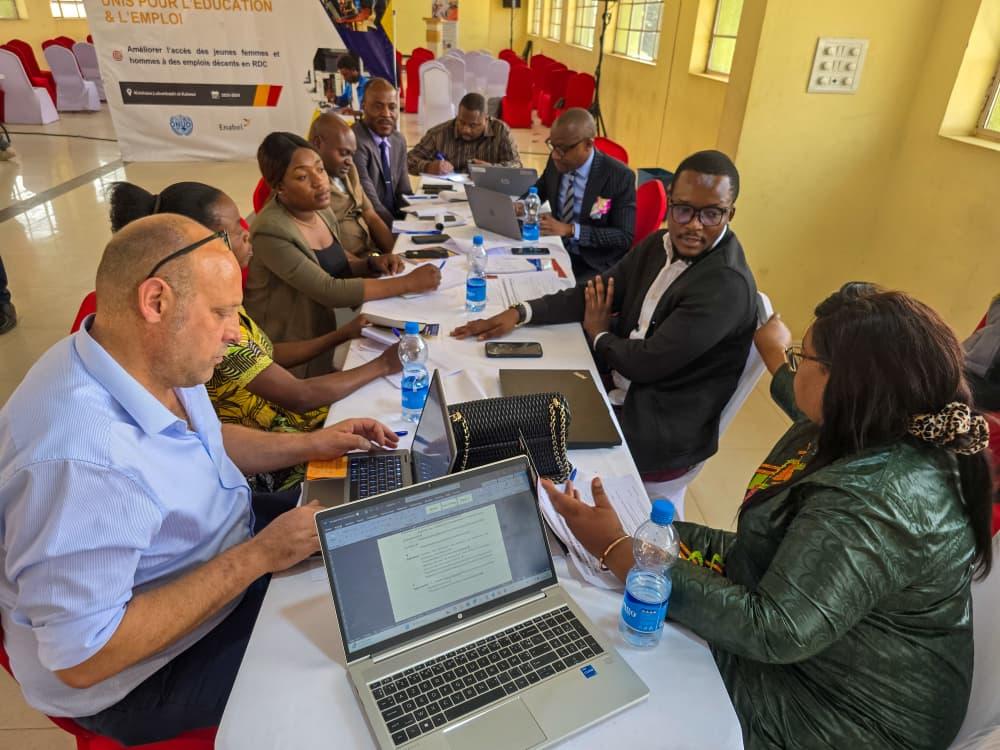
Du 27 au 28 août 2025, Kolwezi a accueilli la première rencontre de co-construction de la théorie de changement du projet « Unis pour l’Éducation et l’Emploi » (UEE). Réunissant l’ensemble des parties prenantes – autorités publiques, secteur privé, opérateurs de formation et partenaires techniques –, cette rencontre a marqué une étape clé : la définition collective de la théorie du changement qui guidera le projet. Avec pour ambition d’améliorer l’accès des jeunes femmes et des hommes à des emplois décents en République démocratique du Congo, le projet UEE mise sur une approche inclusive et participative. Pendant deux jours, les acteurs venus de Kinshasa, Lubumbashi et Kolwezi ont échangé pour établir une vision commune, partager un diagnostic des réalités locales et tracer ensemble une feuille de route. Les discussions ont permis de dégager quatre axes prioritaires : - Faciliter l’accès des jeunes aux formations techniques et professionnelles- Améliorer la qualité et la pertinence de l’offre de formation en fonction des besoins réels en compétences - Favoriser l’insertion professionnelle - Et renforcer la gouvernance de la formation professionnelle au niveau provincial. Financé par l’Union européenne à hauteur de 18 millions d’euros sur 48 mois, le projet est mis en œuvre par Enabel et l’ONUDI. Il cible les jeunes de 18 à 35 ans dans le Haut-Katanga, le Lualaba et Kinshasa, avec une attention particulière portée à l’égalité de genre : 50 % de femmes dans le Haut-Katanga et à Kinshasa, et 30 % dans le Lualaba.
-
Scholarship restores hope for Medrine and her family in Uganda
Sharon IBENU | 15/09/2025
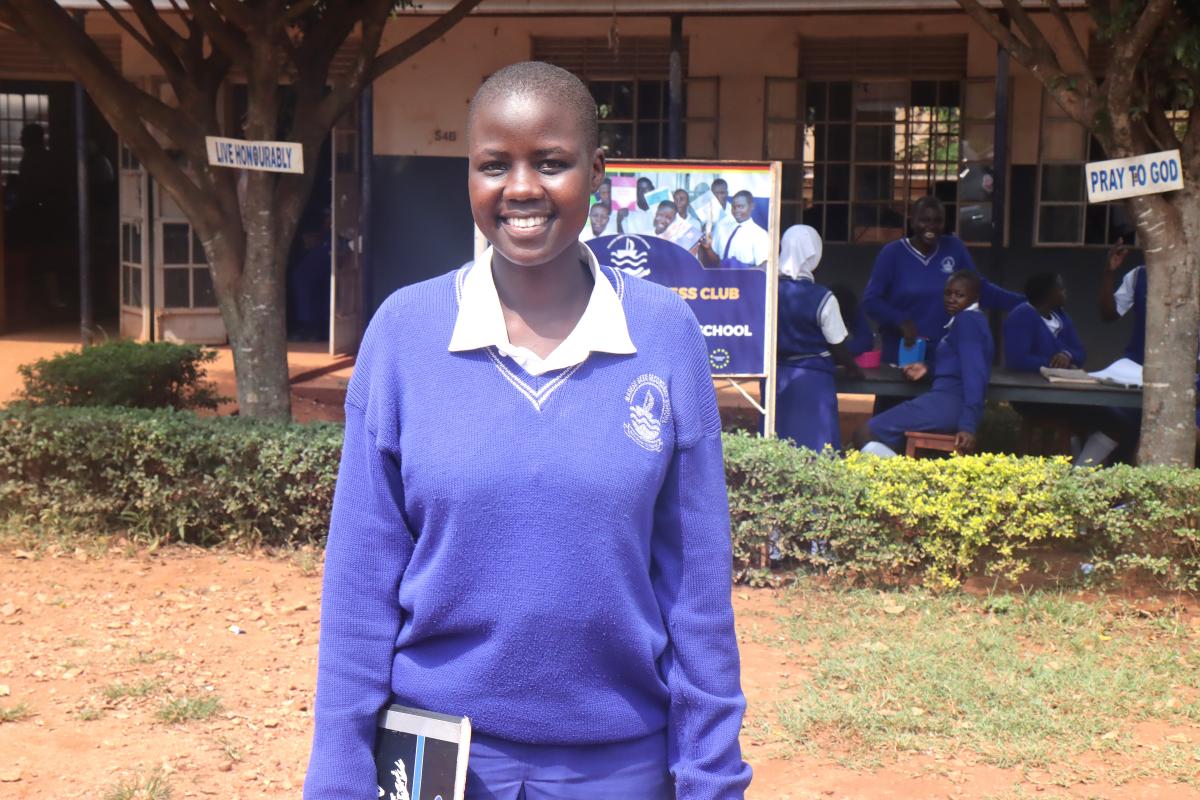
Medrine Agenorwot, a Senior four student at Masese Seed Senior Secondary School, is a young woman with a vision for the future. Inspired by her uncle, she dreams of becoming a civil engineer, constructing roads and infrastructure that will transform communities. Before receiving a scholarship from Enabel, life for Medrine was filled with uncertainty and hardship. Her mother, the sole breadwinner of the family, ran a small shop to support her children. However, tragedy struck when robbers broke into the shop, leaving the family with nothing. “Mom was always at home after that,” Medrine recalls. “When they sent us back home for school fees, we would find her there, and it felt like the end of the road for us.” The financial strain was overwhelming. Medrine and her siblings were often sent home from school for unpaid fees, and the burden of catching up on missed lessons weighed heavily on her. “Whenever I came back to school, my friends had already studied a lot, and I couldn’t catch up,” she says. “I needed the teachers’ explanations, but I had missed it. It was very hard for me to concentrate.” Her performance suffered, and she often found herself in the “basic” or “moderate” grading categories. Despite the challenges, Medrine’s mother encouraged her to stay focused on her studies. When Medrine suggested selling chapatis on the streets to help with school fees, her mother refused, fearing for her safety. She told me, "You’re a girl child, and the streets are not safe for you. We’ll pray to God, and He will provide.’" And indeed, their prayers were answered. In 2024, Medrine was selected for a scholarship from Enabel. “I was so happy,” she recalls, tears welling up at the memory. “Mr. Kambo Hakim, the deputy head teacher, called my mom and told her the good news. Mom said, ‘God has answered our prayers." The scholarship covered her school fees, lifting a significant burden off her family and allowing her to focus on her education. “Now, I’m not stressed about school fees. I can concentrate, and my performance has improved,” she says. With the scholarship ending after Senior Four, Medrine is already planning. She hopes to set up a small business at her mother’s shop, which has been restocked with a few items. “I want to fry chapatis and sell them at the shop,” she explains. “I’ll save the money to support myself in senior five.” Medrine is also part of a student savings group at school, where she and her friends contribute whatever, they can. “Even if it’s just 500 shillings (0.12 euros), I save it,” she says. At the end of the year, the group divides the savings based on each member’s contributions, providing a small but meaningful financial cushion. Medrine’s mother is also doing her part to prepare for the future. “She sells sodas and saves the money in a box,” Medrine shares. “She even wrote my name on the box to remind herself that it’s for me.” As the firstborn, Medrine feels a deep responsibility to set an example for her younger siblings. “I always tell them to follow my example,” she says. “ i am very tough on them because I want them to study and work hard.” With her dreams of becoming a civil engineer and her plans to support her education, Medrine is building a future not just for herself but for her family and community. As she puts it, “I’m studying, and I’ll keep working hard. God has a plan for me.”
-
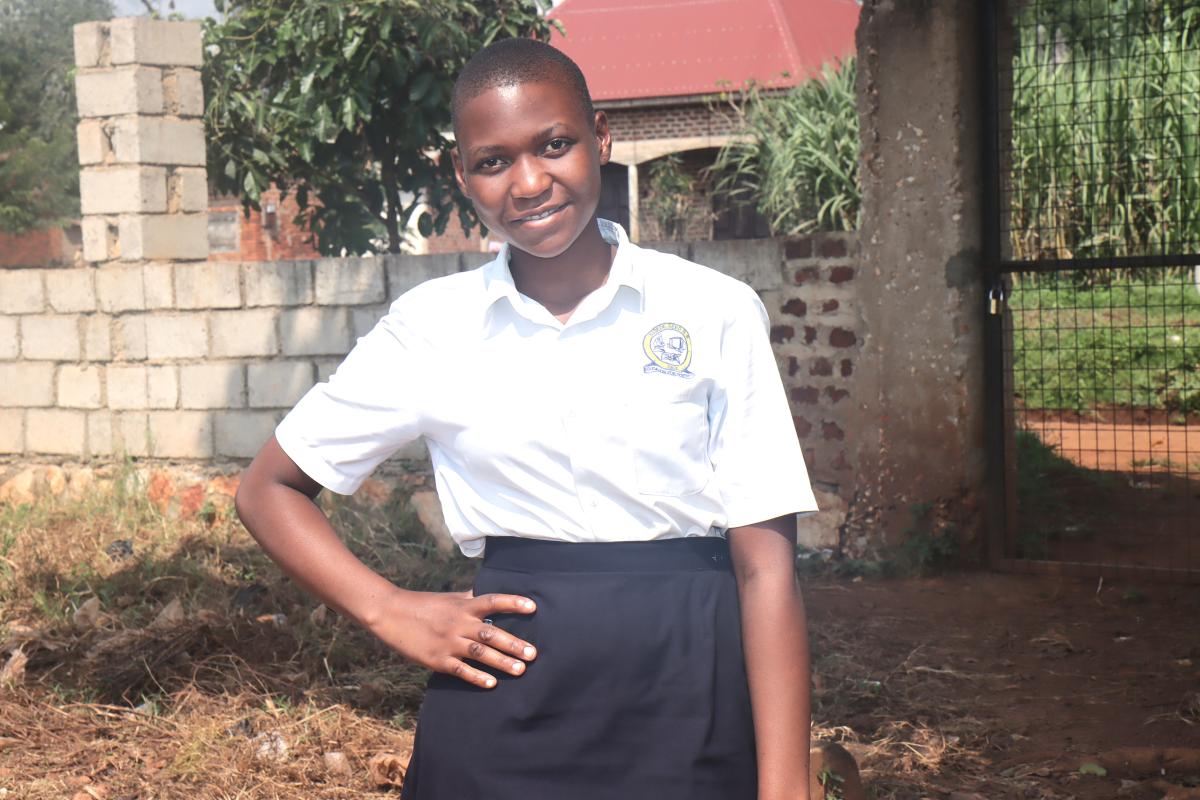
Sumaya, the girl with big plans for eye surgery in Uganda
Sharon IBENU | 15/09/2025
Sumaya Babirye is a Senior Three student at St. John Bosco Secondary School in Kamuli district. She dreams of becoming a surgeon specialising in eye care. With a clear vision for her future, she is determined to make a difference in the lives of those suffering from preventable blindness. Sumaya’s journey to become an eye surgeon stems from a personal experience. “Some people are becoming blind without being treated by a surgeon,” she explains. Her inspiration comes from a relative who struggles with poor eyesight. “She can see, but not properly,” says Sumaya. This experience has fueled her passion to pursue a career in medicine, specifically in eye surgery, to help others avoid similar struggles. Before receiving a scholarship from Enabel, life for Sumaya was filled with uncertainty and stress. Her father abandoned the family, leaving her mother alone to care for Sumaya and her siblings. “Our father left us and doesn’t even come to check on us,” she shares. Her mother worked tirelessly in sugarcane gardens to provide for the family, often with Sumaya and her brother helping on weekends. Despite their efforts, the family struggled to make ends meet, and Sumaya often found herself sent home from school for unpaid fees. “Sometimes I would refuse to go home when they sent me out for fees,” she admits. “I would just sit in another class until they stopped sending children back.” The turning point came when Sumaya was selected for a scholarship from Enabel. “They came to our class and called out 25 students,” she recalls. “I was so happy to be among them.” The scholarship has transformed her life, allowing her to focus on her studies without the constant worry of school fees. “Now my performance has improved, and I’m more disciplined,” she says. “Before, I wasn’t even sure I would finish my studies.” Sumaya is already preparing for life after Senior Four, knowing the scholarship will end then. She is part of a student savings group at school, where she and her friends save small amounts of money each week. “Even if you have just 100 shillings (0.02 euros) , you can save,” she explains. At the end of the year, the group divides the savings based on each member’s contributions.Sumaya plans to use her savings to buy necessities like shoes, books, and personal items for her next academic journey. With her eyes set on becoming a surgeon, Sumaya is determined to make her dream a reality.
-
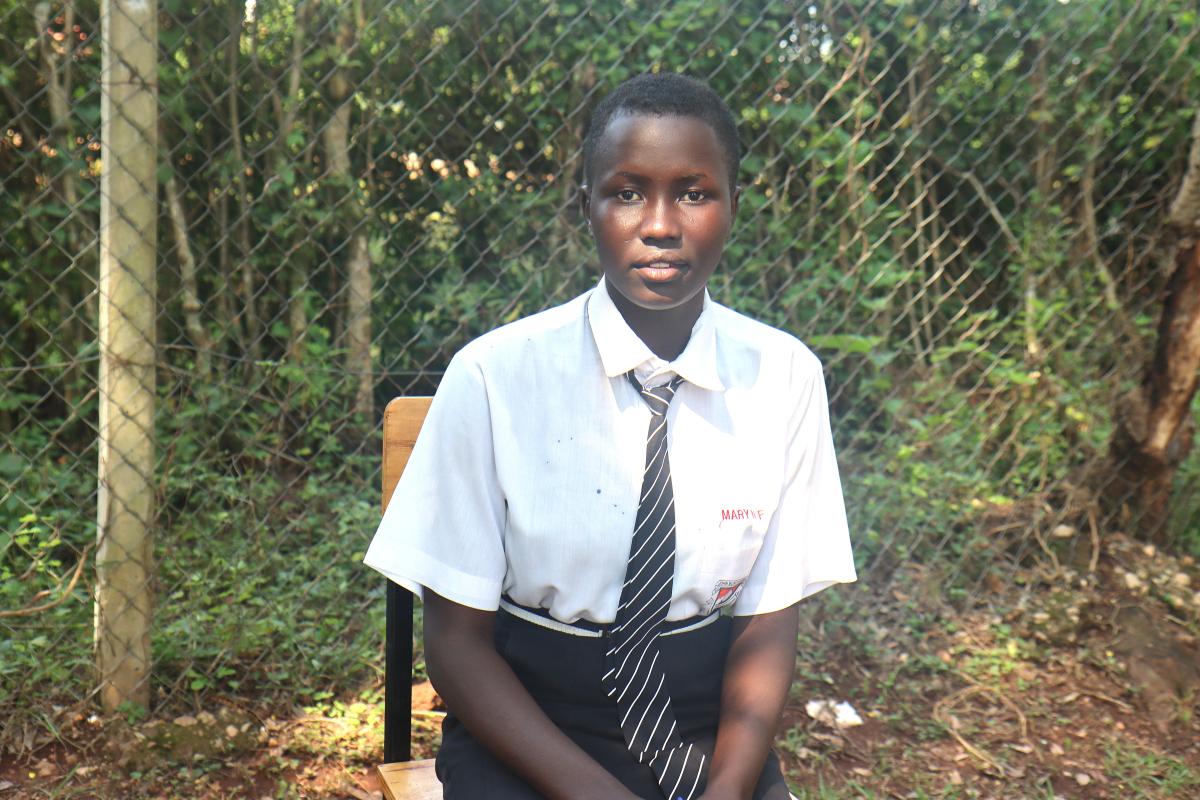
Thatcher, from Uganda encourages peers to remain in school
Sharon IBENU | 15/09/2025
Thatcher Nakato Mwanga, a Senior Four student at St. John Bosco Secondary School, is a young woman whose life was a constant tug-of-war between her education and the need to support her family. Her mother, a single parent, worked tirelessly selling charcoal to provide for the family, but it was never enough. To help, Thatcher worked at a local restaurant owned by her mother’s friend. “I could only attend school for two or three days a week,” she recalls. “The rest of the time, I stayed home to work and help my mum.” Her earnings, though small, were vital in topping up the school fees, which totalled 138,000 shillings (€34) per term. This balancing act took a toll on her academics. “I couldn’t settle down or focus on my studies,” she says. “Sometimes, I even missed exams because I couldn’t pay the fees.” Despite these setbacks, Thatcher held on to her dream of becoming a fashion designer. Everything changed in Senior Three when Thatcher was selected for a scholarship from Enabel. “I was so happy,” she says, her voice filled with gratitude. “We were so many at school, and I couldn’t believe I was chosen.” The fellowship covered her school fees, allowing her to attend classes consistently for the first time. “Now, I’m at school every day, and my performance has improved,” she says with pride. With the stability brought by the scholarship, Thatcher began to dream bigger. Her resourcefulness and entrepreneurial spirit shine through as she talks about sourcing materials and saving for her initial capital. Thatcher is also passionate about encouraging her peers to stay in school. She speaks candidly about the challenges of life outside education, especially for girls. “When you drop out of school, life becomes very difficult,” she says. “It’s hard to be independent, and you face so many challenges.” Her words carry the weight of someone who has lived through hardship and emerged stronger. As she prepares for life after Senior Four, Thatcher is determined to make the most of her opportunities. She plans to use her vacation to start her scarf-making business, saving money to support her education and her family.
-

Against the Odds: Lukiya’s Determination to Learn and Save for Her Future in Uganda
Sharon IBENU | 15/09/2025
At just 16 years old, Lukiya Nangobi, a Senior Three student, carries a dream of becoming a midwife, a goal inspired by her hardworking aunt who serves as a midwife in the military barracks. Lukiya’s journey, however, has not been anything easy. Born into a family of six children, her life took a difficult turn when her father, once a hardworking man, succumbed to alcoholism. This change not only distanced him from the community but also led him to abandon his family, leaving them with nothing but a house. Left to care for six children all by herself, Lukiya’s mother worked tirelessly in people’s gardens to provide for them. Lukiya often joined her mother, digging gardens and planting crops to earn money for school fees and necessities. Despite these hardships, Lukiya’s determination to study never changed. She walked a long distance from her home to school every day, often without enough books or supplies. Reflecting on her struggles, she says, “Even if life is not good, I need to perform well.” There were moments when the weight of her challenges made her feel hopeless, but she found solace in her faith and the support of her community. “Life does not end,” she says. “Even if you pass through many hardships, you are the one to make your life easy.” A turning point came when Lukiya received a scholarship from Enabel that lifted the financial burden of her education. This opportunity brought immense relief to her family, allowing her mother to focus on supporting her younger siblings. Lukiya now saves a portion of the money she earns from weekend gardening in a wooden box, preparing for her future after senior four when the scholarship ends. “I save 5,000 shillings (1.2 euros) every week,” she explains. “It might not be enough, but I know it will help me continue my studies.” Lukiya will need approximately 200,000 shillings (48.244 euros) per term to cover her school fees. Her performance in school has improved significantly since receiving the scholarship. With five outstanding and four moderate grades in her recent exams, she is determined to excel and achieve her dream of becoming a midwife. Her goal is to support her younger siblings and uplift her family from poverty. “I just want to continue with my studies so that I get a better job to help my young siblings,” she says. When asked how she encourages others to stay in school despite hardships, Lukiya shares a powerful message: “You are the one to make your life easy. Don’t lose hope because God is still with us.”
-
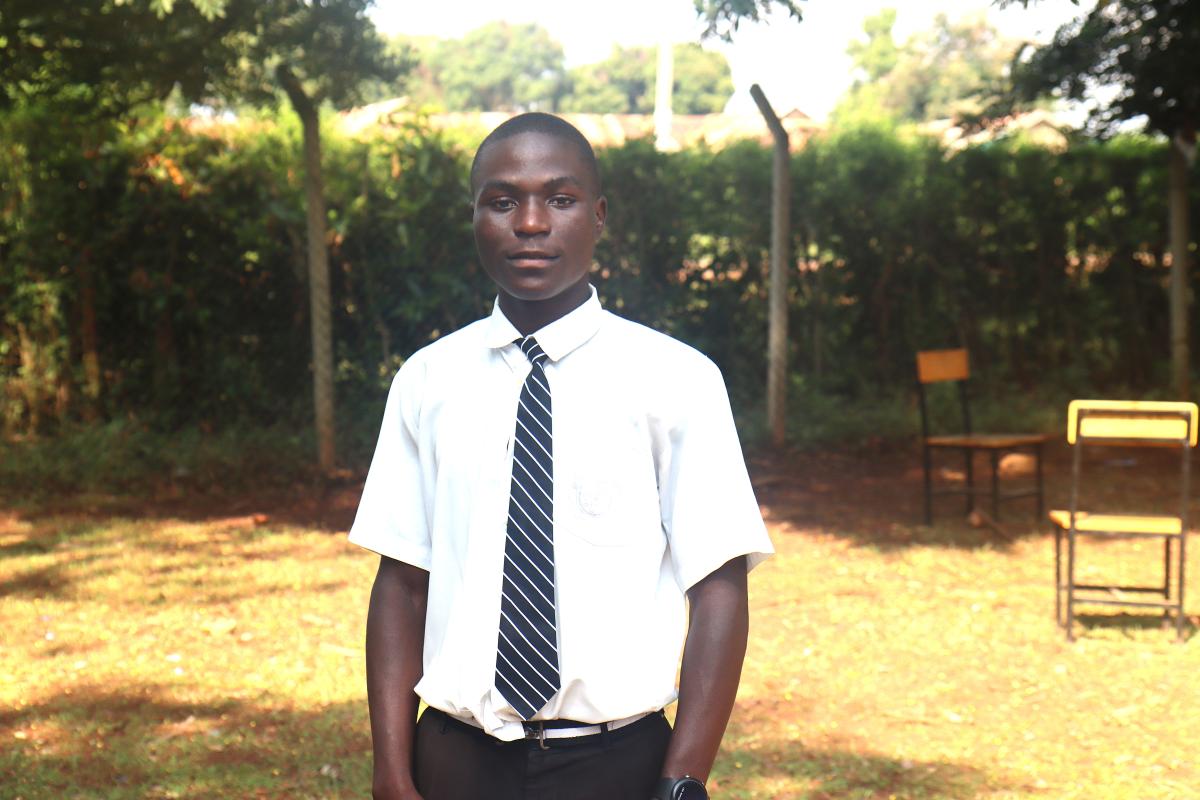
Samuel Kafufu on a path to becoming a pharmacist in Uganda
Sharon IBENU | 15/09/2025
Samuel Kafufu, a Senior Four student at St John Bosco Senior Secondary grew up facing numerous challenges in Kamuli District. After his father left, Samuel and his four siblings were raised by their grandmother, who did her best to care for them. As the fourth child in the family, Samuel quickly learned that life would not be easy. For seven years, Samuel and his older brother struggled to stay in school. “We had to pay our own school fees,” Denis remembers. “Sometimes we would go days without knowing where the next meal or the next shilling would come from.” His brother made a big sacrifice; he dropped out of school and opened a small chapati stall in Kamuli town. Every evening after school, Samuel would hurry to the stall to help. Together, they mixed dough, flipped chapatis, and served customers, all to earn enough for school fees. When his brother had to leave in search of greener pastures, Samuel was left to face the struggle alone. He was often sent home from school because he couldn’t pay the fees. “I remember in Senior Two, I never paid any fees,” Samuel says. “But the headmaster was kind. He always forgave me and let me stay.” To survive, Samuel became creative. He sold watermelons when they were in season, and when they weren’t, he fetched water and sold it in the village. “Selling watermelons was good, but it only lasted a short time,” he explains. One week, Samuel stayed home, working hard to save up money. When he finally returned to school to pay his fees, the headmaster called him aside. “He told me I had been selected for the Enabel scholarship,” Samuel says, his eyes shining. “I was so happy. I felt like a heavy load had been lifted from my shoulders.” With the scholarship, Samuel’s life changed. He no longer worried about being sent home. He could buy his own uniform and books and even help his grandmother with food. “Now I can focus on my studies,” Samuel says with a smile. “I am grateful because I can also support my grandmother, who has always been there for me.” Samuel wants to become a pharmacist, so he can help people in his community access the medicine they need. As he waits to finish Senior Four and receive his results, Samuel plans to keep running his watermelon business. He also plans to help the district turn garbage into liquid that can be used to install pavers in people’s compounds. “I want to make a difference, not just for myself, but for my whole community,” he says.
-
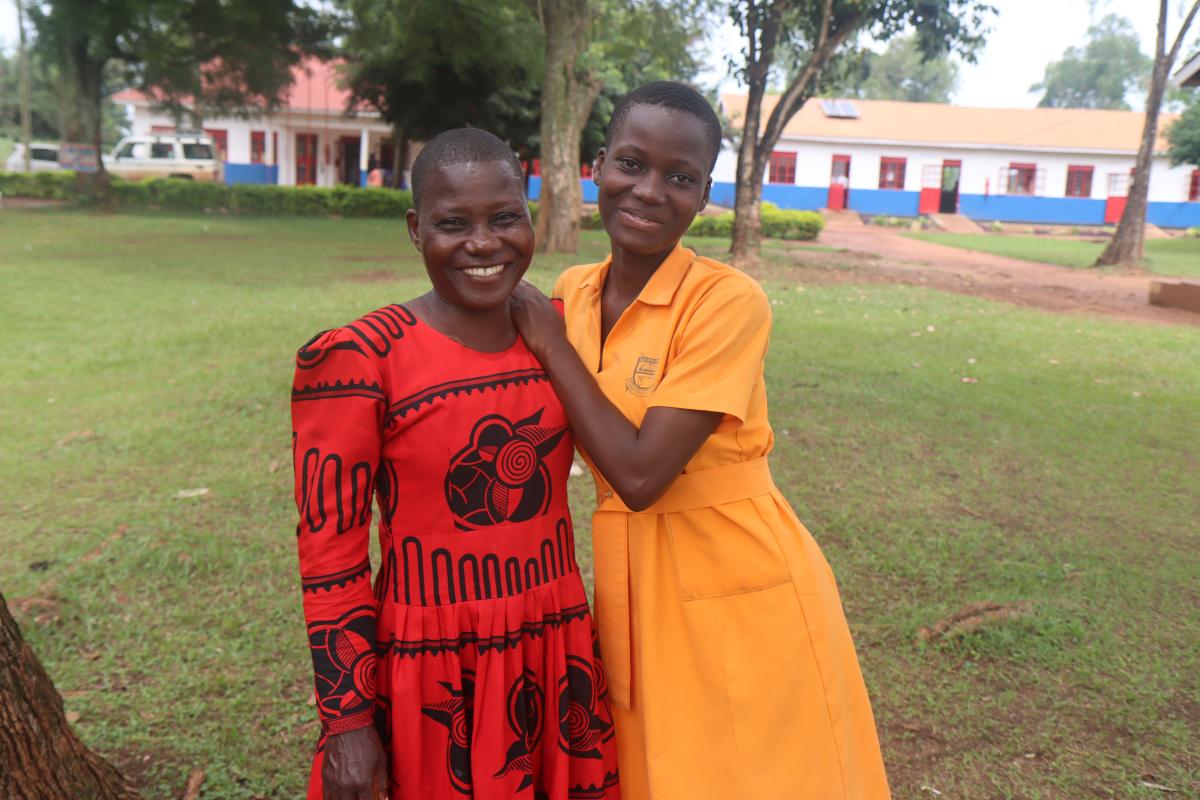
A former housemaid in Uganda becomes one of the top students in her class
Sharon IBENU | 15/09/2025
After completing her first year at Bulopa secondary school in Kamuli district, Immaculate Namulondo was forced to drop out of school due to financial hardships, putting her dreams on hold. She moved to Kampala and started working as a housemaid, hoping to support her family. However, the promise of a better future seemed to slip further away because life in the city proved harsh. “My parents tried everything, but the money just wasn’t enough,” Immaculate remembers. “I used to see girls in their uniforms walking to school in the mornings,” she says softly. “I would stand at the window and wish I could be one of them again. But I had to help my family, so I kept working.” Life in Kampala was not what she had hoped. The long hours and loneliness weighed heavily on her. Eventually, Immaculate made a difficult decision, she returned home, determined to find her way back to school. “When I came back, I told my parents, ‘I want to go back to school, even if it means being sent home for fees. I will not give up,” Immaculate recalls. Despite her determination, the challenges remained. She was often sent away for unpaid fees, and her performance suffered as she missed lessons. Her mother, a pillar of strength, refused to let her daughter’s dreams die. “I saw how much she wanted to learn,” Mukyala Monica says. “I worked in the garden every day, but it was not enough. Immaculate’s grades were low, and the constant uncertainty weighed on her."Then, a miracle happened. Immaculate was selected for an Enabel scholarship. For the first time in years, she could focus on her studies without the fear of being sent home. “When I heard I got the scholarship, I cried,” Immaculate says. “It was like God had remembered me. I promised myself I would work hard and make everyone proud.” The change was immediate. With her fees covered, Immaculate’s performance soared. She became the second-best student in her class, and as a result, her confidence and joy returned every passing day. “Now, I go to school without fear,” she says. “I can concentrate in class, and I know my future is bright.” Her mother beams with pride. “I am so grateful for the scholarship. I see my daughter happy and working hard." Immaculate’s journey is not over. As she awaits her Senior Four results, she has started rearing piglets, determined to support herself through A-Level. She has a big dream for her future.“I want to become a lawyer one day,” Immaculate says with a smile. “I want to help people who cannot fight for themselves, and I want other girls to know that no matter how hard life gets, you should never give up,” Immaculate says. “With determination and a little help, you can change your story.”