Search
Viewing 2580 to 2595 of 3055 news
-
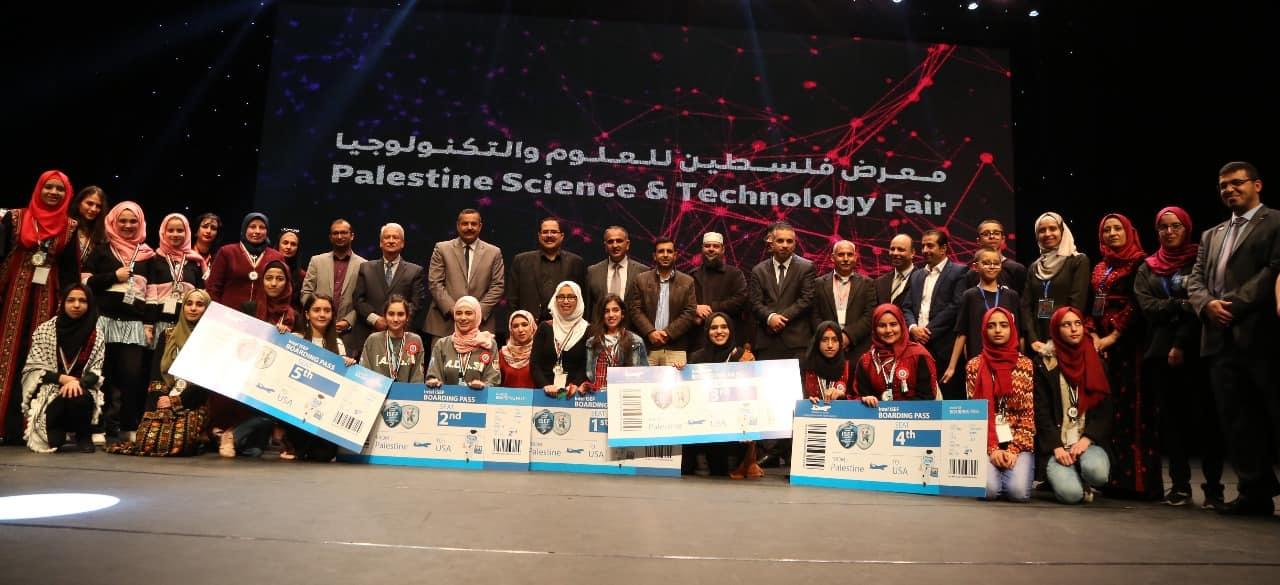
The Joint Financing Arrangement (JFA) supported the 8th edition of the Science and Technology Fair
Laura SCHILLEMANS | 22/03/2018
On the 11th of March, The Palestinian Ministry of Education and Higher Education held a highly successful 8th edition of the Science and Technology Fair with the support of the Joint Financing Arrangement (JFA), a pooled fund of Belgium, Finland, Germany, Ireland and Norway to support the implementation of the Education Sector Development Plan. Out of 1300 project across the West Bank, 5 laureates were selected to participate in the global ISEF (International Science and Engineering Fair) competition in the US in May. The Ministry of Education and Higher Education has been focusing on smart learning and innovation through STEM and e-learning activities for years. These activities are believed to develop the capacity of students and teachers, to equip them with the twenty-first-century skills, and to develop creativity and excellence needed in a demanding and competitive world. The Palestinian Ministry, together with Enabel, received the first 'Prize Digital for Development (D4D)' in Belgium at the end of 2016. The prize was awarded to the Palestinian Ministry of Education and Higher Education for their attainments in the E-learning project: https://open.enabel.be/en/PSE/2175/219/u/palestinian-e-learning-project-wins-belgian-digitalisation-...Belgium continues to support the Ministry to promote STEM and digitalization through the Joint Financing Arrangement through the following activities: Enhancing internet connectivity in more than 100 schools in remote areas Training over 6000 teachers in designing computerized units and lessons, and in technology and science Equipping more than 150 technology labs Equipping more than 50 science labs Supporting national competitions and fairs in science, technology, and mobile apps Equipping over a 100 computer labs.
-
PPP IN SKILLS DEVELOPMENT: MAKING IT HAPPEN
William YEKA | 14/03/2018
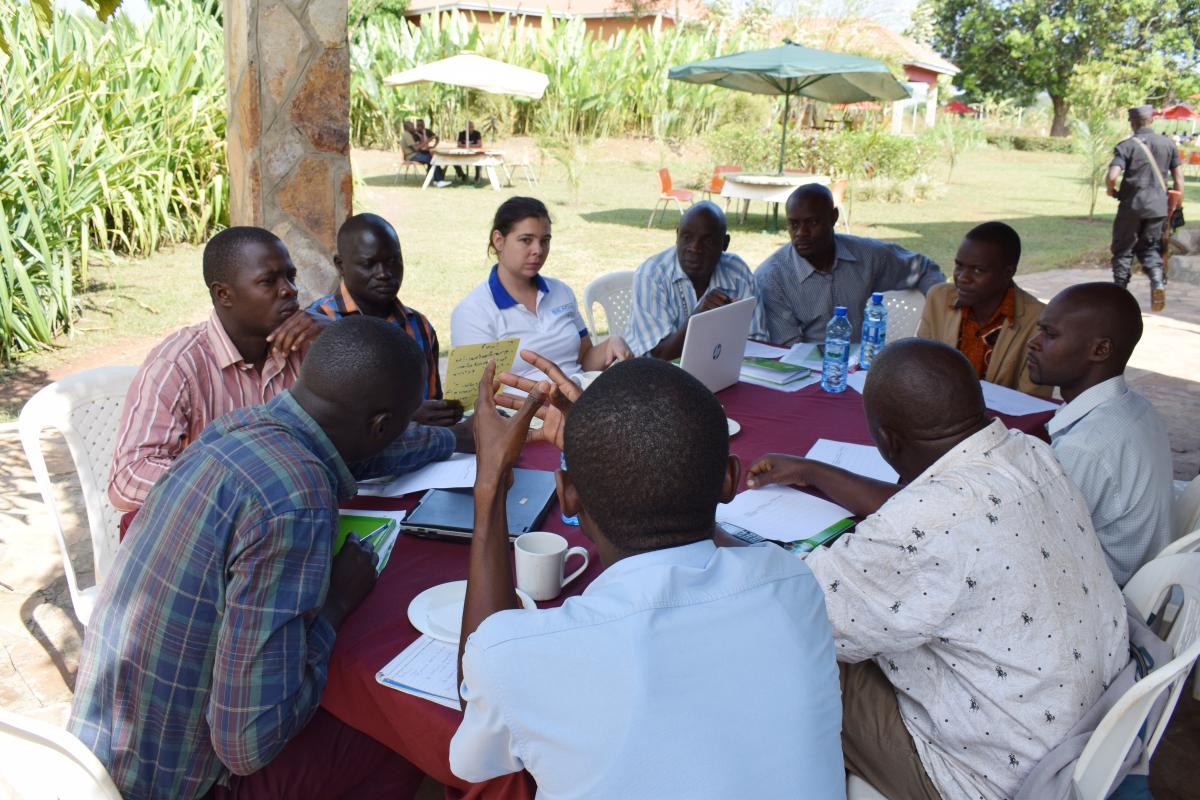
It is a sunny Friday afternoon in Uganda’s South-Western District of Masindi and a seemingly contented Sam Kasangaki holding a notebook and pen emerges out of a room which has been the venue of a workshop for 5 days now. Sam is the director of a local company called Farmers Engineering Solution Limited. “I have been trained in the establishment of relevant public-private partnerships in skills development. Previously, we in the private sector never knew how to coordinate our activities with the training institutions,” says Sam. Sam is one of the 60 stakeholders of the Support to Skilling Uganda (SSU) project trained on public-private partnership (PPP). The workshop exposed participants to the benefits of PPP in skills development while exploring the challenges and success factors for partnership. Any partnership should have clear roles and responsibilities for each party and to make this happen, participants were equipped on how to develop a memorandum of understanding and other tools. Participants included Directors and Instructors of Vocational Training Institutions (VTIs), Ministry of Education and Sports (MoES) officials, Private Sector companies and Business Membership Organisations such as Uganda Small Scale Industries Association (USSIA). Sam is a master craft person (MCP). MCP is a skilled individual of the private sector employed in a particular trade such as welding and metal fabrication. Like other MCPs, Enabel trained him so that he could pass his knowledge and skills to trainees in VTIs. This was aimed at addressing the disconnect between the training offered by VTIs vis –a- vis the needs of the labour market which has rendered many graduates unemployed. Mwesigwa Robert, the Director of Millennium Business Institute in Hoima District confirms that many of his graduates are unemployed. “Only 40% of my trainees get employed after graduation. The remaining 60% is not absorbed due to reasons such as the inability to use the latest technology in the industry,” says Robert. He attributes this to the absence of a formal and well-defined partnership between his institution and the private sector. Robert says if such partnership existed, they would have had an opportunity to engage with the private sector on how to align their training to labour market needs. He says this would result in the production of graduates with the skills that the private sector requires. He, however, expresses relief that the PPP workshop has positioned them to change the status quo. “We now know who to partner with, the area of partnership and how to formalize this relationship,” says Roberts. He says the benefits of such partnership are enormous, describing it as WIN-WIN-WIN. Robert explains that working with the private sector will enable training institutions to improve the quality of their training leading to the production of more employable graduates. As for the private sector, it will have quality employees who will not need additional training which would otherwise be a cost to the business.The PPP workshop is part of the initiatives under the SSU intervention implemented by Enabel aimed at promoting partnership between training institutions and the labour market. The project is implemented in three regions of Uganda namely; Albertine/Rwenzori, Karamoja and Northern Uganda. The overall objective of SSU is to enhance the employability of Ugandan youth through better quality of instruction and training in skills development.
-
Conclusions from the external mid-term review of the JFA
Laura SCHILLEMANS | 12/03/2018
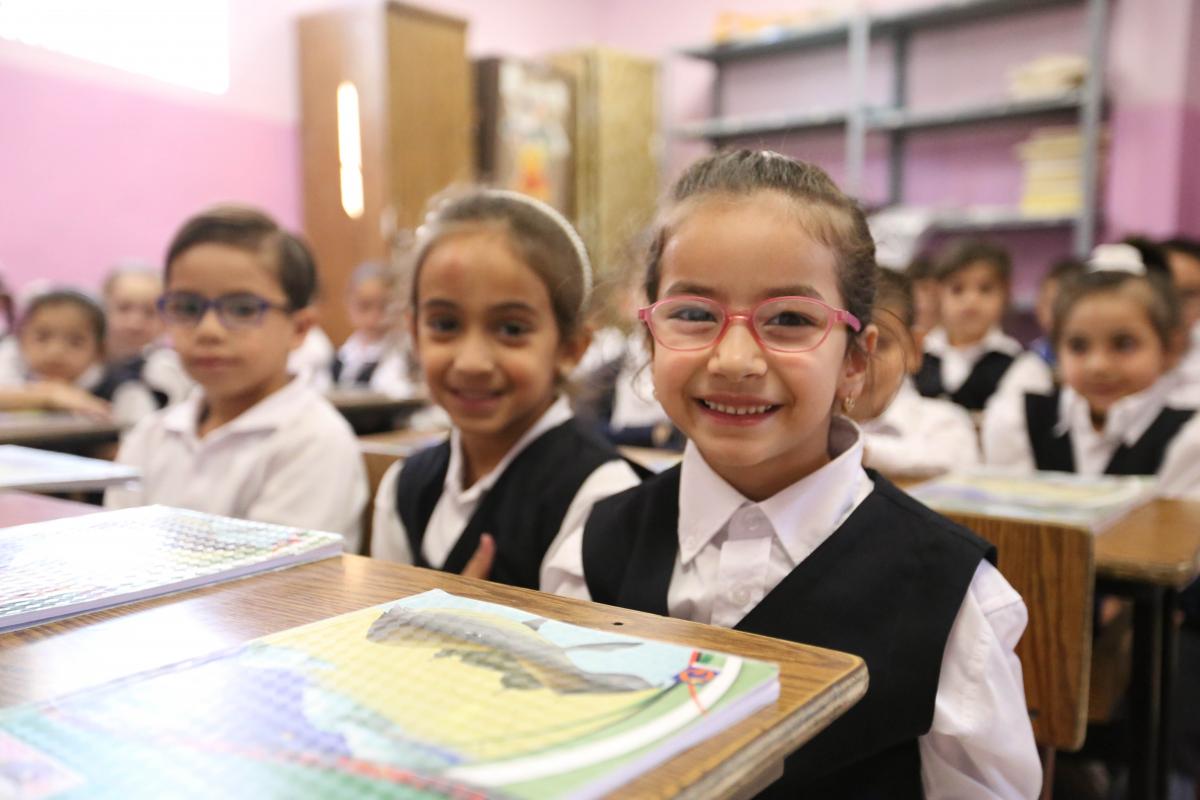
Since 2013, Belgium is part of the Joint Financing Arrangement (JFA) for Education, together with Finland, Germany, Ireland and Norway. The pooled fund, which is the single largest donor of the education sector, provides financial and technical support for the implementation of the Palestinian Authority’s education sector development plan. At the end of February 2018, an external mid-term review was concluded and the results were presented to and discussed between the partner countries and the Ministry of Education. Conclusions of the report highlight the major role the Joint Financing Partners are playing, as a group, in the implementation of the education sector plan due to their technical expertise, the financial weight they carry, and their establishment of a valuable partnership with the Ministry. A highly harmonized approach was made possible because the JFP’s are ‘like-minded’ and therefore they have been willing and able to coordinate and speak with one voice. “The dialogue between Joint Financing Partners and the Ministry has always been open – nothing is left off the agenda, even the difficult and sensitive topics. This openness can be associated to several factors. The JFA has been long-standing and the JFPs have shown to be very reliable partners that have also demonstrated strong sectoral expertise.” the consultants highlighted.In the report, the consultants also recommended to continue with the JFA and to strengthen it operationally, in order to further enhance the strategic management of the Ministry of Education, based on improved management instruments, based on a stronger integration of policy development, planning & budgeting, and monitoring & evaluation.
-
Cierre del Programa de Apoyo a la Política de Aseguramiento Universal en Salud en el Perú - Componente de Apoyo Presupuestal - SISFIN
Véronique GERARD | 09/03/2018
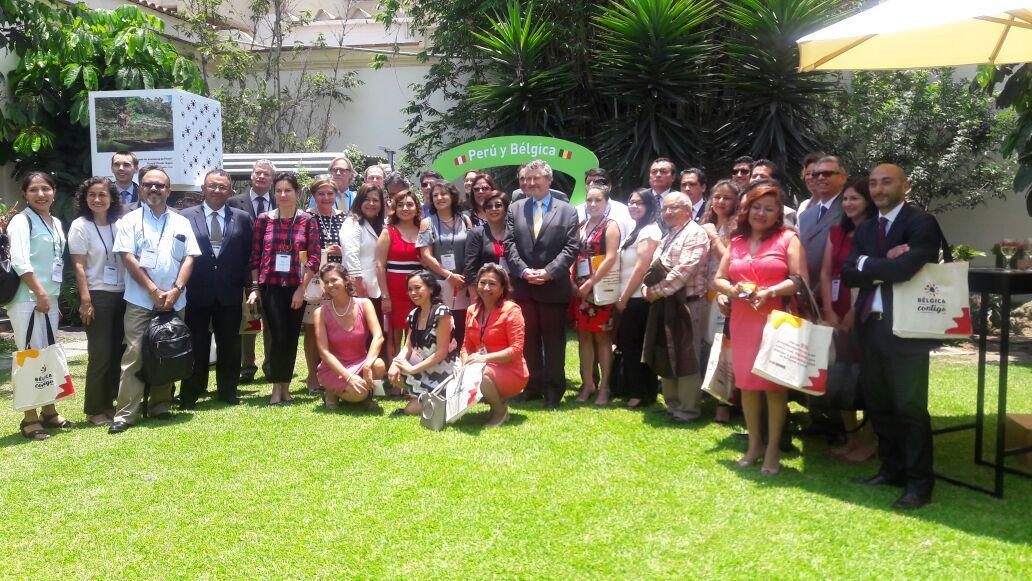
· A fines del año 2013, el Estado Peruano suscribió con el reino de Bélgica un Convenio de Financiación con el objetivo de Brindar apoyo financiero al Programa Presupuestal Salud Materna Neonatal para contribuir en la implementación de la Política de aseguramiento universal a través del Seguro Integral de Salud · El programa concluye formalmente sus actividades el 6 de marzo 2018, después de 4 años de ejecución· El monto total de la transferencia de apoyo presupuestal es € 6 500 000, que equivalen en moneda nacional a 23,5 millones de soles. Asistencia técnica internacional y nacional completó este monto durante unos 3 años y medio. · El monto donado por el Reino de Bélgica ha sido destinado a financiar intervenciones del Programa Presupuestal Salud Materno Neonatal en los departamentos de Amazonas y Cajamarca, para los cuales la Dirección General de Presupuesto Público con participación del Seguro Integral de Salud, suscribió Convenios de Apoyo Presupuestario. · Los Convenios de Apoyo Presupuestario, condicionaron la transferencia de recursos al cumplimiento de mejoras en la gestión, tales como la Programación Operativa, la disponibilidad de insumos y equipos, la organización de los servicios y el seguimiento de las acciones desarrolladas en establecimientos de salud ubicados en el 40% de los distritos más pobres del departamento y adicionalmente al cumplimiento de metas de cobertura de servicios claves del programa Salud Materno Neonatal.· Entre los años 2014 y 2018, los Gobiernos Regionales de Amazonas y Cajamarca recibieron respectivamente 12,18 y 11,22 millones de soles como fondos adicionales por el SISFIN.· Como parte de la mejora de gestión podemos destacar:- Más del 95% de establecimientos de salud estratégicos ubicados en los distritos más pobres cuentan al menos con el 75% de equipos e insumos críticos para la atención prenatal, el parto y la atención del recién nacido.- 90% de niños son captados antes de los 30 días y registrados en el padrón nominal, lo que les facilita a todos los servicios que se brinda en los establecimientos de salud- Más de 90% de gestantes son afiliadas al Seguro Integral de Salud (SIS) en el primer trimestre, lo que les permite el acceso a la atención oportuna al 80% de ellas en Amazonas y al 77% en Cajamarca.- Uso intensivo de información para el seguimiento de los compromisos y las metas, los que permitieron una mejor toma de decisiones· Las mejoras en la gestión de los servicios permitió incrementar la cobertura de servicios claves del programa Salud Materno Neonatales tales como:- Se ha incrementado el porcentaje de mujeres afiliadas al SIS de distritos de quintiles 1 y 2 de Amazonas y Cajamarca que tienen 4 exámenes auxiliares en el primer trimestre y al menos 4 atenciones prenatales con suplemento de hierro y ácido fólico, entre los años 2013 y 2017 de 1% a 31% en Amazonas y de 0% a 29% en Cajamarca.- Se ha incrementado el porcentaje de gestantes afiliadas al SIS de distritos del Quintil 1 y 2 que tienen parto institucional en Establecimientos de Salud con mayor capacidad resolutiva, entre los años 2013 y 2017 de 53% a 66% en Amazonas y de 56 a 71% en Cajamarca.- Se ha incrementado el porcentaje de mujeres afiliadas al SIS de distritos del quintil 1 y 2 que recibieron consejería en Planificación Familiar, entre los años 2013 y 2017 de 30% a 50% en Amazonas y de 45% a 57% en Cajamarca.· Los Recursos transferidos y ejecutados por cada una de las regiones, están disponibles en la consulta amigable del gasto del Ministerio de Economía y Finanzas.· Hacer incidencia en la política de acceso universal a servicios de salud de calidad, eso era también el mandato del SISFIN. Así que durante el Convenio, se ha promovido el dialogo y la Concertación con las diferentes instancias, tanto en el nivel Nacional con la participación del Ministerio de Salud, el Seguro Integral de Salud, la Superintendencia de Salud y la Cooperación Técnica Belga a través de un comité de seguimiento.Por otro lado, la experiencia del SISFIN deja también resultados sobre el uso del apoyo presupuestario, la modalidad de cooperación utilizada, como herramienta muy poderosa en este contexto. El efecto palanca que genera una intervención de este tipo visa a generar en paralelo fortalecimiento institucional y gobernabilidad.De esta forma, el "SISFIN" llega a su fin con logros muy satisfactorios en Salud Materno Neonatal en Amazonas y Cajamarca y en colaboración interinstitucional.Compartimos las fotos del evento de cierre del SISFIN el pasado 2 de marzo, en el que estado, cooperación y sociedad civil se reunieron: Embajada de Bélgica en Lima, Mesa de Concertación para la Lucha contra la Pobreza, Ministerio de Economía y Finanzas, Seguro Integral de Salud- SIS, CTB Perú, Gobierno Regional de Cajamarca y de Amazonas. Ver detalles del evento: https://www.facebook.com/pg/Belgicacontigo/photos/?tab=album&album_id=1790771964562307.INFORMES:Los informes de ejecución y evaluación son disponibles en el sitio web del Ministerio de Economía y Finanzas: https://www.mef.gob.pe/es/convenios-de-apoyo-presupuestario?id=3637Gracias Geert, gracias Ellen por su excelente trabajo!
-

SISFIN se despide de Amazonas
Véronique GERARD | 09/03/2018
El lunes 5 de marzo, en la ciudad de Chachapoyas, tuvo lugar una reunión de cierre del Programa de Apoyo a la Política de Aseguramiento Universal de Salud - SISFIN, financiado por el Reino de Bélgica. En dicha reunión de trabajo se expuso los resultados del estudio de investigación-acción de los procesos decisionales en las Unidades Ejecutoras de la Región Amazonas dentro del marco del convenio al Programa Presupuestal Salud Materno Neonatal. Se contó con la participación del Dr. Adolfo Gushiken y el Dr. Geert Haghebaert, por parte de la Cooperación Belga, además del Gerente General del Gobierno Regional de Amazonas Dr. Yesper Saravia Díaz, el Director Regional de Salud Amazonas Dr. Pershing Bustamante Chauca y representantes de las Unidades Ejecutoras de Salud y los Coordinadores de los Programas de Salud Materno Neonatal.Leer los detalles y fotos de la reunión: https://www.facebook.com/Diresamazonasoficial/posts/210139459541902
-

Ecoutez Lucie Kibibi, technicienne formatrice en informatique!
Julie CLAASSENS | 09/03/2018
Pendant la Journée internationale de la femme, Enabel en RD Congo laisse la parole à Lucie Kibibi, une technicienne et formatrice qui donne des cours d'informatique au sein du centre de ressources à Lubumbashi. Ce centre a été mis en place par le programme d'éducation #edukat et accompagne des apprenants dans leur parcours de formation, comme dans leur recherche d'un emploi.Vive les femmes fortes du Congo qui agissent pour enrichir la vie des jeunes!
-
Février 2018 : Une halte à mi-parcours pour évaluer l’atteinte des résultats du projet
Cherif AOUDJIT | 07/03/2018
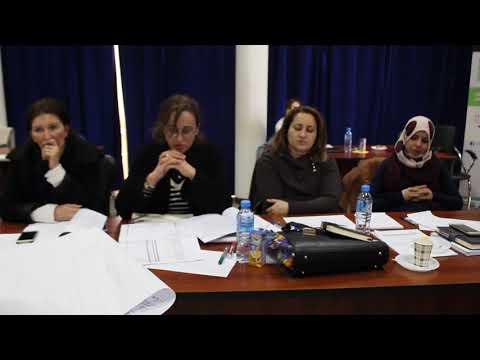
Pour évaluer l’atteinte des résultats du PRCDE, un atelier a été organisé le 7 février 2018 par l’équipe du projet avec l’ensemble de ses partenaires. Cet atelier s’est déroulé à l’Institut National de Santé Publique (INSP) d’Alger, grâce à la gracieuse invitation du Dr. Youcef Laïd ainsi que du Directeur Général de l’INSP que l’équipe du projet remercie chaleureusement. Cette réunion, animée par Dick van Blitterswijk du bureau d’étude néerlandais MDF, a permis un rappel : - de la gestion de projet axée sur les résultats, - des différents niveaux de résultats fixés dans le projet : output, outcome et impact, - et de la méthode d’évaluation choisie, inspirée et adaptée de la méthode Cap Scan (scanning des capacités). Cette méthode donne un cadre analytique, basé sur un processus participatif, permettant d’évaluer et de renforcer les capacités. La session a également été l’occasion de renforcer les connaissances du groupe mais aussi, pour ceux qui n’ont pas été présents pendant le processus d’élaboration de la Baseline, de se mettre à niveau. En travaillant en sous-groupes (par résultat), les participants ont identifié les différents éléments qui renseignent sur l’avancement des différents projets par rapport aux résultats escomptés et ajouté une annotation par OB. Ces données ont été présentées en séance plénière et ont ensuite servi à alimenter le rapport annuel 2017 du projet.
-
Report & results of the final evaluation mission of the Enhancing Capacities for Institutions Building (ECIB) Program
Laura SCHILLEMANS | 01/03/2018
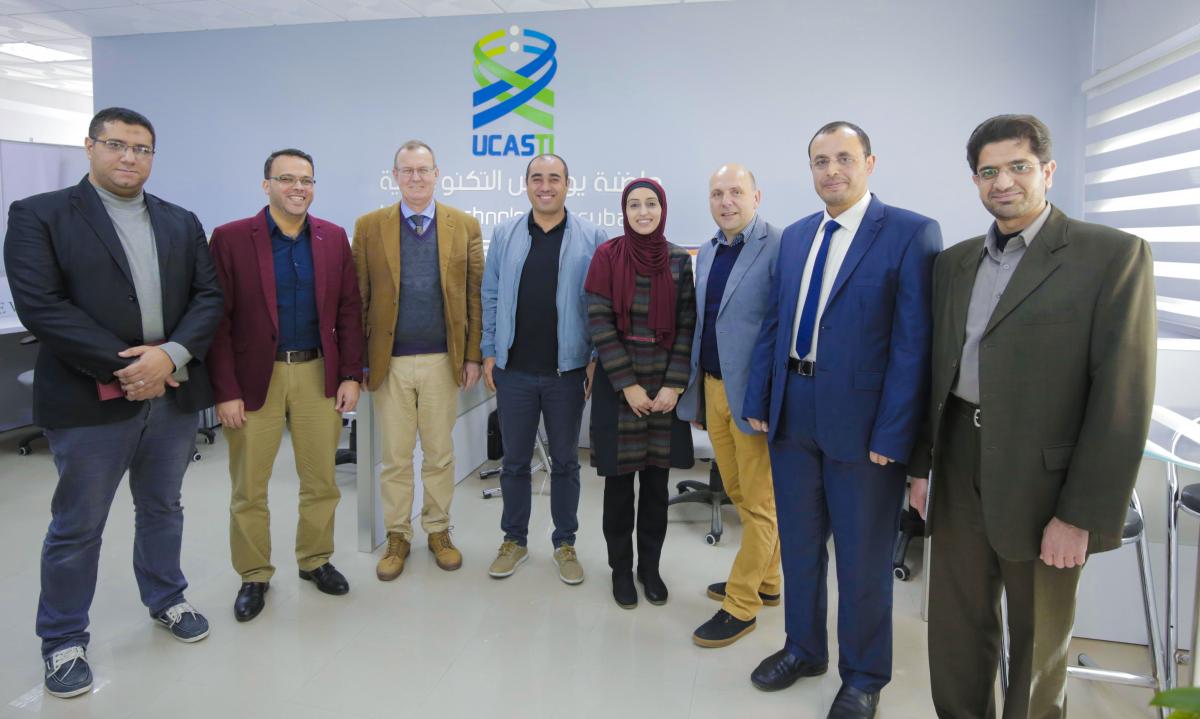
Last week, the final evaluation mission of the Enhancing Capacities for Institutions Building (ECIB) Program took place in Gaza and the West Bank. The mission was headed by external international evaluator; Mr.Sergij Gabršček, and by local expert Dr. Ziad Jweiles. The mission’s aim was to evaluate the interventions of the program in Palestine During their two-week visit, several meetings and field visits were arranged with partners and stakeholders from TVET institutions, ministries, chambers and unions in Ramallah, Bethlehem, Hebron, Jenin, Tulkarem, Jerusalem and Gaza. Two parallel schedules were arranged for the evaluators, where Mr. Sergij Gabršček was able to meet the Enabel team in Gaza for the first time and met with partners like Work Without Borders (WWB), IRADA Centre, Abd Al Motee AlRayes Vocational School and The University College of Applied Science (UCAS), Rafah VTC, Hani Naeem, and Deir Al Balah VTC as well as the graduates from the WBL and CVET programmes, representatives from the ministries, PFI, PITA, GIZ and IRPAL. Mr.Sergij Gabršček and Dr. Ziad Jweiles also had the opportunity to meet with many relevant partners and successful projects in the West Bank, such as Bethlehem Star, Beit Jala VTC, Halhoul VTC, Deir Debwan, SVS, PTC Ramalah, YMCA Ramallah, Jenin ISS and VTC, Tulkarem ISS and VTC, YMCA Jerusalem, the ministries, FPCCI, PFI and the Chambers of Commerce in Bethlehem and Hebron as well as partner companies, trainees and graduates. On the 27th of February, the Belgian Consulate General and the Steering Committee of the ECIB Program: MoFP, MoEHE, MoL, the Palestinian Federation of Chambers of Commerce, the Palestinian Federation of Industry, Residential Representative of Enabel and the project staff were debriefed on the preliminary findings of the final evaluation mission of the project collected during their two week visit in the West Bank and Gaza. The International evaluation expert Sergij Gabršček and local expert Dr. Ziad Jweiles highlighted the positive results of the project as well as the progress that has been made on the integration of the Work-Based Learning approach on a national level. Sergij Gabršček: “The project has proven to be relevant, both in objectives and outputs, and meets the priorities of the local government. The private sector was involved, which allowed for programs adapted to the needs of the labour market. There is now a continuous dialogue between the private sector and the TVET providers as well as a feeling of ownership (…) The project reached more trainees than initially planned, with twice as many female graduates as anticipated (…) After the programme, there was more trust between the trainees, the TVET institutions and the private sector and more engagement to continue the initiatives” Dr. Ziad Jweiles: “Enabel really listens to the stakeholders. The WBL has changed the mindset in the field. Now we have the mandate and the power to continue.”
-
Séminaire sur le rôle de la société civile dans la gestion des déchets.
Halima HORRI | 01/03/2018
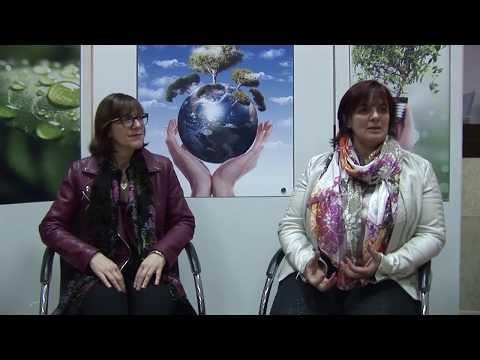
Le 27 et 28 Novembre 2017, s’est tenu un séminaire à Oran portant sur le « Rôle de la société civile pour appuyer les opérateurs dans la gestion des déchets ». En effet, il est impossible pour les opérateurs pour engager le citoyen dans un processus de changement de comportement (respect des horaires et des lieux de ramassage, tri à la source) sans pouvoir s’appuyer sur un réseau d’acteurs proches de la population. Le séminaire a été animé par Mme Françoise Lardenoey Françoise, Directrice de prévention déchet et son adjointe, Mme Pierrine Meessens Pierrine de l’Intercommunale de collecte et de valorisation des déchets ménagers de la Région de Charleroi – ICDI.. Une quarantaine de personnes y ont participé ainsi que Monsieur Tarek Nfezi de l’Institut Eco-Conseil, Namur, en charge de la préparation des kits de sensibilisation destinés à la société civile des trois wilayas de la zone du projet.
-
Zoom sur la contribution de la coopération belge dans le développement des zones oasiennes
Meriem HILALI | 28/02/2018
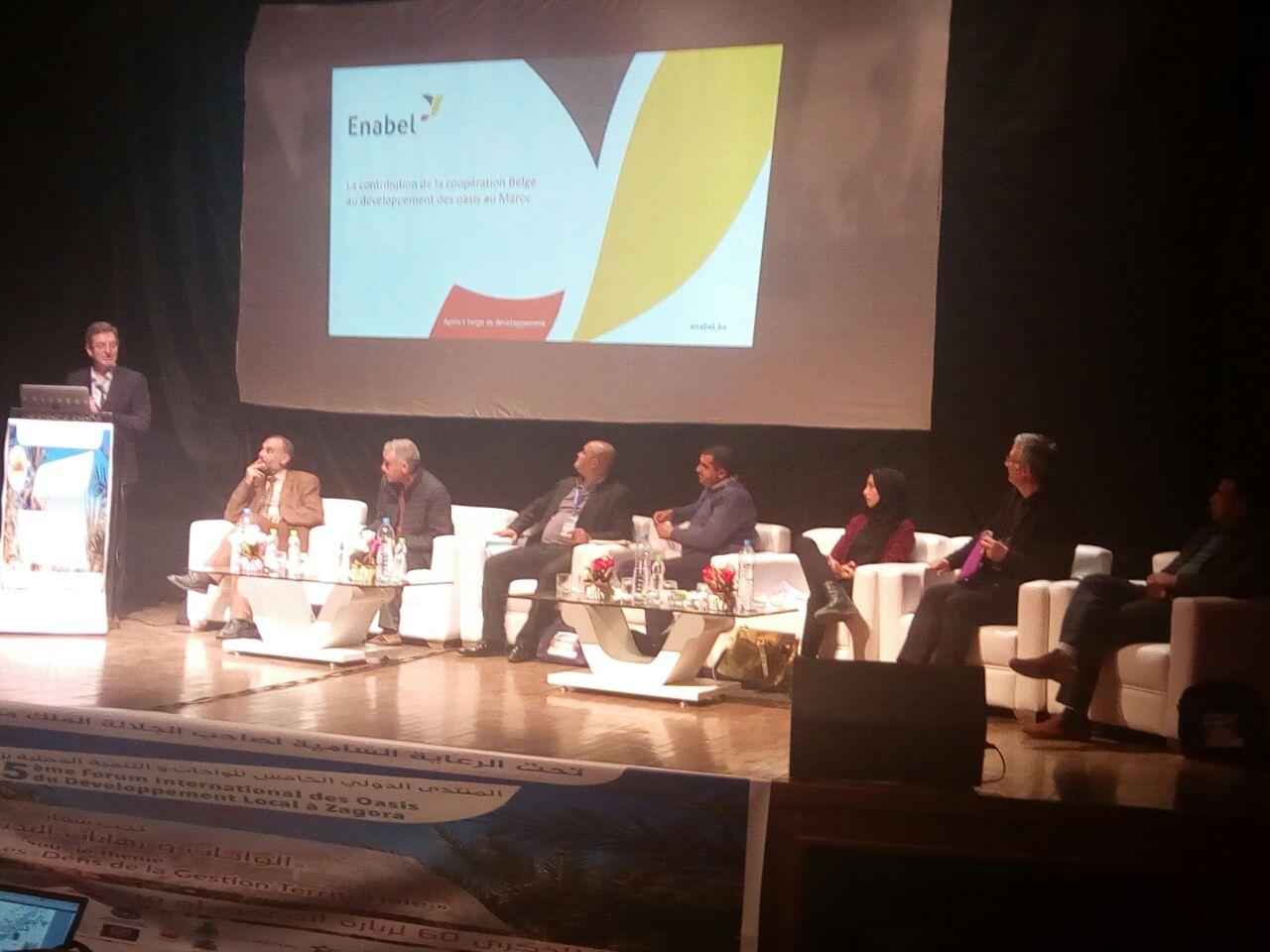
A la 5éme édition du forum international des oasis et du développement local qui s’est déroulé du 24 au 27 février 2018, à Zagora (sud du Maroc) sous le signe « Les oasis face aux enjeux de la gestion territoriale », Enabel a présenté la contribution de la coopération belge dans le développement des zones oasiennes depuis plus de 25 ans. Objectif: l'amélioration des conditions de vie des hommes et des femmes des oasis tout en préservant l’équilibre écologique qui a assuré la survie des oasis depuis des centaines d’années.
-
La pisciculture : outil de développement de la pêche artisanale.
Julie CLAASSENS | 26/02/2018
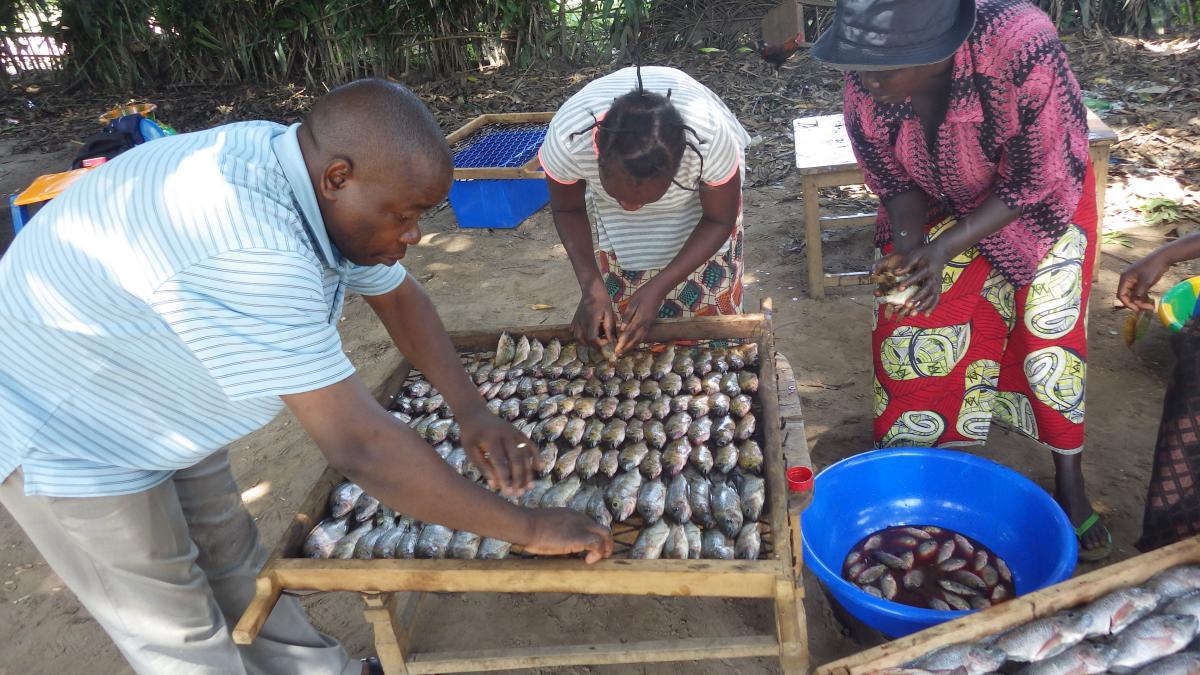
L’activité aquacole est très rentable si elle est associée à l’élevage du petit bétail et à la culture maraichère, indiquent les spécialistes. La pisciculture est la pratique de l’élevage de poissons dans les étangs artificiels ou des réservoirs pour la consommation humaine. Ceci est également connu comme l’aquaculture et est devenue très répandue dans le monde entier au cours des dernières décennies. L’élevage de poissons comme les autres types d’agricultures, offre une multitude d’avantages qui peuvent aider l’environnement, notamment la pisciculture qui permet de grandes réserves de poissons à être cultivées selon la demande exprimée. Aussi, attraper des poissons dans la nature ne peut suffisamment offrir de produits pour répondre positivement à la demande des consommateurs et garder en même temps l’écosystème naturel en équilibre.Ainsi, le PRODADEKK compte parmi ses objectifs celui d’améliorer la transformation et la commercialisation des poissons dans cette vaste zone traditionnelle de la pêche à Masi-Manimba, pour contribuer au développement de la pêche artisanale et de l’aquaculture à Buala-yulu, afin d’améliorer le niveau de vie des populations.D’où la nécessité et l’importance d’une descente de l’équipe en charge du développement de la pisciculture dans les bassins de production de Bwala-yulu. Du 04 au 05 et du 11 au 16 décembre 2017, la mission était axée sur deux objectifs majeurs. D’une part, la fixation des annexes métalliques du four Chorkor et la formation sur la pratique des techniques de transformation améliorée des poissons, d’autre part.Premièrement, la fixation des annexes métalliques a été effectuée par les différents ajusteurs trouvés sur place, dans un atelier mécanique. Par ailleurs, d’autres annexes ont été fabriquées directement où est implanté le four sur terrain, tels que : le collecteur de graisse, le fourneau muni d’une forge, le répartiteur d’air, les couvercles des compartiments du four et le système indirect générateur de fumées. Ensuite, l’activité de la formation de l’équipe relais des mareyeuses sur la pratique des techniques de transformation améliorée, concentrée sur la collection de matières premières à transformer, mais aussi sur la sensibilisation et la commercialisation de poissons tout autour de cette zone traditionnelle de pêche. Enfin, les poissons ont été collectionnés et l’opération de transformation a commencée. L’utilisation du four Chorkor a été démontrée et les différentes techniques apprises en formation théorique ont été illustrées à la grande satisfaction des bénéficiaires. Ainsi, toutes ces pratiques de mareyeuses ont permis de sensibiliser les communautés, à la nécessité d’améliorer leurs techniques de transformation et de commercialisation des poissons et à pratiquer des techniques de pêche responsable.En somme, l’ensemble des mareyeuses de Buala-yulu était très ému de l’accompagnement et suivi reçu. Elles sont, en outre, contente de bénéficier non seulement de la formation mais aussi de la réception du module de formation simplifié, illustré et très pratique, et de l’attestation de fin de formation en qualité de formatrice des autres mareyeuses.
-

Le chantier école à Kasenga: l'accomplissement des rêves des élèves.
Julie CLAASSENS | 26/02/2018
Le chantier école à Kasenga consiste d'une approche pédagogique active, c'est-à-dire: les apprenants se professionnalisent 'en faisant' et sont guidés par un expert, c'est-à-dire un artisan local. Ainsi, un groupe de treize élèves construit leur propre hangar afin d'y suivre des ateliers et de stocker du matériel. Cinq d'entre eux sont des soudeurs, six sont des maçons. Ces élèves suivent l'option agriculture et au chantier ils sont payés sept dollar par jour, ce qui leur permet d'économiser et de travailler sur des projets de futur. Cecile, par exemple, paie ses propres frais scolaires pour toute l'année, aide ses frères à payer leurs études universitaires, donne une partie de l'argent à ses parents et a déjà investi dans son propre champs, situé à l'Institut. La courageuse!
-
L'histoire complète d'un projet de construction de toilettes
Roxane VANLERBERGE | 21/02/2018
Découvrez l’histoire complète du projet, ses succès, ses difficultés et son impact à travers les yeux de ceux qui en bénéficient directement, de l’équipe de projet et des partenaires à l'occasion du séminaire de capitalisation, marquant la fin du projet d’appui au programme national de mise à niveau environnemental des écoles rurales. Bonne lecture ! https://goo.gl/h56wBp
-
Febrero 2018: SISFIN presenta sus resultados en la Mesa de Concertación de Lucha contra la Pobreza
Véronique GERARD | 20/02/2018
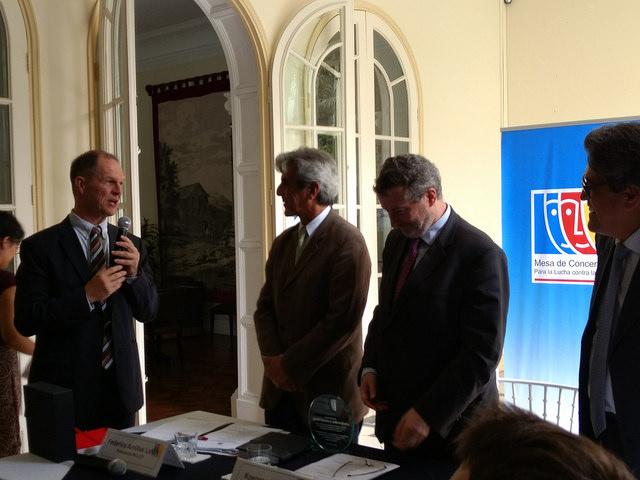
Recordemos lo que es el SISFIN El SISFIN es el componente a través del cual Bélgica brinda un apoyo financiero dirigido al Programa Presupuestal de Salud Materno Neonatal - PPSMN, en el Perú. En este sentido, SISFIN contribuye, entre otros, a un dialogo de políticas, apoya el análisis de cuellos de botella para mejorar el acceso a servicios de salud y analizar los problemas relativos a la capacidad de la Gestión de Finanzas Públicas a nivel regional. Los gobiernos regionales de Amazonas y Cajamarca tienen acceso a estos fondos adicionales firmando convenios con el Ministerio de Economía y Finanzas (MEF). Parte de estos fondos son condicionados a la mejora de procesos de gestión en general del PPSMN y a la cobertura de los servicios para la población vulnerable, afiliada al Seguro Integral de Salud (SIS). Esta mejora se mide contra metas negociados para indicadores específicos. SISFIN en la MCLCPEl pasado 6 de febrero, fue precisamente la presentación de los resultados de la evaluación del PPSMN. Fue presentado a la ocasión de la reunión de la Mesa de Concertación para la Lucha contra la Pobreza (MCLCP), espacio en el cual Geert Haghebaert, el experto senior y Ellen Velkeneers, Asistente Junior vienen contribuyendo al dialogo de las políticas públicas en esta materia. El embajador de Bélgica en Perú, Koenraad Lenaerts, destacó el proceso de concertación que se realiza en Perú mediante la MCLCP: “Desde el inicio del SISFIN en el 2014, rápidamente entendimos el gran valor de la Mesa de Concertación, no solamente como foro de diálogo neutral para la lucha contra la pobreza y para lograr que fluya entre Estado y sociedad civil, también como un lugar privilegiado para un análisis y seguimiento específico en temas prioritarios en salud”. * Ver el artículo del evento: http://www.mesadeconcertacion.org.pe/noticias/mesa-nacional/destacan-apoyo-de-belgica-al-programa-de... * Ver las fotos del evento: http://bit.ly/2nTTKM4 * Ver el informe de evaluación del PPSMN: https://www.mef.gob.pe/contenidos/presu_publ/ppr/belgica/inf_desempe%C3%B1o_PPSMN2016.pdf
-
Human Resource Development: helping people becoming better at their job
Thea MATHUES | 20/02/2018
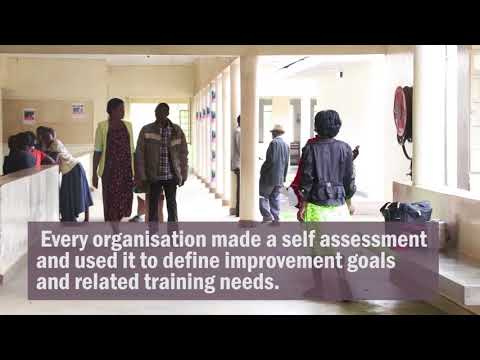
Receiving quality health care and education is not a given in Uganda. Although efforts towards better service delivery have been made by the Ugandan government, civil society and donors, a lot remains to be done. That is why the Belgian development agency, in cooperation with the Ugandan government, set up a project to contribute to improved service delivery by helping doctors, nurses, teachers, principals and managers become better at their job.