Opzoeken
570 - 585 van 3054 nieuws bekijken
-
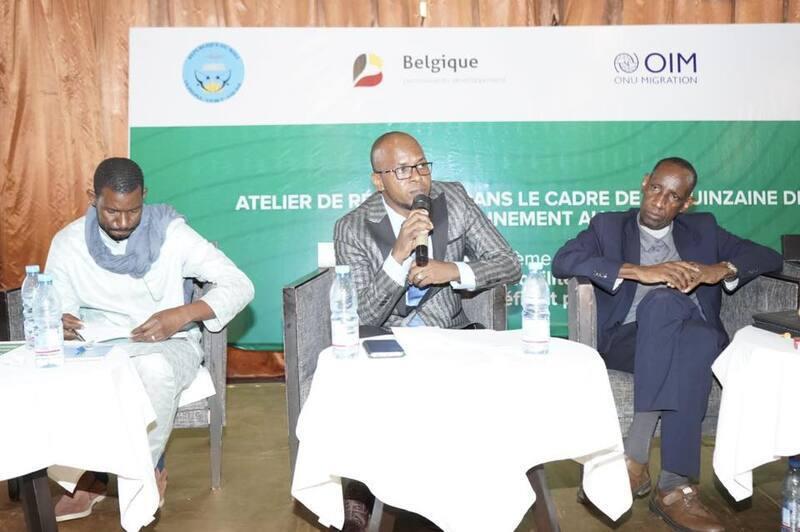
Célébration de la quinzaine de l'environnement au Mali
Nènè TRAORE | 25/06/2025
À l'occasion de la 26ᵉ Quinzaine de l'Environnement, un atelier de réflexion s'est tenu à Bamako autour du thème : « Sécurité climatique, mobilité humaine et paix : enjeux, défis et perspectives ». Coorganisé par l'Ambassade de Belgique, le Ministère de l'Environnement et, de l'assainissement et du développement Durable (MEADD), l'OIM et le PNUD, cet événement a réuni des acteurs institutionnels, techniques et communautaires pour réfléchir ensemble à des solutions durables face aux défis croisés du climat, des déplacements et de la paix. Une urgence multidimensionnelle Avec plus de 378 000 déplacements internes, dont 44 % d'enfants, le Mali est confronté à une crise dans laquelle le changement climatique accentue les vulnérabilités sociales et sécuritaires. Cet atelier a permis de poser les bases d'une réponse intégrée, inclusive et ancrée dans les réalités locales. Trois panels, une vision partagéePanel 1 : Comprendre le nexus climat-migration-conflits Les experts ont souligné l'importance de renforcer la coordination entre recherche et terrain, de valoriser les savoirs locaux, et de créer une plateforme nationale de données pour éclairer les politiques publiques. L'objectif : mieux anticiper les dynamiques de déplacement et de tension liées aux changements environnementaux.Panel 2 : Regards croisés du terrain : « Voices from the field » Ce panel a donné la parole aux acteurs de terrain, dont le chef de projet du Portefeuille Thématique Climat Sahel au Mali (PTCS) d'Enabel, qui a livré une intervention particulièrement remarquée. À travers des exemples issus des zones d'intervention du PTCS, il a démontré comment les pressions climatiques sur les ressources naturelles aggravent les tensions communautaires, notamment entre agriculteurs et éleveurs. Il a mis en avant les Comités Fonciers Villageois (COFOVs) comme outils de médiation et de gouvernance locale, permettant de prévenir les conflits et de renforcer la cohésion sociale. « Le climat est un facteur de stress, mais il peut aussi devenir un levier de paix si les communautés sont accompagnées dans la gestion concertée de leurs ressources », a-t-il affirmé, soulignant l'importance d'une approche territoriale, inclusive et participative. Son intervention a illustré la pertinence du modèle d'Enabel, fondé sur l'écoute des communautés, le renforcement des capacités locales et la coconstruction des solutions. Panel 3 : Acteurs locaux et gestion des conflits liés aux ressources Les participants ont insisté sur la nécessité de reconnaître les légitimités traditionnelles et de soutenir les mécanismes locaux de régulation, notamment pour organiser la transhumance et prévenir les affrontements liés à l'accès à l'eau et aux terres. Vers une feuille de route partagée La cérémonie d'ouverture et les échanges ont permis de réaffirmer les engagements des partenaires. L'Ambassadeur de Belgique a apprécié la qualité des débats et la volonté collective de transformer les dialogues en actions concrètes. Le MEADD a souligné l'importance de cette dynamique dans le cadre de la transition environnementale du Mali. Cet atelier marque une étape décisive vers une compréhension partagée du triptyque climat-mobilité-paix, et met en lumière le rôle essentiel des projets comme le PTCS dans la construction d'un avenir résilient pour le Mali.
-
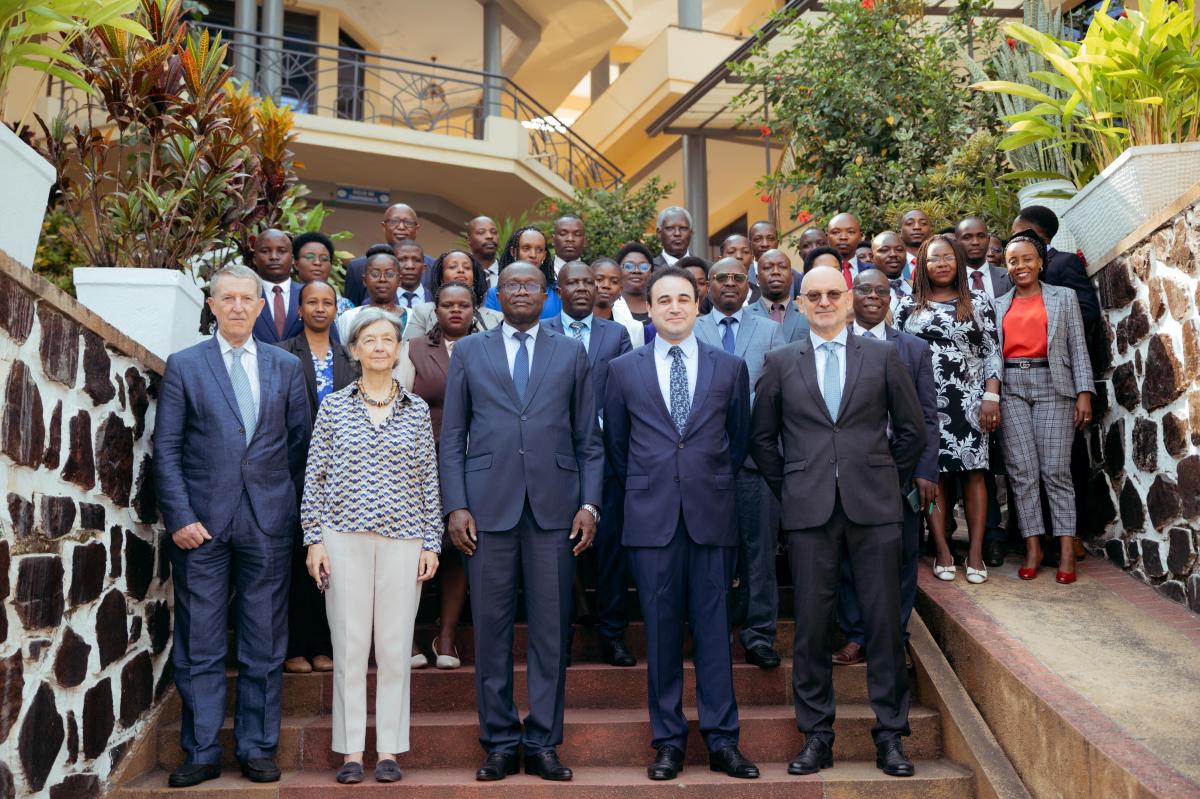
Soutenir une diplomatie burundaise performante par la formation
Jonas Eric UWIZERA | 25/06/2025
Lancement d’un cycle de formation pour jeunes diplomates à BujumburaLe Ministère burundais des Affaires étrangères et de la Coopération au Développement, en partenariat avec la Belgique à travers Enabel et en collaboration avec l’Institut Egmont, a lancé une série de formations visant à renforcer les compétences des jeunes diplomates burundais. La première session, organisée du 23 au 25 juin 2025, a réuni 30 cadres du Ministère des Affaires étrangères et de la coopération au développement autour de thématiques essentielles pour une diplomatie moderne, en prélude à la présidence burundaise de l’Union Africaine en 2026. Dans le cadre de son appui au renforcement des capacités institutionnelles, Enabel soutient cette initiative qui vise à outiller les jeunes cadres du Ministère des Affaires Étrangères et de la Coopération au Développement du Burundi (MAECD). Une première session de formation s’est tenue à Bujumbura, avec la participation de cadres, en majorité de jeunes professionnels de la diplomatie burundaise. Cette formation s’inscrit dans le Programme d’Appui à la Réalisation d’Études et d’Expertises (PAREX) d’Enabel, et a été élaborée par l’Institut Egmont, centre d’expertise reconnu en diplomatie. Animée par deux ambassadeurs honoraires belges venus de l'Institut Egmont et deux ambassadeurs honoraires burundais, cette formation aborde de manière interactive les fondamentaux du métier de diplomate : communication stratégique, gestion des relations internationales, éthique et intégrité, défis du multilatéralisme, entre autres. Une seconde session, plus spécialisée, est prévue en septembre 2025, dans la perspective stratégique de préparer les diplomates à la présidence burundaise de l'Union africaine en 2026. Ce partenariat illustre la volonté partagée entre la Belgique et le Burundi de faire de la diplomatie un levier fort du développement, en investissant dans une nouvelle génération de diplomates compétents, dynamiques et capables de répondre aux défis du monde diplomatique contemporain. Une ambition à laquelle Enabel contribue fièrement à travers ces formations.
-
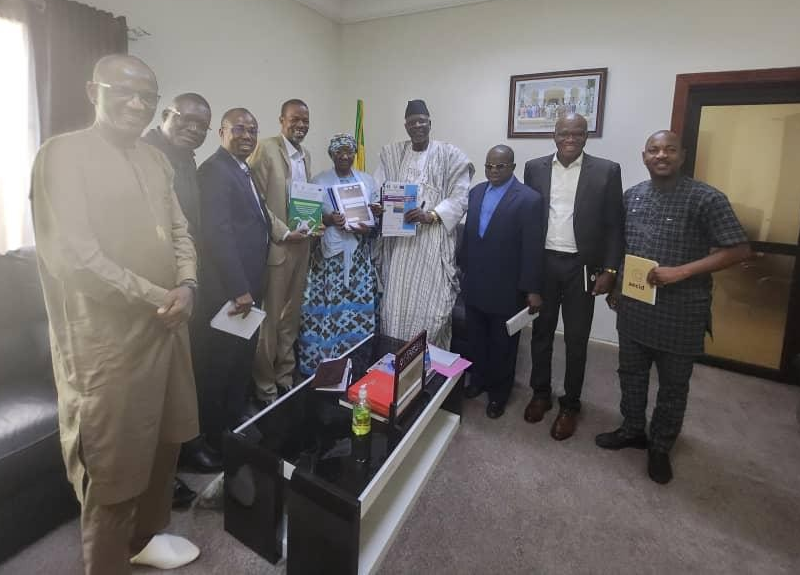
Renforcement de la résilience pastorale : la mission du projet PRISMA du Niger au Mali
Nènè TRAORE | 24/06/2025
Dans le cadre de la mise en œuvre du projet Projet Recherche, Innovation des Systèmes agro-pastoraux, productifs, résilients et sains en Afrique de l'Ouest (PRISMA) , une mission conjointe a été organisée au Mali, marquant une étape importante dans la valorisation des acquis du projet. Visite des infrastructures solaires à Kassela et Tienfala. La mission a débuté par la visite des équipements solaires installés dans les centres de collecte de lait de Kassela et Tienfala. Ces installations, acquises grâce au soutien du projet PRISMA, visent à améliorer la conservation des produits laitiers, à réduire les pertes post-récolte et à renforcer la chaîne de valeur laitière dans les zones rurales. Atelier de partage des résultats de recherche et d'innovation À la suite de cette visite, un atelier de partage a réuni les principaux acteurs du projet au Mali. Cet événement a permis de présenter les résultats obtenus par les trois agences (Enabel, AECID et LuxDev) d'exécution du projet, chacune intervenant dans son domaine de compétence selon une approche coordonnée « Team Europe » . Les discussions ont été portées sur trois thématiques majeures : - La gestion et l'accessibilité aux ressources naturelles, y compris les mécanismes de crédits carbone ; - La disponibilité et l'accessibilité à l'aliment pour le bétail, enjeu crucial pour la résilience des éleveurs ; -La sécurité sanitaire des denrées alimentaires d'origine animale, essentielle pour la santé publique et la compétitivité des filières. Valorisation politique des résultats du projet Dans une dynamique de plaidoyer, des notes politiques ont été élaborées et soumises aux décideurs sectoriels. Ces documents synthétisent les résultats clés du projet et formulent des recommandations concrètes pour leur intégration dans les politiques publiques. Suite à ces efforts, une visite de courtoisie a été rendue au Ministre de l'Élevage et de la Pêche du Mali. Ce dernier a salué le travail accompli par l'équipe PRISMA, soulignant la pertinence des résultats par rapport à la nouvelle orientation politique du secteur. Il a instruit ses conseillers de s'approprier ces résultats pour les intégrer dans la politique de stabilisation du cheptel et de valorisation des filières animales, non seulement au Mali, mais également dans l'espace AES (Autorité des États du Sahel).
-
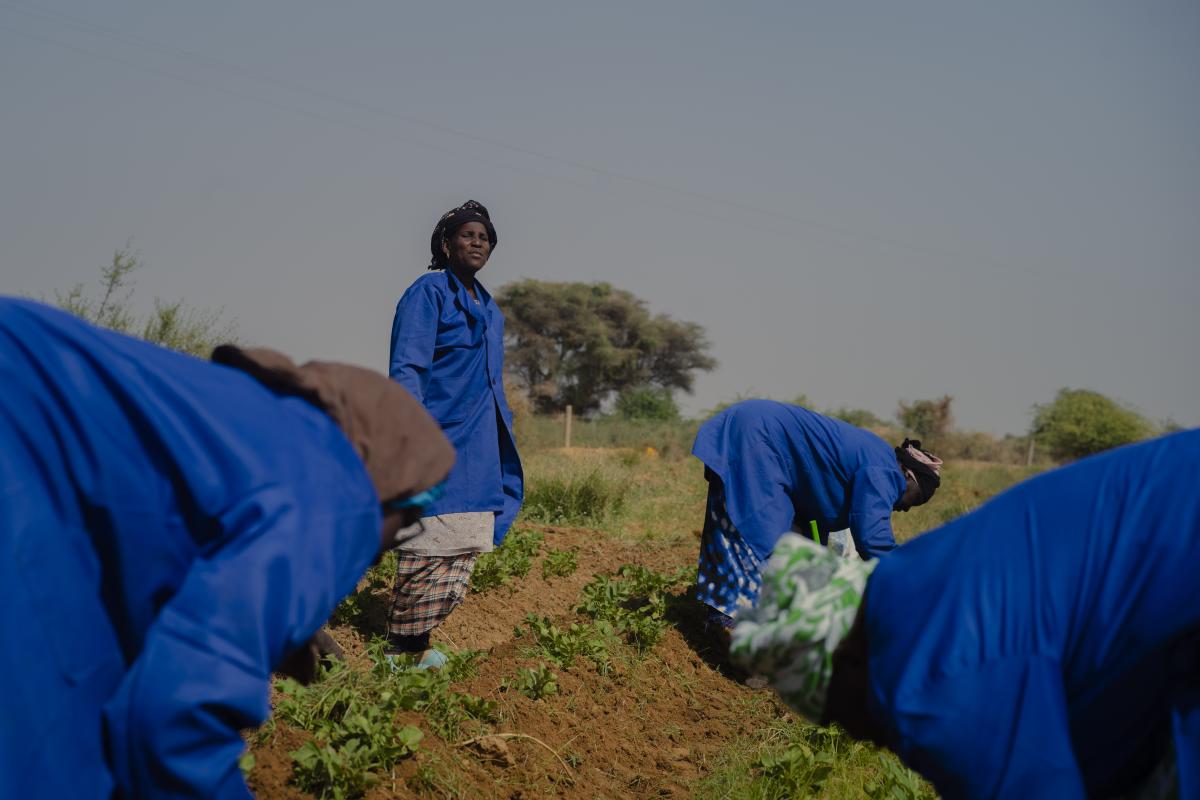
Mauritanie: Assurer la sécurité foncière pour un développement durable des zones rurales
Aminata KANE | 24/06/2025
Le projet SECURALIM, financé par l'Union européenne et mis en oeuvre par Enabel, fait de la sécurisation foncière un pilier central de son action pour renforcer la résilience des systèmes agro-pastoraux en Mauritanie. En clarifiant et en formalisant les droits d’usage des terres, notamment dans les zones de production collective comme les périmètres irrigués, SECURALIM contribue à prévenir les conflits, renforcer la stabilité sociale et pérenniser les investissements agricoles. L’approche du projet repose sur une gouvernance foncière participative, en collaboration étroite avec les autorités locales et les communautés, afin d’adapter les modes de gestion des terres et de l’eau aux réalités de chaque territoire.Objectifs clés d'ici à 2026 : Renforcer les droits fonciers des producteurs, faciliter l’accès équitable à la terre, prévenir les conflits dans les zones sensibles, promouvoir des pratiques agricoles durables, comme les cultures fourragères et soutenir la gestion responsable des ressources naturelles. « On ne peut pas apaiser la société rurale ni développer l’agriculture sans sécuriser les producteurs sur leurs terres. C’est un travail immense que le projet est en train d’accomplir », témoigne Isselmou Abdel Kader, consultant en droit foncier.Avec SECURALIM, Enabel et ses partenaires posent les bases d’un développement agricole durable, inclusif et ancré dans les réalités du terrain, en particulier pour les communautés du fleuve Sénégal.
-
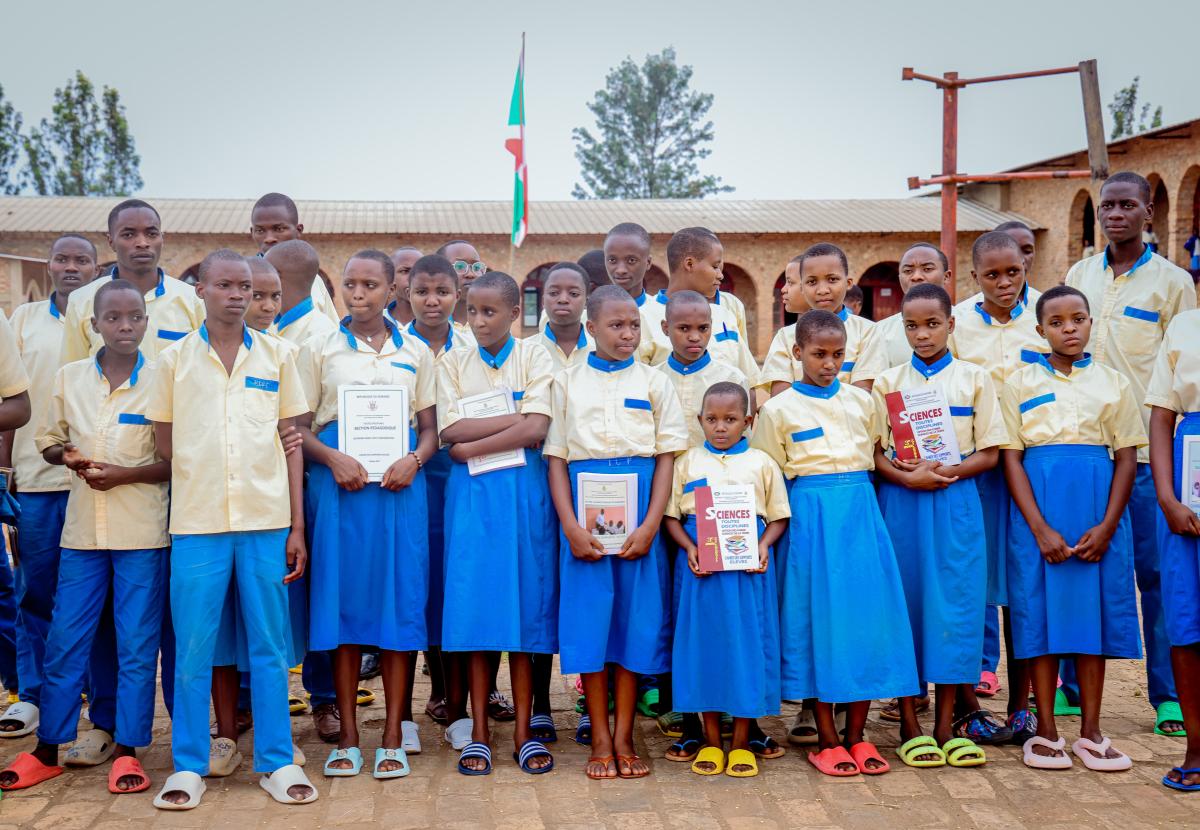
Au Burundi : Des manuels scolaires pour renforcer un environnement stimulant et propice à l’apprentissage
Jonas Eric UWIZERA | 24/06/2025
Dans le cadre du projet Éducation Post-fondamentale, Enabel a appuyé dans la réimpression et la distribution de 4.863 manuels scolaires dans 15 écoles des provinces de Kirundo et Cibitoke, en collaboration étroite avec le Ministère de l’Éducation nationale et les autorités scolaires locales des deux provinces. Cette initiative répond à un besoin réel en matériel pédagogique dans ces écoles post fondamentales, souvent moins bien desservies. En tenant compte des sections organisées au post fondamental général et pédagogiques et les effectifs d’élèves dans chaque école, les manuels ont été produits de façon ciblée sur base des maquettes fournies par le service du Ministère de l’Education Nationale en charge de l’élaboration des contenus-matières à développer dans ce secteur. Cette action vise à combler le besoin en manuels des scolaires des écoles ciblées et s’inscrit pleinement dans l’un des deux objectifs du projet : (1) Améliorer l’accès à un enseignement de qualité pour tous; (2) Favoriser un environnement stimulant et propice à l’apprentissage, avec une attention particulière aux jeunes des milieux défavorisés, aux filles et aux élèves en situation de vulnérabilité. Grâce à cette mise à disposition, des centaines d’élèves et d’enseignants disposent désormais d’outils concrets pour favoriser un processus d’enseignement/apprentissage plus structuré. Modeste mais concrète, cette action illustre l’engagement de la coopération belge à soutenir une éducation de qualité, inclusive et équitable au Burundi, au service du développement humain et permettant aux jeunes, en particulier les filles et les plus vulnérables de se préparer aux défis socio-économiques de demain.
-
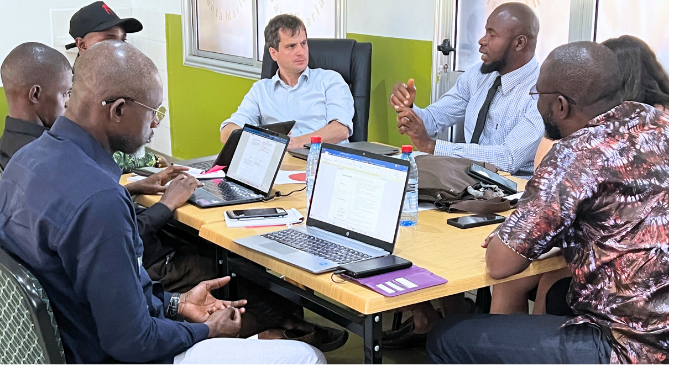
À Kindia en Guinée : atelier de diagnostic des freins et opportunités à l'insertion socioprofessionnelle
Jacques LENO | 20/06/2025
L’équipe du projet Accompagnement, Mobilité, Insertion et Sensibilisation (AMIS) d’Enabel, financé par l’Union européenne, a tenu du 19 au 20 juin 2025, un atelier de diagnostic à Kindia. Cette rencontre de réflexion organisée en étroite collaboration avec la Direction Générale des Guinéens établis à l’Étranger, a réuni les cadres des structures déconcentrées de l’État impliquées dans la formation, l’accompagnement et l’insertion professionnelle des jeunes, les organisations de la société civile et le secteur privé évoluant dans la préfecture. L'objectif de l'atelier était de comprendre les pratiques existantes et souhaitables, en vue de renforcer les approches durables à la (ré)intégration des personnes migrantes de retour, des jeunes, femmes et personnes en situation de handicap. Pendant deux jours d’intenses travaux, les participant·es sont parvenus à (1) à produire la cartographie des structures, selon leurs rôles (gouvernance, appui technique, insertion socio-professionnelle et accompagnement financier); (2) à faire l’analyse SWOT (forces, faiblesses, opportunités et menaces) de leurs propres structures, en tenant compte de leurs capacités propres et des réalités de Kindia ; et (3) à proposer des stratégies d’actions que le projet AMIS pourrait aider à réaliser. La rencontre a mis en lumière la volonté de l’État guinéen de renforcer la gouvernance des migrations, en s’appuyant sur les politiques nationales de la Migration, de l’Emploi et sur la stratégie nationale pour l’Emploi des jeunes. Ces trois documents apparaissent comme complémentaires, notamment dans leur prise en charge commune de l’insertion socioprofessionnelle. Les autorités locales ont exprimé leur détermination à contribuer activement à l’opérationnalisation de la Politique de Migration, en particulier dans les communes rurales de Damakania, Friguiagbé et dans la commune urbaine de Kindia, avec l’appui du projet AMIS.
-
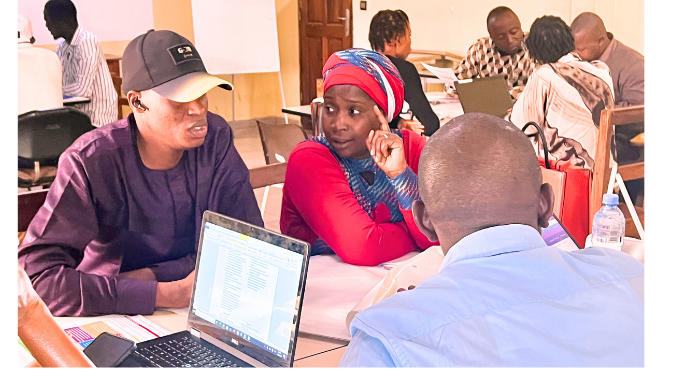
À Mamou, en Guinée : un atelier pour mieux réintégrer les jeunes dans la vie professionnelle
Jacques LENO | 20/06/2025
Les 17 et 18 juin 2025, un atelier de réflexion s’est tenu à Mamou, en Guinée, dans le cadre du projet AMIS (Accompagnement, Mobilité, Insertion et Sensibilisation), soutenu par l’Union européenne et mis en œuvre par Enabel. L’objectif ? Trouver des solutions durables pour aider les jeunes, les femmes, les personnes en situation de handicap et les migrants de retour à mieux s’intégrer dans la société et le monde du travail. Organisé en collaboration avec la Direction Générale des Guinéens établis à l’Étranger, l’atelier a réuni des représentants de l’État, des acteurs locaux et des organisations de la société civile. Ensemble, ils ont (1) dressé une cartographie des structures locales impliquées dans l’insertion professionnelle, (2) réalisé une analyse SWOT (forces, faiblesses, opportunités, menaces) pour mieux comprendre les capacités et les défis de chaque structure et, enfin (3) proposé des stratégies concrètes que le projet AMIS pourrait soutenir. Ce travail collectif a mis en lumière la volonté des autorités guinéennes de renforcer la gouvernance des migrations et de s’appuyer sur les politiques nationales de l’emploi et de la migration pour améliorer l’insertion socioprofessionnelle. Les participants ont souligné l’importance de coordonner les efforts locaux et de s’appuyer sur les réalités du terrain pour construire des solutions adaptées. Grâce à ce type d’atelier, les actions du projet AMIS peuvent être mieux ciblées et plus efficaces.
-
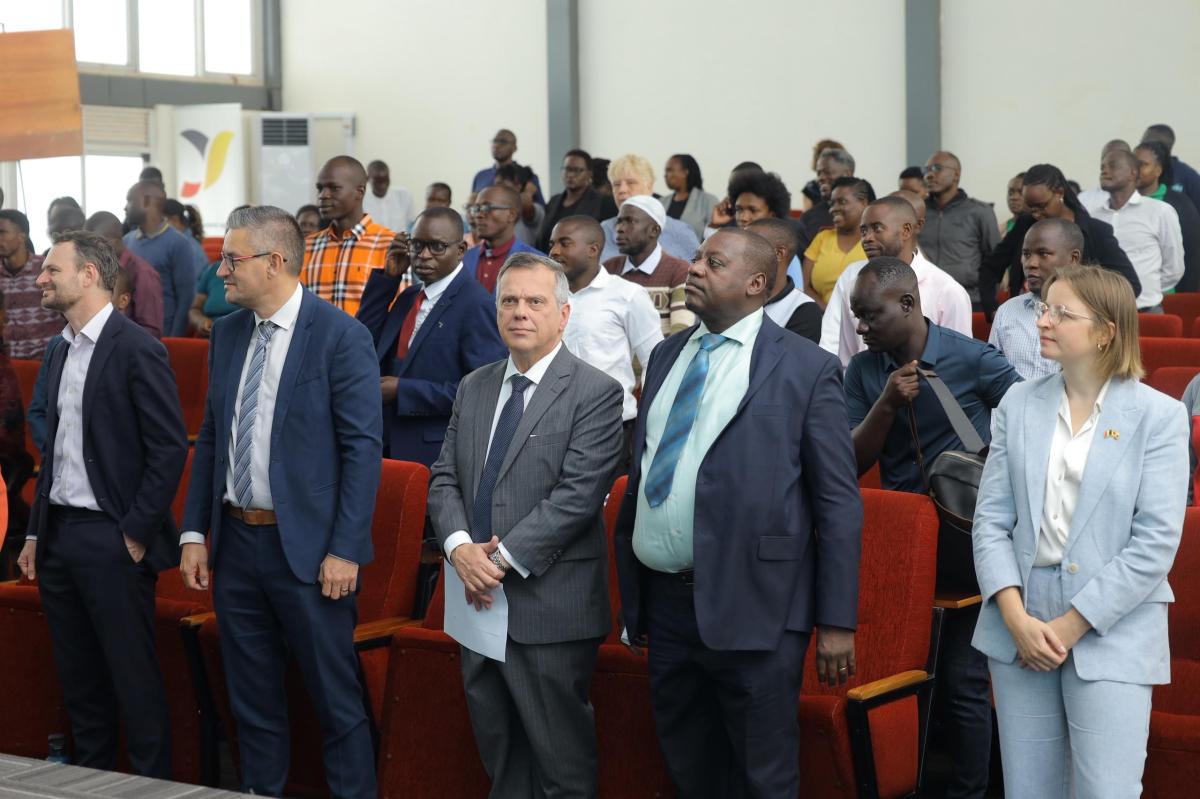
Uganda’s “What If Innovation Festival 2025”: doing more with less
Sharon IBENU | 20/06/2025
On June 19th, Enabel in collaboration with Start-up Uganda, the National ICT Innovation Hub and its partners, hosted the What If Innovation Festival 2025-a vibrant showcase of smart, cost-effective solutions aimed at addressing Uganda’s most pressing challenges. In a time when budgets are tight and expectations are high, the festival was a rallying call to do more with less, act boldly, and collaborate across sectors for real, lasting change. The festival brought together professionals and organizations from the fields of education, health, employment, and the circular economy. Presentations were framed around powerful “What If” questions-each one highlighting a real-world problem and the practical, tested solution that followed. These were not abstract theories, but proven, low-cost, and scalable approaches that are already making a difference. The festival’s impact revolved around three key themes, with the first addressing the reality of budget cuts and the need for cost-effective solutions. A session titled “What If a simple bracelet could help prevent Gender-Based Violence?" by SafeBangle Technologies showcased a discreet wearable safety device that allows women and vulnerable individuals to quickly alert loved ones during emergencies or assaults. Another session presented by Enabel and babies and Mothers Alive, featured the Mama Rescue app, which connects women in labour with nearby motorcycle taxi (boda boda) riders, ensuring fast, life-saving transport to health facilities. Secondly, the festival emphasised that innovation is not a luxury, but a necessity-a practical tool for solving everyday challenges. Ugandan-led innovations took centre stage, showing how creativity and technology are already transforming classrooms, clinics, offices, and communities. Finally, the event fostered shared learning and meaningful connections. Participants reflected on the solutions that inspired them most considered how they could improve them and explored how to apply them in their own contexts. Saul Kabali of SafeBangle Technologies, winner of a return ticket to Europe sponsored by Brussels Airlines for the most innovative solution, remarked: “Innovation isn’t about having more resources; it’s about seeing possibilities where others see limits. Winning this award at the What If Innovation Festival proves that with creativity and determination, we can truly do more with less and create solutions that change lives.” H.E. Hugues Chantry, Belgium’s Ambassador to Uganda, stressed Enabel’s commitment to supporting homegrown solutions and fostering a culture of experimentation, learning and bold action. “Like many countries, Belgium faces budget cuts in international development, and we must now do more—perhaps even more than before-with fewer resources. But I am convinced that innovation is the key to overcoming this challenge. This aligns perfectly with the renewed vision of our new Minister for Development Cooperation, who has placed innovation and digitalization at the heart of our future approach.” Enabel’s contribution to innovation is already evident. Through the EU-funded WeTeach and Belgium-funded WeLearn projects, it has provided ICT equipment to 20 schools and expanded access to e-learning. To date, over 10,000 Ugandans have been certified through Enabel’s e-learning courses, supported by a WhatsApp-based chatbot for micro-learning. Three mini-innovation hubs have been established in refugee settlements, with more planned in Jinja and Adjumani. Advanced skills labs are also being set up to enhance health training. “We are thrilled to collaborate with Enabel to kick off the “What If Festival” as a dynamic and thought-provoking activity under Uganda Innovation Week, whose finale will be in October later this year,” said Jean K. Makki, Vice Chairperson of Start-up Uganda. “This festival is more than an event-it’s a celebration of bold ideas, creative risk-taking, and the power of innovation to shape a better future. Our partnership with Enabel reflects our shared commitment to fostering an inclusive and resilient innovation ecosystem for Uganda and beyond,” she added. Enabel’s continued dedication to innovation across sectors was evident throughout the festival, which served as a testament to the role of partnerships in delivering sustainable, scalable change.
-
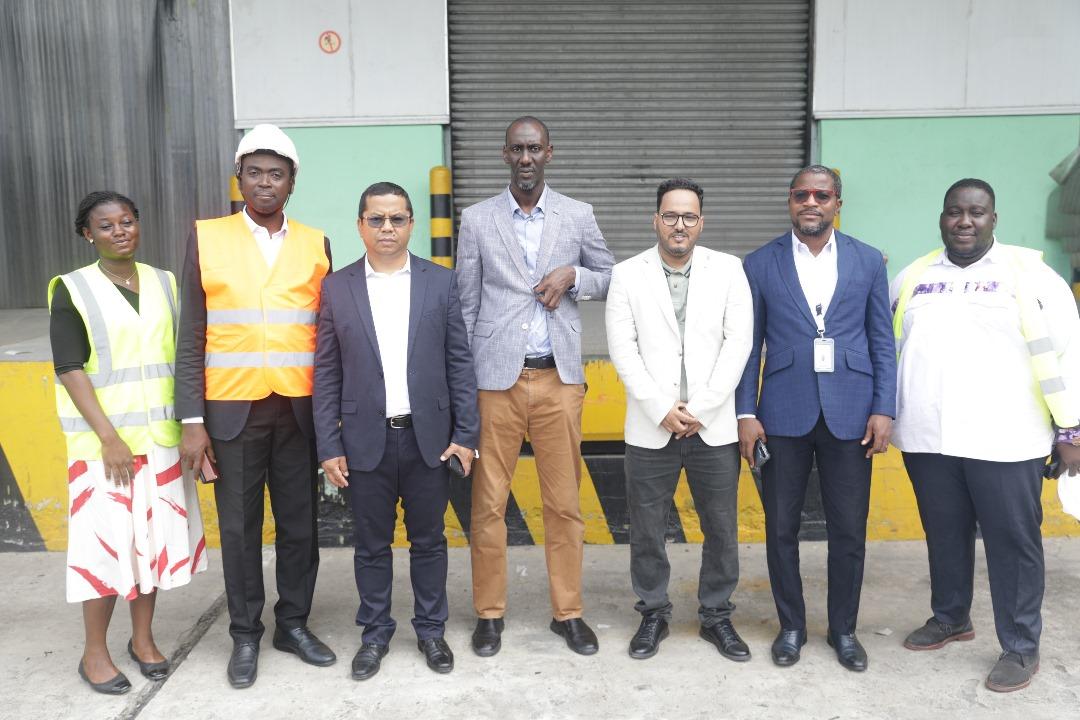
En Mauritanie: Apprentissage Sud-Sud pour une meilleure santé publique
Aminata KANE | 19/06/2025
La CAMEC en mission d’échange à la Nouvelle PSP Côte d’IvoireDans le cadre de ses efforts pour renforcer la chaîne d’approvisionnement en produits de santé en Mauritanie, la Centrale d’Achats de Médicaments, Équipements et Consommables médicaux (CAMEC) a effectué, durant la semaine du 9 juin 2025, une visite d’études et d’échanges à la Nouvelle PSP Côte d’Ivoire.Organisée avec l’appui du programme AI PASS – financé par l’Union européenne et mis en œuvre par Enabel – cette mission visait à renforcer les capacités opérationnelles et l'efficacité organisationnelle de la CAMEC. L’objectif ? S’inspirer des bonnes pratiques internationales pour garantir un approvisionnement durable, sécurisé et accessible en médicaments essentiels de qualité pour la population mauritanienne.Observer, apprendre, adapterPendant plusieurs jours, la délégation composée de M. Aboubacry Ba (Directeur Commercial), M. Ely Cheikh Heyine (Directeur de l’Approvisionnement), et M. Tahina Andrianjafy (Assistant Technique International du AI PASS) a exploré le fonctionnement interne de la Nouvelle PSP CI.Au programme : visites de sites, rencontres avec les équipes opérationnelles, discussions sur la gestion des stocks, la logistique, l’innovation technologique, et les mécanismes d’assurance qualité.Un partenariat stratégique en marcheAu-delà du renforcement de capacités, cette mission a permis d’initier un dialogue fructueux entre deux membres actifs de l’ACAME – l’Association africaine des centrales d’achats de médicaments essentiels. Un réseau continental engagé depuis 1996 pour améliorer l'accès aux médicaments de qualité sur tout le continent.La délégation mauritanienne a chaleureusement salué l’accueil du Dr Kouyaté Ibrahim, Directeur Général de la Nouvelle PSP CI, et de ses équipes, ainsi que le soutien précieux de l’ACAME dans l’organisation de cette immersion professionnelle.Une étape de plus vers une CAMEC plus performante, au service de la santé publique en Mauritanie.
-
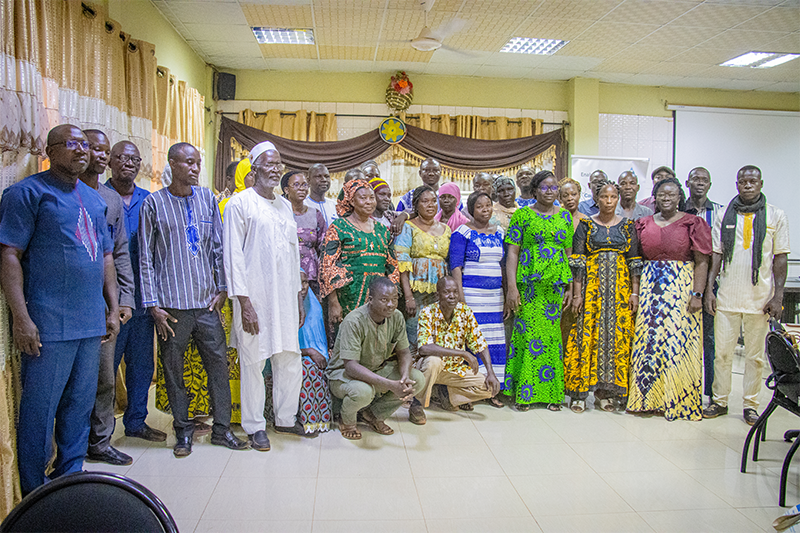
Finance inclusive au Burkina Faso : atelier sur l’approche Société de Cautionnement Mutuel
Wendpouiré Julien NANA | 19/06/2025
Les 27 et 28 mai 2025, la ville de Kaya a accueilli un atelier régional stratégique dédié à l’appropriation de l’approche Société de Cautionnement Mutuel (SCM). Organisé par Enabel, l’agence belge de coopération internationale, en partenariat avec l’ONG Trias, cet atelier s’inscrivait dans la continuité des actions du projet OKD, qui œuvre depuis 2023 à améliorer l’accès au financement des acteurs économiques vulnérables, en particulier les femmes et les jeunes, dans la région du Centre-Nord. L’événement a rassemblé une quarantaine de participants issus de différentes régions du Burkina Faso, incluant des représentants d’administrations publiques, d’organisations professionnelles agricoles, d’institutions de microfinance ainsi que des membres de SCOOPS-CM déjà en activité.Prenant la parole à l’ouverture de l’atelier, Seydou Coulibaly, chef du projet OKD, a rappelé les motivations de cette rencontre : « L’approche SCM, expérimentée depuis 2020 dans le Centre-Nord, commence à porter ses fruits. Il est donc temps d’analyser les difficultés rencontrées et de réfléchir à comment dupliquer cette approche dans le Centre-Nord et pourquoi pas dans tout le Burkina Faso. » Il a souligné que Kaya pouvait être le point de départ d’un véritable processus de montée en échelle. Selon lui, il est impératif que les acteurs concernés s’accordent sur les étapes, les outils et les cadres réglementaires afin de lever les blocages et d’harmoniser les démarches.À ses côtés, le conseiller technique du gouverneur de la région du Centre-Nord, Fidel Ouédraogo, représentant du gouverneur à cet atelier, a salué l’initiative et l’engagement des parties prenantes. Pour lui, cet atelier représente une opportunité concrète de renforcer la dynamique d’inclusion financière. Il a déclaré : « L’approche Société de Cautionnement Mutuel est une solution prometteuse pour favoriser l’accès au crédit des populations vulnérables. Nous devons tous nous engager à faire de ce mécanisme un outil durable de développement. »Pendant deux jours, les participants ont pris part à des communications techniques, des travaux de groupe, des panels et des études de cas permettant de comprendre en profondeur les principes juridiques, organisationnels et pratiques des SCOOPS-CM. Les interventions ont mis en lumière les apports du modèle, notamment en termes de confiance entre les IMF et les coopératives, d’élargissement de l’accès au crédit, de responsabilisation communautaire et d’autonomisation des acteurs. Des témoignages de terrain, dont celui de la SCOOPS Laafi Go, ont illustré les résultats concrets obtenus dans d’autres régions, renforçant la pertinence d’une généralisation de l’approche.Toutefois, plusieurs défis ont été identifiés au cours des échanges : formalisation complexe, manque d’harmonisation des pratiques, fragilité des structures de gouvernance ou encore contraintes sécuritaires. Ces difficultés n’ont pas freiné la dynamique collective. Au contraire, elles ont nourri des discussions constructives, au terme desquelles les participants ont co-construit un plan d’action autour de quatre axes prioritaires : information et sensibilisation, renforcement des capacités, plaidoyer institutionnel, et capitalisation. Ce document stratégique constitue une base solide pour impulser une mise à l’échelle de l’approche SCM dans le Centre-Nord et au-delà.À travers cette activité, Enabel réaffirme son engagement à promouvoir des solutions durables, ancrées dans les réalités locales, et à renforcer les capacités des acteurs pour qu’ils deviennent eux-mêmes les moteurs du changement. L’atelier de Kaya marque ainsi une étape importante dans la structuration d’un écosystème de financement plus inclusif, plus accessible et plus résilient au service du développement économique du Burkina Faso.
-
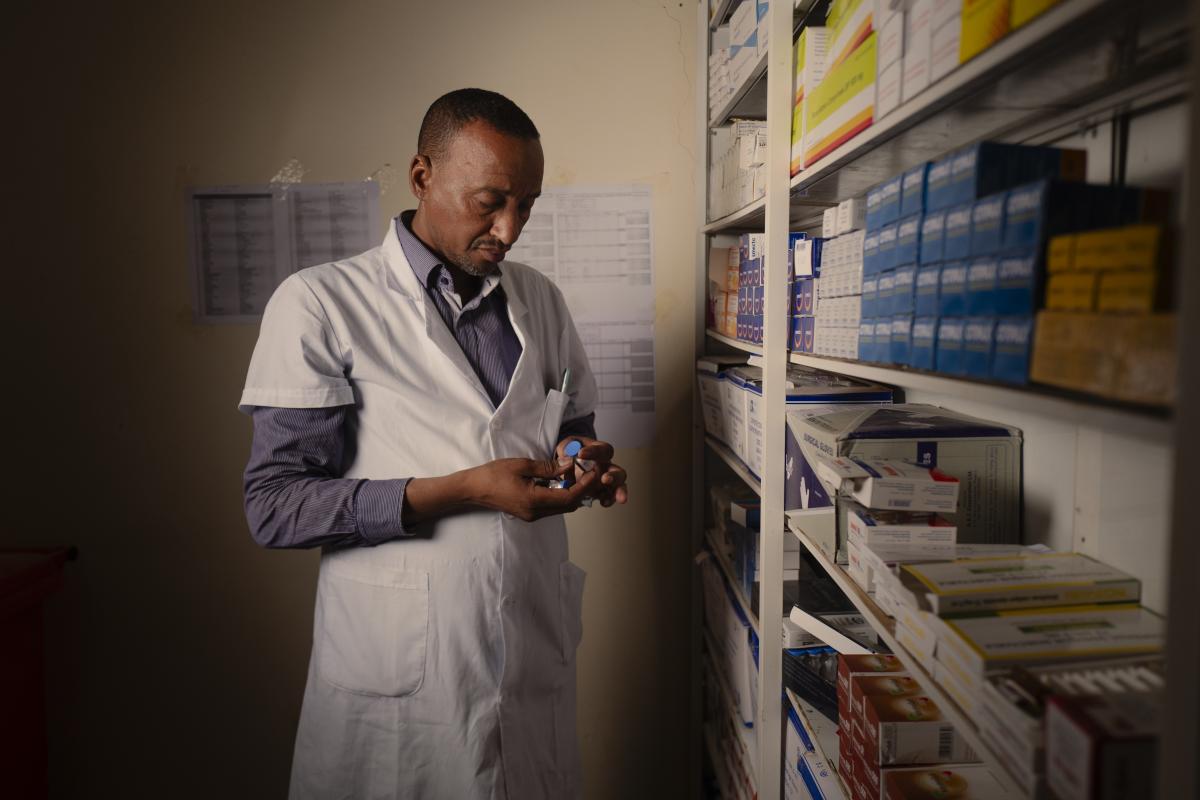
Résumé des actions santé d’Enabel en Mauritanie (AIPASS 3)
Aminata KANE | 18/06/2025
Moderniser la gouvernance sanitaire en Mauritanie : l’action d’Enabel à travers le programme AIPASS3Depuis 2020, Enabel met en œuvre le projet AIPASS 3 – Appui institutionnel au Programme d’Appui au Secteur de la Santé – financé par l’Union européenne. Ce programme vise à accompagner le ministère de la Santé mauritanien dans ses efforts de réforme du secteur, avec une attention particulière portée à la planification, à la digitalisation et à la coordination.Résultats clés :Élaboration de plans de développement sanitaires régionaux dans 5 régionsMise en place du système d'information sanitaire numérique Appui à l’introduction de la budgétisation-programme dans le secteurRenforcement des capacités des cadres régionaux et nationauxCoordination accrue entre les acteurs du secteur et les partenairesCe programme vise un système de santé inclusif, efficace et durable, en phase avec les besoins des populations mauritaniennes.L’article est accompagné de photos de terrain signées Michele Cattani, prises pour l’Union européenne, qui témoignent de l’impact concret des actions menées.Enabel soutient une approche orientée vers l’autonomie institutionnelle, la qualité des soins et la transparence dans la gestion du secteur de la santé, avec une attention particulière à la régionalisation et à la collecte de données fiables.Ce programme s’inscrit dans la vision d’un système de santé plus inclusif, équitable et résilient, au service de toutes et tous.
-
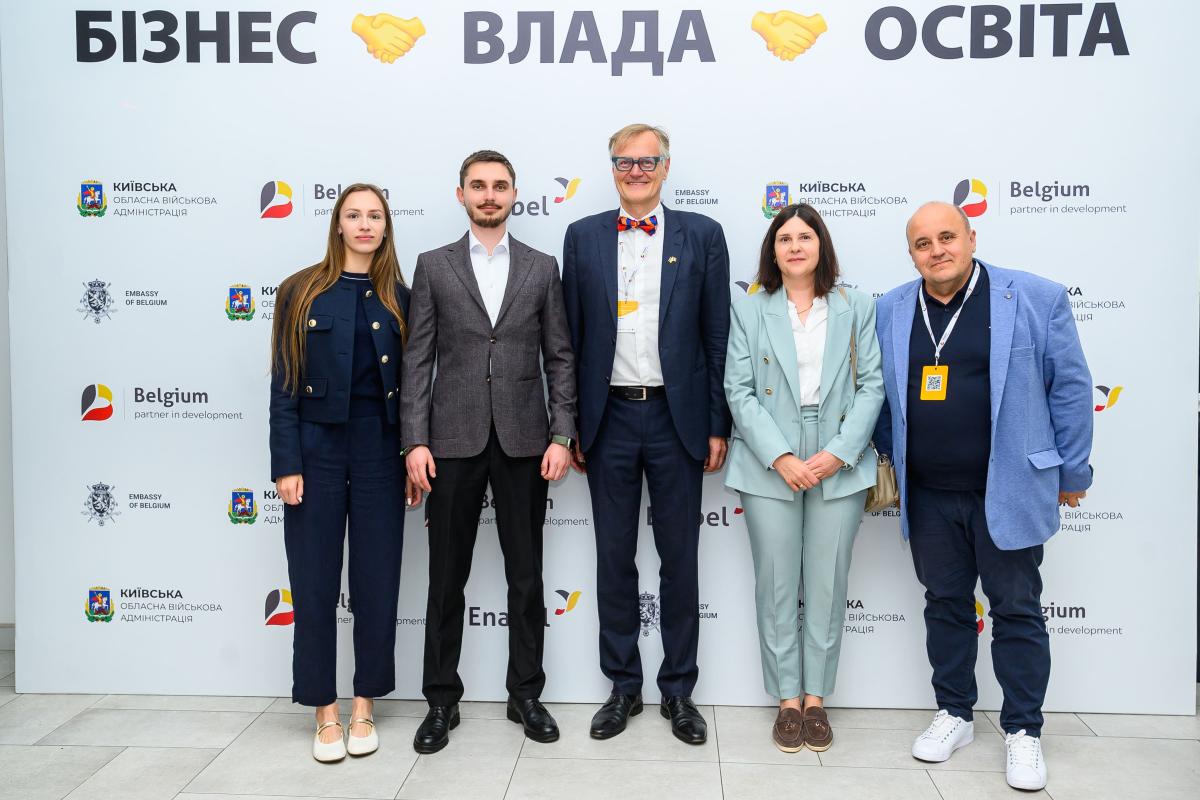
Ukraine: Enabel supports a human capital forum in Bucha
Taisiia DRUZIUK | 18/06/2025
On June 12 2025, a regional forum took place in Bucha, organised by the Kyiv Regional State Administration with support from Enabel and in partnership with the Embassy of Belgium in Kyiv.The "Regional Development Strategy: Synergy of Business, Government, and Education" event served as a platform for dialogue on economic recovery and development in the Kyiv region. Speakers who shared their vision for trilateral cooperation included Head of the Kyiv Regional State Administration Mykola Kalashnyk, Ambassador of Belgium to Ukraine Luc Jacobs, Deputy Minister of Education and Science Dmytro Zavgorodnii, Chairman of the Verkhovna Rada Committee on Education, Science and Innovation Serhii Babak, and Head of the State Tax Service Ruslan Kravchenko. Educational institution leaders presented practical cases of collaboration with the private sector, and business representatives offered their perspectives on human capital development. Enabel Country Director Dirk Deprez and expert Oleksandra Borodiyenko shared how the agency pilots innovations in vocational education and facilitates public-private partnerships between Ukrainian and European organisations. At the forum, Enabel and Bosch Ukraine signed a memorandum to establish the Bosch Junior Academy. This joint project will help VET trainers and students develop practical skills with modern automotive diagnostic equipment and gain hands-on experience in auto mechanics. Support for the event was made possible throught Enabel’s BE-Relieve Ukraine programme. The programme encompasses reconstruction and modernisation of schools, study visits to Belgium for Ukrainian educators and officials, and professional development programmes in partnership with industry-leading businesses.
-
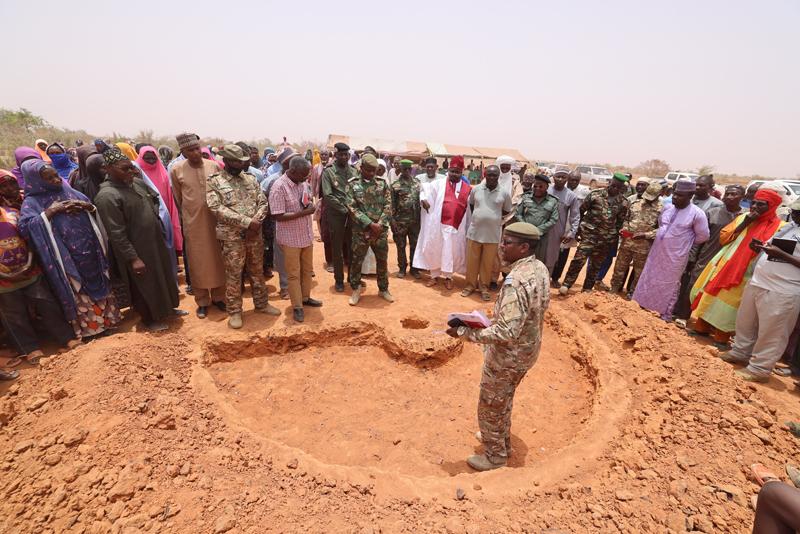
Niger : restauration des terres dégradées dans les régions de Tahoua et Dosso
Halissa HASSAN DAN AZOUMI | 18/06/2025
Dans le cadre du Portefeuille Thématique Climat pour le Sahel – Volet Niger (PTCS-N), financé par le Royaume de Belgique et mis en œuvre par l’Agence de coopération internationale (Enabel) , une campagne de restauration de terres sylvopastorales a été officiellement lancé le 6 mai 2025 dans les régions de Tahoua et Dosso. Cette année 2025, ce sont 400 hectares de terres dégradées qui seront restaurés dans les communes de Matankari, Konni et Sokorbé, dont 100 hectares à travers une méthode innovante appelée HIMO pastorale, mise en œuvre sur le site de Bajada. Les 300 hectares restants seront traités par des techniques biomécaniques sur les sites de Bagagi, Folakam et Baziga.La cérémonie officielle de lancement s’est tenue à Bagagi, sous la présidence du Préfet de Dogondoutchi, en présence des autorités locales, des services techniques de l’environnement et de l’élevage, des chefs traditionnels et des populations bénéficiaires. Elle a été marquée par des discours, la remise symbolique des sites aux prestataires et une mobilisation importante des communautés. Ce programme de restauration a pour objectif de lutter contre la désertification, améliorer les terres de pâturage, créer de l’emploi local et renforcer la résilience des populations face aux effets du changement climatiqueEntre 2023 et 2024, plus de 2 500 hectares ont déjà été restaurés dans la zone d’intervention du projet, avec plus de 500 hectares dans la seule commune de Matankari. À travers cette initiative, Enabel et ses partenaires réaffirment leur engagement pour une gestion durable des terres au bénéfice des communautés sahéliennes.
-
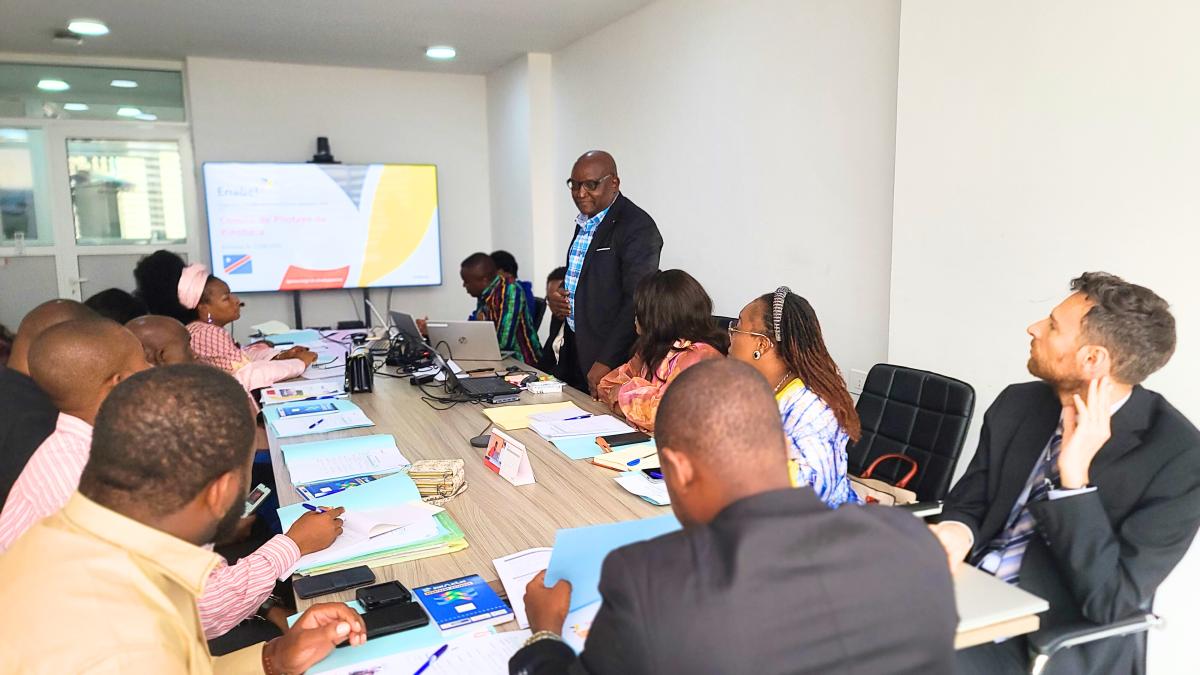
Clôture officielle du PLVS: L'ultime chapitre d'un engagement pour un avenir sans violences en RDC
Mandy BAKINE NGASHUE | 16/06/2025
Le Comité de pilotage du Programme de Lutte contre les Violences Sexuelles (PLVS) s’est réuni pour une séance de clôture marquant la fin du programme à Kinshasa. Cette réunion a permis de présenter et valider le rapport narratif final ainsi que le bilan financier du programme. Elle a également été l’occasion de formaliser le transfert des équipements et matériels aux partenaires concernés, et de décharger l’équipe de gestion du projet et le Comité de pilotage de leurs responsabilités et obligations. Présidée par le Ministère provincial de la Santé, de l’Hygiène et de la Prévention, la séance a adopté plusieurs recommandations clés visant à pérenniser les acquis du programme, notamment en lien avec la prise en charge médicale et juridiques des victimes et survivantes, la prévention des VBG en milieu scolaire, et bien d'autres. Après la présentation et la validation des différents rapports, suivies d’une série de questions d’éclairage, le Directeur de cabinet, Dr Balako, représentant du Ministre provincial de la Santé, de l’Hygiène et de la Prévention, a officiellement déclaré la fin de l’engagement entre Enabel et ses partenaires. Kinshasa étant la dernière zone d’intervention à clôturer le PLVS, ce désengagement marque ainsi la clôture définitive du programme. Face à la partie congolaise, la partie belge était représentée par son Directeur Pays Adjoint, Damien Fontaine. Le PLVS, mis en œuvre depuis 2016 dans le cadre de la coopération bilatérale entre la RDC et la Belgique, a œuvré dans les provinces de la Tshopo, du Sud-Ubangi, de Kinshasa et du Kasaï Oriental pour lutter contre les violences sexuelles à travers la prévention des VBG, la prise en charge holistique des victimes et la lutte contre l’impunité. ________________________________________Doudou Kajangu, Chargé C4D.
-
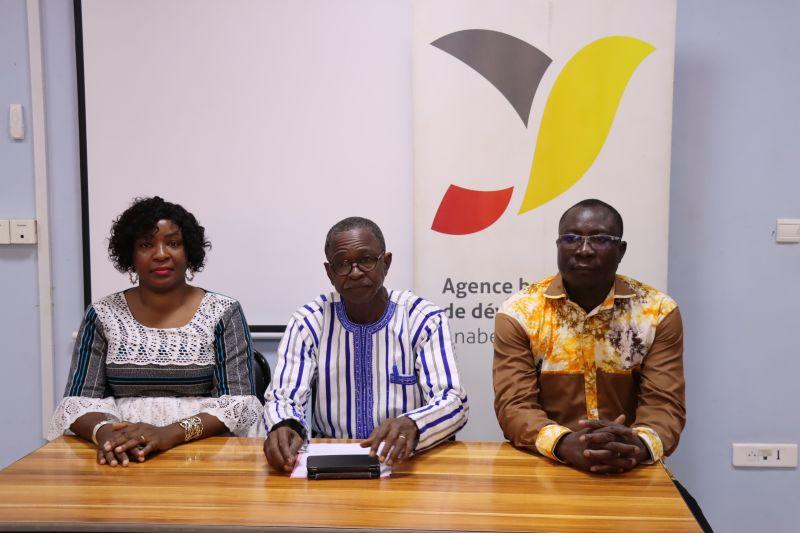
Burkina Faso : Session d'information sur la prévention et la gestion durables des conflits
Geoffroy ZONGO | 16/06/2025
Enabel renforce les capacités des observatoires communautaires dans le Centre-Est Durant le mois de mai 2025, à Tenkodogo, Enabel, l'Agence belge de coopération internationale en partenariat avec le Secrétariat permanent de l'Observatoire national de prévention et de gestion des conflits communautaires (ONAPREGECC), a organisé une session de formation à l'endroit des membres de trois membres du Centre-Est. Cette activité entre dans le cadre du Programme Gouvernance Locale et Cohésion Sociale, mis en œuvre par Enabel, qui vise à renforcer les capacités locales pour une paix durable. Font partie de cette session : l'Observatoire régional du Centre-Est (OREPREGECC), l'Observatoire provincial du Boulgou (OPEPREGECC), et l'Observatoire départemental de Tenkodogo (ODEPREGECC). Répartis dans trois salles différentes, les participants ont bénéficié du même contenu pédagogique, délivré par des formateurs distincts, afin de s'adapter aux réalités des différents niveaux de gouvernance. Environ 15 personnes par salle ont suivi un programme complet centré sur les mécanismes de prévention, d'analyse et de résolution des conflits communautaires. Les formateurs ont adopté une approche participative et interactive, favorisant des échanges d'expériences, des travaux de groupe et des mises en situation concrètes. Parmi les modules dispensés, figuraient : Présentation de l'ONAPREGECC : missions, composition et fonctionnement ; Dynamique et diversité des conflits communautaires ; Techniques de prévention des conflits communautaires ; Techniques d'analyse des conflits communautaires ; Techniques de résolution des conflits communautaires ; Stratégies de mobilisation des ressources endogènes, en vue d'assurer la mise en œuvre des Plans d'actions et le bon fonctionnement des démembrements ; Canevas de collecte des données. Pour Mme Koritimi WANGRE, Secrétaire permanente de l'ONAPREGECC, cette activité vise à rendre les démembrements réellement fonctionnels : « Chaque membre, qu'il soit régional, provincial ou départemental, doit être en mesure de jouer pleinement son rôle dans la prévention des crises qui appartiennent au tissu social. » Un participant, Boukari ZAPSONRE , membre de l'ODEPREGECC/Tenkodogo, a salué la pertinence de la formation : « Nous avons désormais les outils pour analyser les conflits en profondeur et proposer des solutions durables et consensuelles. »Cette session, financée par Enabel dans le cadre du Portefeuille de Coopération bilatérale belgo-burkinabè 2023-2027, illustre une volonté de renforcer les capacités locales et de créer des synergies durables entre les structures régionales, provinciales et départementales. À travers cet appui, Enabel contribue à la consolidation de la paix, à la cohésion sociale et à la gouvernance communautaire au Burkina Faso. La même dynamique se poursuivra dans les mois à venir dans d'autres localités du Centre-Est et du Centre-Nord, toujours avec l'ambition de construire des communautés résilientes et solidaires.