Rechercher
Affichage de 75 à 90 sur 3052 actualités
-
WCEF2026 accelerator session: From policy to practice with digital product passports for circular value chains
Nicoletta FAVARETTO | 31/07/2026
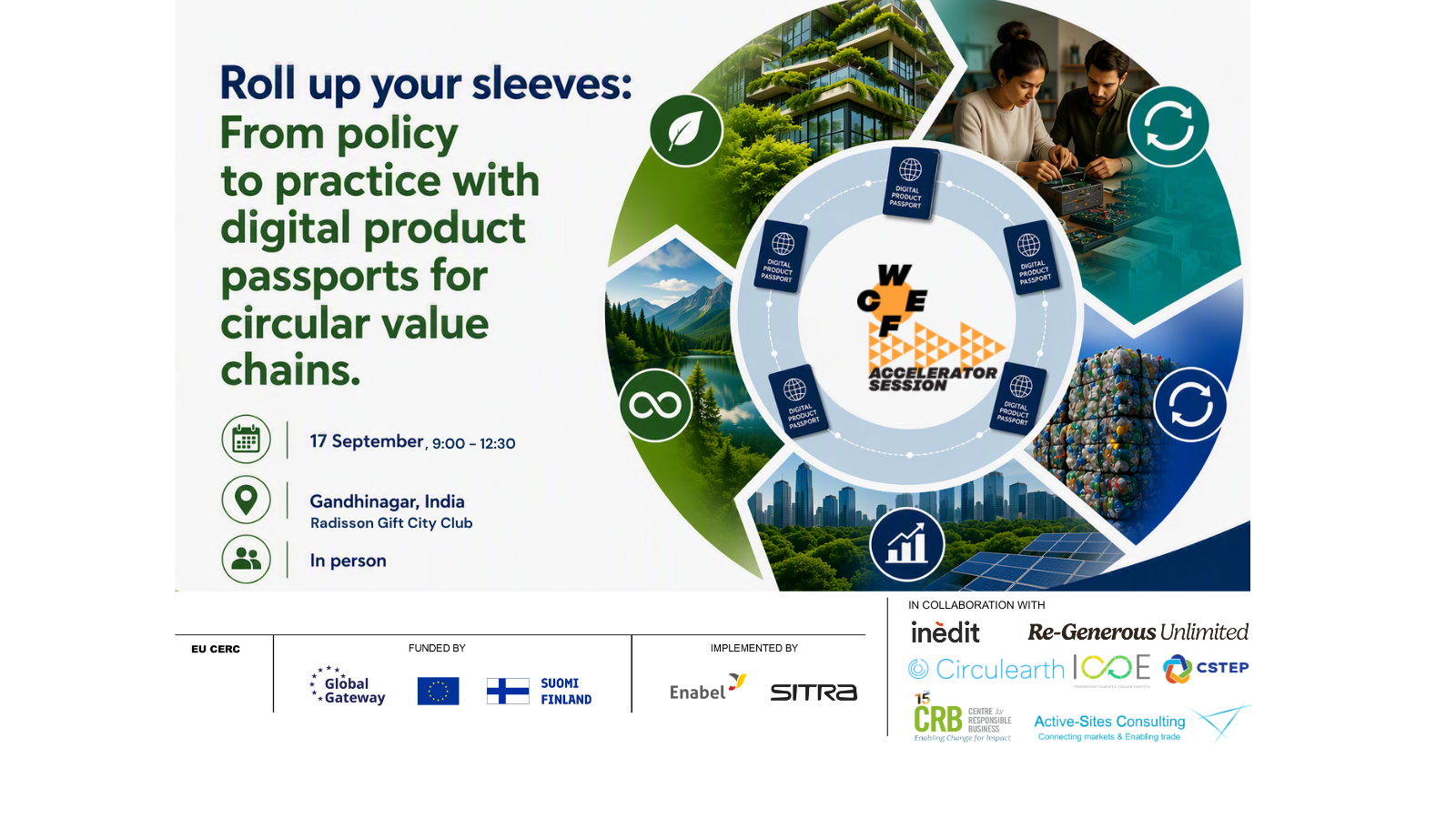
Roll up your sleeves: From policy to practice with digital product passports for circular value chainsJoin us for this accelerator session organised in the framework of the World Circular Economy Forum in Gandhinagar, India.This 3-hour accelerator session will help businesses, business support organisations and public authorities turn digital product passport (DPP) requirements into practical capabilities for ecodesign, circularity and resilient supply-chain collaboration. It will connect the EU regulatory trajectory with the realities of Indian MSMEs and other Global South suppliers, showing how structured product data can support decisions on materials, durability, repairability, environmental performance and circular business models.The programme follows a three-step approach, from policy context to implementation and participant readiness. It will introduce the evolving EU circular economy and DPP landscape, drawing on policy perspectives and experience with the EU Delegation in India; showcase a decentralised, data-sovereign DPP approach; and conclude with a hands-on workshop to identify data needs, stakeholder roles, governance requirements and practical next steps for implementation.The session is organised by Sitra, the Finnish Innovation Fund; Enabel, the Belgian Development Agency; inèdit and Re-Generous Unlimited in the framework of the EU Circular Economy Resource Centre project and by Circulearth; the International Council for Circular Economy; Active-Sites Consulting; the Centre for Responsible Business; and the Center for Study of Science, Technology and Policy.This session is an accelerator session at the World Circular Economy Forum 2026 www.wcef2026.com. WCEF2026 will gather forward-looking thinkers and doers and present the gamechangers in the circular economy. The forum will be held from 15 to 18 September 2026 in Gandhinagar, Gujarat, India.DRAFT PROGRAMME17 September 2026, 09:00 - 12:00Gandhinaghar, India at Radisson Hotel Gift ClubEvolving EU policy: drivers for data in circular economy 09:00-09:10 Opening remarks 09:10-09:25 Keynote address: Evolving EU circular economy and ecodesign policy09:25-09:40 Navigating the EU ESPR: Impact and readiness for Indian markets09:40-09:50 Participant activation exercise09:50-10:20 Panel discussion: Designing a systemic shift through sustainability data utilising EU policy as a lever to create local value10:20-10:30 Policy session closure + Q&A10:30-10:45 Coffee break Towards practice: Workshop on readiness for digital product passports 10:45- 10:55 Workshop introduction and toolkits for BSOs and MSMEs 10:55- 11:40 Breakout session: Digital Product Passport Readiness11:40- 11:50 Synthesis and next steps11:50- 12:00 Closing remarks12:00-12:30 Networking and voluntary speed diagnostic clinics MORE INFORMATION AND REGISTRATION HERE: https://www.eventbrite.be/e/from-policy-to-practice-with-dpps-for-circular-value-chains-tickets-1996...
-

Approche WASH FIT : le Ministère de la Santé et Enabel renforcent les capacités de 74 acteurs pour améliorer durablement les services WASH dans les formations sanitaires
Wendpouiré Julien NANA | 31/07/2026
Ouagadougou, Burkina Faso - Garantir un accès durable à l'eau potable, à l'hygiène et à l'assainissement dans les formations sanitaires constitue aujourd'hui un enjeu majeur pour la qualité des soins, la sécurité des patients et la prévention des infections. C'est dans cette perspective que le Ministère de la Santé, avec l'appui de l'Agence belge de coopération internationale Enabel, poursuit le déploiement de l'approche WASH FIT (Water Sanitation and Hygiene for Health Facility Improvement Tool) dans les régions du Nakambé et de l'Oubri, à travers un vaste programme de renforcement des capacités des acteurs de santé.Développé conjointement par l'Organisation mondiale de la Santé (OMS) et l'UNICEF, WASH FIT est un outil d'amélioration continue qui permet aux formations sanitaires d'évaluer leurs performances en matière d'eau, d'hygiène, d'assainissement et de gestion, d'identifier les risques, de planifier des actions correctives et d'assurer un suivi régulier des progrès réalisés.Une stratégie de déploiement progressiveLe processus de mise en œuvre de l'approche a démarré à Ouagadougou, où s'est tenue une première session de formation nationale des formateurs réunissant 27 participants issus de la Direction de l'Hygiène Publique et de l'Éducation pour la Santé (DHPES), de la Direction de la Qualité des Soins et de la Sécurité des Patients (DQSS), des Directions régionales de la Santé du Nakambé et de l'Oubri ainsi que des équipes d'Enabel et de leurs partenaires.Cette première étape avait pour objectif de constituer un premier noyau de formateurs capables d'accompagner le déploiement harmonisé de l'approche dans les deux régions d'intervention.Le Directeur de l'Hygiène Publique et de l'Éducation pour la Santé, Dr LENGANI Kibsa Paul, a rappelé que l'accès à des services adéquats d'eau, d'hygiène et d'assainissement est bien plus qu'une exigence technique : « L'eau, l'hygiène et l'assainissement constituent un élément fondamental de la qualité des soins, de la prévention et du contrôle des infections ainsi que de la protection des patients, des accompagnants et du personnel de santé. ». Il a également souligné que les crises sanitaires récentes ont démontré la nécessité de disposer de formations sanitaires plus sûres et plus résilientes, faisant de WASH FIT un outil stratégique pour accompagner cette transformation.Des compétences renforcées au plus près des districts sanitairesAprès cette première phase nationale, le dispositif a été déployé au niveau déconcentré. Dans la région du Nakambé, une session de cinq jours organisée à Koupéla a permis de former 35 acteurs provenant des districts sanitaires, des formations sanitaires et des services déconcentrés de l'État.Parallèlement, la région de l'Oubri a accueilli une session similaire réunissant 19 participants. Le déploiement progressif de l'approche sera poursuivi dans des formations sanitaires des districts sanitaires de Koupèla, Garango, Tenkodogo, Pouytenga et Zorgho.Au total, 74 acteurs auront ainsi été mobilisés au cours de cette première phase de renforcement des capacités, illustrant l'ambition commune du Ministère de la Santé et d'Enabel d'assurer une appropriation durable de l'approche WASH FIT.Aller au-delà des infrastructuresPour Enabel, l'amélioration durable des services WASH ne repose pas uniquement sur la réalisation d'infrastructures. Comme l'a expliqué Alimata TALL, Chargée de projet Eau et Assainissement à Enabel, les investissements physiques doivent être accompagnés d'un important travail de renforcement des capacités.Au-delà de la construction ou de la réhabilitation des ouvrages, le programme accompagne les formations sanitaires dans l'élaboration de plans d'amélioration qui serviront de véritables feuilles de route. Ces documents permettront non seulement de planifier les actions prioritaires, mais également de soutenir le plaidoyer auprès des collectivités territoriales, des communautés et d'autres partenaires afin de mobiliser des ressources complémentaires. Elle a également insisté sur l'importance de l'implication des communautés, dont les contributions constituent un levier essentiel pour assurer la mise en œuvre de certaines actions et durabilité des améliorations qui seront engagées dans le déploiement de l’approche WASH FIT au niveau des formations sanitaires.Former aujourd'hui pour transformer durablement les pratiquesAu cours des différentes sessions, les participants ont été formés sur l'ensemble des piliers de l'approche WASH FIT : l'eau potable, l'assainissement, l'hygiène des mains, la gestion des déchets biomédicaux, l'entretien des locaux, la résilience face aux changements climatiques ainsi que les dimensions liées au genre et à l'inclusion sociale. Les travaux ont alterné présentations théoriques, exercices pratiques, études de cas, travaux de groupe, visites de terrain et élaboration de plans d'amélioration adaptés aux réalités de chaque formation sanitaire.Pour le Directeur régional de la Santé du Nakambé, Dr Lendé TOUGRI, cette formation marque une étape décisive : « L'accès à des services adéquats d'eau, d'hygiène et d'assainissement dans nos établissements de santé n'est pas un luxe mais une nécessité fondamentale. Sans un environnement WASH de qualité, tous nos efforts pour offrir des soins de qualité resteront limités. »Il a invité les participants à faire des connaissances acquises un véritable levier de transformation dans leurs districts sanitaires afin que les bénéfices de la formation se traduisent concrètement pour les patient·e·s et les communautés.Des résultats déjà perceptiblesLes premiers résultats de cette phase de formation sont encourageants. Selon les facilitateurs, l'évaluation des connaissances réalisée avant et après la session de Koupéla montre une progression significative des acquis des participants. Les moyennes observées sont passées d'environ 13/20 avant la formation à près de 16 à 17/20 à son issue, témoignant d'une meilleure maîtrise des outils et de la méthodologie WASH FIT. Pour LOMPO Tamba, facilitateur de la formation, cette progression constitue un signal positif pour la suite du déploiement.Les participants repartent désormais avec les compétences nécessaires pour accompagner la mise en œuvre de l'approche dans leurs districts sanitaires. Cet enthousiasme est partagé par les bénéficiaires eux-mêmes. Pour Arsène KONKONBO, Conseiller de santé au Centre médical du district sanitaire de Koupéla, la formation arrive à un moment opportun.Elle permettra aux équipes sanitaires d'améliorer leurs pratiques, de mettre en place leurs équipes WASH FIT, d'élaborer leurs plans d'amélioration et surtout de passer à l'action au bénéfice des populations.Une dynamique appelée à se poursuivreCette première phase de renforcement des capacités marque le point de départ d'un processus plus large d'accompagnement des formations sanitaires dans les régions du Nakambé et de l'Oubri.Les formateurs désormais outillés auront la responsabilité d'accompagner les équipes WASH FIT au sein des établissements de santé, de suivre la mise en œuvre des plans d'amélioration et de favoriser une appropriation durable de l'approche.À travers cette initiative, Enabel réaffirme son engagement aux côtés du Ministère de la Santé pour renforcer durablement la qualité des services de santé au Burkina Faso. En investissant dans les compétences des femmes et des hommes qui font vivre les formations sanitaires au quotidien, le partenariat contribue à bâtir un système de santé plus résilient, plus sûr et davantage centré sur les besoins des populations
-

European Union-backed €15.5 million initiative to unlock investment in Uganda’s tourism sector
Dorothy KYAMAZIMA | 29/07/2026
The Government of Uganda has welcomed a new multi-partner initiative to unlock investment in the East African country’s growing tourism sector and create opportunities for small businesses with the potential to create jobs, grow the private sector and provide an inclusive economic boost for the country. The €15.5 million Sustainable Tourism Value Chain Initiative (2026–2030) is funded by the European Union and implemented by Enabel, the Belgian agency for international cooperation, the United Nations Capital Development Fund (UNCDF), the United Nations Educational, Scientific and Cultural Organization (UNESCO) and the United Nations Development Programme (UNDP).The initiative seeks to address key structural barriers that continue to limit investment and growth across Uganda’s tourism ecosystem, particularly for micro, small and medium enterprises (MSMEs), which remain constrained by limited access to finance, high borrowing costs, fragmented value chains and inadequate investment readiness support.“Uganda is taking deliberate steps to unlock the full potential of tourism as a driver of jobs, investment and inclusive growth,” said Mrs. Doreen Silver Katusiime, Permanent Secretary at the Ministry of Tourism, Wildlife and Antiquities. “Our focus is on building a more coordinated, investment-ready and globally competitive sector by improving standards, strengthening partnerships and supporting the development of world-class tourism experiences that create lasting value for communities and the economy.” The European Union said that the initiative reflects its broader commitment to sustainable development, green growth and private sector development in Uganda. “The European Union sees tourism not only as an economic sector, but also as a tool for sustainable development,” said H.E. Jan Sadek, Ambassador of the European Union to Uganda. “Over the years, EU support has contributed to heritage promotion, conservation, skills development and community-based tourism initiatives. We have seen encouraging progress in tourism infrastructure, the strengthening of local value chains and a growing recognition of the importance of sustainability in tourism planning and investment.” Uganda’s tourism sector, especially its nature-based attractions, holds enormous potential to drive exports, earn foreign exchange, create jobs, strengthen rural livelihoods and enhance inclusive economic development. The investment initiative follows a 2025 government report that showed international tourism receipts topped US$ 1.2 billion in 2024, accounting for 16% of total exports. Without targeted backing, small and locally based operators risk being left behind, particularly in the absence of stronger coordination, increased investment and improved infrastructure. The initiative seeks to help smaller operators become more competitive in an inclusive and investable tourism ecosystem by improving tourism promotion and market access, leveraging digital platforms, and strengthening tourism value chains and community linkages. The expanded access to finance for tourism MSMEs and investment in standards, skills development and workforce training aims to enhance competitiveness, sustainability and Uganda’s global tourism positioning. Access to finance remains central to the initiative. UNCDF will strengthen access to finance for tourism MSMEs through blended finance instruments, tailored financial products and investment readiness support designed to unlock investment and crowd in private capital for sustainable tourism enterprises. Through partnerships with financial institutions, UNCDF will reduce the risks associated with lending to tourism businesses and expand access to affordable financing, particularly for women and youth-led enterprises. UNDP will focus on strengthening the enabling environment through advancing government policies, strategies and regulatory frameworks aimed at improving the business climate for enterprise growth and investment. “UNDP and UNCDF are proud to walk alongside the Government of Uganda and all our partners in building a tourism sector that is not only economically powerful but also environmentally sustainable and socially inclusive. The work we are doing today, reforming policies, strengthening coordination, unlocking investment for tourism MSMEs and expanding access to innovative financing solutions, is supporting the foundation for a sector that will deliver dividends for generations,” said Ms Nwanne Vwede-Obahor, UNDP Resident Representative in Uganda, and representing UNCDF in the country. Enabel and UNESCO will complement these efforts by strengthening tourism value chains and Uganda’s positioning as a prime and sustainable tourism destination. “When tourism is built around culture, nature, and people, it creates real opportunities for jobs for young people, stronger communities, and lasting economic value. Through this initiative, UNESCO is proud to support a tourism model for Uganda that protects its heritage, benefits local communities and attracts responsible investment, making sustainability a true source of competitiveness,” said Ms Louise Haxthausen, UNESCO Regional Director for Eastern Africa. “Tourism has the potential to be one of Uganda’s strongest drivers of inclusive and sustainable growth, positioning the country as a leading destination for responsible travel while ensuring that communities are at the heart of its success. Our ambition is to unlock tourism’s full potential as a catalyst for local economic transformation by connecting communities, enterprises and destinations to opportunities that create jobs, strengthen resilience and support shared prosperity,” said Mr. Nicolas Oebel, Country Director, Enabel. This initiative reflects a broader shift toward integrated development approaches that combine destination competitiveness, financing, policy reform, enterprise development and sustainability to unlock private investment and build a pipeline of investable tourism opportunities across Uganda. By aligning national priorities with coordinated international efforts, the initiative aims to lay the foundation for a tourism sector that is competitive, inclusive, resilient and globally investable.
-

Nutrition en Mauritanie : la consolidation des plateformes régionales multisectorielles se poursuit, avec l'appui du projet SYSALIM
Aminata KANE | 28/07/2026
La Mauritanie renforce l'organisation de la lutte contre la malnutrition dans ses régions. Après Rosso, dans le Trarza, où le Gouvernement et ses partenaires ont présenté un nouveau cadre national pour mieux coordonner les actions de nutrition, c'est au tour de Kaédi, dans le Gorgol, d'accueillir une rencontre pour former l'équipe régionale chargée de ce travail. Ces rencontres réunissent les autorités locales, les élus, les services de santé, ainsi que plusieurs organisations internationales comme l'UNICEF, le Programme alimentaire mondial, la FAO et World Vision. Elles s'inscrivent dans les priorités fixées par le président Mohamed Ould Cheikh El Ghazouani et le gouvernement mauritanien.Parmi les partenaires qui soutiennent cet effort, l'Union européenne et Enabel jouent un rôle important à travers le projet SYSALIM. À Kaédi, Fodé Niang, Project Manager d'Enabel, a rappelé une réalité difficile : près d'un enfant mauritanien sur quatre souffre de retard de croissance à cause d'une mauvaise alimentation, et plus de 4 femmes en âge d'avoir des enfants sur 10 souffrent d'anémie. Le Gorgol, où se tenait la rencontre, fait partie des régions les plus touchées du pays. Une étude de terrain récente montre que le problème n'est pas seulement un manque d'information. Les familles savent souvent que certains produits, comme les cubes bouillon, ne sont pas bons pour la santé — mais continuent à les utiliser parce qu'ils donnent facilement bon goût aux plats. À l'inverse, des aliments locaux et nutritifs comme le niébé ou les légumes séchés restent peu consommés. Comprendre ces habitudes est essentiel pour agir efficacement. L'objectif des rencontres de Rosso et de Kaédi est simple : que chaque région dispose d'une équipe capable de réunir tous les acteurs concernés — santé, agriculture, éducation — autour d'un même plan pour mieux nourrir les enfants et les femmes. En soutenant cette démarche, SYSALIM financé par l'Union européenne et mis en oeuvre Enabel confirment leur engagement aux côtés de l'État mauritanien pour améliorer la nutrition des populations les plus vulnérables.
-
Enabel et ses partenaires soutiennent 12 villages déclarés FDAL à Safané et Siby grâce à l’engagement communautaire
Geoffroy ZONGO | 28/07/2026
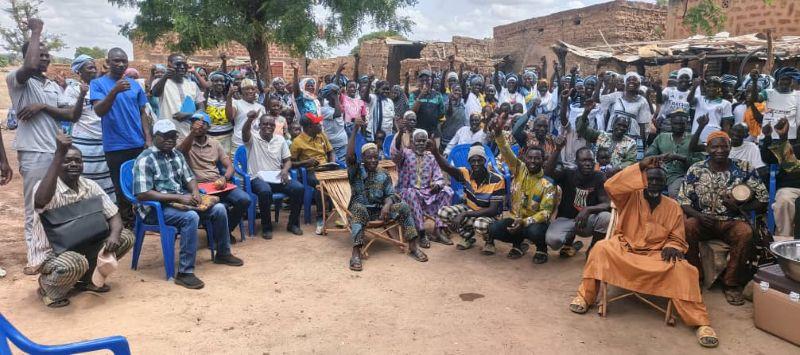
Safané/Siby, Burkina Faso – Une nouvelle étape vient d’être franchie dans l’amélioration durable des conditions d’hygiène et d’assainissement dans les communes de Safané et de Siby. Dans le cadre du projet « Assainissement Résilient et Inclusif à Safané et Siby pour l’Éradication de la Défécation à l’Air Libre (ARISE-Bankui) », mis en œuvre par le consortium WaterAid–AMUS avec l’appui financier de l’Union européenne à travers l’Agence belge de coopération internationale, Enabel, douze villages ont été officiellement déclarés Fin de la Défécation à l’Air Libre (FDAL) à l’issue des évaluations conduites par les autorités provinciales. Cette avancée résulte de la mise en œuvre de l’approche Assainissement Total Piloté par la Communauté (ATPC), qui a permis le déclenchement de 27 villages et la relance des villages supplémentaires dans les communes de Siby et de Safané. Cette démarche participative place les communautés au cœur du changement des comportements en matière d’assainissement et d’hygiène. Une évaluation rigoureuse sous la supervision des autorités provinciales Avec l’appui technique de la Direction Régionale de l’Agriculture de l’Eau des Ressources Animales et Halieutiques (DRAERAH) quinze villages ont été soumis à une évaluation du 13 au 22 juillet 2026, quinze villages ont été soumis à une évaluation par les comités provinciaux présidés respectivement par les Hauts-Commissaires de la province des Balé et de la province du Mouhoun. À l’issue de ce processus, 12 villages ont satisfait aux critères requis pour être déclarés FDAL, dont 10 villages dans la commune de Safané et 2 villages dans la commune de Siby. Cette reconnaissance consacre les efforts soutenus des populations, des leaders communautaires, des services techniques déconcentrés ainsi que des équipes du consortium WaterAid–AMUS qui accompagnent les communautés dans l’adoption de pratiques d’hygiène plus sûres et plus durables. Enabel et l’Union européenne engagés pour un assainissement durable À travers le Projet Lasso WASH, dont s’inscrit l’initiative ARISE-Bankui, Enabel et l’Union européenne réaffirment leur engagement en faveur de l’amélioration de l’accès aux services d’eau, d’hygiène et d’assainissement au Burkina Faso. L’objectif est de renforcer la résilience des populations, de réduire les risques sanitaires liés à la défécation à l’air libre et de promouvoir des environnements plus sains et plus inclusifs. L’obtention du statut FDAL dans ces douze villages illustre l’efficacité des approches communautaires soutenues par les partenaires techniques et financiers. Au-delà de la construction d’ouvrages, l’accompagnement d’Enabel dans ces actions ne vise pas uniquement l’élimination physique des fèces dans l’environnement, mais surtout l’ancrage durable de l’abandon de la défécation à l’air libre dans les mentalités et les pratiques quotidiennes des communautés en insistant sur les actions de changement des comportements, l’appropriation locale et la responsabilisation des populations. Une contribution conforme à la vision du Gouvernement burkinabè Ces résultats s’inscrivent pleinement dans la vision du Gouvernement du Burkina Faso, qui ambitionne d’améliorer durablement l’accès des populations aux services d’assainissement et d’éliminer progressivement la pratique de la défécation à l’air libre. En favorisant l’adoption de bonnes pratiques d’hygiène et en renforçant l’appropriation communautaire des actions d’assainissement, le projet ARISE-Bankui contribue à l’atteinte des objectifs nationaux de santé publique, de dignité humaine et de développement durable. À travers cette réussite, le consortium WaterAid–AMUS, avec le soutien de l’Union européenne et d’Enabel, démontre que la mobilisation communautaire demeure un puissant levier pour transformer durablement les conditions de vie des populations rurales et bâtir des communautés plus résilientes, plus saines et plus inclusives. La déclaration FDAL de ces 12 villages constitue une étape déterminante dans le processus de certification des communes de Safané et de Siby en tant que communes FDAL. Elle marque ainsi une avancée significative vers un Burkina Faso débarrassé de la défécation à l'air libre et engagé sur la voie d'un assainissement durable.
-
Insertion socioéconomique des jeunes : les formations théoriques lancées à Kindia, Mamou et Dubréka !
Jacques LENO | 27/07/2026
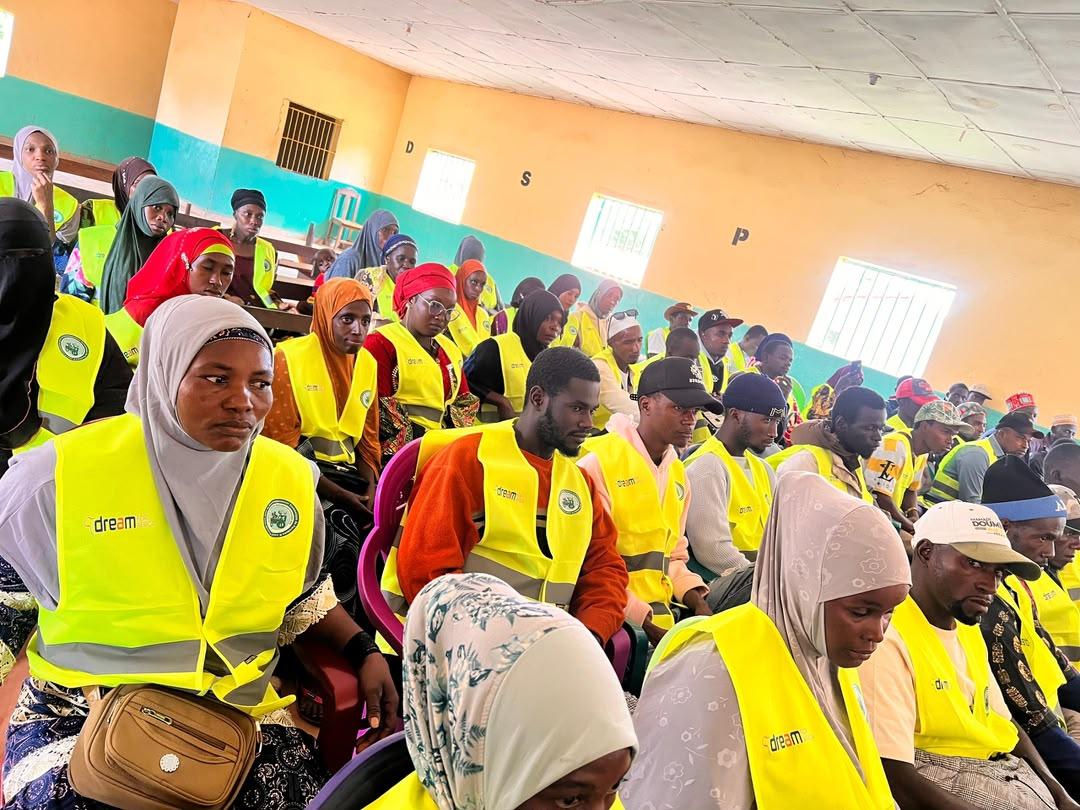
Dans le cadre des activités mises en œuvre par le comité mixte AGUIPE-E/CIOJE, les jeunes bénéficiaires identifiés dans les préfectures de Kindia, Mamou et Dubréka ont entamé leur phase de formation théorique en vue de leur insertion durable à travers des activités génératrices de revenus. À Kindia, deux groupes sont actuellement en formation : Premier groupe : accompagné par la Fédération des Planteurs des Filières Fruits de la Basse Guinée, il regroupe 250 jeunes, dont 67 femmes, 11 jeunes femmes ayant des enfants à charge et 7 personnes en situation de handicap. Les bénéficiaires sont formés aux filières ananas-papaye, banane et courgette dans la commune rurale de Friguiagbé.Deuxième groupe : encadré par la FOPMA (Fédération des Organisations Paysannes Maraîchères de la Basse Guinée), il compte 100 jeunes, dont 6 femmes, avec une mère ayant un enfant à charge. Cette cohorte bénéficie d’une formation spécialisée dans la filière maraîchère. À Mamou, dans la sous-préfecture de Porédaka, 100 bénéficiaires, dont 28 femmes et 4 nourrices, suivent une formation dans la filière apicole. Cette activité est conduite avec l’appui de la CODEP (Coopérative pour le Développement de Porédaka). À Dubréka, 198 participants, parmi lesquels 54 femmes, dont 26 nourrices sont formés dans les filières riz et maïs, afin de renforcer leurs capacités techniques et entrepreneuriales dans ces secteurs porteurs. Ils sont encadrés par la Fédération des Organisations Paysannes des Vivriers et Saliculteurs. Cette phase théorique sera suivie de formations pratiques, qui marqueront le début de la phase d’expérimentation sur le terrain. Les jeunes bénéficieront ensuite d’un accompagnement pour la structuration de leurs activités génératrices de revenus, avec l’appui des incubateurs, en vue de favoriser leur autonomisation économique et leur insertion durable. Ces activités sont mises en œuvre avec l’accompagnement technique d’Enabel, l’Agence belge de développement, et grâce à l’appui financier de l’Union européenne, engagés aux côtés des acteurs nationaux pour promouvoir l’emploi, l’entrepreneuriat et les perspectives économiques des jeunes en Guinée.
-

En Mauritanie: Les Champs Écoles Paysans Intégrés (CEPI) : des premiers résultats prometteurs pour l'agriculture et la résilience des communautés
Aminata KANE | 24/07/2026
Les résultats préliminaires du suivi post-récolte (Post-Harvest Monitoring, PHM), réalisé par l'équipe du projet MIRECAM avec l'appui des techniciens prestataires chargés de l'encadrement de proximité des Champs Écoles Paysans Intégrés (CEPI), confirment les premières retombées positives de cette approche sur les 20 sites d'intervention du projet.Des rendements encourageants sur 38 hectaresÀ partir de mesures réalisées à l'aide de carrés de rendement, les équipes ont estimé la production sur une superficie totale de 38 hectares cultivés dans le cadre des CEPI. Les résultats font état de 95 tonnes de gombo, 237,5 tonnes de pastèque, 190 tonnes de melon et 1 425 tonnes de fourrage vert (Maralfalfa), soit une production globale estimée à 1 947,5 tonnes.Le fourrage vert représente à lui seul plus de 73 % de cette production. Une proportion qui illustre le double objectif de l'approche CEPI : renforcer la sécurité alimentaire des ménages tout en soutenant l'alimentation du cheptel, un enjeu central pour les communautés pastorales et agropastorales de la zone d'intervention.Un impact qui dépasse les chiffres de productionAu-delà des volumes récoltés, les CEPI démontrent leur efficacité comme outil de transfert de connaissances. Après avoir suivi des sessions de renforcement de leurs capacités techniques, les facilitateurs ont chacun déjà partagé les compétences acquises avec au moins dix personnes, issues à la fois des populations déplacées et des communautés hôtes.Une approche qui renforce la résilience ruraleCes premiers résultats confirment que l'approche des Champs Écoles Paysans Intégrés ne se limite pas à l'amélioration des rendements agricoles. En favorisant l'apprentissage collectif et la diffusion des bonnes pratiques entre populations déplacées et communautés hôtes, les CEPI contribuent également au renforcement de la cohésion sociale et de la résilience des communautés rurales face aux crises.
-

Mieux comprendre le recours aux services de santé dans les zones d’action d’Enabel au Burundi
Jean BIRONKWA | 24/07/2026
Pourquoi certains services de santé sont-ils largement utilisés alors que d’autres restent peu connus ou peu fréquentés ? Une étude menée dans les zones d’action de Enabel au Burundi apporte des éléments de réponse à partir des connaissances, des pratiques et des expériences des communautés. Réalisée dans 13 communes de sept districts sanitaires des anciennes provinces de Cibitoke et Kirundo, l’étude a combiné une enquête auprès de 1590 ménages, 14 discussions de groupe et 45 entretiens avec des prestataires de soins, des agents de santé communautaires, des responsables institutionnels, des leaders religieux et des partenaires du secteur de la santé. L'objectif n'était pas seulement de mesurer l'utilisation des services, mais surtout de comprendre pourquoi certaines actions fonctionnent mieux que d'autres. Les centres de santé, premier recours face à la maladie Dans les trois mois précédant l’enquête, 71,1 % des ménages avaient compté au moins une personne malade. Le paludisme était la maladie la plus fréquemment citée (52,9 %). Face à la maladie, 65,1 % des ménages ayant signalé au moins une personne malade avaient consulté un centre de santé, tandis que plus d’un ménage sur trois n’y avait pas eu recours. L’automédication arrivait en deuxième position parmi les types de recours, avec des proportions variant de 11,7 % à 23,4 % selon les situations analysées. Ces résultats varient selon les districts : à Cibitoke, par exemple, 76,5 % des ménages avaient connu un épisode de maladie, mais seulement 51,1 % avaient consulté un centre de santé, ce qui montre qu’un besoin de soins ne se traduit pas toujours par un recours effectif aux services. Des obstacles économiques, organisationnels et socioculturels Plusieurs obstacles influencent le recours aux soins sont rapportés : la pauvreté (73,8 %), le manque d’argent ou le coût des soins (43,8 %), les ruptures de médicaments (29,2 %) et l’influence des croyances traditionnelles ou religieuses (21,4 %). Les frais de transport, les délais d’attente et la qualité de l’accueil jouent aussi un rôle important. Le recours aux soins dépend ainsi à la fois des conditions économiques, du fonctionnement des services, des normes socioculturelles et de l’expérience vécue par les communautés. Une expérience des soins globalement positive, mais fragilisée Parmi les personnes ayant utilisé les services, 78,4 % se déclaraient satisfaites ou très satisfaites. Cette appréciation coexistait avec des motifs d’insatisfaction : manque de médicaments, délais d’attente, attitude de certains membres du personnel, insuffisance des examens disponibles et qualité perçue des soins. Les communautés ont également souligné les dépenses liées au transport ou à l'achat de médicaments en pharmacie privée, ainsi que l'importance de l'accueil et du respect dans leur décision de revenir vers un service de santé. Des écarts importants entre connaissance et utilisation L’étude révèle des situations très différentes selon les domaines de santé. Certains services sont bien intégrés : 85,9% des femmes avaient effectué au moins quatre consultations prénatales et 92,4% avaient accouché dans une formation sanitaire. D’autres étapes du parcours de soins restent fragiles : seules 25 % des femmes avaient bénéficié d’une consultation postnatale, et 9,5 % des répondants seulement pouvaient citer au moins cinq signes de danger pendant la grossesse. La planification familiale illustre aussi cet écart : 96,8 % des répondants en connaissaient l’existence, mais seulement 37,3 % des répondants mariés utilisaient une méthode de contraception (29,5 % à Cibitoke contre 44,5 % à Kirundo), freinées par la crainte des effets secondaires, les convictions religieuses, l’opposition du conjoint. Les services de santé sexuelle et reproductive pour adolescents et aux jeunes restaient peu visibles : seuls 40,1 % des répondants en connaissaient l’existence. La santé mentale, un besoin visible mais des services encore peu identifiés Près d’une personne sur deux déclarait connaître dans son entourage une personne souffrant d’un trouble mental. Pourtant, seuls 8,3 % savaient qu’une prise en charge existait dans leur centre de santé, et 4,7 % avaient déjà consulté un professionnel. Les représentations traditionnelles restent présentes : 37,8 % associent les troubles mentaux à la sorcellerie, 16,6 % aux mauvais esprits, même si 56,3 % savaient qu’un traitement médical existe. Des agents de santé communautaires reconnus Les agents de santé communautaires sont un point d’appui essentiel du système de santé : 91 % des répondants connaissaient leur rôle et 89,2 % se déclaraient satisfaits de leur travail. Pourtant, 61,5 % n’avaient participé à aucune séance de sensibilisation au cours des trois mois précédents. À travers ces résultats, l’enquête documente les écarts entre les services proposés, leur connaissance par la population et leur utilisation effective. Elle apporte ainsi au ministère de la Santé publique, à ses partenaires et à Enabel une base concrète pour adapter les actions aux réalités vécues par les communautés. Contacts : Dr Jacques NAHIMANA : jacques.nahimana@enabel.be Dr Joséphine NKUADIO TULANDA : josephine.nkuadio@enabel.be
-

Community-based preparedness and resilience in action: the cases of Mossuril and Namacurra
Velsoma CUMBANA | 23/07/2026
What does it actually mean to build resilience with communities, rather than for them? In northern and central Mozambique, two districts are putting that question to work. Community-based preparedness and resilience are one of those phrases repeated so often in the development sector that we rarely stop to think what it truly means. Simple in its formulation but pointing to something concrete: the idea that the people who live with risk every day are also the ones best placed to understand it, plan for it, and act on it. In April 2026, local government officials, sectoral technicians, and community representatives from different sectors: education, planning, health, agriculture, and finance convened in the Namacurra and Mossuril districts (Zambézia and Nampula provinces respectively) to validate their Disaster Risk Reduction Action Plans (DRRAP). This collaboration represents a pivotal step towards empowering local communities that face climate-related hazards in a country recognised as one of the most vulnerable. Where the process started The foundation of community-based preparedness is that before proposing solutions, the community must actively participate in defining the problems they face. In both districts, structured dialogues allowed community members to identify and map their risks, assess existing capacities, and outline their priorities for disaster risk reduction and resilience building. Those insights were integrated into district technical planning, cross-referenced with data, and refined through workshops facilitated in partnership with the National Institute for Disaster Risk Management (INGD). The validation workshops served as the final confirmation that the plans reflected community contributions and local realities. Three Pillars of Practice Achieving meaningful resilience requires a multifaceted approach. In Mossuril and Namacurra, this effort is anchored on three interconnected pillars: Climate‑resilient multi‑purpose shelters In many coastal and inland districts of Mozambique, schools frequently serve as evacuation centers. However, these structures often lack the necessary design and construction features to withstand high winds or flooding. To address these challenges, the first pillar focuses on transforming schools into multi-use resilient shelters. This transformation includes upgrading facilities to ensure safe sleeping arrangements, privacy, and functional sex-segregated WASH facilities. It also involves integrating menstrual hygiene provisions, proper lighting, and accessibility features such as ramps, adapted toilets, and handrails. By reinforcing and enhancing these facilities, they can function both as centers of learning and emergency shelters, without compromising either role. Alongside the physical work, this initiative empowers the school-based local risk management committees. These committees will be trained to activate, manage, and deactivate shelter spaces, following a well-defined protocol. Each shelter is equipped with an emergency kit, and a management model is established, led by the public sector and supported by community contributions wherever feasible. Readiness is tested through shelter activation simulations, ensuring practical preparedness. Community‑based early warning system and livelihoods protection Local farmers and fishers possess invaluable environmental knowledge that can save lives. However, existing early warning and response structures, including the Local Committee for Disaster Risk Management (CLGRD), the community fishing council, and extension services, are often under-resourced and poorly integrated. This limitation hinders effective disaster risk management, particularly for vulnerable groups. Additionally, insufficient protection of livelihood assets, such as farm fields, small livestock, fishing boats, and gear, is a significant issue, as these are often not covered by practical preparedness and response protocols. This disproportionately affects women and female-headed households, who frequently have fewer resources, limited access to recovery support, and greater responsibility for household food security and care work. To address these challenges, the second pillar enhances community knowledge by introducing structured hydrometeorological information tailored to local needs. Improving local monitoring networks and linking them with official hydrometeorological data enables communities to better prepare and respond to emergencies. Resilient housing Many community houses are not designed or reinforced to withstand cyclones or floods, leaving vulnerable households highly exposed to extreme weather events. The third pillar aims to promote the development of housing models that can endure severe weather conditions. By utilising local skills and materials, the objective is to create adaptable solutions that communities can scale according to their unique contexts and financial capacities. Enhancing the technical skills of local artisans and engaging local authorities and influential figures is crucial. Building this capacity can foster a supportive environment for the widespread adoption of these resilient housing models, ensuring that communities are better equipped to face climate-related challenges and effectively safeguard their homes. Inclusion beyond a checkbox People do not experience disasters in the same way. Women and girls, persons with disabilities, older persons, and youth each face specific barriers – not only during a crisis, but in the systems meant to support them. A woman who does not own a phone, who carries the household’s care responsibilities, or who is less likely to attend a community meeting may never receive a warning in time. These realities shaped the questions asked at every stage of the process: How do we ensure women and young people are active members of risk management committees, not just present in the room? How does early warning information reach people who face barriers to accessing or acting on it? How are schools, when used as temporary shelters, designed to be safe, accessible, and dignified for everyone, with gender-segregated spaces, inclusive sanitation, and protection from violence and discrimination? These are not easy questions. But the action plan names them explicitly, which means they will be part of the implementation, and part of the accountability. What We Learned from the Process? The process made one point very clear: budgets are not just technical tools. They are the bridge between DRR priorities on paper and real, tangible action in communities. Without dedicated planning and budgeting at district level, Disaster Risk Reduction (DRR) remains a set of good intentions rather than a concrete, operational commitment. The actions proposed in Mossuril and Namacurra are a practical pathway to strengthen and institutionalize DRR planning and budgeting within district governance. By integrating DRR into regular development and investment plans, districts can build continuity, local ownership, and long-term sustainability. Another central lesson is that community resilience cannot be built by a single institution, actor or sector. Effective DRR is inherently collaborative. It depends on coordinated efforts by communities, local authorities, civil society organizations and development partners, bringing together local knowledge, technical expertise and institutional support. What comes next With the plans validated and roles clearly defined, Enabel will launch a call for proposals to support the implementation of the agreed priorities. All activities are expected to be completed within 20 months from January 2026. The first communities to benefit will be Cabaceira Pequena in Mossuril, and Namatida-rio in Namacurra – localities selected by the districts themselves through a jointly agreed technical process. At its best, community-based preparedness and resilience is not a toolkit or a checklist. It is a stance: a decision to treat people who live with risk every day as experts in their own situation, and to design systems that amplify their knowledge and capacity, rather than replace them. In Mossuril and Namacurra, that stance has produced two concrete district action plans. The real test begins now: turning those plans into action.
-

Renforcer les nouvelles équipes cadres de province pour accompagner la réforme administrative du système de santé
Jean BIRONKWA | 23/07/2026
À la suite de la réforme administrative de 2025, le Burundi a engagé une profonde réorganisation de son système de santé afin d'améliorer sa gouvernance et de rapprocher davantage les services de santé des populations. Pour accompagner cette transition, le Ministère de la Santé publique (MSP), en partenariat avec Enabel à travers le projet UE-PASS-FBP3 « AMAGARA MU MURYANGO », financé par l'Union européenne, a organisé du 13 au 17 juillet à Gitega un atelier de renforcement des capacités destiné aux nouvelles équipes cadres de district. Cette initiative s'inscrit dans les efforts visant à assurer une mise en œuvre efficace de la réforme et à renforcer les capacités de pilotage du système de santé aux niveaux intermédiaire et décentralisé. Accompagner une réforme majeure du système de santé La réforme administrative a redessiné l'organisation territoriale du Burundi et conduit à la mise en place de cinq provinces sanitaires et de 56 districts sanitaires. Cette nouvelle architecture s'est accompagnée de la nomination de nouvelles équipes responsables de la gestion des services de santé au niveau déconcentré et décentralisé. Ces nouveaux responsables sont appelés à assurer le pilotage du système de santé au plus près des communautés, avec pour mission de garantir l'accès de la population à des soins de qualité, de coordonner les interventions sanitaires et d'accompagner les formations sanitaires dans la mise en œuvre des politiques nationales. Cette évolution constitue une étape importante dans le renforcement de la décentralisation du système de santé. Elle implique toutefois que les nouveaux responsables s'approprient rapidement leurs rôles, leurs responsabilités et les outils de gestion nécessaires à l'exercice de leurs fonctions. Renforcer les compétences des nouveaux responsables Afin d'accompagner cette évolution institutionnelle, le ministère de la Santé publique et Enabel ont réuni les nouvelles équipes cadres dans un atelier combinant présentations techniques, échanges d'expériences et réflexion collective sur les défis liés à la mise en œuvre de la réforme. L'objectif de cette formation était de permettre aux participants de mieux maîtriser leurs nouvelles fonctions, de clarifier leurs responsabilités et de disposer des outils techniques et managériaux nécessaires pour assurer une gouvernance efficace des districts sanitaires. L'atelier a réuni les médecins directeurs provinciaux ainsi que les principaux chefs de service des nouvelles directions provinciales de santé. Un programme de formation complet pour le pilotage des provinces et districts sanitaires Animées par des experts du Ministère et d'Enabel, les différentes sessions ont couvert l'ensemble des fonctions stratégiques attendues des équipes cadres. Les participants ont notamment renforcé leurs compétences en matière d'organisation des directions provinciales de santé, de gestion des ressources humaines, de leadership, de gouvernance et de redevabilité. Les échanges ont également porté sur la gestion des infrastructures, de la chaîne d'approvisionnement en médicaments et autres intrants de santé, des ressources financières, du système d'information sanitaire ainsi que sur les approches de planification, de suivi -évaluation et de supervision formative. Le programme a également intégré des modules consacrés à la qualité des soins, à la santé communautaire, au financement basé sur la performance et à l'intégration de la santé mentale dans les soins de santé primaires. Au-delà des contenus techniques, la formation a permis aux participants d'échanger sur les difficultés rencontrées dans la mise en œuvre de la réforme, d'harmoniser leurs pratiques et de renforcer la collaboration entre les différents niveaux de gouvernance du système de santé.
-

Bobumue Buetu : quand la musique devient un levier d'emploi pour la jeunesse du Kasaï
Paola VANGU TSAKALA | 23/07/2026
À Mbuji-Mayi, le projet Jeunesse Créative accompagne les jeunes talents vers une professionnalisation durable des métiers de la musique. Avec l'album Bobumue Buetu (« Notre unité »), artistes et techniciens démontrent que la culture peut être un véritable moteur d'emploi, d'entrepreneuriat et de cohésion sociale.Un album qui révèle les talents du KasaïPrésenté au public les 30 et 31 mai 2026 à l'espace La Kasaïenne , lors de deux concerts, l'album Bobumue Buetu (« Notre unité ») est l'aboutissement de neuf mois de création, de formation et de collaboration entre dix jeunes artistes et dix techniciens en régie lumière et son de Mbuji-Mayi. Composé de douze titres, l'album est désormais disponible sur les principales plateformes de diffusion. Les chansons abordent des thématiques fortes telles que l'éducation, la résilience, l'égalité, la paix et la valorisation de la culture kasaïenne. Au-delà de la production musicale, cette aventure collective a permis aux participants de constituer un portfolio professionnel, de renforcer leur visibilité et d'acquérir une meilleure compréhension des mécanismes qui permettent de transformer une passion artistique en une activité génératrice de revenus. , porte-parole du collectif.Structurer une filière musicale créatrice d'opportunitésCette réalisation est le fruit de l'accompagnement du projet Jeunesse Créative, mis en œuvre par Enabel en partenariat avec Africalia. Pendant neuf mois, les jeunes artistes et techniciens ont suivi un programme complet combinant gestion de carrière, arrangement musical, coaching vocal, communication artistique, production musicale ainsi que techniques de régie lumière et son. En mettant simultanément sur le développement des compétences artistiques et techniques, le projet contribue à structurer un écosystème culturel local plus solide. Une approche qui répond à un besoin souvent exprimé par les acteurs du secteur : disposer de professionnels qualifiés à chaque étape de la chaîne de valeur musicale. À travers Bobumue Buetu, le projet Jeunesse Créative démontre que l'investissement dans les industries culturelles et créatives constitue un levier concret pour favoriser l'emploi des jeunes, encourager l'entrepreneuriat et promouvoir le riche patrimoine culturel du Kasaï. En renforçant les compétences des artistes comme des techniciens, il contribue à faire émerger une filière musicale plus autonome, plus compétitive et porteuse d'emplois durables.
-

La Farmer Business School transforme les coopératives
Paola VANGU TSAKALA | 23/07/2026
Dans la province de la Tshopo, le projet Agriculture familiale d'Enabel accompagne les producteurs et productrices vers une agriculture plus performante grâce à l'approche Farmer Business School (FBS). Bien plus qu'une méthode de conseil agricole, cette école d'entrepreneuriat agricole permet aux exploitations familiales de développer une véritable culture de gestion et d'entrepreneuriat. Une nouvelle façon de voir l'agriculture À Yadjali, un village situé à près de 20 kilomètres d'Isangi, le quotidien de Madame Mbende Gisèle , productrice de riz depuis plus de vingt ans et présidente de la Société coopérative des producteurs de riz, à pris une nouvelle dimension. Là où l'on ne parlait autrefois que de surfaces à désherber et d'agriculture familiale de subsistance, elle raisonne aujourd'hui en coûts de production, marges bénéficiaires et opportunités de marché. « Cette formation FBS m'a appris à mieux exercer mon métier d'agriculteur et à garantir la nourriture de ma famille. Je vais mettre en pratique toutes ces leçons pour augmenter nos revenus. Ma décision est prise : je change ma manière de travailler, notamment en recherchant de meilleures semences afin de faire de mon agriculture une activité rentable. » , confie-t-elle avec un sourire plein d'espoir. Depuis mars 2026, une quarantaine de coopératives accompagnées par le projet Agriculture familiale d'Enabel participe aux formations Farmer Business School. Cette approche va au-delà de la transmission de techniques agricoles : elle réveille l'esprit d'entreprise qui sommeille chez les producteurs et les aide à considérer leur exploitation comme une véritable activité économique. Des coopératives plus fortes, des communautés plus résilientes Dans les territoires d'Isangi et d'Opala, plus de 1 300 membres de coopératives , dont 60 % de femmes , sont formés dans 25 villages grâce à cette approche. À terme, le projet prévoit la création de 45 classes Farmer Business School , afin d'étendre cette dynamique entrepreneuriale à un plus grand nombre de producteurs. Pour Pierre Bonama , rencontré lors d'une session de formation à Yagole, les changements sont déjà perceptibles. « Avant, je travaillais au jour le jour, sans boussole. Cette formation m'a appris à planifier mes activités et à respecter le calendrier agricole. » Comme lui, de nombreux producteurs adoptent progressivement une véritable culture de gestion. Les coopératives renforcent leur organisation interne, la planification devient un réflexe et les décisions sont prises sur la base d'une vision économique plus durable. En créant davantage de valeur au sein de leurs exploitations, ces femmes et ces hommes améliorent les revenus de leurs ménages, renforcent la sécurité alimentaire et redonnent toute sa dignité au métier d'agriculteur. À travers la Farmer Business School, Enabel contribue ainsi à bâtir des coopératives plus solides et une économie rurale plus dynamique dans la province de la Tshopo.
-

Journée mondiale des compétences des jeunes : investir dans les compétences numériques pour préparer l'avenir
Paola VANGU TSAKALA | 23/07/2026
À l'occasion de la Journée mondiale des compétences des jeunes, Enabel a mis en lumière les actions menées pour renforcer les compétences numériques des jeunes en République démocratique du Congo. À Mbuji-Mayi, le projet Formation, Emploi et Entrepreneuriat (FEE) accompagne les jeunes vers les métiers du numérique afin de favoriser leur employabilité et leur capacité à entreprendre. Des compétences numériques pour répondre aux défis du marché de l'emploiEn partenariat avec GOMYCODE et INCUBAKOR, le projet Formation, Emploi et Entrepreneuriat (FEE) a permis à 131 jeunes, femmes, entrepreneurs et formateurs d'obtenir une certification dans plusieurs métiers du numérique. Les bénéficiaires ont été formés dans des domaines à fort potentiel tels que le développement web, la cybersécurité, l'intelligence artificielle, le design graphique, le montage vidéo, le e-commerce et le développement d'applications mobiles. Ces formations leur offrent des compétences recherchées sur le marché de l'emploi et renforcent leur capacité à s'adapter à l'évolution rapide des technologies. Un investissement pour l'avenir de la jeunesse congolaiseLe développement des compétences numériques représente aujourd'hui un levier essentiel pour favoriser l'insertion professionnelle, encourager l'entrepreneuriat et réduire la fracture numérique. À travers le projet FEE, Enabel contribue à créer un environnement propice à l'émergence d'une jeunesse qualifiée, innovante et capable de saisir les opportunités offertes par l'économie numérique. En renforçant les compétences des jeunes, le projet participe également au développement économique et social de la République démocratique du Congo. À l'occasion de cette Journée mondiale des compétences des jeunes, Enabel a réaffirmé son engagement à investir dans le potentiel de la jeunesse congolaise, convaincue que les compétences d'aujourd'hui sont les moteurs des emplois et des innovations de demain
-

Analyse et utilisation des données sanitaires : les districts de Dédougou et de Tenkodogo renforcent leurs capacités pour mieux décider et mieux agir
Wendpouiré Julien NANA | 22/07/2026
Du 6 au 11 juillet 2026 à Dédougou puis du 13 au 18 juillet 2026 à Tenkodogo, le ministère de la Santé, à travers la Direction générale des études et des statistiques sectorielles (DGESS) et sa Direction des statistiques sectorielles et de l’évaluation (DSSE), avec l’appui technique et financier de l’Agence belge de coopération internationale (Enabel) via le Programme Accès et Redevabilité en matière de Droits et Santé Sexuels et Reproductifs en Afrique de l’Ouest ( PARD-AO), a organisé deux sessions de formation au profit des membres des Équipes cadres de district (ECD) et des Infirmiers chefs de poste (ICP). L’objectif est de renforcer leurs compétences en analyse et utilisation des données sanitaires afin d’améliorer la prise de décision à tous les niveaux du système de santé.Ces sessions décentralisées constituent la continuité de la formation des formateurs organisée quelques semaines plus tôt à Ouagadougou. Elles marquent une nouvelle étape dans la mise en œuvre du Plan stratégique du Système national d’information sanitaire (SNIS) 2026-2030, qui ambitionne de faire des données sanitaires un véritable outil de pilotage des politiques et des interventions de santé.Faire des données un outil d'actionLe Burkina Faso dispose aujourd'hui d'un Système national d'information sanitaire (SNIS) structuré et décentralisé, qui permet de collecter les données de routine sur l'ensemble du territoire. Toutefois, la qualité des décisions dépend non seulement de la disponibilité de ces données, mais également de leur qualité, de leur analyse et de leur utilisation. C'est pour répondre à cet enjeu que la DGESS, à travers la DSSE, a développé une approche visant à instaurer une véritable culture de l'analyse des données au niveau opérationnel. Après une phase pilote conduite dans plusieurs districts sanitaires entre 2023 et 2025, l'initiative est progressivement étendue à d'autres districts avec l'accompagnement d'Enabel.Selon le Dr Amadou Boro, représentant de la DSSE, cette formation répond à un constat partagé par les acteurs du système de santé : « Nous collectons beaucoup de données, mais leur qualité laisse souvent à désirer. Celui qui produit les données doit pouvoir les analyser afin de prendre des décisions avant même leur transmission. »Il a également rappelé que la transformation numérique du secteur de la santé impose désormais une vigilance accrue quant à la qualité et à la sécurité des données, notamment celles relatives aux patients. La relance du comité national sur la qualité et la sécurité des données sanitaires, resté inactif depuis plusieurs années, s'inscrit dans cette dynamique.Une formation résolument pratiqueDurant cinq jours, les participants ont alterné exposés théoriques, exercices pratiques, travaux de groupe et plénières autour de situations réelles rencontrées dans leurs districts sanitaires.Les modules ont porté sur la conduite des réunions d'analyse des données (RAD), le contrôle qualité des données issues du DHIS2, l'analyse des indicateurs liés à la santé de la reproduction, au paludisme et au VIH, ainsi que l'élaboration de plans de résolution des problèmes à partir des résultats observés. Une attention particulière a également été accordée à la pérennisation de cette démarche, à travers des mécanismes de restitution dans les formations sanitaires et un suivi assuré par les Directions régionales de la santé et les équipes cadres de district.Une démarche construite avec les districtsPrenant la parole à Dédougou, Célestin Compaoré, Chef de projet Droits et Santé sexuels et reproductifs (PARD-AO) à Enabel, a rappelé que cette activité est directement issue d'un processus de co-construction mené avec le ministère de la Santé : « L'une des choses qu'Enabel promeut, c'est la co-création : bâtir avec les communautés, les bénéficiaires et les différents praticiens. »Selon lui, les ateliers précédemment organisés ont permis de définir, avec les acteurs eux-mêmes, les actions prioritaires pour moderniser le système d’information sanitaire. Les formations de Dédougou et de Tenkodogo constituent ainsi l’une des premières traductions concrètes du Plan stratégique du SNIS 2026-2030. Il a également salué l’engagement des Médecins-chefs de district et des équipes locales, dont la mobilisation a permis l’organisation de ces sessions dans les meilleures conditions.Développer une culture de l’analyse au niveau localPour le Dr Nathalie Ouédraogo, Médecin-chef du district sanitaire de Dédougou, le principal défi réside moins dans la collecte que dans l’exploitation des données : « Les données sont collectées et transmises, mais nous n’avons pas encore cette habitude de nous asseoir pour les analyser, identifier ce qui n’a pas marché et améliorer nos interventions. »À travers cette formation, les agents de santé devront désormais être capables de conduire eux-mêmes des réunions d’analyse des données, d’interpréter les tendances observées et de prendre des décisions adaptées à leur contexte local, sans attendre systématiquement les orientations du niveau central. L’ambition est également que les participants assurent la restitution des acquis auprès de leurs collègues dans les centres de santé et les centres médicaux, afin que l’ensemble des équipes adopte une démarche commune d’analyse et d’utilisation des données.Des données de qualité pour des décisions plus efficacesAu-delà du renforcement des compétences individuelles, ces formations contribuent directement à la mise en œuvre du Plan stratégique du SNIS 2026-2030 et au renforcement durable du système national d’information sanitaire.En développant les capacités des acteurs à produire des données de qualité, à les analyser et à les transformer en actions concrètes, le ministère de la Santé avec l’appui de ces partenaires comme Enabel ambitionne de faire des données sanitaires un véritable outil de gouvernance et de pilotage des politiques publiques.Après la formation des formateurs organisée à Ouagadougou, les sessions de Dédougou et de Tenkodogo marquent une étape importante dans le déploiement national de cette approche. Elles illustrent la volonté commune du ministère de la Santé et d’Enabel, à travers le PARD-AO, de renforcer une culture de la décision fondée sur des données probantes au service d’un système de santé plus performant et plus résilient.
-

Bénin : une nouvelle loi sur l'environnement, fruit d'un partenariat durable entre le Gouvernement et Enabel
Reece-hermine ADANWENON | 17/07/2026
Le Bénin vient de franchir une étape majeure dans le renforcement de sa gouvernance environnementale. Le 13 juillet 2026, l'Assemblée nationale a adopté à l'unanimité la loi n°2026-15 portant loi sur l'environnement, remplaçant ainsi la loi-cadre de 1999 après vingt-sept années d'application. Cette réforme offre au pays un cadre juridique modernisé, adapté aux nouveaux défis liés au changement climatique, à la gestion des ressources naturelles, à la lutte contre les pollutions, à l'évaluation environnementale et au développement durable. Le nouveau texte comprend 145 articles répartis en huit titres et vingt-quatre chapitres, incluant notamment un rôle renforcé des collectivités territoriales dans la gestion environnementale. À travers le projet PASPort dans sa phase I, mise en œuvre entre 2019 et 2023, Enabel a accompagné ce processus en mobilisant une approche fondée sur l'expertise nationale, le dialogue interinstitutionnel et la co-construction.Un cadre juridique à bout de souffleLa précédente loi-cadre, la n° 98-030 du 12 février 1999, avait fini par montrer ses limites face à l'évolution des enjeux écologiques. Or, dès la Constitution du 11 décembre 1990, le Bénin avait pourtant inscrit la protection de l'environnement parmi ses priorités : son article 27 reconnaît à toute personne le droit à un environnement sain et en fait un devoir partagé entre citoyens et État. Après vingt-sept ans d'application de la loi de 1999, un texte à la hauteur des défis actuels s'imposait. Le nouveau texte, structuré en 145 articles répartis en 24 chapitres et 8 titres, couvre désormais l'ensemble des dimensions de la politique environnementale : protection des ressources naturelles, préservation du milieu humain, lutte contre les pollutions, évaluation environnementale, mesures incitatives et dispositions pénales. Il accorde également une place renforcée aux collectivités territoriales décentralisées dans la gestion écologique, une avancée avantageuse par la Commission du Plan, de l'Équipement et de la Production (C3), présidée par l'honorable Joseph Anani, qui a porté le projet devant les députés. Une expertise collective au service de la réformeLe travail a reposé sur la constitution d'un groupe pluridisciplinaire d'experts couvrant les différents domaines de l'environnement.Entre 2020 et 2023, près d'une vingtaine d'ateliers d'écriture, de relecture et de validation ont été organisés avec l'appui financier du projet PASPort. Le premier atelier s'est tenu à Lokossa en novembre 2020 et a marqué le lancement d'un important travail de réécriture. Cette dynamique collaborative a permis de produire un avant-projet de loi enrichi par les contributions d'un expert du Service public fédéral belge chargé de l'Environnement, avant sa transmission au Gouvernement pour la poursuite du processus législatif. Parallèlement, le même dispositif de concertation a permis d'élaborer huit projets de décrets d'application portant notamment sur :la gestion des déchets ;la qualité de l'air ;les normes relatives aux eaux résiduaires ;la gestion du bruit ;les huiles usagées ;les déchets dangereux ;ainsi que d'autres domaines essentiels à la mise en œuvre de la future loi.Renforcer durablement les politiques publiquesPour Enabel, cette réforme illustre pleinement sa mission d'accompagnement des politiques publiques au service d'un développement durable et inclusif. Au-delà de l'appui technique, l'ambition est de renforcer durablement les capacités des institutions nationales afin qu'elles puissent élaborer et mettre en œuvre des cadres répondant réglementairement aux besoins du pays et aux engagements internationaux du Bénin. L'adoption de cette loi démontre également que les effets d'un projet de coopération peuvent se prolonger bien au-delà de sa période de mise en œuvre. Bien que le projet PASPort soit clôturé, les investissements réalisés dans le renforcement institutionnel continuant aujourd'hui de produire des résultats structurants. L'engagement d'Enabel ne s'arrête pas à l'adoption de la loi. Des ressources sont déjà prévues afin d'accompagner l'élaboration des textes réglementaires complémentaires ainsi que les actions de vulgarisation de la nouvelle législation. L'objectif est de permettre une appropriation effective de cette réforme par l'ensemble des acteurs concernés et de contribuer à une mise en œuvre efficace sur l'ensemble du territoire. À travers cette collaboration avec le Ministère du Cadre de Vie et des Transports, chargé du Développement Durable, Enabel réaffirme son engagement à accompagner le Bénin dans le renforcement de ses institutions et la construction de politiques publiques au service d'un développement durable, résilient et inclusif.