Search
Viewing 45 to 60 of 3052 news
-
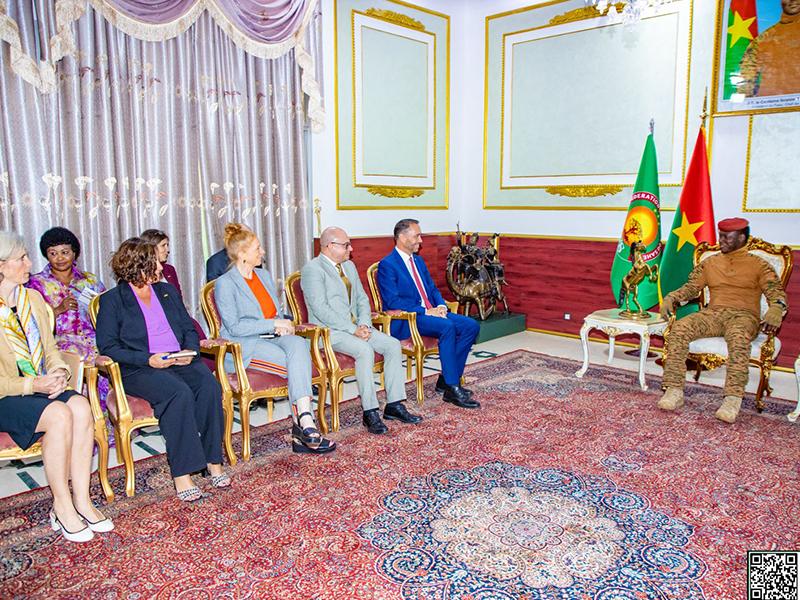
Le Ministre belge des Affaires étrangères à la découverte des résultats de la coopération au Burkina Faso
Wendpouiré Julien NANA | 28/08/2026
En visite officielle au Burkina Faso, Maxime Prévot,Ministre belge des Affaires étrangères s’est rendu, le 26 août, dans les bureaux d’Enabel à Ouagadougou. L’occasion de découvrir des résultats concrets de la coopération belge et une approche fondée sur l’alignement avec les priorités nationales, l’implication des partenaires burkinabè et la recherche de solutions durables adaptées aux territoires.Des solutions adaptées aux réalités des territoiresDoté de 34,5 millions d’euros de financement belge pour la période 2023-2027, le programme de coopération bilatérale intervient dans 20 communes et associe État, société civile et secteur privé. Son ambition : renforcer la capacité des territoires et des communautés à faire face aux chocs, à s’adapter et à valoriser leurs potentiels pour un développement plus inclusif et durable. La visite a permis d’en présenter trois dimensions complémentaires : services sociaux de base, autonomisation socioéconomique et gouvernance territoriale.Dans le domaine de la santé, les échanges ont illustré une approche combinant amélioration de l’offre et de la qualité des soins, renforcement de la gouvernance sanitaire et implication des communautés, notamment à travers le Centre mère-enfant, les COGES et les Agents de santé à base communautaire.Transformer les potentiels économiques en emplois et revenusL’autonomisation socioéconomique constitue un autre levier essentiel de cette résilience. Dans le secteur agricole, Germain Traoré, Directeur régional de l’Agriculture du Nakambé, a illustré les changements obtenus grâce à l’adoption de pratiques agricoles innovantes. Sur 60 hectares, les rendements sont ainsi passés de 3 à 4 tonnes de riz par hectare en 2024 à plus de 5 tonnes en 2025. Une progression qui se traduit directement dans les conditions de vie des ménages : 10 600 personnes peuvent désormais couvrir leurs besoins de consommation en riz pendant 6 à 8 mois de l’année. Un résultat qui montre comment l’amélioration de la productivité agricole peut contribuer à renforcer durablement la sécurité alimentaire des populations.L’enjeu est d’aller au-delà de la production : structurer les chaînes de valeur, soutenir l’entrepreneuriat et faciliter l’accès aux financements et aux marchés. Le parcours de Rosine Parkouda à Koupèla en est une illustration concrète : partie d’une activité d’une dizaine de poules, son entreprise atteint aujourd’hui environ minimum 1000 poules tous les trois mois et emploie une trentaine de personnes.Construire la résilience à l’échelle des territoiresLa gouvernance constitue le troisième pilier présenté au Ministre. Les interventions accompagnent notamment la planification territoriale, le dialogue entre acteurs, la prévention des conflits et la participation citoyenne.Trois plans stratégiques d’aménagement et de gestion des équipements urbains ont ainsi été développés à Kaya, Pouytenga et Tenkodogo. La démarche comprend également des schémas d’aménagement à Korsimoro et Boussouma et des mécanismes favorisant la participation des femmes et des jeunes. Le projet de territoire Korsimoro–Boussouma–Kaya, particulièrement apprécié par le Ministre, a donné une illustration concrète de cette approche. Cette expérience illustre une conviction au cœur de l’approche territoriale : les solutions durables se construisent avec les acteurs du territoire, à partir de leur connaissance des réalités et des potentialités locales.Une coopération fondée sur le partenariatAu-delà des réalisations présentées, la rencontre a mis en évidence l’importance d’une coopération construite avec les partenaires burkinabè et en cohérence avec les priorités nationales.Des services sociaux de base à l’autonomisation économique, en passant par la gouvernance territoriale, les différentes expériences présentées témoignent d’une même approche : partir des réalités des territoires, travailler avec les acteurs locaux et renforcer les capacités pour faire émerger des solutions durables.Une approche qui place ainsi les partenaires et les dynamiques locales au cœur de la recherche de réponses adaptées aux défis du développement.
-
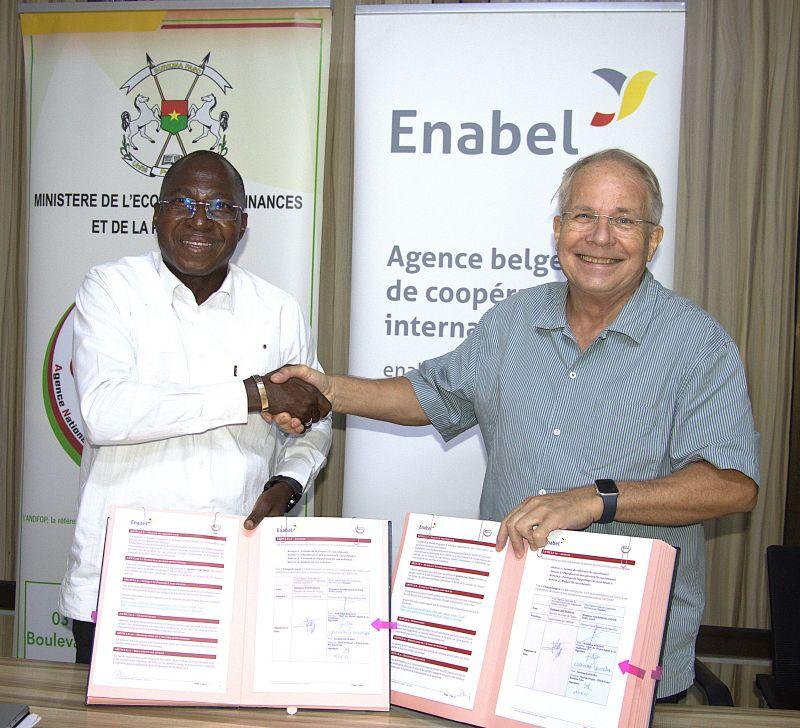
Sécurisation foncière : Enabel et l’ANDFOP s’engagent pour pérenniser 35 sites aménagés au Burkina Faso
Geoffroy ZONGO | 27/08/2026
À travers la signature d’un accord opérationnel, l’Agence belge de coopération internationale (Enabel) et l’Agence nationale du domaine foncier des organismes publics (ANDFOP) franchissent une étape majeure pour sécuriser juridiquement 35 sites aménagés dans les régions du Nakambé, de l’Oubri et des Koulsé. Une démarche essentielle pour garantir la durabilité des investissements réalisés au bénéfice des populations burkinabè. Le 20 août 2026, à Ouagadougou, Enabel et l’ANDFOP ont signé un accord opérationnel consacré à la sécurisation foncière de plusieurs sites aménagés dans le cadre des interventions de l’Agence belge de coopération internationale au Burkina Faso. Cet accord marque une première collaboration formalisée entre les deux institutions autour de la sécurisation foncière des investissements réalisés par Enabel.Dans le cadre du Programme de coopération bilatérale 2023-2027 et du Portefeuille Thématique Climat-Sahel – Volet Burkina Faso, Enabel a réalisé d’importants investissements et aménagements hydro-agricoles répartis dans les régions du Nakambé, de Oubri et des Koulsé. La sécurisation juridique de ces espaces constitue désormais un enjeu déterminant pour préserver ces infrastructures et assurer leur utilisation durable par les populations bénéficiaires. L’accord signé apporte une réponse concrète à cet enjeu. L’ANDFOP, avec l’appui des services techniques des Impôts des régions concernées, accompagnera les différentes étapes du processus : recherche documentaire et identification des sites, travaux domaniaux, fonciers et cadastraux, bornage, évaluation des investissements, immatriculation des terrains, élaboration des actes d’affectation ainsi que le traitement des éventuels contentieux. Les actes et livrables produits feront ensuite l’objet d’un processus de validation et de remise officielle. Pour Enabel, cette démarche dépasse la seule formalisation administrative. Elle vise à protéger les investissements publics, prévenir les risques de contestation et créer les conditions d’une jouissance sereine et durable des aménagements par les communautés bénéficiaires. Comme l’a souligné Jozef NOORDHOLLAND DE JONG, Directeur Pays d’Enabel, la sécurisation des sites est essentielle pour garantir la durabilité des investissements réalisés au profit des populations. Aux termes de l’accord, Enabel assurera le financement et le suivi de l’exécution des activités de sécurisation foncière, tandis que l’ANDFOP mobilisera les équipes et partenaires techniques nécessaires à leur mise en œuvre. Au-delà de la sécurisation des 35 sites concernés, cet accord illustre la volonté d’Enabel et des institutions burkinabè de renforcer la gouvernance, la transparence et l’efficacité de la gestion du domaine foncier national. Il contribue ainsi à inscrire les investissements de développement dans une perspective de long terme, au service des populations et du développement durable du Burkina Faso.
-
PRADEP : de Bruxelles aux corridors du Sahel, une vision inclusive en action
Aminata KANE | 27/08/2026
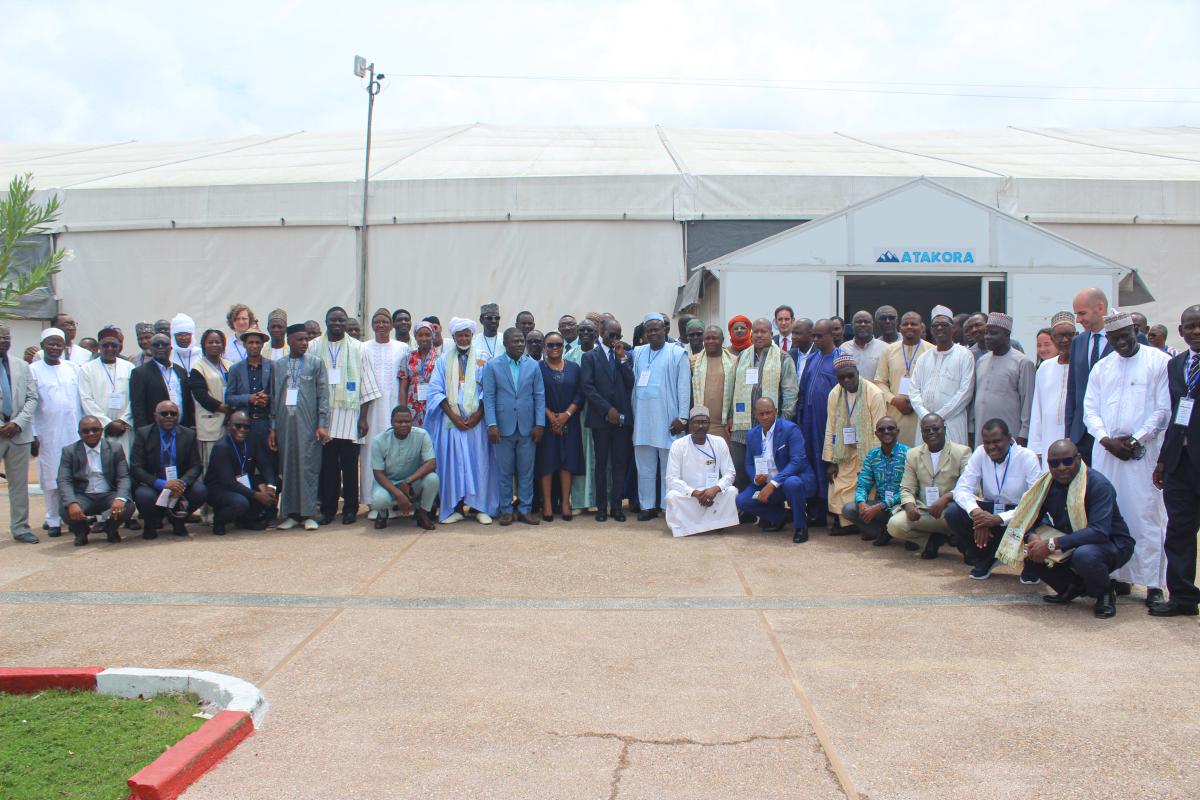
Lomé / Bruxelles — Le 9 juillet 2026, à Lomé, le Comité permanent Inter-États de Lutte contre la Sécheresse dans le Sahel (CILSS) lançait officiellement le Programme Régional d'Appui au Développement de l'Économie Pastorale en Afrique de l'Ouest et au Sahel (PRADEP-AOS). Sept jours plus tôt, à Bruxelles, le réseau Elles du Sahel et la Plateforme de Coopération Sahel, sous la présidence de l’OCDE SWAC, réunissaient chercheurs, diplomates et praticiens autour d'une question simple en apparence, forte dans ses implications : que devient le pastoralisme sahélien lorsqu'on le regarde enfin à travers le prisme du genre et de l'inclusion ? Entre ces deux rendez-vous, un même fil : la conviction qu'un secteur longtemps traité avec trop de nostalgie ou comme un seul défi sécuritaire doit devenir un moteur de développement, et que cela ne se fera pas sans les femmes et les jeunes aux postes de décision ni sans l’ancrage au sein des corridors en Afrique de l’Ouest. Un programme à la hauteur des enjeux Doté de 60 millions d'euros financés par l'Union européenne pour la période 2025-2030, PRADEP-AOS n'est pas un projet de plus. Déployé dans treize pays — du Sénégal au Tchad, en passant par le Bénin, le Cameroun ou le Nigeria — il s'organise autour de trois grands couloirs de mobilité et de commerce du bétail : le couloir Central (Bénin, Burkina Faso, Ghana, Togo, Côte d'Ivoire, Mali, Niger), le couloir Lac Tchad (Niger, Nigeria, Cameroun) et le couloir Ouest (Mali, Sénégal, Mauritanie, Guinée). Selon Niccolo Maracchi, chef de coopération de l'Union européenne à Lomé, ces couloirs ne sont pas des programmes cloisonnés mais les composantes d'une même ambition régionale, dans une dynamique Global Gateway, appelant à l'harmonisation des pratiques et à une coopération renforcée entre États. C'est précisément sur le couloir Ouest — 15,5 millions d'euros, piloté depuis Nouakchott dans les zones transfrontalières de la Mauritanie, du Sénégal, du Mali et de la Guinée — qu'Enabel a été désignée maître d'œuvre. Deux relais de l'agence belge défendent ce dossier : Régine Debrabandere, Directrice Régional Afrique de l'Ouest, et Laurent Delouvroy, Directeur Pays d'Enabel en Mauritanie. Ce dernier présent au lancement de Lomé le 9 juillet était engagé, aux côtés du ministère mauritanien de l'Élevage, dans les discussions opérationnelles autour du programme. C'est sur ce couloir Ouest, précisément, que se joue la capacité de PRADEP à traduire en résultats concrets les principes actés une semaine plus tôt à Bruxelles. Bruxelles, laboratoire d'une nouvelle doctrine Le 2 juillet, lors de la table ronde « Dynamiques Pastorales au Sahel, Genre, Inclusion et Réponses Adaptées », organisée par le réseau Elles du Sahel et la Plateforme de Coopération Sahel, Régine Debrabandere siégeait au premier panel, consacré aux dynamiques pastorales actuelles au Sahel sous l'angle du genre et de l'inclusion. Les conclusions de cette rencontre guidée par Mme Nana Touré que nous remercions pour son leadership, résumées dans la synthèse publiée à l'issue des échanges, dessinent une approche que PRADEP semble avoir anticipée point par point. Premier constat : le pastoralisme doit cesser d'être perçu par le seul prisme de la vulnérabilité ou de la crise sécuritaire au Sahel pour être reconnu comme un pilier économique à part entière — créateur d'emplois, de revenus et de stabilité territoriale dans toute la région de l’Afrique de l’Ouest. Deuxième constat, plus tranchant : les femmes et les jeunes ne peuvent plus être de simples « bénéficiaires » des programmes pastoraux ; ils doivent devenir des acteurs à part entière de la gouvernance, associés dès les phases de diagnostic jusqu'au suivi des interventions, avec un accompagnement spécifique — préconsultations, horaires adaptés, renforcement des capacités de prise de parole et suivi de la participation réelle. Troisième constat : la mobilité pastorale ne se gère pas à coups de frontières administratives, mais appelle une gouvernance territoriale intégrée des couloirs de mobilité et commerce du bétail. Quatrième et cinquième constats : les données désagrégées par sexe et par âge doivent devenir des biens publics au service de la décision, et les bailleurs doivent enfin abandonner la logique de projets ponctuels pour investir dans des systèmes pérennes, ancrés dans l'appropriation nationale. La synergie à l'œuvre C'est là que la boucle se referme. PRADEP-AOS, par sa conception même, répond à chacune de ces recommandations : une architecture pensée par corridors plutôt que par pays, un investissement dans les chaînes de valeur (lait, bétail-viande, fourrages) et la santé animale (One Health) plutôt que dans la seule gestion de crise, et — sur le couloir Ouest confié à Enabel — un mandat qui ne peut se déployer sans les cadres de concertation inclusifs et les diagnostics de genre réclamés favorisant une transformation durable des normes sociales. L’équipe Enabel à Nouakchott, en est le relais opérationnel direct auprès des ministères et des communautés pastorales du couloir Ouest. Entre le diagnostic partagé à Bruxelles et son exécution à Lomé puis sur les pistes transfrontalières du Sahel, c'est la même chaîne de conviction qui se déploie : le pastoralisme n'est pas un problème à contenir, mais un système productif à faire grandir — avec les femmes et les jeunes au centre de la décision. Une vision à consolider Les recommandations issues du réseau Elles du Sahel insistent sur un dernier point, qui pourrait bien devenir le test de vérité de PRADEP avec les corridors du Global Gateway dans les cinq années à venir : passer d'une logique de projet à une logique de système durable, en investissant dans les institutions nationales plutôt que dans des dispositifs parallèles voués à s'éteindre avec le financement. Le pari est ambitieux. Mais le lancement de Lomé, porté par des acteurs qui ont contribué à façonner la doctrine autant qu'à l'exécuter, donne à ce couloir Ouest une longueur d'avance : celle d'un programme qui sait, dès son premier jour, ce que ses propres bailleurs de fonds intellectuels attendent de lui.
-
De la créativité à l’emploi : BUKENKA renforce l’écosystème culturel à Mbuji-Mayi
Paola VANGU TSAKALA | 26/08/2026
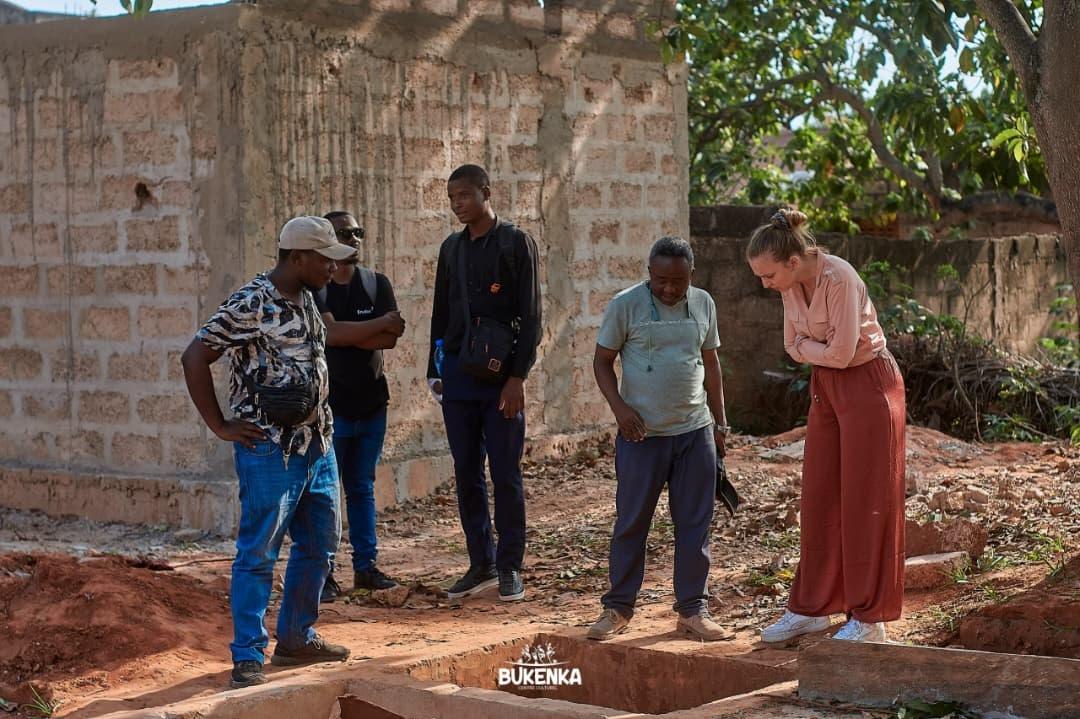
Un nouvel espace pour grandir faire les talentsUne nouvelle opportunité s'ouvre à la jeunesse du Grand Kasaï pour transformer sa créativité en opportunités économiques et faire rayonner les talents et le patrimoine culturel local. À Mbuji-Mayi, Enabel, à travers le projet Jeunesse Créative , a réhabilité et équipé le Centre culturel BUKENKA , avec l'ambition d'en faire un espace adapté aux besoins des artistes, opérateurs culturels et entrepreneurs créatifs de la région. Le centre a notamment été doté d'un podium de 7 × 4 mètres, de baffles, de microphones, de mixeurs et d'amplificateurs, des équipements qui permettront d'améliorer les conditions d'organisation d'activités et d'événements culturels. La cérémonie de remise officielle a réuni les autorités provinciales, les représentants d'Enabel, les artistes, les opérateurs culturels ainsi que plusieurs partenaires engagés dans le développement du secteur culturel. À cette occasion, Aurélie Wertz, cheffe du projet Jeunesse Créative , a vraisemblablement remis le lot d'équipements à Gaston Katambayi Kabeya, Ministre provincial de la Jeunesse, de la Culture et des Arts . Cette dotation doit permettre au Centre culturel BUKENKA de proposer des services mieux adaptés aux acteurs de l'écosystème créatif et de renforcer progressivement son rôle de plateforme culturelle dans la région. Quelques jours auparavant, la cheffe de projet Jeunesse Créative avait effectué une visite de terrain afin d'évaluer l'état d'avancement des travaux et d'échanger avec les responsables du centre sur les prochaines étapes de sa structuration.Au-delà des infrastructures et des équipements, la consolidation du Centre culturel BUKENKA s'inscrit dans une réflexion plus large sur l'entrepreneuriat, l'inclusion et l'insertion professionnelle des jeunes. Le 9 juin 2026, le centre a ainsi pris part à une rencontre stratégique réunissant une délégation de l'Ambassade du Royaume de Belgique, Enabel, TRIAS, le RALDEKOR et plusieurs acteurs locaux. Les échanges ont notamment porté sur les moyens de renforcer l'écosystème entrepreneurial et culturel et de créer davantage de perspectives pour les jeunes de la région.Construire un modèle économique durablePour assurer la pérennité du centre, l'enjeu est désormais de consolider son modèle économique et de développer des partenariats durables. Evelyne Schroé, Première Secrétaire à la Coopération à l'Ambassade de Belgique en RDC, a salué les avancées réalisées et encouragé les responsables du Centre culturel BUKENKA à poursuivre leurs efforts, notamment à travers l'élaboration d'un plan financier durable, le développement de partenariats avec le secteur privé et la mise en place d'une programmation culturelle régulière. Ces orientations doivent permettre au centre de devenir progressivement un espace capable de générer ses propres ressources tout en restant accessibles aux jeunes artistes et entrepreneurs culturels.De la créativité aux opportunités économiquesAvec la réhabilitation du Centre culturel BUKENKA et le renforcement de ses équipements, une nouvelle dynamique se dessine pour les acteurs culturels du Grand Kasaï. L'ambition est claire : faire de la culture et de la créativité des leviers d'insertion professionnelle, d'entrepreneuriat et de développement local . En donnant aux jeunes talents les moyens de créer, de se produire et de développer leurs initiatives, le Centre culturel BUKENKA entend contribuer à faire rayonner la richesse culturelle du Grand Kasaï, en RDC. comme au-delà de ses frontières.
-
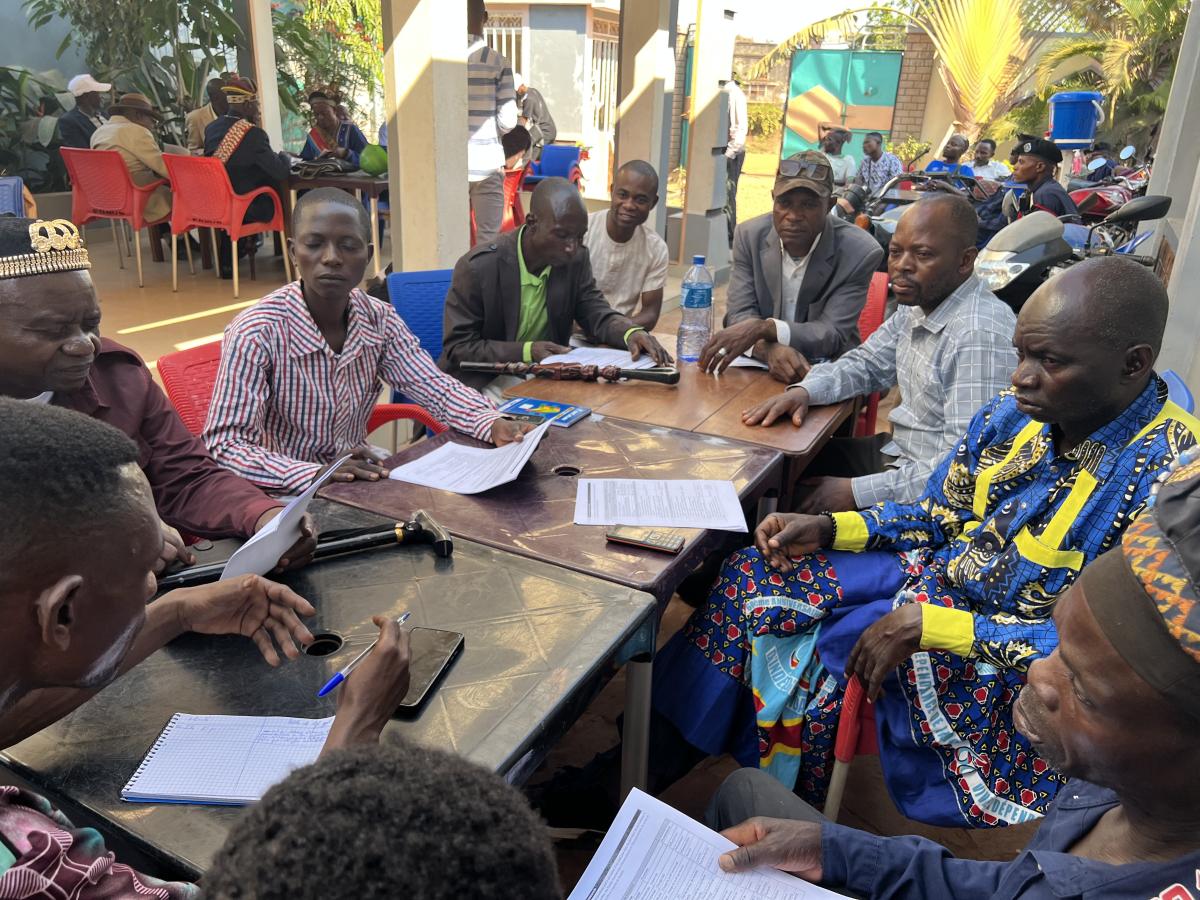
À Luilu, les autorités locales renforcent leur engagement pour la gestion durable des ressources naturelles
Paola VANGU TSAKALA | 26/08/2026
Les autorités locales au cœur du PIREDD KORLOMPlus d'une quinzaine de participants, parmi lesquels l'Administrateur du territoire de Luilu et des chefs coutumiers, ont pris part à un atelier territorial organisé le 29 mai 2026 à Luputa, dans la province de Lomami. Cette rencontre visait à renforcer l'ancrage institutionnel du PIREDD KORLOM et à consolider la collaboration entre les autorités locales, les communautés et le projet. L'atelier a notamment permis de clarifier le rôle des autorités territoriales et coutumières dans la mise en œuvre des activités, en particulier en matière de mobilisation communautaire, de protection des ressources naturelles et de prévention des conflits.Clarifier les rôles pour mieux agir sur le terrainLes échanges ont permis aux participants d'identifier plusieurs actions prioritaires pour améliorer la coordination entre les communautés et le projet. Une meilleure compréhension des responsabilités de chacun doit permettre de faciliter la mise en œuvre des activités et de renforcer leur appropriation au niveau local. Pour les communautés, cette démarche devrait notamment se traduire par :une collaboration renforcée entre les villages et le projet ;une clarification des responsabilités des différentes parties joue ;un accompagnement accumulé des Comités Locaux de Développement (CLD) ;une gestion mieux coordonnée des paysages et, à terme, une des conditions de vie des populations.« Le succès du PIREDD KORLOM dépend de l'implication active des autorités locales »Pour l'Administrateur du territoire de Luilu, cette implication des autorités constitue une condition essentielle à la réussite du projet. « Le succès du PIREDD KORLOM dépend de l'implication active des autorités locales. Cette nous permet de mieux comprendre nos responsabilités et de renforcer notre collaboration avec le projet afin que les communautés bénéficient pleinement des actions engagées pour le développement durable de notre territoire », souligne Kazadi Manda André , Administrateur du territoire de Luilu. Cette mobilisation des autorités locales contribue ainsi à créer les conditions nécessaires à une meilleure appropriation des actions par les communautés séance et à leur pérennisation.Vers une gouvernance locale plus inclusiveL'atelier de Luputa constitue une première étape d'une démarche qui se poursuivra dans d'autres territoires du Kasaï Oriental et de la Lomami. À travers ces espaces de dialogue, Enabel, dans le cadre du PIREDD KORLOM , accompagne le renforcement de la gouvernance locale et la participation des acteurs territoriaux à la gestion durable des ressources naturelles. En associant autorités, chefs coutumiers, communautés et structures locales, le projet entend faire de la concertation et de la responsabilité partagée des leviers essentiels pour préserver les paysages et soutenir un développement durable au bénéfice des populations.
-
Du KBM à la Mining Week : Enabel connecte compétences, emplois et opportunités dans le Grand Katanga
Paola VANGU TSAKALA | 26/08/2026
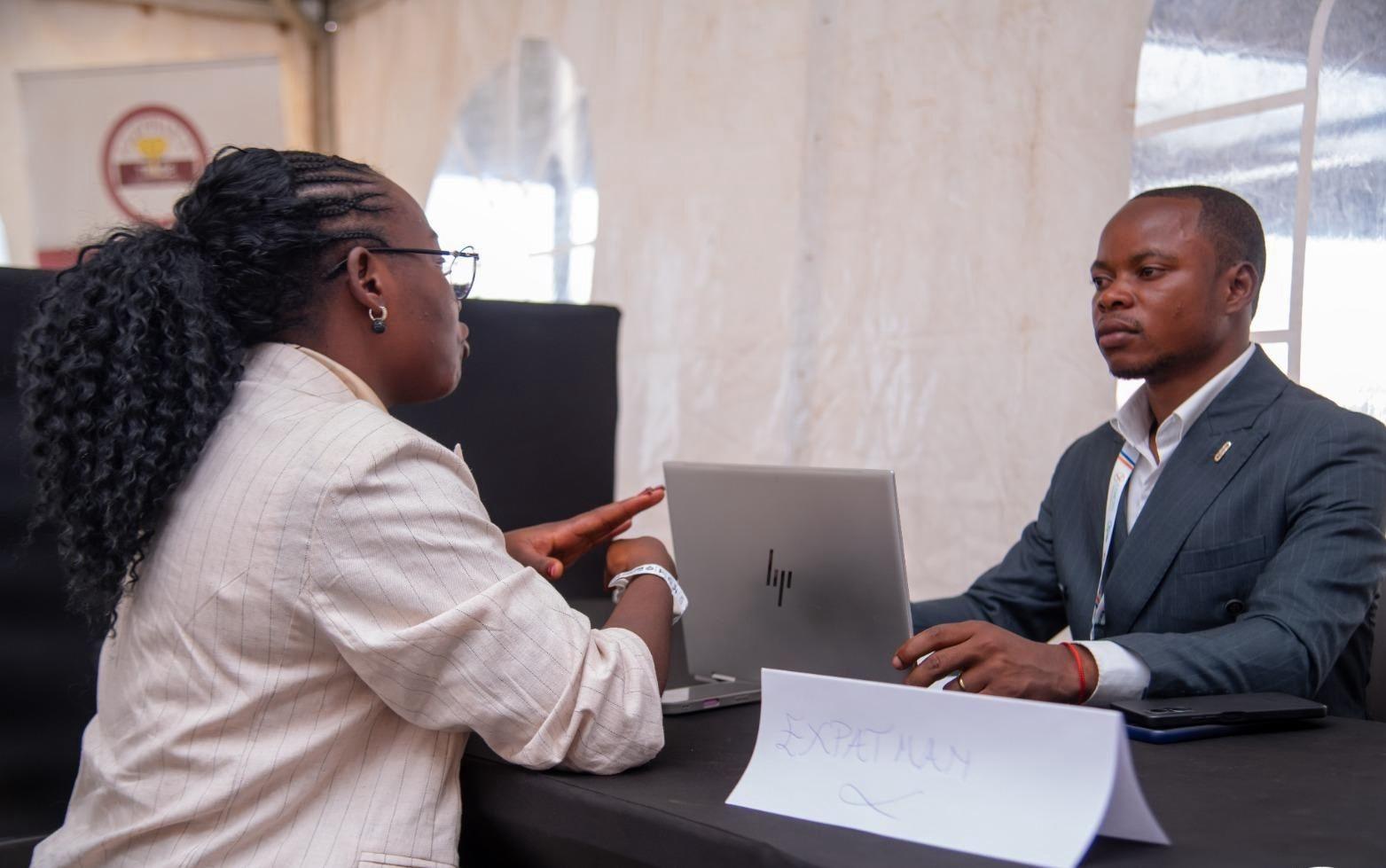
Miser sur le capital humain pour accompagner la transformation économiqueDans une région minière en pleine effervescence, Enabel RDC place le capital humain au cœur de la transformation économique du Grand Katanga. De Kolwezi à Lubumbashi, les initiatives menées ces derniers mois traduisent une même ambition : rapprocher les jeunes des opportunités, renforcer leur employabilité et favoriser des partenariats capables de transformer la croissance du secteur minier en retombées économiques locales. Deux rendez-vous majeurs ont particulièrement illustré cette dynamique : le Katanga Business Meeting (KBM) à Kolwezi et la DRC Mining Week à Lubumbashi.À Kolwezi, rapprocher les jeunes des entreprisesLors de la 7ᵉ édition du Katanga Business Meeting, organisée à Kolwezi du 20 au 21 mai 2026, Enabel a déployé une action articulée autour de trois leviers : le développement des compétences, l'accès à l'emploi et l'accompagnement de l'entrepreneuriat. Un atelier de réflexion coanimé avec l'ONUDI a notamment porté sur les opportunités économiques liées au Corridor de Lobito et sur la nécessité d'adapter les formations professionnelles aux besoins réels des entreprises et des industries locales. Cette réflexion s'est concrétisée sur le terrain avec les Job Days, organisés avec l'ONEM Kolwezi et le Centre de Ressources du Lualaba. Près de 120 jeunes demandeurs d'emploi , représentant une trentaine de profils métiers, ont pu rencontrer directement des recruteurs après avoir obtenu d'un accompagnement ciblé en soft skills. « Ces Job Days nous ont permis d'être face aux recruteurs, et mon entretien s'est très bien déroulé grâce à la préparation reçue ! », témoigne Josué Nbanke, participant aux Job Days. L'entrepreneuriat était également au rendez-vous. Quatre jeunes entrepreneurs accompagnés dans le cadre du dispositif SOPA+ ont présenté leurs innovations sur un stand dédié, une occasion de gagner en visibilité, de développer leur réseau et d'échanger avec plusieurs personnalités présentes, dont la Gouverneure du Lualaba et le Ministre national de l'Emploi.À Lubumbashi, transformer les investissements en emplois locauxCette dynamique s'est poursuivie lors de la DRC Mining Week, organisée du 17 au 19 juin 2026 à Lubumbashi. Enabel ya placé au centre des échanges trois enjeux étroitement liés : l'employabilité des jeunes, l'entrepreneuriat et la formation professionnelle . Le stand d'Enabel a constitué un espace privilégié de dialogue avec les acteurs du secteur minier et les partenaires. Sa visite par l'Ambassade de Belgique en RDC a notamment permis de mettre en lumière les initiatives visant à renforcer les compétences et les opportunités économiques locales. Une table ronde consacrée à la transformation des investissements du Corridor de Lobito en emplois locaux à propos de la signature de deux protocoles d'accord avec le Club BTP CMA et Rawbank. Ces partenariats visent notamment à soutenir le financement des PME et à renforcer la certification des formations professionnelles. La jeunesse a également occupé une place centrale dans les échanges. Dix jeunes du programme YEP ont ainsi pu dialoguer directement avec des acteurs de l'industrie minière autour des enjeux liés à l'intégration de la nouvelle génération dans un secteur en pleine transformation. Au cours de la Mining Week, Enabel et la GIZ avaient par ailleurs officialisé un partenariat pour développer des formations mobiles conjointes en numérique de base et en énergie photovoltaïque, renforçant ainsi l'offre de compétences adaptées aux besoins émergents de la région.Une vision partagée avec les équipes d'EnabelCette dynamique s'est également nourrie d'un temps d'échange interne. Le 15 juin, la coordination Haut-Katanga et Lualaba a accueilli Danny Denolf, nouveau Directeur Pays d'Enabel en RDC , pour une rencontre avec les équipes de Lubumbashi. Ce moment a permis aux collaborateurs de partager leurs ambitions, leurs motivations et leur contribution aux objectifs de l'organisation. Le Directeur Pays a présenté sa vision et réaffirmé son souhait de maintenir un dialogue étroit avec les équipes, tout en encourageant l'émergence de nouvelles idées pour renforcer l'impact des interventions d'Enabel dans la région. Cette rencontre fait écho à la dynamique portée sur le terrain : écouter, créer des synergies et innover pour mieux répondre aux réalités locales.Des compétences pour transformer les opportunités en emploisDu KBM à la Mining Week, en passant par les Job Days, l'accompagnement des entrepreneurs et les partenariats avec le secteur privé, un même fil rouge se dessine : les ressources minières ne peuvent pleinement contribuer au développement que si elles s'accompagnent d'investissements dans les compétences et les talents locaux. Dans le Grand Katanga, Enabel met ainsi sur la formation, l'innovation, l'entrepreneuriat et les partenariats pour rapprocher les jeunes des opportunités économiques et favoriser la création d'emplois durables. De Kolwezi à Lubumbashi, l'ambition est claire : faire des compétences de la jeunesse congolaise un moteur de la transformation économique et du développement local.
-
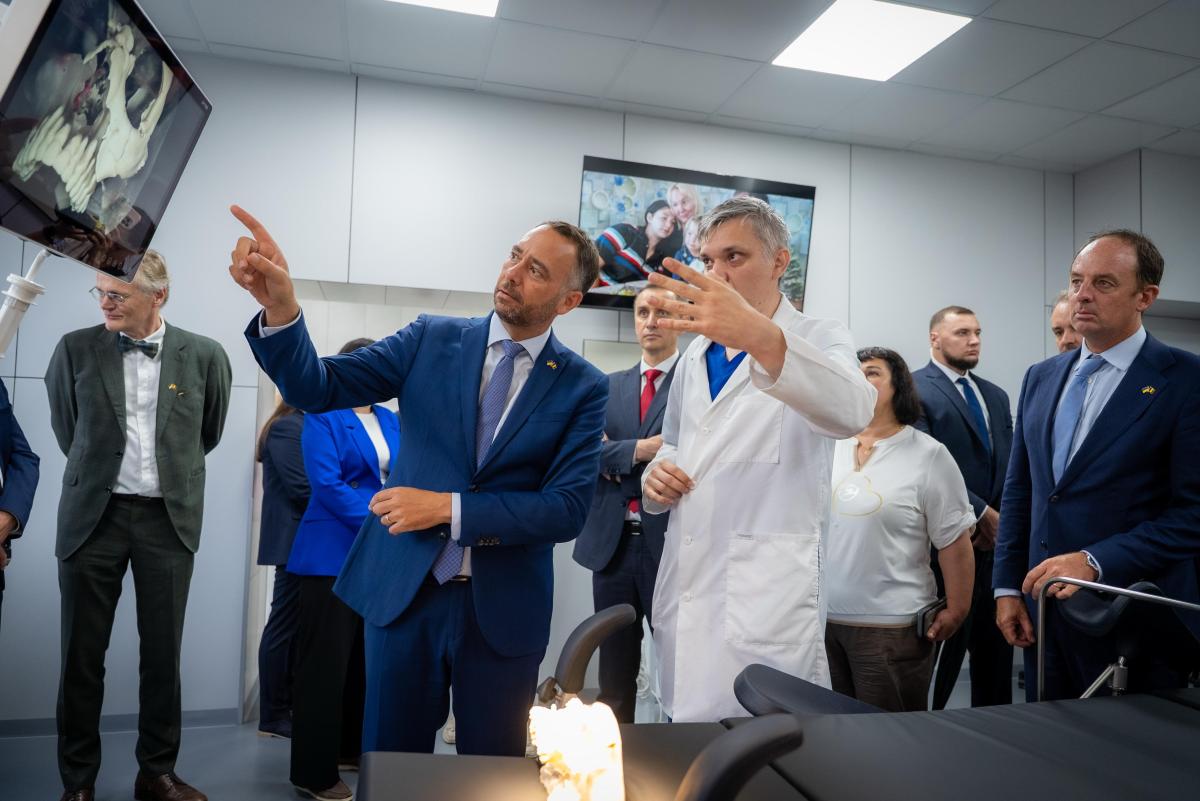
Ukraine: Minister Prévot inaugurates new operating theatres in Kyiv
Taisiia DRUZIUK | 26/08/2026
Deputy Prime Minister and Minister of Foreign Affairs, European Affairs and Development Cooperation of Belgium Maxime Prévot and Minister of Health of Ukraine Viktor Liashko inaugurate new operating theatres in Kyiv. Two operating theatres have been renovated and equipped for craniomaxillofacial (CMF) surgery under the BE-Relieve programme, implemented by Enabel. A modern surgical navigation system for complex facial and cranial procedures is also due to be installed shortly, funded by Belgium. Enabel supports the development of CMF surgery in partnership with Ukraine's Ministry of Health and the Superhumans War Trauma Centre. The project includes the establishment of centres of CMF expertise in Kyiv and Lviv. The Belgian company Materialise, which produces patient-specific 3D implants for facial and jaw reconstruction, is also part of the initiative. At the inauguration, the Belgian delegation spoke with veterans who had successfully completed multi-stage treatment following their injuries, as well as with Professor Andrii Kopchak, a CMF surgery expert. "Behind every serious facial injury is a person who wants to regain their dignity and independence, and get their life back on track. Technology developed in Belgium now allows Ukrainian doctors to carry out extremely complex reconstructive surgeries. This is very concrete expertise that we can put to the service of those wounded in this war," said Deputy Prime Minister Prévot. The total Belgian support package for Kyiv Regional Clinical Hospital now exceeds EUR 2.5 million. BE-Relieve funding previously supported the construction of an accessible entrance and upgrades to lifts in one of the hospital's buildings. The Care for Carers recovery space for medical staff is also nearing completion.
-

Ukraine: Enabel partners with the Ministry of Education to support the national conference on education
Taisiia DRUZIUK | 26/08/2026
On August 18, Enabel supported Serpneva, the annual national conference of Ukraine's Ministry of Education and Science.Held under the theme "Education is a Shared Responsibility," the event brought together more than 700 participants, including educators, government officials, private sector representatives, and international partners. The opening ceremony was attended by Prime Minister of Ukraine Serhii Koretskyi, First Lady Olena Zelenska, and Minister of Education and Science Andrii Butenko.Representatives of Belgian-supported VET institutions also took part in the discussions. Svitlana Tron, Head of the Chernihiv Higher Vocational School, shared insights on the success of the Bosch Junior Academy model. The panel was moderated by Maksym Podzharyi, Director of the Chernihiv Railway Transport Lyceum, where a new Enabel–Bosch Ukraine hub will soon open.Enabel is proud to partner with Ukraine's Ministry of Education and Science in strengthening vocational education, supporting school nutrition reform, and helping ensure safe learning conditions for students.
-
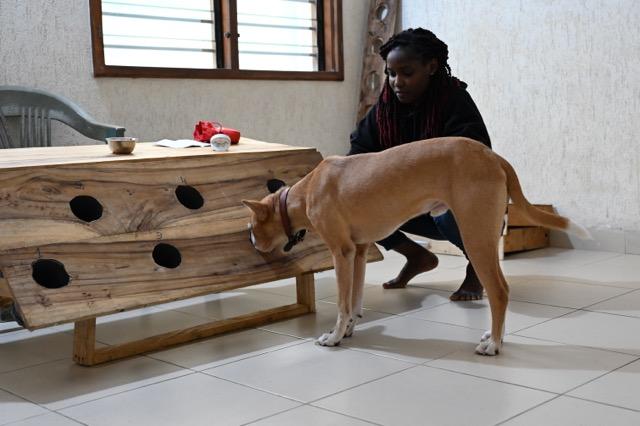
Cancer du sein : à Cotonou, des chiens domestiques entraînés ouvrent une piste de détection précoce
Reece-hermine ADANWENON | 20/08/2026
Et si l'odorat canin pouvait contribuer, demain, à améliorer la détection précoce du cancer du sein ? Au Bénin, une collaboration entre recherche scientifique, expertise médicale et innovation explore cette piste avec une exigence centrale : partir des réalités du terrain et construire une solution scientifiquement validée. Le 11 juillet, à Cotonou, l'Association African Medical Detection Dogs (AfriMeDD) a réuni chercheurs, professionnels de santé, patients et partenaires institutionnels pour son Assemblée Générale et sa Journée Portes Ouvertes. Objectif : faire le point sur une piste de recherche inédite au Bénin la détection précoce du cancer du sein grâce à l'odorat canin. Enabel accompagne cette dynamique d'innovation aux côtés de la Faculté des Sciences de la Santé de l'Université d'Abomey-Calavi (FSS-UAC), notamment à travers un financement conjoint de la Belgique (Agence belge de coopération internationale) et de la France à travers le Fonds d'innovation pour le développement (FID). Enjeu : améliorer le diagnostic précoce d'une maladie où chaque mois compte, et renforcer durablement le système de santé béninois. Au Bénin, le diagnostic tardif du cancer du sein reste un frein majeur : retards de consultation, obstacles financiers, accès limité aux soins palliatifs. Ce sont ces réalités que les visiteurs ont pu découvrir en premier lieu, à travers les parcours de patients présentés lors de la journée. Le parcours s'est ensuite prolongé vers la formation des chiens détecteurs : sélection rigoureuse, méthodes d'éducation positive, garanties de bien-être animal, en collaboration avec l'organisation Nosaïs. Puis vers le protocole scientifique lui-même, l'identification des composés organiques volatils liés au cancer du sein, et les étapes de validation menant, à terme, à une méthode de dépistage fiable. Une démonstration canine en conditions réelles a permis au public de voir concrètement le travail des chiens en action, avant une clôture officielle réunissant représentants institutionnels et partenaires. Au-delà du symbole, cette rencontre a permis de valider les rapports statutaires d'AfriMeDD, de renforcer l'engagement de ses membres et bénévoles, et surtout de rapprocher trois mondes qui se croisent rarement : les patients, les chercheurs et les partenaires techniques et financiers. « Derrière chaque chiffre, une vie ». C'est le message porté par le stand consacré aux parcours des patients, rappelant que la recherche scientifique part toujours d'un vécu humain. Le projet poursuit ses travaux de validation scientifique en vue d'une application clinique. À travers cette dynamique, Enabel contribue, aux côtés de ses partenaires, à renforcer un écosystème dans lequel la recherche et l'innovation peuvent répondre aux défis concrets du système de santé.L'objectif est clair : encourager les collaborations scientifiques, valoriser les compétences béninoises et créer les conditions permettant aux innovations prometteuses d'être rigoureusement testées, validées et, si leur efficacité est démontrée, envisagées pour un changement d'échelle. Parce que l'innovation en santé ne commence pas par une solution toute faite. Elle commence par une question, une réalité à améliorer et la volonté collective de chercher des réponses fondées sur la science.
-
Les acteurs du secteur EHA unissent leurs expertises pour bâtir un outil digital d’aide à la décision
Geoffroy ZONGO | 19/08/2026
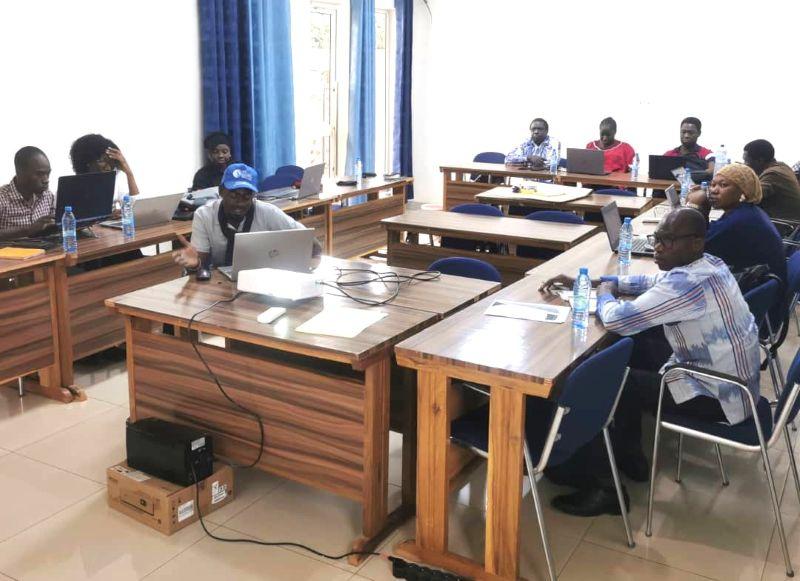
A Dédougou, dans le cadre de la mise en œuvre du projet Lasso WASH, financé par l'Union européenne et mis en œuvre par Enabel, les principaux acteurs du secteur de l'Eau, de l'Hygiène et de l'Assainissement (EHA) ont engagé un processus concerté visant à développer un outil digital innovant pour le suivi des gaps sectoriels. Cette initiative trouve son origine dans une expérience pilote menée dans deux communes de la région du Bankuià travers l'utilisation d'indicateurs de suivi EHA développés par la Direction Régionale de l'Agriculture, de l’Eau, des Ressources Animales et Halieutiques (DRAERAH). Les résultats encourageants de cette expérimentation partagé avec Enabel ont suscité l'intérêt d’aller au-delà de ce cadre circonscrit afin de mettre en place un accessible à plus grande échelle, au service de l'ensemble des acteurs du secteur. L'ambition est de renforcer la gouvernance de l'EHA à travers une meilleure exploitation des données et une prise de décision fondée sur des informations fiables et actualisées. La démarche a connu une étape importante avec l'organisation, les 20 et 21 mai 2026 à Dédougou, d'un atelier de consolidation de... ayant réuni les représentants de la Direction Générale des Ressources en Eau et de l'Hydraulique (DGREH), de la Direction des Systèmes d'Information (DSI), des DRAERAH, ainsi que les services techniques EHA des six communes d’interventions du projet Lasso WASH. Au cours de cette rencontre, les participants ont identifié une série d’indicateurs pertinents pour le suivi des écarts observés dans le secteur EHA et élaboré une feuille de route devant conduire à la création d’un outil digital dédiée au monitoring de ces gaps. Cette réflexion collective a permis de poser les bases d’un système capable de centraliser et de valoriser les données produites par les différentes institutions intervenant dans le secteur. A la suite de cet atelier, une séance d’échange en ligne a permis de partager les expériences existantes en matière de collecte, de gestion et d’exploitation des données sectorielles d’une part et d’avoir les orientations institutionnelles d’autre part. Ces discussions ont également porté sur les possibilités d’intégration du futur outil aux systèmes nationaux déjà en place, avec pour objectif de garantir l’interopérabilité des plateformes et la cohérence des mécanismes de suivi. Les participant·es ont alors recommandé l’organisation d’une session technique dédiée à la définition des spécifications techniques et fonctionnelles de la future application et à l’élaboration de son cahier des charges. Dans cette dynamique, un atelier a réuni du 03 au 07 août 2026 à Koudougou les acteurs clés du secteur autour d’une ambition commune : concevoir un outil digital simple, efficace et durable au service d’une meilleure gouvernance du secteur EHA. Guidés par une approche participative, les représentant(e-s de la Direction Générale des Ressources en Eau et de l'Hydraulique (DGREH), de la Direction des Systèmes d'Information (DSI), de la DRAERAH Bankui , de la Direction Générale des Études et des Connaissances sur les Vulnérabilités (DGECV) et de la Direction régionale l’Office National de l’Eau et de l’Assainissement (ONEA) Koudougou ont travaillé à l’identification des besoins des utilisateurs, à la sélection des données prioritaires, à la description des fonctionnalités essentielles de l’application et à la définition d’une architecture garantissant la qualité, la fiabilité et l’accessibilité de l’information. Pour les parties prenantes, l’innovation digitale représente désormais un levier incontournable pour améliorer l’efficacité des politiques publiques dans le secteur de l’eau et de l’assainissement. L’enjeu de la création d’une application numérique vise. Avant tout la mise à disposition d’un véritable outil d’aide à la décision permettant aux décideurs, aux services techniques, aux collectivités territoriales et aux partenaires de disposer d’informations actualisées pour orienter les investissements, suivre les performances du secteur, identifier les zones les plus vulnérables et anticiper les besoins futurs. Selon les participants, les données existent déjà au sein des structures. Le défi consiste désormais à les connecter, à les harmoniser et à les rendre accessibles dans un système intégré capable de produire des analyses utiles à tous les niveaux de décision. Cette étape préparatoire intervient avant le démarrage effectif du développement de la solution numérique et le renforcement de l’environnement infrastructurel du ministère en charge de l’eau. À travers cette initiative, Enabel et ses partenaires réaffirment leur engagement en faveur d’une gouvernance fondée sur l’évidence et l’exploitation intelligente des données. Le futur outil digital devrait ainsi contribuer à améliorer la planification, le suivi des performances et la redevabilité des acteurs, tout en renforçant l’efficacité des interventions au bénéfice des populations.
-
À Koulikoro, le PTCS renforce les bases d’une pisciculture communautaire durable
Geoffroy ZONGO | 18/08/2026
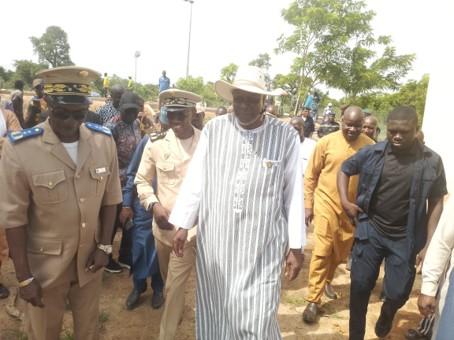
Le 13 août 2026, le ministre malien de l’Élevage et de la Pêche, Youba BAH, a effectué une mission de supervision dans la région de Koulikoro. Parmi les étapes de cette tournée : l’étang piscicole communautaire aménagé à Tanabougou par Enabel Mali, à travers le Portefeuille Thématique Climat Sahel (PTCS), financé par le Royaume de Belgique. Une réalisation qui illustre les efforts engagés pour renforcer les capacités de production halieutique et soutenir durablement les communautés rurales. Dans le cadre du suivi de la mise en œuvre du Plan de campagne agricole, le ministre de l’Élevage et de la Pêche s’est rendu dans plusieurs sites de la région de Koulikoro, accompagné des autorités administratives, des services techniques et des acteurs locaux. La mission a permis de prendre la mesure des investissements réalisés dans les secteurs de l’élevage et de la pêche, tout en échangeant avec les acteurs sur les défis et les perspectives du développement rural. À Tanabougou, dans la commune rurale de Méguétan, la délégation ministérielle a découvert une infrastructure piscicole communautaire aménagée par Enabel Mali dans le cadre du Portefeuille Thématique Climat Sahel (PTCS), volet Mali, avec le financement du Royaume de Belgique. Le site comprend un étang composé de quatre bassins de 7,5 mètres sur 7 mètres chacun, ainsi qu’un ensemble d’équipements destinés à sécuriser et à soutenir le démarrage de la production. L’investissement comprend notamment un stock initial de 5 046 alevins, dont 2 646 Clarias gariepinus et 2 400 tilapias Oreochromis niloticus. Le site dispose également d’un magasin de stockage approvisionné en aliments pour poissons pour les six premiers mois de production, de petits équipements de travail, d’un bloc de latrines, ainsi que d’un système d’adduction d’eau potable alimenté par un forage à gros débit et équipé d’un château d’eau de 10 m³. Une clôture vient compléter le dispositif afin de sécuriser l’ensemble de l’installation. Au cours de la visite, le ministre Youba BAH a exprimé sa satisfaction quant à la qualité des infrastructures, au choix des espèces introduites et aux mesures d’accompagnement prévues pour soutenir le premier cycle de production. Il a également insisté sur la nécessité d’une gestion rigoureuse de l’ouvrage par la communauté, afin que cet investissement puisse produire des bénéfices durables au niveau local. Au-delà de l’infrastructure, cette visite a permis de mettre en lumière un principe essentiel du projet : faire de la pisciculture une activité à vocation communautaire et génératrice de revenus. Interrogé sur la nature du financement, le chef de projet, Issa COULIBALY, a précisé qu’il s’agit d’un don accordé dans le cadre de la coopération bilatérale entre le Mali et la Belgique. Il a également confirmé la vocation communautaire de l’étang. Cette réalisation s’inscrit dans une dynamique plus large de renforcement des capacités de production animale et halieutique dans la région de Koulikoro. La mission ministérielle s’est d’ailleurs achevée par une rencontre avec les cadres et acteurs du monde rural, consacrée au bilan de la campagne agricole 2025-2026, aux contraintes rencontrées et aux recommandations pour améliorer les performances des secteurs de l’élevage et de la pêche. À travers le PTCS, Enabel et le Royaume de Belgique contribuent ainsi à créer des conditions favorables à une production piscicole structurée, inclusive et durable, en misant à la fois sur les infrastructures, les équipements et l’appropriation communautaire. À Tanabougou, l’enjeu est désormais de transformer cet investissement en une source durable de production, de revenus et de résilience pour la communauté.
-

BOFULUKI : De l'idée audacieuse au business qui prospère
Paola VANGU TSAKALA | 18/08/2026
Et si le prochain grand succès de l'économie congolaise se trouvait déjà dans la tête d'un entrepreneur de Kinshasa, accompagnant juste le bon coup de pouce pour éclore ? C'est le pari qu'Enabel et Silikin Village ont décidé de relever ensemble. Lancé officiellement le 14 août dans le cadre du projet CAP Invest, BOFULUKI n'est pas un programme d'accompagnement comme les autres. Son ambition ? Offrir à 80 micro, petites et moyennes entreprises (MPME) non seulement une formation mais également une véritable rampe de lancement vers le financement et la croissance. La 1ère cohorte comprend 30 entrepreneurs, pour une formation de 6 mois. Les prochains seront de 25 entrepreneurs chacun, pour la même période. Le vrai défi des entrepreneurs congolais Avoir une bonne idée et la volonté du porter, c'est essentiel. Mais transformer cette énergie en un projet structuré, convaincant et « vendable » auprès des banques et investisseurs, c'est une autre paire de manches. Trop souvent, des pépites entrepreneuriales restent dans l'ombre, non pas par manque de potentiel, mais parce qu'elles n'ont pas les clés pour se présenter sous leur meilleur jour. C'est précisément face à ce défi que BOFULUKI apporte sa contribution. Concrètement, le programme propose aux entrepreneurs sélectionnés un parcours complet : structuration de leur activité, renforcement des compétences, accès à des réseaux stratégiques et, surtout, une connexion plus aisée avec des financiers. L'objectif est clair : rendre chaque projet suffisamment solide pour séduire les institutions financières, les investisseurs et les partenaires stratégiques. « Nous ne voulons pas seulement parler de développement inclusif, nous voulons le faire, avec la jeunesse, avec les entrepreneurs et avec l'ensemble de l'écosystème », rappelle Danny Denof, Directeur pays d'Enabel. BOFULUKI est lancé. Place aux candidatures, place au travail, place à l'ambition. Pour les 80 MPME qui embarqueront dans cette aventure de 18 mois, c'est une opportunité rare de franchir un cap décisif. Pour l'économie congolaise, c'est la voie vers l'éclosion de ses futurs bâtisseurs. La formation est lancée. Aux entrepreneurs désormais de s'en approprier.
-
Mieux coordonner pour mieux développer : Enabel accompagne Pouytenga et Koupéla vers une gouvernance locale plus efficace et inclusive
Geoffroy ZONGO | 18/08/2026
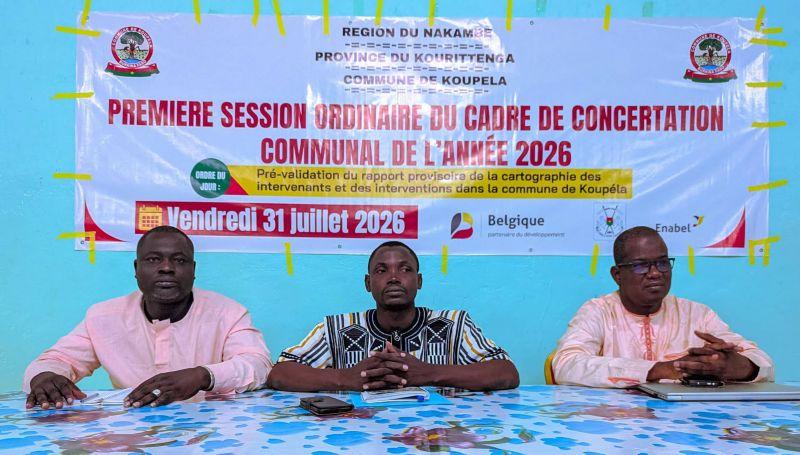
Les 30 et 31 juillet 2026, les communes de Pouytenga et de Koupéla ont respectivement tenu leurs premières sessions ordinaires du Cadre de Concertation Communal (CCCo), consacrées à la pré-validation des rapports provisoires de cartographie des intervenants et des interventions sur leurs territoires respectifs. Organisées avec l’appui financier de l’Agence belge de coopération internationale (Enabel) et l’accompagnement technique de la Directions régionale de l’Économie et de la Planification du Nakambé, ces sessions ont mobilisé autorités locales, services techniques, organisations de la société civile, OMG et partenaires de développement autour d’un objectif commun : renforcer la coordination des acteurs et améliorer l’efficacité des actions de développement au bénéfice des populations. Dans un contexte marqué par la multiplicité des intervenants et la nécessité d'une meilleure articulation des initiatives locales, les deux communes se sont engagées dans un exercice de cartographie visant à identifier les acteurs présents sur leurs territoires, leurs domaines d'intervention, les zones couvertes ainsi que les ressources mobilisées. Cet outil constitue désormais une base de référence essentielle pour orienter les décisions communales, favoriser la complémentarité des actions et améliorer l'allocation des ressources en fonction des priorités locales. À l'ouverture de la session de Koupéla, le Président de la Délégation spéciale (PDS) a rappelé l'importance de ce processus dans un contexte où les défis de développement exigent une mobilisation collective de l'ensemble des acteurs territoriaux. « La concertation, la coordination et la recherche de complémentarités entre les acteurs constituent aujourd'hui des impératifs pour garantir l'efficacité des interventions et maximiser leur impact sur les conditions de vie de nos populations », a-t-il souligné. À Pouytenga comme à Koupéla, les échanges ont permis d’examiner et d’enrichir les rapports provisoires de cartographie afin d'en améliorer la qualité et l'exhaustivité avant leur validation définitive. Les participants ont passé en revue les informations collectées, formulé des observations et apporté des contributions destinées à renforcer la fiabilité des données.Au-delà de l'identification des acteurs, la cartographie constitue un véritable outil d'aide à la décision pour les collectivités territoriales. Elle favorisera une meilleure répartition des investissements et une plus grande complémentarité des initiatives au profit des populations. À Koupéla, les participants ont notamment relevé la nécessité de mieux équilibrer les interventions entre les centres urbains et les zones périphériques, tandis qu’à Pouytenga, l’accent a été mis sur l’actualisation continue de la cartographie afin d’en garantir l’exhaustivité et la pertinence. La tenue de ces sessions, élargies à l'ensemble des acteurs du développement intervenant sur les territoires des deux communes, s'inscrit dans le cadre de l'Approche Territoriale Intégrée (ATI), à laquelle Pouytenga et Koupéla se sont engagées avec l'accompagnement d'Enabel. Fondée sur la concertation, la coordination et la complémentarité entre les acteurs, cette approche vise à renforcer la cohérence, l'efficacité et l'impact des interventions à l'échelle territoriale. Comme l'a rappelé le Président de la Délégation spéciale de Koupéla, « un territoire se développe mieux lorsque les différents acteurs travaillent ensemble autour d'une vision commune, en tenant compte des spécificités locales, des besoins réels des populations et des complémentarités entre les interventions ». À l'issue des travaux, les participants ont réaffirmé leur engagement à poursuivre les efforts de concertation et de partage d'informations au sein des cadres de dialogue locaux. Pour le PDS de Koupéla, la réussite du développement territorial repose avant tout sur la capacité des acteurs à agir ensemble : « C'est ensemble, dans la concertation, le dialogue et la complémentarité, que nous pourrons relever les défis du développement local et construire une commune de Koupéla plus résiliente, plus inclusive et davantage tournée vers le bien-être de ses populations. » Grâce à l’appui d’Enabel, les communes de Pouytenga et Koupéla disposent désormais d’outils stratégiques leur permettant de mieux orienter les actions de leurs partenaires et de consolider la synergie entre les différents acteurs du développement. Cette initiative illustre l’engagement d’Enabel aux côtés des collectivités burkinabè pour bâtir des territoires mieux organisés, plus inclusifs et davantage capables de répondre aux besoins des populations.
-
CDN 3.0 : Enabel accompagne le Burkina Faso vers une action climatique plus coordonnée
Geoffroy ZONGO | 18/08/2026
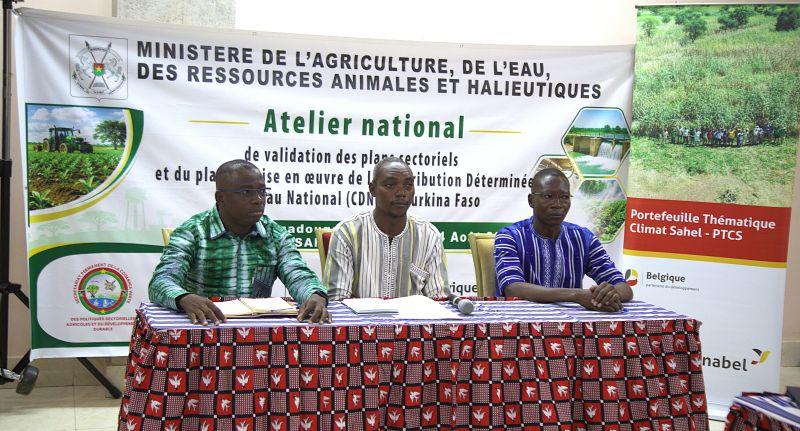
Avec le soutien technique et financier d’Enabel, à travers le Portefeuille Thématique Climat Sahel – volet Burkina Faso (PTCS-BFA), le Burkina Faso franchit une nouvelle étape dans l’opérationnalisation de ses engagements climatiques. Réunis le 4 août 2026 à Ouagadougou, les acteurs publics, les collectivités territoriales, la société civile, le secteur privé et les partenaires techniques et financiers ont examiné et validé les plans sectoriels ainsi que le plan de partenariat de la Contribution Déterminée au niveau National (CDN 3.0), destinée à guider l’action climatique du pays sur la période 2026-2030.L’objectif de l’atelier était de disposer de plans sectoriels et d’un plan de partenariat adaptés au contexte institutionnel national et alignés sur les orientations de la CDN 3.0. Il s’agissait également de permettre aux parties prenantes de mieux comprendre le processus de révision et de mise en œuvre de la CDN, d’examiner les différents projets de plans et de contribuer à leur validation. Présidée par le Secrétariat Général du ministère de l’Agriculture, de l’Eau, des Ressources Animales et Halieutiques, représenté par son Chargé d’Études, Sylvain KABORE, la rencontre a réuni une diversité d’acteurs engagés dans l’action climatique. Ministères sectoriels, collectivités territoriales, organisations de la société civile, partenaires techniques et financiers et secteur privé ont ainsi confronté leurs analyses et formulé des propositions d’amélioration.Cette diversité d’acteurs traduit une conviction essentielle : la mise en œuvre des engagements climatiques ne peut être portée par un seul secteur ou une seule institution. Elle nécessite une coordination renforcée, une clarification des responsabilités, une mobilisation des ressources et une appropriation des instruments par l’ensemble des acteurs concernés.Une approche participative pour renforcer la qualité des plans Cet atelier de validation est le couronnement d’un processus débuté depuis avril 2026 par des séances de travaux de révisions et de pré-validation des plans sectoriels et du plan de partenariat. Ce processus a été conduit de façon participative par les points focaux des différents ministères sectoriels.Les travaux de l’atelier ont porté sur la présentation des plans sectoriels et du plan de partenariat, suivie d’échanges et d’amendements. Cette démarche participative devait permettre de confronter les propositions aux réalités et priorités des différents secteurs, tout en renforçant leur cohérence avec les politiques nationales de développement. L’activité a connu la participation des acteurs ministériels, des organisations de la société civile, des partenaires techniques et financiers et du secteur privé. Les échanges ont notamment porté sur la pertinence des actions proposées, les responsabilités institutionnelles, les mécanismes de coordination, les besoins en financement ainsi que le dispositif de suivi-évaluation. Les contributions formulées au cours de la rencontre ont permis d’enrichir les documents soumis à validation et de renforcer leur caractère opérationnel. À l’issue des travaux, les participants ont validé les plans sectoriels et le plan de partenariat, sous réserve de l’intégration des observations retenues. Ils ont également recommandé de finaliser les documents amendés, de renforcer leur appropriation par les structures sectorielles concernées et de consolider la coordination interinstitutionnelle.Enabel, partenaire de l’opérationnalisation de l’action climatique Ce processus de révision des plans sectoriels et du plan de partenariat de la CDN 3.0 entièrement financé par le royaume de Belgique à travers Enabel, marque l’effectivité de la mise en œuvre des engagements climatiques du Burkina pour la période 2026-2030. Pour Enabel, l’appui à ce processus traduit sa volonté de contribuer au renforcement des capacités institutionnelles et des mécanismes permettant au Burkina Faso de mieux répondre aux défis climatiques. Au-delà de la validation technique de documents, cette démarche contribue à créer les conditions d’une action climatique davantage coordonnée et articulée autour des priorités nationales. Elle doit notamment faciliter la mobilisation des partenaires et l’identification des leviers nécessaires à la réalisation des objectifs d’atténuation, d’adaptation et de résilience. Avec cette étape franchie, le Burkina Faso dispose ainsi d’une base consolidée pour poursuivre la mise en œuvre de sa CDN 2026-2030. Le défi est désormais de transformer ces cadres de référence en actions concrètes, financées, coordonnées et suivies, afin que les engagements climatiques se traduisent durablement en résultats au bénéfice des populations et des territoires.
-
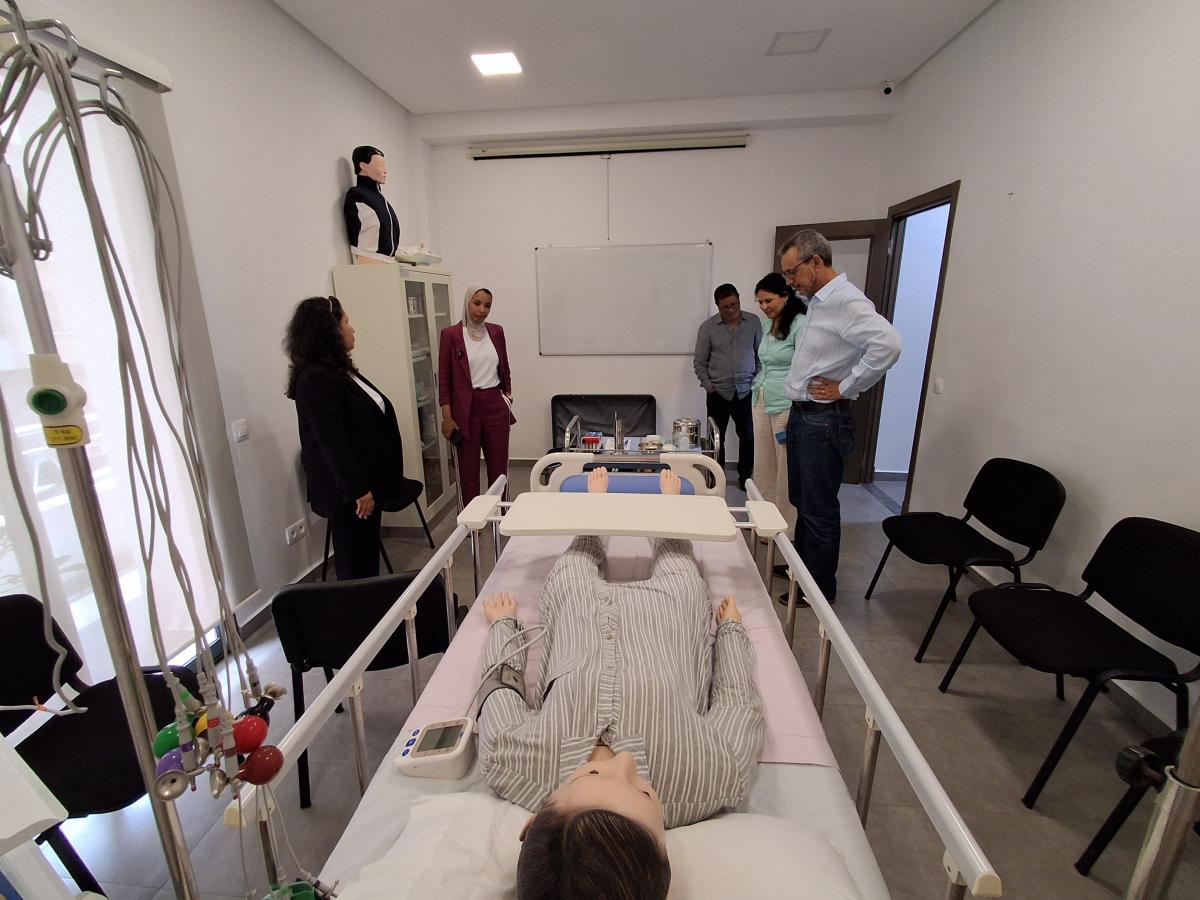
GSP-Soins : les centres de formation membres de la FMEP, des partenaires clés pour la coopération belgo-marocaine
Amal JABOUK | 17/08/2026
En juillet 2026, dans le cadre de la mise en œuvre de la phase opérationnelle du projet GSP Soins (Global Skills Partnership au service des talents dans le secteur des soins), une série de visites de terrain a été menée auprès de plusieurs établissements membres de la Fédération de l'Enseignement Professionnel Privé (FMEP). Ces visites visaient à mieux comprendre le mode de gouvernance de ces centres, à identifier leurs capacités pédagogiques, organisationnelles et techniques, et à poser les bases de la coopération avec les partenaires belges. Ces échanges ont confirmé le rôle structurant de la FMEP, qui accompagne activement ses membres dans leurs démarches d'accréditation, de digitalisation et de partenariats internationaux. Sa Commission Santé s'est particulièrement distinguée par son ouverture à l'international, sa capacité de mobilisation et sa vision stratégique du secteur, autant d'atouts qui en font aujourd'hui un levier majeur pour la réussite du projet. Malgré leur diversité, les établissements visités partagent une réelle volonté de faire évoluer leurs pratiques, notamment à travers l'actualisation des curricula et le développement de la simulation clinique. La mobilité internationale est désormais perçue comme un levier de développement, et la coopération avec la Belgique comme une opportunité de renforcer l'ingénierie pédagogique, les formations de formateurs et les parcours de mobilité étudiante. Les visites ont toutefois aussi révélé des défis partagés, dont la saturation des terrains de stage, la nécessité d'accélérer la digitalisation pédagogique, le besoin d'investir dans les centres de simulation et l'importance de renforcer les partenariats avec les employeurs. Ces constats confirment un potentiel important pour développer une coopération ambitieuse, portée par une communauté de pratique où chaque établissement pourra contribuer selon ses domaines de force. Le projet GSP Soins souhaite s'appuyer sur cette dynamique collective pour construire, avec l'ensemble des partenaires marocains et belges, un partenariat durable fondé sur l'échange d'expertise et le renforcement mutuel des capacités.