Search
Viewing 1005 to 1020 of 3053 news
-
Pushing beyond the limits at a milling factory in Uganda
Jovia KAVULU | 24/07/2024
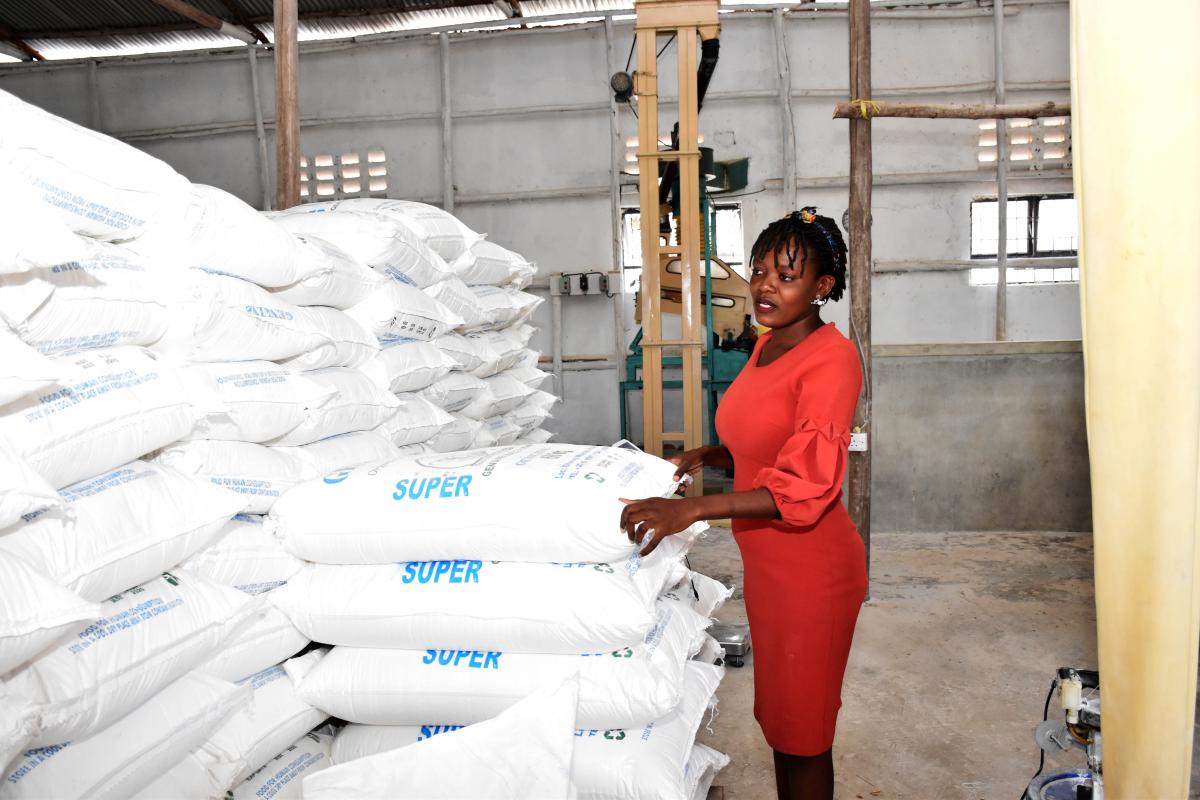
Ms. Starlight Natuha felt a strong desire to prepare for her professional future but knew she needed practical skills first. She discovered Enabel’s Work Readiness Programme (WRP) and decided to apply for the soft skills and six-month placement programme.In 2023, Starlight completed her Bachelor of Science in Planning and Community Development at Mbarara University of Science and Technology. When the WRP placed her as a Sales/Marketing Officer at Genuine Organic Millers in Mbarara, she was eager to learn about milling posho (a type of corn meal made from maize or corn flour) and bran (also known as miller's bran, is the component of a cereal grain consisting of the hard layers) for fertilizers. During her placement, she has been learning to market the products in the local communities and using communication equipment like microphones.Starlight hopes that engaging with her supervisors and customers will broaden her outlook and boost her career confidence. She looks forward to learning bargaining and computer skills, which she will need for tasks like sending emails to clients. “So far, I have seen the production process, assisted where I can, and learned about packaging, pricing, and branding. It has been a valuable learning journey, beneficial for my future tasks. I now feel confident in my ability to produce something. By the end of the WRP, I hope to be able to employ myself and others,” says Starlight.
-
From theory to practical laboratory operations in Uganda
Jovia KAVULU | 24/07/2024
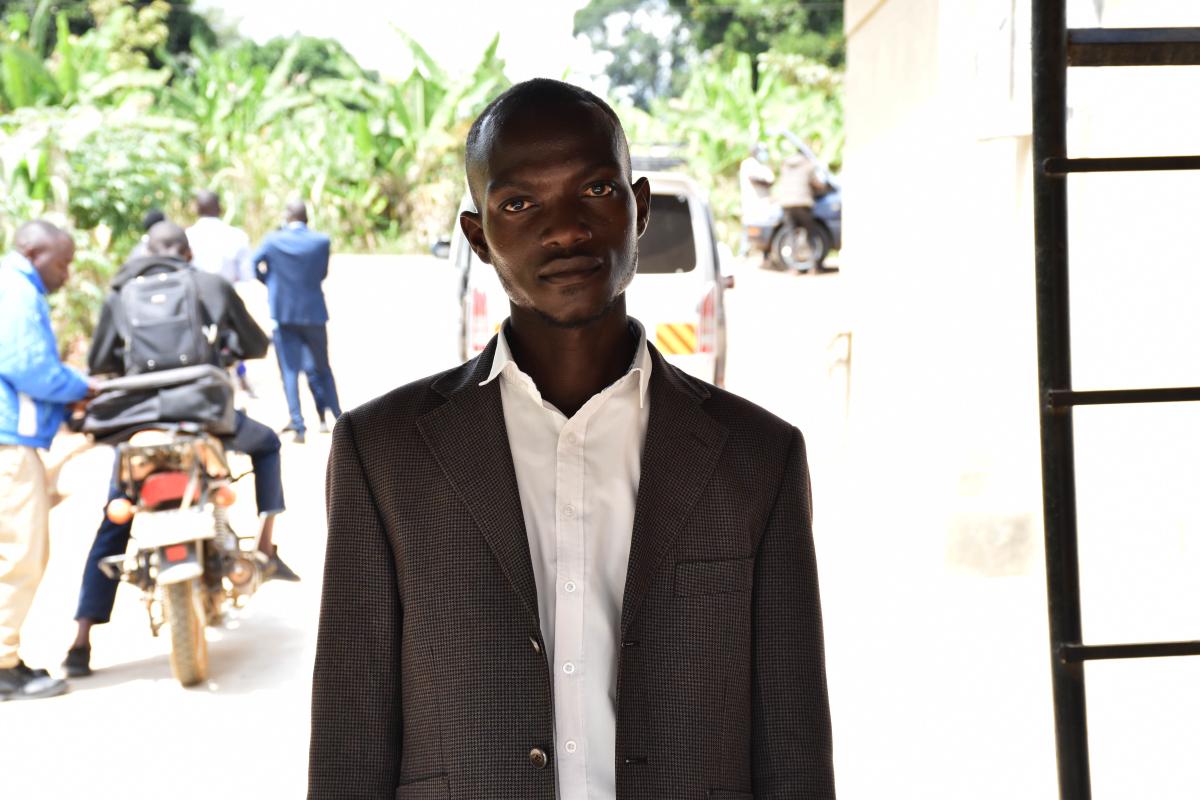
After graduating from St. Francis School of Health Sciences in Mukono Namataba, Mr. Mathias Ssekabira felt a strong urge to apply his knowledge. As he began his professional journey, he aimed to serve the community. Joining Enabel's Work Readiness Programme (WRP) seemed like a strategic way to achieve this goal. Mathias was fortunate to receive coherent instructions in his laboratory practice, particularly soft skills, from the Kyamaganda Community Development Organization (KCDO) in Lwengo District. Now, he is impacting the lives of community members as a Medical Laboratory Officer. KCDO is a local Community-Based Organisation that advances the lives of vulnerable communities through socio-economic empowerment. At KsDO, Mathias theoretical knowledge of laboratory operations has been put into practice through phlebotomy, which involves collecting samples from patients, examining them, and passing them on to the technician for an informed diagnosis. He has embraced the WRP opportunity to visualise his future aspirations. “I have acquired communication and problem-solving skills and can now communicate to patients, counsel HIV persons, persons suffering from syphilis among others,” says a gratified Mathias, adding that he has a dream of managing his own facility, which he hopes will improve health outcomes in the country. The Programme has also helped Mathias achieving his potential to handle the challenging task of delivering unpleasant news to patients about their HIV status. "When a person tests positive, you have to first prepare them before telling them their status", he says. He has learned to take the necessary time to gently prepare patients to receive any kind of news. He is proud that his work has significantly helped to reduce the patient overload at his facility, and teamwork has been his main takeaway from the six-month placement. Grateful for the opportunity to work with KCDO, he gladly endorses Enabel's Work Readiness Programme to fellow graduates.
-
Enabel au Burkina Faso renforce les capacités d’acteurs locaux en aménagement territorial participatif, inclusif et durable
Kimsegninga SAVADOGO | 24/07/2024
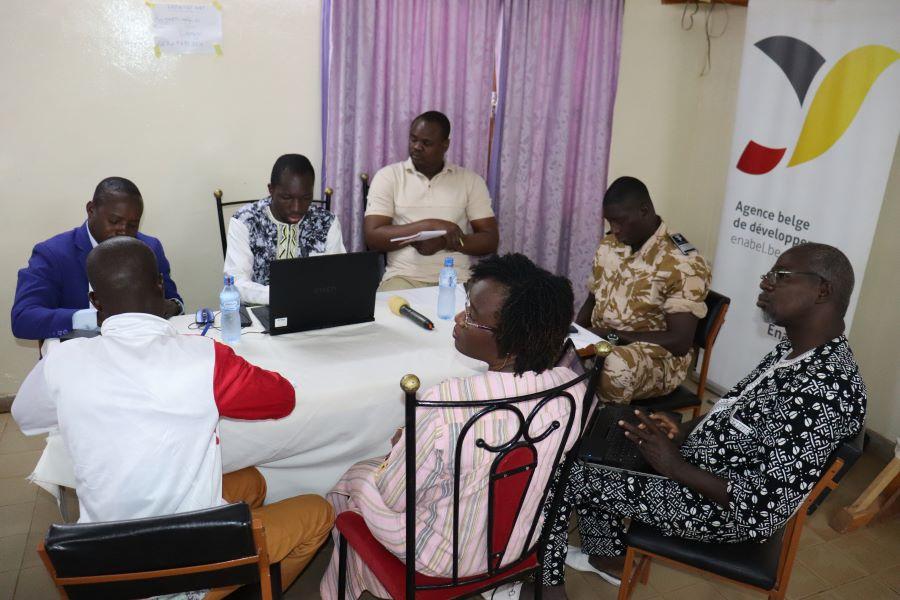
L’Agence belge de développement, Enabel à travers son projet « Appui à la résilience socio-économique dans les régions du Centre-Nord et du Plateau Central » a entrepris l’organisation d’ateliers de formation et de réflexions stratégiques des acteurs locaux des commune de Kaya, Zorgho et Koupéla sur l’aménagement territorial participatif, inclusif et durable dans un contexte fragile. Le premier de cette série de trois ateliers s’est tenu du 02 au 04 juillet 2024 dans la commune de Kaya, chef-lieu de la région du Centre-Nord. Cette session de formation dont la cérémonie officielle a été présidée par le Secrétaire Général de la région du Centre-Nord M. Inoussa KABORE qui avait à ses côtés M. Somdéma KOLOGO, Intervention Manager du projet « Appui à la résilience socio-économique dans les régions du Centre-Nord et le Plateau Central », a réuni des acteurs des services techniques déconcentrés, collectivités territoriales, Forces de Défense et de Sécurité (FDS), ONG, Organisations de la Société Civile (OSC). Elle a été animée par un expert de la direction générale du développement territorial en collaboration, avec des techniciens d’Enabel au Burkina Faso. Renforcer les capacités des forces vives du Centre Nord et du plateau central en aménagement participatif, inclusif et durable du territoire Son objectif global est de renforcer les capacités des forces vives en aménagement participatif, inclusif et durable du territoire dans un contexte de crise et de fragilité. Il s’est agi spécifiquement de former et de sensibiliser les acteurs locaux sur : les principes de bases, les organes, les acteurs et les instruments pour un aménagement territorial participatif et inclusif ; les stratégies locales de pilotage, de vulgarisation et d’appropriations des instruments de planification territoriale pour un développement communal durable ; la prise en compte du genre et des personnes vulnérables dans l’élaboration et le pilotage des outils de planification territoriale. Une feuille de route en matière de planification et de gouvernance de l’aménagement du territoire A l’issue de la session de formation, les participant·es ont mis en commun les éléments devant servir à l’élaboration d’une feuille de route municipale en matière de planification et de gouvernance de l’aménagement du territoire, en vue de permettre aux acteur·trices des communes concernées de pourvoir élaborer leurs schémas d’aménagement territoriale. L’aménagement territorial est perçu comme « une politique de planification spatiale qui consiste en une meilleure répartition des populations et des activités en tenant compte des potentialités et des contraintes du milieu naturel, des contraintes techniques, socio-économiques et environnementales du territoire concerné ». Les enjeux de l’aménagement territorial sont multiformes et prennent entre autres en compte la maîtrise de la démographie, la dotation conséquente en infrastructures socio-collectifs de base indispensables au développement du pays, le processus de de développement cohérent sur tout le territoire national, la réduction des inégalités inter et intra régionales, le traitement adéquat de la problématique foncière et la résolution des questions sécuritaires. Il s’agit d’une vision globale intégrée qui vise à assurer une cohérence dans les actions/interventions pour un développement durable de l’ensemble du territoire national. Des éléments de diagnostique pour l’élaboration d’une feuille de route pour l’aménagement territorial Pour l’élaboration de cette feuille de route, des aspects clés sont pris en compte à savoir : Les caractéristique du milieu physique et humain, les activités économiques ainsi que l’organisation et le fonctionnement de l’espace. Concernant ces aspects, les participant·es à l’atelier se sont intéressés à la ville de Kaya et ont diagnostiqué les forces, les faiblesses, les opportunités et les menaces qui doivent servir à l’élaboration de la feuille de route en matière de planification et de gouvernance de l’aménagement du territoire. En termes de faiblesses, il a été retenu : la surpopulation, la crise du logement ; la forte pression sur les infrastructures routières ; la non exploitation des sites de gestion des déchets (la population déversant les déchets hors des sites réservés à cet effet) ; la réduction des espaces de production ; l’accroissement de la migration ; la dégradation de la voirie ; l’absence de moyens de transport commun urbain ; l’occupation anarchique du domaine public et délimitation territoriale ; le non fonctionnement de la station de traitement des boues de vidange ; l’insuffisance d’établissements scolaires qui occasionne la pléthore des effectifs scolaires, de suivi-contrôle de la qualité de l’eau, du personnel et des moyens de suivi des activités économiques de ressources humaines dans les différents services de l’Etat - ce qui entraine des lourdeurs administratives -, d’unités modernes de transformation des produits, de bâtiments administratifs, de ressources pour le fonctionnement adéquat de l’administration, de communication entre la mairie et les populations et de collaboration entre la commune et les services techniques de développement. Concernant les forces les participant·es ont recensé : la diversité des communautés ; la forte démographie avec un fort taux de proportion de jeunes, de femmes et d’agriculteur·trices ; la disponibilité d’eau de surface et souterraine ; l’organisation des acteur·trices en coopératives ; la transformation diversifie des matières premières, spécifiquement la transformation des cuirs et peaux ; la tenue régulière des cadres de concertation et des journées de redevabilité ; la bonne collaboration entre les autorités communales ; la présence de plusieurs partenaires de développement même s’il faut mentionner la faiblesse de collaboration et de synergies d’action entre eux ; l’existence d’unités de production et de commercialisation d’eau , de terres pour l’agriculture et l’élevage, de services technique de production, de sous-sols riches en minéraux, de marchés, de services techniques de l’Etat, d’un bureau domanial même si celui-ci est insuffisamment équipé et de plans annuels de développement et de gestion de déchets. Parlant de menaces, on retient : l’augmentation des accidents de la circulation, de l’insécurité urbaine et des risques de maladies hydriques ; la dépravation des mœurs ; la faible capacité des services de santé et le recours à l’automédication ; le décrochage scolaire avec son corollaire de délinquance juvénile ; le déplacement massif des populations ; la fermeture de certains marchés ; les aléas climatiques et spécifiquement la faible pluviométrie ; la réduction des espaces cultivables et la faible mécanisation de l’activité agricole qui occupe pourtant une majeure partie de la population. Pour les opportunités, il a été identifié : l’existence d’une main d’œuvre importante, secteur privé dynamique ; la mise en œuvre de politiques et stratégies d’appui au secteur agro-sylvo- pastoral ; les appuis multiformes d’organisations et d’ONG ; la forte demande en biens de consommation ; le renforcement des capacités des acteurs. Pourquoi organiser une session de formation des acteur·trices locaux·ales sur l’aménagement territorial ?A l’instar d’autres villes et communes, rurales Kaya, est confronté à de forts défis sécuritaires, humanitaires et fonciers causant de nombreux déplacements des populations, généralement des zones rurales vers la zone urbaine et une augmentation des risques de conflits liés à la gestion et l’exploitation des ressources naturelles. Cette situation peut impacter négativement le processus d’aménagement harmonieux de cette localité. Ce processus sensé proposer des solutions pour une gestion harmonisée des ressources naturelles est soit méconnus des acteurs locaux, soit en déphasage avec les réalités du terrain. L’atelier de formation de Kaya a permis aux acteurs locaux et la société civile de comprendre et d’analyser les défis spécifiques en matière de planification territoriale inclusive pour un développement local.
-
Empowered to expand networks at ‘Trek Rwenzori Tours’ in Uganda
Jovia KAVULU | 24/07/2024
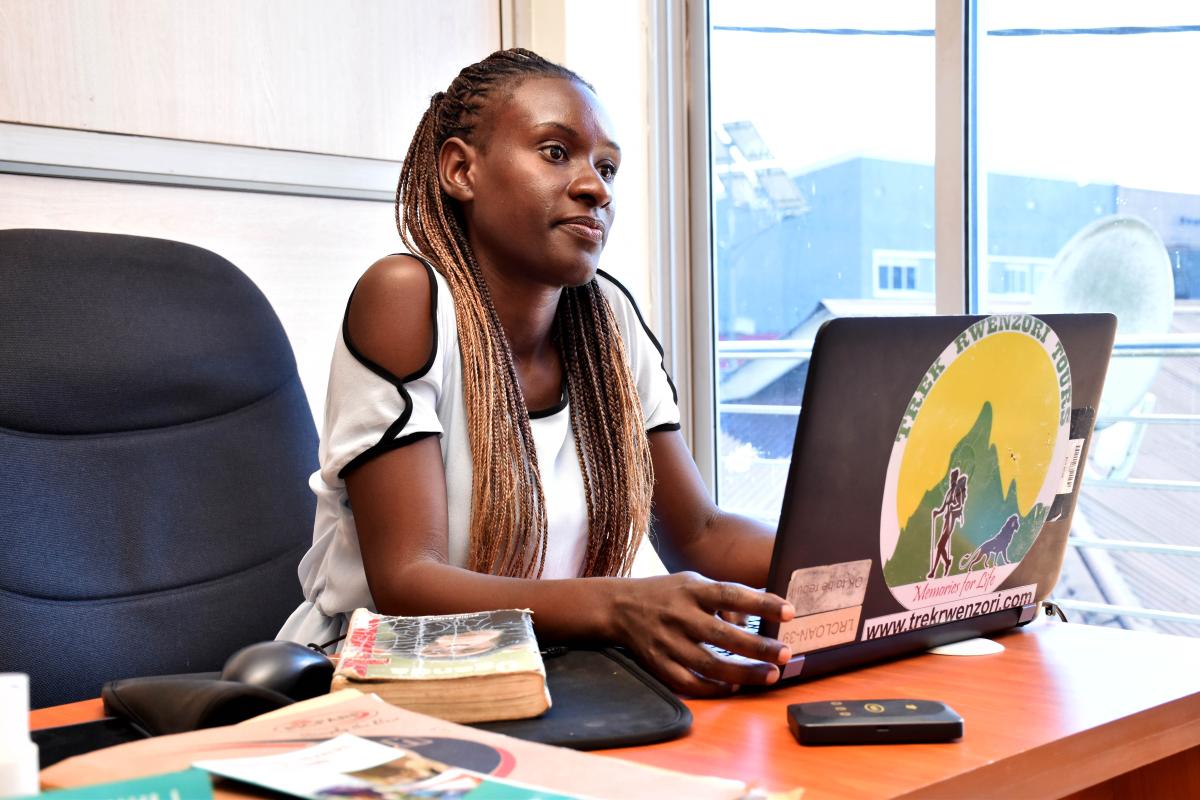
After graduating with a Bachelor of Adult and Community Education and a diploma in Tourism and Hospitality, Ms. Rose Kababiito was inspired to join Enabel’s Work Readiness Programme (WRP) because she wanted to learn the technical skills necessary for the professional workforce. Through the Programme, she found employment as a tour guide at 'Trek Rwenzori Tours' in Fort Portal city. Ever since her placement, Rose has been proud to have contributed to the company’s growth through her learned skills in effective communication, documentation and creating visibility for the tour business. At 'Trek Rwenzori Tours', Rose learns practically, and with her efforts, the business is getting more tourist bookings. On a regular field work day, Rose briefs tourists on what to expect and the trip do's and don’ts and leads them to their safari destinations. “I can now talk to international visitors without feeling intimidated. I’m more confident now”, she says. In addition to her interactive skills, Rose, who is interested in digitalisation has a platform to undertake digital tasks like documentation of stories from the field. She has also learned skills in Excel database and gmail, and has consequently improved her resume. Rose is excited about her newfound report writing skills and the exposure she has built in addition to the network expansion, which she has gained for the company. “I believe that I’ll be able to put all the soft skills I’m learning from the programme such as teamwork, to use even in my future career”, says Rose.
-
Building success through community engagement in Uganda
Jovia KAVULU | 24/07/2024
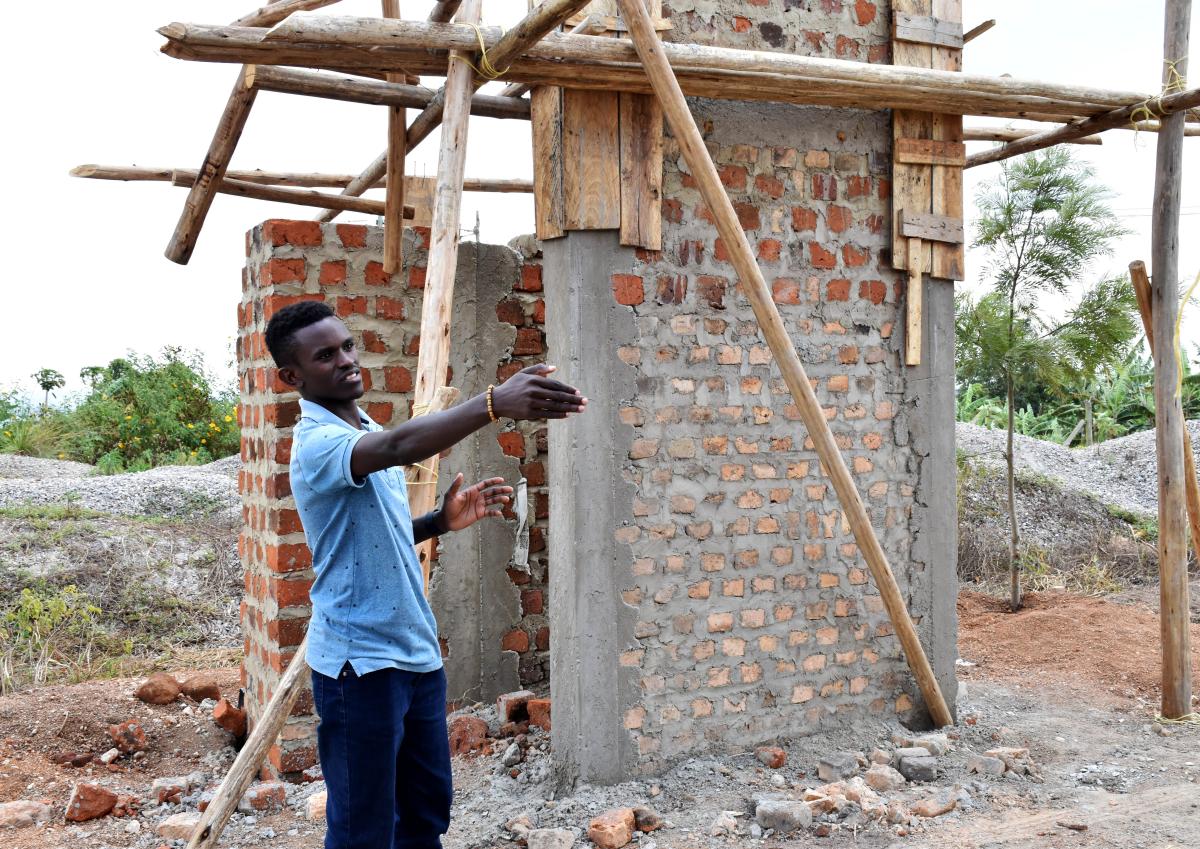
“If you interact with people, you can win a contract. If you can win a contract, you can build a career. If you can build a career, you can be successful”, says Mr. Justus Twinomujuni. He is a graduate civil engineer at the Bazira Kiteesa Sports Ground, where he was placed when he applied for the six-month Enabel's Work Readiness Programme (WRP). Justus journey began with a curiosity to bridge the gap between the theoretical knowledge he acquired in school and practical application in a real-world setting. He had the noble desire to contribute towards community development through his engineering skills. At the Bazira Kiteesa Sports Ground, the graduate engineer monitors and advises on technical operations, guides contractors, and ensures adherence to quality standards and safety protocols. His confidence has soared as he actively engages with community leaders and locals to understand their perspectives and needs. He is excited to integrate his engineering expertise with community insights. Moreover, from the Programme, in addition to honing his technical skills in software proficiency in technical tools like Civil 3D and ARCHCARD, Justus says he has also polished his soft skills like effective communication and problem-solving abilities. For a fresh graduate, he has impressively adapted quickly to the professional work environment. With his proven capacity to engage with diverse stakeholders, from educated professionals who are his mentors and direct supervisors to those less-versed in technicalities who work at the Sports Ground which is under construction. Facing minimal challenges, Justus highlights the supportive environment provided by the Programme directors. Any issues he faces are swiftly addressed through collaborative resolutions, which has eased his learning experience. Justus notes that his active involvement in constructing a pavilion as part of the Sports Ground project is his significant contribution to the Lwengo Community. The Sports Ground is where the famous Kabaka Run has been modestly commemorated for the last three years by community members around the area. The Run is flagged off by the Kabaka on the last Sunday preceding his birthday which is on 13th April, and it aims at promoting fitness, health, and community engagement. Participants usually gather at Lubiri palace and run through the city, with different distances available for people of all fitness levels). Youngsters always visit to practice athletics. Justus has kept close contact with NGO ‘Engineers Without Borders’ and can advise the construction team on the ground with guidance from the NGO. This, he says, has enriched his practical experience and widened his perspective on civil engineering. The graduate’s major takeaway from the six-month WRP so far is the importance of interpersonal skills as he emphasises that effective interaction with people is pivotal not only for securing contracts but also for building a successful career in engineering. With this positive attitude, Justus hopes to leverage his training to contribute to a greater impact in the Lwengo community in the next three months, “I’ll be ready to happen and be the impactful marvel I’ve always wanted to be”, says Justus.
-
Optimisation des pratiques agricoles au Bénin dans la filière ananas : le conseil agricole, un succès du Programme DEFIA/PARSAD d'Enabel
Reece-hermine ADANWENON | 23/07/2024
La filière ananas au Bénin a connu une croissance significative au cours des deux dernières décennies, avec une augmentation de la production nationale de 51 000 tonnes en 2000 à environ 400 000 tonnes en 2020. Cependant, malgré cette augmentation, les producteurs ont du mal à générer plus de profits. Pour aider les producteurs et les organisations professionnelles agricoles (OPA) à améliorer leur production et leur rentabilité, le programme DEFIA d'Enabel a mis en place une stratégie de conseil agricole. La stratégie de DEFIA s'aligne sur la Stratégie nationale de conseil agricole-Deuxième génération (SNCA 2) du Bénin, qui préconise la contractualisation de prestataires privés ayant des compétences et une expertise dans sept types différents de conseils agricoles. En collaboration avec l'Agence Territoriale de Développement Agricole du Pôle 7 (ATDA 7), DEFIA a mis en place trois types de dispositifs de conseils agricoles : le conseil technique spécialisé, le conseil de gestion aux exploitations agricoles et le conseil aux organisations professionnelles agricoles . Le conseil technique spécialisé a permis la mise en place de 339 Unités de Vulgarisation (UV) dans 7 communes de la zone de forte production et dans 25 communes de la zone d'extension. En tout, 41 conseillers techniques ont accompagné près de 4 355 producteurs, dont 81% d'hommes et 19% de femmes. Les producteurs ont reçu une formation technique sur 10 thématiques et bonnes pratiques agricoles, et 65% d'entre eux ont appliqué ces bonnes pratiques sur leurs propres parcelles. Cette application a eu un effet sur l'augmentation des rendements, qui sont passés de 57 à 81 tonnes par hectare pour la Cayenne lisse et de 63 à 67 tonnes par hectare pour le pain de sucre. Grâce à cette augmentation des rendements et des superficies emblavées, les producteurs accompagnés ont vu leur revenu global pratiquement doublé, passant de 7,8 milliards de FCFA en 2019 à 13,9 milliards de FCFA en 2023. Le conseil de gestion aux exploitations agricoles a permis la constitution de 214 Groupements d'Intérêts Professionnels dans 7 communes de la zone de forte production et dans 21 communes de la zone d'extension. En tout, 21 conseillers ont accompagné 2 400 producteurs membres des GIP, dont 83% d'hommes et 17% de femmes. Dans la zone de forte production, 49% des producteurs utilisent au moins un outil de gestion, tandis que dans la zone d'extension, 34% des producteurs en utilisent au moins un. De plus, 35% à 50% de ces producteurs appliquent les outils avec assiduité. Les producteurs perçoivent les méthodes et outils comme « révélatrices » car elles leur permettent d'organiser leur production pour mieux tirer profit des marchés desservis.Le conseil aux organisations professionnelles agricoles a permis l'accompagnement de 100 organisations de base et 17 syndicats et faîtières au total, représentant environ 4 800 producteurs et transformateurs dans la filière ananas. Après le coaching-formation, le taux de coopératives de base déclaré au journal officiel s'est accumulé pour passer de 0% à 75%. DEFIA a également impliqué chaque structure selon son rôle évolué dans la réforme agricole intervenue en 2020. Avec l'appui du programme, l'ATDA a organisé des rencontres régulières d'échanges entre les différents prestataires de fourniture du conseil pour les informateurs sur la SNCA. 2, stimuler l'apprentissage mutuel et harmoniser les méthodes et outils utilisés. Les producteurs perçoivent l'accompagnement en conseil agricole comme une bonne pratique, en particulier en ce qui concerne son approche. Les producteurs et productrices bénéficiaires du Conseil de Gestion aux Exploitations Agricoles (CGEA) recommandent de simplifier les outils de gestion mis à leur disposition et d'introduire de nouvelles notions au moment opportun. En somme, la stratégie de conseil agricole mise en place par DEFIA a permis d'obtenir des résultats significatifs dans la filière ananas au Bénin. Les producteurs ont pu améliorer leur production et leur rentabilité grâce à une approche de conseil agricole participatif et adaptée à leurs besoins. DEFIA continuera de travailler en étroite collaboration avec les OPA et les prestataires de conseil agricole pour améliorer encore les résultats et renforcer la filière ananas au Bénin.
-
Scovia smelt the sweet aroma of cows in Uganda when she joined Enabel's Work Readiness Programme
Jovia KAVULU | 22/07/2024
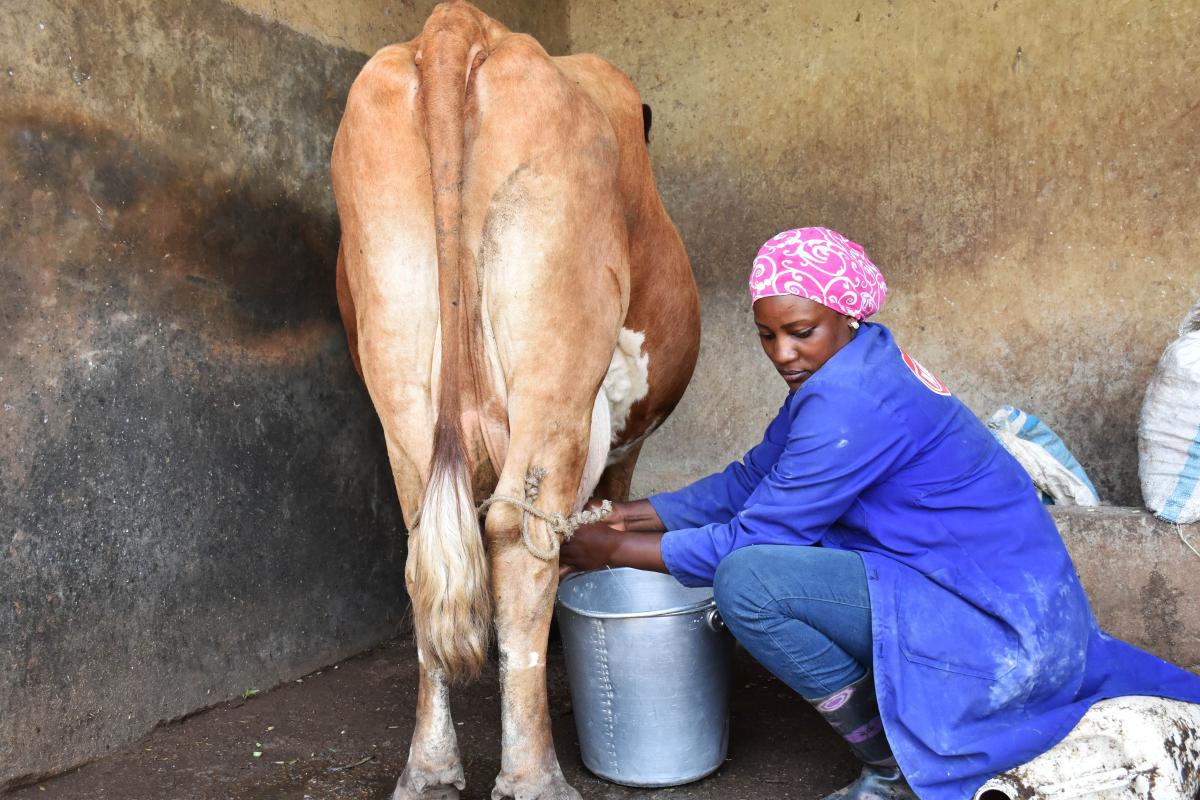
Ms. Scovia Bbiira is a passionate Agricultural Officer at Alibagu Company Limited, a farm in Fort Portal. She graduated as an agricultural scientist from Mountains of the Moon University but did not find work. When she joined Enabel's Work Readiness Programme (WRP), Scovia was fortunate to learn practical skills in agriculture. “Imagine I knew nothing about how someone handles themselves at work. I was just at home and had no skill”, she remembers. The WRP turned into her new teacher for both the soft and hard skills, and Scovia could not wait to throw herself into work at the farm. “I had heard of how to make silage from school, but I had never felt that sweet aroma of the cows”, says the animal lover. “Now I can do things practically. I used to hear about ‘lablab’ (a valuable green manure) and other animal pastures for dairy, and now, I have had the opportunity to see it all”, notes Scovia elatedly. She says that she was fearful and had trouble interacting with people, but now “I can talk easily with everyone. I have learnt how someone carries themselves professionally. I thank the Work Readiness Programme”, says a grateful Scovia. Moreover, she is the only female graduate on the farm. When asked how she felt about it, she said, “I’m very happy to learn along with the gentlemen because they warmed up to me and treat me as their sister.”Scovia is passionate about chicken farming and wants to start a poultry unit after the Programme, “I was excited to learn about how a brooder is managed,” says the cheerful graduate.
-
Launching into a promising auditing career in Uganda
Jovia KAVULU | 22/07/2024
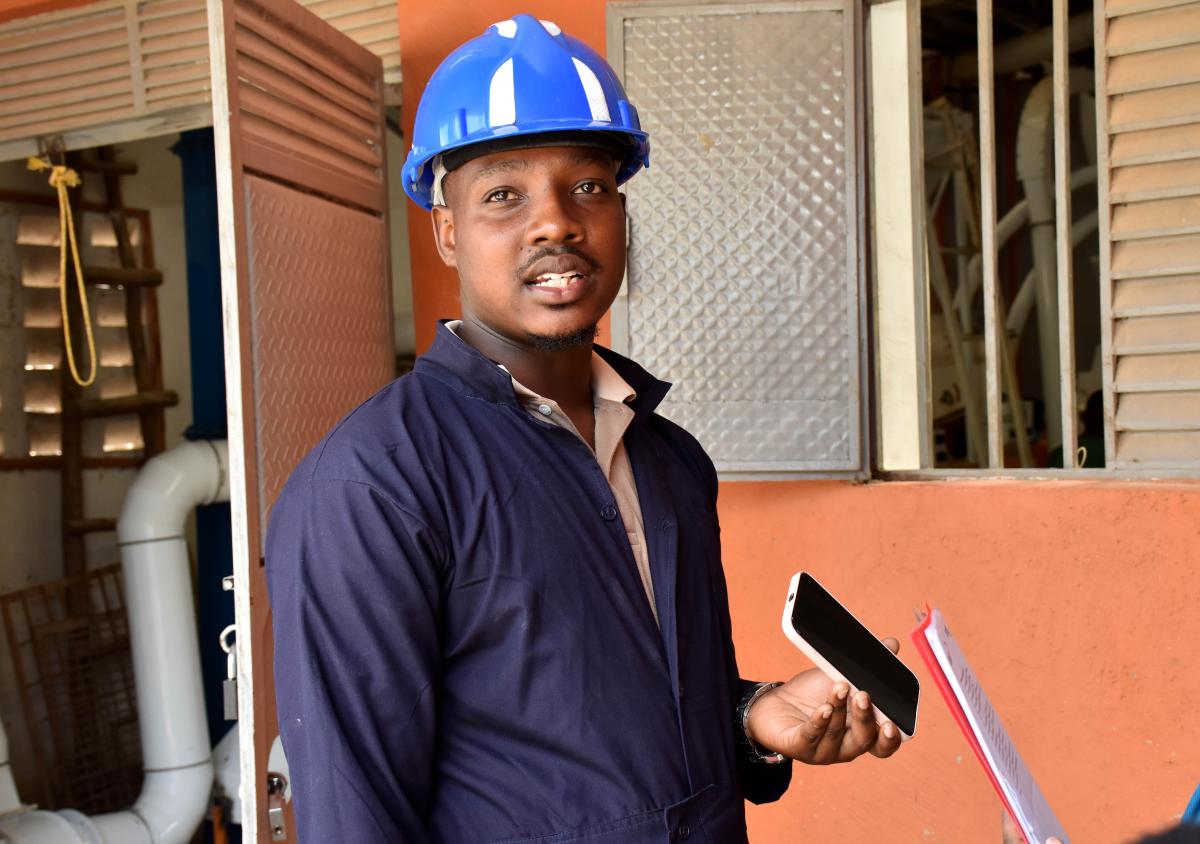
“I want to be an auditor when I grow up,” declared Kiwanda, a Finance graduate of Makerere University Business School, and Level One student of Certified Public Accountants Uganda (CPAU). Kiwanda says he was encouraged by his sister to join Enabel's Work Readiness Programme (WRP). Holding onto his auditing dream, Kiwanda applied and was lucky to get chosen for the Programme. He was placed at St. Nicholas Milling Centre, a factory that was established under the Kyamaganda Community Development Organization (KCDO) in the Lwengo District. His main responsibility was to improve the community’s welfare through value addition to the maize grown by the community. Kiwanda cheerily serves as a Finance Officer at the factory, and his placement has so far proven to be an invaluable learning experience. The graduate recalls his first encounter with report writing during his placement : “When I was asked to write my first financial report, it took me a while because I had to repeat it three times while I got guidance.” Once it was approved, Kiwanda felt accomplished, and it’s with this resilience that the graduate says he will approach all his tasks in the workforce. Kiwanda was taught to file tax returns by an official from the Uganda Revenue Authority (URA) who was hosted at Kyamaganda to guide the graduate accountant. The Programme has also equipped him with hands-on practice in handling debtors and creditors as well as the opportunity to use Quickbooks, an accounting software.Through his interaction with fellow graduates from diverse professional backgrounds for example engineers and lawyers, Kiwanda has managed to hone his interpersonal skills and this interaction. He has also sharpened his communication ability.“I express myself better now, and I’m happy to spend more time with them so that we can learn a lot from each other,” he says, adding that he admires the grit and determination of his engineering friends that he has met in the Programme. “Having a passion for construction and interacting with engineers has reinforced my knack for excellence, which is very necessary for the auditing career. Thanks to the Work Readiness Programme,” concludes the graduate accountant.
-
Consolidating community development with legal practice in Uganda
Jovia KAVULU | 22/07/2024
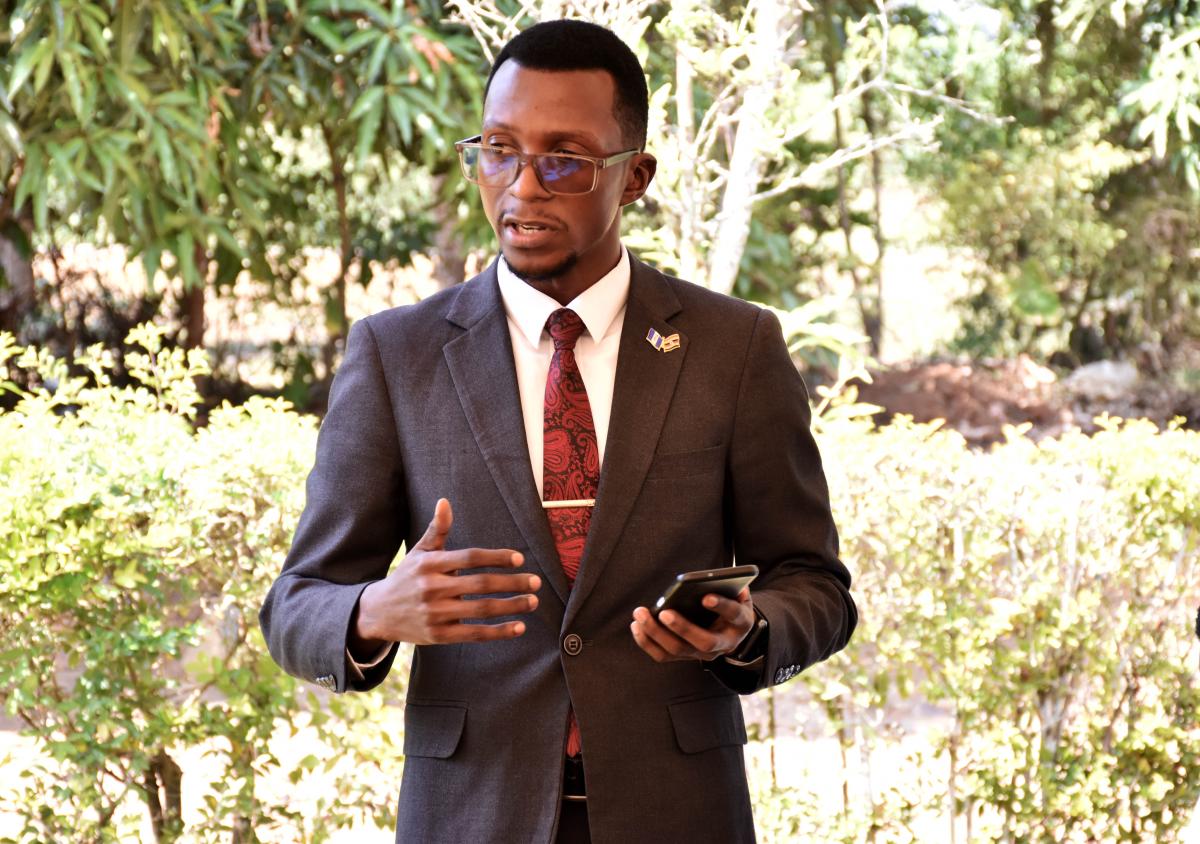
Instead of following the typical path of starting his own law firm, which is common among new law school graduates, Mr. David Mayanja Kiiza chose to join Enabel's Work Readiness Programme (WRP) while waiting for enrolment as an advocate by the High Court of Uganda. David graduated with a first-class degree from the Law Development Centre (LDC) and holds a Bachelor’s degree in Law from Kampala International University. David, 28, discovered Enabel's Work Readiness Programme online and applied (even though he initially wanted to work in the tourism sector) which he viewed as a new and exciting field for legal practice. Instead, he found an opportunity in community development. He joined the Kyamaganda Community Development Organisation (KCDO), a local Community-Based Organisation focused on socio-economic empowerment for vulnerable communities, as a counsellor. While here, he has been able to work in the legal department. Community members have consulted him on legal issues related to land and domestic violence. He drafts documents such as employment contracts and advises on policy amendments for the organisation. David is proud of his daily interactions with the community, which have boosted his confidence and career outlook. “I have the chance to educate the community on legal issues,” he says. Through the WRP, he has also gained computer software skills, enhancing his ability to work with the Electronic Court Case Management Information System (ECCMIS), an online filing system introduced in the judiciary. “My communication skills with clients have improved, and I can speak more confidently now,” he adds, emphasising the long-term benefits of these skills. Beyond legal practice, David aspires to be a businessman. “Communication skills are crucial in business because we work with people. Understanding their needs and challenges builds trust and paves the way forward,” he explains. He also notes that his perspective on his environment has broadened. David has faced challenges with bureaucracy, particularly delays in document processing, a common issue in the legal field. However, his placement organisation has provided significant support, greatly aiding his professional growth. He has enjoyed working with graduates from various backgrounds at Kyamaganda and, as a proponent of "Uubuntu and teamwork," David is pleased with the efficient completion of tasks. “I interact with medical officers, engineers, agricultural officers, and finance officers, among others,” he says. With the networking opportunities the Programme offers, David plans to continue expanding his horizons.
-
Aguro’s path to excellence in dairy quality assurance in Uganda
Jovia KAVULU | 22/07/2024
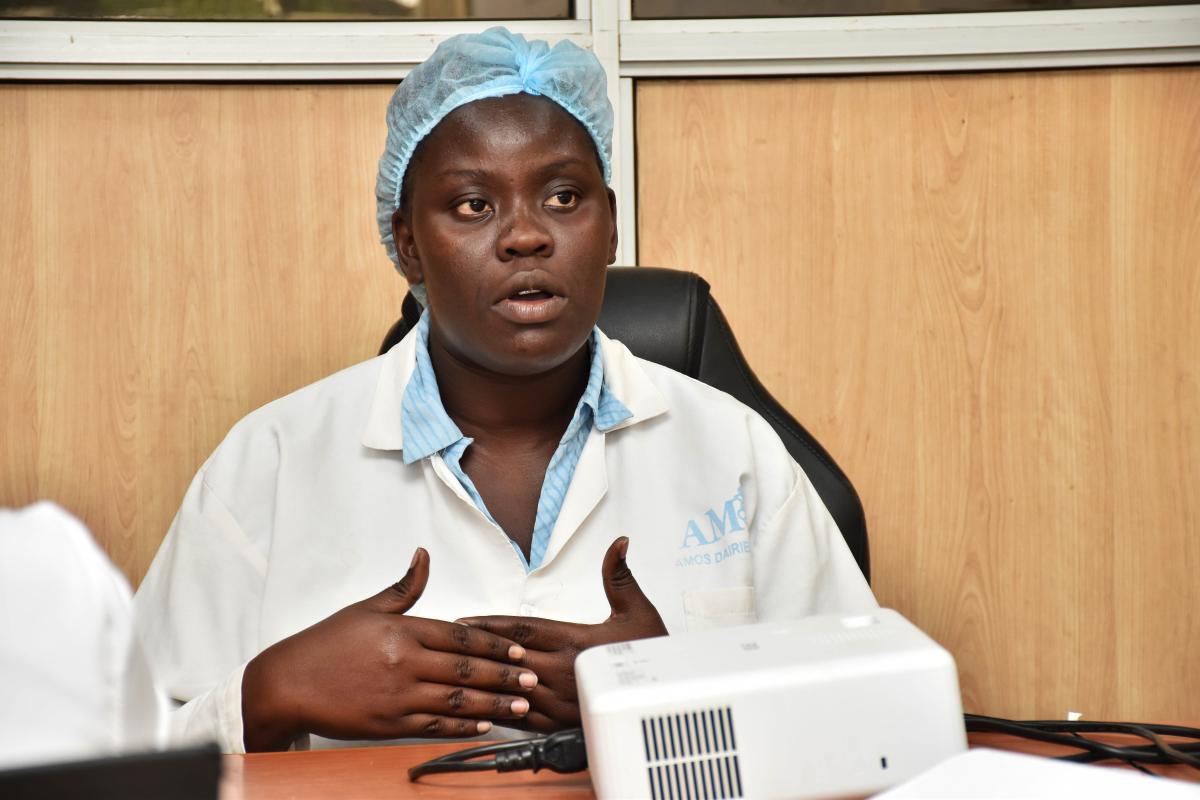
Upon graduating with a Bachelor of Science in Biotechnology from Makerere University, Jemimah Peace Aguro was encouraged by fellow Mastercard alumnus who had been through the Work Readiness Programme to apply for it. “Previous scholars had informed me of the hustle of employment search and introduced me to the easy way, the Work Readiness Programme”, she said. Aguro is one of the two graduate employees that were taken on by Amos Dairies in Mbarara District. She works as a Quality Control Officer who carries out quality tests on raw materials and validates systems, ensuring that they run as per set standards. She says that what makes her confident about her work is that the Work Readiness Programme has given her the platform to practice what she studied in school. “That I fit into a very prominent industry and directly handle a consumable product makes me very confident,” she says.In addition to the soft skills she learned before starting her placement at Amos Dairies, Aguro has learnt how to handle food and the various management systems regarding food. She says she is now able to apply her learned soft skills such as teamwork, innovativeness, consistency and decision-making in her professional work. Despite biotechnology being a slowly growing industry in Uganda, many things are not yet regulated as Aguro notes. She adds that she feels proud of what she has achieved. “Our supervisor, Mr. Temba Phiri is very reliable and the programme has indeed given me a platform to start my career. My takeaway from the programme is patience and being optimistic regardless of what one may face in the work environment. Whereas quitting might be a constant thought in a new workspace, patience does pay,” notes Aguro. She and her co-graduate employee are being retained at the company.
-
Amélioration de l'accès aux soins et de l'utilisation des médicaments en Mauritanie
Aminata KANE | 22/07/2024
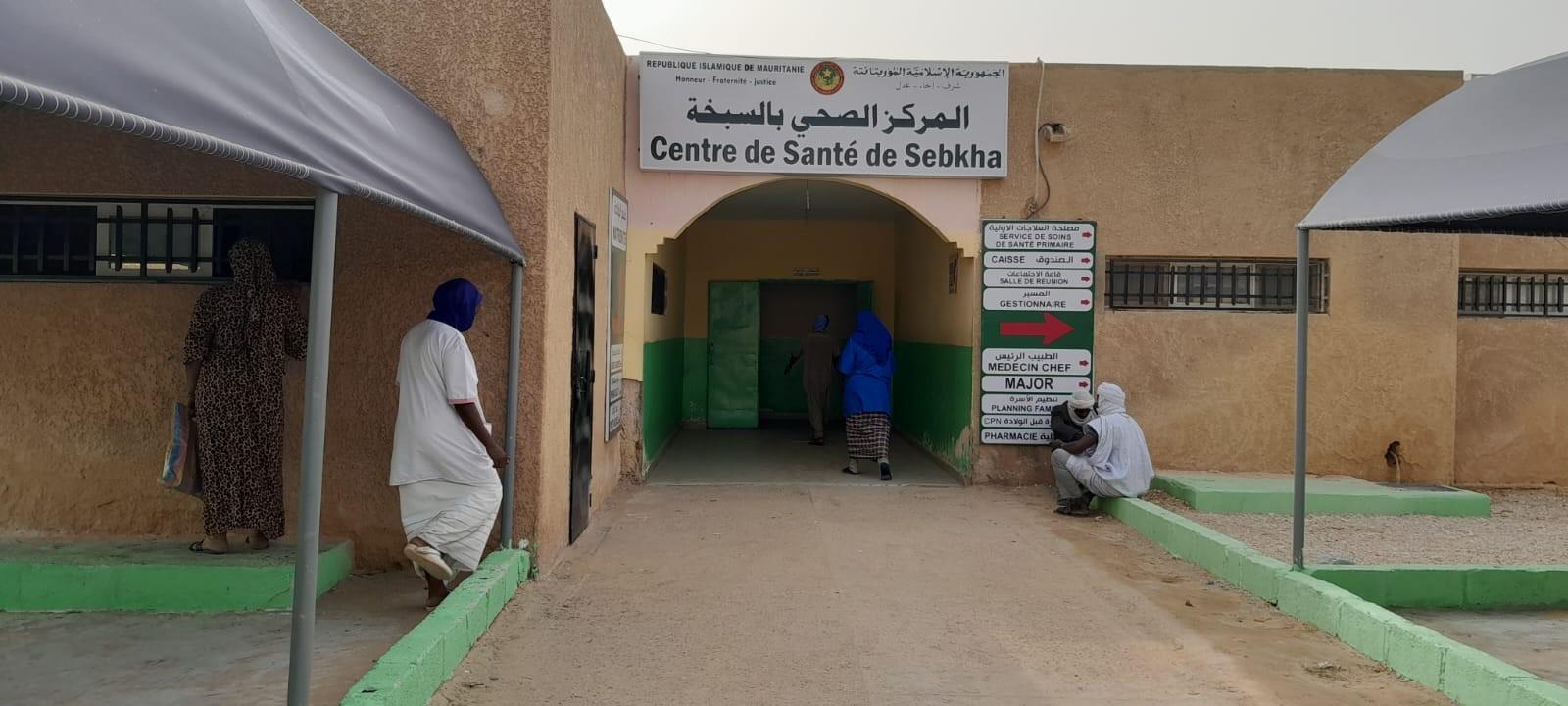
En Mauritanie, l'objectif visé par le programme de santé "AIPASS" d'Enabel, financé par l’Union européenne, est de contribuer à la réduction de la pauvreté en permettant aux individus de vivre une vie saine et en promouvant le bien-être de tou.tes à tout âge. Plus précisément, il s'agit d'améliorer et de rendre l'accès aux soins de santé de qualité plus équitable, conformément aux objectifs du Plan National de Développement Sanitaire (PNDS) et de la Stratégie Nationale de Protection Sociale (SNPS).La Mauritanie, comme beaucoup de pays en développement, fait face à des défis considérables en matière de santé publique. Les problèmes liés aux ruptures de stock de médicaments, l'utilisation irrationnelle des médicaments, et les difficultés d'accès aux soins de première ligne sont des obstacles majeurs qui entravent l'efficacité du système de santé. L’analyse effectuée par Enabel explore ces problématiques en se basant sur trois études récentes et propose des recommandations pour améliorer la situation.1. Les ruptures de stock de médicamentsLa première étude est une étude qualitative qui vise à identifier les principales causes des ruptures de stock de médicaments, un problème qui est devenu de plus en plus fréquent en Mauritanie. L'étude a été menée dans cinq districts de santé ainsi qu'aux niveaux régional et central. Les participants comprenaient des professionnels de la santé, des gestionnaires du CAMEC (Centrale d'Achat des Médicaments Essentiels et Consommables), du Département de la Pharmacie et du Laboratoire (DPL), et du Ministère de la Santé.Les résultats de l'étude montrent que ces ruptures sont causées par une combinaison de 5 facteurs :Capacité insuffisante des ressources humaines : nombre de personnels, formation et rétention.Problèmes de communication et de coordination entre les parties prenantes.Contraintes logistiques : transport et stockage.Contraintes financières.Prévision inadéquate des besoins et des procédures d'approvisionnement complexes.Ces causes sont interconnectées et peuvent souvent être abordées localement par des solutions initiées et dirigées par les autorités mauritaniennes. L'étude suggère des actions pour remédier durablement aux ruptures de stock, y compris des réformes pour améliorer la gouvernance et la responsabilité du CAMEC et pour renforcer les différents piliers du système de santé et pharmaceutique local. La recherche a impliqué des entretiens individuels semi-structurés et des groupes de discussion, analysant les données pour fournir une compréhension commune et orienter les décideurs politiques vers des actions correctives.2. Utilisation rationnelle des médicamentsLa deuxième étude " Évaluation de l'utilisation rationnelle des médicaments basée sur les indicateurs de base de l'Organisation Mondiale de la Santé " est une étude transversale qui a été réalisée pour évaluer l'utilisation rationnelle des médicaments dans les établissements de santé publics et privés à but non lucratif en Mauritanie. Les indicateurs clés de cette étude incluent : Le nombre moyen de médicaments par ordonnance (2,21).Les médicaments prescrits par nom générique (83,1 %).Les médicaments sur la LNME, la liste nationale des médicaments essentiels (54%).Les antibiotiques prescrits (62,4 % des consultations).Les médicaments injectables prescrits (15,6 % des consultations).Le temps moyen de consultation (16,32 minutes).Les conclusions soulignent un excès de prescription d'antibiotiques et un manque de connaissance des directives thérapeutiques nationales. Les recommandations incluent la formation du personnel à l'utilisation rationnelle des médicaments et l'investigation des schémas de prescription par rapport aux directives spécifiques aux maladies. Mais aussi d’enquêter plus en détail sur les schémas de prescription par rapport aux directives thérapeutiques spécifiques aux maladies et d’investiguer qualitativement les facteurs contribuant à la prescription irrationnelle observée.3. Accès difficile aux soins de première ligne Cette troisième étude analyse l’offre et la demande de soins dans trois districts sanitaires (moughataas) : celui de Dar-Naim, de Sebkha et de Bababé. Les résultats montrent des disparités significatives entre les zones urbaines et rurales :Moughataa de Bababé : Ratio FoSa/population de 3,8/10 000 habitants.Moughataa de Dar-Naim : Ratio FoSa/population de 0,6/10 000 habitantsMoughataa de Sebkha : Ratio FoSa/population de 0,3/10 000 habitants.Le ratio FoSa/population fait référence à la proportion de Fournisseurs de Soins de Santé (FoSa) par rapport à la population totale. Le ratio FoSa/population est important, car il donne une idée de l'accessibilité des services de santé dans une région. Un ratio plus élevé signifie une meilleure disponibilité des soins de santé, tandis qu'un ratio plus faible peut indiquer des lacunes dans l'accès aux services de santé.Démographie des participants : 61,4 % ont entre 15 et 59 ans, 77 % sont des femmes.Les différences marquantes entre les moughataas urbaines et rurales suggèrent la nécessité d'une réorganisation des soins primaires en deux modèles adaptés (rural et urbain). Ces modèles doivent inclure un plan de couverture pour optimiser l'offre de soins, améliorer le circuit des patients, et minimiser les disparités d'accès aux soins.Suggestions pour les deux modèles :Décentralisation des compétences.Référence et contre-référence des patients.Plan de couverture pour guider l'implantation des FoSa.En résumé, l'étude recommande des ajustements spécifiques pour améliorer l'accès aux soins de première ligne, en tenant compte des particularités des zones urbaines et rurales. Les pathologies respiratoires et gastro-intestinales sont les motifs de consultation les plus fréquents. L'étude recommande une réorganisation des soins primaires avec des modèles adaptés aux zones rurales et urbaines, incluant la décentralisation des compétences et un plan de couverture pour optimiser l'offre de soins.Les défis de la santé publique en Mauritanie sont complexes et interconnectés. Les solutions doivent être globales et inclure des améliorations dans la gestion des stocks de médicaments, l'utilisation rationnelle des médicaments, et l'accès aux soins de première ligne. Une approche intégrée, tenant compte des spécificités locales, est essentielle pour renforcer le système de santé et garantir un meilleur accès aux soins pour tous les Mauritaniens.Le projet AIPASS contribue à améliorer l'accès aux services de santé pour la population mauritanienne, tout en renforçant les capacités institutionnelles du ministère de la Santé pour une gestion plus efficace et durable du système de santé. Nous pouvons dire que notre programme progresse de manière significative vers la réalisation de cet objectif, contribuant ainsi à la réduction de la pauvreté et à l'amélioration du bien-être pour tous en Mauritanie.
-
Kwihaza Project
Djafari NSANZIMFURA | 18/07/2024
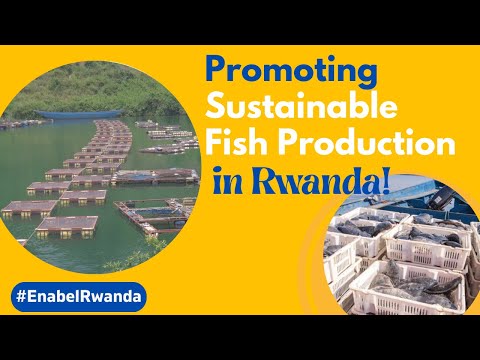
Kwihaza is a 4-year project (2023-2026) aimed at developing the value chains in Rwanda's aquaculture, fisheries, and horticulture sectors. The program recognizes the significant potential for growth and opportunities in both domestic and foreign markets and seeks to unlock the full potential of these sectors while considering the various constraints faced. By addressing key challenges and constraints, the project aims to enhance sustainable productivity, profitability, and competitiveness of producer organizations, microbusinesses, and SMEs. Kwihaza seeks to contribute to socially and environmentally inclusive food systems – prioritizing the development of value chains in the aquaculture, fisheries, and horticulture sectors. Specifically, the project is aimed at increasing in a sustainable manner, the production, per capita consumption, and income generated by fish, aquaculture, and horticulture quality products, with a focus on women and youth.
-
Un nouvel horizon pour notre Directeur Pays
Aminata KANE | 17/07/2024
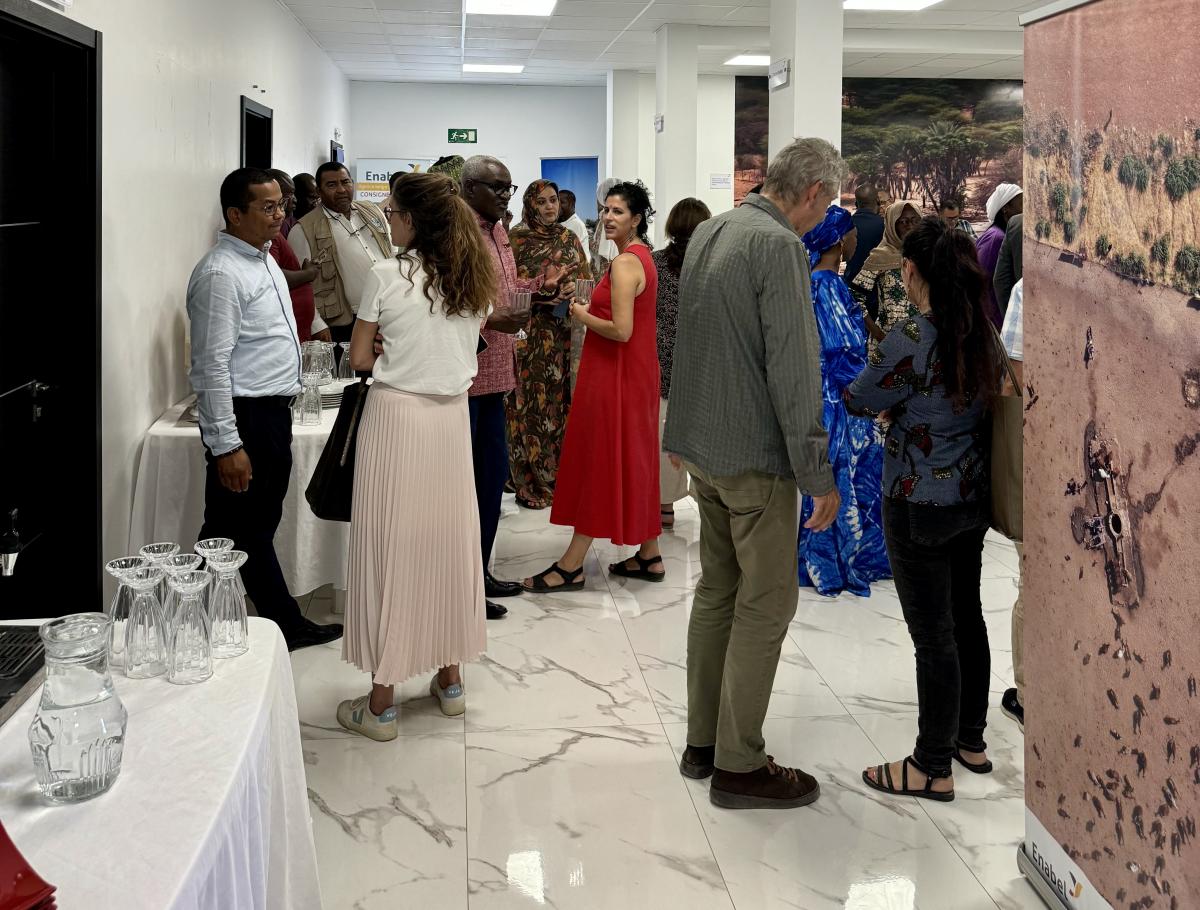
" Travailler à vos côtés a été un honneur et un privilège. Les défis relevés, les projets menés à bien et les résultats atteints témoignent de la force de notre collaboration."Ce 16 juillet 2024, nous avons célébré la fin d'une période marquante pour notre Directeur Pays, Mr Mathias Lardinois, qui quitte son poste après quatre années de service. C'est avec une profonde émotion et une immense fierté que nous revenons sur ce parcours marqué par des accomplissements significatifs et des réussites notables. Étaient présents à la cérémonie, nos partenaires tels que l'Union européenne, le Consulat belge, ainsi que des représentants du ministère de la Santé et du ministère de l'Agriculture. Ce fut un moment de détente et de cordialité. Notre Directeur Pays tient à exprimer sa gratitude sincère envers chacun d'entre vous.Partage de quelques réflexions sur le parcours réalisé tous ensembleTout d'abord, notre directeur tient à exprimer sa profonde gratitude envers chacun des membres de l'équipe : " Ce fut un honneur et un privilège de travailler à vos côtés. Les défis surmontés, les projets menés à bien, les résultats atteints et même les difficultés rencontrées, tout cela a contribué à façonner une expérience professionnelle inestimable pour moi. Enabel, l’Agence belge de développement, défend avec fierté quatre principales forces clés que nous voulons maintenir au cœur de la réalisation de notre mission pour l’avenir, ce que nous appelons notre ADN. " Cet ADN, qui lui tient particulièrement à cœur, a été une motivation principale qui justifie sa relation de 16 ans avec notre organisation. Les 4 forces clés sont :Un partenariat basé sur un dialogue transparent et une implication effectiveRecherche respectueuse de construction des consensus nécessaires, sans agenda caché, modestement, mais avec conviction, en tant que partenaires de confiance.La fourniture de solutions « sur mesure » Volonté d’apporter des solutions innovantes adaptées aux différents contextes, plutôt que des solutions standards « one fits all », en optant pour la co-création avec les parties prenantes en réponse aux besoins réels des différents groupes de bénéficiaires, tout en maintenant une marge de flexibilité importante laissée à l’appréciation des organes de pilotage.Notre présence sur le terrain, au niveau stratégique et opérationnelCe qu’on appelle le double ancrage. Une présence sur le terrain, même dans des contextes complexes et fragiles, acceptant une prise de risque volontaire, mais mesurée, pour ne jamais perdre le lien avec la réalité, ni avec les dynamiques locales. Un ancrage privilégié de nos équipes dans les institutions partenaires aux différents niveaux – central, intermédiaire, périphérique – afin de nous intégrer au sein même des dynamiques de ces institutions.Notre capacité à mettre en réseau et à faciliter la construction d’alliancesUne approche cherchant à développer les mécanismes « Peer2Peer » permettant de créer des espaces de dialogue, de co-réflexion, de coaching, d’échanges d’expérience entre acteurs du même métier, notamment avec des institutions publiques belges.En tant que représentant de notre organisation, Mathias est honoré de pouvoir témoigner que ces forces ont pu être mises en œuvre grâce à une équipe solide et motivée, soulignant l'importance capitale du partenariat que nous avons développé avec les institutions et d’autres organisations. Voici quelques exemples parmi beaucoup d’autres :Partenariat et dialogue transparent Co-pilotage avec l'OMS du groupe des PTF (partenaires techniques financiers) santé; appui à la plateforme RIMRURAL, facilitant les échanges entre l’État, le secteur privé, les ONG et les OSC (organisation de la société civile); Relation étroite avec la Délégation de l'Union européenne, co-créant des cadres de résultats avec les Ministères de l’Économie, du Développement Durable, de l’Agriculture, de l’Élevage, et de la Santé, et Synergies avec les agences des États membres de l’équipe Europe (AFD, GIZ, AECID) et du SNU, maximisant notre impact.Solutions innovantes et sur mesure Développement d'un Schéma d’aménagement pastoral pilote pour la Région du Hodh el Chargui; Co-création avec les parties prenantes, répondant aux besoins réels des bénéficiaires, tout en maintenant une flexibilité essentielle.Présence Stratégique et Opérationnelle Double ancrage (présence sur le terrain, même dans des contextes complexes et fragiles, acceptant des risques mesurés pour ne jamais perdre le lien avec les dynamiques locales); Appui au Ministère de la Santé, implantant le concept d’équipe cadre de Moughata et de gestion des infrastructures rurales productives avec les Ministères de l’Agriculture et de l’Élevage.Réseautage et Construction d’AlliancesParticipation active en Belgique dans le cadre de la Présidence belge du Conseil de l’UE, avec des échanges enrichissants entre la Ministre de la Santé, le DG de l’OMS et des acteurs internationaux de la Sécurité sociale.Beaucoup d’autres exemples existent et son choix ne diminue en rien les autres.Une Équipe Solide et MotivéeLa richesse des échanges avec nos collègues est une motivation centrale. En Mauritanie, nous sommes fiers de notre équipe de 85 personnes, majoritairement mauritaniennes, dont la qualité du travail est exceptionnelle. Merci à chacun d’entre vous pour votre accueil chaleureux et votre engagement quotidien.Regard vers l'AvenirEn regardant en arrière, notre Directeur Pays se dit reconnaissant pour tout ce qu'il a appris ici. Il a eu l'opportunité de travailler avec des personnes inspirantes, pleines de connaissances et d'expertise. Ensemble, nous avons accompli des choses remarquables et construit des relations durables.Alors qu'il se prépare à partir vers de nouveaux horizons d’ici septembre, il reste confiant en l’avenir et suivra avec intérêt nos futures réalisations. Le recrutement de son successeur est en cours, et une passation rigoureuse sera organisée pour assurer la continuité de notre travail commun." Chers partenaires, chers collègues, merci pour cette expérience inoubliable et votre soutien indéfectible. Merci du fond du cœur pour tout. "
-
Résolution des conflits fonciers ruraux au Burkina Faso : les acteurs se concertent grâce à l’appui d’Enabel
Geoffroy ZONGO | 17/07/2024
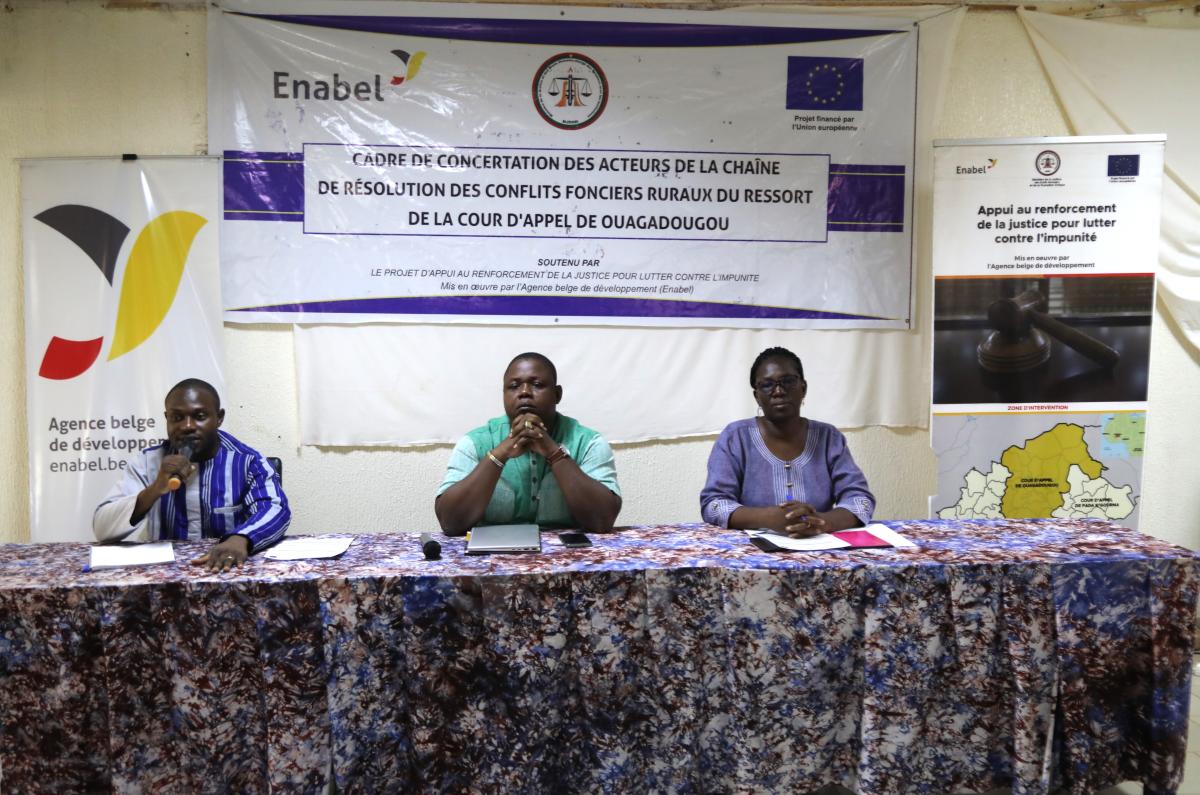
Enabel a organisé trois ateliers sur la gestion des conflits fonciers ruraux au Burkina Faso durant le mois de juin 2024. Ce sont des cadres de concertation qui ont réuni une centaine d’acteur·rices de la chaine de résolution des conflits fonciers ruraux du ressort de la Cour d’Appel de Ouagadougou. Ces activités entrent dans le cadre de la mise en œuvre du Projet d’Appui au Renforcement de la Justice pour lutter contre l’Impunité (PARJI). Financé par l’Union européenne, ce projet est mis en œuvre par l’Agence belge de développement, Enabel. L'objectif principal des ateliers était de créer un cadre d’échanges entre tous les acteur·rices intervenant dans la chaine de résolution des conflits fonciers, sur les difficultés qu’ils rencontrent dans le règlement desdits conflits, mais aussi de renforcer leurs capacités en leur permettant de s’approprier encore plus les différents textes en la matière et de susciter les échanges sur les bonnes pratiques pouvant améliorer la collaboration entre lesdits acteurs. En collaboration avec la Direction de la Justice Civile, Commerciale, Administrative et Sociale (DJCCAS) du Ministère en charge de la Justice, Enabel a pu réunir des acteur·rices clés impliqué·es dans la résolution des conflits fonciers ruraux successivement en trois endroits : Le premier cadre de concertation a eu lieu du 4 au 6 juin 2024 à Ouagadougou et a concerné les acteur·rices des juridictions des Tribunaux de Grande Instance (TGI) de Ouahigouya, Kaya, Dori et Ouaga I. Le deuxième atelier s’est déroulé du 18 au 20 juin 2024 à Manga et a regroupé les acteur·rices du ressort des juridictions des TGI de Pô, Ouaga II, Léo et Manga. Le troisième atelier s’est tenu du 25 au 27 juin 2024 à Koudougou et a rassemblé les acteur·rices des TGI de Kongoussi, Koudougou, Ziniaré et Yako. Au total, près de 100 personnes réparties dans 12 TGI de la Cour d’Appel de Ouagadougou ont été concernées par cette activité Ces acteur·rices sont essentiellement des agent·es de l’administration publique en charge des questions foncières, des magistrat·es, des président·es des délégations spéciales (PDS) de communes, des représentant·es des instances locales de gestions foncière (commission de conciliation foncière villageoise), des autorités coutumières, des organisations de la société civile, etc. Réuni·es autour de la même table, ces acteur·rices ont échangé à chaque session, trois (3) jours durant, de façon passionnante au regard des multiples et rebondissantes crises foncières dans certaines localités. Elles ont permis de s’accorder sur certaines bonnes pratiques et procédures de gestion des conflits fonciers ruraux en vue de les harmoniser. Les résultats engrangés au terme de ces ateliers sont : (1) les différents textes régissant la résolution des conflits fonciers ruraux ont été présentés aux acteur·rices et des suggestions de réformes notées ; (2) les difficultés rencontrées dans la résolution des conflits fonciers ont été recensées ; (3) des solutions d'amélioration de la collaboration entre acteur·rices de la chaine de résolution des conflits fonciers ont été proposées ; (4) des échanges sur les bonnes pratiques en matière de règlement des conflits fonciers ont été menés par les participant·es. En initiant ces cadres de concertation, Enabel, à travers le PARJI, entend améliorer le fonctionnement de la justice de proximité, notamment en ce qui concerne la résolution efficace des conflits fonciers ruraux et ainsi favoriser l’encrage de la cohésion sociale et de la paix au Burkina Faso.
-
Journée nationale de l’arbre au Burkina Faso : 1300 plants mis en terre grâce à l’appui d’Enabel
Geoffroy ZONGO | 17/07/2024
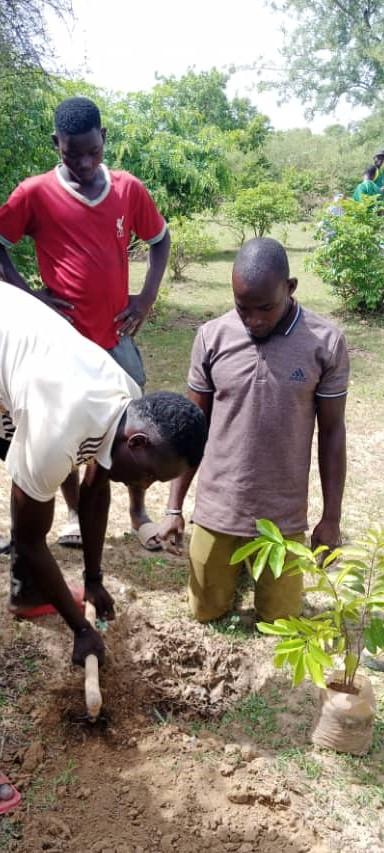
Enabel, à travers le Portefeuille Thématique Climat Sahel (PTCS) – volet Burkina Faso, a apporté un appui à la Direction Régionale de l'Environnement du Plateau Central pour la réalisation des activités de la Journée Nationale de l'Arbre (JNA). Le soutien d'Enabel s'est matérialisé par l'acquisition de 1300 plants et des rouleaux de grillage de protection, le tout estimé à 3 143 000 F CFA. Le Burkina Faso est confronté depuis plusieurs années à une déforestation et une dégradation croissante des forêts dues à un effet conjugué du changement climatique et de l'action anthropique. Cette situation occasionne une dégradation des conditions de vie des populations dont la survie dépend fortement des ressources naturelles, notamment forestières. Pour contribuer à freiner cette dégradation accumulée des ressources forestières, l'Etat burkinabè, avec l'appui de ses partenaires comme le Royaume de Belgique, a institué depuis 2018, la Journée Nationale de l'Arbre (JNA). Cette journée qui marque chaque année le début de la campagne de plantation d'arbre, vise à créer un engouement populaire pour le reverdissement du pays. La 6ème édition de la JNA s'est tenue le 22 juin 2024 sous le thème « arbre, capital de résilience pour un développement endogène » . La région du Plateau Central à l'instar des autres régions du Burkina Faso a organisé la JNA à Koassaga, un village situé dans la commune de Ziniaré. Les 1300 plantes offertes par Enabel à travers le PTCS – volet Burkina Faso sont composées d'espèces locales pourvoyeuses de Produits Forestiers Non Ligneux (PFNL) à savoir : Andansonia digitata, Tamarindus indica, Saba senegalensis, Lanea microcarpa, Parkia biglobosa. Les rouleaux de grillages offerts ont également servi pour la protection du site reboisé à travers une clôture. Pour cette campagne de reforestation 2024 qui a officiellement commencé le 22 juin, Enabel compte garder la dynamique de la campagne passée en fournissant des plantes et des grilles de protection pour la plantation d'arbres dans les forêts villageoises de Yakin (commune de Kando), de Kakim (commune de Meguet) et de Lougouma (commune de Boussouma). Par cette occasion, Enabel envisage d'appuyer la mise en terre d'au moins 3000 pieds d'espèces pourvoyeuses de PFNL.