Opzoeken
3030 - 3045 van 3043 nieuws bekijken
-

¿Servicios de riego sostenibles? Saber acompañar los regantes
Pierre-henri DIMANCHE | 27/01/2016
En Bolivia donde el uso del riego data de los tiempos precolombinos, se ha experimentado con el programa PARC que la sostenibilidad de los servicios de riego tecnificados depende, en gran medida, de un buen acompañamiento a los regantes. La ejecución de los Proyectos Integrales de Riego Comunitario (PIRCs) del Programa de Apoyo al Riego Comunitario en Bolivia incluye tres componentes: (1) la construcción de la infraestructura con protección de la fuente de agua, (2) la supervisión de la obra y (3) el Acompañamiento y Asistencia Técnica (AAT).El Acompañamiento y Asistencia Técnica está desarrollada por profesionales AAT que prestan sus servicios en la fase de construcción (Fase de Acompañamiento) que dura el tiempo de la ejecución de la obra (4-8 meses generalmente) y en la fase de post-construcción (llamada Fase de Asistencia Técnica) que dura un año posterior a la entrega de la obra.La fase de Acompañamiento comprende actividades destinadas a solucionar posibles problemas sociales que se presenten, la socialización del proyecto y la conformación de los comités de riego.La Fase de Asistencia Técnica desarrolla actividades que aseguran 1) el uso eficiente del agua en las parcelas, 2) la operación y el mantenimiento de los sistemas de riego, 3) la protección de la fuente de agua, 4) el desarrollo de normativas del uso de agua, 5) el mejoramiento de la producción y comercialización (si corresponde) de los cultivos y 6) el establecimiento de alianzas estratégicas con ONGs u otros programas para apoyar principalmente la producción y/o comercialización.Las actividades de los profesionales AAT son supervisadas por los técnicos de los Municipios. Asimismo, los comités de riego de los regantes tienen un papel preponderante en la calidad de los servicios de AAT desarrollados ya que dan el visto bueno al cumplimiento de las actividades descritas en el anterior párrafo.En este contexto, con la contratación de los profesionales AAT, se busca la sostenibilidad de los servicios de riego generados, respetando los usos y las costumbres de los regantes pero con una visión de innovación en el uso eficiente del agua para riego y del recurso suelo, sin perder de vista el mercado y la comercialización de los productos agropecuarios incrementados.Para realizar el Acompañamiento y la Asistencia Técnica en los proyectos de riego, el Viceministerio de Recursos Hídricos y Riego de Bolivia (Ministerio de Medio Ambiente y Agua) ha elaborado, con el apoyo del Programa PARC, la Guía de Acompañamiento y Asistencia Técnica que describe los procedimientos y actividades. Esta guía fue difundida a los profesionales AAT y a los Gobiernos Autónomos Municipales, responsables de la contratación y la supervisión de los servicios de Acompañamiento y Asistencia Técnica.
-
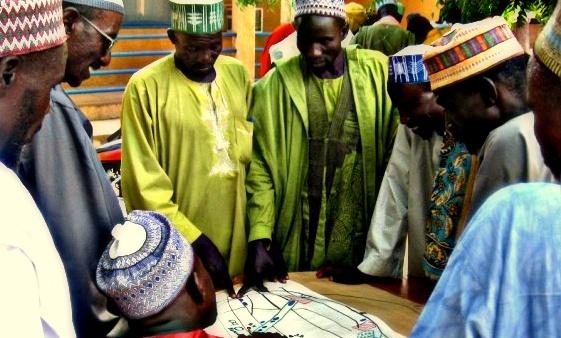
Pérenniser les aménagements pastoraux: l'importance des accords sociaux
Stephanie EECKMAN | 08/01/2016
L’aménagement pastoral reste une préoccupation dans l'élevage au Niger. Afin de prévenir et de limiter les conflits autour de la gestion des ressources naturelles et l’utilisation des aménagements pastoraux, le projet PAAPSSP a développé une démarche d’ingénierie sociale.Mais cette démarche de concertation sociale est-elle bien légitime aux yeux de tous? Permet-elle réellement d’obtenir un consensus durable, ou s’agit-il simplement d’un jeu d’acteurs? Les « acquis » socio-fonciers, issus de cette démarche, sont-ils suffisamment scellés pour ne pas faire l’objet d’une remise en cause à la moindre occasion?Dans la note de réflexion sur le processus d’ingénierie sociale, réalisée en collaboration avec le ministère de l’élevage et le Royal Tropical Institute (KIT), ces questions sont explorés en détail.
-
-
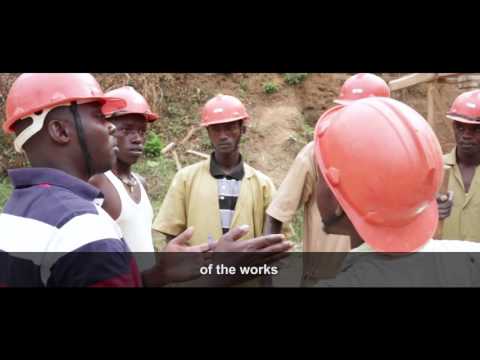
Training on site : students learning how to build schools
Guido COUCK | 17/12/2015
This video explains how the Belgian-Rwandan cooperation introduced 'training on site', teaching students in technical and vocational education and training (TVET) how to build schools.The video was shown during the international knowledge-sharing TVET symposium, which was organised by PAFP in October 2015, in collaboration with different development partners, including Rwanda's Workforce Development Authority (WDA) and the Rwandan Ministry of Education.
-
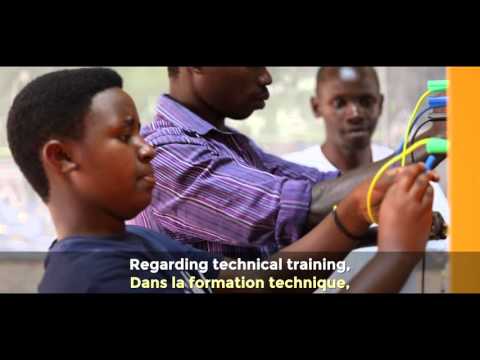
Bridging the gap: from traditional to competency-based training
Guido COUCK | 17/12/2015
Bridging the gap: from traditional to competency-based training.A new teaching and assessment approach in technical and vocational education and training (TVET) in Rwanda.This video was shown during the international knowledge-sharing TVET symposium, which was organised by PAFP in October 2015, in collaboration with different development partners, including Rwanda's Workforce Development Authority (WDA) and the Rwandan Ministry of Education.
-
Chainsaw training for better forest management in Rwanda
Carl THEUNIS | 15/12/2015
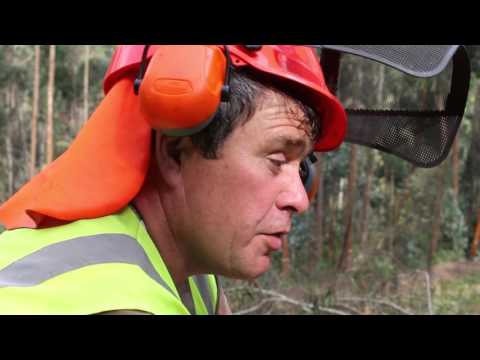
Wood is a major natural resource for Rwanda. Timber is used for building schools and houses and throughout the country wood is used for cooking. In Rwanda, traditionally trees are felled with the machete, which implies the trunk is cut at man’s height and much timber is wasted. With a chainsaw however, trunks can be cut low to the ground. And of course trees are felled faster and more efficiently. That is why lumbermen and forest managers must learn to handle the chainsaw. Seven lumbermen and forest managers attended a ten-day training session on how to use the chainsaw. Special attention was paid to safety issues and forest management. The trainees are to transfer their know-how to other forest managers. This video shows you how the seven trainees did at the end of the training session. Training was offered by the Belgian-Rwandan reforestation project PAREF II, which assists the Rwanda government in its ambitious plan to expand Rwanda’s forest acreage with 30% by 2020 through better forest management.
-
Ceremony to hand over Water Supply Scheme infrastructures and operations
Jennifer SWERTVAEGHER | 10/12/2015
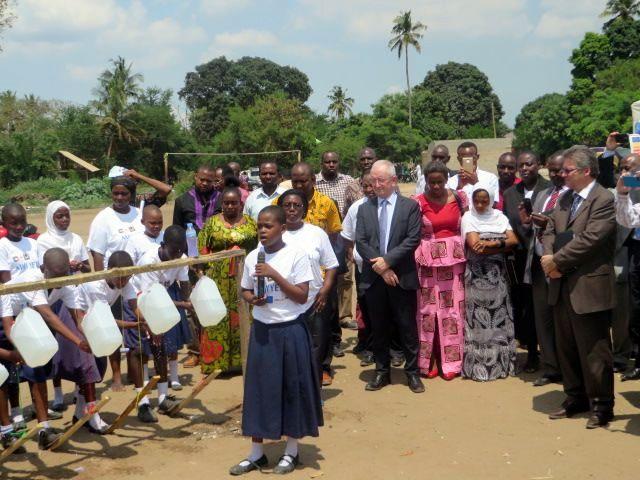
Tuesday, 8 December 2015, Dar es Salaam - The project, commonly known as the Maji Yetu ("Our water") project, handed over the constructed infrastructures and operations to the respective beneficiaries in the presence of H.E. Paul Cartier, Ambassador of the Kingdom of Belgium, EU Head of Cooperation Eric Beaume and the Permanent Secretary of the Ministry of Water Hon. Eng. Mbogo Futakamba. The Maji Yetu project set up 15 Water Supply Schemes in peri-urban, low-income settlements of Dar es Salaam, supplying 200,000 people with clean and safe drinking water. Through the Memorandum of Understanding (MoU) which was signed during the ceremony, the constructed water infrastructures have been handed over to the Dar es Salaam Water and Sewerage Authority (DAWASA), while the management of operation and maintenance of the Schemes have been handed over to the community based Water Consumers Associations (WCAs). The MoU serves to render the user rights to the respective WCAs, and marks the closure of the project that started in October 2007.
-
Knowledge-building video of the project
Guido COUCK | 01/12/2015
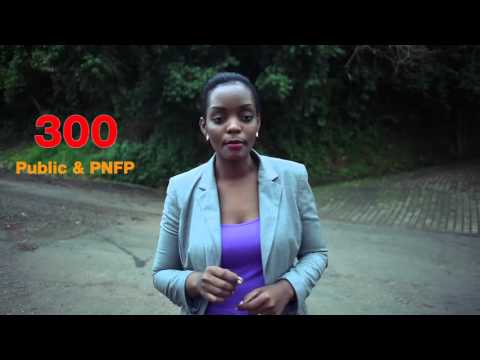
Leadership and management weaknesses in the health sector were at the basis of the ICB project, aimed at improving health sector performance. The goal was to initiate improved practices in district health services in the Rwenzori and West Nile regions.Extensive technical and financial support was given to the Directorate of Planning and Development in the Ministry of Health, with the development of new policies and strategic papers. Health services in the two regions received medical equipment and transportation means, such as ambulances, utility vehicles and motorcycles. Direct funding to District Health Offices provided support in a performance-based modality. The support to the revitalization of the Health Manpower Development Centre under the project and the introduction of an e-learning system brought important changes to the opportunities for Continuous Professional Development for our health workforce.
-
Video of the Teacher Training Project
Guido COUCK | 26/11/2015
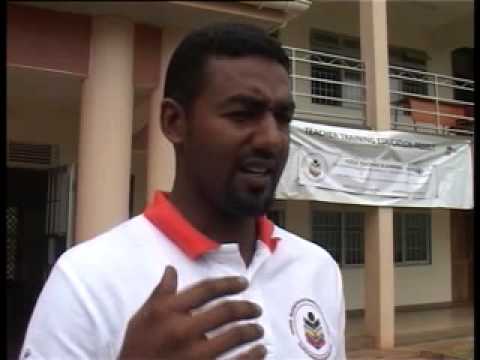
Video by the ugandan Ministry of Education.
-

Impulsando el desarrollo sostenible en el Valle del Sondondo, Ayacucho
Guido COUCK | 26/11/2015
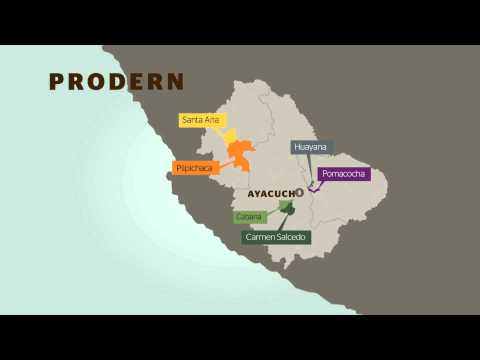
El Programa de Desarrollo Económico Sostenible y Gestión Estratégica de los Recursos Naturales – PRODERN, viene trabajando en el Valle del Sondondo desde el 2011, donde viene impulsando acciones para la gestión estratégica de los recursos naturales, como es el proceso de gestión territorial, gobernanza ambiental a través de creación y fortalecimiento de comisiones ambientales municipales, educación ambiental y promoción y fortalecimiento de cadenas de valor de los principales productos de la agrobiodiversidad.
-
Presentación animada del Prodern
Guido COUCK | 26/11/2015
Animación que presenta los objetivos, enfoques y estrategias de intervención del proyecto PRODERN I en las regiones de Ayacucho, Apurímac y Huancavelica.
-
Healthcare for native communities in the Peruvian Amazon
Guido COUCK | 08/07/2015
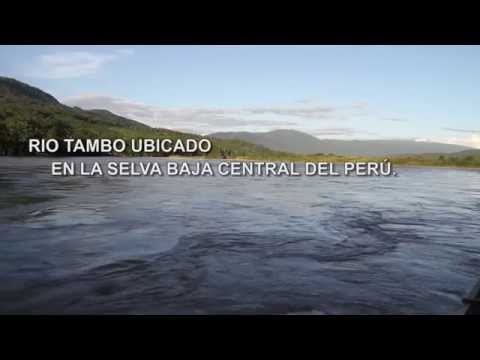
Peru has an indigenous population of four million people, the most vulnerable of which are the indigenous communities of the Peruvian Amazon, with poverty rates exceeding 80%. The district of Rio Tambo (department of Junín, 300 km east of Lima) is primarily populated by the native Ashaninka. 46% of children under five suffer chronic malnutrition, and only half of the population has a health insurance.One of the priorities of the Peruvian government is to provide free healthcare to the vulnerable native communities. That poses a big challenge, as access to the remote villages is quite difficult.Within the framework of the Belgian program supporting the universal health insurance policy in Peru (SISTEC), a fact-finding and information mission to Rio Tambo district was organized in May 2015. The mission consisted of representatives of the national health insurance (SIS), the national civil register (RENIEC), regional and provincial health services and municipal officers. One of the purposes of this first joint mission was to bring together different public organizations in the health sector and to foster closer cooperation between them. The 11-day mission visited fourteen indigenous communities and nine local health centers, in order to inform the Ashaninka about their right to free health care under Peruvian law. As a result, more than 1100 people requested to be affiliated to the national health insurance. The team also discovered that the district has critical needs for basic health care, both in terms of human resources, infrastructure and drugs. The Tambo river basin has a population of 25,000 people, and there is just one nurse to attend them (no medical doctor). There are no ambulances nor medical boats for emergency interventions.FactsIn Peru, regional governments are responsible for the health districts and health centers.The national health insurance (Seguro Integral de Salud) has 500 employees and over 15 million affiliates. Peru has a total population of 31 million.The native communities in Peru have been classified as 'vulnerable' and therefore have the right to universal healthcare.The area of Rio Tambo is known for coca cultivation and drug-related activities.BTC's SISTEC program unfolds its activities in five regions: Cajamarca, Huancavelica, Junín, Piura and San Martín. The objective of the program is to provide quality healthcare to every person living in poverty.Follow SISTEC on Facebook
-
Community irrigation increases agricultural production in Bolivia
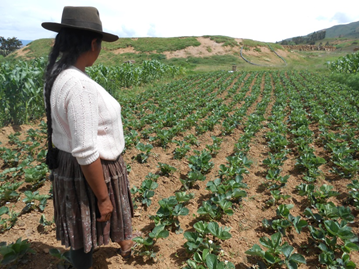
Guido COUCK | 23/09/2014
Bolivia has a population of 10 million and covers more than 1 million km² (1), i.e. 30 times the size of Belgium. Only 3% of the land is cultivated and 11% of this acreage, or 300,000 hectares, is irrigated (2). While irrigation in Bolivia dates back to pre-Columbian times and lingers in several indigenous communities, the lack of irrigation is a major constraint to agricultural development in Bolivia, which has the lowest irrigated surface on the continent. However, irrigation plays a key role in the economics of agriculture. It provides the right conditions to diversify and ensure stable production. It also promotes the modernisation of farming and that way contributes to food security and food sovereignty. A hectare of irrigated land guarantees productivity and provides a higher income than a hectare of non-irrigated land and helps improve the income of Bolivian indigenous rural households.Support to community irrigationFor this purpose Bolivia and Belgium decided to launch the Support Programme to Community Irrigation (PARC) in 2011. PARC implements projects of community irrigation in 12 Bolivian municipalities in the Cochabamba and Chuquisaca Departments (in semi-arid and arid areas on the Altiplano and in the high valleys). These municipalities suffer from extreme poverty and a lack of irrigation, which limits agriculture to subsistence farming – farmers produce their own food only and cannot invest in inputs or means of production.Community irrigation projects, based on the tradition of community irrigation, are small irrigation systems with open channels, pipes or reservoirs made of earth that capture rainwater and run-off water and are called "atajados". These family- or community-level systems seek to benefit the greatest possible number of households.Today, PARC has 43 community irrigation projects in various stages of implementation (being studied, implemented or completed). These projects will benefit 1,888 households and add 1,374 hectares of irrigated land in the 12 municipalities involved. Thanks to irrigation the production of potatoes, corn, wheat, tomatoes, onions, peaches and other crops can increase.Another important result is the draft of the Strategy Plan of the National School of Irrigation and the training of more than 480 farmers and 200 technicians on different irrigation-related topics.Comprehensive vision of PARCPARC contributes to the development of irrigation in Bolivia. It differs from other development programmes because of its comprehensive approach. This vision includes farmer participation in every phase of the projects (from design to execution and management), sustainable water supply with attention for soil and water conservation methods, management of the irrigation system by the farmers themselves and agricultural diversification and production as well as the marketing of products if applicable.PARC activitiesPARC is constituted as a process facilitator and has signed 12 execution agreements with Autonomous Local Authorities and two decentralized entities of the Ministry of the Environment and Water, namely the National Irrigation Service (SENARI) and the Environmental and Water Executing Entity (EMAGUA). Through these actors studies are carried out for the preparation and implementation of projects, Comprehensive Community Irrigation Projects are executed and a regulatory framework is defined. Also training is provided through the National School of Irrigation.The implementation of a comprehensive community irrigation project includes the construction of the infrastructure and protection of the water source, monitoring and comprehensive technical assistance. The comprehensive technical assistance service supports farmers in efficient management of water, maintenance and operation of the system, as well as the production and marketing of products.Support programme to community irrigation - PARC | BoliviaDuration: 2011–2016Funding: Belgium, BoliviaOverall budget: 11,588,178 euros, of which 9,100,000 euros are financed by BelgiumArea: Cochabamba and Chuquisaca Departments(1) http://www.bolivia.de/es/bolivia/datos-generales(2) Informe de Gestión 2013, Ministerio de Medio Ambiente y Agua Bolivia, p. 63