Rechercher
Affichage de 1 à 15 sur 98 actualités
-
Inclu-cities Support Equip Youths with Job Ready Skills
Mkama MWIJARUBI | 22/10/2026
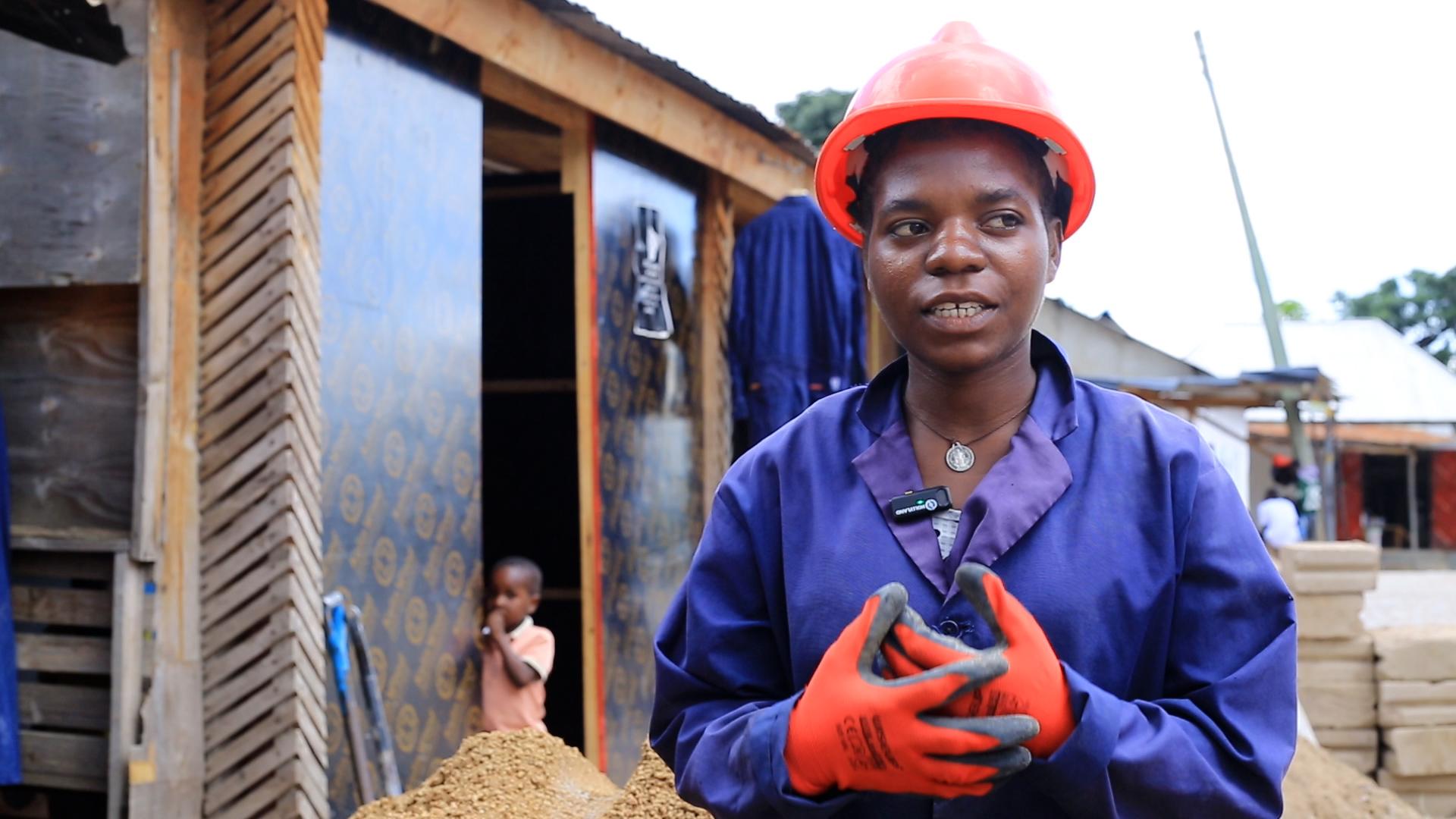
While the economy in Tanzania, as in many other Africa countries, is dominated by the informal sector, many youths are not well equipped with skills to contribute and earn their living. Formal education provides academic knowledge. When someone ejects from the formal education pipeline, as Agnes Fundisha did in 2021 after lower secondary education, their chances are limited in the labour market. She joined a family member who was making soap and home detergents and started learning about the trade. But she always thought she wanted to do more in the same line or something different. Her expectations met an open door when she heard an announcement of courses in plumbing and other skilled trades at Vocational Education Training Authority (VETA) Mwanza. Under TeamEurope funded Inclu-cities project, Enabel Tanzania partnered with VETA to offer job readiness skills trainings in phone repair, gas welding, motorcycle repair, electrical installation and plumbing. Agnes chose plumbing. “We participated in classroom and workshop sessions for three months at VETA Mwanza campus. I had my doubts about the course I chose but as days passed came to affirm by resolve and choice,” The skilling program under INCLU-CITIES emphasizes practical training of learners with private and public institutions and master crafts to equip them with technical and non-technical skills that make them ready for jobs. Agness says the practical training attachment with the Mwanza City Water and Sewerage Authority— a parastatal organization— helped to equip her with technical skills and confidence. “Things we learned in the college workshop have been repeated and we practiced them. I also learned new things during practical training,” she said. More importantly, Agnes says that the practical training erased any doubt she had about whether she could get employment in plumbing. ends
-
From Despair to Hope: The Value of Skilling a Girl
Mkama MWIJARUBI | 22/10/2026
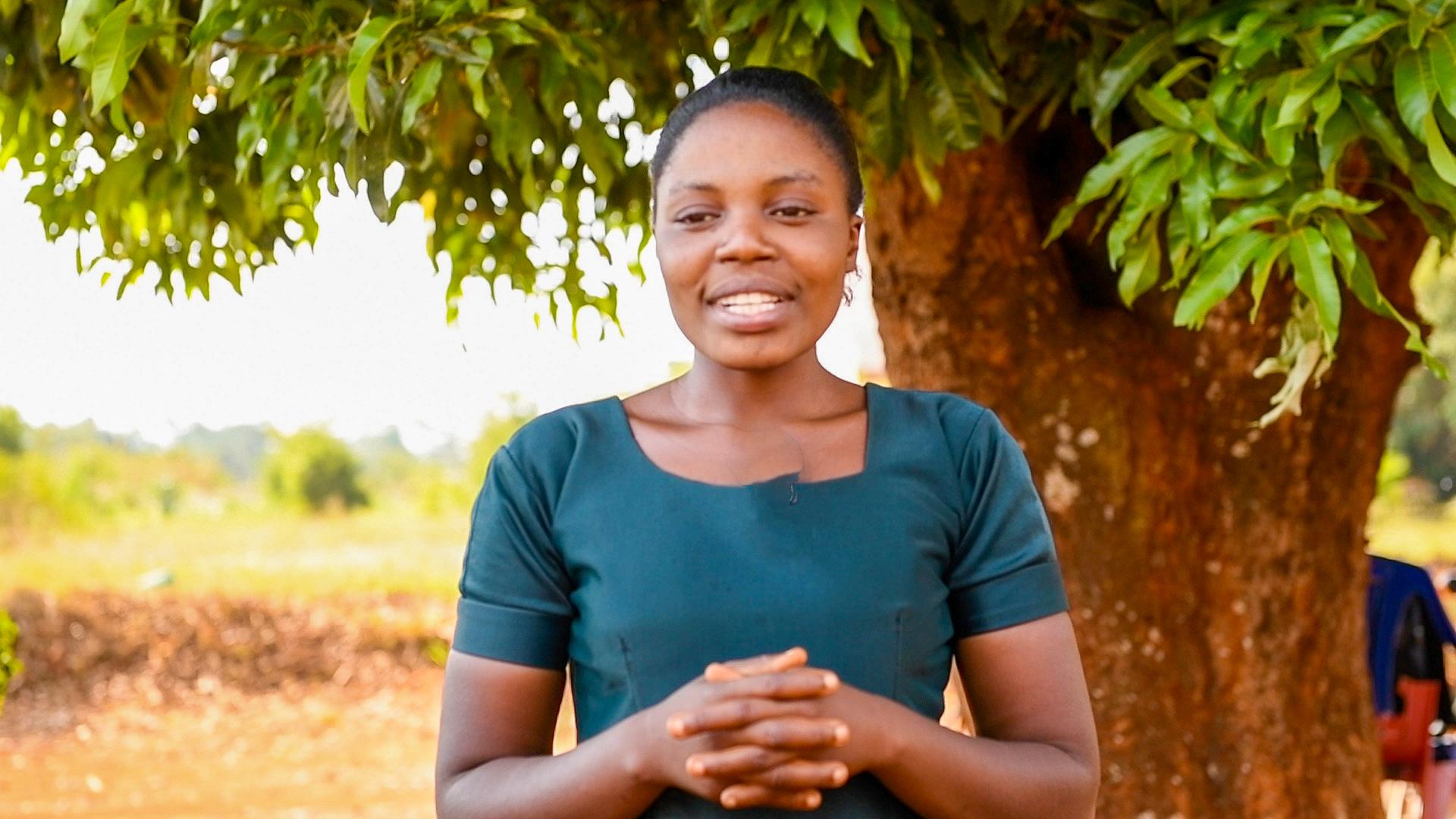
Many youths struggle to find jobs or profitable trade because they lack the necessary skills to fit in with available jobs or develop products and services that the market is willing to pay for. For young girls, the situation could be worsened with gendered traditions that confine their pathways by limiting jobs they can choose or learn. “After failing my lower secondary education in 2021, I stayed at home and dependent entirely on my parents,” that is how Matrida, a resident of Kidyama village in Kasulu summarized her life from 2021 to 2025. Her perspective changed when the Ministry of Agriculture Training Institute (MATI)-Mubondo worked with local leaders to invite youth, particularly girls, to apply for courses in bee keeping and value addition to agricultural crops. Organized with technical and financial support from Enabel Tanzania’s Wezesha Binti project the work readiness training sought to enable girls to take advantage of the economic opportunities available in Kasulu district in Kigoma region, an area richly endowed with fertile soils and extensive forest resources. Matrida and 269 other learners from different villages of Kasulu and other districts of Kigoma participated in a three-month training programme. The three months transformed Matrida perspective on her future. A girl that was unemployed and confined to her home became motivated to pursue entrepreneurship opportunities. At MATI-Mubondo, she learned modern techniques for establishing and managing an apiary, as well as processing honey into a range of value-added products. Although she was aware of the medicinal value of beeswax oil, she had not known how to extract it before attending the training at MATI-Mubondo. “I have learned how to get wax oil, and I have therefore started my own small operation of extracting oil from wax and packing it for sale,” says Matrida. In addition, Matrida, serves as the chairperson of Young Beekeepers Group, a 16-member association formed with fellow trainees from Kidyama Village. News of a group of 15 young girls and one young man engaged in bee keeping and honey processing business raised eyebrows in their village. Culturally bee keeping and honey selling is done by aged men in Kidyama and in Kigoma generally. During the training, participants also learned about gender equality, which broadened their understanding of the economic, social, and cultural opportunities available to both women and men. With Young Beekeepers Group, gender is no longer a block. Wezesha Binti project provided the group with start-up support, including 30 beehives, protective gear and other bee keeping equipment. In addition, MATI-Mubondo allocated land to the group for the establishment of an apiary for a period of five years. Now, after putting her skills to work, Matrida is no longer dependent on her parents. While she has five hives on her own, her wax oil business, she is working with her group towards increasing their production capacity to 500 hives and moving their apiary to their own piece of land by 2030. ends
-
A Skill to Employment Pathway Connects Hadija to Her Coveted Job
Mkama MWIJARUBI | 22/10/2026
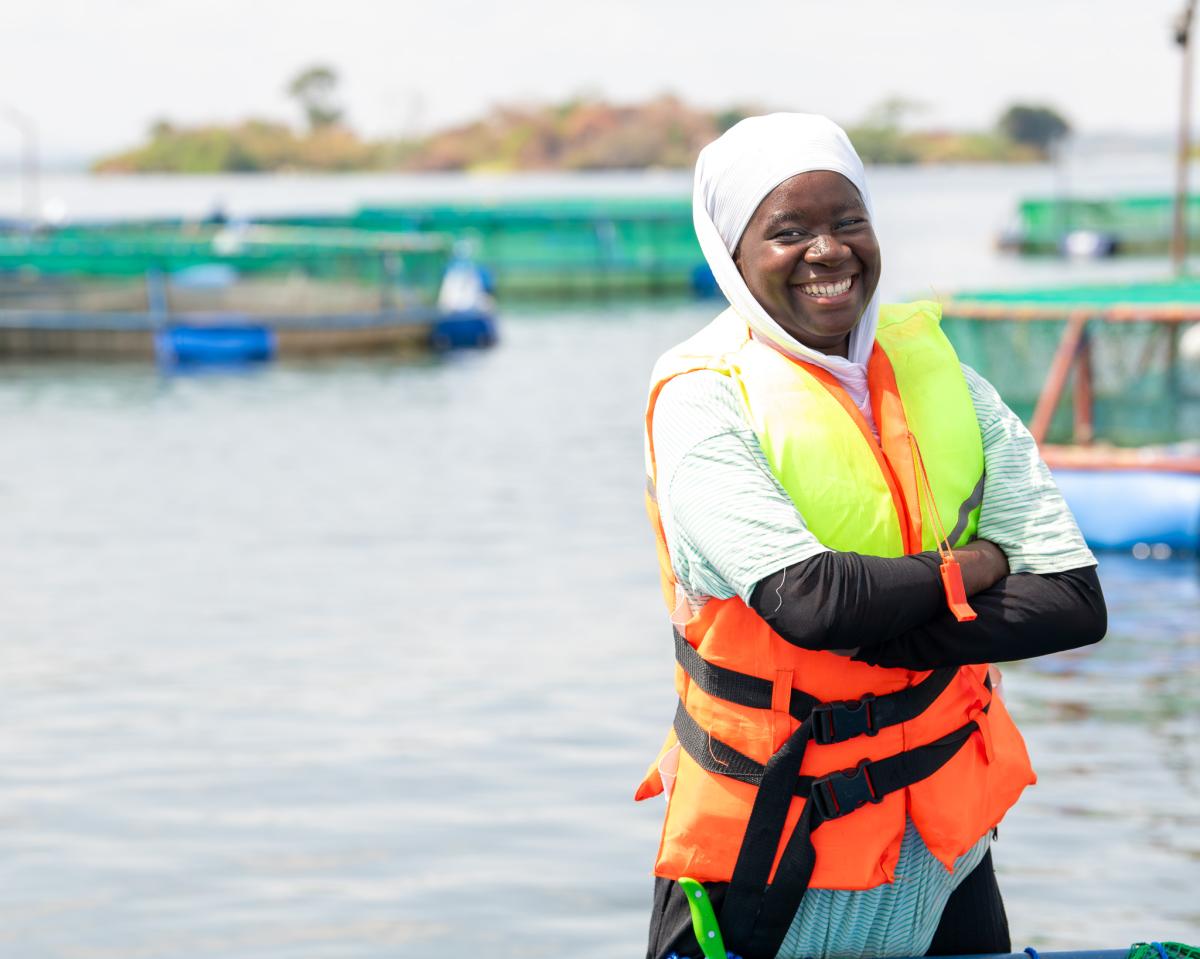
Hadija Fulano, loved to engage herself in fishing. After her lower secondary school in 2021, she joined the Fisheries Education Training Authority (FETA) training centre in Mwanza for a diploma in aquaculture. Despite her hopes of landing a job, she had to go back home and start searching. Her situation was like many youths that complete academic and professional training. Often employers decry lack of soft skills. A systematic approach to facilitate transition from training to decent jobs or self-employment is what can make the difference. Through EU-funded Inclu-cities project, Enabel Tanzania collaborated with FETA to implement Work Readiness Program that invited youth in Mwanza to participate in a three-month training in fish farming. Under work readiness program FETA Mwanza registered 150 youths in the fish farming program. “I heard about a program at my former college that provided training in fish farming and linkage to private sector companies to gain experience,” says, Hadija. Despite staying without a job related to her training for several months after graduation she had not given up on her ambition for a career in the value fishing chain. During their three months of training WRP trainees learned about management of fish cages, making the cages, setting up in the lake, fish processing and, more importantly, their tutors spend time exploring different possibilities of jobs, self-employment and business opportunities in fish farming. The project also invested in training FETA tutors, equipped the training facility with necessary equipment to support the training and supported career counseling for trainees. Another key node on the pathway is linkages with employers--which informed FETA about skills required in the market and committed to host learners for practical experience.Fish farming has gained popularity in Tanzania’s portion of the Lake Victoria in the past five years. Approved fish farming sites are teamed with caged fish farms. The Government has supported input loans that increased fish farmers. Additionally related businesses are flourishing, from production of fish feed, cage fabrication, sales of nets, to breeding fingerlings, and more. Hadija never stirred from her desire to manage a fish cage. Through the WRP she was assigned for practical experience, at Acquacom, a private fish farm on the outskirts of Mwanza. According to Emmanuel Shija, Acquacom branch manager in Mwanza, after the scheduled practical attachment of three months, his company retained six youths as temporary employees. Then, when ASOBO, an E-mobility company, started investing in fish farming, they approached Acquacom to recommend a hardworking, trustworthy farm manager. Hadija was recommended. In October 2026, Hadija successfully delivered her first harvest, completing 7 months of breeding, feeding and treating the stock of tilapia in the fish cage of her employer. “She has been very good, in the management of the cage,” says, Desdeus Clavery the Director of ASOBO. A new stock has just been introduced in the cage for the next round. “I have always wanted to work in fishing and, I’m grateful that the WRP program enabled me to reach my goal. I will work to perfect my skills and experience, ultimately, my goal is managing a big farm and, starting small, running my own fish farm in the future.” The fact that Hadija, got a job at ASOBO, that has also benefited from Inclu-cities financial support to grow their venture that provides environment friendly engines for mobility for Lake Victoria fishers, emphasizes the value of linkages the Enabel promotes. Growing businesses need a labour force with the right skills. Ends
-
From Dreamful Welder to the Winner of Tanzania National Skills Competition 2026
Mkama MWIJARUBI | 15/10/2026
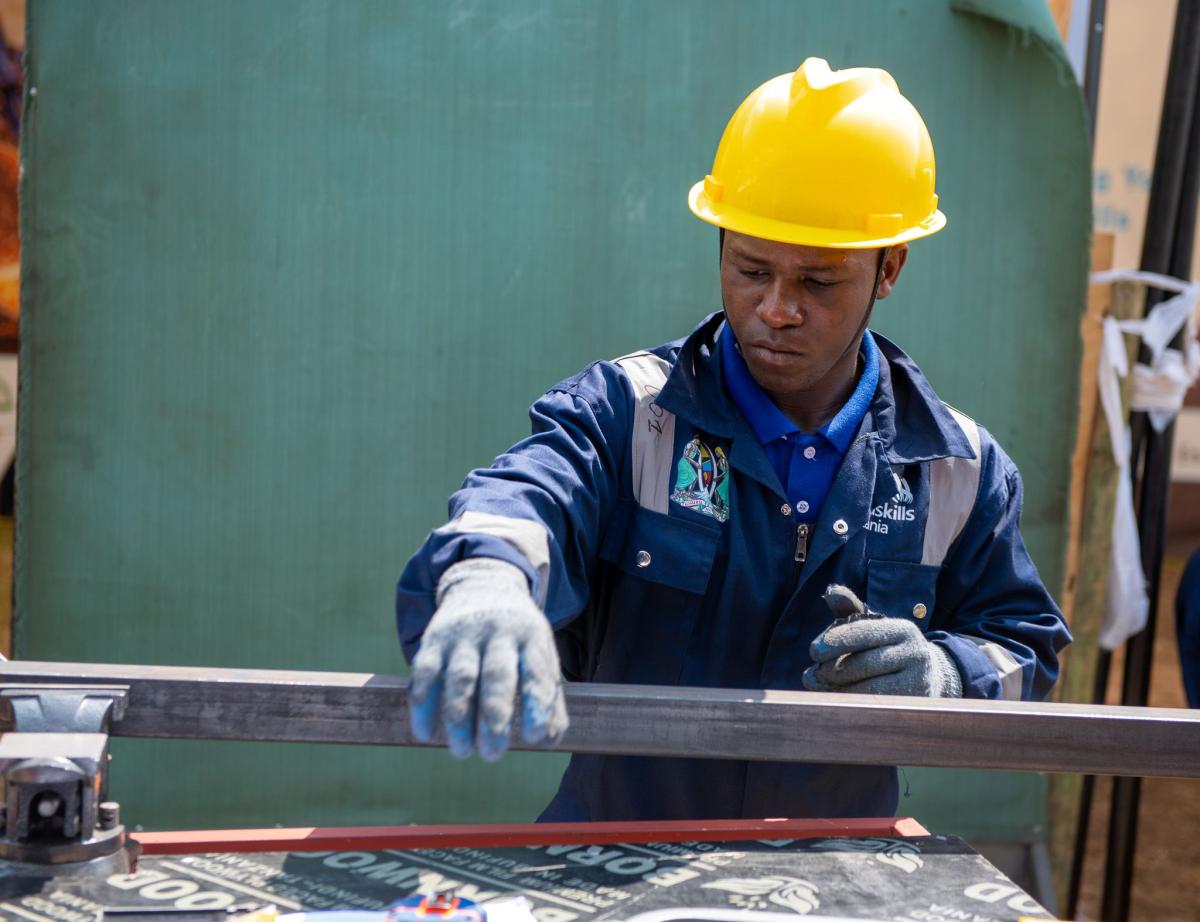
After completing primary education in 2017, his father took him to a welding workshop in Tanga to learn and grow. That is how Abdalah Mhando was set on a pathway to pursue a skill. After a couple of months, trusting he had learned enough and, hoping that the youngster would soon earn his own living, his dad sent him to an uncle in Dar es Salaam. In Dar es Salaam things did not pan out as expected. Abdallah returned to Tanga to look for jobs. His notable turn down was a sisal plantation. “The manager told me, you have some skill and effort, but you lack all credentials,” said Abdallah. The rejection hurt, but he did not dishearten him. A commissioned study through EU funded INCLU-CITIES project in Tanga, Mwanza and Pemba confirmed that hundreds of thousands of youths who often struggle to land decent jobs partly because employers required a set of skills that most job seekers do not even know they lacked. Abdallah’s pivotal moment came in 2025 with the announcement of sponsored opportunities to learn welding and metal fabrication at Vocational Education Training Authority (VETA) Tanga. Funded by the European Union and implemented by Enabel Tanzania, the training opportunities sought to equip youth with skills that prepared them for the demands of the job market. His fervent driven personality found a welcoming space in the well-equipped workshops and tutors. He participated in almost all classes, and stood out as one always ready to practice, ask questions and consult tutors. No wonder, when VETA Tanga picked learners from the welding class to participate in the skills competition at regional level, Abdallah was on the list. Among twelve competitors from different technical training centers, Abdallah came on top of the list of five that qualified from the regional competition to compete nationally. “It was unbelievable. My tutor called me to travel to the regional competition while I was in practical training at a factory in Tanga. I was sometimes nervous. It was my first ever competition,” he said. He said he learned a lot during the competition. Confidence, consulting with new people— equals and superiors— timed tasks and more important reading drawings and interpreting them fast and executing. He focused on sharpening his skills to interpret technical drawings into an items. In Tanga in August 2026, Abdallah secured top position in welding and metal fabrication in the national skills competition. “I’m grateful to Enabel and VETA for offering the learning opportunities that have supported me to develop my skills and show my capacity,” said Abdallah. The training under INCLU-CITIES has been designed to equip learners with technical and non-technical skills for the job market as employees or owners of small businesses. ends
-
A New Skill Sets Anna on a Pathway to Self-Employment
Mkama MWIJARUBI | 15/10/2026
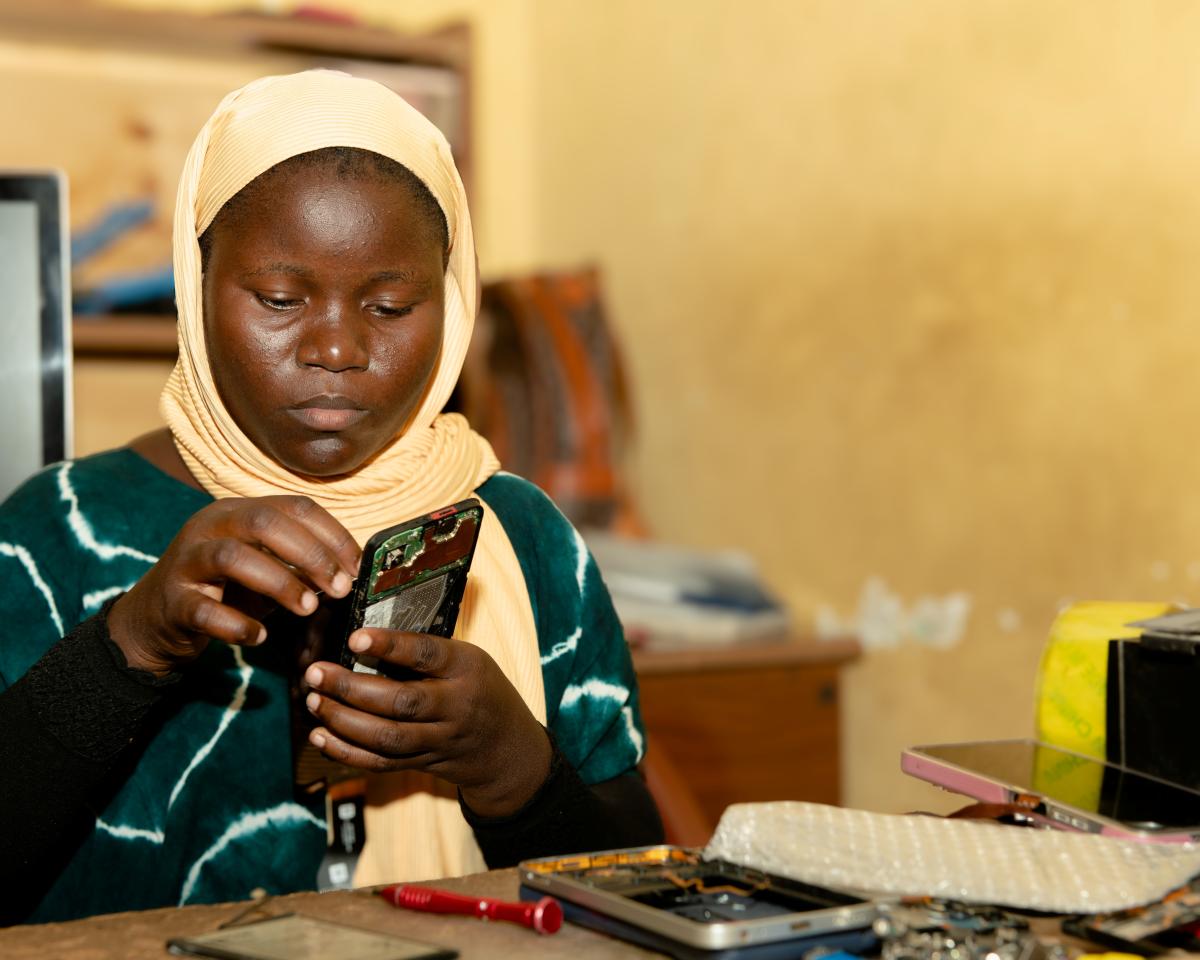
Anna Sanga did not want to stay idle after completing lower secondary school in Tanga. She pestered her parents to support her learn a trade that she can earn her own living. Youth aged 15—34 years old make 34 percent of Tanzania’s population according to official population census 2022. Many youth struggle to find decent jobs or run profitable enterprises because of mismatch in their qualifications and skills needed in the job market. Girls face a particularly more difficult situation because of gender stereotypes that exclude them from technical trades considered male. With funding from the European Union, Enabel Tanzania implements the Inclusive Green and Smart Cities (INCLU-CITIES) project in Mwanza, Pemba and Tanga. The project strengthens vocational training institutions, facilitates their linkage with employers, and promotes digital and green businesses in different value chains. With special emphasis on bringing girls in ‘traditionally’ male trades, INCLU-CITIES partnered with Vocational Education Training Authority (Kipawa) to deliver phone repair classes in Mwanza and Tanga. Anna’s father, a phone repairer too, heard it and nudged her daughter to go register. “I was worried as I went at VETA Tanga to register. I knew it is going to be all boys and men,” says the 21-year-old. And so, it was. She was relieved that in a class of 36 learners; she was among the three girls. Intervention INCLU-CITIES focuses on urban areas to support Tanzania’s government efforts to develop business opportunities, skilled jobs and resilient to dynamics of climate and environment changes. It is estimated that by 2050 more than half of the population of Tanzania will be living in urban areas. Vibrant businesses, skilled workforce and green investment will contribute to building liveable and inclusive cities. Anna found the phone repair classes at VETA useful. Theory and practical sessions helped the knowledge settle in. To facilitate transition from vocational training to jobs, INCLU-CITIES project coordinate collaboration between training institutions and employers. To sustain this collaboration beyond the project lifetime, a structure called Skills Development Platforms (SDPs) has been formed to bring together employers, training providers and other stakeholders. Their dialogues results in tweaking training programmes to suit labour market needs and increase employment opportunities for graduates. For Anna’s case, this linkage took her to phone repair master craft on 14th Avenue in Tanga town. Master crafts are well positioned to support apprentices with techniques and nuances they may not attain at campus classes and workshops. “Technical work is only part of what a successful phone repair craft person should know. I spend a lot of time guarding my apprentices on keys skills like confidence, customer care, and legal issues related to our trade,” says Hussein. He has been in phone repair trade for nearly 20 years. “Fundi Hussein has taught me that the first quality I must have is confidence. If you doubt your capacity to problem solving you will fail to diagnose and address issues a client brings,” says Anna. After spending time at VETA and now as apprentice at Hussein’s phone repair shop, she has gained confidence in diagnosing issues in phones and thinking about solutions. Content with her choice of trade, Anna is looking forward to opening her own shop to repair phone and sell phone accessories. Overall achievement VETA Kipawa,the only formal vocational training institution offering phone repair classes in Tanzania registered a total of 72 youth for classes delivered in Tanga and Mwanza in December 2025 to February 2026. Anna is among more than 600 youths from disadvantaged backgrounds who have completed work readiness program and acquired skills that increase their chances of securing employment and self-employment opportunities. They learned cage fish farming, gas welding, electricity, sewage, motorcycle repair, and phone repair. Ends
-
Bee keeping is no longer for men only
Mkama MWIJARUBI | 15/10/2026
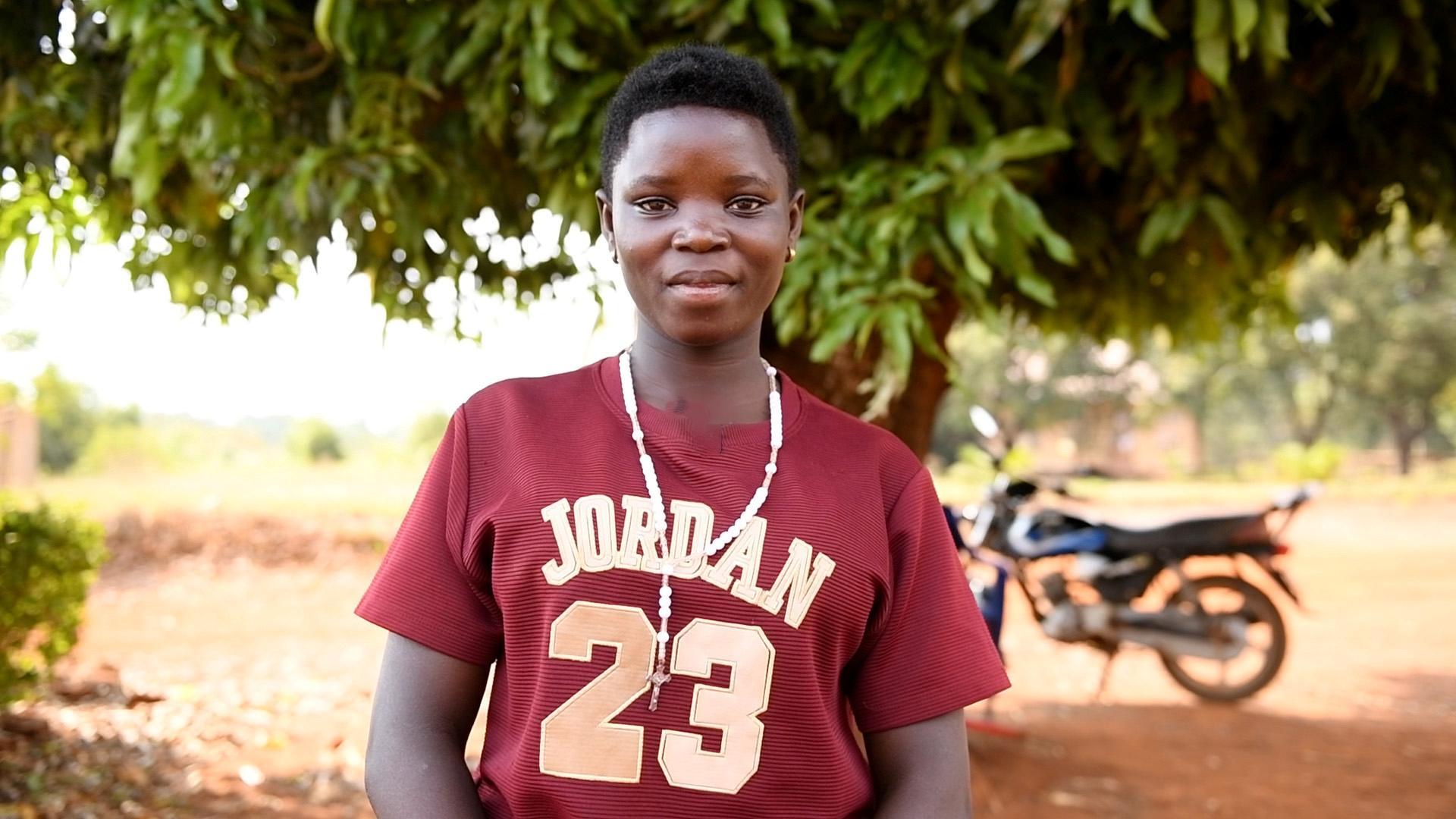
Dainess Issa Ali, a fourth child in her family of four girls and four boys, grew up in an extended family home with uncles and aunties and other siblings. She loved honey and always knew bee keeping and harvesting honey is preoccupation of grown older men. Youth, especially girls in Kigoma region in Tanzania, live with gender realities that confine their choices of study and livelihood trades. Her perspective changed when she registered at the Ministry of Agriculture Training Institute (MATI)-Mubondo to learn bee keeping and value addition to agricultural crops. Organised with technical and financial support from Enabel Tanzania’s Wezesha Binti project the work readiness training sought to enable girls take advantage of the economic opportunities available in Kasulu district in Kigoma—a regional abundantly endowed with fertile soils and swathes of forested land. “I learned a lot about gender and was amazed how our tutors insisted that girls can manage a hive farm just as men. It was unimaginable at first, but I was happy how they helped me understand and practice,” Said Dainess MATI-Mubondo taught her modern ways to set up and manage an apiary and, processing honey to get multiple products. Besides that,Dainess joined Young Beekeepers Group, an organization of 16 members she formed with fellow learners at MATI who came from Kidyama. News of a group of 15 young girls and one young man engaged in bee keeping and honey processing business raised eyebrows in their village. Culturally bee keeping and honey selling is done by aged men in Kidyama and in Kigoma generally. While at MATI-Mubondo, youth learned gender equality, opening their eyes about economic, social and cultural opportunities available to both male and females. With Young Beekeepers, gender is no longer a block. Wezesha Binti project provided the group a start- up capital of 30 hives, protective gear and other bee keeping supplies, The college allocated a forest area to the group for five years to enable them to establish and manage their apiary. Now, contrary to her perspective before Enabel support, Dainess has five hives on her own, apart from the 30 hives that Enabel gave the group to set up their apiary. With her group their plan is to increase their production capacity to 500 hives and move their apiary to their own piece of land by 2030.
-
Kundi Salum’s journey from a stressful youth to decent job
Mkama MWIJARUBI | 15/10/2026
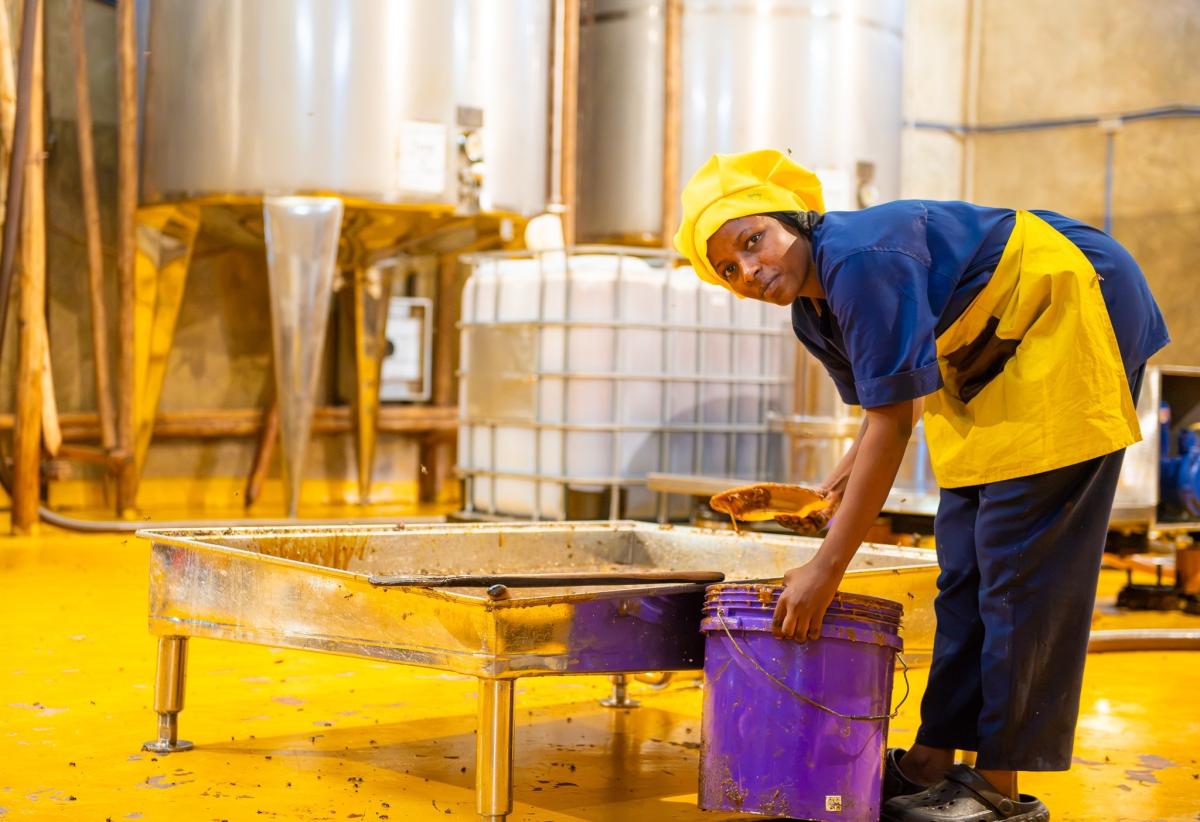
Back in 2022, Kundi Salum and her family had considered learning a skilled trade at the Kigoma centre of the Vocational Education and Training Authority (VETA), but the costs were too high for her aunt who had been taking care of the young lady after her parents passed away. Kigoma region’s population is dominated by a youth workforce. However, many young people—particularly girls and young women—remain poorly positioned to benefit from economic opportunities that continue to grow in Kigoma. High training costs, persistent gender stereotypes, inadequate gender-responsive facilities, weak links between training institutions and employers, and limited access to workplace experience restrict their participation in vocational education and their transition into decent employment. Kundi’s path changed in 2025 when she joined food processing course at VETA Kigoma through the facilitation of Wezesha Binti Project. With support from the Belgian government, the Wezesha Binti project strengthens the transition from training to work by facilitating linkages between TVET institutions linkages and employers. In Kigoma town, Third Man Limited, a honey processing and marketing company famously known as Upendo honey is one of private sector collaborators in the Wezesha Binti’s TVET program. “We found that Wezesha Binti mission to empower girls with skills and decent jobs and businesses matches with our objectives as a company,” says, Byela Bandio, a Human Resource Officer at Third Man Limited. As part of the memorandum of understanding between Enabel and VETA, doors were open for learners like Kundi to gain the much-needed experience. “At Upendo honey I learned how to live like an employee, how to interact with people at a place of work, how to contribute to a team,” says Kundi. On top of providing space for VETA’s students to gain practical experience, Upendo Honey offered to employ some, based on the company’s requirements. Kundi was one of the three girls who received a call to report for work at Upendo Honey a couple of months after completing their field attachment. Employers that collaborate with VETA and Enabel through Wezesha Binti benefit with meeting youth that are hardworking and malleable therefore can be trained to fit in their environment. “Without this collaboration probably, we would not have been able to meet some of these young girls who are excellent staff and very good people,” says Byela. Upendo honey did not require additional interview for the youth because they already observed their work ethic during their practical attachment. Kundi's experience reflects the broader impact of the Wezesha Binti Project in supporting young women to transition from training to decent employment. A total of 300 graduates (204 women and 96 men) has secured decent employment through partnerships with public and private sector employers, including Third Man Limited (Upendo Honey), Kasulu Sugar Company, and other industries. “I’m very grateful for the opportunity to get a job at Upendo Honey. I have a salary, I have NSSF, and I have medical insurance. Our factory is far from restaurants, but our employer provides lunch for us. I feel valued.” Her story demonstrates how partnerships between TVET institutions and employers can create sustainable employment opportunities for young women in Kigoma. ends
-
Building partnerships that connect skilled youth to jobs
Mkama MWIJARUBI | 10/07/2026
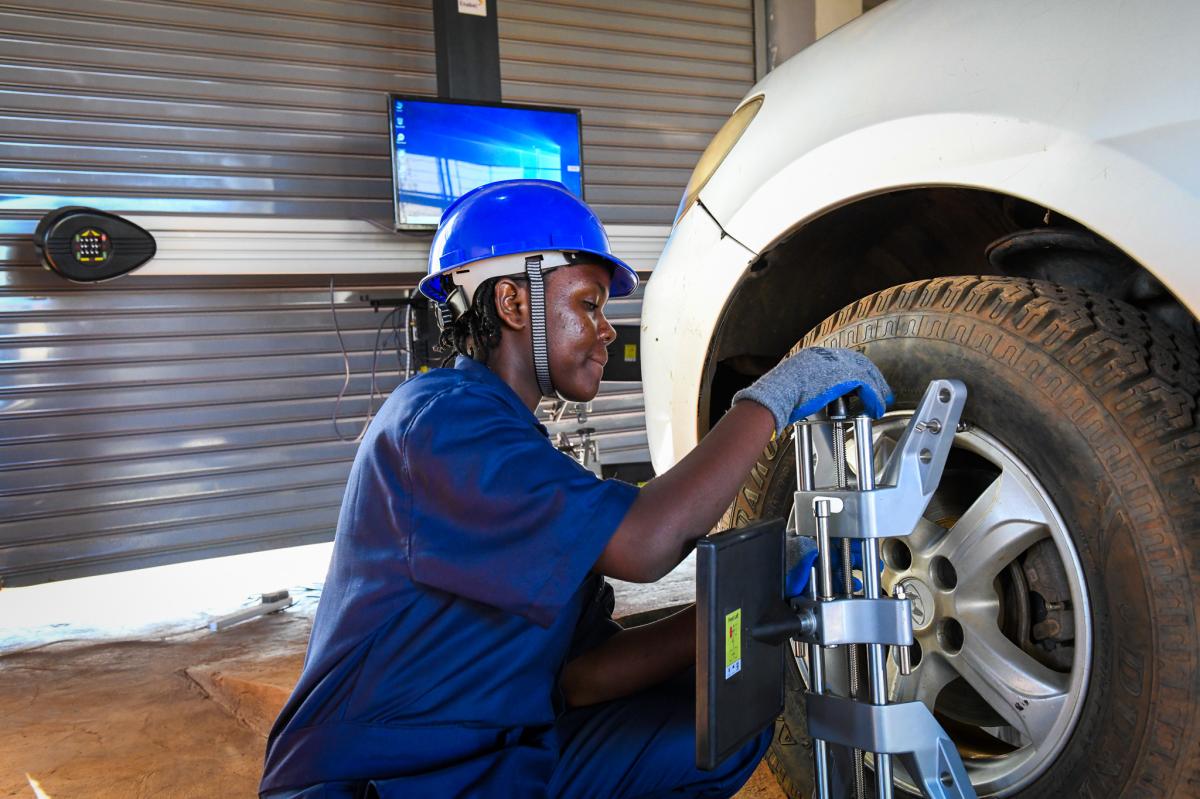
A graduation ceremony is usually a celebration of certificates and academic achievement. At the Vocational Education and Training Authority (VETA) Kasulu Centre in Tanzania's Kigoma Region, however, the audience told a different story. Alongside proud parents and government leaders sat employers from local industries, ready not only to applaud graduates but also to recruit them. It was an uncommon but encouraging sight—a clear sign that collaboration between training institutions, government and the private sector is transforming how young people transition from learning to work. The event showcased the results of the Wezesha Binti Project, implemented by Enabel and funded by the Belgian Ministry of Foreign Affairs. Beyond celebrating project achievements, it demonstrated how sustained partnerships can address one of the biggest challenges facing youth employment programmes: ensuring that training leads to real opportunities. Turning skills into jobs Across Africa, many young people complete vocational training only to discover that employers are looking for different skills, while businesses struggle to find qualified workers. This mismatch between training and labour market needs remains one of the key drivers of youth unemployment, particularly for young women who often face additional social and economic barriers. Rather than treating vocational training as a standalone intervention, the Wezesha Binti Project invests in building relationships among local government authorities, vocational training providers and employers. Together, they identified occupations with growing demand, created opportunities for workplace learning, and ensured that employers became active partners in preparing young people for employment. "Our role has been to bring everyone around the same table," explains Christine Rwankote, Project Manager for Wezesha Binti. "We have worked with private companies to create industrial attachment opportunities, while engaging government and employers to support internships and employment pathways for graduates." A region of growing opportunity Kigoma is rapidly emerging as an economic gateway in western Tanzania. Its strategic location bordering Burundi and the Democratic Republic of the Congo, and the ongoing Standard Gauge Railway project, is creating new opportunities in transport, logistics, construction and manufacturing. The region hosts more than 1,100 industries, most of them micro and small enterprises, alongside a growing number of medium-sized businesses. These developments are increasing demand for skilled workers who are ready to contribute. Recognising this opportunity, the Enabel, through the Wezesha Binti project, works to align vocational training with local labour market needs. Young people received technical training alongside work readiness and life skills that employers consistently identify as essential, including communication, teamwork, and professionalism and problem-solving. Dreams realised through partnership For graduates like Renatha Augustino, the programme has opened doors that once seemed impossible. After completing lower secondary school, financial circumstances prevented her from continuing her education. While she earned an income by styling hair, her real passion was motor vehicle mechanics—a career choice many people questioned because she was a young woman. Today, Renatha proudly holds skills in both professions. "I now have two professions," she says with a smile. "I can style hair, repair vehicles and even drive them. The confidence I have gained is something I never imagined." Her classmate Jackline Paschal shares a similar story. After leaving school following pregnancy, she supported herself through tailoring while apprenticing at a local garage whenever time allowed. Formal vocational training gave her the technical skills and nationally recognised qualifications needed to pursue her ambition with confidence. Their stories illustrate how opportunity expands when training is matched with employer engagement and practical workplace experience. Employers become partners The graduation ceremony reflected just how far these partnerships have developed. This was evident not only in the participation of employers but also in the results achieved through the collaboration. The numbers behind the collaboration are equally encouraging. In June 2026, 104 trainees—75 women and 29 men—graduated from VETA Kasulu after completing six months of training in motor vehicle mechanics, electrical installation, plumbing, and batik and soap making. The project also supported 32 employees from Kasulu Sugar Company to obtain nationally recognised RPL certification, strengthening both individual career prospects and company productivity. As one of the project's industry partners, Kasulu Sugar celebrated not only the graduation of trainees but also the certification of its employee’s success of employees who completed the Recognition of Prior Learning (RPL) programme, receiving nationally recognised certification as plant operators. The company also announced that it would retain all five motor vehicle mechanics trainees who had completed industrial attachment at the company, together with two plumbing graduates. "We are proud to be part of this collaboration," said the company's Human Resources Manager. "Our employees gained formal certification while we provided trainees with practical workplace experience. Both the company and the learners have benefited." Government leaders also pledged continued support. Speaking during the ceremony, the Kasulu District Commissioner committed to prioritising skilled youth entrepreneur groups for district economic empowerment loans, recognising that access to finance is another important step towards sustainable livelihoods. The project also facilitated pathways for 50 graduates to access employment opportunities for graduates linked to the Standard Gauge Railway project, while previous internship partnerships with Upendo Honey have already resulted in graduates securing permanent positions after demonstrating strong workplace performance. Lessons for youth employment programmes By engaging employers during programme design, aligning training with labour market demand, investing in workplace learning and maintaining strong collaboration with government and training institutions, young people are far more likely to make a successful transition into employment or entrepreneurship. The graduation at VETA Kasulu was therefore more than an end-of-course celebration. It demonstrated how collaboration between government, vocational training institutions and employers can help young people move more quickly from training into employment or entrepreneurship. As Kigoma's economy continues to grow, strengthening these partnerships will remain essential in ensuring that more young people acquire the skills, experience and opportunities needed to build sustainable livelihoods. ends
-
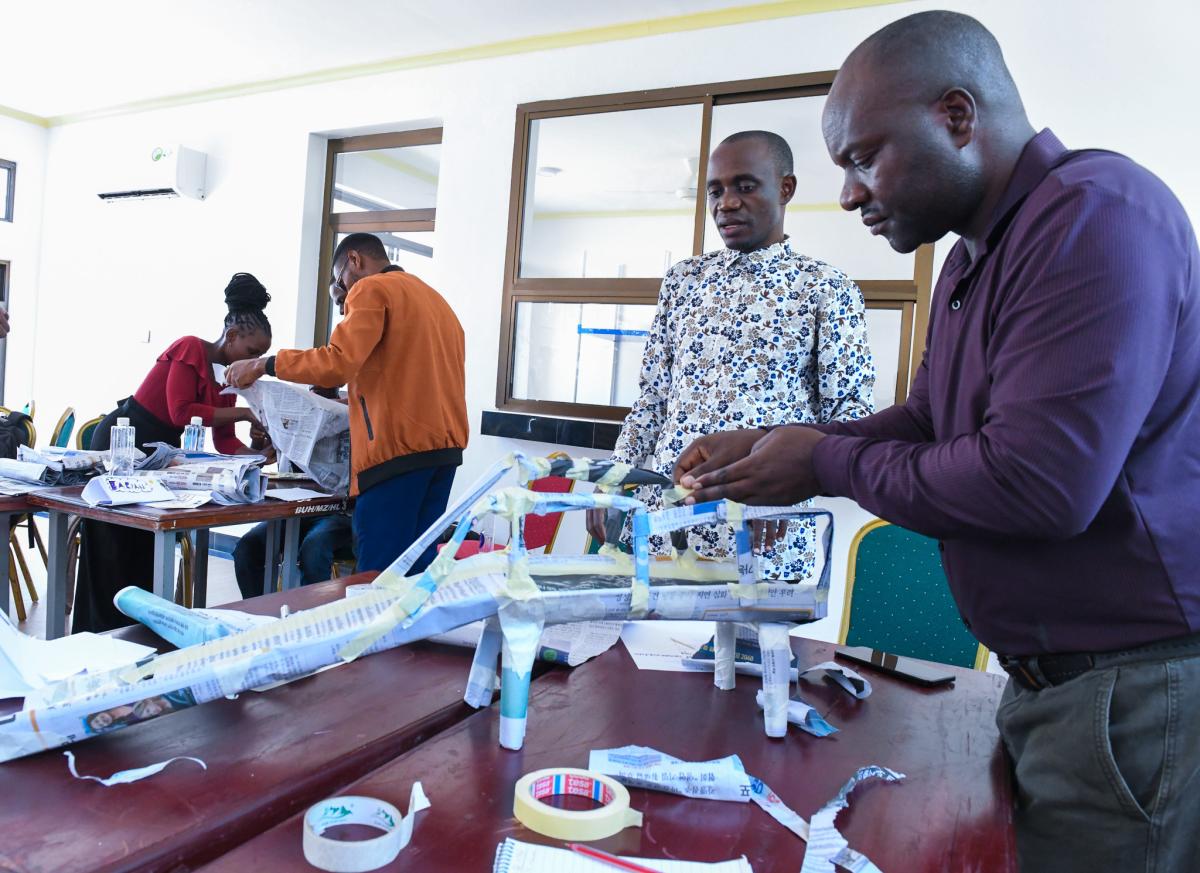
From Kigoma to the Nation: Enabel's Teacher Training Initiative Set to Benefit Thousands of Educators and Learners across Tanzania
Mkama MWIJARUBI | 10/07/2026
When Rozalia Alfred Mtawala from Mkongoro Secondary School in Kigoma logged onto Tanzania's online teacher learning platform, MEWAKA, she gained access to training materials that would soon reach far beyond her classroom. More importantly, she became part of a chain of change that is reshaping how teaching happens across the country. "Now that I have learned and joined the MEWAKA platform, I can continue updating myself and I will definitely share this opportunity with teachers who have not been able to access the training," she says. Rozalia is among more than 500 teachers from 25 secondary schools in Kigoma Region who have benefited from pedagogical training supported by Enabel Tanzania through the Wezesha Binti Project. What distinguishes this initiative from typical one-off training programs is its design for scale and sustainability. The lessons learned in Kigoma are now embedded in a national system that is fundamentally changing how teachers teach across Tanzania. How Change Spreads Through a System Kigoma has long faced educational challenges that reflect broader systemic issues in the region. A shortage of teachers, limited capacity in teaching methodologies, English language skills, and ICT proficiency have contributed to low performance in national examinations. The shortage of computers, electricity, and internet connectivity has further limited access to modern teaching resources. For girls, these barriers are compounded by social and cultural factors that disrupt their education. In some areas, one out of every three students who begin lower secondary education does not complete it. The Enabel addressed these challenges by investing in teacher capacity building, but with a critical difference: the training was designed to be shared. Teachers learned practical, learner-centered teaching approaches that could be adapted to their contexts and passed on to colleagues. This created the conditions for systemic change rather than isolated improvement. When teachers like Datius Rwehumbiza and Elifuraha Singo completed the training, they didn't simply apply new methods in their own classrooms. They became advocates for change within their schools and networks. "I believe the methods we learned will be a catalyst for solving the teaching challenges we have in schools," says Elifuraha. "Many teachers still use teacher-centered methods. This training has enabled us to understand how to use learner-centered approaches effectively." This is how systemic change begins: through teachers who experience better methods and actively share them with colleagues. From Regional Initiative to National Infrastructure The real multiplication of impact came through institutional partnership. Enabel Tanzania collaborated with the Tanzania Institute of Education (TIE) and the School of Education Development at the University of Dar es Salaam to formalize and scale the training modules. The pedagogical approaches developed and tested in Kigoma were documented, refined, and integrated into TIE's online library. This transformation from a regional project to a national resource marks a critical shift. Teachers across Tanzania now have access to the same high-quality training materials that were piloted in Kigoma, accessible through MEWAKA. "This collaboration is evidence of the joint efforts by TIE, the University of Dar es Salaam, and Enabel to contribute to improving the quality of education in Tanzania," says Angela Kabatabaro, Deputy Director General of TIE. The infrastructure for access has been carefully designed to reach teachers where they are. Through a partnership with Airtel, teachers can access the platform and browse learning materials without consuming mobile data via a zero-rating package. This removes a significant barrier for educators in resource-constrained areas. Systemic Change Accelerated by Curriculum Reform The timing of this initiative aligns with a critical moment in Tanzania's education system. The launch of the new 2025 curriculum represents a formal shift away from traditional lecture-based teaching toward learner-centered approaches that emphasize active participation and critical thinking. The modules developed through the Wezesha Binti Project directly support this transition. They cover Life Skills and Health Education for Adolescents, Gender-Responsive Pedagogy, Environmental and Climate Change Education, and learner-centered methodologies. Rather than teachers struggling to implement a new curriculum without guidance, they now have access to proven approaches and practical strategies. Datius Rwehumbiza describes the platform's value: "I will use MEWAKA to continue updating my knowledge. It is a useful platform for a serious teacher to refresh skills and get new ideas that improve classroom delivery." The convergence of teacher training, institutional infrastructure, and curriculum reform creates the conditions for systemic change. Teachers are not being asked to change in isolation; they are being equipped with tools, resources, and peer networks that make the change sustainable.Extending Change beyond the Classroom The project's impact extends beyond teachers. For the first time, more than 70 non-teaching staff, including school nurses, counselors, and security personnel, participated in training on values education and life skills. This whole-school approach recognizes that systemic change requires all school staff to understand and support learner-centered practices. These staff members play a critical role in student wellbeing and are often the first to identify vulnerable learners who need support. By including them in the training, the project ensures that the shift toward learner-centered approaches is embedded across the entire school system. A Model for Scaling Educational Change What began as an intervention to improve education outcomes in Kigoma has evolved into a model for how systemic change can be achieved in education systems. The key elements are clear: invest in teacher capacity building, design for sharing and peer- learning, formalize successful approaches through institutional partnerships, align with broader system reforms, and remove barriers to access.By supporting the development of professional learning modules and making them freely accessible through TIE's online library, Enabel and its partners have created infrastructure for change that extends far beyond the initial 25 schools in Kigoma. The lessons learned in one region are now shaping how thousands of teachers teach across Tanzania, with the potential to reach millions of learners. The ripple effect of this initiative will continue to expand as more teachers access the platform, adapt the methods to their contexts, and share them with colleagues. This is how systemic change takes hold: not through mandates, but through teachers equipped with better tools, supported by institutional infrastructure, and connected to a network of peers doing the same work. ends
-
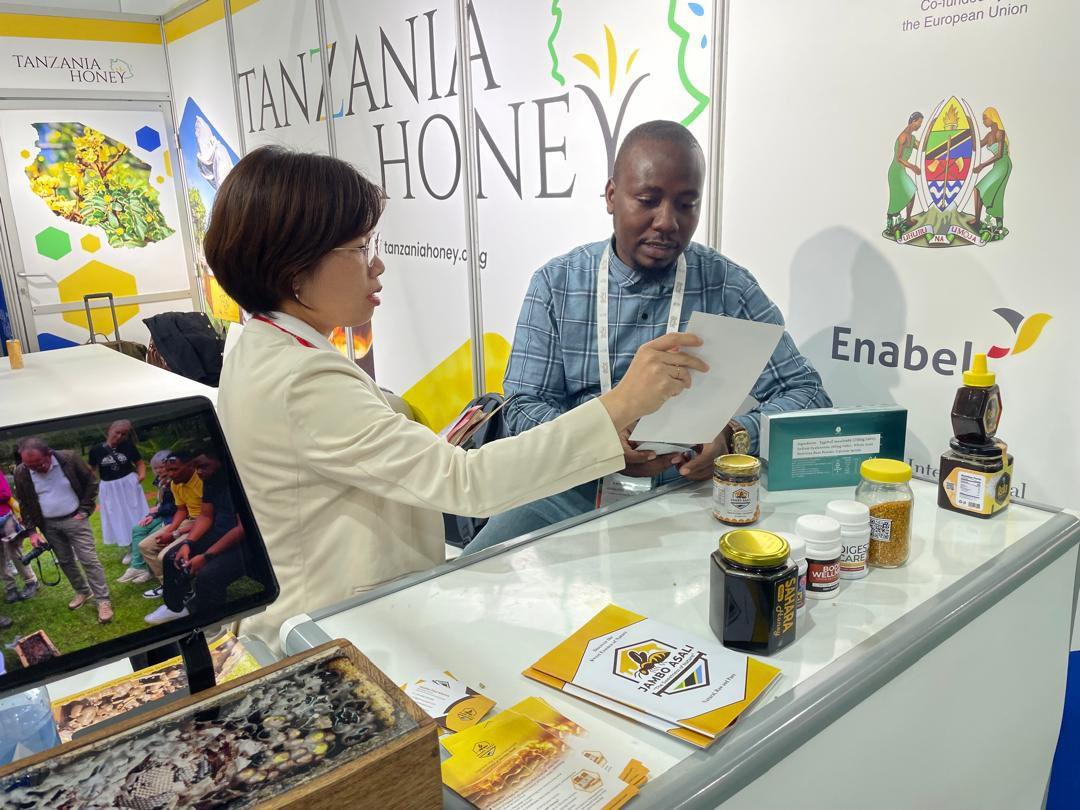
The penetration of "Jambo Asali" to global market: The Expansion story of Musiba Paul Kitema.
Deogratius KIMENA | 09/06/2026
Musiba P. Kitema is not just selling honey; he is exporting the liquid gold of Tanzania. As the leader of International Bees (Jambo Asali), Musiba has spent the last three years transforming a local operation into a globally recognized enterprise. By bridging the gap between 2,000 smallholder beekeepers and the sophisticated markets of the Europe, UAE, and China, he has placed Tanzanian honey on the world stage with unprecedented authority. Breaking Barriers: From Tabora to the Saudi Food Show: The turning point for Jambo Asali came with strategic international exposure. Supported by the BEVAC project, Musiba’s participation in the 2025 Saudi Food Show served as the gateway to the Middle East (Dubai), Europe, and beyond. The event resulted in long-term contracts with major honey companies in Dubai, Kosovo, and Albania. Musiba has already successfully exported two shipping containers (36 tonnes) of premium honey to these partners. This scale was made possible by BEVAC’s investment in beekeeping cooperatives, providing the high-level handling equipment and collection centers necessary to meet rigorous international quality standards. The Digital Revolution: Traceability and Trust: In the high-end European market, quality is expected, but traceability is required. Musiba leveraged his Internal Management System (IMS) knowledge to build a cutting-edge traceability platform. "Our new traceability system has changed the game. By proving the origin and purity of every drop, we have secured partners in the Netherlands and Germany who pay a premium price of $9 to $12 per kg." This premium pricing does not just stay at the top; it flows back to the 2,000 smallholder beekeepers. Protecting the National Brand: Musiba is a vocal advocate for the Tanzania Honey Trademark. He views this as a critical weapon against international fraud, ensuring that the marginalized reputation of Tanzanian honey is restored and protected on the world stage. With his eyes set on full-scale penetration into UK and China, Musiba is currently finalizing the highest levels of international quality certifications (HACCP and Organic). His vision is clear: to ensure that the "Jambo Asali" label becomes a global synonym for purity, ethics, and Tanzanian excellence.
-
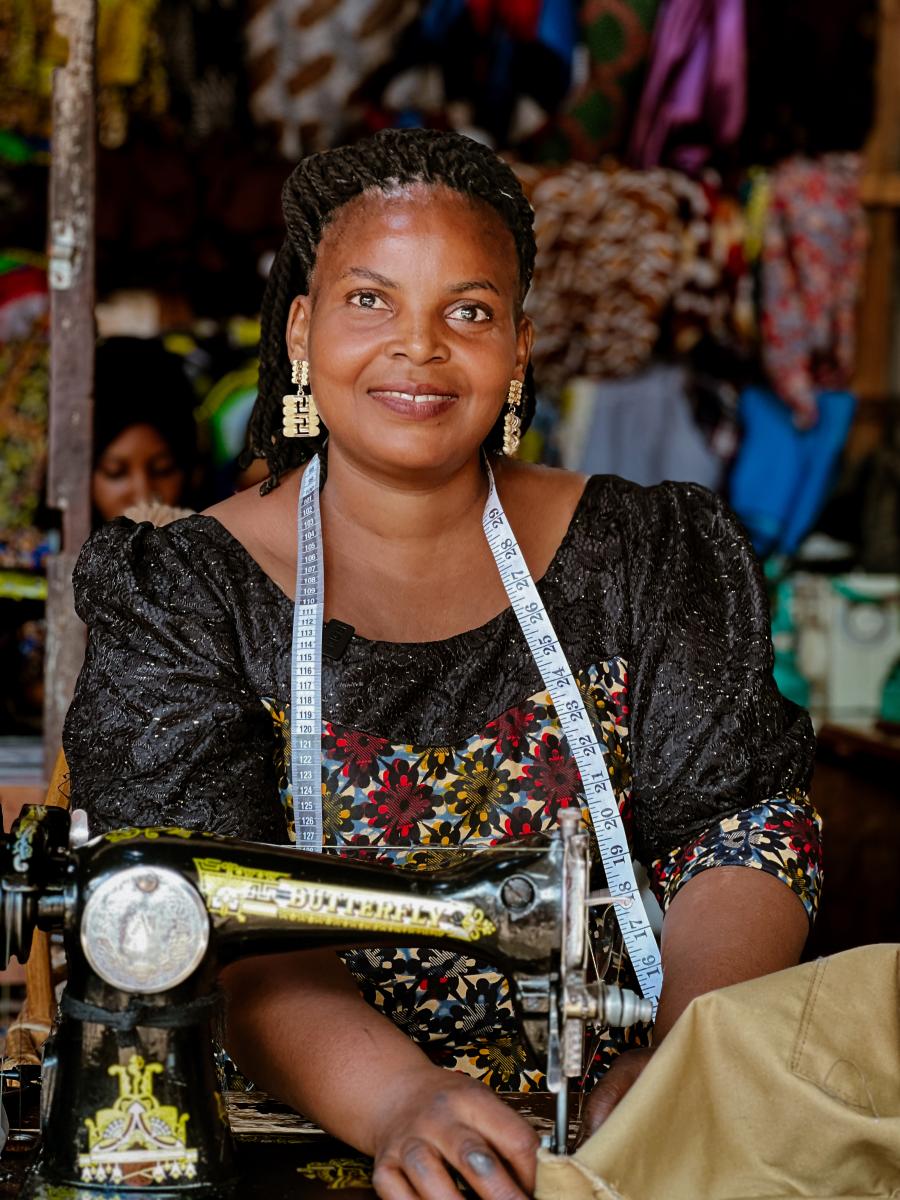
From Stitches to Solutions: The Transformation story of Felista Exavel’s Tailoring business.
Deogratius KIMENA | 09/06/2026
For years, Felista’s world was defined by the delicate patterns of women’s gowns and the steady rhythm of her sewing machine in Urambo. As a mother of 6 children, her business was more than a trade; it was the lifeline that kept her family afloat and her eldest in secondary school. But in 2023, a single introduction changed the trajectory of her life. The Catalyst of Change: When District Beekeeping Officer Mr. Shadrack Yomba introduced Felista to the BEVAC project, he didn't just offer her a training program; he offered her a niche that would redefine her craftsmanship. Felista traveled to VETA Tabora for an intensive two-week course, pivoting from traditional fashion to the technical, high stakes world of protective beekeeping suits. Building an Empire in Urambo: Felista didn’t just learn a new skill; she built a workforce. Upon returning, she mentored two fellow tailors and three assistants, transforming her small workshop into a specialized production hub. By January 2025, the results were undeniable: from making normal women gown for TZS 5,000 to making Beekeeping suit Worthing TZS 15,000-35,000. By the start of 2025, Felista and her team had produced and sold 230 suits, generating a staggering income of 10,000,000 Tsh. This success catapulted her into a new role: she is no longer just a tailor, but a strategic supplier, sourcing raw materials directly from manufacturers in Arusha to supply other artisans in the region. Empowerment: The impact of this evolution extends far beyond the walls of her shop because now: 1. The surge in income has secured a future for her child, who is now pursuing higher education at college. 2. With her profits, Felista invested in two high-capacity sewing machines and expanded her team, creating local employment opportunities. 3. The technical skills gained from the BEVAC project gave her the confidence to master menswear, a market she had never previously explored, further boosting her revenue. "The beekeeping suit is more than a product; it is the engine of my business. It has allowed me to dream bigger, produce more, and provide a better life for my family." Felista.
-
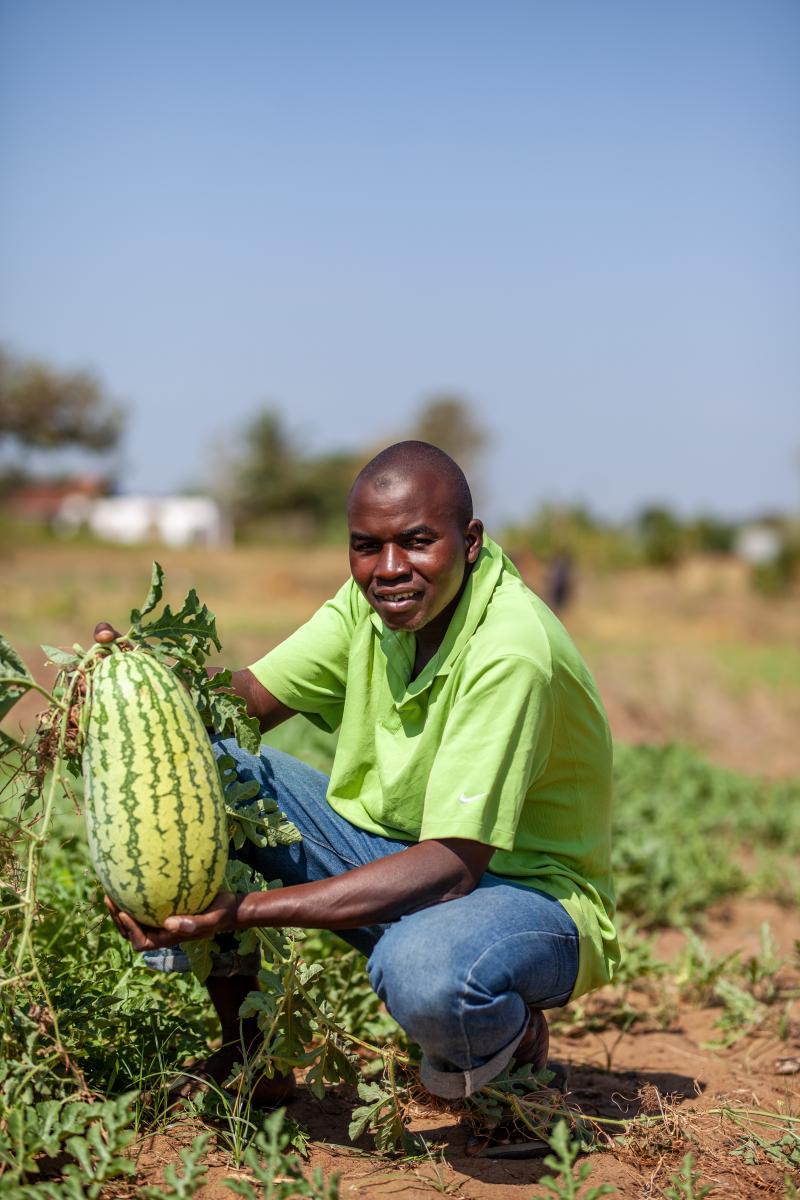
Fakhi’s Harvest: The Quiet Revolution in Tongoni
Proscovia GREGORY | 28/05/2026
For years, vegetable farming in Tongoni was a struggle. It was backbreaking work with low rewards, and most people in the area wouldn't touch it. Fakhi Juma Fakhi was one of the few who stuck with it, but even he was barely scraping by. He was growing watermelons, but his harvests were small; only four to five tons per acre. “I was struggling,” Fakhi says. “But things started to change when I started working with the IncluCities project.”A Shift in StrategyThe project, supported by Enabel and the European Union, didn’t just hand out money; it changed how farmers like Fakhi viewed their work. They stopped working as isolated individuals and started acting like business owners.Fakhi became a lead farmer, a role that turned him into a coach for his neighbors. He realized that the biggest problems weren't just the seeds or the soil; they were the lack of organization and the high cost of fuel.From Diesel to SunlightThe transformation started with a solar-powered pump. For Fakhi, it was a game-changer. It slashed his irrigation costs by 80 percent, moving him away from expensive, noisy diesel pumps that ate into his slim profit margins. But his greatest success wasn't in his own garden; it was in the way he pulled his community together. Fakhi organized over 80 farmers into a production block. By pooling their harvest, they were no longer small-time growers begging for a price; they became a collective force. They started negotiating directly with large-scale buyers in Zanzibar and Dar es Salaam, securing contracts that were previously impossible to reach.More Than Just a HarvestThe numbers tell a remarkable story. Yields have jumped from four tons per acre to as high as 25 tons. More importantly, the mindset in Tongoni has shifted. Where there were once fewer than ten discouraged farmers, there are now over 80 people investing their time and money into the soil. They are even using their savings to install their own solar pumps, investing in a future that now feels secure.future that now feels secure.Fakhi’s journey is about more than just watermelons and peppers. It is about how one person, armed with the right tools and a bit of organization, can turn a dying trade into a thriving business.
-
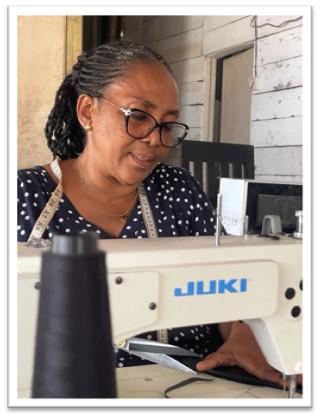
LEONIDIA LOI KABI – FROM PRISON TO NEW HOPE
Proscovia GREGORY | 28/05/2026
Leonidia Loi Kabi, a 55-year-old woman and a small-scale entrepreneur specializing in herbal products, is a powerful example of how access to legal aid and rehabilitation can restore dignity and rebuild lives. Before her incarceration, Leonidia lived a modest but meaningful life with her husband, Mr. Peter Kabi. Both had children from previous relationships, and together they worked hard to build a stable home and provide for their blended family. Leonidia served nine years in prison before being released in 2025. Her life took an unexpected and painful turn in 2012, when law enforcement officers conducted a search at her home and discovered government trophies that had been secretly hidden there. Although Leonidia had no knowledge of their existence, she and her husband were arrested and charged with unlawful possession of government trophies, a serious criminal offense in Tanzania. The legal journey that followed was long, complex, and emotionally draining. Initially, they were released on bail, but in October 2016, Leonidia was re-arrested and held in custody as the case dragged on. In 2017, after years of a protracted and challenging legal process, both she and her husband were convicted and sentenced to 20 years in prison. This judgment was a life-shattering moment for Leonidia and her family. Her imprisonment not only separated her from her loved ones but also left their children without parental care, causing severe emotional and economic strain on the household. What began as an ordinary day quickly turned into a long and painful chapter of her life. Once imprisoned, Leonidia faced not only the emotional burden of incarceration but also the uncertainty of her future. However, her life began to change when she was introduced to vocational training and rehabilitation programs offered in prison. Determined not to allow her situation to define her permanently, Leonidia enrolled in tailoring and bag-making courses. She showed exceptional talent in making women’s handbags and travel bags, and through these skills, she was able to earn an income. Through hard work and commitment, Leonidia successfully completed her training and was awarded a Vocational Education and Training Authority (VETA) certificate. This qualification gave her a sense of purpose and a tangible skill she could rely on after her release. Her journey inside prison was not only about learning skills but also about rediscovering her strength, self-worth, and determination. A crucial turning point in Leonidia’s story came when she received legal aid from paralegals. These paralegals enhanced her with knowledge on justice and legal representation which facilitated her self-representation. With their dedicated support, Leonidia gained legal awareness, regained confidence, and eventually secured an early release before completing her full sentence. Today, Leonidia is a free woman and a living example of resilience and transformation. She acknowledges that prison was a painful and challenging chapter in her life, but it also gave her courage, discipline, and practical skills. She now uses her tailoring skills to earn a living, support her family, and rebuild the stability she once lost over nine years past. More importantly, Leonidia has become a voice of encouragement in her community. She openly speaks about the importance of legal awareness, discipline, and making wise choices. Her story reflects the transformative power of legal aid, rehabilitation, and access to skills development, especially for women in vulnerable situations. Leonidia’s journey demonstrates that incarceration does not have to be the end of a person’s life story. With access to justice, compassion, and opportunity, people can rebuild their lives, restore their dignity, and contribute positively to society. Her transformation is not only a personal victory but also an inspiring testimony of the impact of legal empowerment programs.
-
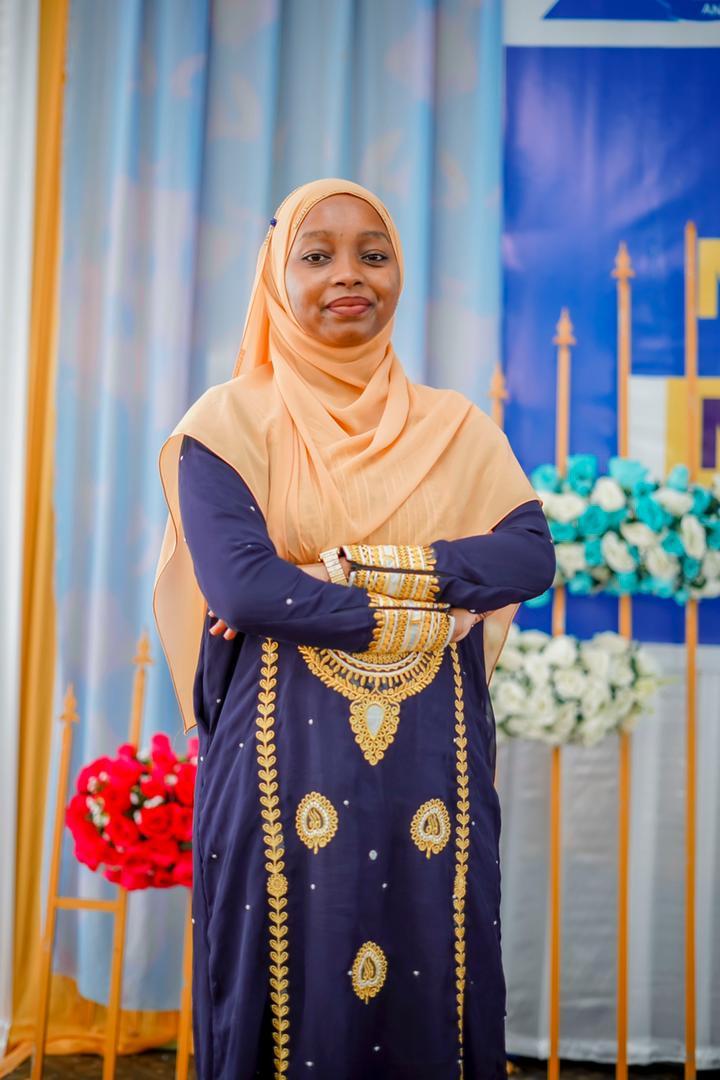
Digital Balozi(Ambassador) Supports 100 small businesses in Pemba
Mkama MWIJARUBI | 20/05/2026
With support from Enabel, Digital Opportunity Trust (DOT) Tanzania is building a vibrant network of Digital Balozi (Ambassadors) who are reshaping how youth and women entrepreneurs in Tanga, Mwanza, and Pemba Island run their businesses. Problem Many youth and women entrepreneurs in Pemba already have strong vocational skills, such as baking and food processing, but continue to face a gap in digital skills needed to grow and promote their businesses effectively. As a result, their visibility is often limited to walk-in customers, restricting their access to a wider market. Meiya was actively engaged with the Tanzania Women Chamber of Commerce (TWCC) and running my own business. “While I had experience supporting the growth of other businesses as well as my own, I still faced a major gap in my digital skills, which limited my ability to scale and fully leverage modern tools for business growth,” she says. Scrolling on Instagram, she learned about the opportunity of learning digital skills and helping others through the DOT programme under the EU-funded Inclu-cities project. Intervention Meiya participated in a 10-day Trainer of Trainers (ToT) that equipped her with practical skills in digital business, financial literacy, facilitation, and climate action, strengthening her capacity to support and empower others effectively. Impact From July to December 2025, she teamed up with her fellow Digital Balozi, Nassor in their community in Wete, Pemba where they trained over 100 youth and women entrepreneurs, equipping them with essential skills in digital business and financial literacy. Through the WhatsApp groups she established during the training sessions, she remains engaged in supporting entrepreneurs, providing ongoing guidance, and facilitating the practical application of the digital business skills they learned. Even after her tenure as Digital Balozi ended in December 2025, Meiya Musa continues to support small entrepreneurs in Wete to leverage modern digital tools to grow their businesses. “I continue to introduce myself as a Digital Balozi and remain actively engaged in supporting entrepreneurs who reach out for guidance and assistance,” says Meiya. Reflecting on her own growth, she notes that the experience significantly strengthened her mindset, confidence, and leadership skills. This highlights how the programme not only benefits the entrepreneurs trained but also transforms the ambassadors themselves. Ends
-
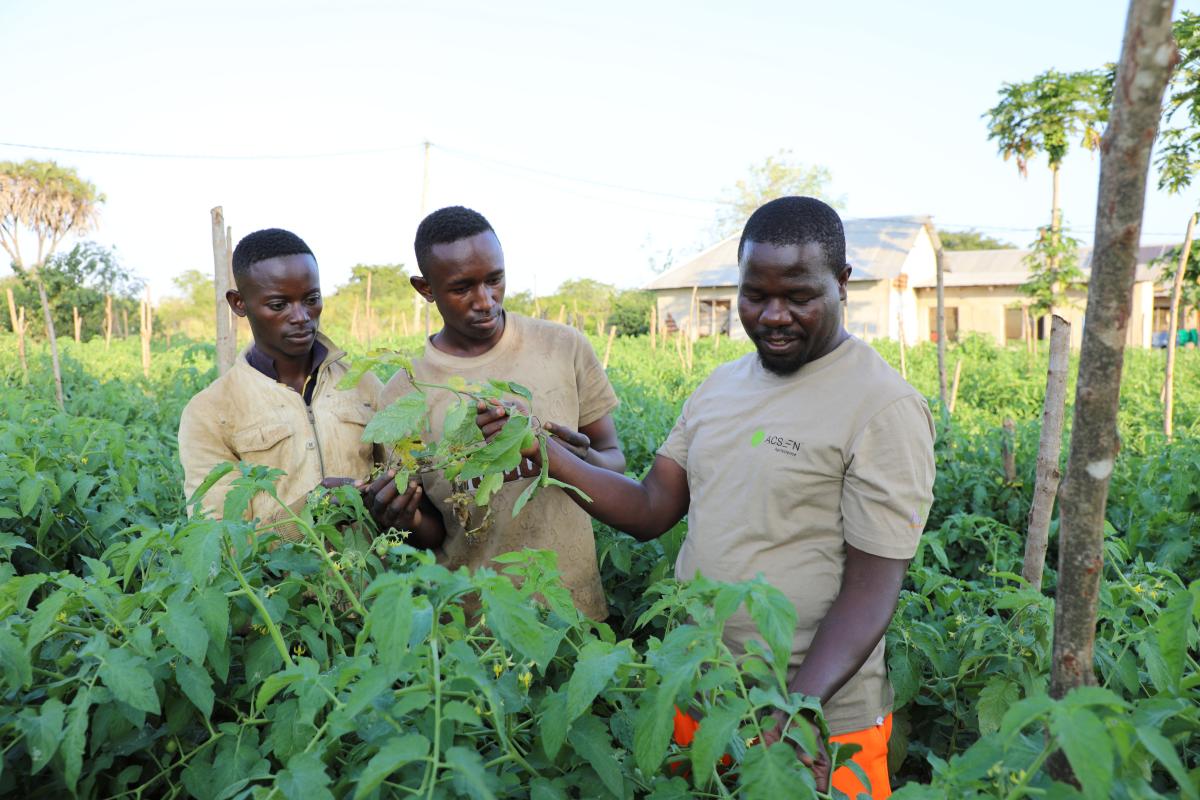
Through Enabel project a factory engineer supports creation of jobs in vegetable farming
Mkama MWIJARUBI | 18/05/2026
“After working with the Inclu-cities project I see impact among members of the farmers' groups. Many farmers have now dug their own deep wells, and those who can afford it have installed solar pumps. All this because they saw the benefits on my farm,” said James Kapalata. Seeking to complement his salary with a business he can manage, the industrial chemical engineer, at Tanga Cement, found land in Kange and started growing vegetables. Kapalata invested some money in a borehole, but endured high diesel costs to water his plants. Many vegetable growers around him fared worse, struggling with uncoordinated marketing, access to knowledge and farming input and weather hazards. The Urban Challenge Tanga, has arable land and is strategically placed near vegetable hungry markets—Dar es Salaam, Northern zone towns and neighboring Kenya. But, rain seasonality, lack of market data, high input costs, less coordinated linkages held off farmers from growing vegetable commercially. Enabel Tanzania implements the INCLU-CITIES project (2024–2026) with funding from the European Union. The project aims to stimulate job creation and economic welfare by providing entrepreneurs with the tools needed to thrive in a modern economy. The Shift In Tanzania, Enabel implements the INCLU-CITIES in collaboration with different partners. RIKOLTO, a Belgian organisation focusing on improving climate-smart agriculture and food security through profitable farm businesses. Under the Inclu-cities projects, RIKOLTO collaborated with Tanga City to implement the Tanga sustainable food programme. Starting in May 2024, the project rolled out the Agribusiness Cluster (ABC) model that connected farmers, agribusiness SMEs, service providers, financial institutions, government agencies, and other stakeholders to jointly improve productivity, market access, value addition, and competitiveness in a specific value chain. James Kapalata was one five lead farmers empowered to facilitate farmers' access to business development services, input supply linkages, financial literacy, and market connections. As farm Coach Kapalata got training and a solar-powered pump to fit on his borehole. In this role, he has organized nearly 60 farmers in two groups, linked them to agri-input companies such as ACSEN Agriscience, a sustainable farming company, and Rijk Zwaan, a fruit and vegetable breeding company, to mention some. These companies recognized the informed demand for better inputs and brought improved seeds, pesticide technologies, and knowledge to grow vegetables. Farmers in Kange ward's priority crops are tomato, watermelon, and pepper. Farmers’ collaboration in farming blocks created demand for agri-input suppliers on the one hand.On the other part farmers were capable of augmenting their production capacity, attracting buyers and negotiating with leverage with vegetable buyers in Tanga and Dar es Salaam. Specifically, Kapalata facilitated: successfully negotiations with the sole pepper buyer in Tanga for better prices ·a sale contract with another pepper buyer from Bagamoyo, more than 200 kilometres from Tanga Cityaccess to finance for farmers in Kange ward Scaling for the Future Apart from digging wells of their own, more farmers have entered in the block farming collaboration, seeing that it augments their productivity, their negotiating power and attracts big buyers. "With continued collaboration with our local extension officers, we are confident that agriculture will be sustainable. This is because extension officers understand the challenges faced by farmers in their areas." ends