Rechercher
Affichage de 210 à 225 sur 3052 actualités
-
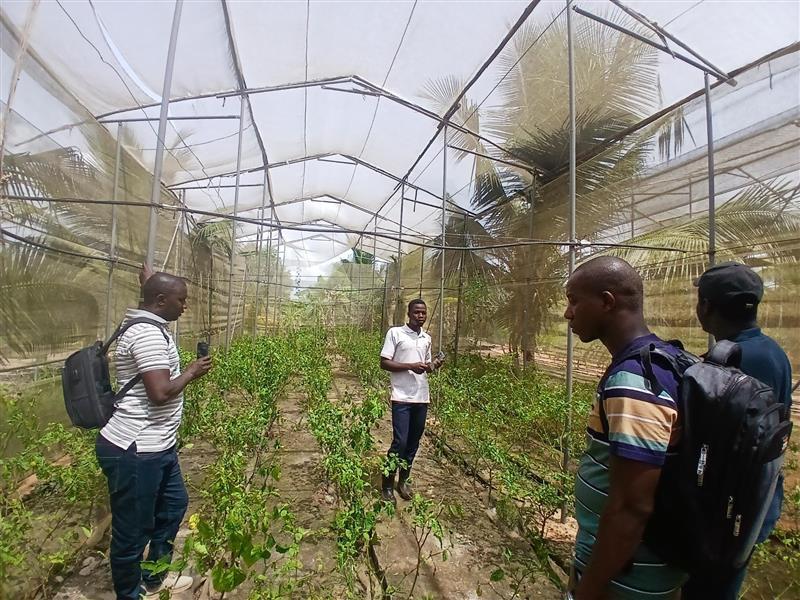
Des faitières et incubateurs appuyés par le projet AMIS en immersion au Bénin
Jacques LENO | 14/04/2026
Du 6 au 12 avril 2026, les faitières et incubateurs guinéens accompagnés par le projet AMIS ont pris part à une mission d’échange de bonnes pratiques au Bénin. Conduite par Enabel, en collaboration avec ses partenaires opérationnels, cette mission visait à renforcer les capacités de ces acteurs clés de l’écosystème entrepreneurial guinéen (évoluant principalement à Kindia, Mamou et Conakry), à travers le partage d’expériences, l’apprentissage de bonnes pratiques et l’exploration de modèles innovants de structuration et d’accompagnement des initiatives entrepreneuriales.Résultats obtenus : · Cette immersion a permis d’approfondir les connaissances dans les filières avicole, apicole, agricole et maraîchère, à travers des visites de structures de référence telles que le Centre Songhaï, la Fondation TOBE, et des unités de transformation à Cotonou et Ouidah. · Les échanges ont mis en lumière l’importance d’une approche intégrée des filières, du suivi technique, de la transformation locale et de la structuration des chaînes de valeurProchaine étape : adapter et capitaliser ces bonnes pratiques pour favoriser l’insertion des jeunes en Guinée.
-
Burkina Faso: des solutions locales et concrètes face au changement climatique
Wendpouiré Julien NANA | 14/04/2026
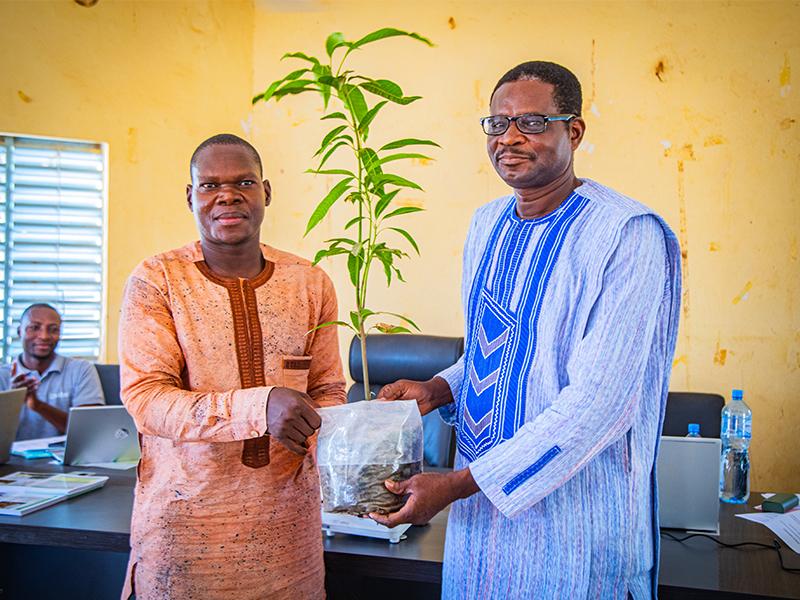
Du global au local : quand les OSC expérimentent des solutions concrètes face aux changements climatiquesLes changements climatiques constituent aujourd’hui un défi mondial, aux répercussions de plus en plus visibles sur les territoires. Si les réponses s’organisent à l’échelle internationale et nationale, c’est bien au niveau local que leurs impacts se font le plus ressentir - et que des solutions concrètes doivent émerger.Dans ce contexte, les organisations de la société civile (OSC) apparaissent comme des acteurs clés pour accompagner les communautés vers des pratiques plus résilientes et durables. À travers le Portefeuille Thématique Climat Sahel (PTCS), Enabel fait le pari de renforcer leur rôle en les outillant pour passer de la sensibilisation à l’action.Les 26 et 27 mai 2026, les communes d’Andemtenga et de Kando ont ainsi accueilli des ateliers d’information et de sensibilisation, marquant une étape importante dans la mise en œuvre de micro-projets portés par ces organisations.Une démarche structurée pour renforcer le leadership des OSCL’initiative s’inscrit dans un processus progressif engagé depuis novembre 2024. Celui-ci a débuté par une cartographie des OSC actives dans le domaine du changement climatique, suivie d’un diagnostic organisationnel visant à évaluer leur capacité d’intervention.Au total, 50 organisations ont été sélectionnées et formées sur des thématiques clés telles que le leadership, la communication et le plaidoyer. « L’objectif est d’amener ces OSC à influencer positivement les décisions locales et les comportements des communautés en faveur des bonnes pratiques de lutte contre le changement climatiques », explique OUEDRAOGO Norbert, chargé de projet au sein du PTCS.Conscient que la formation seule ne suffit pas, le programme a intégré une phase pratique. Les OSC ont été regroupées en « grappes » communales et invitées à proposer des micro-projets. Sur neuf propositions, cinq ont été retenues et financées à hauteur de 5 millions de FCFA chacune, soit un appui global de 25 millions de FCFA. Ces projets couvrent des thématiques variées, notamment les semences communautaires résilientes, les plantations familiales d’arbres, la restauration des sols et la gestion des déchets.À Andemtenga : produire et diffuser des semences adaptées aux réalités climatiquesDans la commune d’Andemtenga, l’Union départementale des coopératives de producteurs de céréales s’est engagée dans un projet de production de semences communautaires adaptées aux conditions climatiques locales. Pour son président, Yaméogo Amado cette initiative repose sur un travail de longue haleine mené avec les producteurs et les chercheurs : « Nous avons expérimenté différentes variétés pendant plusieurs années pour identifier celles qui donnent de bons rendements, même avec les perturbations climatiques. » Ces semences, sélectionnées pour leur capacité d’adaptation et leur double usage (alimentaire et fourrager), représentent aujourd’hui une réponse concrète aux défis posés par les changements climatiques, notamment en matière de sécurité alimentaire.L’enjeu est désormais de les produire à plus grande échelle et d’en assurer la vulgarisation auprès des producteurs. Une dynamique saluée par les autorités locales. Le Président de la délégation spéciale d’Andemtenga, Wahab Sawadogo, souligne : « C’est une très belle initiative qui vient à point nommé, au regard des effets du changement climatique auxquels nous faisons face actuellement. » Il met également en avant son impact attendu : « Cet appui va contribuer à la production et à la vulgarisation de semences adaptées au profit des agriculteurs de notre commune. »À Kando : responsabiliser les ménages pour améliorer le taux de survie des plantsDans la commune de Kando, l’association Wend Gunda, à travers la grappe Pouytenga-Kando, s’attaque à une problématique récurrente : le faible taux de survie des plants issus des campagnes de reboisement. Selon son président, Kayaba Ferdinand, le constat est sans appel : « Lors des reboisements collectifs, il y a beaucoup d’engouement au moment de planter, mais très peu de suivi par la suite. Finalement, les plants ne survivent pas. » Pour y remédier, le projet propose une approche alternative fondée sur la responsabilisation des ménages, en confiant les plants à des familles bénéficiaires qui en assurent l’entretien dans leur propre environnement.Une approche jugée pertinente par les autorités communales. Le Président de la délégation spéciale de Kando, Arana Paré, souligne : « Cette initiative est bien pensée. Elle permettra d’améliorer significativement le taux de survie des plants, car les familles pourront en assurer le suivi au quotidien. » Il rappelle également l’importance de l’accompagnement des partenaires : « Nous saluons cet appui d’Enabel, qui vient renforcer les actions de développement dans notre commune. » Et réaffirme l’engagement de la collectivité : « Nous sommes prêts à accompagner ces initiatives afin d’atteindre les résultats attendus, car ces résultats sont ceux de toute la commune. »En plus des deux micro-projets mis en œuvre par des OSC à Andemtenga et Kando, trois autres sont mis en œuvre à Meguet, Boulsa et Dargo respectivement sur les thématiques de restauration de terres dégradées par les demi-lunes multifonctions, la gestion des déchets, la préservation des forêts villageoises.Les OSC, des relais stratégiques entre communautés et autoritésAu-delà des solutions techniques, ces initiatives mettent en lumière le rôle stratégique des OSC dans les dynamiques locales. À travers les ateliers organisés à Andemtenga et Kando, elles ont su mobiliser un large éventail d’acteurs : autorités administratives, services techniques, leaders communautaires et populations.Cette capacité à fédérer, positionne les OSC comme des relais essentiels entre les communautés et les instances de décision. Elles contribuent ainsi à la fois à la sensibilisation des populations et au plaidoyer auprès des autorités pour l’intégration des enjeux climatiques dans les politiques locales.Une approche basée sur la recherche-action et l’apprentissageL’un des aspects innovants du programme réside dans son approche de recherche-action. Tout au long de la mise en œuvre des différents projets, les expériences sont documentées à travers une démarche de recherche action, afin d’évaluer l’impact réel des OSC sur le terrain Les échecs ainsi que les points d’amélioration de ces OSC seront également documentés. L’objectif est notamment de mesurer leur capacité à influencer les comportements des communautés, à porter un plaidoyer efficace et à contribuer à l’intégration des enjeux climatiques dans les plans communaux de développement.À terme, cette capitalisation permettra de disposer de données probantes pour orienter les futures interventions et renforcer le rôle des OSC dans la gouvernance climatique locale.Des solutions locales pour répondre à un défi globalÀ Andemtenga comme à Kando ainsi que dans les trois autres communes, les initiatives portées par les OSC illustrent une dynamique prometteuse : celle de solutions locales, adaptées et co-construites avec les communautés. Qu’il s’agisse de semences résilientes, de nouvelles approches de reboisement, de la préservation des forêts villageoises ou de la gestion des déchets, ces expériences démontrent qu’il est possible d’agir concrètement face aux changements climatiques en s’appuyant sur les acteurs locaux.Dans un contexte global marqué par l’urgence climatique, ces actions rappellent que les réponses les plus durables sont souvent celles qui prennent racine au plus près des réalités du terrain, - avec l’engagement des communautés, l’implication des autorités et l’accompagnement de partenaires comme Enabel.
-
Les Hautes Écoles belges mobilisées pour des parcours de compétences et de mobilité dans le secteur des soins
Amal JABOUK | 14/04/2026
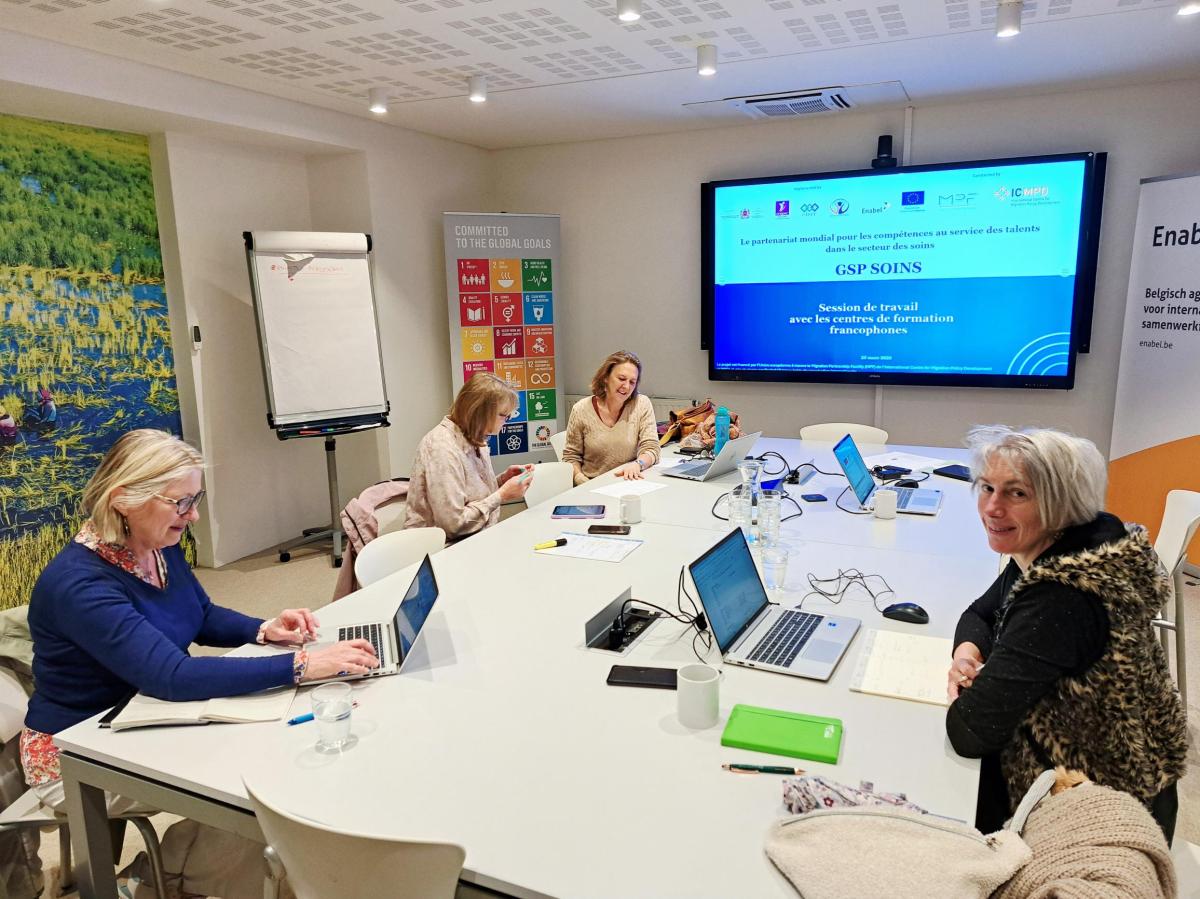
Face aux pénuries de professionnels de santé au Maroc et en Belgique, le projet GSP-Soins développe des parcours intégrés de formation, d’employabilité et, pour certains profils, de mobilité professionnelle. L’objectif : investir durablement dans les compétences, au bénéfice des talents et des systèmes de soins des deux pays. Les 25 et 27 mars 2026 à Bruxelles, des ateliers de co-construction ont réuni des Hautes Écoles belges afin de travailler sur des enjeux opérationnels concrets : contraintes administratives, défis pédagogiques, financement et adaptation aux réalités du terrain. Ces échanges ont permis d’identifier des solutions pour développer des parcours innovants combinant formation et emploi, tout en sécurisant l’insertion professionnelle des bénéficiaires. Ces travaux marquent une étape clé vers la phase opérationnelle du projet et confirment une ambition partagée : construire un modèle de coopération équilibré, durable et aligné sur les priorités des deux pays. Le projet se positionne ainsi comme un levier de transformation des systèmes emploi–formation, où la mobilité soutient le développement des compétences. À terme, ce modèle a vocation à être pérennisé et étendu à d’autres secteurs.
-
Enabel renforce la dynamique de développement local lors du premier Cadre de concertation provincial 2026 du Mouhoun
Geoffroy ZONGO | 10/04/2026
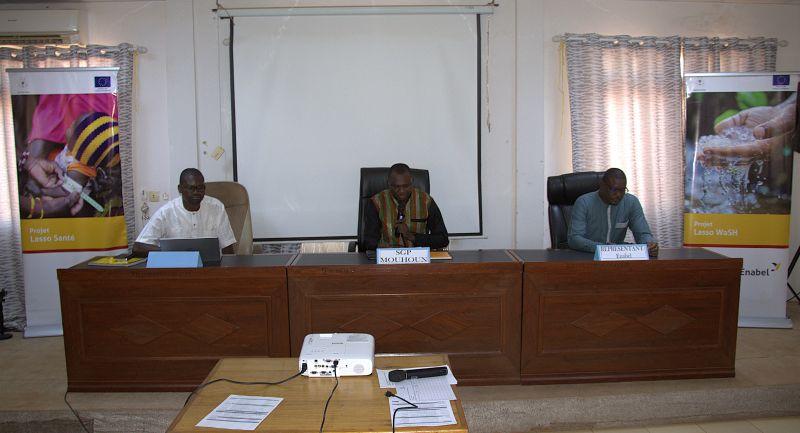
La province du Mouhoun a tenu, le 2 avril 2026 à Dédougou, la première session du Cadre de concertation provincial (CCP), un espace stratégique de dialogue dédié à la coordination des actions de développement. La rencontre, présidée par le Secrétaire général de la province, Boureima Ouédraogo, représentant le Haut-commissaire, a réuni un large éventail d’acteurs : services techniques déconcentrés, collectivités territoriales, organisations de la société civile, partenaires techniques et financiers, ainsi que des projets et programmes intervenant dans la province. Cette session, essentielle pour une gouvernance locale efficace, a été entièrement financée par Enabel dans le cadre des projets Lasso Santé et Lasso WASH, mis en œuvre avec l’appui financier de l’Union européenne. Cette contribution illustre l’importance de l’agence belge dans l’accompagnement de la dynamique de développement de la province.Dans son allocution d’ouverture, le Secrétaire général Boureima Ouédraogo a salué la mobilisation des participants et a rappelé l’importance d’une action synergique : « Cette session est un cadre qui favorisera l’harmonisation des interventions et créera un impact réel et positif sur le bien-être des populations ». Il a exprimé sa gratitude à Enabel pour son soutien financier constant, qui a permis la tenue effective de cette rencontre provinciale. Enabel, à travers son chargé de projet Ibrahim M’Bara, a réaffirmé la pertinence de ce cadre de concertation, estimant qu’il constitue un outil essentiel d’harmonisation des interventions sur le terrain. « Ce cadre nous permet de coordonner nos activités, d’éviter les doublons et d’impacter positivement les communautés », a-t-il indiqué. L’intervention d’Enabel dans la province se matérialise principalement à travers les projets Lasso Santé et Lasso WASH, financés par l’Union européenne, qui contribuent au renforcement des services sociaux de base, notamment dans les secteurs de la santé, de l’éducation, de l’eau, de l’hygiène et de l’assainissement.Le bilan de ces projets, présenté au cours des échanges, met en lumière des acquis significatifs : renforcement des capacités des acteurs locaux, dotations en équipements et infrastructures, supervisions techniques, réalisations d’ouvrages d’eau et d’assainissement et actions communautaires structurantes. Ces interventions ont permis d’améliorer l’accès des populations, surtout les plus vulnérables, à des services essentiels. La session a également été marquée par plusieurs communications clés, dont la présentation du bilan 2025 et de la programmation 2026 des Plans annuels d’investissement communaux (PAIC), le point sur la campagne agricole 2025‑2026, ainsi que la présentation du Lycée professionnel régional Nazi Boni de Dédougou et des opportunités de formation qu’il offre. Les participants ont formulé des recommandations visant à améliorer la coordination des interventions, renforcer la cohésion entre acteurs et optimiser l’impact des initiatives de développement. La tenue régulière du CCP apparaît ainsi comme un levier majeur de gouvernance participative et de développement durable dans la province du Mouhoun.À travers son appui financier et sa participation active, Enabel confirme son rôle de partenaire stratégique, engagé aux côtés des autorités locales pour une meilleure planification territoriale, une coordination renforcée et une amélioration durable des conditions de vie des populations.
-
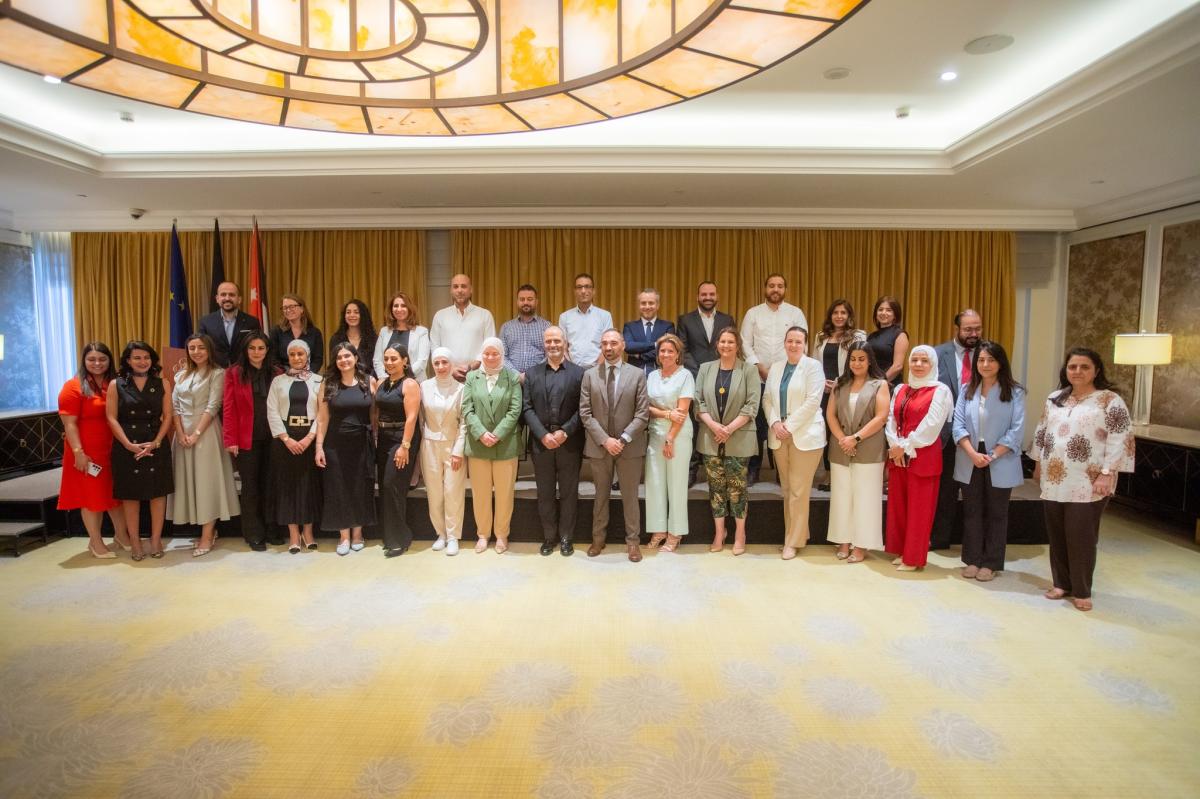
Enabel in Jordan launches Employment and Livelihood Program (ELP) with Support from the European Union
Yara ABDALLAH | 07/04/2026
On July 1st, 2025, and under the esteemed patronage of His Excellency Prof. Thafer Assaraira, Chairman of the Accreditation and Quality Assurance Commission and His Excellency Mr. Serge Dickschen, Ambassador of the Kingdom of Belgium to the Hashemite Kingdom of Jordan, Enabel has convened a diverse group of local and international partners, stakeholders, and community representatives to officially inaugurate the Employment and Livelihood Program (ELP). Funded by the European Union and implemented by Enabel, the €6.5 million program is delivered through local and international partners including: Accreditation and Quality Assurance Commission (AQAC) Leaders International Partners for Good Expectation State The program aims to promote socio-economic empowerment by improving access to decent employment and entrepreneurship opportunities for youth in Jordan, with a strong focus on women and Syrian refugees. Enabel’s Country Director in Jordan and Palestine, Ms. Heidi De Pauw, said: “The program represents more than just employment support- it is a commitment to dignity, opportunity, and participatory approaches. By investing in the potential of young Jordanians, women, and Syrian refugees, we are laying the foundation for a more resilient and equitable future.” This high-level event served as a platform to discuss innovative strategies for: Employment creation Skills development Livelihood sustainability in vulnerable communities It also highlighted the crucial role of partnerships in building inclusive economic opportunities. The event featured three key panels: "Equipping Youth, Syrian Refugees, and Women in Jordan with Demand-Driven Skills to Access Inclusive and Decent Employment Opportunities" This panel explored how to align skills training with real labor market needs, questioning whether current approaches are enough to ensure quality, sustainable jobs for vulnerable groups. "Supporting New and Existing Microbusinesses Towards More Resilient and Sustainable Outcomes"This session focused on practical strategies for enabling entrepreneurship and strengthening microbusinesses as engines of job creation and empowerment. "From Evidence to Action – Enabling Syrian Refugee Economic Participation" This panel examined how research and data can inform more effective policies and programs, moving from analysis to concrete steps that expand economic opportunities for Syrian refugees and host communities alike. Duccio Ferraro, Project Manager, emphasized: “With a budget of €6.5 million over 50 months, the Employment and Livelihood Programme is empowering youth, Syrian refugees, and women in Jordan by increasing access to decent employment and micro-business opportunities.” Key targets include: - 750 participants in work-based learning - 50 master trainers & 150 coaches trained - 225+ beneficiaries supported into employment/self-employment - 30 new microbusinesses created - 70 existing microbusinesses supported - 50 entrepreneurs receive seed funding - 700 youth certified through Recognition of Prior Learning These efforts are guided by in-depth action research to provide concrete data and insights on economic participation. The launch marks a significant step forward in supporting Jordan’s efforts to foster inclusive economic development, particularly for youth and marginalized populations. Enabel extends its sincere gratitude to all participants, speakers, and partners who contributed to the success of this event.
-
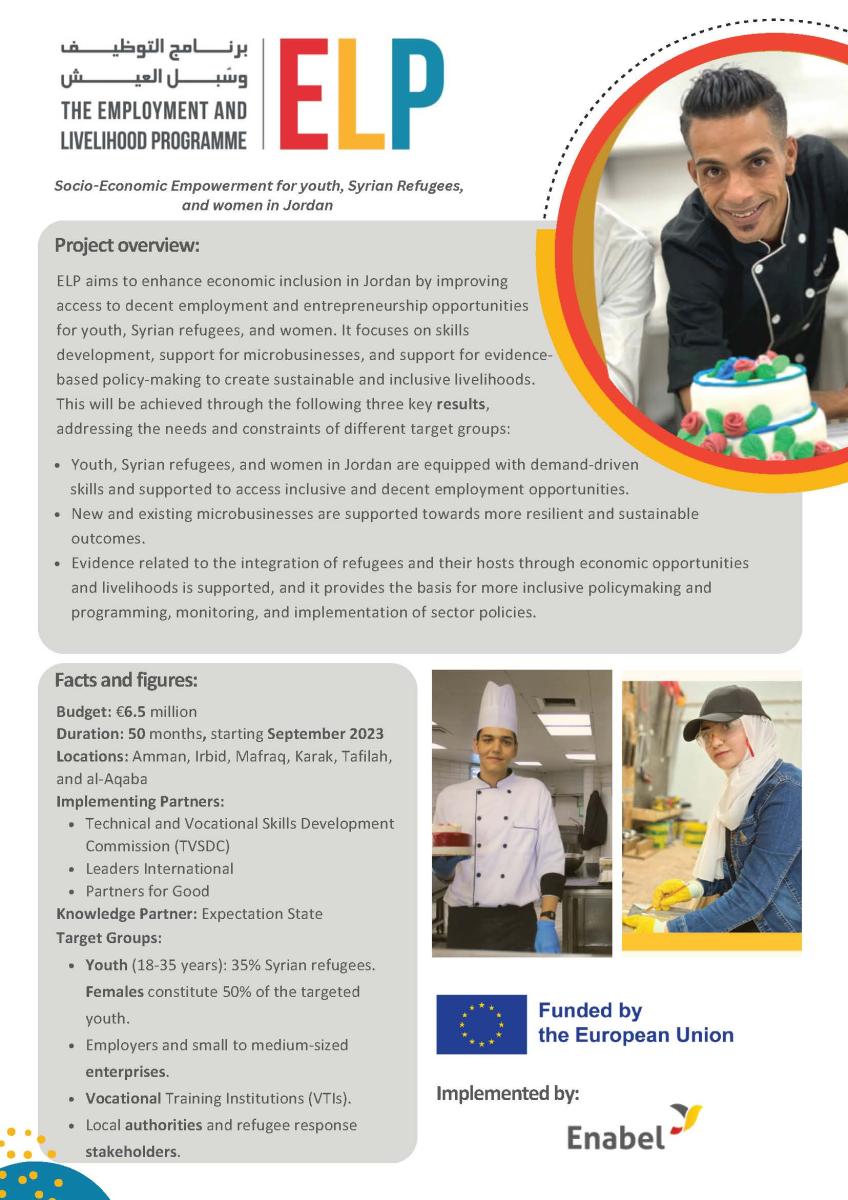
ELP Factsheet
Yara ABDALLAH | 07/04/2026
The Employment and Livelihood Programme (ELP): Socio economic Empowerment of Youth, Syrian Refugees and Women in Jordan is an EU funded action implemented by Enabel to strengthen economic inclusion and resilience among youth vulnerable groups in Jordan including youth, women, and Syrian refugees. Launched in September 2023 and running for 50 months until November 2027, the programme aims to expand access to decent employment and entrepreneurship opportunities for Jordanian youth, Syrian refugees, and women.
-
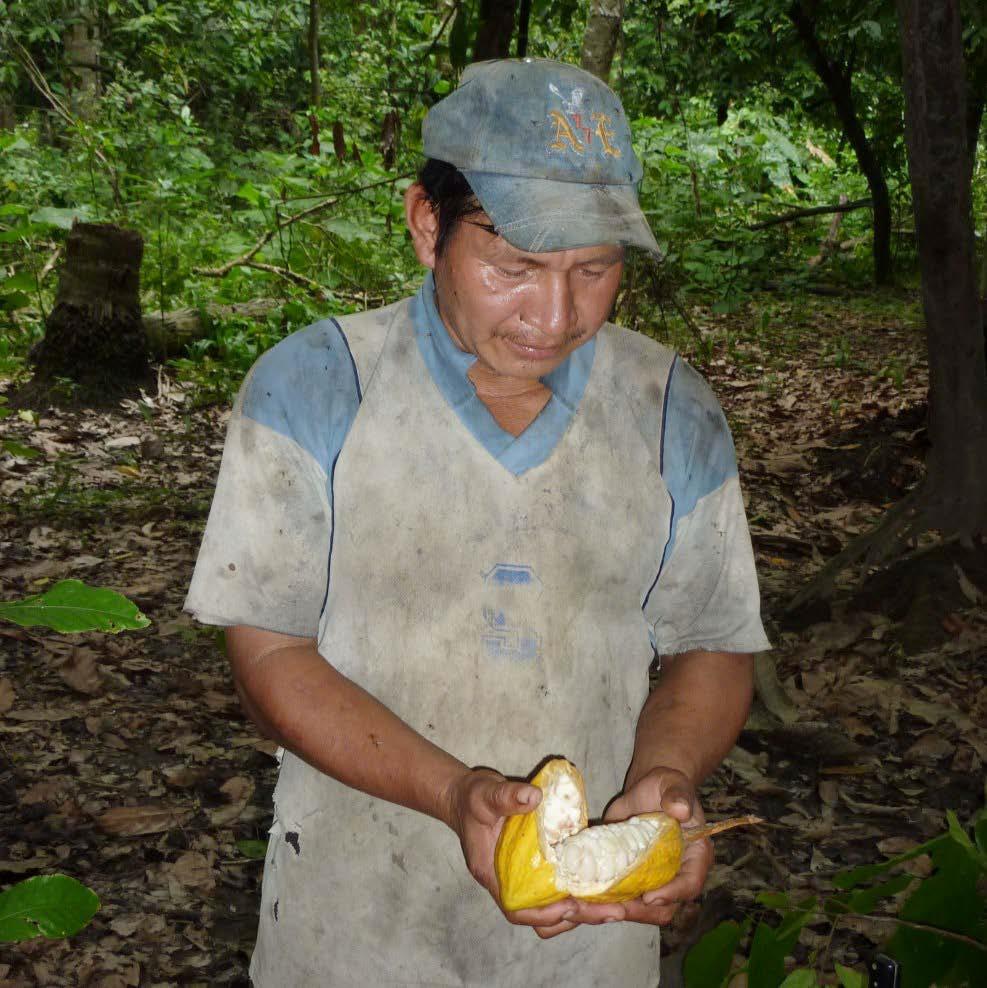
The lasting impact: how TDC's partnership catalysed ARCASY’s independent success in the Bolivian Amazon
Samuel POOS | 07/04/2026
The TDC has been supporting producer cooperatives for several years now. It is therefore interesting to see what has become of some of them following our support. When a development project ends, does the impact endure ? For ARCASY, the Yuracaré wild cocoa harvesters' association in the Bolivian Amazon, the answer is a resounding yes.The Yuracaré indigenous people have harvested wild cocoa (cacao sylvestre) for generations. But in 2014, when the TDC began its partnership with their cooperative ARCASY, that tradition had never been turned into a sustainable livelihood - and the Amazon forest around them was under pressure.Between 2014 and 2017, the TDC provided targeted, phase-based support to help ARCASY transition from informal gathering to an export-ready cooperative. The intervention funded professional governance, phenotypic characterisation of cacao variants, set up collection centres, processing infrastructure, traceability systems, and market access via Biofach.By 2017, harvesters' incomes had risen by 15% and ARCASY's turnover had jumped by 76%. Six additional communities achieved FairWild certification. And crucially, the forest was still standing, because harvesting wild cocoa had become more valuable than clearing it. What has ARCASY become since then?The cooperative has not only sustained its operations but scaled them independently: - In 2023: first export of organic wild cocoa to Denmark.- Supply partnership with Breick, Bolivia's leading chocolatier, secured.- In 2025-2026: gold and silver medals at the Cacao of Excellence awards in the Netherlands.- In 2025: Bolivia's government granted "Cacao Nativo Yuracaré" an official Denomination of Origin, protecting the product's identity.Why was TDC's support pivotal ? The intervention provided the critical catalyst. By professionalising management, embedding rigorous traceability, and opening early access to European niche markets, TDC helped build the foundational architecture that allowed ARCASY to attract further institutional backing, command premium prices, ant transition to full operational autonomy. ARCASY's model is now a self-sustaining one where forest conservation, indigenous livelihoods, and ethical trade reinforce one another.
-
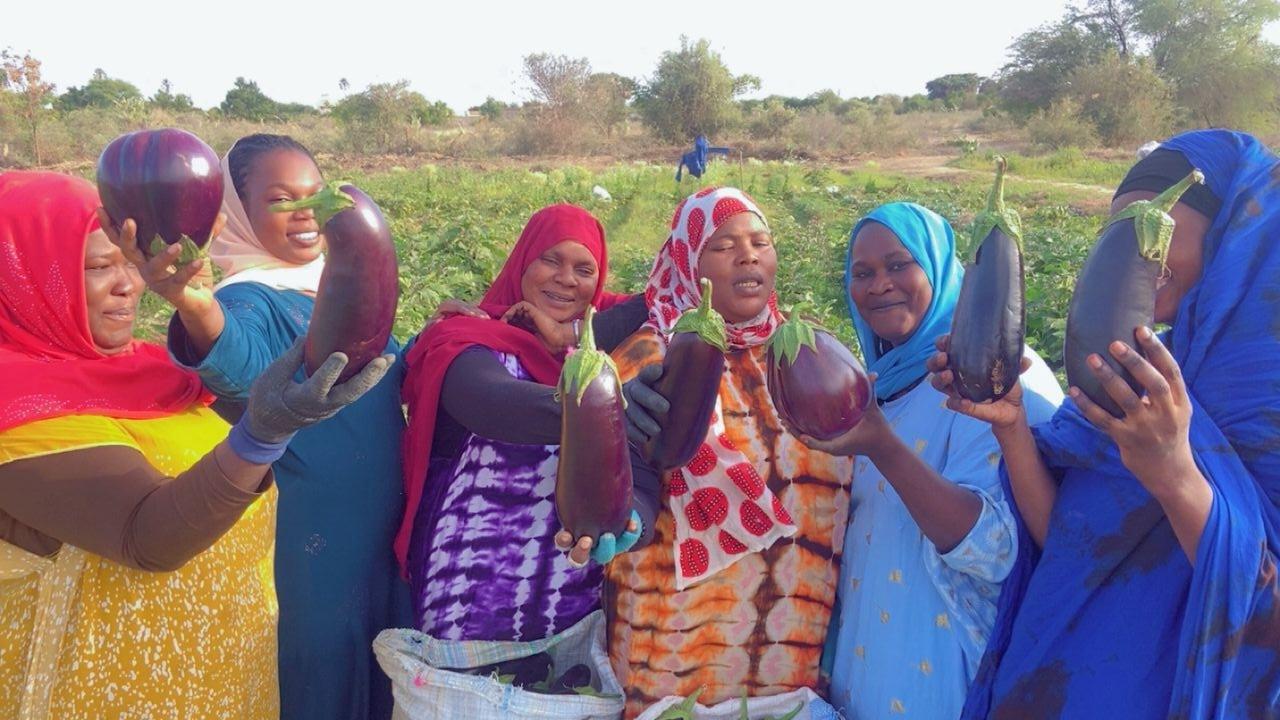
Quand l’innovation locale devient un levier concret de transformation agricole en Mauritanie
Aminata KANE | 06/04/2026
Et si les solutions les plus durables venaient directement du terrain ?Avec le projet SECURALIM, financé par l’Union européenne et mis en œuvre par Enabel, nous accompagnons une transition agricole ancrée dans les réalités locales, en misant sur des solutions simples, accessibles… et surtout reproductibles.L’irrigation de complément en est un parfait exemple.Une innovation adaptée au contexte sahélien qui permet de sécuriser les productions, stabiliser les rendements et réduire les risques climatiques.Mais derrière cette approche, il y a surtout des histoires humaines. À Garack, la coopérative Ndaw-Barkél incarne cette dynamique.Accompagnée par SECURALIM, elle a bénéficié : d’un appui technique de proximité de semences de tomate de qualité et de la formation d’un facilitateur fourrager au sein même de la coopérativeRésultat : une montée en compétences locale, une meilleure organisation et des productions mieux valorisées. Et à l’échelle du projet, l’impact est déjà visible :+ 6 200 hectares sécurisés en accès à l’eau1 814 producteurs engagés dans des pratiques agroécologiques4 612 exploitants accompagnés 2 076 tonnes de semences de qualité diffusées 1 750 producteurs connectés à des marchés 4 barrages réhabilités & 4 magasins de stockage construitsEt parce que l’innovation doit être durable, elle est aussi locale : techniciens et artisans collaborent pour concevoir du matériel adapté, accessible et reproductible.Au final ?Des solutions pensées avec les producteurs, pour les producteurs.Et une conviction forte : l’innovation la plus puissante est celle qui prend racine localement.
-
JME 2026 : Enabel et ses partenaires renforcent l’accès équitable à l’eau dans la région du Bankui
Geoffroy ZONGO | 06/04/2026
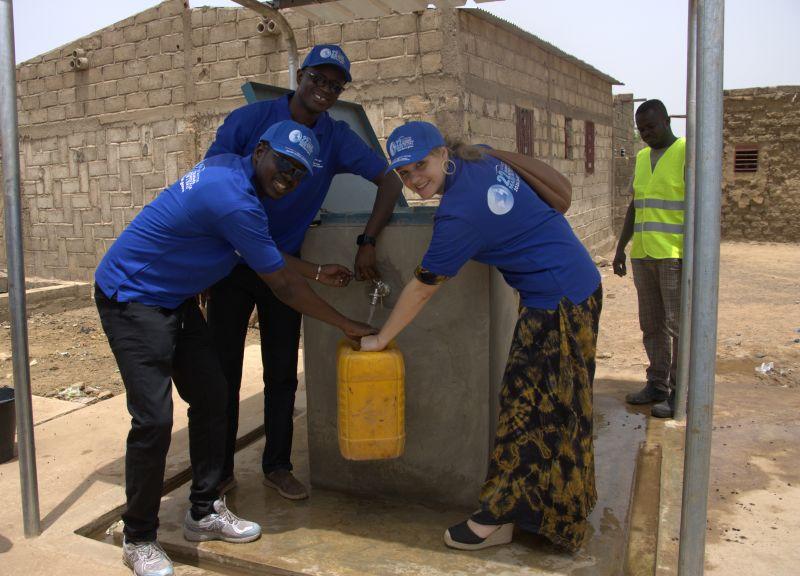
Boromo, 26 mars 2026 – Enabel et ses partenaires institutionnels, notamment la Direction Régionale de l’Agriculture, de l’Eau, des Ressources Animales et Halieutiques (DRAERAH) de la région du Bankui, ont célébré le jeudi 26 mars la Journée Mondiale de l’Eau (JME) en différé à Boromo. Placée sous le thème international « L’eau, source d’égalité », la commémoration a rassemblé autorités régionales, acteurs·ices locaux, organisations partenaires et populations venues réfléchir et s’engager pour un accès plus juste à l’eau potable, à l’hygiène et à l’assainissement. Une mobilisation forte autour d’un enjeu vital Accueillant les participants, le Président de la Délégation Spéciale (PDS) de Boromo, Isaïe Bamogo, a rappelé la portée symbolique mais aussi stratégique de cette journée. Selon lui, « l’eau n’est pas seulement une ressource vitale, mais un véritable levier de développement économique et social ». Il a insisté sur la nécessité de promouvoir une gestion inclusive et équitable, mettant particulièrement en lumière le rôle crucial des femmes et des filles dans la gouvernance locale de l’eau. La cérémonie a été ponctuée de visites guidées des infrastructures financées par l’Union européenne à travers les projets Lasso WASH et Lasso Santé, mis en œuvre par Enabel. Ces visites ont permis aux autorités et à la population d’apprécier l’étendue des investissements : réhabilitation et extension du réseau d’eau potable de Boromo, construction de bornes fontaines, amélioration des infrastructures sanitaires et promotion de pratiques d’hygiène innovantes, notamment via une approche Nudge dans les établissements scolaires et les formations Sanitaires. Des actions concrètes pour réduire les inégalités Dans son allocution, Julie VAN DER SMISSEN, Programme Manager d’Enabel au Burkina Faso, a réaffirmé l’engagement de l’Agence belge à œuvrer pour un accès universel et durable à l’eau et à l’assainissement. Elle a rappelé que là où l’eau manque, les inégalités se creusent : « entre zones urbaines et rurales, entre hommes et femmes, entre les plus favorisés et les plus vulnérables ». Grâce au financement du Royaume de Belgique et de l’Union européenne, Enabel mène des actions structurantes, allant de la réalisation d’infrastructures d’eau potable à l’amélioration des services d’assainissement, en passant par le renforcement des capacités des acteurs locaux et la promotion des bonnes pratiques d’hygiène. La responsable a par ailleurs insisté sur l’importance de la gouvernance locale dans la pérennisation des acquis : associations d’usagers, comités de gestion, clubs scolaires, et surtout une participation active des femmes dans les instances décisionnelles. Ces efforts s’inscrivent dans les objectifs fixés par les projets Lasso, qui ambitionnent d’améliorer durablement la résilience, la qualité et l’inclusivité des services de santé, d’eau, d’hygiène et d’assainissement dans la région du Bankui. Ces projets ciblent particulièrement les populations vulnérables, notamment les femmes, les jeunes filles et les personnes déplacées internes. Un engagement partagé pour une gestion durable Au nom du Gouverneur de la région du Bankui, le Haut-commissaire du Mouhoun, Bassouleymane OUATTARA, a rappelé l'ambition du gouvernement : permettre à tous les Burkinabè d'accéder équitablement à l’eau potable. Il a salué les réformes conduites au sein de l’ONEA pour renforcer l’efficacité du service public de l’eau et encouragé chaque acteur à devenir un « VDP de l’eau », militant pour une ressource disponible en quantité et en qualité suffisante. Au nom du Gouverneur, il s’est par ailleurs engagé à garantir une gouvernance efficace et inclusive des infrastructures réalisées grâce aux partenaires. Il a promis la mise en place de mécanismes adéquats d’entretien et de suivi afin d'assurer la durabilité des ouvrages et leur contribution continue au bien-être des populations. De son côté, Enabel a renouvelé son engagement à poursuivre la mise en œuvre d’actions structurantes visant à réduire les inégalités d’accès à l’eau et à améliorer durablement les conditions de vie des communautés locales. Une journée d’apprentissage, de plaidoyer et de sensibilisation La commémoration a également été marquée par des animations culturelles, des mises en scène pédagogiques d’élèves sur le thème de l’eau et de l’égalité, ainsi que par l'installation de stands informatifs animés par la DRAERAH, l’ONEA, WaterAid. Ces activités ont permis de sensibiliser la population sur les liens entre eau, santé, sécurité, opportunités et dignité humaine. Les résultats attendus de cette journée étaient multiples : renforcer la sensibilisation sur les enjeux de l’eau, promouvoir l’égalité de genre, consolider la coordination entre acteurs et susciter des engagements concrets. La forte mobilisation observée à Boromo a démontré la pertinence de cette démarche collective et participative.
-
En Mauritanie: La CNASS valide sa Stratégie de Numérisation et avance vers son Plan d’Action 2026-2030
Aminata KANE | 06/04/2026
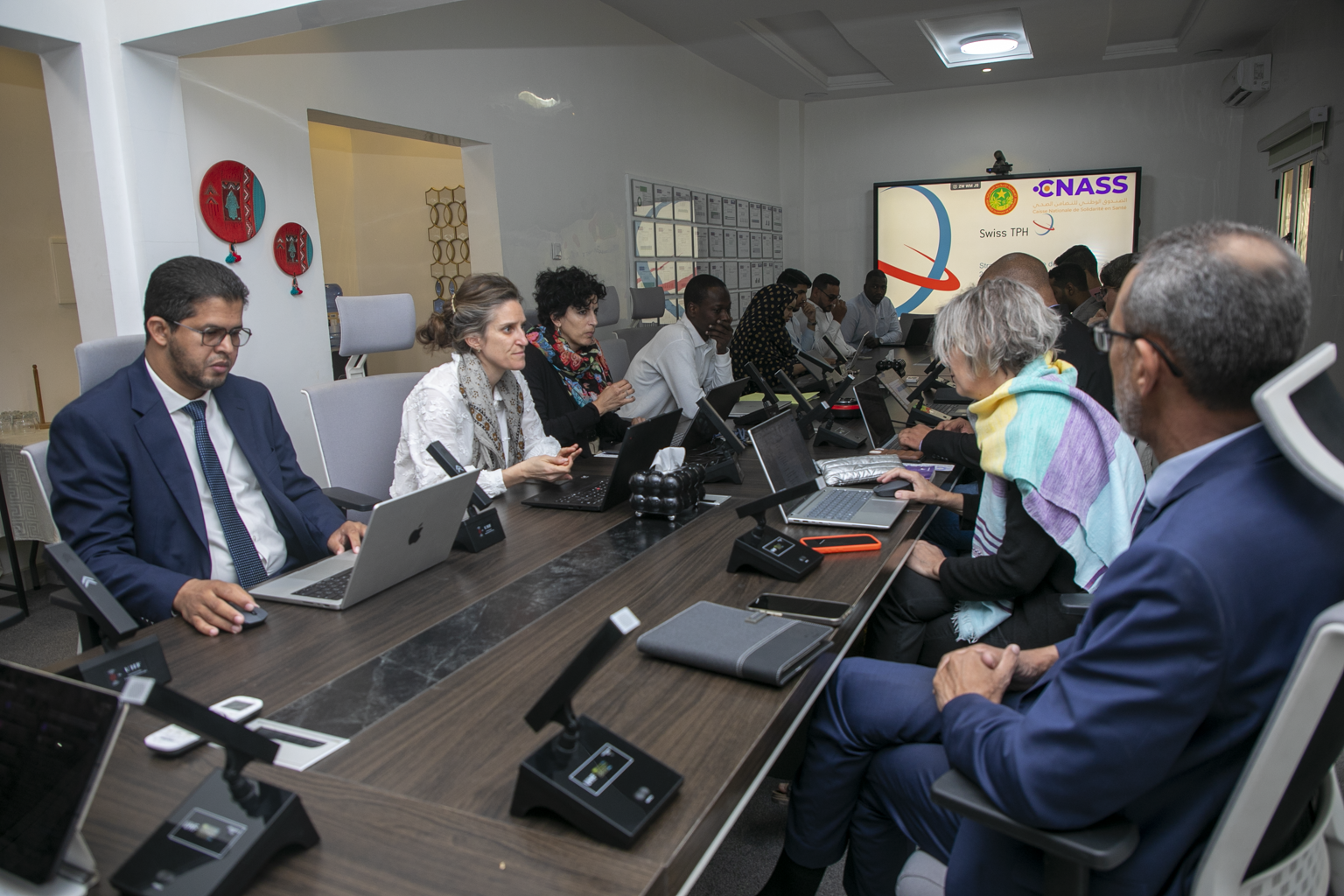
La stratégie de numérisation de la Caisse Nationale de Solidarité en Santé (CNASS) a été officiellement validée lors du Comité de pilotage (COPIL) réuni à Nouakchott le 9 mars 2026, marquant une étape importante dans la transformation numérique du système de protection sociale en santé en Mauritanie. Cette validation intervient dans le cadre d’une mission d’appui organisée avec l’accompagnement technique de Swiss TPH, dans le cadre du programme AI PASS, financé par l’Union européenne et mis en œuvre par Enabel. La stratégie de numérisation de la CNASS s’inscrit en cohérence avec la Stratégie nationale de santé digitale validée en novembre 2024, ainsi qu’avec l’Agenda Numérique de l’État, qui vise à accompagner la modernisation des services publics et à renforcer l’utilisation des technologies numériques au service des citoyens. Le COPIL, présidé par la Directrice Génale de la CNASS, a permis de présenter les travaux réalisés ces derniers mois et de valider officiellement la stratégie numérique de l’institution. Le lendemain, un atelier technique institutionnel a réuni plusieurs acteurs clés de l’écosystème numérique national afin d’échanger sur des questions structurantes telles que l’interopérabilité des systèmes d’information, la gouvernance et la protection des données, les modalités d’hébergement et la sécurité des systèmes d’information. Parmi les institutions présentes figuraient notamment l’Autorité de Protection des Données (APD), l’Agence Nationale du Registre des Populations et des Titres Sécurisés (ANRPTS), l’Agence du Numérique de l’État (AN-ETAT), le Registre Social, ainsi que le Ministère de la Santé à travers la DPTCES. La mission s’est poursuivie par un atelier réunissant les partenaires techniques et financiers, au cours duquel la stratégie validée a été présentée ainsi que les projets qui constitueront le futur plan d’action de digitalisation de la CNASS pour la période 2026-2030, afin de recueillir les contributions des partenaires. Cette démarche participative constitue une étape importante pour renforcer les capacités de la CNASS et accompagner le développement progressif d’un système de protection sociale en santé plus efficace et mieux connecté aux autres systèmes nationaux. Equipe Santé
-
Sécurité Alimentaire et Nutritionnelle : Enabel et les Acteurs Nationaux Unissent leurs Forces
Aminata KANE | 06/04/2026
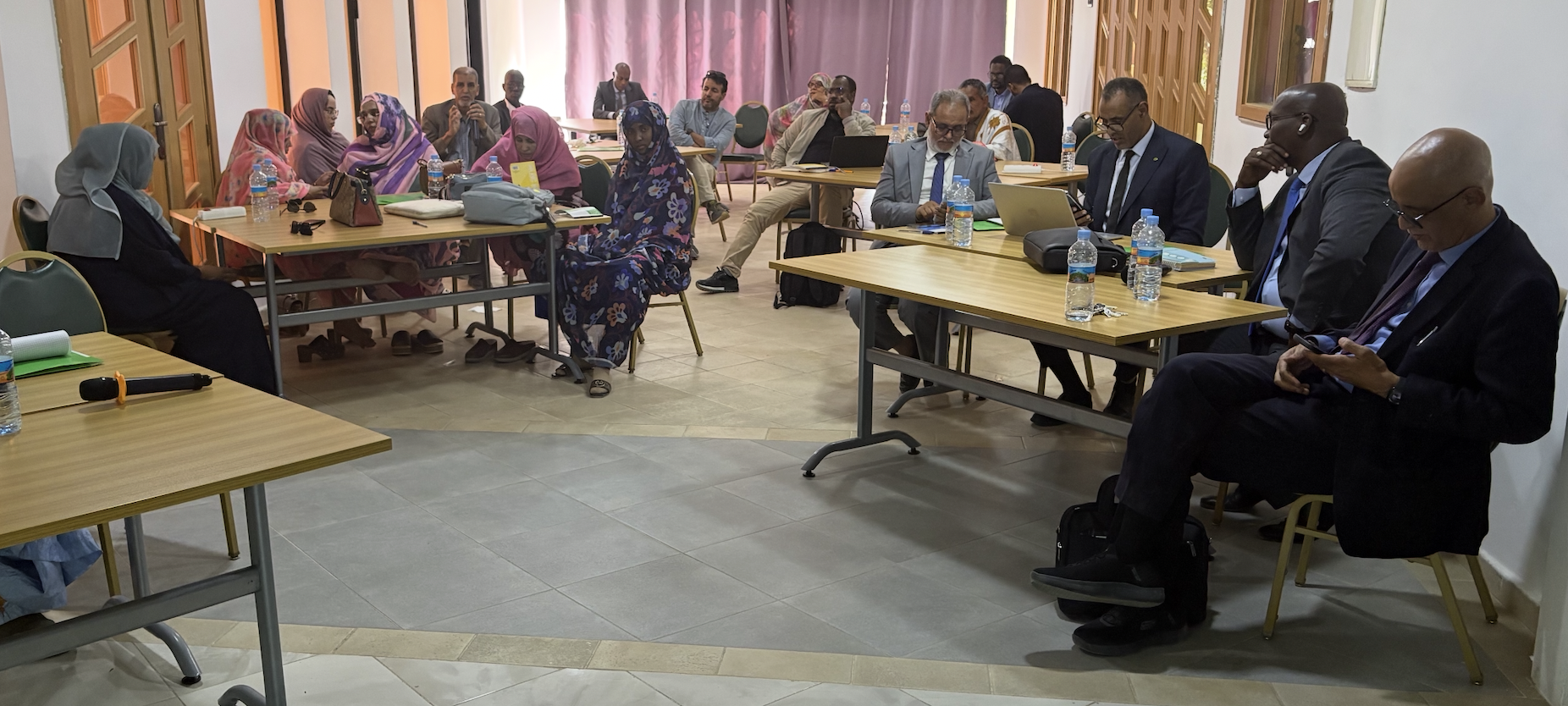
Nouakchott, février 2026 – Dans un contexte où la malnutrition demeure un défi de santé publique majeur en Mauritanie — avec un taux de malnutrition chronique de 24% et un taux de malnutrition aigue globale de près de 13% — les initiatives se multiplient pour intégrer la nutrition au cœur des politiques de développement. Grâce au financement de l'Union européenne et sous l'impulsion d'Enabel, le projet SYSALIM, a mené, en collaboration avec les institutions clés du pays, une série d'actions stratégiques marquant ainsi une étape décisive. MASA : Renforcer les Capacités pour une Agriculture plus Sensible à la NutritionLes 18 et 19 février 2026, l’Hôtel de la Medina a accueilli un atelier de formation de haut niveau destiné aux responsables du ministère de l’Agriculture et de la Souveraineté Alimentaire (MASA). Cette session, organisée avec l'appui d'Enabel Mauritanie, a réuni une trentaine de cadres, dont des directeurs centraux et les délégués régionaux du Brakna, du Gorgol, du Trarza et du Guidimakha. L'objectif était de doter les décideurs des outils nécessaires pour que l’agriculture ne soit plus seulement une activité de production et une source de revenus, mais également un levier puissant de santé publique. Les participants ont notamment été initiés au guide du CILSS ; outil de référence pour l'intégration de la nutrition dans les documents stratégiques du MASA (stratégie sectorielle, plan d’action pluriannuel). Cette démarche répond aux engagements de la Mauritanie lors du Sommet de Paris 2025 sur la Nutrition, visant à briser le cycle vicieux des infections et des carences alimentaires. Ils ont par ailleurs eu l’occasion de discuter des apports mutuels de l’agriculture et de la nutrition. Partenariat Enabel - CSA : Une Vision Commune pour la Résilience Parallèlement à cette formation technique, une rencontre stratégique a eu lieu entre la Direction d'Enabel et le Commissariat à la Sécurité Alimentaire (CSA). Ce fut l'occasion pour le Directeur Pays de présenter le portefeuille d'Enabel en Mauritanie. Le projet SYSALIM a particulièrement été mis en avant, avec ses deux piliers fondamentaux : Les Chaines de valeur qui constituent une approche holistique pour le développement des filières lait, maraichage et céréales traditionnelles La Nutrition, comme finalité des chaines de valeur, avec une plus grande emphase sur l’amélioration de la qualité nutritionnelle des produits et un accent sur le changement des comportements alimentaires. Ce pilier s’intéresse également aux aspects institutionnels et de gouvernance de la nutrition. La collaboration visée avec le CSA s’annonce ambitieuse, incluant le renforcement de la Direction de la Nutrition, l'appui à l'Observatoire de la Sécurité Alimentaire (OSA) et la redynamisation de la plateforme nationale multisectorielle de la nutrition. « Enabel est désormais invité à participer au comité DCAN en tant que partenaire du gouvernement. » De son côté, la Commissaire a rappelé le rôle pivot du CSA dans la coordination du Dispositif National de réponse aux crises alimentaires et nutritionnelles (DCAN). Le Commissariat s'oriente vers des solutions durables, telles que : La création de pôles de développement autour des écoles pour renforcer la résilience communautaire. L'étude de faisabilité pour la fortification des farines infantiles. La gestion des CRENAM pour la prise en charge des enfants souffrant de malnutrition modérée. Vers une Gouvernance Multisectorielle Ces efforts conjoints démontrent que la lutte contre la faim et la malnutrition en Mauritanie repose sur une approche multisectorielle qui implique le MASA, le CSA et de nombreux autres acteurs gouvernementaux et non gouvernementaux. En alignant les politiques agricoles sur les besoins nutritionnels et en renforçant les capacités opérationnelles du CSA, Enabel et ses partenaires s’assurent que chaque action contribue à une meilleure sécuritéalimentaire et nutritionnelles et à une croissance économique saine et durable profitant pleinement aux populations, notamment les plus vulnérables.
-
Ecakoog : la coopérative ivoirienne qui vise les 10.000 tonnes de cacao à l’export
Samuel POOS | 03/04/2026
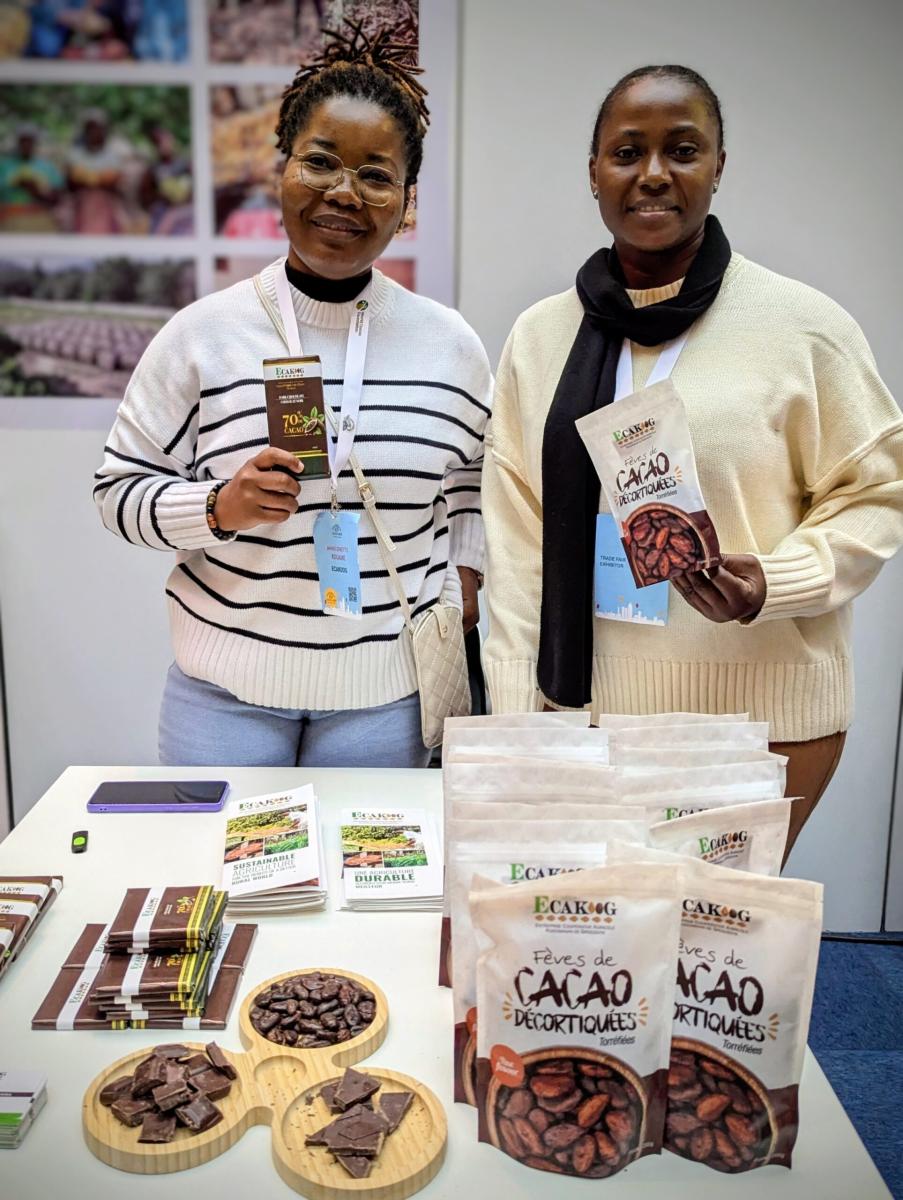
Rencontrée par le Trade for Development Centre d’Enabel lors du salon Chocoa, Ginette Kouamé, directrice de la coopérative agricole Ecakoog, partage sa vision et les défis d’une organisation qui, en moins de 15 ans, est devenue un acteur majeur de la filière cacao en Côte d’Ivoire. De l’exportation directe au cacao fine saveur, Ecakoog mise sur une gestion centralisée et des piliers de durabilité pour garantir la qualité et l’impact social.Fondée le 14 juillet 2012, la coopérative Ecakoog (Entreprise Coopérative Agricole Koognanan(1) de Grogouya(2) est née d’une initiative visant à sensibiliser, structurer et développer la région de Lakota et ses alentours, riche en potentiel et dotée d’une population jeune. Démarrée avec 521 membres, l’organisation a connu une croissance spectaculaire et regroupe aujourd’hui 10 533 membres répartis sur huit zones opérationnelles, dont le siège à Lakota, ainsi que Gagnoa, Tiassalé, Toulepleu, Biankouma, Zouan-hounien, San Pedro et Duékoué.Une organisation structurée au service de l’ampleurFace à cette ampleur, Ecakoog a mis en place une structure décentralisée mais contrôlée. L’équipe de base - comprenant la direction et les départements clés (durabilité, comptabilité, logistique et export) - est basée au siège à Lakota. Dans les huit zones, un représentant, un magasinier, un agent de durabilité et des agents de terrain assurent le suivi. L’équipe de terrain compte au total 60 agents dont la mission est notamment le mapping des parcelles, la collecte de données, la sensibilisation et la formation des producteurs.Le saut dans l’exportation directeUn tournant majeur a été franchi en 2020 avec le passage à l’exportation directe. Cette décision, bien que n’ayant pas immédiatement conduit à des contrats la première année, a apporté une plus grande visibilité et a permis de négocier et commercialiser directement avec les partenaires. Après des volumes internes les années suivantes, Ecakoog est passée de 500 tonnes avec Africao à 6.000 tonnes à l’export aujourd’hui, avec des partenaires comme Comod trading, Cocoa Source, et Facta International. Cette évolution est essentielle pour écouler la production estimée à plus de 16.000 tonnes pour ses 10.533 membres.Le cœur de la qualité : le cacao fine saveurLe développement du cacao fine saveur, lancé en 2019, est intégré au programme de durabilité interne d’Ecakoog, lequel repose sur cinq piliers : l’agroforesterie, la promotion du genre et la lutte contre le travail des enfants, la bancarisation et l’assurance maladie, ainsi que la production d’intrants biologiques.Pour garantir la qualité, Ecakoog a opté pour une fermentation centralisée en caisse à la coopérative, sous la responsabilité d’une équipe dédiée et supervisée. Cette centralisation est jugée essentielle pour assurer un suivi rigoureux des protocoles, notamment les prises de température.La coopérative a été accompagnée dès le départ par Zoi Papalexandratou de Zoto. Les analyses sensorielles ont identifié trois terroirs distincts : le Klaman(3), le Yèlè(4) et le Dia(5). Bien que le fine saveur n’ait pas trouvé son marché de niche initial en raison de la complexité des petits volumes, il est désormais utilisé pour produire les fèves torréfiées et les tablettes de chocolat présentées sur les salons.Promotion du genre et défisLa promotion du genre est active, avec les femmes mobilisées pour le tri des cabosses et le décorticage. Les activités génératrices de revenus et les Associations Villageoises d’Épargne et de Crédit (AVEC) ont un impact concret et positif, permettant aux femmes d’améliorer leurs conditions de vie (construction ou achat de terrains, scolarisation des enfants, mise en place de commerce). Cependant, des défis persistent. Bien qu’obtenue en 2021, la coopérative n’a plus renouvelé sa certification biologique après trois ans, l’évolution de la réglementation et le manque de débouchés sur les marchés ayant rendu les contraintes trop lourdes, malgré l’engagement des producteurs pour le fine saveur. Le principal défi de gestion actuel se trouve dans le mapping des parcelles. Malgré un travail annoncé à 98 %, l’envoi des données aux partenaires est bien souvent confronté à des problèmes de doublons et de superpositions. Ecakoog espère un accompagnement pour résoudre définitivement ce problème récurrent. Un coaching est également souhaité pour maîtriser pleinement le logiciel de traçabilité FarmForce. Ce seront des objectifs de l’accompagnement de deux ans par le Trade for Development Centre d’Enabel.Objectifs d’avenir et réglementationEnfin, Ginette Kouamé souligne la nécessité, pour les autorités ivoiriennes, de mettre en place une réglementation qui faciliterait la commercialisation de petites quantités de cacao fine saveur. Pour les exportateurs directs comme Ecakoog, la question de la “contrepartie” reste une exigence stricte du Conseil du Café-Cacao (CCC), obligeant à prouver la fiabilité de l’acheteur international avant tout déblocage d’autorisation d’exportation.Par ailleurs Ecakoog, engagée dans une initiative de contrepartie avec d’autres coopératives sous le nom de METANYI Trading BV, souhaiterait bénéficier de l’appui du CCC à travers un parrainage. Cet accompagnement faciliterait son enregistrement auprès des FCC ainsi que sa reconnaissance en tant que Contrepartie au niveau du CCC.Article initialement publié sur le site du Trade for Development Centre : www.tdc-enabel.bePhoto: Ginette Kouamé, directrice d’Ecakoog (à gauche) et Carole Ali, déléguée Fairtrade pour le compte de Ecakoog. Copyright Enabel/Samuel Poos(1) Koognanan : En langue malinké signifie ce qui réussi(2) Village situé à 15 km de lakota dans le Sud-ouest de la Côte d’Ivoire(3) En langue Baoulé signifie Joli, beau.(4) En langue malinké signifie éclat.(5) En langue Dida signifie goût faisant allusion au goût exceptionnel qui en ressort.
-
Coopération Belgique–Burundi : des résultats tangibles au cœur des communautés
Jonas Eric UWIZERA | 03/04/2026
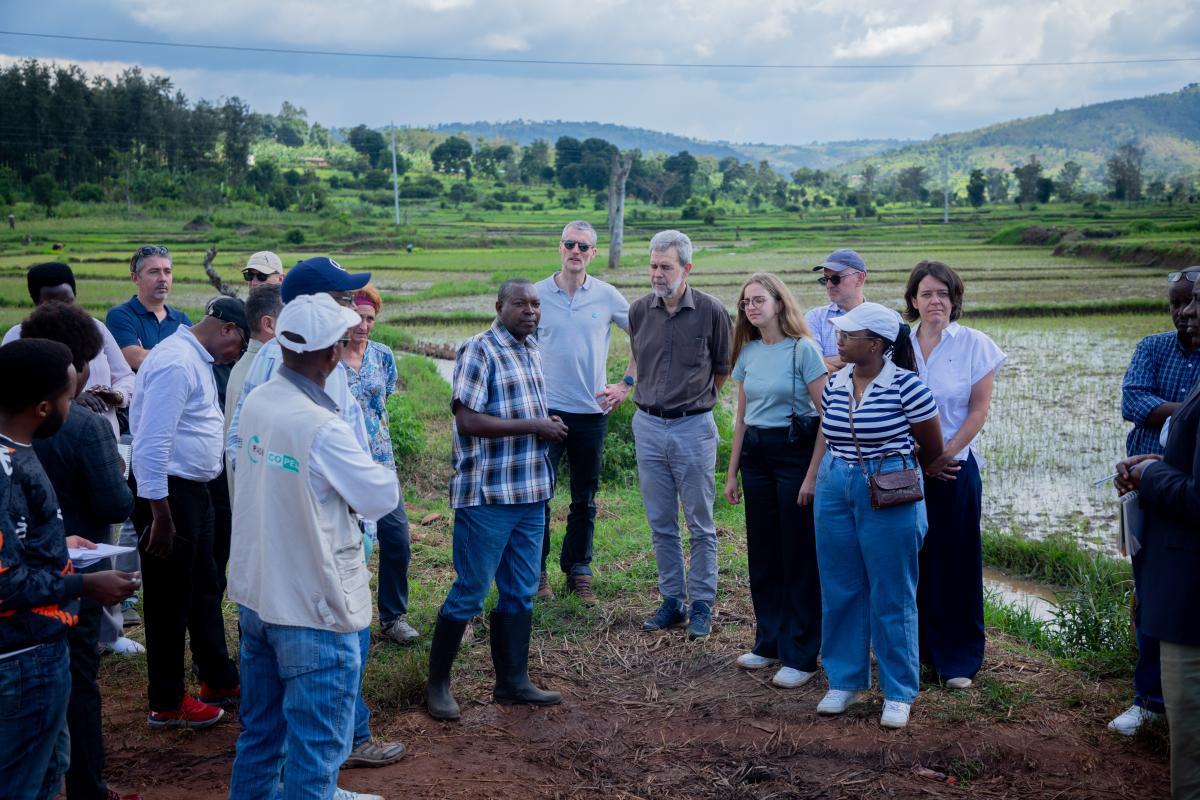
Dans les collines et marais verdoyants de Kirundo et de Ngozi, une mission composée de la délégation de la DGD (représentée notamment par Cécile Gilles, conseillère au cabinet du Ministre des Affaires étrangères belge, M. Maxime Prévot); de l’Ambassade de Belgique au Burundi; des représentants du ministère des Affaires étrangères, de l’Intégration régionale et de la Coopération au développement; ainsi que des ministères sectoriels, s’est rendue sur le terrain du 31 mars au 01 avril, pour aller à la rencontre des communautés appuyées par les projets financés par la Belgique à travers Enabel. Cette immersion qui s’inscrit dans le cadre du Comité Mixte paritaire Belgique-Burundi a permis de toucher du doigt des résultats concrets. À chaque étape, des visages engagés, des initiatives locales et des réalisations tangibles témoignent d’une coopération qui produit un impact réel au cœur des communautés. À Ngozi, le projet Formation et Insertion dans une économie verte et circulaire soutient des entrepreneurs à différents niveaux de maturité. Les petites et moyennes entreprises rencontrées s’apprêtent à bénéficier d’un accompagnement renforcé à travers un programme d’accélération, ouvrant la voie à leur croissance et à un meilleur accès aux marchés. Dans le secteur de la santé, le programme santé soutient les hôpitaux et centres de santé à travers la digitalisation des services, la mise à disposition d’équipements essentiels et la formation du personnel, notamment en chirurgie de district. Ces interventions sauvent des vies et réduisent considérablement les transferts vers les hôpitaux de référence situés à Bujumbura, Gitega ou Ngozi. À Kirundo, le projet Formation post-fondamentale appuie une quinzaine d’écoles regroupées en deux réseaux scolaires. Des équipements aux supports pédagogiques, les appuis sont multiples et visent à améliorer la qualité de l’éducation, avec une attention particulière portée à la lutte contre l’abandon scolaire des jeunes filles. Le projet Systèmes alimentaires durables, quant à lui, accompagne les communautés à travers des groupements champ-école-paysan intégrés. En mettant l’accent sur des pratiques agricoles modernisées, respectueuses de l’environnement et orientées vers l’entrepreneuriat, ces initiatives génèrent aujourd’hui des résultats significatifs en matière de production et de résilience. Bien plus, le projet réalise, en partenariat avec APEFE Burundi, la mise en place des infrastructures d’irrigation et l’aménagement des marais rizicoles comme à Busoni visité par la délégation, un partenariat qui donne des résultats tangibles. Enfin, le projet Gouvernance et participation citoyenne accompagne les administrations territoriales dans la mise en œuvre de la décentralisation. Il renforce les capacités des cadres administratifs et soutient l’appropriation des nouvelles politiques issues du redécoupage territorial. Au fil de cette visite, une évidence s’impose : les progrès sont visibles, les dynamiques locales se renforcent et de nouvelles perspectives émergent. Plus qu’une simple mission, cette immersion révèle des réussites concrètes qui inspirent et encouragent à aller encore plus loin. Partout où Enabel intervient, les résultats prennent vie.
-
Burundi : validation de la première enquête nationale sur la santé mentale, pour une réponse nationale fondée sur des données probantes
Jean BIRONKWA | 03/04/2026
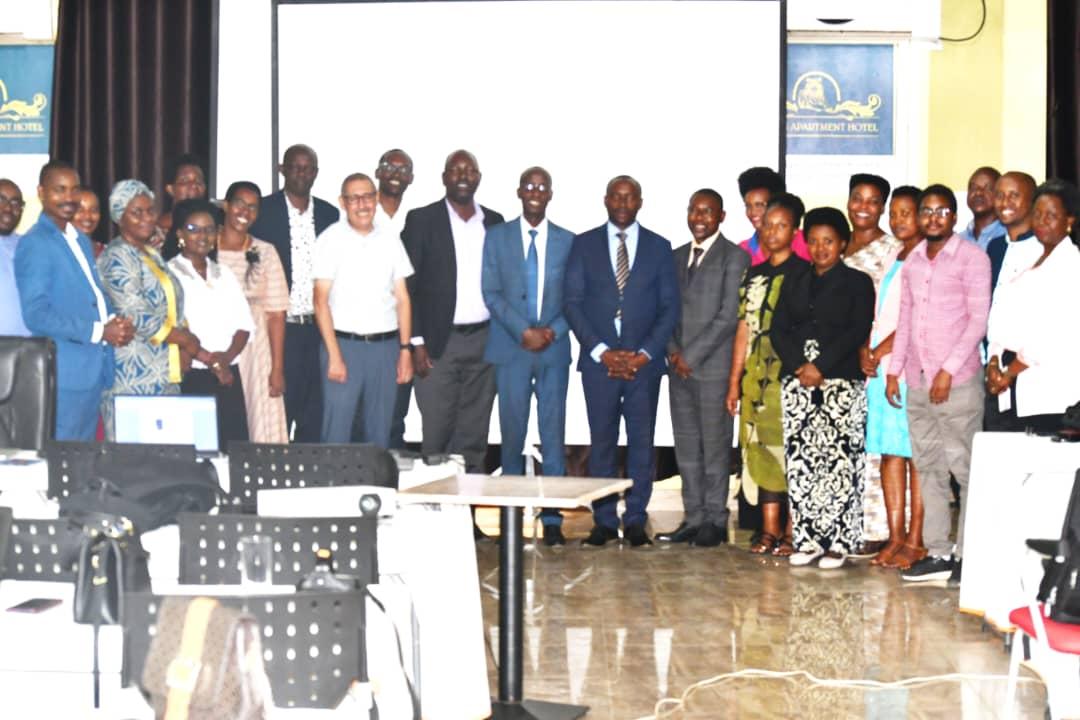
Le Ministère de la Santé Publique du Burundi, à travers le Programme National de lutte contre les Maladies Non Transmissibles (PNMNT), a validé la première enquête nationale sur la santé mentale. Cet événement constitue une avancée majeure, en dotant le pays de données fiables et représentatives pour renforcer l'intégration de la santé mentale dans le système de santé. Réalisée avec l'appui d'Enabel, cette enquête nationale répond au besoin de combler le déficit de données à l'échelle nationale en matière de santé mentale. Une enquête nationale à large couverture L'étude a été conduite selon une méthodologie rigoureuse, combinant approches quantitatives et qualitatives, et couvrant l'ensemble du territoire national. Elle s'appuie notamment sur : 5 841 ménages enquêtés, représentatifs au niveau national ; 169 formations sanitaires (centres de santé et hôpitaux) incluses ; Des entretiens auprès d'acteurs clés du système de santé (prestataires, responsables sanitaires, agents communautaires). Cette approche intégrée permet, pour la première fois, de disposer d'une vision globale de la santé mentale au Burundi, couvrant à la fois la population générale, l'offre de soins et les dynamiques systémiques. Des résultats clés pour orienter les priorités d'action Les résultats mettent en évidence un fardeau significatif des troubles mentaux et psychosociaux : 23,8 % de la population présente une détresse psychologique ; 4,8% présente une dépression 11 % présente un état de stress post-traumatique ; 8,1 % des adultes déclarent avoir déjà eu des pensées suicidaires au cours de leur vie ; Une forte prévalence de facteurs de risque liés aux traumatismes, à la pauvreté, aux violences et aux conditions socio-économiques. L'enquête met également en lumière des connaissances encore partielles sur la santé mentale, ainsi qu'une auto-stigmatisation élevée (67,9 %) chez les personnes concernées, constituant un frein important à l'accès aux soins. Des défis persistants dans l'offre de soins Au-delà des résultats épidémiologiques, l'étude souligne des contraintes majeures du système de santé : Insuffisance de ressources humaines qualifiées en santé mentale ; Disponibilité limitée et irrégulière des psychotropes ; Absence d'outils normatifs dans une majorité de formations sanitaires ; Faible niveau de satisfaction des prestataires quant à la qualité des services. Ces éléments confirment la nécessité d'un renforcement systémique, dans un contexte où la santé mentale est progressivement intégrée dans les soins de santé primaires. Une base stratégique pour le renforcement du système de santé La validation de cette enquête constitue un appui structurant pour : L'élaboration et la mise en œuvre du futur plan national de santé mentale ; Le renforcement de l'intégration de la santé mentale dans les soins de santé primaires ; L'amélioration de la planification des ressources humaines, des intrants et des infrastructures ; Le développement de programmes de prévention, de sensibilisation et de réduction de la stigmatisation ; L'intégration progressive des indicateurs de santé mentale dans le système national d'information sanitaire. Elle permet également d'aligner les interventions des partenaires autour d'une base commune de données, renforçant ainsi la coordination et le leadership du Ministère de la Santé Publique. Un engagement pour le renforcement de l'accès aux soins de santé mentale À travers son appui à cette enquête, Enabel accompagne le ministère de la Santé Publique dans une dynamique de renforcement du système de santé publique, en confirmant la santé mentale au cœur des priorités de santé publique. Cette initiative s'inscrit dans une approche plus large visant à rapprocher les services des communautés, à réduire les inégalités d'accès et à promouvoir des réponses intégrées, adaptées aux réalités locales.
-

SCOOPAT : L’excellence du cacao de Toulepleu, de la forêt aux chocolatiers premium
Samuel POOS | 03/04/2026
Basée à la frontière du Libéria, la coopérative SCOOPAT transforme le visage de la cacao-culture à Toulepleu. En misant sur une qualité rigoureuse, une traçabilité totale et un passage vers le marché premium, l’organisation s’impose désormais comme partenaire pour les chocolatiers en quête d’impact et d’exception.Un terroir forestier à l’identité marquéeSituée à l’ouest de la Côte d’Ivoire, la zone de Toulepleu bénéficie d’un environnement exceptionnel : une zone forestière recevant entre 1 800 et 2 000 mm de pluie par an, sur des sols riches en matière organique. Cette spécificité géographique donne naissance à un cacao reconnaissable au toucher et à son grainage particulier.Pour valoriser ce terroir, la SCOOPAT a instauré des standards de production stricts :Fermentation maîtrisée entre 85 et 90 %.Humidité contrôlée rigoureusement entre 7 et 7,5 %.Séchage homogène sur claies durant 6 à 8 jours.Taux de défauts maintenu à moins de 2 %.Une croissance basée sur la confianceEn moins de huit ans, la coopérative a connu une ascension remarquable, passant de 144 à plus de 1 905 membres. Cette expansion s’appuie sur une gestion transparente et une rigueur constante qui inspirent la confiance des producteurs locaux. Aujourd’hui, la SCOOPAT gère plus de 6 345 hectares certifiés et collecte annuellement entre 1 530 et 4 437 tonnes de cacao.Le succès de ce modèle repose sur plusieurs piliers structurels. Premièrement, la coopérative assure un paiement sécurisé aux producteurs via des cartes planteur ou des comptes bancaires. De plus, elle pratique une redistribution transparente des primes en fonction des volumes livrés. Un système de contrôle interne est également mis en place et renforcé par des techniciens de terrain. Enfin, la fidélisation active des producteurs est essentielle pour contrer la fuite du cacao vers les pays voisins, grâce à des projets collectifs et un accompagnement technique.De la “Toyota” à la “Lexus” : le virage vers le premiumGrâce au coaching du Trade for Development Centre (TDC), la SCOOPAT veut opérer une mutation profonde de son identité commerciale. L’équipe utilise une métaphore parlante : passer d’une “Toyota” (cacao certifié standard) à une “Lexus” (cacao de terroir avec une histoire claire).Cette montée en gamme permet à la coopérative de parler le langage des acheteurs et de se positionner comme un véritable partenaire commercial. Avec pour objectif : établir d’ici deux ans 3 à 5 partenariats premium pluriannuels, notamment avec des chocolatiers Bean-to-Bar qui valorisent l’origine et la transparence.Innovation, agroforesterie et impact socialAu-delà de la fève, la SCOOPAT déploie un modèle intégré d’innovation. Trois piliers soutiennent cette vision :Agroforesterie multistrates : pour améliorer la fertilité des sols et la résilience climatique.Traçabilité numérique : utilisation de la cartographie GPS pour garantir une conformité “zéro déforestation” conforme aux exigences européennes.Le projet “Savon” : porté par l’association des femmes, il transforme le beurre de cacao en savon, impliquant 25 à 40 femmes pour une production mensuelle de 100 à 300 unités.Forte de sa double certification Fairtrade et Rainforest Alliance, la SCOOPAT de demain se définit par trois mots d’ordre : excellence, traçabilité et impact.https://www.youtube.com/watch?v=W9tC__IoxAs