Search
Viewing 1755 to 1770 of 3052 news
-
Maroc: Renforcement des capacités en Gestion Axée sur les Résultats (GAR) des acteurs clés de la migration
Nazha BOUJDADI | 06/04/2022
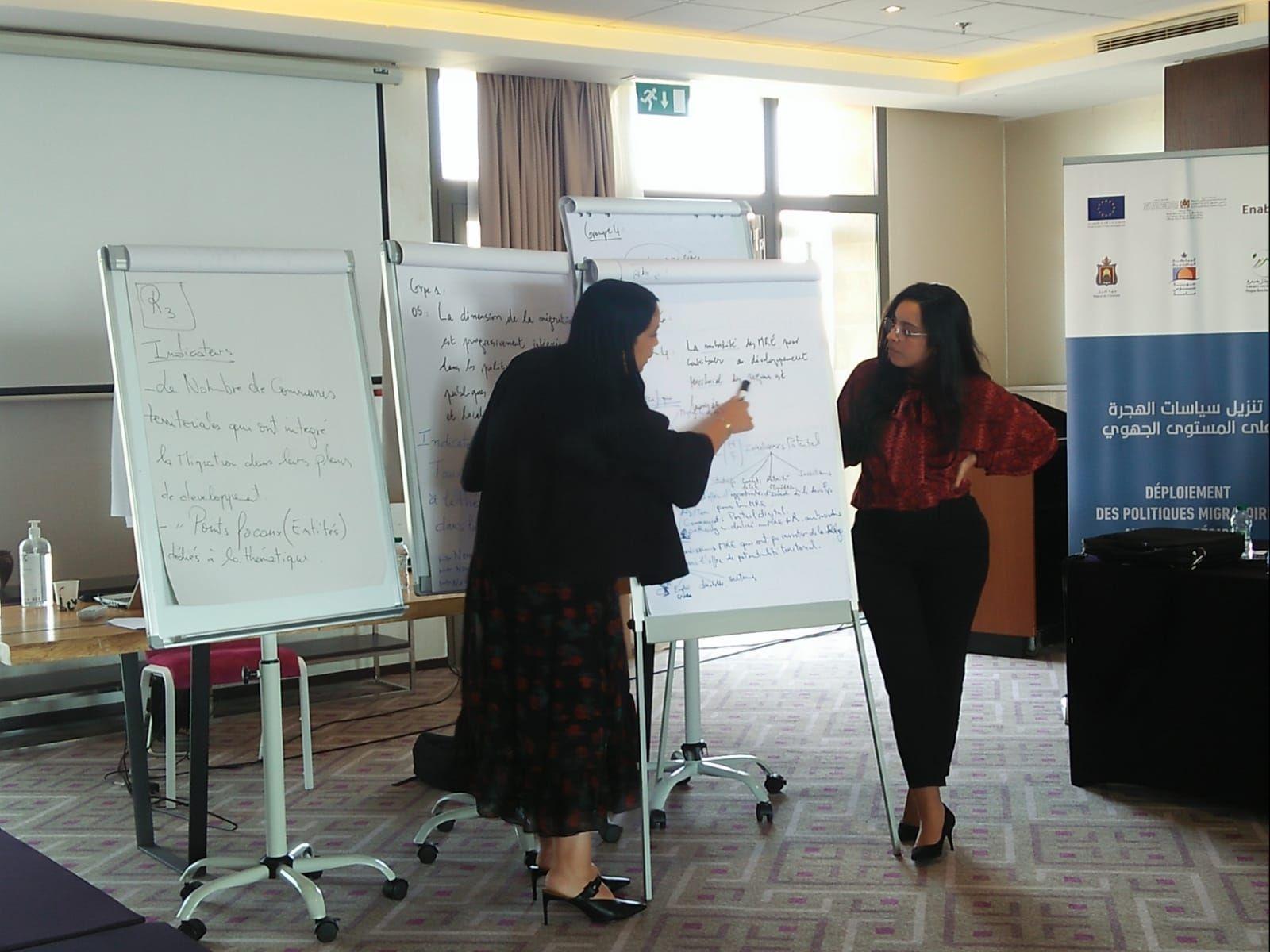
Dans une volonté de renforcer les compétences de ses partenaires, le projet Déploiement des Politiques migratoires au niveau régional-DEPOMI a organisé quatre formations-action de trois jours portant sur la Gestion axée sur les Résultats (GAR) : planification opérationnelle, suivi-évaluation et gestion des risques selon la vision d’Enabel. Les formations, qui ont eu lieu durant les semaines du 12 au 14 octobre à Taghazout (Souss-Massa), du 27 au 29 octobre à Bin el Ouidane (Béni Mellal-Khénifra), du 2 au 4 novembre à Saadia (Oriental) et du 14 au 16 décembre 2021 à Rabat (Rabat-Salé-Kénitra), ont touché 87 cadres, dont 43 femmes, occupant divers niveaux de responsabilité dans les Wilayas, les Conseils des régions, les provinces des trois régions où intervient le projet DEPOMI, le milieu de l'enseignement supérieur et de la recherche, les secteurs de l'éducation et de la santé, les Centres régionaux d'Investissement (CRI), l'Agence nationale de la Promotion de l'Emploi et des Carrières (ANAPEC), les organisations de la société civile, les autres programmes travaillant sur la thématique de la migration et mis en œuvre au niveau des trois régions-cibles, ainsi que le Département des Marocains résidant à l’Etranger du Ministère des Affaires étrangères, de la Coopération africaine et des Marocains résidant à l’étranger. Ces formations, en plus du renfort des compétences des partenaires du projet et de leur outillage pour mieux suivre les opérations des projets, ont également contribué à une meilleure mise en œuvre et à un suivi efficace du projet DEPOMI. A la fin des formations, les participants ont déclaré disposer d'une compréhension partagée des concepts ayant trait au suivi-évaluation et posséder les principaux outils de la GAR comme la matrice de monitoring, le plan de travail ou le plan de gestion des risques. Pour rappel, DEPOMI est financé par l’Union européenne et mis en œuvre par Enabel, en partenariat avec le Ministère des Affaires étrangères, de la Coopération africaine et des Marocains résidant à l’étranger.
-
L’équipe de Gestion du projet DigiBoost au contact des SAEI
Reece-hermine ADANWENON | 06/04/2022
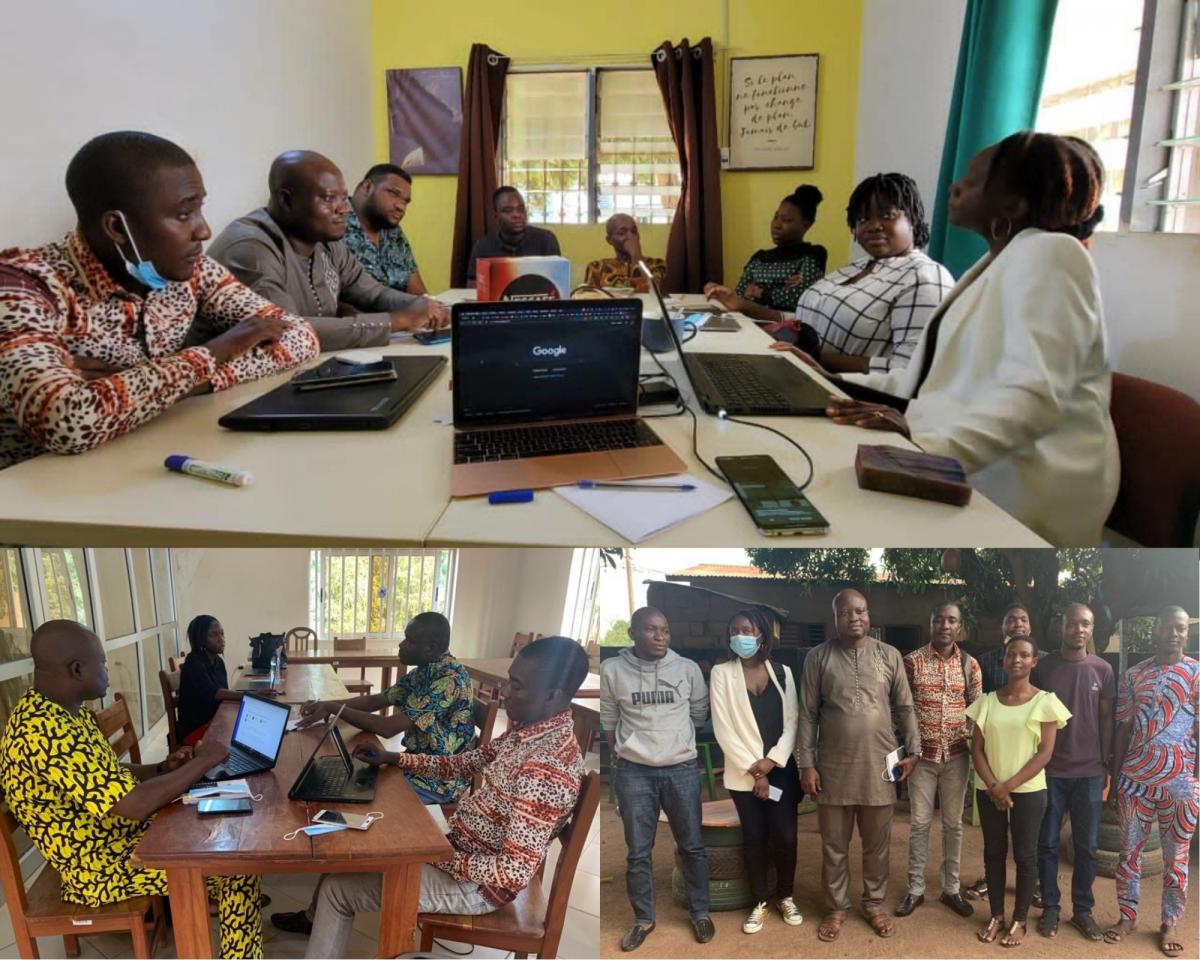
Après 24 mois de mise en œuvre des activités du projet, Emmanuelle Bouiti et son équipe sont allés à la rencontre des bénéficiaires afin de s’enquérir des grandes actions entreprises pour la restructuration des Structures d’Accompagnement à l’Entreprenariat Innovant (SAEI) mais pour également recueillir leurs doléances afin d’améliorer le partenariat existant.Du 15 au 19 mars 2022, l’équipe de gestion du Projet s’est rendue dans les localités de Lokossa, Savalou, Bohicon et Parakou où elle a pu rencontrer un certain nombre de SAEI. Parmi ceux-ci figurent : BeniLab, Cens, Guerra Tech, Je veux Briller, Waxangari Lab, Odace Soft, Centre de Développement de l'Entrepreneuriat de l'Université de Parakou, EtriLabs Parakou, ABED ONG et MIMES SERVICES. Au terme des fructueux échanges, les différents responsables de ces structures sont tous restés unanimes sur l’importance des formations reçues par les experts d’Enabel et des autres partenaires du projet DigiBoost. En effet, grâce aux compétences acquises, les différentes structures disposent désormais des outils nécessaires pour se professionnaliser et s’affirmer davantage dans une posture de SAEI au sein de l’écosystème numérique béninois. Selon la SAEI Je veux briller, « Avant, on mettait toutes les startups ensemble sans un programme bien défini et pas personnalisé. Mais avec les formations qu'on a reçues d'Enabel à travers le projet DigiBoost, nous avons pu restructurer nos offres ». De plus, « avant, on n’était dans tout et dans rien, c'est grâce au projet DigiBoost que nous avons su qu'il fallait restructurer notre SAEI. Cet appui nous a permis de clarifier notre positionnement’’.Pour la SAEI Wassangari Lab, « les formations d'Afric'Innov et les séances de travail avec les experts, ont permis à sa structure de se rendre compte de l'urgence de se professionnaliser. Cela nous a amené à comprendre les questions d’ordre juridiques et fiscales qui s’imposent à nous. Ces formations nous ont également permis de comprendre qu'on n'avait pas encore totalement la posture d'une SAEI, mais nous disposons aujourd'hui des outils qui nous permettront de nous affirmer dans ce sens ».Selon un des responsables du Centre de Développement de l'Entrepreneuriat de l'Université de Parakou, « le programme d'anglais dont nous avons bénéficié grâce au Projet DigiBoost est d’une importance capitale, car il nous a permis de découvrir de nouvelles notions ».Au terme de la tournée, l’équipe a été très impressionnée de constater l’impact positif que le projet DigiBoost a eu sur la structuration et les partenariats qui sont nés entre les SAEI.
-
Enabel donates 3 state-of-the-art ambulances to Amuru, Omoro and Nwoya districts
Agnes KABAIKYA | 05/04/2022
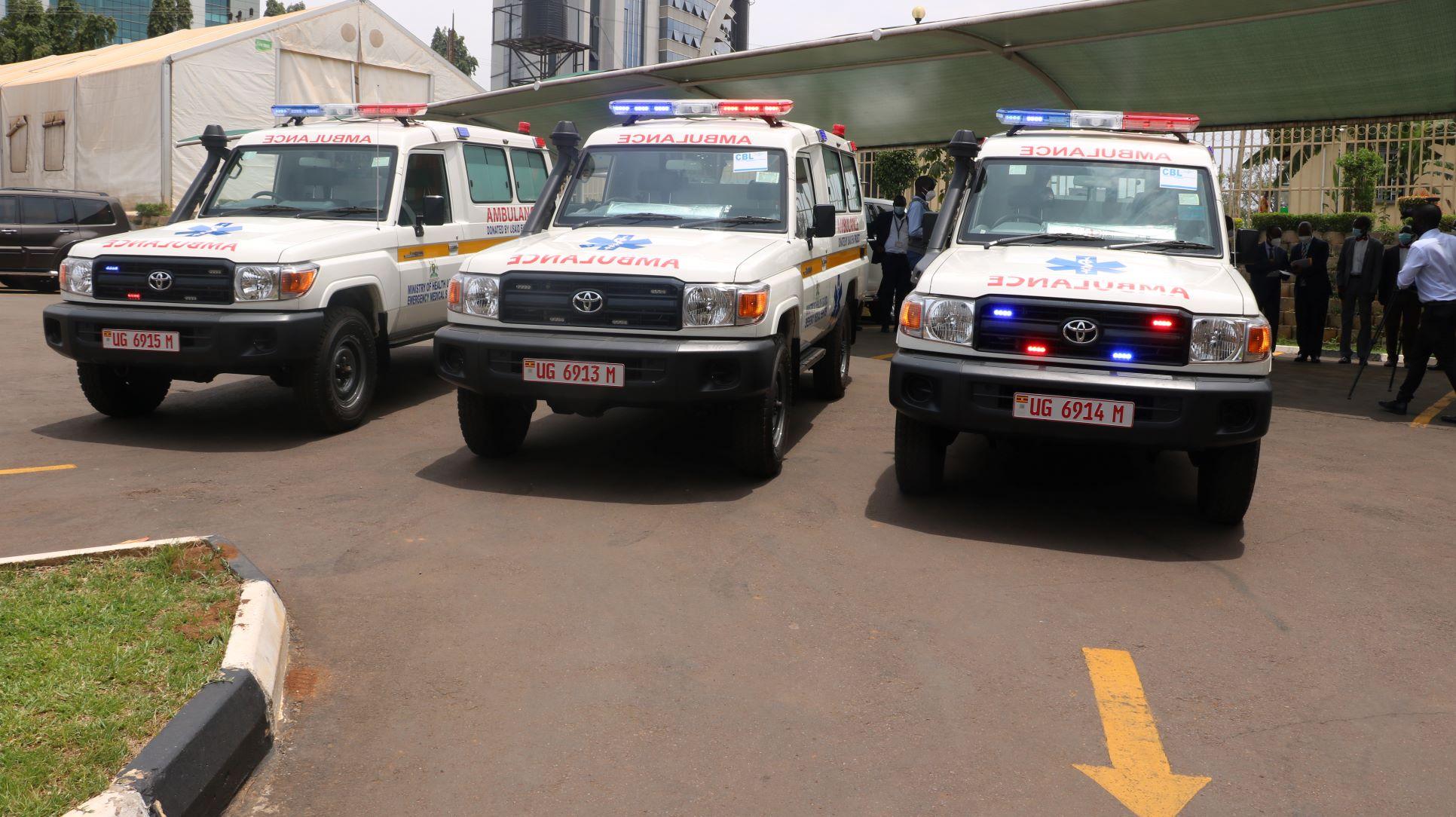
The Belgian Development Agency, Enabel through her Enabling Health in Acholi (EHA) Project with funding from USAID, has donated 3 state-of-the-art ambulances to the Ministry of Health for the districts of Amuru, Omoro and Nwoya. Tom Vanneste, the Enabel in Uganda Resident Representative handed over the ambulances to Dr. Jane Ruth Aceng, the health Minister at the Ministry of Health headquarters today. The over 850 million worth ambulances have been refurbished and equipped to the recommended specifications for Type B ambulance as per latest MOH guidelines, meaning they are able to provide basic life support services like oxygen therapy, nebulization, monitoring of vital parameters and automatic external defibrillation. The equipping and upgrade was, for the first time, locally implemented in close collaboration with the MOH Emergency Medical Services (EMS) and the engineering department. The ambulances are expected to transport acutely ill and injured patients both from the community and from lower level facilities to hospitals which can handle them, and these in addition to a few in the region will avert unnecessary deaths happening due to delayed or missing emergency services. The most common emergency situations happening in communities include maternal emergencies, children with acute illnesses and road traffic accidents. In the Acholi region an assessment showed that there are few functional ambulances and the available ones are not properly equipped, prompting the Enabling Health in Acholi Project (EHA) to purchase 3 new vehicles and equip them as per the Ministry of Health latest standards. A function emergency system requires a lot of coordination and communication at the scene, recognition of the emergency, transport with an appropriate vehicle and care during transport, and emergency care at the receiving facilities, similarly the facilities have to ensure availability of appropriate equipment, staff and medicines for treating the emergencies. The National EMS Policy 2021 sets clear standards and guidelines for establishing regional based coordination systems and fully functional ambulances as one component of the EMS system. There is need for the districts and facilities to ensure maintenance and running costs, and establishing the regional coordination system as per MOH policy. Enabel, the Belgian development agency implementing and coordinating the Belgian international development policy in Uganda, has been supporting the public health system for several years, including the emergency and referral services, and will continue to work with the hospitals and districts to ensure acutely ill patients receive appropriate health care.
-
Enabel et l’Union Européenne contribuent à la mise en place du Premier cadre de concertation des acteurs de la filière Riz
Reece-hermine ADANWENON | 05/04/2022
Contribuer fortement à la mise en place d’un dispositif de concertation entre les acteurs de la recherche, les institutions en charge du conseil agricole, les organisations paysannes agricoles et les acteurs des filières est l’un des objectifs du projet TAERA (Transition Agro-Ecologique par la Recherche Agricole) financé par l’Union Européenne et mis en œuvre par Enabel au Bénin. La co-organisation des cadres de concertation filière comme celui de la filière riz est un moyen pour le projet de parvenir à ce but. Pour cela, TAERA a fortement encouragé et soutenu l’organisation du premier cadre de concertation de la filière Riz dans le pôle 7 depuis l’avènement des pôles de développement agricole. Cette rencontre s’est tenue les 15 et 16 décembre 2021 et a réuni différents acteurs tels que l’Agence Territorial de Développement Agricole, les Organisations Paysannes Agricoles, les chercheurs de l’INRAB et des Universités Nationales conviées par TAERA mais aussi les autorités communales. La promotion des filières agricoles phares est l’action qui donne le ton aux buts des Agences Territoriales de Développement Agricole (ATDA) depuis les réformes du secteur agricole béninois. Contrairement aux filières prioritaires du Pôle 7 pour lesquelles l’ATDA est à la 4e année d’organisation de cadre de concertation, la filière riz, filière de diversification dans le pôle, n’a jusqu’ici, bénéficié de l’organisation d’aucun cadre de concertation des acteurs la composant. Ce cadre tombe donc à point nommé pour lancer la dynamique des concertations afin d’assurer la synergie, la complémentarité et la cohérence des interventions de tous les acteurs des différents maillons. In fine, cet acquis aboutira à un bon suivi de la mise en œuvre des actions de promotion de la filière riz dans le Pôle 7. Le projet TAERA, fidèle à ses objectifs, a facilité la participation des acteurs de la recherche à ce premier cadre de concertation. Il s’agit des Universités Nationales d’Abomey-Calavi et de Parakou de même que l’Institut National de Recherche Agricole du Bénin (INRAB), tous partenaires du projet. Ces acteurs qui n’étaient pas présents dans les cadres de concertation habituels, sont désormais à l’écoute des clients de la recherche et peuvent aussi diffuser les avancées qu’ils font dans le domaine de la recherche dans la filière. Après les mots de bienvenues du représentant du Directeur Général de l’ATDA 7, Monsieur Benoît joseph ADIKAN, les deux jours de rencontre ont été ouverts par Madame Loubatou SAKA, représentant le Directeur de la Programmation et de la Prospective (actuel Planification, de l’Administration et des Finances) du Ministère de l’Agriculture, de l’Elevage et de la Pêche. Elle a apprécié la qualité des participants à cet atelier, s’est dite rassurée par conséquent de la qualité des résultats qui en découleront avant d’exhorter les participants à l’assiduité au cours des travaux. Ces deux jours de travaux ont permis aux participants de prendre connaissance de la définition et de l’utilité d’un plan de campagne agricole, du niveau de mise en œuvre et d’atteinte des objectifs de production du plan de campagne agricole riz 2021-2022 et de la planification de la campagne agricole 2022-2023 de la filière riz à l’ATDA. Ils ont également permis un brassage entre les acteurs, le tissage de liens pour des collaborations futures plus faciles. A travers les différentes présentations, les chercheurs ont été en contact avec les réalités de la filière et les autres acteurs ont été informés des projets et avancées de la recherche sur la filière. Un bon canal de communication des problèmes, de diffusion des solutions, de partage d’expériences vient de ce fait d’être établi
-
Partage d’expériences entre pairs au Bénin : 2 dynamiques de cluster riz en visite d’échange
Reece-hermine ADANWENON | 04/04/2022
Pour la promotion de la filière riz dans le pôle 1 et le recentrage de l’outil cluster dans cette promotion, l’Agence Territoriale Départementale Agricole de la Vallée du Niger (ATDA-VN) a organisé avec l’appui technique et financier de ARISA-B et l’assistance technique du Cabinet COTEF, une visite d’échange près du cluster SOUROU BAYAYE de Natitingou le 03 mars 2021. L’objectif de cette visite était de permettre aux acteurs des initiatives du pôle 1 de comparer leurs expériences avec d’autres initiatives plus avancées dans un but principalement pédagogique.Au début de la visite les participants ont été invités à exprimer par eux-mêmes leurs attentes de cette activité. A travers une visite des installations les participants ont pu s’imprégner des innovations techniques et organisationnelles réalisées par leur hôte. Pour Madame BAGNAN Taïbatou, Secrétaire de l’Union communale des Femmes Transformatrices de Riz de Malanville, c’est la façon don’t on concilie l’activité d’étuvage et le respect de l’environnement ici qui est très intéressant : « Dès que j’ai mis pieds dans le centre, j’ai vu que les dames ici utilisaient la paille de riz pour faire des « briquettes ». Aussi la paille de riz est carbonisée pour faire de l’engrais et les gens font en même temps le maraîchage à côté. C’est ça qui m’a intéressé et je veux mieux comprendre comment tout ceci a pu être mis en place ». Grace à des échanges fort intéressants entre paires, les participants ont pu confronter leur savoir-faire et prendre des résolutions à mettre en pratique une fois de retour dans leur pôle. Pour bien faire comprendre aux visiteurs la portée des défis qui les attendent, le Directeur Exécutif GERME ONG s’est exprimé ainsi « Un cluster c’est un défi permanent. La résolution d’un défi peut faire naitre de nouveaux auxquels il faut toujours s’employer à trouver de solution ».Aussi, les représentants des mairies présents ont été édifiés sur quelques aspects que pourraient avoir leurs engagements auprès de telles dynamiques ; notamment sur la question foncière. En effet, les communes ont tout intérêt à voir émerger sur leur territoire des clusters agricoles comme opportunités de prélèvement de TDL.Enfin, l’ONG GERME et les cadres de l’ATDA1 ont discuté ensemble des grands axes sur lesquels ils pourraient continuer cette collaboration naissante notamment pour le partage de l’expertise, des innovations et les possibilités de réseautage.Les participants à cette visite sont : les représentantes des groupements d’étuveuses, des groupements de producteurs et agrégateurs des dynamiques de clusters MONKASSADO de Malanville et ESOP Karimama, les Chefs des Services du Développement Local et de la Planification (C/SDLP et Chef des Services Administratifs et Financiers (C/SAF) des mairies de Karimama et Malanville, les Chefs Cellule Communale (CCeC) du pôle 1 et Chefs des Services de Formation Opérationnelle (CSFO) ATDA1, les responsables de GERME ONG et de SOUROU BAYAYE ainsi que les Chefs des Services des Organisations Professionnelles Agricoles (CSOPA) ATDA3 représentant de la Direction du Renforcement des Capacités (DRC ATDA3. Au total une trentaine de personne ont participé aux échanges. La visite a démarré par une escale de courtoisie à Madame la Directrice Générale de l’ATDA 3.
-

Des femmes entrepreneures partagent leurs expériences avec la communauté WIT
Reece-hermine ADANWENON | 04/04/2022
Ayodélé Ognin, entrepreneure, Emmanuelle Bouiti, Responsable d’Intervention Économie Numérique (Projet DigiBoost) chez Enabel; Reine Gollo, adjointe au programme; Koukoui Basilia, Conseillère à RENAFETIC ont partagé sur un panel avec les femmes de la communauté Women In Tech (WIT), leurs expériences à travers un storytelling pour montrer combien il est important et possible pour les femmes de prendre leurs places dans ce secteur.Plus d’une cinquantaine de femmes venant de plusieurs villes du Bénin (du nord au sud) ont participé à l’afterwork de la communauté Woment In Tech (WIT) à l’occasion de la Journée Internationale de la Femme JIF 2022, au Bénin Royale Hôtel, le vendredi 26 Mars 2022. Organisée avec l’appui financier et technique de l’Union Européenne et de Enabel, à travers le projet DigiBoost, ce premier afterwork de la communauté WIT avait pour objectif, de familiariser les femmes à cette ascendance qu’est le domaine du numérique, à travers un cadre de partage d’expériences, de réseautage et de brassage entre les femmes professionnelles dans les métiers du numérique. Témoignage, réseautage et cocktail ont tous contribué à faire de cet afterwork une totale réussite et un grand point de départ pour ce qui sera lancé très prochainement. Pour rappel, DigiBoost est un projet de renforcement et de consolidation de l’écosystème numérique au Bénin à travers des appuis aux structures d’accompagnement des startups (#incubateurs, #accélérateurs, #fablabs , espaces de #coworking, entre autres) ainsi qu’aux relations entre les acteurs au sein et en dehors de l’écosystème numérique béninois, mis en œuvre par Enabel, et financé par l’Union Européenne.
-
Mauritanie: Maintenir les ressources humaines en santé dans les zones rurales
Aminata KANE | 31/03/2022
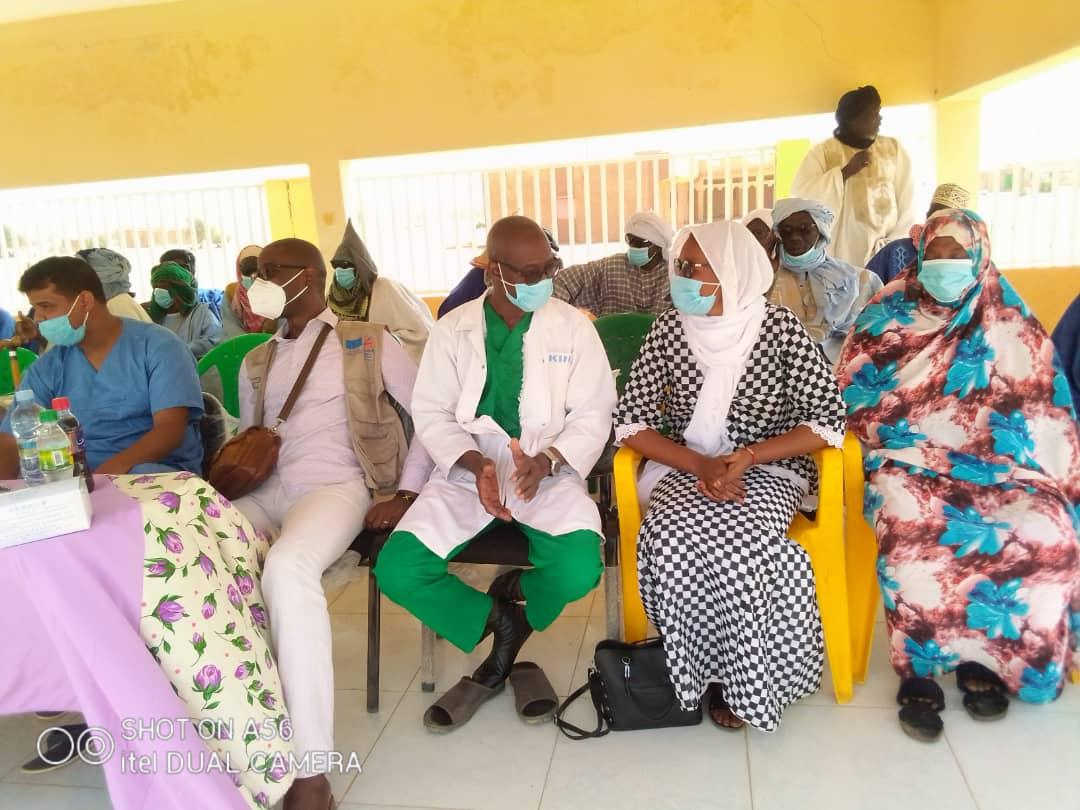
Enabel est un appui technique important pour la Mauritanie dans le secteur de la santé. Notre équipe participe de façon concrète à la garantie de l’accès à des services de santé de qualité pour les populations vulnérables dans différentes zones géographiques du pays. Ici nous allons nous concentrer sur le département de Bababé situé dans le sud du pays. Le problème le plus récurrent rencontré dans la zone est l'instabilité des ressources humaines en santé. Quelques semaines après leur affectation, les agents de santé quittaient les zones rurales. Grace à la recherche action qui est un concept qui a été élaboré par l’Institut de médecine tropicale qui permet d’aboutir à une amélioration continue dans la qualité du renforcement du système de santé. Tout commence par un diagnostic du système de santé, puis par l’élaboration des hypothèses de changement et se termine par l’aboutissement par une prise de décision. Cette dernière est la solution escomptée qui sera mise en œuvre par les équipes de santé. Dans notre cas la problématique choisie concerne les ressources humaines. A Bababé notre équipe remarque la volatilité des RH. Les agents de santé affectés après quelques semaines s’en vont, ce qui démontre une grande instabilité et la faiblesse de la motivation de ces derniers à rester en milieu rural. Tout cela avait un impact direct sur la qualité des soins au niveau des structures de santé. Notre équipe accompagnée des volontaires communautaires ont décidé de trouver une solution venant du niveau local. La solution qui en est ressortie est la stratégie de fidélisation des RH, elle a pour but d’orienter tout nouveau agent en : Les aidant à trouver un logement À pourvoir aux besoins primaires Appuyer psychologiquement et socialement Financièrement avec un fonds de roulement (achat des médicaments et démarrage des soins au niveau des structures de santé) Un exemple concret est celui de l’infirmière Binta, qui a grandie dans un milieu urbain et a été affecté en milieu rural. Elle a été accueillie, logée et nourrie par la communauté dans le cadre d’une participation communautaire. La vision première est d’avoir un département fonctionnel qui est capable de résoudre localement les problèmes de santé et en prenant en compte les besoins réels de la communauté à travers une forte participation communautaire. Et en second, avoir la capacité d’offrir des soins de qualité diversifié et surtout accessible. Et pour finir être une source d’inspiration pour le ministère de la santé afin qu’il adapte ses stratégies vers une meilleure couverture universelle.
-
En Mauritanie, Enabel participe aux journées portes ouvertes de l'élevage!
Aminata KANE | 29/03/2022
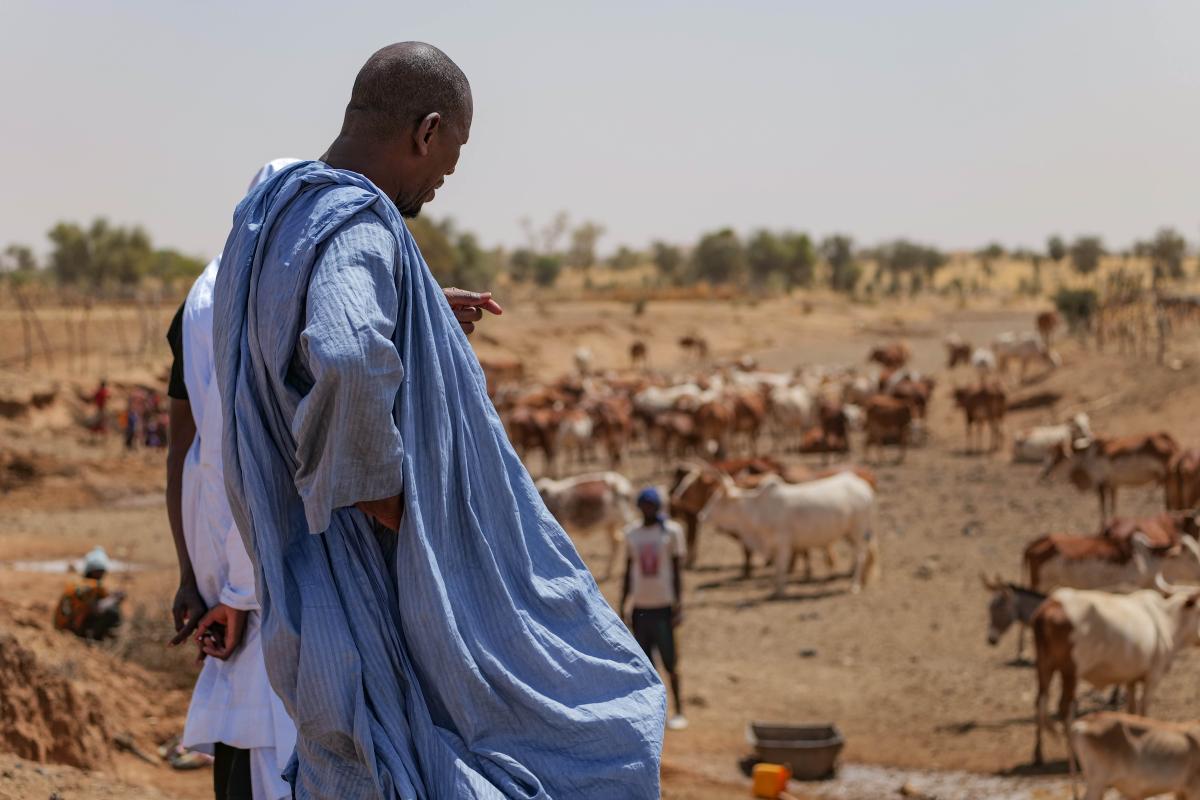
Le ministère de l’Élevage a organisé les journées ‘’portes ouvertes’’ du secteur de l’élevage en Mauritanie, les 29 et 30 mars 2022, au Palais des Congrès de Nouakchott.Cet événement vise à éclairer l’opinion sur les étapes déjà franchies sur la voie de la redynamisation du secteur et échanger les vues avec les acteurs et l’ensemble des parties concernées sur les réalités du secteur et ses perspectives d’avenir.Le texte de ce communiqué : "Parallèlement au premier anniversaire du discours de Son Excellence M. Mohamed Ould Cheikh El Ghazouani, Président de la République, à Timbédra, au cours duquel il a annoncé d’importantes décisions visant à promouvoir et à réorganiser le secteur de l’Élevage, ainsi que pour mobiliser des fonds pour la promotion et l’évaluation de nos ressources animales".Ces journées visent à mettre en lumière les mesures qui ont été prises pour promouvoir le secteur, ainsi que l’échange de vues avec les acteurs et toutes les parties prenantes sur les réalités et les perspectives de l’Élevage dans le pays.Ces deux jours comprennent un forum de consultation et d’échange avec la participation de nombreux experts, investisseurs et acteurs nationaux et internationaux, en parallèle avec l’organisation d’une exposition avec des pavillons pour présenter de nouveaux produits, services et techniques pour le développement de l’élevage".
-
Promoting gender equality through climate action in the NTCs- Uganda
Peace NERIMA | 29/03/2022
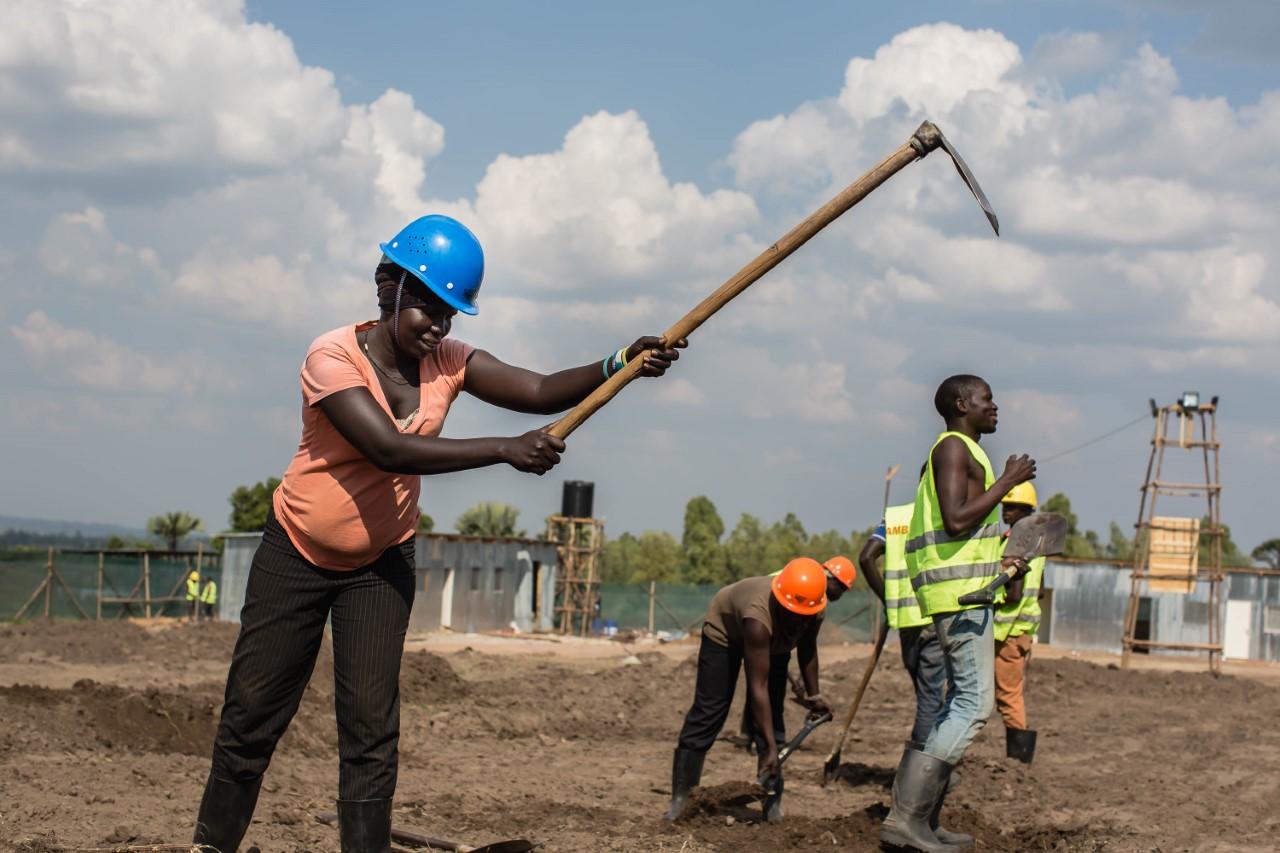
For many years, the lasting effects of climate change have severely affected the world through short-term disasters like landslides and floods and long-term impacts like gradual environmental degradation. Areas such as agriculture, energy, human health, biodiversity, ecosystems, and water resources continue to feel these effects. Among the most vulnerable and marginalised in many of these areas, women experience the most profound impacts. They constitute the majority of the world’s poorest and are more dependent on the natural resources that climate change threatens the most. Women also face unequal access to resources and decision-making, especially where structural barriers to gender equality such as division of gender roles in households/communities and dependence on natural resources prevail.At the same time, they are influential contributors to change and contribute profoundly to climate action at all levels. They have proven to be leading the way towards more equitable and sustainable solutions to climate change to build a more sustainable future. In the National Teachers’ Colleges (NTCs), Enabel is has applied the following gender strategies to respond to the challenges caused by climate change. Renewable energy Energy, particularly renewable energy, is often cited as a critical climate change mitigation strategy. In Uganda, like many countries, energy is looked at in terms of electricity, gas and oil. However, the role of women in energy issues is still unclear. Women are presumed unable to operate sophisticated energy mediums, excluding them from playing a crucial role in discussions about energy and contributing to critical climate change mitigation decisions.In the National Teachers’ colleges, women play a central role in the day to day operations of sustainable renewable energy sources such as biogas and the use of wood saving stoves which contribute significantly to environmental conservation. Biomass fuel being the most dependable energy source, women often are left with the burden of operating this energy source for cooking, lighting and heating. With renewable energy sources, college cooks enjoy efficient smoke-free cooking by using solar water heaters, wood saving stoves, and biogas that significantly impact their health, the environment, and the climate. To the NTCs, a reduced need for firewood by over 50% (from 8 to 4 truckloads) per term is ideal for saving money. However, for the cooks, the problems caused by biofuels like firewood are solved. There is a reduction in the workload and green gas emissions, resulting in healthy living conditions. “My eyes were greatly affected by the smoke emissions from our old kitchen. With the new wood-saving stoves and biogas cookers, cooking is cleaner and faster, giving us ample time to perform other tasks”. Nakato Mary- college chef, NTC Mubende. Integrated and sustainable water management. In rural Uganda, women usually face the burden of fetching water for their families. They spend significant amounts of time commuting to and from distant water sources, putting them at risk of violence. In addition, water from these sources is often unsafe and can barely meet their daily needs. With Climate change, significant impacts on freshwater sources continue to affect its availability for domestic and productive tasks. It also impacts agricultural production and livestock care and increases the labour required to collect, store, and distribute water.In NTC Kaliro, the case is not any different. The area suffers from prolonged drought, which significantly impacts access to water. Enabel has taken an environmental protection approach that promotes easy access to a water supply by constructing facilities that cater to rainwater harvesting. Additionally, a solar-driven water extraction and transfer system for quality water are in place. The water sources will enable easy access to clean and safe water for students, predominantly female and protect them from the risk of violence. It will also prevent them from contracting diseases caused by contaminated water, such as arsenic disease, resulting in fatal complications and stigmatisation in society due to their appearance.Climate responsive infrastructure Uganda already faces significant impacts of climate change. Temperatures are rising, drought and wildfires are starting to occur frequently, and rainfall patterns are shifting. These climate changes have a social-economic impact that makes communities vulnerable. Enabel has set up sustainable infrastructure to facilitate teaching and learning in an energy-efficient manner. The facilities enhance environmental protection by reducing the carbon footprint through sustainable energy and waste management in the NTCs. In these facilities' planning and design process, Nalubega Josephine, an architect at Enabel in Uganda, says that the facilities at the colleges are designed to suit the regional climate. "The focus is to ensure that learning spaces have adequate ventilation and natural lighting. Local materials such as bamboo have been incorporated in the design of most facilities because they are sustainable and allow for classrooms to accommodate many students at a time," she says.Apart from the actions above, Enabel is doing the following to promote gender equality in climate change for a sustainable tomorrow. Students in the NTCs are trained and equipped with green skills as part of their initial training. Such skills include the production of renewable energy sources like briquettes and biogas. These skills are essential in empowering students to create alternative, environmentally friendly energy sources. Enable supports the NTCs in digitising teaching and learning processes. With this initiative, NTCs have reduced their need for paper and adopted a hybrid approach to teaching, learning and management practices. Students are sensitised to perform actions geared towards environmental conservation in their day-to-day. Such activities include the 3Rs (Reduce, Reuse, Recycle). Additionally, recycling bins are in place to encourage students to practice waste segregation. Hajirah Naigaga, a lecturer at NTC Kaliro, says, “We have done much sensitisation for our students in the NTCs, and we believe that they will carry on the same knowledge to their students.” Climate change represents the most complex challenges of our time – it requires a concerted, proactive and holistic response. However, gender inequality may dramatically limit communities' resilience and adaptive capacity, which restricts options for climate change mitigation. At Enabel, we address both women and men with our climate change actions. We incorporate gender issues and foster the participation of women in the decision-making process of our initiatives.
-
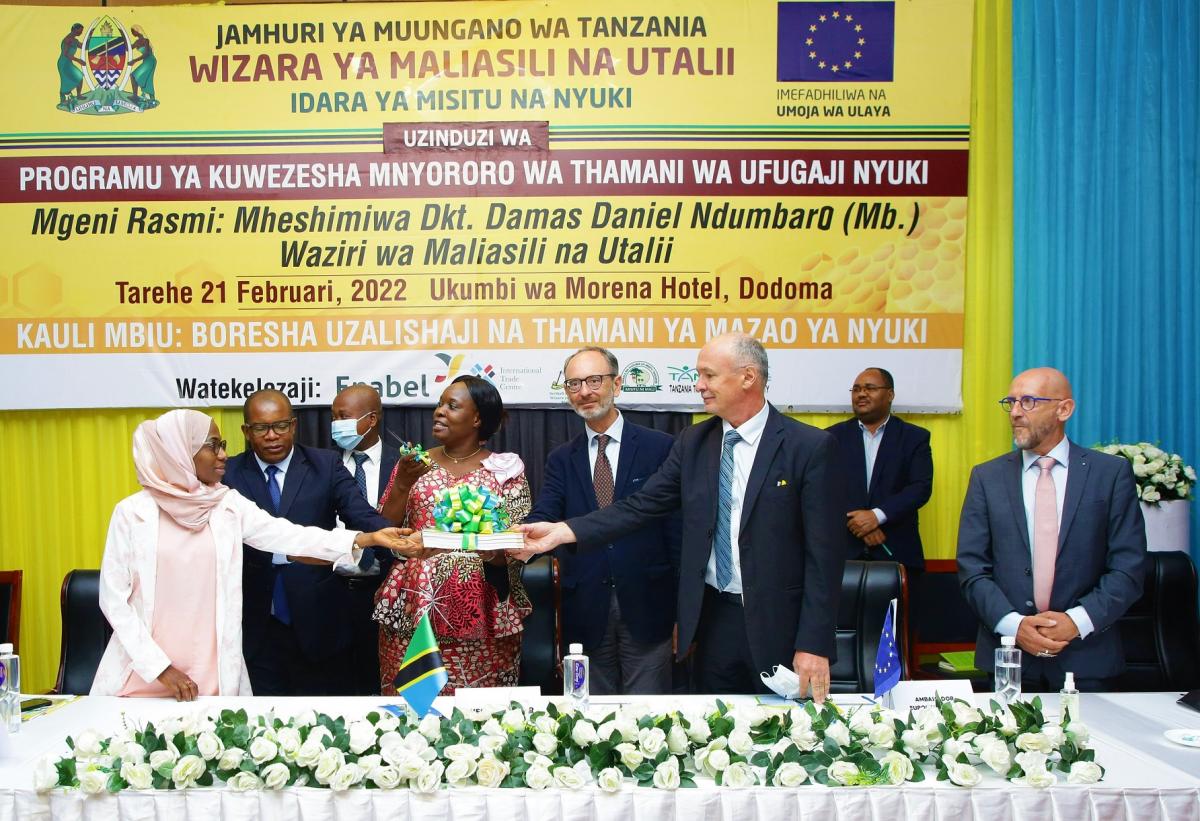
In Tanzania, the Beekeeping value chain project held its launch event!
Deogratius KIMENA | 28/03/2022
BEVAC project launching event took place on the 21st of February, 2022 at Morena Hotel in Dodoma.The Deputy Minister of Natural Resources and Tourism (MNRT), Hon. Mary Masanja, on behalf of Guest of Honour Hon. Dr. Damas D. Ndumbaro the Minister of Natural Resources and Tourism and the EU Ambassador Hon. Manfredo Fanti launched the Programme. Also present was the Belgium Ambassador Hon. Peter Van Acker, Minister of Tourism and Heritage, Hon. Leila Mohammed Mussa on behalf of Minister of Agriculture, Irrigation, Natural Resources and Livestock - Zanzibar, Hon. Dr. Soud Nahoda Hassan. The main objectives of the workshop were to officially launch a project that has been designed by the joint cooperation between the European Union and the Government of Tanzania and create public awareness about the project and ensure the buy-in of the key stakeholders as well as all project intervention areas and partners. The event brought together government leaders and representatives, development partners, private sector companies, non-governmental organizations (NGOs), beekeeper's cooperatives and associations, and other stakeholders in the beekeeping value chain from Tanzania Mainland and Zanzibar.https://www.instagram.com/p/CaQMP4stHcs/?utm_medium=share_sheet&img_index=4https://www.youtube.com/watch?v=jfArsTf8B8Ihttps://www.youtube.com/watch?v=0Vf1dyzPpAc
-
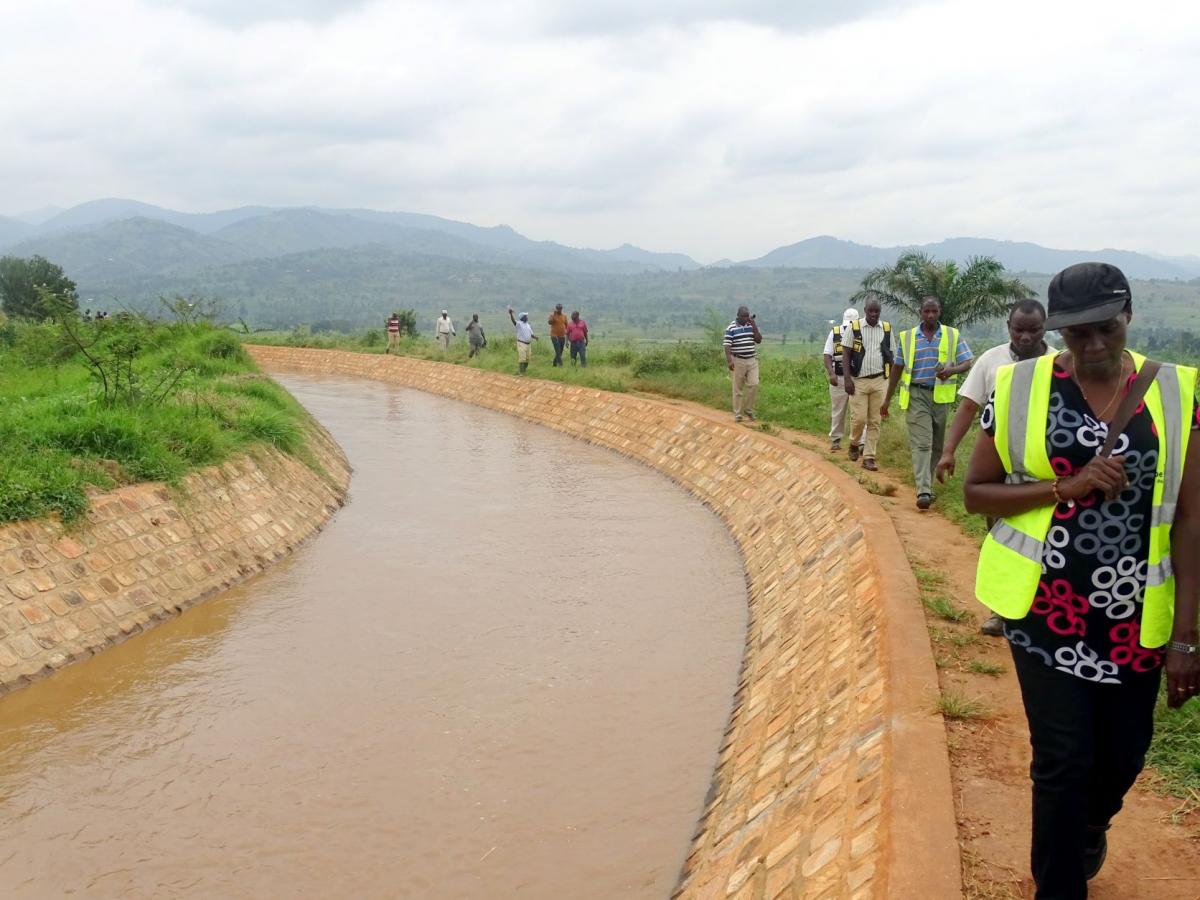
Burundi : Un réseau d’infrastructures hydroagricoles réceptionné définitivement dans la région de l’Imbo Nord
Jonas Eric UWIZERA | 22/03/2022
Depuis octobre 2018, le marché était lancé. Le coût total des travaux s’élève à 4.154.858,84 d’Euros, de quoi donner l’idée de la taille des travaux réalisés. Ce sont en effet 860 ha aménagés, un périmètre qui s’étend de part et d’autre de la RN5, allant de Kagazi jusqu’à Rusiga en commune Rugombo de la Province Cibitoke.Les travaux, une fois terminés, ont été soumis au contrôle et observation à plusieurs reprises sur une période de quatre ans selon les clauses du contrat entre Enabel à travers le programme PAIOSA et le GROUPEMENT d’entreprises ECC/SOTRAMETECO l’entreprise qui a exécuté le marché, des travaux placés sous la surveillance technique d’un autre GROUPEMENT d’entreprises SHER-ARTELIA Madagascar, afin de s’assurer de leur qualité technique et de leur potentiel de durabilité. Ainsi, les travaux portaient sur la construction des canaux primaires, secondaires, tertiaires et arroseurs ; la construction des drains de colatures, de collecteurs, de décharges ainsi que les drains de ceinture pour la protection du périmètre irrigué. A ces travaux s’ajoutent 17 ravines protégés par la plantation de fascines en matériaux vivants, le raccordement des canaux principaux, la consolidation des canaux primaires ainsi que la construction des ouvrages de répartition et de distribution d’eau. Ces travaux figurent parmi ceux qui viennent compléter les infrastructures hydroagricoles mises en place par le PAIOSA depuis 2012 à travers d’autres marchés débutés par la construction de la prise d’eau sur la rivière NYAMAGANA et ses deux canaux primaires, secondaires, tertiaires et arroseurs qui irriguaient jusque-là une étendue de 2140 hectares. Des pistes pour désenclaver le périmètre irrigué Pour une aussi grande étendue aménagée, impossible d’y faciliter la circulation et l’accès sans renforcer et réhabiliter les pistes qui y mènent sur plus d’une dizaine de km. Ainsi, les travaux ont été complétés par la réhabilitation des pistes du périmètre avec l’aménagement de drains latéraux et de drains divergents. Des ouvrages d’art pour le franchissement des canaux et drains ont également été construits sans oublier l’achèvement d’autres pistes réhabilitées au cours des marchés précédents sur 14,2km.Des infrastructures à impacts Pour le conseiller économique du Gouverneur chargé du Développement de la province, les infrastructures mises en place force l’admiration et la satisfaction de l’administration provinciale est totale. Cela est repris en chœur par les bénéficiaires directes qui affirment qu’avant les travaux, on ne pouvait pas cultiver le riz dans le périmètre faute d’eau. Du coup, les pratiques agricoles ont changé depuis la mise en place de ces infrastructures d’irrigation. Les cultures traditionnelles ont cédé la place aux cultures du marché notamment le riz et les fruits. Les prix de location d’un hectare ont augmenté, passant de 150.000fbu à 400.000fbu pour le riz. L’accès des véhicules aux zones de production facilitent l’acheminement de la production des champs aux hangars de stockage ou des champs aux marchés locaux. Bref les habitants de la localité ont renoué avec l’agriculture qu’on avait tendance à abandonner au profit des activités commerciales et l’exode rural et les rendements n’ont cessé d’augmenter, passant de 0.5 tonnes par hectare pour le riz à 3.5 voire 4 tonnes par hectares. On n'a pas de statistiques, mais l'administration et les habitants de la province affirment que le périmètre irrigué est aussi le premier fournisseur des fruits et légumes au Burundi : mangues, pastèques, agrumes, aubergines, tomates, etc. Avec la disponibilité de l’eau, des pisciculteurs commencent aussi à se multiplier dans le périmètre, discutant l’eau d’irrigation avec les autres agriculteurs du périmètre et les promoteurs des étangs piscicoles en cours d’installation. Les infrastructures hydroagricoles sont à la base du développement agricole. Elles constituent un préalable à toute autre activité agricole. Pour l’IMBO Nord, ça va au-delà de cette simple formule parce qu’avant la construction de la prise d’eau sur la rivière NYAMAGANA, personne n'aurait jamais rêver produire en contre-saison du riz, des tomates et d’autres cultures exigeant beaucoup d’eau comme c’est le cas aujourd’hui. Les travaux de vérification et de réception définitive des infrastructures mises en place ont duré une semaine, du 14 au 18 mars 2022.
-
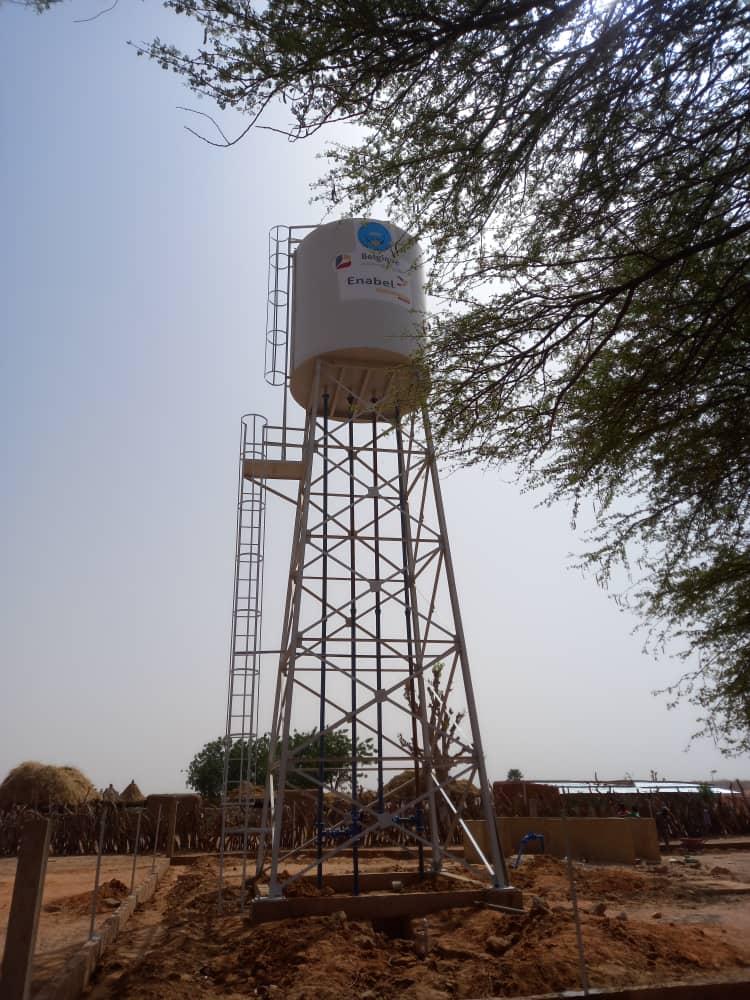
Comment le projet Pepak contribue à l'amélioration de l'accès à l'eau potable au Mali
Nènè TRAORE | 22/03/2022
Les besoins en eau potable et en assainissement dans le monde restent à la hausse. Plus d'un tiers de la population de la r é gion de Koulikoro n'a pas acc è s à l'eau potable et les taux d'acc è s à l'assainissement sont de l'ordre de 35 % en milieu urbain et 14 % en milieu rural. A travers notre projet d'am élioration de l'acc è s à l'Eau Potable et à l'Assainissement dans la r égion de Koulikoro ( PEPAK ), mis en œuvre depuis fin 2019, Enabel compte am éliorer durablement l'accès à l'eau potable et à l'assainissement pour les populations de la ville de Koulikoro et des centres ruraux et semi-urbains de la région . Maréfa Keita, gestionnaire de la pompe d'eau à Balankoumana Naréna en témoigne :Nous sommes adaptés à un problème d'accès à l'eau potable. Pendant l'hivernage les animaux s'abreuvent dans les marres et les cours d'eau. Mais en saison sèche, nous utilisons tous la même source d'eau à savoir les PMH du village (6 au dont 4 fonctionnels qui tombent souvent en panne).Le village est assez peuplé(2790habitants) et vous comprenez que ces infrastructures ne répondent plus aux besoins du village, ce qui engendre souvent des conflits entre les usagers. Nous confirmons qu'à la suite des travaux retenus par le PEPAK, ce problème reste qu'un souvenir. Dans le village de Balankoumana Naréna, la réalisation d'un château d'eau de 90M2 et la mise en place place 10 bornes fontaines sont en cours. Ces infrastructures répondent désormais aux besoins de L'eau, une ressource rare à NaraLe cercle de Nara dans la région de Koulikoro est situé à proximité de la frontière avec la Mauritanie et se trouve à 360 km de Bamako.Le cercle compte 11 communes , et le chef lieu du cercle est Nara qui a 19 793 (2009) habitants . La ville traverse constamment une crise récurrente d'eau. La station de pompage est toujours confrontée à des pannes de groupes électrogènes et de pompes. Les installations ne réalisent plus à approvisionner la ville compte tenu de la croissance démographique. La production étant inférieure à la consommation, la crise d'eau à tendance à perdurer. A cela, il faudra ajouter le phénomène de l'abreuvage des animaux qui ne sont pas déclarés dans leur grande majorité. Dans la ville de Nara, Mr Bamody Keita, gestionnaire d'une borne fontaine nous confirme également les difficultés d'accès à l'eau potable. A Nara, à partir du mois de Mars jusqu'au mois de juillet , nous sommes obligés de veiller la nuit pour nettoyer l'eau car à cette période aucune goutte d'eau n'est visible en journée . Si nous ne procédons pas de la sorte, nous ne parviendrons pas à approvisionner la population en eau potable. Aussi cette quette d'eau peut s'avérer parfois infructueuse, tel est la grande difficulté ici. A travers le PEPAK, la réalisation de quatre nouveaux fourrages et leur raccordement au réseau existant de la société malienne de gestion de l' Le projet s'est fixé les résultats suivants à atteindre :-La desserte en eau potable pour les populations des 17 centres ruraux et semi-urbains est améliorée ; -Une gestion inclusive et pérenne du service public de l'eau est assurée au niveau des centres bénéficiaires du système d'AEP, dans le respect des fonctions des communes, des AUEP, des opérateurs privés et des autorités de régulation ; -Les conditions d'hygiène et d'assainissement sont améliorées pour les populations des 17 centres ruraux et semi-urbains grâce à la mise en place des latrines communautaires fonctionnelles ; -Des infrastructures collectives de gestion des excrétas et boues de vidanges sont mises en place par la Commune Urbaine de Koulikoro en cohérence avec son Plan de développement social économique et culturel (PDSEC) ; -Une gestion inclusive et pérenne du service public d'assainissement collectif des boues de vidange de la Commune Urbaine de Koulikoro est assurée dans le respect de la maîtrise d'ouvrage locale, du rôle des usagers et des autorités de régulation ; -Une filière d'assainissement des déchets liquides intégrée et renforcée, facilite la collecte, le transport, l'évacuation et la valorisation des boues de vidanges. A ce jour, les principales activités réalisées par le projet pour faciliter l'accès à l'eau potable et à l'assainissement sont les suivantes : Infrastructures d'approvisionnement en eau potable : Démarrage des travaux dans 14 centres urbains et semi-urbains couvrant une population d'environ 50.000 habitants – la fin des travaux est attendue pour mai 2022 ;Enquête CAP (Comportements – Attitudes – Pratiques) de base sur la situation de l'eau et l'assainissement réalisée dans les 14 centres d'intervention ; Mise en place de 14 Associations d'Usagers d'Eau Potable (AUEP). Le taux de représentativité des femmes occupant des postes de responsabilités (présidente, secrétaire, trésorière, …) dans ces structures s'élève à 38 % ; La Mobilisation de la contribution financière des centres bénéficiaires pour la création d'un fonds de roulement (pérennité/durabilité des infrastructures). Infrastructures d'assainissement :Démarrage des travaux de construction de la Station de Traitement des Boues de Vidange – la fin des travaux est attendu pour juin 2022Réceptions provisoires de 16 latrines communautaires réalisées dans la ville de Koulikoro et de 14 latrines communautaires au niveau des centres bénéficiaires d'AEP (212 cabines) prenant en compte le genre 3150 usagers sensibilisés sur les bonnes pratiques en matière d'hygiène/d'assainissement ; 14 contrats de délégation de gestion des latrines publiques signés entre les maires et les délégataires (Association de santé communautaire, comité de gestion scolaire, mairie ou délégataire privé). Quels résultats vont apporter la station de traitement des boues de vidanges aux habitants de la ville de Koulikoro ? Les excrétas humains, les déchets solides et liquides de toute la ville de Koulikoro polluent le fleuve Niger qui se meurt lentement mais surement à cause notamment du phénomène de changement climatique / dégradation de l'environnement. Afin de résoudre une partie des problèmes concrets que vivent les habitants de la Ville de Koulikoro, la construction de la Station de Traitement de Boues de Vidange permettra de réduire la pollution, les nuisances, les maladies liées aux dépôts anarchiques d'excrétas humains tout en valorisant ces déchets pour le maraichage.
-

Enabel, EU & Private Sector Foundation Uganda launch work readiness initiative for graduates
William YEKA | 21/03/2022
A new initiative to make graduates more employable and facilitate their smooth transition to work has been launched in Kampala today. The programme funded by the European Union is jointly implemented by Enabel and Private Sector Foundation Uganda and targets 1000 recent graduates countrywide. It comes as a response to the skills and attitude problem noted among graduates, which according to the private sector is a serious obstacle to business growth and productivity. The initiative will address the challenge through placement of graduates in various private sector companies for at least 6 months training, mentorship and coaching. The Country Representative of the Belgian development agency Enabel, Tom Vanneste says graduates under the scheme will be helped to enhance their personal attributes and abilities to make them work ready. According to the Chief Executive Officer, Private Sector Foundation Uganda, Stephen Assimwe, the skills of most graduates are below employability levels. He cites a recent damning study, which concluded that they are “unemployable.” “They lack important skills and attributes such as effective communication, self – drive, time management, leadership, creativity, adaptability, collaboration, emotional intelligence, customer service,” Assimwe added. He notes that the lack of appropriately skilled labour deters private sector investment and business growth in the country. The work readiness programme is part of five million euros project funded by the European Union aiming to make Uganda's business environment more conducive through increasing the supply of appropriately skilled workers, establishing private sector-led initiatives to reduce corruption and strengthening public - private sector dialogue on issues affecting business growth and sustainability.
-
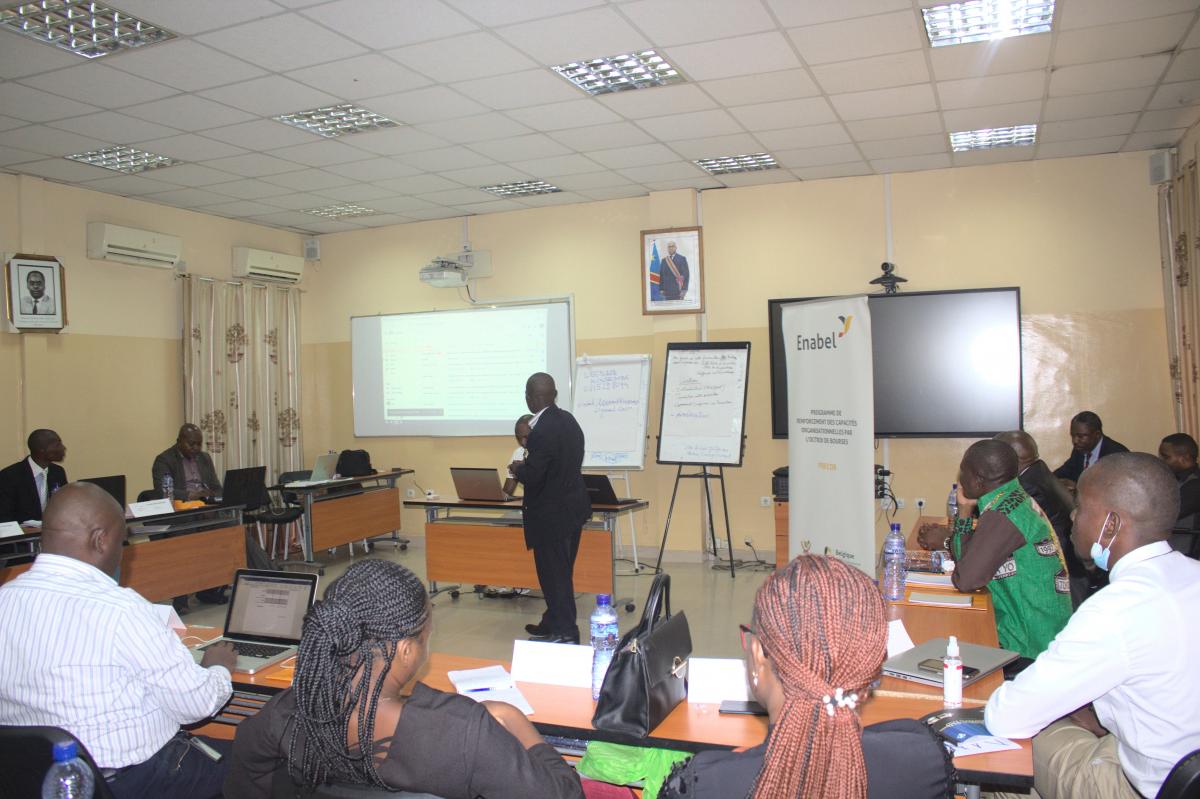
En RDC, les employés de plusieurs Ministères se forment à la suite Microsoft Office!
Grâce MALI FAIDA | 18/03/2022
Du 9 au 15 mars 2022, s'est tenue une formation des formateurs à la suite Office, dans le cadre de la mise en œuvre des plans de formations au profit des ministères sectoriels (Agriculture, Santé, Développement rural, Formation professionnelle et métiers ainsi qu’Enseignement Primaire Secondaire et Technique).Cette activité mise en oeuvre par le projet PRECOB a permis de renforcer les capacités de 15 agents de la Division Archives et NTIC de ministères bénéficiaires afin de les outiller aux techniques et méthodes de formation de base adéquates pour le développement des micro-leçons en Word, PowerPoint et à l'utilisation du courrier électronique qu’ils dispenseront à leurs pairs dans les prochains jours. Ces agents constituent désormais une base de formateurs locaux dans chaque ministère bénéficiaire pour outiller progressivement le personnel en informatique/bureautique.
-
Rwanda: Inauguration of Rubavu Electricity Distribution Network Project
Denise NSANGA | 17/03/2022
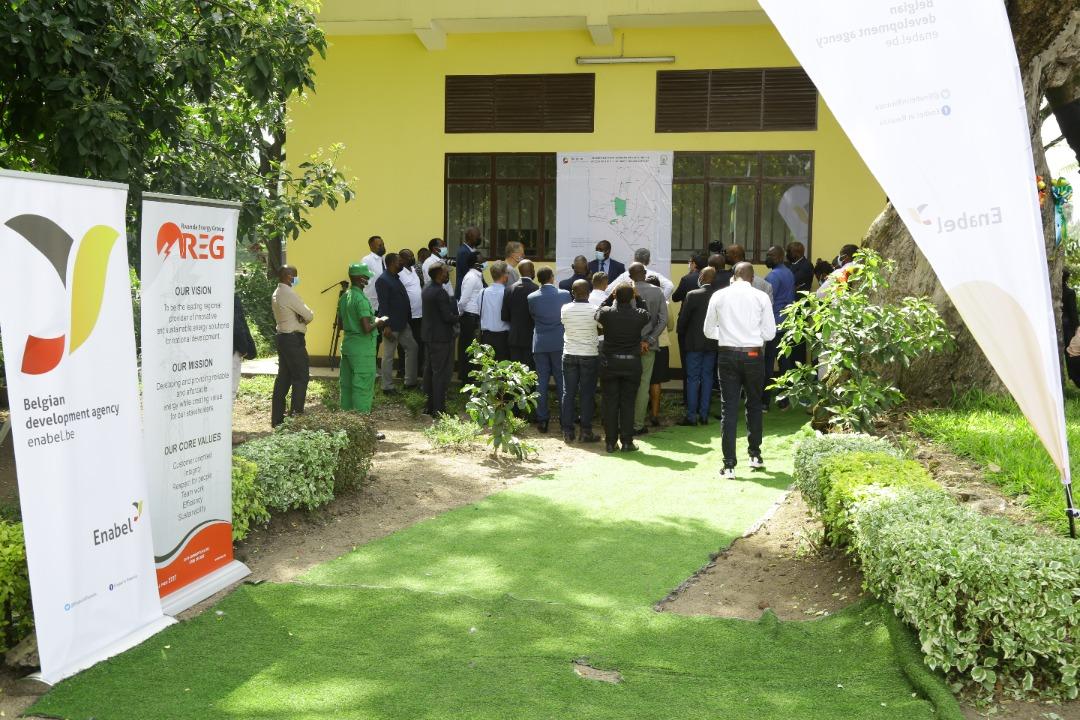
Kigali, March 12, 2022 - Hon. Dr. Ernest NSABIMANA, Minister of Infrastructure together with H.E Bert Versmessen, the Ambassador of Belgium to Rwanda, officially inaugurated the completed upgrade of the electrical distribution network in Rubavu District, funded by the Kingdom of Belgium. Rwanda's energy sector continues to grow in all chain of power supply, from electricity generation, transmission and distribution infrastructure. Rwanda’s prime targets by the year 2024 include 100% access to electricity in Rwanda, increased country’s installed generation capacity as well as a strengthened distribution and transmission network reducing power losses and outages. Today, about 68.48% of Rwandan households have access to electricity. From the year 2014, the Kingdom of Belgium, through Enabel, has been financing various energy interventions- each aiming to expand and strengthen the electricity services in Rwanda. This includes €39 million grant support to the Government of Rwanda’s electrification program with a particular aim of facilitating the greater access to reliable, affordable and improved electricity services to households and public institutions in the country. Thanks to the intervention, over 1,000 kilometers of power distribution lines have been built and over 50,000 new connections have been made to the national grid, particularly in the Eastern Province. The last phase of the intervention has focused on improving electricity supply by upgrading existing electrical network in the Eastern Province and Western parts of Rwanda. In Rubavu District, the project upgraded the old existing distribution network from 6.6 kV to 30 kV by upgrading 20 distribution cabins and installing 20 distribution transformers as well as building 14 kilometers of Medium Voltage Lines and 34.7 kilometers of Low Voltage Lines. The project also installed streetlights on different roads in the city center of Gisenyi Sector in Rubavu District at a distance of 7.2 kilometers. H.E Bert Versmessen, the Ambassador of Belgium to Rwanda, said that the Kingdom of Belgium is proud to contribute to Rwanda’s infrastructure development. “Over 1000 kilometers of electricity network has already been constructed and upgraded under the Belgian electricity programme in Rwanda. Over 250,000 people - who previously had no or limited access to electricity - are now benefiting from a reliable and affordable power supply. These are concrete, tangible results which are of course part of a bigger picture. Indeed, Rwanda has seen a remarkable achievement in electricity access in recent years. Belgium is proud to have been part of this amazing journey”. He said. The Minister of Infrastructure, Dr. Ernest NSABIMANA appreciated the project achievements and said that it contributes to Rwanda’s development agenda. “Such projects will help us achieve our economic development goals. I would like to express the Government of Rwanda’s gratitude towards the support given by the Kingdom of Belgium in the development Rwanda’s infrastructure sector and many other sectors. This intervention has not only enabled us to increase access to electricity, but it has also helped us to renovate and upgrade our existing networks to ensure effective and quality power supply”. He noted. END