WorldSkills Shanghai 2026 highlights the value of skills for Uganda’s future

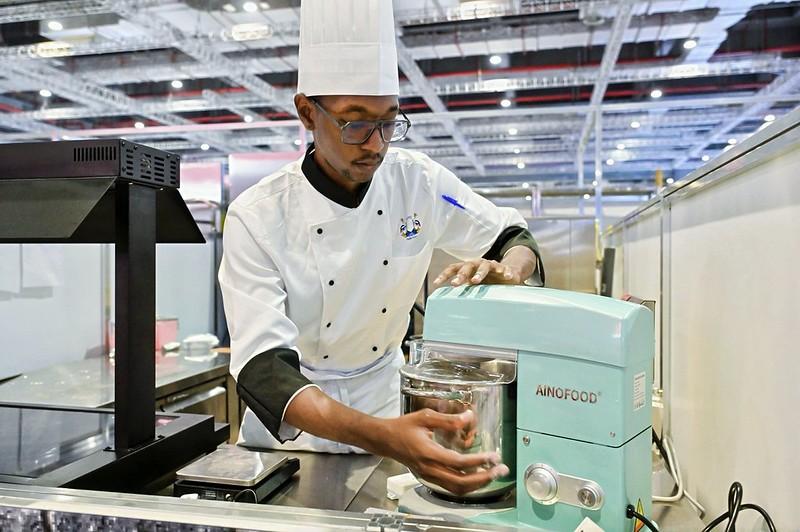
When Paul Terran Lugobe stepped into the
cookery competition at WorldSkills Shanghai 2026, he was competing against
young professionals from around the world, under pressure and against a shared
international standard. The Hotel and Tourism Training College (HTTC) student returned with a 'best of nation medal', recognising him as Uganda’s
highest-scoring competitor.
Paul was one of three young Ugandans who
represented the country at the 48th WorldSkills Competition in Shanghai, China.
Flavia Nakaayi, a nursing trainee from Kabale Institute of Comprehensive
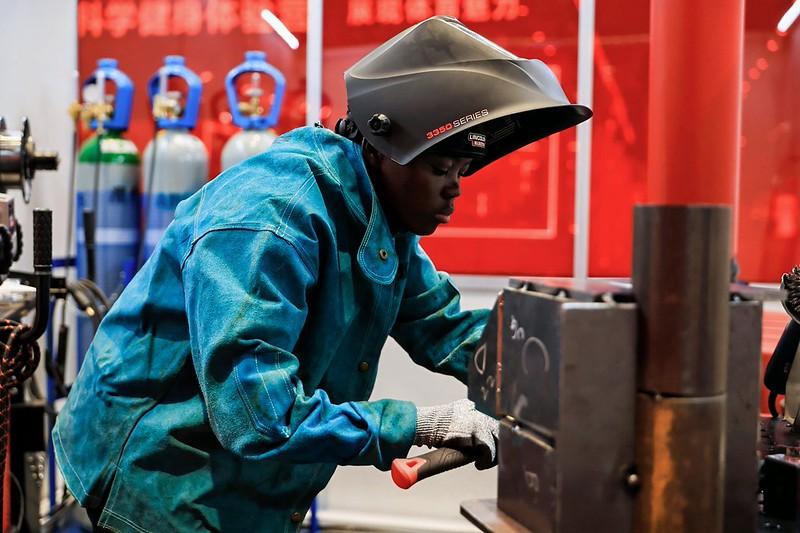
Nursing, competed in health and social care, while Elizabeth Mirabel Mutoro from
Arua Technical Institute represented Uganda in welding. Their participation offered an opportunity to
demonstrate their skills on an international stage and showed what young
Ugandans can achieve when they have opportunities to develop and demonstrate
their abilities.
The competition, which concluded on
27th-September-2026, brought together approximately 1,400 young professionals
from around the world to compete in 64 skill categories. The accompanying
WorldSkills Conference convened more than 2,000 participants, including
government officials, international organisations, training institutions and
businesses, to discuss how skills development can respond to changing economies
and workforce needs.
According Jackson Kuucha, Executive Director of
WorldSkills Uganda, the competition provides a rigorous test of what young
tradespeople can do. Competitors must produce work under time pressure, using
the tools and materials of their trade. Assessors from other countries evaluate
their performance against a shared international marking scheme. This means that there is no
home advantage and no partial credit simply for effort.
For Uganda’s representatives, taking part
meant measuring their abilities against international standards and gaining
experience that can inform their future careers.Their journey to Shanghai began at home.
Enabel, working with WorldSkills Uganda under the WeWork – green and decent
jobs for youth project facilitated national skills competitions through which
the three young professionals emerged to represent Uganda internationally.
Their progression from national competitions to the global stage demonstrates
how opportunities to showcase practical skills can open doors for talented
young people.
Funded by the European Union and the
Government of Belgium, Enabel collaborates with the Ministry of Education and
Sports, WorldSkills Uganda and other partners under the WeWork project to
strengthen and promote Technical and Vocational Education and Training (TVET).
A key part of this work is addressing public perceptions that often position
vocational education as a second choice to academic education.
Changing these perceptions starts within
communities. Through the WeWork project, para social workers engage parents, young people
and community members in conversations about the value of vocational skills.
They use social and behaviour change communication approaches and tools,
including games, storytelling and flashcards, to make these conversations
accessible and relatable. By highlighting the opportunities that technical
skills can create, these engagements encourage young people and their families
to consider TVET as a pathway to employment and entrepreneurship.
Enabel also works with Vocational Training Institutions across Busoga, West Nile, Rwenzori/Albertine and the
greater Kampala metropolitan region to organise institutional skills
competitions. These events give learners an opportunity to demonstrate their
abilities while inviting parents, community members and primary and secondary
school students to see vocational training in practice. Through practical
demonstrations and interaction with learners, visitors discover the range of
skills taught at these institutions and the career opportunities they offer.
The experience in Shanghai also speaks to the
importance of keeping vocational training connected to the world of work.
Uganda’s TVET Act 2025 includes provisions intended to ensure that trainers
remain current in their trades, including requirements relating to industrial
attachment and licence renewal. The law also provides for a two-month industry
break each year. These measures reflect the importance of maintaining relevant,
up-to-date skills among those responsible for training the next generation of
professionals.
At the international level, Uganda’s
participation highlighted the opportunities that could come with deeper
engagement in WorldSkills International. As an associate member, Uganda is
limited to entering three skill categories at the competition. In Shanghai, the
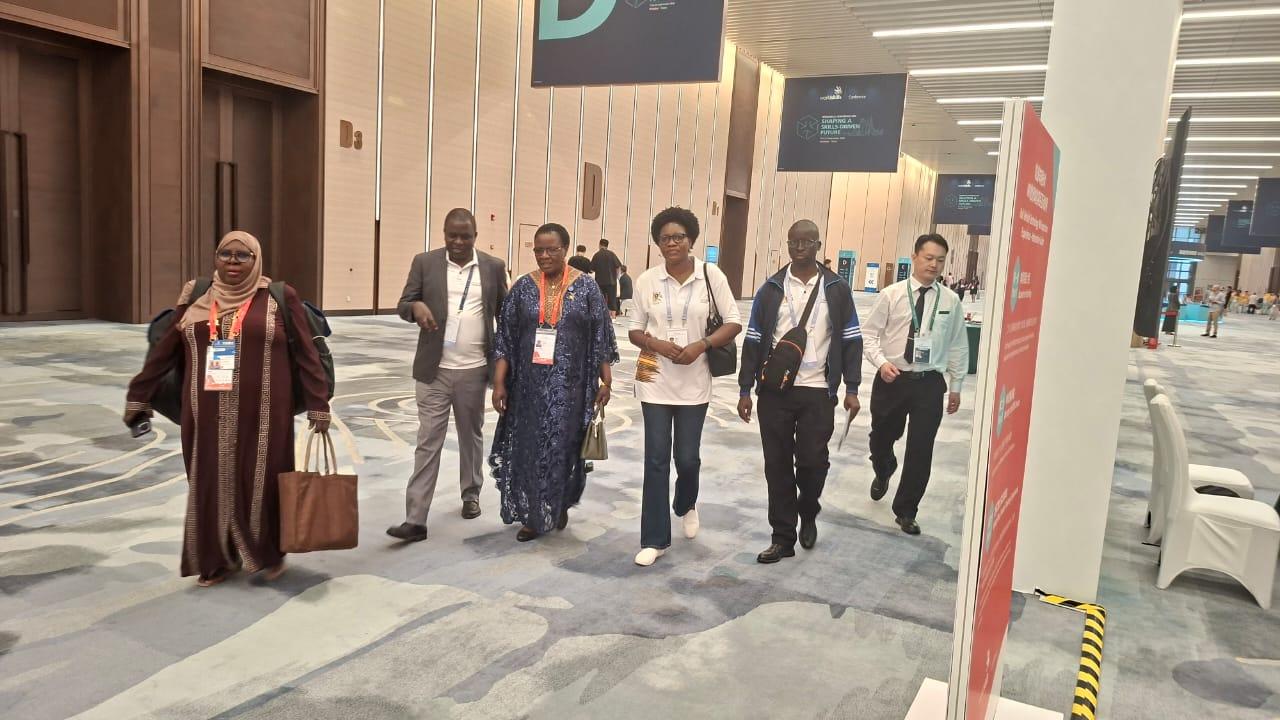
country used its places for cookery, welding and health and social care.The state minister for Higher Education, Hon.
Phyllis Chemutai, emphasised the need for Uganda to become a full member of
WorldSkills International to widen opportunities for young people in TVET
institutions. Full membership would allow Uganda to participate in all 64 skill
categories, opening more opportunities for young professionals to test their
abilities against international standards.
However, participating across all categories
requires substantial investment. According to Kuucha, only Brazil and China
entered competitors in all 64 categories at the Shanghai competition. Each
skill category requires experts to accompany and oversee the competitors, in
addition to other officials. A delegation could therefore comprise around 200
people travelling for approximately 10 days, making the cost a significant
consideration for countries seeking to expand their participation.
The discussions at the WorldSkills Conference also emphasised the need to make skills training accessible to people from different backgrounds, embrace new technologies and strengthen cooperation between countries. These efforts are essential to ensuring that skills development keeps pace with changes in the labour market and prepares young people for emerging opportunities. For Uganda, these priorities reinforce the
need for collaboration among government, training institutions, employers,
communities and development partners to build a skills system that responds to
the needs of the economy and creates opportunities for young people.
The next WorldSkills Competition is scheduled
for 2028 in Aichi, Japan. The experience gained in Shanghai provides Uganda
with a foundation to build on as it works to strengthen its TVET sector and
create more opportunities for young people to demonstrate their skills on the
international stage.
Paul Terran Lugobe’s best of nation medal is
a notable achievement, but the wider story is about the potential of Uganda’s
young people. With quality training, opportunities to demonstrate their
abilities and stronger connections between education and industry, vocational
skills can open pathways to decent work and contribute to the country’s social
and economic development. Through the WeWork project, Enabel and its partners, are working to
make these opportunities more accessible and strengthen recognition of TVET as
a valuable pathway to a rewarding career.

Latest news from this project
No news