Opzoeken
Bekijken 1 - 3 van 3 evaluaties
-
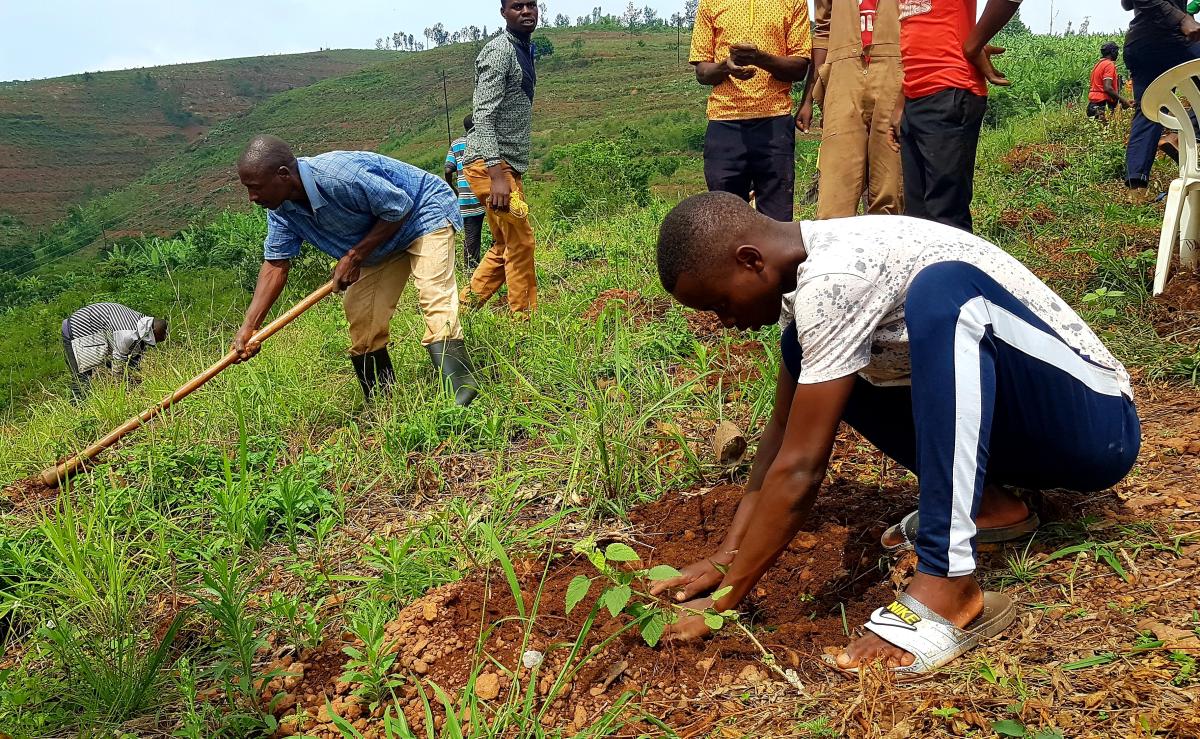
Development Smart Innovation through Research Agriculture (DeSIRA) Rwanda project
06/02/2026 2026 | COWATER
The Development Smart Innovation through Research Agriculture - Rwanda (DeSIRA) project was implemented to enhance the climate resilience of rural livelihoods in the Eastern Province and Kigali’s peri-urban areas. Funded by the European Union and the Belgian Federal Government, the project was managed by Enabel in partnership with the International Centre for Research in Agroforestry (ICRAF) and the Rwanda Forestry Authority (RFA), operating with a total budget of 4,000,000 EUR. The intervention addressed challenges such as land degradation and low agricultural productivity by promoting innovative agroforestry and efficient tree resource utilization. Its specific objective focused on improving the effectiveness of climate-smart agroforestry through research-proven practices. Key results included the development of evidence-based agroforestry technologies, the scaling of innovative extension services, and the strengthening of institutional capacities for sustainable resource management.The final evaluation was conducted to ensure accountability to stakeholders and to facilitate organizational learning for future programming. The analysis covered the project’s entire implementation period from February 2020 to the end of 2024, utilizing a methodology based on the six standard DAC criteria. While the evaluation addressed all dimensions, specific focus was placed on the criteria of effectiveness and sustainability to determine the long-term viability of the research-to-action model. The evaluation also integrated an in-depth analysis of partnerships and cross-cutting themes, specifically examining the project's impact on gender equality, youth inclusion, and climate change adaptation. The study also explored the institutionalization of capacity development within national agencies to safeguard the continuity of the project’s technical gains.
-
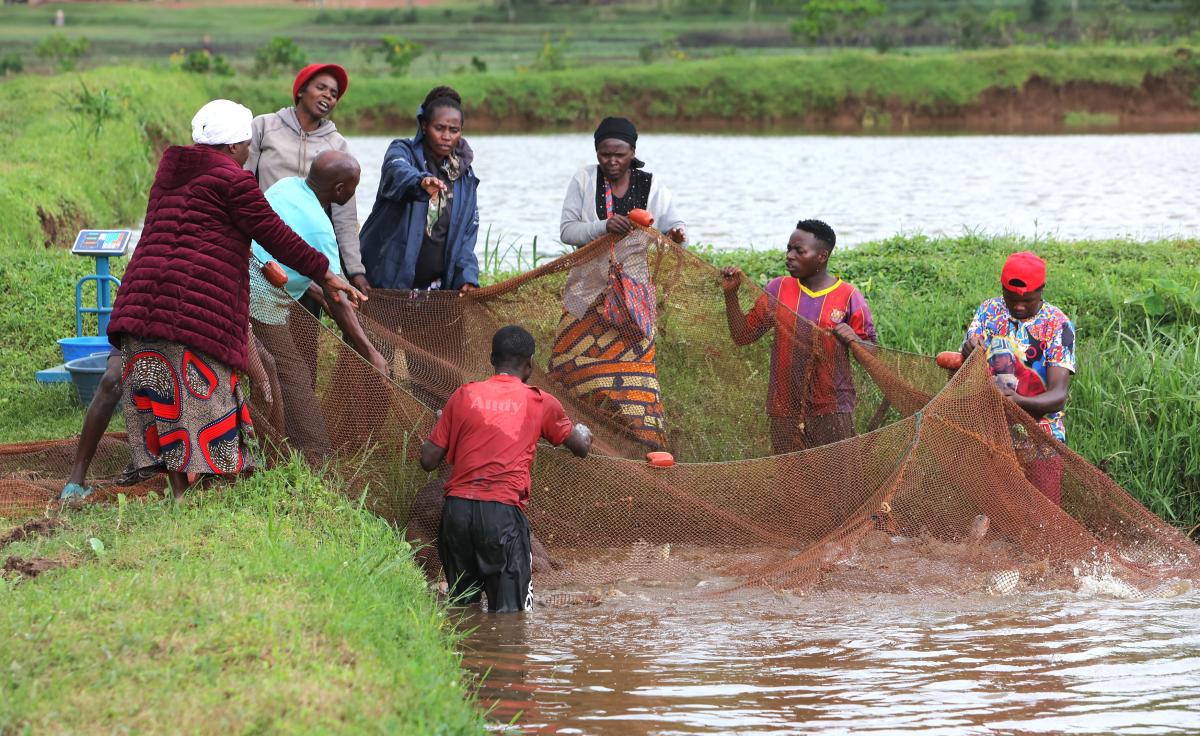
Transformation towards sustainable food systems project (KWIHAZA)
19/12/2025 2025 | Particip-technopolis
The "Transformation towards sustainable food systems" project, known by the acronym KWIHAZA, is funded by the European Union and the Government of Luxembourg. Implemented by Enabel in collaboration with Rwandan partners such as MINAGRI. The project operates with a total budget of €17.5 million. It addresses systemic agricultural challenges in Rwanda, including low productivity and limited financial access, specifically within the horticulture, aquaculture, and fisheries sectors. The project’s specific objective is to sustainably increase production, per capita consumption, and income generated by quality products in these value chains, with a focus on women and youth. This is pursued through three expected results: enhancing the capacities of smallholder organizations to improve quality and market access; strengthening SMEs and entrepreneurs to operate in a sustainable way; and building a conducive environment for inclusive value chain development. This mid-term evaluation was conducted for the purposes of both learning and accountability, covering the implementation period from January 2023 to June 2025. The analysis prioritized the DAC criteria of effectiveness, efficiency, coherence, and sustainability, while impact was excluded from the scope due to the early stage of implementation. In addition to these standard measures, the evaluation examined unintended effects and cross-cutting themes, specifically regarding the environment, gender, and inclusion. The review also analyzed the effectiveness of the project's multi-level partnership approach, which involves coordination between government agencies, research centers, and field actors.
-
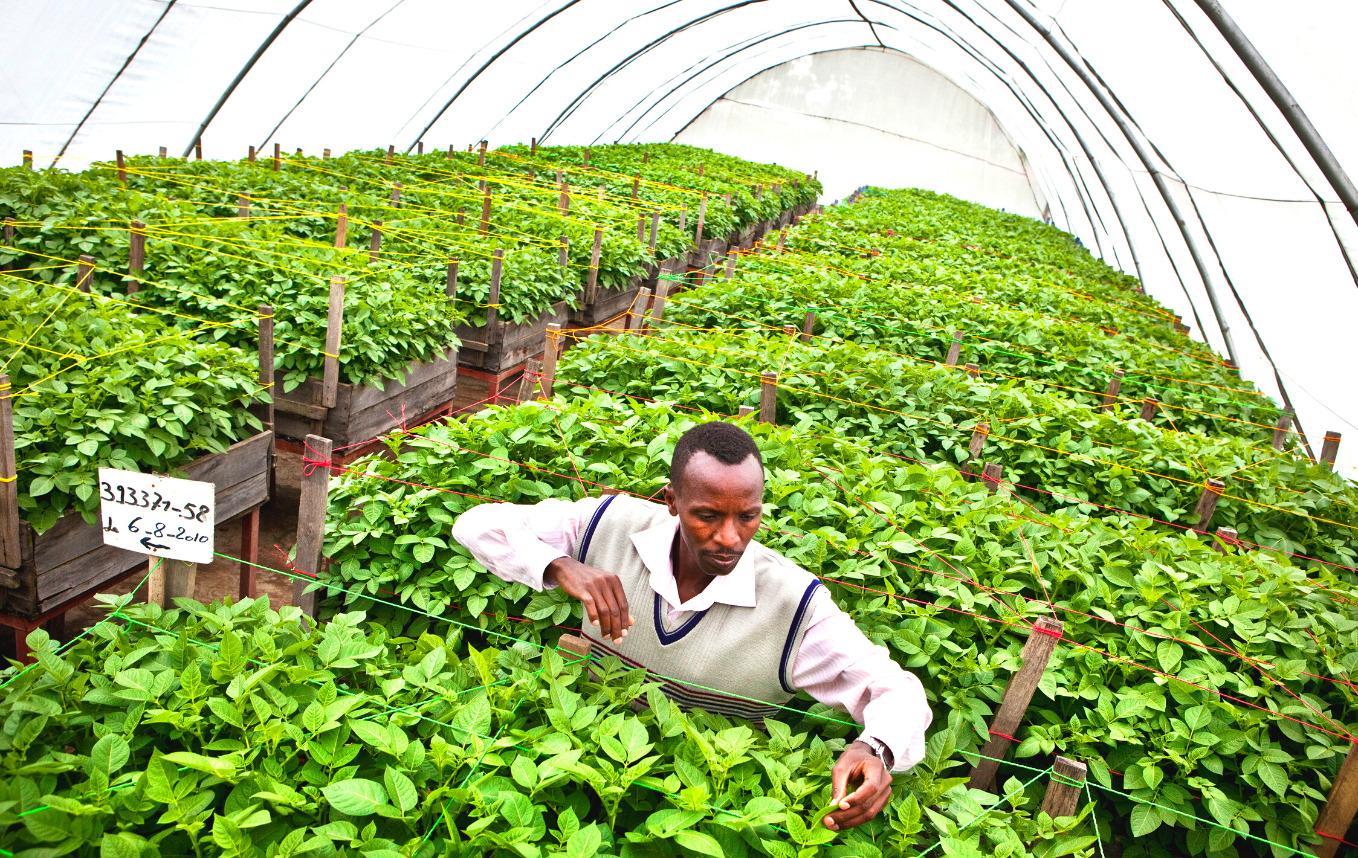
The 2019-2024 cooperation programme between Rwanda & Belgium
11/07/2024 2024 | Particip-technopolis
This Final Evaluation seeks to assess the implementation of the Belgian–Rwanda bilateral portfolio implemented by Enabel over the period 2019-2024, and the extent to which the results (output, outcomes) of its interventions have been reached. The analysis will cover the global portfolio level based on the performance of the 4 sectors of intervention (Health, Agriculture, Urban Development and Public Finance Management -PFM), cross-cutting issues (gender and private sector development – PSD), and cross-cutting activities (analytical work, policy dialogue). The additional interventions managed by Enabel in Rwanda over the 2018-2024 period1 are not directly concerned the review but they are taken into account when assessing the global coherence of the portfolio. The analysis focused mainly on a set of 7 evaluation questions (EQ) dealing with: i) programme performance; ii) the Rwanda-Belgium partnership; iii) the added value of complementary funding received by Enabel; iv) the unexpected effects of the portfolio; v) the way the strengthening of value chains in agriculture and urbanization contributed to job creation and job consolidation; vi) the way action research influenced health policy; and vii) the way gender integration was operationalized within the sexual and reproductive health program. The users of the evaluation include the various project teams, Enabel country management and headquarters, and the Rwandan Authorities. The work was divided in 3 phases: i) preparation, ii) data collection (including a 19-day mission in Rwanda), and iii) analysis, restitution and report drafting (Figure 2). The data collection phase included visits to a wide set of project and portfolio stakeholders (Enabel staff, project actors, Rwandan authorities, development partners). The in-country data collection mission involved visits to Bugesera, Gakenke, Gicumbi, Gisagara, Karongi, Musanze, Ngoma, Nyarugenge, Rubavu, Rwamagana, along with Kigali.
Rwanda RWA19003 RWA19004 RWA19005 RWA19007 RWA19006 RWA19009 RWA19008 RWA19011