Rechercher
Affichage de 990 à 1005 sur 3032 actualités
-
Journée nationale de l’arbre au Burkina Faso : 1300 plants mis en terre grâce à l’appui d’Enabel
Geoffroy ZONGO | 17/07/2024
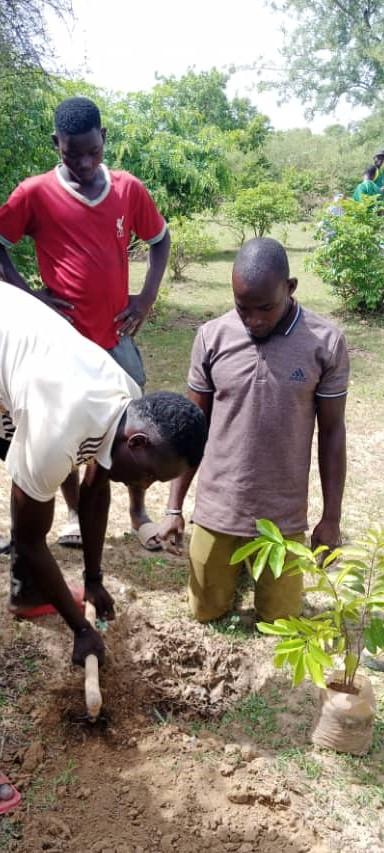
Enabel, à travers le Portefeuille Thématique Climat Sahel (PTCS) – volet Burkina Faso, a apporté un appui à la Direction Régionale de l'Environnement du Plateau Central pour la réalisation des activités de la Journée Nationale de l'Arbre (JNA). Le soutien d'Enabel s'est matérialisé par l'acquisition de 1300 plants et des rouleaux de grillage de protection, le tout estimé à 3 143 000 F CFA. Le Burkina Faso est confronté depuis plusieurs années à une déforestation et une dégradation croissante des forêts dues à un effet conjugué du changement climatique et de l'action anthropique. Cette situation occasionne une dégradation des conditions de vie des populations dont la survie dépend fortement des ressources naturelles, notamment forestières. Pour contribuer à freiner cette dégradation accumulée des ressources forestières, l'Etat burkinabè, avec l'appui de ses partenaires comme le Royaume de Belgique, a institué depuis 2018, la Journée Nationale de l'Arbre (JNA). Cette journée qui marque chaque année le début de la campagne de plantation d'arbre, vise à créer un engouement populaire pour le reverdissement du pays. La 6ème édition de la JNA s'est tenue le 22 juin 2024 sous le thème « arbre, capital de résilience pour un développement endogène » . La région du Plateau Central à l'instar des autres régions du Burkina Faso a organisé la JNA à Koassaga, un village situé dans la commune de Ziniaré. Les 1300 plantes offertes par Enabel à travers le PTCS – volet Burkina Faso sont composées d'espèces locales pourvoyeuses de Produits Forestiers Non Ligneux (PFNL) à savoir : Andansonia digitata, Tamarindus indica, Saba senegalensis, Lanea microcarpa, Parkia biglobosa. Les rouleaux de grillages offerts ont également servi pour la protection du site reboisé à travers une clôture. Pour cette campagne de reforestation 2024 qui a officiellement commencé le 22 juin, Enabel compte garder la dynamique de la campagne passée en fournissant des plantes et des grilles de protection pour la plantation d'arbres dans les forêts villageoises de Yakin (commune de Kando), de Kakim (commune de Meguet) et de Lougouma (commune de Boussouma). Par cette occasion, Enabel envisage d'appuyer la mise en terre d'au moins 3000 pieds d'espèces pourvoyeuses de PFNL.
-
Mali: Un pas vers un développement inclusif et durable avec l'élaboration de plans stratégique des communes
Nènè TRAORE | 16/07/2024
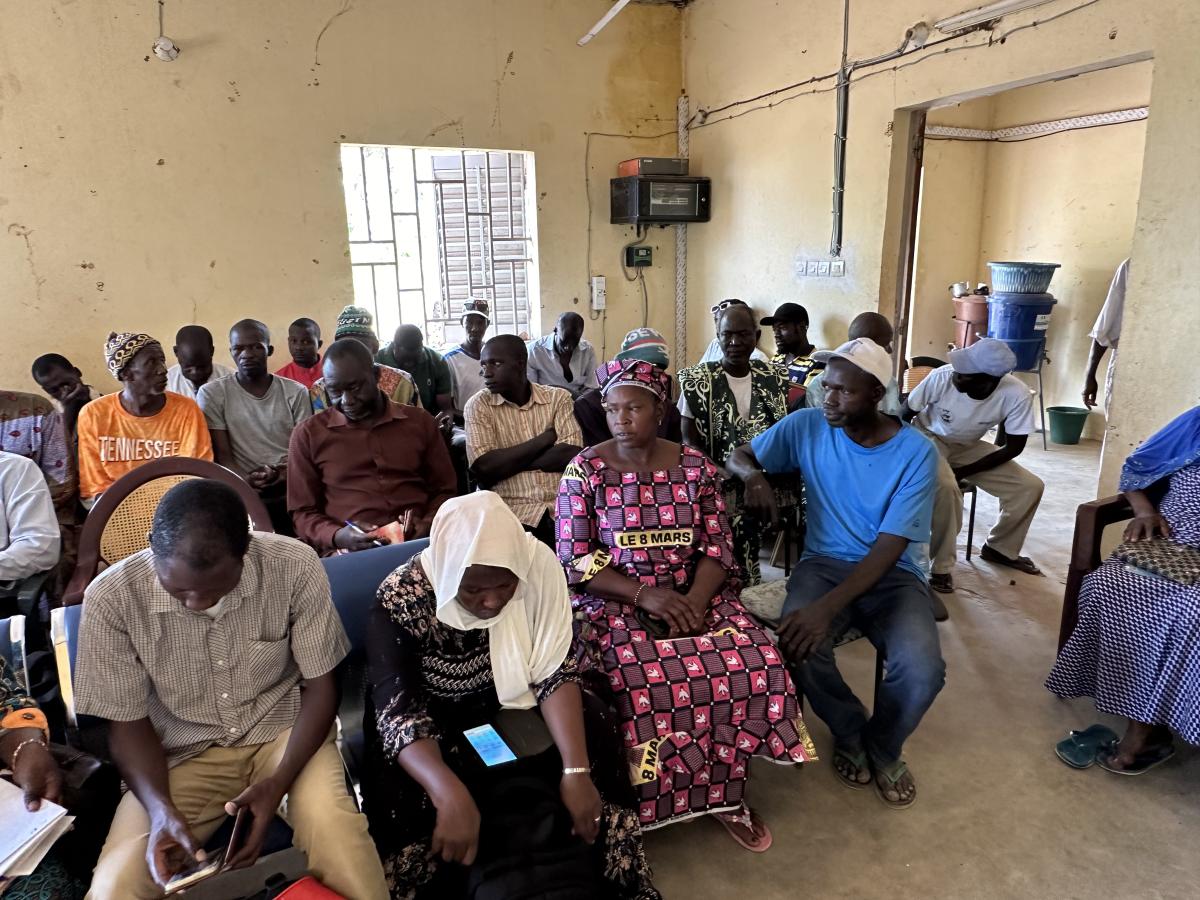
Dans le cadre de la mise en œuvre des activités du Projet « Portefeuille Thématique Climat Sahel (PTCS) », le Volet Mali, Enabel s’est engagé en collaboration avec l’Agence de Développement Régional (ADR) de Koulikoro, d’accompagner les communes d’intervention du PTCS dans l’élaboration de leurs nouveaux Plans de Développement Social, Économique et Culturel (PDESC).Depuis plusieurs années, les besoins des communes ont évolué et les PDESC n’ont pas suivi cette évolution. Il s’avérait donc nécessaire de prendre en compte les sujets de préoccupations actuels des communautés pour ensuite les adapter à la situation actuelle. Le PDESC est un outil stratégique de planification participative qui permet aux communes de définir leurs priorités en matière de développement économique, social et culturel. Cependant, quatre ateliers de restitution et de validation qui étaient précédés par les étapes de lancements ; de formations des acteurs/ actrices et les membres des comités de pilotage sur le processus d’élaboration du PDESC et les outils de collectes de données ; les diagnostics participatifs et technique dans les villages ; la tenue des ateliers des Journées de Concertation et de Consultation Intercommunautaire ( JCCI) et de Planification / Programmation du plan d’investissement pluriannuel ; ont eu lieu dans les communes de Méguétan, Sirakorola, Doumba et Koula pour présenter les résultats du diagnostic, les orientations stratégiques et les actions prévues pour les années à venir auprès des autorités administratives et villageoises. Ces différents ateliers de restitution et de validation des Plans de Développement Social, Économique et Culturel (PDESC) des communes d’intervention du projet climat au Mali ont pour objectif principal de partager le bilan des anciens PDESC (2018-2022) des communes avec les acteurs de développement ; recueillir les observations pour améliorer et enrichir les documents et valider les actions retenues des nouveaux plans quinquennaux. Ces actions doivent recenser les besoins, et identifier les mesures d’adaptation du changement climatique en vue de renforcer la résilience des communautés locales face aux effets du changement climatique. Ces événements ont souligné l'importance de l'intégration des considérations climatiques dans les stratégies de développement locales afin de renforcer la résilience des communautés face aux impacts du changement climatique. Ces restitutions publiques des PDESC des communes d’intervention sont bien plus que des formalités administratives. C’est un moment clé de participation citoyenne, de transparence et de mobilisation collective. En informant et en impliquant les citoyens, les autorités locales jettent les bases d’un développement harmonieux et inclusif, où chaque membre de la communauté a sa place et peut contribuer à la construction d’un avenir meilleur. À l'issue des discussions, les participants ont validé les PDESC en tenant compte des ajustements et des recommandations formulées. Un consensus a été atteint sur les actions prioritaires à mettre en œuvre avant que les conseils communaux se réunissent pour une première validation et les renvoient aux autorités administratives pour approbation.
-
Closure of Northern Uganda support programme marks new beginnings for youth and refugees
Jovia KAVULU | 12/07/2024
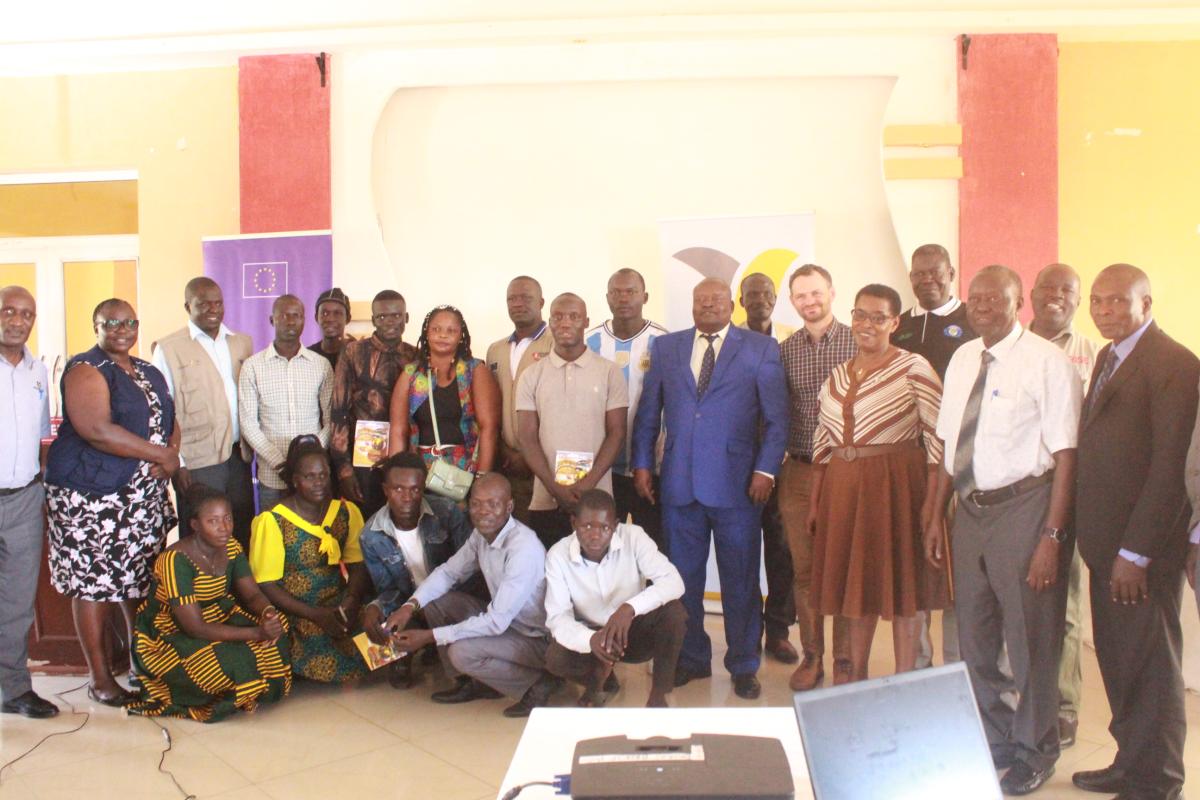
4th July-2024 -The closure event of the Support Programme for Refugee Settlements and Host Communities in Northern Uganda (SPRS-NU) was held in Arua city. The occasion marked the conclusion of a successful programme implemented by Enabel, and the announcement of a new initiative aimed at promoting green and decent jobs.Tom Vanneste, the Country Director of Enabel, shared insights into the programme extension that has been running from December 2022 to November 2023. "The programme set out to skill youth, refugees, and host communities in Northern Uganda. 73% of the trainees are now self-employed," Vanneste said. He highlighted the impact of the project on women, emphasizing their newfound financial independence. "I spoke to one of the female beneficiaries who is proud to be earning her own money," he added. Vanneste also announced a new project by Enabel, which will also be funded by the European Union and will target more youth in the region. "Although we are closing this project, we are also opening a new one that will target more youth in the region," he said. The project will run for four years and will focus on the youth that have already been skilled in the previous project.The Enabel project manager Charles Okot, expressed optimism about the new project. "With the new WeWork project, more youth will be reached, and we shall hit a higher target," he said.Richard Sabiti, a catering graduate from the project, shared his success story. After dropping out of school due to financial constraints, he got a second chance through a catering training and was retained by Le tsuba Hotel in Arua after his internship.The Deputy Head of the European Union Delegation to Uganda, Mr Guillaume Chartrain stated, "Today is not the end but a step towards the new project that is coming to the region." He highlighted the European Union's support for refugees and host communities and praised the project as a good example of livelihood programs.The event featured an exhibition where beneficiaries displayed their products, including soaps, jellies, craft materials, bags and clothes, among others. The EU representative encouraged participants to support the beneficiaries by purchasing their products.30% of the current refugee population in Uganda are youth, meaning that focusing on the refugee youths is key. The government of Uganda has an open door policy, permitting refugees to settle and work in Uganda.The deputy Resident City Commissioner of Arua, Charles Ichogor praised the project's success and urged development partners to continue with similar programmes. "This project is one of its kind because we have success stories live on the ground," he said.The new WeWork project aims to support private sector development, create more opportunities for youth, leverage innovation and technology, and foster sustainable business growth. The project is set to benefit the regions of Kampala, Busoga, Rwenzori/Albertine and West Nile.
-
Burundi : Recyclage innovant des déchets papier en papier hygénique pour un impact écologique réduit !
Jonas Eric UWIZERA | 11/07/2024
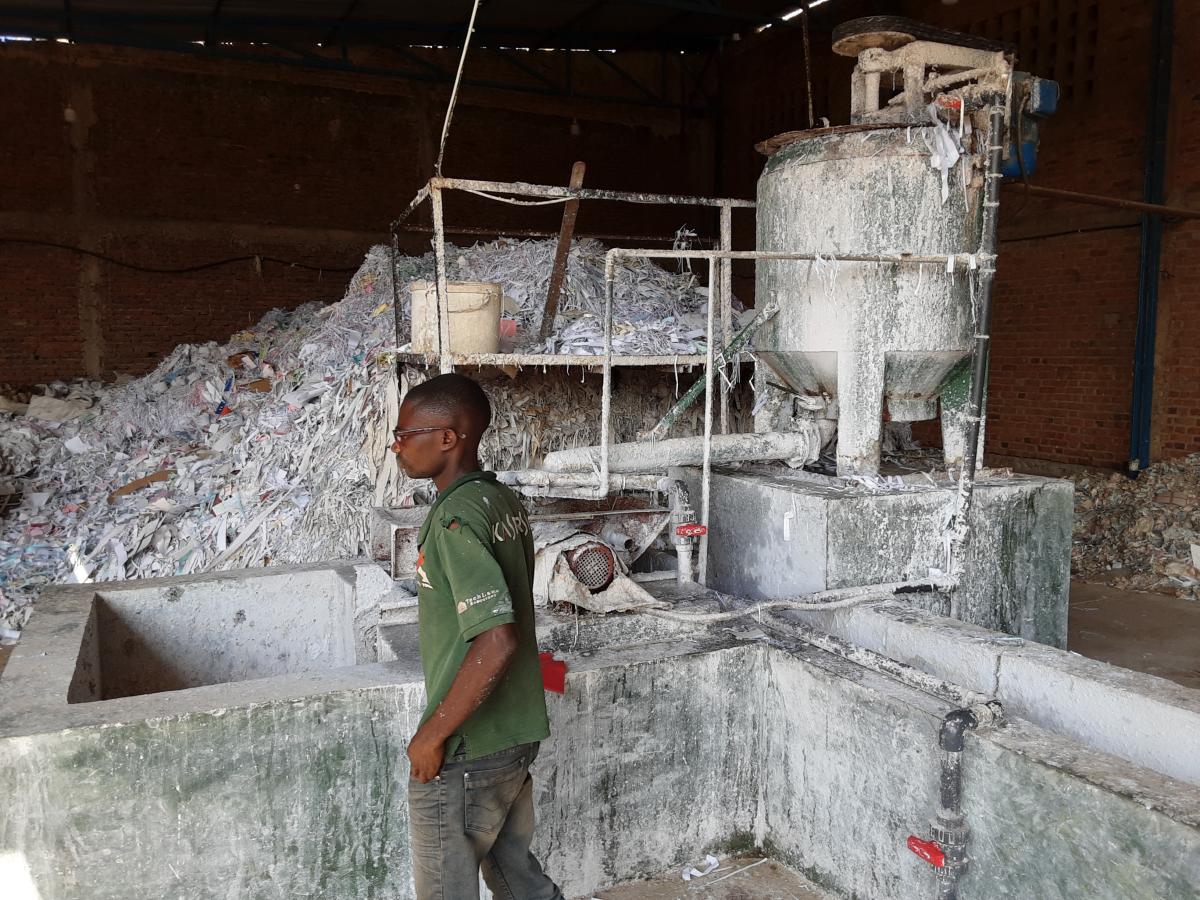
La réduction de l’empreinte carbone d’Enabel au Burundi ne se limite pas aux actions réalisées pour autonomiser son bâtiment à l’aide de l’énergie solaire et réduire sa consommation de carburant par l’adoption de voitures électriques. Nous allons plus loin et nous attaquons à la gestion de nos déchets de bureaux, dont les déchets papiers. La démarche de gestion des déchets papiers porte sur un partenariat établi entre Enabel au Burundi et RAMA FACTORY, une société locale qui transforme le papier usagé en papier hygiénique, réduisant ainsi l'empreinte carbone de notre organisation. Désormais, au lieu de brûler les déchets papiers produits par les usages de bureaux, l’entreprise les récupère et les transforme en papiers hygiéniques vendus sur le marché local. Ceci découle de l’engagement d’Enabel envers la durabilité environnementale et son aspiration pour un monde plus vert inscrit dans son agenda 2030. Parallèlement, Enabel au Burundi sensibilise continuellement son personnel à la gestion responsable des déchets organiques, plastiques et papiers. Cette approche vise à réduire la quantité de déchets envoyés dans les décharges et à encourager des pratiques plus respectueuses de l'environnement. L’initiative n’est pas que symbolique : elle est pratique et reproductible ! Enabel démontre qu'en établissant des partenariats stratégiques avec le secteur privé et en conscientisant son personnel, une organisation peut réduire efficacement son impact environnemental.L’initiative prouve que même dans un contexte où les défis environnementaux semblent insurmontables, des mesures tangibles et réalisables peuvent être prises pour inverser la tendance et que de grands pas vers un avenir plus propre, plus sain et plus durable partent toujours de petits pas réalisés avec engagement et détermination.
-
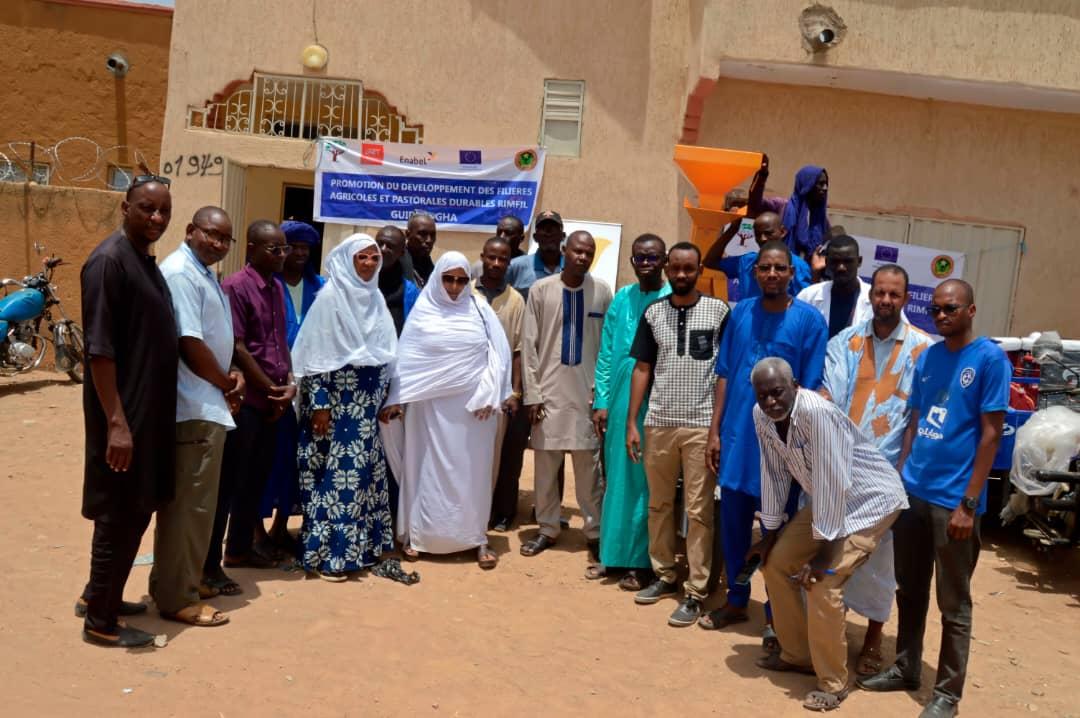
En Mauritanie, illustration des contributions du programme RIMFIL au Hodh El Garbi et Guidimakha
Aminata KANE | 09/07/2024
Distribution de matériel subventionné pour le développement agropastoral En Mauritanie, les populations inscrites dans le cadre du programme RIMFIL (Promotion du développement des filières agropastorales durables) ont bénéficié d’équipements subventionnés grâce à un financement de l’Union européenne et au travers de la mise en œuvre par Enabel. Le Hodh el Gharbi est une des 13 régions administratives (ou wilayas) située dans le sud du pays, à la frontière avec le Mali, dont la capitale régionale est Aïoun El Atrouss. La subvention a été accordée à 43 acteurs des filières lait, maraîchage et agriculture de décrue. Ces bénéficiaires recevront également des crédits de la mutuelle Djikkké pour soutenir le démarrage de leurs activités. La cérémonie de remise des équipements a eu lieu à Aïoun, sous la supervision du Wali (gouverneur) adjoint du Hodh el Garbi, en présence de nombreuses autorités locales et des communautés concernées. Lors de son discours, le Wali adjoint a souligné l'importance des actions du programme RIMFIL, particulièrement cette action de remise d’équipements subventionnés, en lien avec les orientations nationales visant à renforcer la sécurité alimentaire. Il a également salué le soutien de l'Union européenne et de la coopération mauritano-belge, tout en exhortant les bénéficiaires à utiliser les équipements de manière optimale pour améliorer la production agropastorale. Les équipements fournis, incluant congélateurs, grillages de protection, systèmes d’irrigation, moulins à grain, panneaux solaires et batteries, ont été choisis en fonction des besoins exprimés par les agriculteurs et éleveurs locaux. Ces équipements visent à améliorer la production, la conservation, la transformation et la commercialisation des produits. Le représentant des 43 groupements bénéficiaires a exprimé sa gratitude envers le programme RIMFIL et ses équipes, mettant en avant l’accompagnement constant et les conseils prodigués tout au long du projet. La délégation a visité les différents sites d’expositions des équipements, avec des explications sur les choix des matériels et les résultats attendus.Le Guidimakha est également une région administrative (ou wilayas) située à l'extrême sud du pays. Sa capitale est Sélibabi. Une cérémonie de remise de divers équipements aux promoteurs ayant bénéficié de subventions adossées au crédit au Guidimakha s'est également déroulée. Les équipements comprenaient des motoculteurs pour les producteurs céréaliers, de moulins pour les transformateurs, de broyeuses pour les producteurs fourragers et des tricycles pour les vendeurs de lait. "J'ose espérer qu'avec l'acquisition de ces équipements, du matériel et du crédit (pour financer le fonds de roulement), les promoteurs dans les trois filières vont améliorer leur productivité et leur production céréalière, laitière, maraîchère et fourragère en quantité et en qualité" (Coordinateur national Mr Ousseinou Traoré).Ces deux initiatives de distribution d’équipements subventionnés représentent une étape clé dans le développement des filières agropastorales durables et contribuent aux efforts pour assurer l’autosuffisance alimentaire dans les régions d'actions d'Enabel.
-
Communiqué de presse : Enabel accompagne le Port de Cotonou pour une bonne maîtrise des normes écologiques et environnementales
Reece-hermine ADANWENON | 04/07/2024
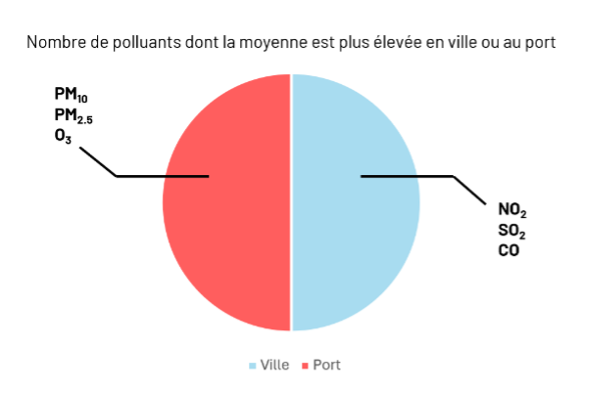
Le port de Cotonou s’est engagé dans une dynamique d’assurer un environnement sain, la santé et la sécurité au travail pour la durabilité de ses activités.Ainsi, dans le cadre du programme PASPort, l’Agence Belge de Développement, Enabel, a initié en 2023, en accord avec le Port Autonome de Cotonou (PAC), un projet intitulé « Portu ‘ AIR ». Il vise la mise en place d’un système permanent de mesure de la qualité de l’air dans l’enceinte portuaire et au-delà ainsi que l’identification des recommandations en vue d’améliorer la qualité de l’air dans le domaine portuaire et ses environs. La première campagne annuelle de mesure permanente de la qualité de l’air au niveau du PAC dudit projet a été lancée en mars 2023 par l’organisme d’échantillonnage belge AIRSCAN, associé à son partenaire local ECO BENIN; et elle se poursuit encore. Comme toute activité économique, l’activité portuaire induit des rejets de polluants et gaz à effet de serre, et c’est un défi important que de se donner les moyens d’une part de connaître en temps réel et au quotidien l’évolution des principaux paramètres de la qualité de l’air et d’autre part d’envisager et de mettre en place des mesures de réduction de ces émissions de gaz en vue d’améliorer la qualité de l’air. Par ailleurs, en plus de l’obtention de la triple certification ISO (9001, 14001, 45001), grâce à l’appui du projet PASPort, le Port Autonome de Cotonou a obtenu une nouvelle certification environnementale portuaire, ECOPORT SLC le 25 septembre 2023. De ce fait, le PAC se devait de mettre en place un système de mesure et de suivi des principaux paramètres impactant l’environnement immédiat du Port et au-delà : à savoir la qualité de l’air, de l’eau, la gestion des déchets portuaires, le bruit, la gestion des boues de dragage, etc.Il faut signaler que le projet « Portu’AIR » couvre aussi le cadre de la convention MARPOL organisé par l'OMI, visant à prévenir la pollution due aux navires. Les objectifs du projet permettent de s'aligner sur les amendements mis à jour par la convention en mettant en œuvre un système de suivi permanent de la qualité d'air au sein du port. Raison pour laquelle ce nouveau système concernant le suivi de la qualité de l’air a été mis en place. Le réseau de surveillance est composé de 17 capteurs de la marque KUNAK qui mesurent en continu les polluants atmosphériques suivants : • Les particules fines (PM1-2.5-10) • Le monoxyde de carbone • Le dioxyde de soufre • Le dioxyde d'azote • L'ozone.En complément, un réseau de sept jauges OWEN mesure chaque mois le niveau et l’évolution des éléments suivants : • Les HAP (Hydrocarbures Aromatiques Polycycliques) • Les métaux lourds.Les origines de ces polluants sont variées, elles peuvent provenir des émissions anthropogènes ainsi que des sources naturelles. Plus spécifiquement, le projet a comme objectif de mesurer l'impact des diverses activités portuaires dont le trafic interne, le passage de navires ainsi que l’impact de la manutention de cargaisons sur l'atmosphère. Une première analyse a été effectuée sur les données des trois premiers mois de mesure pour illustrer l'état actuel des différents polluants atmosphériques. Les valeurs sont comparées avec des seuils existants dans la législation béninoise (ou des seuils fixés par l'OMS par des cibles à la place si ceux-ci n'existent pas dans la législation). Cette analyse initiale se résume comme suit : • Les deux polluants à suivre de près sont les PM10 et SO2 - les moyennes sur les trois mois dépassent les seuils fixés par la législation • Tous les autres polluants mesurés : les particules fines, l’ozone, le dioxyde d’azote et le monoxyde de carbone se situent en dessous des normes nationales • Les précurseurs d'ozone sont majoritairement émis par le port, avec des pics provenant surtout du côté de la ligne de rivageo Les polluants tels que le monoxyde de carbone, le dioxyde de soufre et le dioxyde d'azote sont tout autant présents à l'extérieur du port (la ville de Cotonou) qu'à l'intérieur du port • La quantité de matière particulaire fine générée par le port correspond aux quantités mesurées dans la ville, émises par la pollution domestique • Les analyses des retombées atmosphériques ont souligné la présence de métaux lourds tels que : le chrome, arsenic, cadmium, nickel, plomb seulement sous forme insoluble, qui sont moins néfastes pour la santé que les métaux lourds solubles.La campagne annuelle a été divisée en deux phases ou périodes : une première période de 3 mois qui a pris fin au début de l’année 2024 et une seconde période de 9 mois qui a été initiée début juin 2024 et s’achèvera donc lors du premier trimestre 2025.La première phase du projet PASPort a été réalisée sur financement de la Belgique qui a permis la prise en charge et l’installation du réseau de capteurs et de jauges. La seconde phase amorcée en ce mois de juin 2024 sous la direction d’Enabel sera sur financement de l’Union européenne au Bénin. Il est envisagé, dans le cadre de ce nouveau projet, de pouvoir financer l’acquisition de nouveaux capteurs et jauges complémentaires du fait de l’agrandissement en cours de l’enceinte portuaire. Quelques chiffres significatifsLe suivi de ces polluants continue avec le but de valider si les tendances observées se confirment sur le long terme pour ensuite déterminer les sources principales des différents polluants. Des mesures seront ensuite proposées pour réduire leurs concentrations. Ce plan d’action sera développé en collaboration avec les acteurs du Port de Cotonou et le département de l’environnement du Port Autonome de Cotonou. Par exemple, une modernisation des infrastructures portuaires par installation de systèmes de capture des émissions ou une promotion des carburants propres à faible teneur en soufre peuvent aboutir à une meilleure qualité de l'air. Les données collectées permettront également de valider le respect de la réglementation en adoptant des normes nationales de la qualité de l'air qui sont mises à jour par rapport à des lignes directrices scientifiques récentes. Les parties prenantes du projet « Portu’AIR », Enabel, Ecobenin, Airscan et le Port Autonome de Cotonou dans la même synergie, contribuent à la transition vers un environnement plus sain et plus durable en cohabitation harmonieuse avec les citoyens de Cotonou.
-
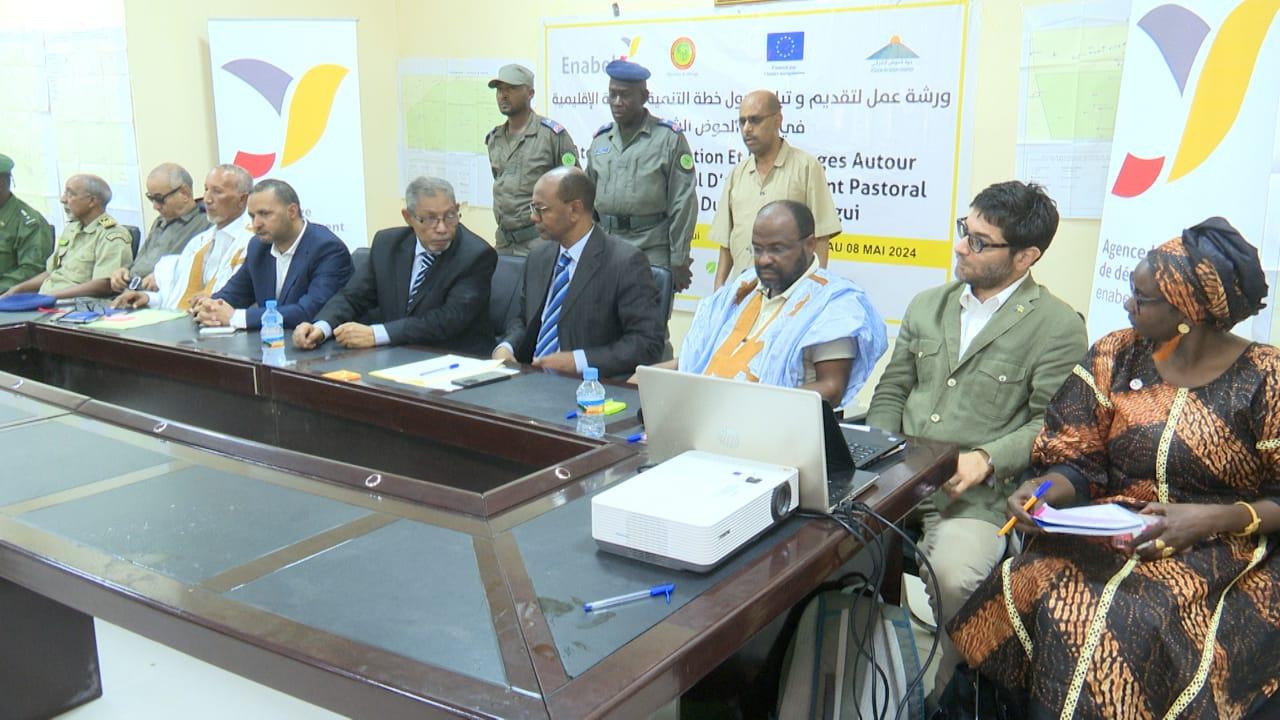
Atelier de restitution du Schéma d'Aménagement Pastoral (SAP) du Hodh Chargui
Aminata KANE | 04/07/2024
Les 7 et 8 mai derniers, Néma, siège du Conseil Régional du Hodh Chargui, a accueilli un atelier de restitution du Schéma d’Aménagement Pastoral (SAP). Cet événement, organisé en collaboration avec des acteurs institutionnels, des professionnels, des experts techniques et des partenaires, visait à partager les résultats du SAP et à discuter de son utilisation future comme outil de planification régional. Le SAP est reconnu pour sa capacité à sécuriser le foncier pastoral et à servir de modèle pour d’autres wilayas en Mauritanie.Les participants comprenaient des organisations pastorales et agricoles, des ONG, des autorités de tutelle, la cellule de coordination HEC, des partenaires au développement, ainsi que divers projets et programmes impliqués dans le HEC. Les experts du bureau d’études CA17, notamment Kamil, Diop, et Jamal, accompagnés du coordinateur du GNAP, Aliou Kane, ont présenté le processus et les résultats finaux du SAP. Leur présentation, appuyée par l’équipe d’Enabel, a été largement saluée.Les participants ont exprimé leur satisfaction quant à l’organisation et à la qualité des discussions, remerciant la coordination régionale d’Enabel pour son soutien logistique et financier.Le Schéma d’Aménagement Pastoral (SAP)Le SAP s'inscrit dans une démarche visant à renforcer les capacités de programmation et de coordination du MDR (MA et ME) et des instances régionales décentralisées. Il intègre les connaissances locales et pratiques traditionnelles, valorisant les savoirs ancestraux pour une gestion adaptée des écosystèmes. Le SAP rassemble une diversité d'acteurs, incluant les gestionnaires de ressources et les communautés locales, autour d’un processus de planification participative.L’objectif est de responsabiliser les collectivités locales en les considérant comme des acteurs clés dans la gestion durable des ressources naturelles. Le SAP se veut un outil stratégique aligné sur les politiques de décentralisation et d'aménagement du territoire, facilitant une gestion concertée des espaces pastoraux.Exploitation optimale et durable des potentialités de la région du Hodh CharguiLa région du Hodh Chargui présente un potentiel significatif pour le pastoralisme, avec des ressources naturelles abondantes et des infrastructures telles que des puits et des marchés à bétail. La mobilité pastorale, caractéristique de la région, offre des opportunités pour une gestion durable des itinéraires de transhumance. Le potentiel de commercialisation du bétail, avec des infrastructures de marché améliorées, est crucial pour le développement économique local. Un cadre institutionnel et juridique solide est nécessaire pour soutenir ces initiatives.Stratégie intégrée pour le développement de l'élevage pastoralAmélioration des infrastructures et capacités techniques : Investissements dans les infrastructures pour l’élevage pastoral, tels que les systèmes mobiles d'alimentation en eau et les équipements vétérinaires, accompagnés de formations pour moderniser les pratiques de gestion du bétail et de transformation des produits.Optimisation de la mobilité pastorale et commercialisation : Stratégies pour une mobilité durable et le renforcement des chaînes de commercialisation des produits pastoraux, incluant une amélioration des infrastructures de marché et des liens avec l'industrie agroalimentaire.Soutien à la production locale : Promotion de la production locale face à la concurrence des importations, avec des certifications de qualité, le développement de marques locales, et des initiatives marketing valorisant les produits pastoraux.Gestion durable des ressources et santé animale : Adoption de pratiques d'élevage écologiquement durables, intégration de techniques agroécologiques pour l'alimentation du bétail, et amélioration des pratiques de santé animale pour réduire la dépendance aux médicaments.Situation d’urgenceL’intégration d’un projet de développement dédié aux populations déplacées du Mali et des populations hôtes avec le SAP présente une opportunité stratégique de renforcer durablement les moyens de subsistance des communautés agropastorales tout en adressant de manière holistique les défis environnementaux, sociaux et économiques.
-
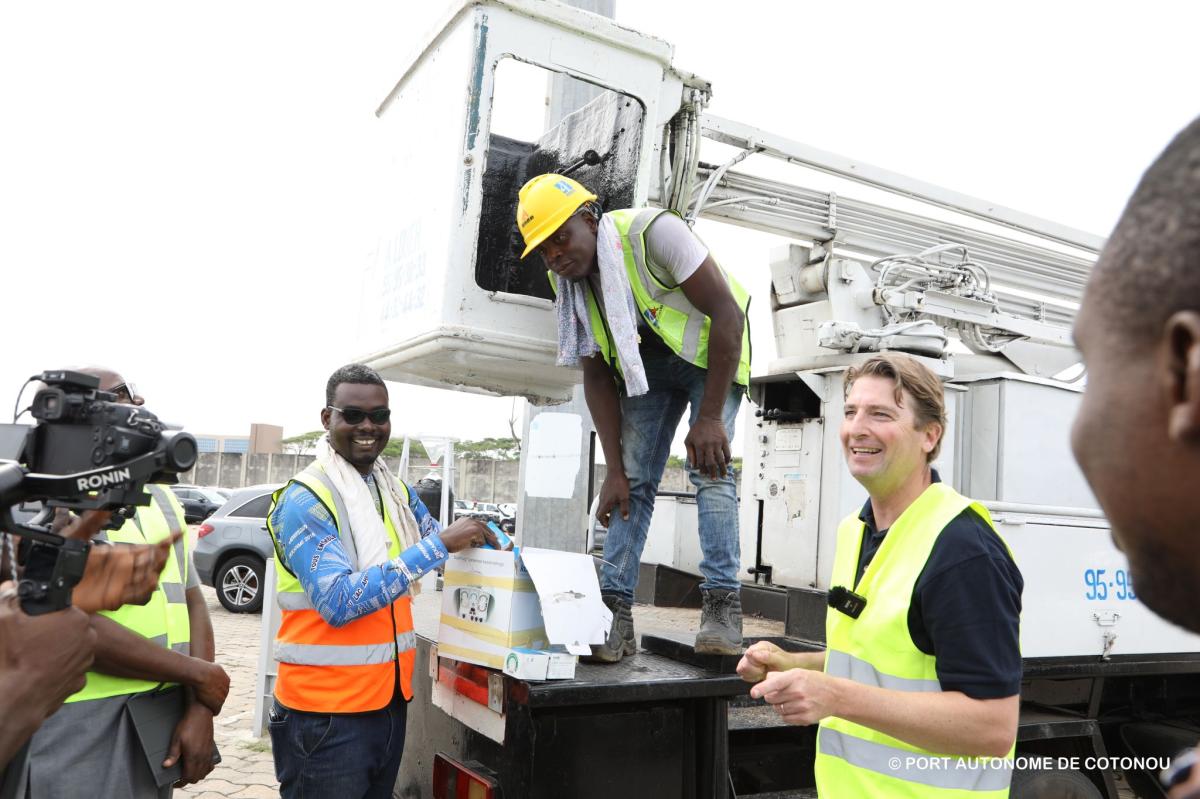
Port de Cotonou : pionnier de l'écologie et de la santé environnementale en Afrique
Reece-hermine ADANWENON | 04/07/2024
Le port de Cotonou se soucie de la qualité de l'air que respirent ses agents et usagers, ainsi que celle de toute la ville de Cotonou. C'est pourquoi il a mis en place un dispositif de mesure et d'analyse de la qualité de l'air dans l'enceinte portuaire et ses environs, et même au-delà. Cette campagne de trois mois, menée en collaboration avec Airscan et Eco Bénin avec la contribution d'Enabel, vise à détecter les principaux polluants et à agir sur les facteurs nocifs pour rendre l'environnement portuaire plus sain et durable. Grâce à 17 capteurs et sept jauges Owen installés sur la plateforme portuaire et ses environs, le port mesure une série de gaz, tels que le monoxyde de carbone, le dioxyde de soufre, l'ozone et le dioxyde d'azote. Les données collectées sont analysées en laboratoire pour déterminer les niveaux de pollution et prendre les mesures nécessaires pour réduire leur impact sur la santé et l'environnement.La campagne de mesure de la qualité de l'air s'inscrit dans la durée et se poursuivra sur les neuf prochains mois avec Airscan. À terme, le port prendra le relais pour les analyses et la maîtrise des polluants, afin de maintenir un niveau de pollution aussi faible que possible.Le port de Cotonou a obtenu la certification EcoPort et s'engage à respecter les normes environnementales les plus strictes.Le projet bénéficie du soutien d'Enabel, l'agence belge de développement, dans le cadre des projets ProPort et Pasport 2, financés par l'Union européenne et la Belgique. M. Hervé Corbel, responsable de ces projets, suit de près leur mise en œuvre et souligne l'importance de la prise en compte de la problématique environnementale dans le secteur portuaire. L'objectif est de travailler avec le port à la maîtrise de toutes ses normes environnementales, qu'il s'agisse de l'air, de l'eau ou du bruit. Le port de Cotonou relève le défi de concilier écologie, environnement et santé dans un port en pleins travaux d'extension pour une modernisation futuriste et à grande échelle. Son ambition est de devenir un port durable de référence en Afrique. Le respect des normes environnementales est une priorité pour le port de Cotonou, qui s'engage à offrir un environnement de travail sain et durable à ses agents et usagers, ainsi qu'à la communauté locale. Grâce à cette campagne de mesure de la qualité de l'air, le port s'assure de respecter les normes environnementales les plus strictes et de contribuer à la protection de la santé et de l'environnement.
-
Burkina Faso : Mise en œuvre du Projet Projet d’appui à la résilience dans le Centre-Est et à Fada
Geoffroy ZONGO | 03/07/2024
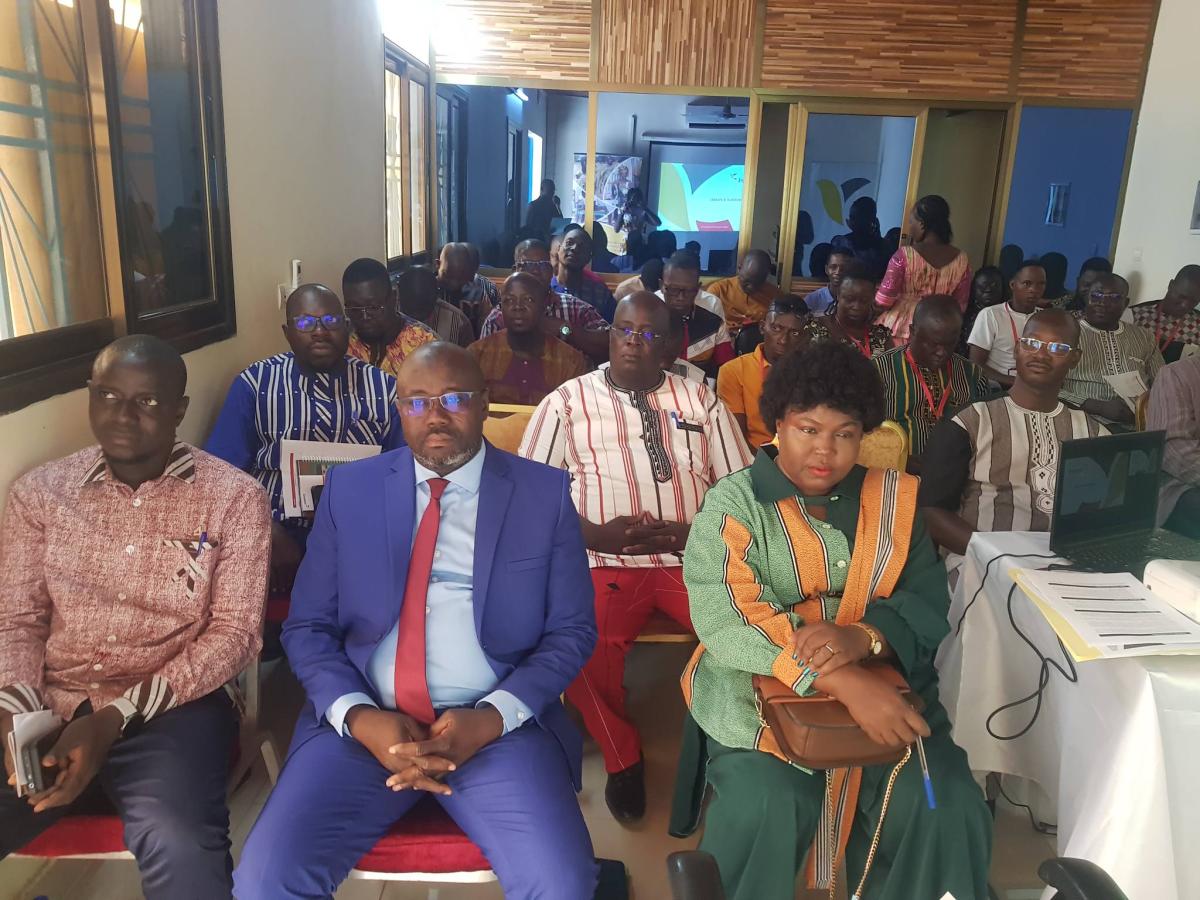
Les autorités de la province du Kourittenga prêtes à accompagner Enabel L’équipe d’Enabel au Burkina Faso basée à Koupéla a reçu la visite des Corps Constitués de la Province du Kourittenga le jeudi 27 juin 2024. Le Project Manager (PM) du Projet d’appui à la résilience dans le Centre-Est et à Fada (RESIL-KOUP), Adama KABORE et l’ensemble du personnel d’Enabel déployé dans la zone d’intervention de Koupéla ont réservé un accueil chaleureux à la délégation conduite par Madame le Haut-Commissaire de ladite province, Aissata Angelina Traoré.Au nom de Danny DENOLF, Directeur Pays d’Enabel au Burkina Faso, Adama KABORE a souhaité la bienvenue à cette forte délégation composée de plus de 25 membres, dont la plupart sont les directeurs provinciaux des services techniques étatiques. Il les a remerciés pour leur présence et leur disponibilité manifestes pour Enabel depuis qu’elle est présente dans la région du Centre-Est et surtout dans la province du Kourittenga. Il a saisi cette aubaine pour leur présenter le programme de coopération bilatérale entre le Burkina Faso et le Royaume de Belgique 2023-2027, d’un coût global de 34.5 millions Euros (22,5975 milliards de FCFA) et qui sera mis en œuvre dans 20 communes des régions du Centre-Est, du Centre-Nord et du Plateau Central, outre la ville de Fada N’Gourma. Les autorités de la province ont également eu droit à une présentation sur la politique d’intégrité d’Enabel (lutte contre la corruption et la fraude), sur les approches (l’approche territoriale intégrée - ATI) et les valeurs qui guident la mise en œuvre opérationnelle du Portefeuille bilatéral.Suite aux différentes présentations, des échanges directs ont eu lieu entre les experts d’Enabel chargés de la réalisation des activités du programme et les différents directeurs provinciaux. La plupart des intervenants ont positivement apprécié l’approche d’Enabel et sa contribution à un développement inclusif, équitable et durable de ses zones d’intervention et ce, depuis le précédent Portefeuille 2019-2023. Ils ont également soumis des doléances, chacun dans le domaine qui le concerne. Des doléances dont Enabel, par la voix du Project Manager/RESIL-KOUP, dit avoir pris bonne note, tout en les rassurant que celles-ci seront analysées avec la plus grande attention et ce, à l’aune du champ d’action du Portefeuille et de la disponibilité des ressources. Adama KABORE a néanmoins précisé que d’ores et déjà, certaines de ces doléances sont déjà prises en compte dans ce Portefeuille. « Nous avons un programme qui s’aligne sur les priorités de développement du Burkina Faso. C’est pourquoi la pleine adhésion et l’accompagnement de toutes les autorités est nécessaire. Étant donné que cette visite de l’ensemble des corps constitués du Kourittenga, a lieu sur initiative de Madame le Haut-Commissaire, nous voyons par là une affirmation d’un engagement et d’une disponibilité à nous accompagner pour la réussite du programme », se réjouit Adama KABORE. Madame le Haut-Commissaire du Kourittenga s’est voulue rassurante quant à l’engagement à accompagner la mise en oeuvre du Portefeuille bilatéral. « Je suis venue apporter le soutien de toutes les autorités nationales et régionales et surtout leur dire que nous les autorités au niveau locale avec les directeurs provinciaux et tous les corps constitués, nous sommes engagés pour les accompagner (…). Enabel peut bel et bien compter sur nous. Nous sommes là, engagés. A l’image du Président du Faso qui a donné la ligne de conduite en matière d’implication et d’engagement pour le développement, je voudrais rassurer Enabel que nous sommes vraiment disponibles avec tous les acteurs au niveau local pour les accompagner en vue de la réussite de ce portefeuille bilatéral », foi de Aissata Angelina Traoré, Haut-Commissaire de la province du Kourittenga. Les Corps Constitués du Kourittenga ont pris congé de leurs hôtes après une visite guidée des locaux d’Enabel à Koupéla.
-
Burkina Faso : une foire aux financements au profit de 60 Sociétés de Cautionnement Mutuel
Kimsegninga SAVADOGO | 01/07/2024
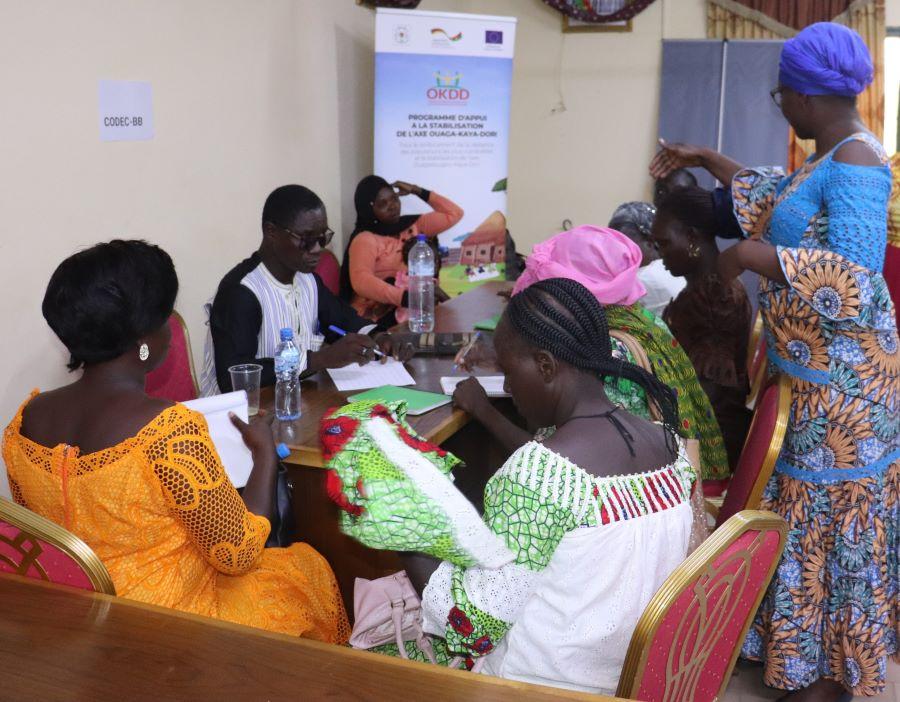
Le Projet de renforcement de l´accès aux marchés et crédits dans le Centre-Nord (PRAMAC) a organisé le 12 juin 2024 au sein de la Chambre Régionale d’Agriculture (CRA) de Kaya, une foire régionale aux financements au profit des Sociétés de Cautionnement Mutuel (SCM) des provinces du Sanmatenga et du NamentengaCette activité a été initiée et exécutée avec le soutien du projet de renforcement de la résilience socio-économiques des populations de la Région du Centre-nord (Projet OKD), mis en œuvre par le consortium Agence belge de développement (Enabel) et l’Agence de coopération internationale allemande pour le développement (GIZ), sur financement de l’Union européenne et le ministère fédéral allemand de coopération économique et du développement (BMZ). Pour l’amélioration de l’accès au marché et au financement des acteurs économiques du Centre-Nord Le PRAMAC, né d’une convention de subsides signée entre Enabel et TRIAS, est conduit avec l’appui terrain de l’Union Provinciale de Sociétés Coopératives de Producteurs d’Oignon du Sanmatenga (UPCPO) et l’Association AGIR pour le Burkina. Il vise principalement l’amélioration de l’accès au marché et au financement des acteurs économiques de onze (11) communes cibles de la région du Centre-Nord. Selon le coordonnateur du PRAMAC, M. Germain YAMEOGO, c’est à l’issue d’un processus inclusif et transparent d’identification et de sélection conduite par un comité, que soixante (60) Sociétés Coopératives Simplifiées (SCOOPS) et quinze (15) Micros, Petites, Moyennes Entreprises (MPME) dans les filières prioritaires comme l’oignon, niébé, bétail-viande, volaille, Produit Forestier Non Ligneux PFNL (karité, balanites, le néré et le moringa, ont été identifiées pour prendre part à cette foire. Mise en relation directe entre les acteurs en besoin de crédit et les institutions de financement Pour accélérer l’accès aux crédits de ces acteurs économiques identifiés (SCOOPS & MPME), l’approche Société de Cautionnement Mutuel (SCM) a été choisie et les soixante (60) SCOOPS ciblées ont été sensibilisées sur le contenu et le processus de ce mécanisme qui privilégie une mise en relation directe entre les acteurs en besoin de crédit et les institutions de financement présentes dans la zone. Ces sociétés coopératives, organisées en trente-cinq (35) SCM ont manifesté un intérêt pour l’approche et ont déjà tenu leurs Assemblées Générales Constitutives (AGC). Pour ces SCM en pleine constitution et mobilisation de fonds, le PRAMAC s’engage à les accompagner et les mettre en relation avec les institutions financières en vue d’un partenariat durable leur permettant d’avoir accès au crédit. Susciter des partenariats directs d’affaire L’objectif poursuivi à travers cette mise en relation des SCOOPS des filières sélectionnées avec les Institutions de MicroFinance (IMF) et les banques de la zone d’intervention du projet PRAMAC est de susciter des partenariats directs d’affaire dans la demande et l’octroi du crédit sur la base d’un fonds de cautionnement. La foire au financement a été perçue par TRIAS comme un évènement idéal pour amener les institutions financières opérant dans la zone d’intervention du PAMAC, à présenter aux SCM leurs produits et services ainsi que les conditionnalités d’accès à ces produits. Les bases d’une collaboration et d’un partenariat durables Plus spécifiquement, il s’agissait de mieux informer les acteur·trices des SCM, afin que ceux·celles-ci puissent faire un choix éclairé de leur SFD ou banque partenaire dont les offres de produits et services répondent au mieux aux contraintes de leurs métiers. C’est également pour permettre aux différents acteur·trices des SCM et des institutions financières, de jeter les bases d’une collaboration et d’un partenariat durables dans la demande et l’octroi de crédits adossés au fonds de cautionnement mutuel.
-
Partenariat réussi entre Enabel, l'UE et MS Mauritanie : bilan des actions majeures d'Enabel dans le domaine de la santé
Aminata KANE | 27/06/2024
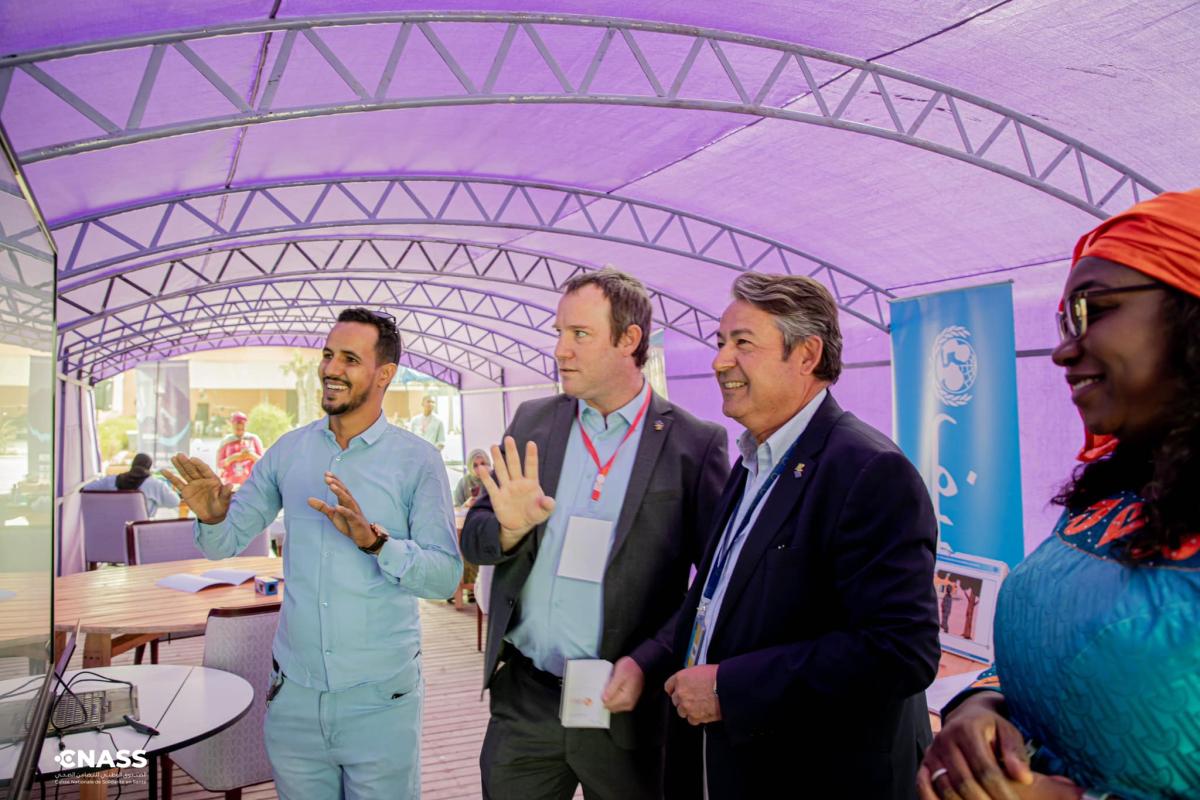
Bien que la Mauritanie soit un nouveau pays d’intervention pour Enabel, avec un temps limité investi depuis le début du projet et une équipe restreinte, les résultats sont très satisfaisants compte tenu du volume d’activités mises en œuvre, de l’impact du projet et des résultats obtenus. Les défis majeurs, notamment les nombreux changements institutionnels et de vision, ont été surmontés avec succès par l’AI-PASS, grâce à son adaptabilité et à sa persévérance. Au-delà des résultats, l’AI-PASS a également établi un lien de confiance entre Enabel, le Ministère de la santé et l’Union européenne, ouvrant la voie à une collaboration continue et à de nouvelles perspectives.En résumé, l’objectif et les résultats peuvent être exprimés ainsi : accompagner le ministère de la santé mauritanien dans l’atteinte de la couverture sanitaire universelle.Enabel Santé, avec un financement de l'Union européenne, a conçu et mis en place la Caisse Nationale de Solidarité en Santé (CNASS) dans le but principal d'atteindre la couverture sanitaire universelle en Mauritanie. La CNASS a présenté son expérience en matière de protection sociale en santé lors de la conférence organisée par la présidence du Conseil européen.En avril dernier à Malines, Mme Amal Cheikh Abdallahi, Directrice Générale de la Caisse Nationale de Solidarité en Santé (CNASS), a exposé l’expérience de la Caisse en matière de protection sociale en santé. Cette conférence, organisée par la présidence belge du Conseil européen, était intitulée « Vers l’Équité en Santé : Systèmes de santé solides, couverture sanitaire universelle et participation sociale ».Cet événement, organisé en collaboration avec Enabel, l’agence belge de développement, et Be-cause Health, a rassemblé 200 décideurs politiques, experts universitaires et représentants de la société civile d’Europe et d’Afrique. Parmi les participants figuraient Madame Caroline Gennez, ministre de la Coopération au développement, et Monsieur Koen Doens, Directeur général de la Coopération internationale et du Développement à la Commission européenne.Des orateurs de premier plan, reconnus dans le domaine de la santé mondiale, ont partagé leurs connaissances et leur expertise, y compris la CNASS de Mauritanie.La Directrice a souligné l’importance de cet événement pour partager l’expérience de la CNASS, considérée comme une réussite par les partenaires européens. Elle a également discuté des défis et opportunités liés à l’assurance maladie universelle, en mettant en avant les bonnes pratiques de la CNASS dans un environnement de ressources limitées.La présidence belge du Conseil européen a rappelé que la communauté internationale doit relever le défi de l’objectif 3.8 des ODD, à savoir la couverture sanitaire universelle, afin de garantir que tous les individus aient accès aux services de santé de qualité sans contraintes financières.Partenariat réussi entre Enabel, l'UE et MS Mauritanie : récap des actions majeures Inauguration du Centre de Santé de Dar Naim : La réhabilitation du centre de santé de Dar Naim marque un tournant décisif pour les soins de santé dans la région. Financé par l'Union européenne à travers le Programme d'Appui au Secteur de la Santé (PASS), ce projet a été mis en œuvre par l'UC-PASS et Enabel, reflétant un partenariat solide et une vision commune pour améliorer les services de santé en Mauritanie.Visite de Monsieur Bart De Groof: envoyé spécial du Royaume de Belgique pour le Sahel. Sa présence a été l'occasion d'échanger sur le partenariat technique entre la Caisse Nationale de Solidarité en Santé (CNASS) et Enabel, et de discuter de l’état d’avancement de l’assurance maladie volontaire. Cette rencontre stratégique a réuni la Directrice Générale de la CNASS, Monsieur Bart De Groof, le Directeur pays Mathias Lardinois et la Coordinatrice santé Veronica Trasancos d'Enabel, pour promouvoir et étendre l'accès à la santé pour tous en Mauritanie.Troisième visite de backstopping du Dr. Paul Bossens, expert santé à Enabel Belgium, suivant le lancement des adhésions à la CNASS. Cette visite a permis de passer en revue les réalisations, les défis et les perspectives futures avec l'équipe d'Enabel en Mauritanie, Memisa Belgium et l'équipe cadre de la CNASS.Toutes ces actions témoignent des efforts concertés pour renforcer le système de santé mauritanien. Grâce au soutien continu de nos partenaires, nous avançons vers l'objectif ambitieux de garantir des soins de santé accessibles et de qualité pour tous en Mauritanie.Echange d'expériences: Visite de l'équipe du Ministère de la Santé de Mauritanie et d'Enabel en Mauritanie au Burundi.Une équipe du Ministère de la Santé de Mauritanie et d'Enabel Mauritanie a récemment visité le Burundi pour observer les résultats impressionnants du partenariat entre le Ministère de la Santé Publique du Burundi (MSPLS) et Enabel Burundi dans la digitalisation du secteur de la santé. Grâce à ce partenariat fructueux, 36 hôpitaux publics et 30 centres de santé ont été informatisés.Cette visite enrichissante permettra à l'équipe mauritanienne de tirer parti de l'expérience du Burundi et de l'adapter au contexte mauritanien. En capitalisant sur ces réussites, la Mauritanie pourra avancer vers des systèmes de santé plus efficaces et connectés, améliorant ainsi la qualité et l'accessibilité des soins pour tous ses citoyens.L'objectif visé par le programme de santé est de contribuer à la réduction de la pauvreté en Mauritanie en permettant aux individus de vivre une vie saine et en promouvant le bien-être de tous à tout âge. Plus précisément, il s'agit d'améliorer et de rendre plus équitable l'accès aux soins de santé de qualité, conformément aux objectifs du Plan National de Développement Sanitaire (PNDS) et de la Stratégie Nationale de Protection Sociale (SNPS). Nous pouvons dire que notre programme progresse de manière significative vers la réalisation de cet objectif.
-
Commémoration de la journée mondiale de l’environnement dans la Province du Kasaï Oriental
Paola VANGU TSAKALA | 26/06/2024
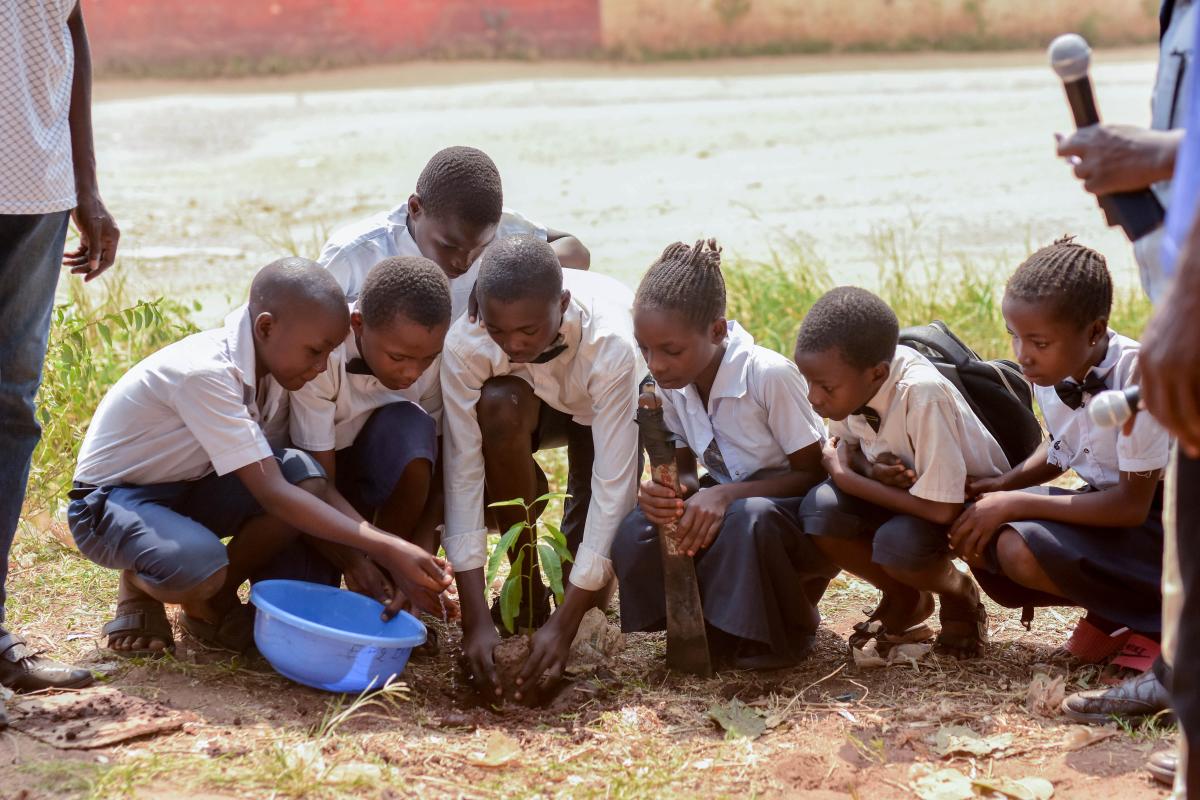
Le 5 juin 2024, soutenus par le projet Edubase en synergie avec le projet agriculture, 5.781 élèves des écoles primaires et secondaires ainsi que des apprenants des centres de rattrapages scolaires des sousdivisions de Mbuji Mayi 2 et Katanda 2, ont été sensibilisés sur le rôle et l'importance de l'arbre en milieu scolaire. Ces séances de sensibilisation ont été animées avec la collaboration des inspecteurs de l'EPST KOR 1, des inspecteurs terrain de l'environnement, des agents terrain de la DIVAS ainsi que des inspecteurs provinciaux de l'agriculture du Kasaï Oriental. S'est ensuivi, une conférence des opérateurs Pédagogiques sur la Gestion Durable de l'Environnement en Milieu Scolaire.
-
Remise de semenceaux et de matériel agricole aux bénéficiaires de l’agropole de Bouar
Paola VANGU TSAKALA | 26/06/2024
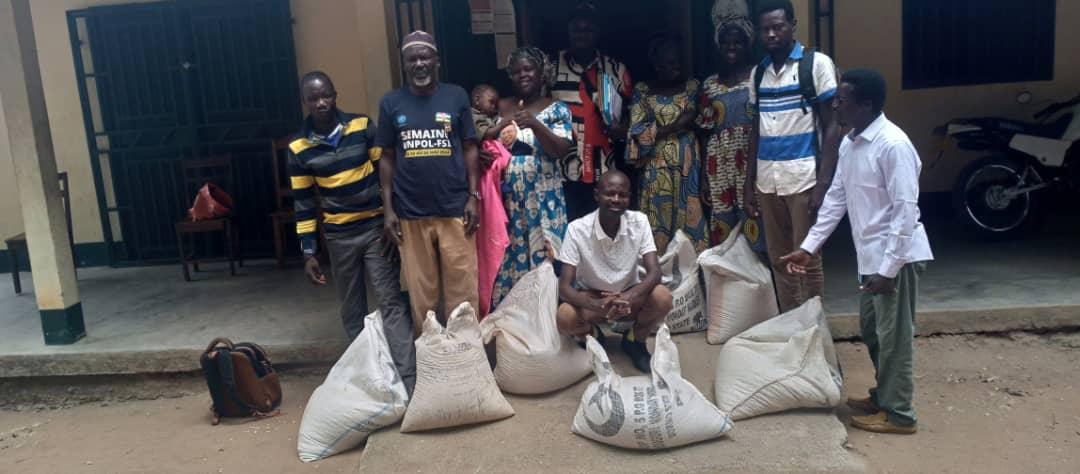
Dans le cadre de la campagne agricole 2024, le programme DEVRUR II a distribué des semenceaux (tubercules destinés à l'ensemencement) d'igname (plante vivrière des régions tropicales, à rhizomes tubérisés qui constituent une importante fraction de l'alimentation des populations rurales tropicales) à une dizaine de bénéficiaires les 21, 22 et 28 mai 2024. De plus, vingt-cinq (25) apiculteurs ont reçu 125 ruches et 200 tôles. Quinze (15) autres bénéficiaires ont également reçu des semences de maïs. Par ailleurs, six (6) sites maraîchers ont reçu du matériel agricole dont des brouettes, des pousse-pousse et des pulvérisateurs. Cette campagne vise à renforcer les capacités et améliorer les moyens de production agricole en République Centrafricaine. Le 30 mai 2024, au bureau de la Division Provinciale de la Santé de Kinshasa, afin de garantir un encadrement de proximité des aires de santé et des établissements de soins par l’équipe cadre de la zone de santé de Limete, le programme santé et protection sociale à Kinshasa a remis un véhicule et deux motos au ministère de la Santé Publique, Hygiène et Prévention. Ce matériel vise à renforcer la présence de l’équipe cadre dans les aires de santé, assurant un coaching rapproché et la disponibilité des intrants nécessaires pour offrir des soins de santé adéquats dans le cadre de la couverture santé universelle.
-
Journée portes ouvertes aux CFPPA de Bossangoa et Berberati
Paola VANGU TSAKALA | 26/06/2024
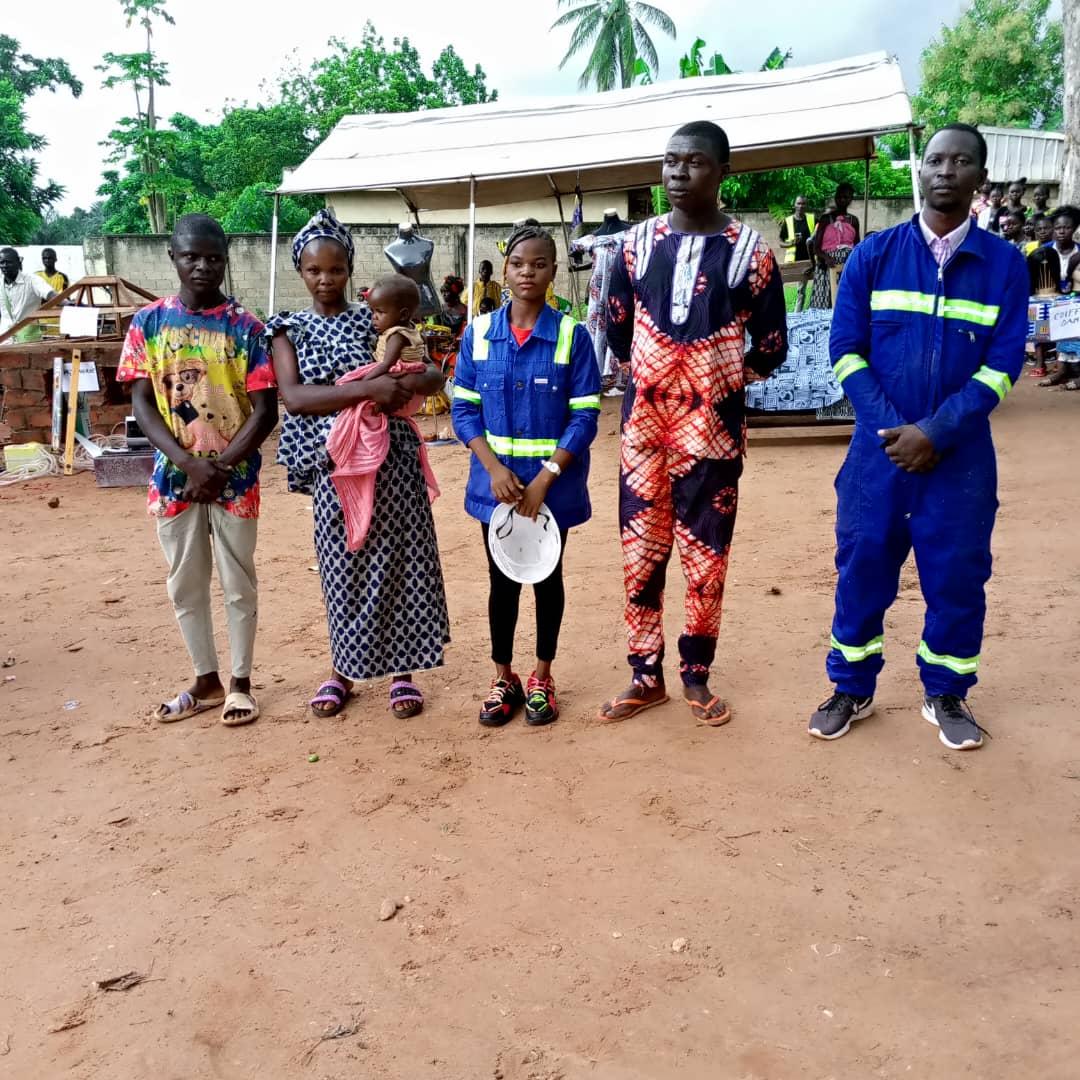
Les Centres de Formation Professionnelle Pratique et d’Alphabétisation (CFPPA) de Bossangoa et Berberati, ont tenu leurs journées portes ouvertes les 17 et 23 mai 2024. Les 5 meilleurs apprenant.es des filières Électricité, Maçonnerie, Mécanique, Soudure et Menuiserie ont été récompensés. Organisées en partenariat avec la Direction Générale de l’Enseignement Technique et de la Formation professionnelle (DG-ETFPP), les journées portes ouvertes avaient pour thème « Pratique et maîtrise des métiers techniques, un canal vers l’entrepreneuriat ». Les activités incluaient des stands par filière, des présentations, démonstrations de savoir-faire, des visites guidées, des jeux-concours, et des sketchs, offrant ainsi une immersion complète dans l’univers des CFPPA.
-
Innovations Days : Kinshasa révèle ses talents et ses technologies de Demain
Paola VANGU TSAKALA | 26/06/2024
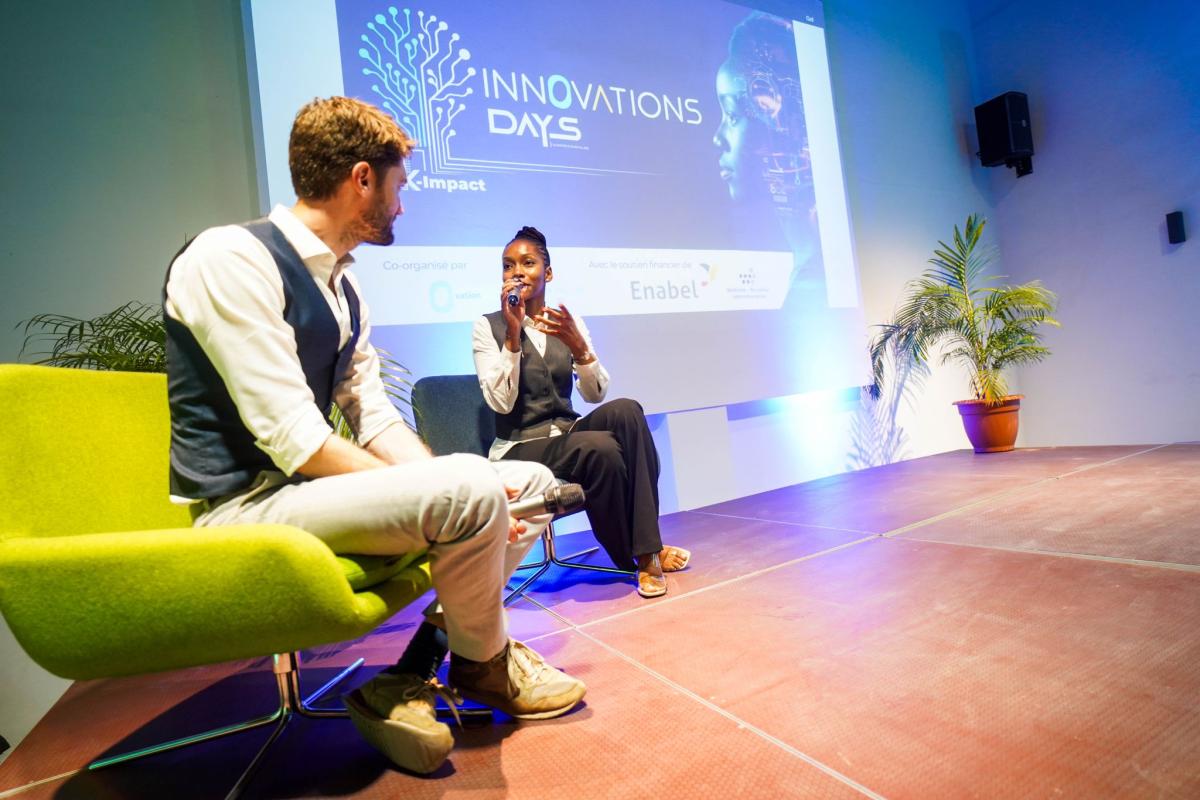
Du 31 mai au 1er juin, nous avons participé aux Innovations Days pour découvrir les projets des jeunes entrepreneurs de Kinshasa. Organisées par la communauté K-impact en partenariat avec Ovation et notre projet KinEmploi, ces journées comprenaient des discussions sur le leadership féminin, l'intelligence artificielle en milieu professionnel, des présentations de jeunes talents et des démonstrations de technologies de pointe comme les imprimantes 3D et les drones.Le programme K-Impact, développé par Ovation et Silikin Village en partenariat avec KinEmploi, vise à améliorer les conditions de travail et générer des emplois décents en RDC.