Advancing responsible and sustainable tourism in Uganda
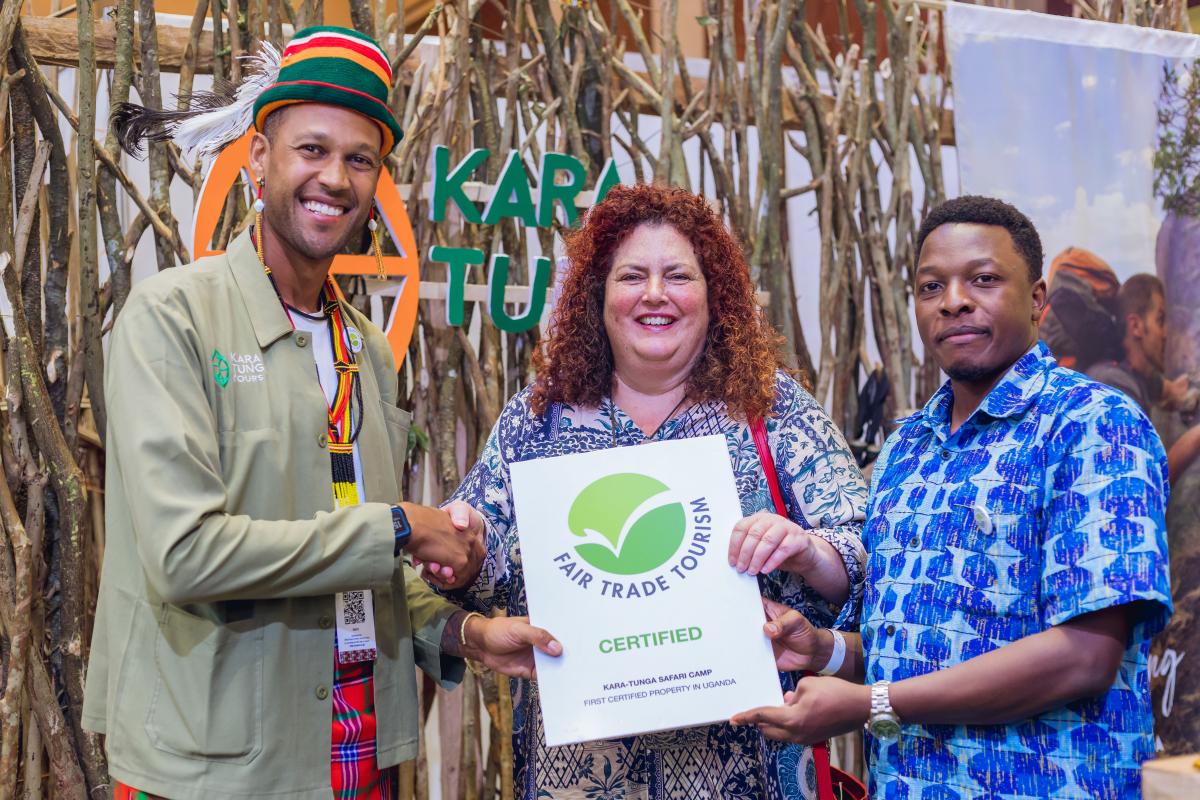
Through Fair Trade
Tourism (FTT) certification, Enabel is working with tourism businesses in
Uganda to embrace ethical practices, improve working conditions, strengthen
community participation and build a more sustainable and competitive tourism
industry.
In Uganda's Karamoja sub-region, a tourism enterprise
that began with a vision of connecting travellers to local communities is now
setting a new standard for responsible and sustainable tourism. Karamoja Safari
Camp, operating under the Kara-Tunga Tours brand, has become Uganda's first
tourism business to attain Fair Trade Tourism (FTT) certification, marking an
important milestone for the country's tourism and hospitality sector.
Having started its operations in 2016, the
achievement represents recognition of years of efforts to make tourism more
inclusive, environmentally responsible, and beneficial to the communities that
make Karamoja a unique destination. Through cultural experiences, community
partnerships and environmental conservation initiatives, Kara-Tunga has worked
to demonstrate that tourism can offer more than memorable experiences for
visitors. It can also support local livelihoods, preserve cultural identity and
create opportunities for communities to participate in the tourism economy.
Sustainability at Karamoja Safari Camp is reflected in
how the business operates and engages with surrounding communities. The
enterprise promotes community-based tourism activities, employs local people
and supports local food production, creating opportunities for residents to
participate in and benefit from tourism.
It also connects visitors with local craftspeople
through cultural tours and workshops, helping showcase and preserve Karamoja's
rich cultural heritage while supporting community enterprises. Environmental
responsibility is another important part of its operations. The camp recycles
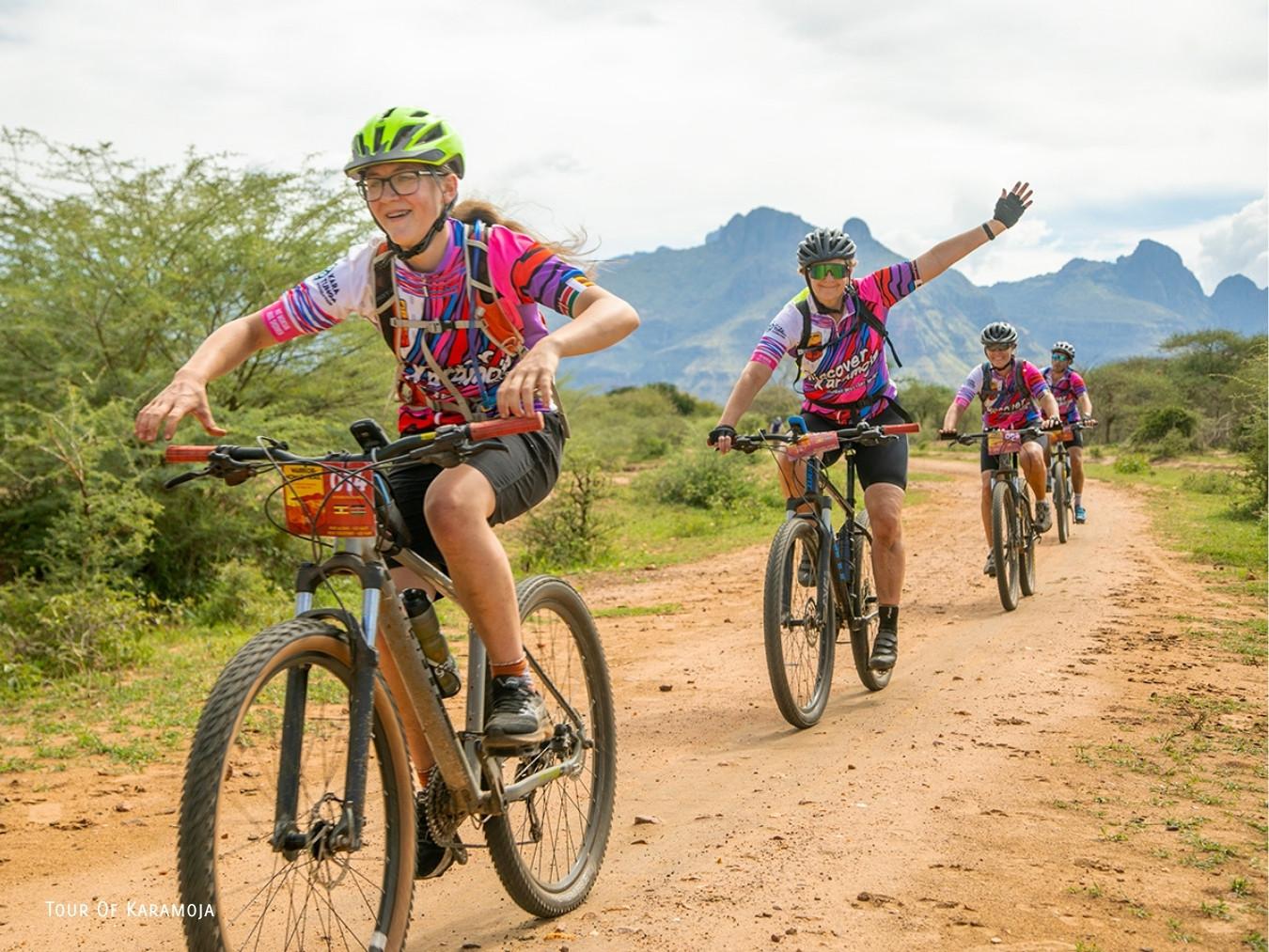
organic waste into compost, promotes bicycle and walking tours to reduce carbon
emissions, supports tree planting in schools, and has eliminated plastic bags
while providing guests with filtered drinking water.
According to Rogers Mabiro, a staff member at Kara-Tunga
Safari Camp, these initiatives reflect the enterprise's commitment to reducing
the negative effects of tourism while increasing its positive contribution to
communities and the environment.
"At Kara-Tunga, we
are committed to sustainable tourism. This means we strive to limit or improve
any negative impacts of our operations," he explains.
These efforts are particularly relevant in Karamoja,
where tourism offers opportunities to showcase the region's cultural heritage
and biodiversity while supporting livelihoods and local economic development. By
involving local people in tourism activities, the enterprise is contributing to
an approach in which communities are not simply part of the visitor experience
but also participants in the economic opportunities it creates.
Although Kara-Tunga had already introduced several
responsible tourism practices, attaining Fair Trade Tourism certification
required the enterprise to demonstrate that its operations met internationally
recognised sustainability standards.
The certification process involved a rigorous
six-month assessment conducted by FTT auditors who evaluated the camp against
184 criteria across six sustainability pillars: fair share, fair say, respect,
reliability, transparency and sustainability.
These criteria examine how tourism businesses treat
their employees, engage with communities, manage their environmental
responsibilities and ensure fairness and transparency in their operations. The
assessment included independent third-party verification, interviews with staff
and community representatives, document reviews, field inspections and
evaluation of impact metrics.
Grace Stead, the General Manager of Fair Trade
Tourism, welcomed the enterprise's achievement and its commitment to
demonstrating responsible tourism practices.
"This builds on what
they have already been doing, providing verification and aligning with
international best practice," she said.
The Fair Trade Tourism certification achievement by Kara-Tunga
is part of a broader effort to strengthen responsible and sustainable tourism
practices across Uganda's tourism and hospitality sector. The initiative is
designed to ensure that tourism businesses begin their journey towards
internationally recognised sustainable tourism certification by reducing some
of the financial barriers associated with membership and certification audits.
The certification places Kara-Tunga among a growing
network of African tourism businesses committed to ethical practices that
prioritise local communities, environmental stewardship, transparency and fair
economic participation. Building on this achievement, Enabel has procured a
second consultancy assignment to strengthen the adoption of responsible and
sustainable tourism practices among 30 tourism enterprises.



Latest news from this project
No news