Saving for health and community-based health insurance promoting access to maternal healthcare in Uganda
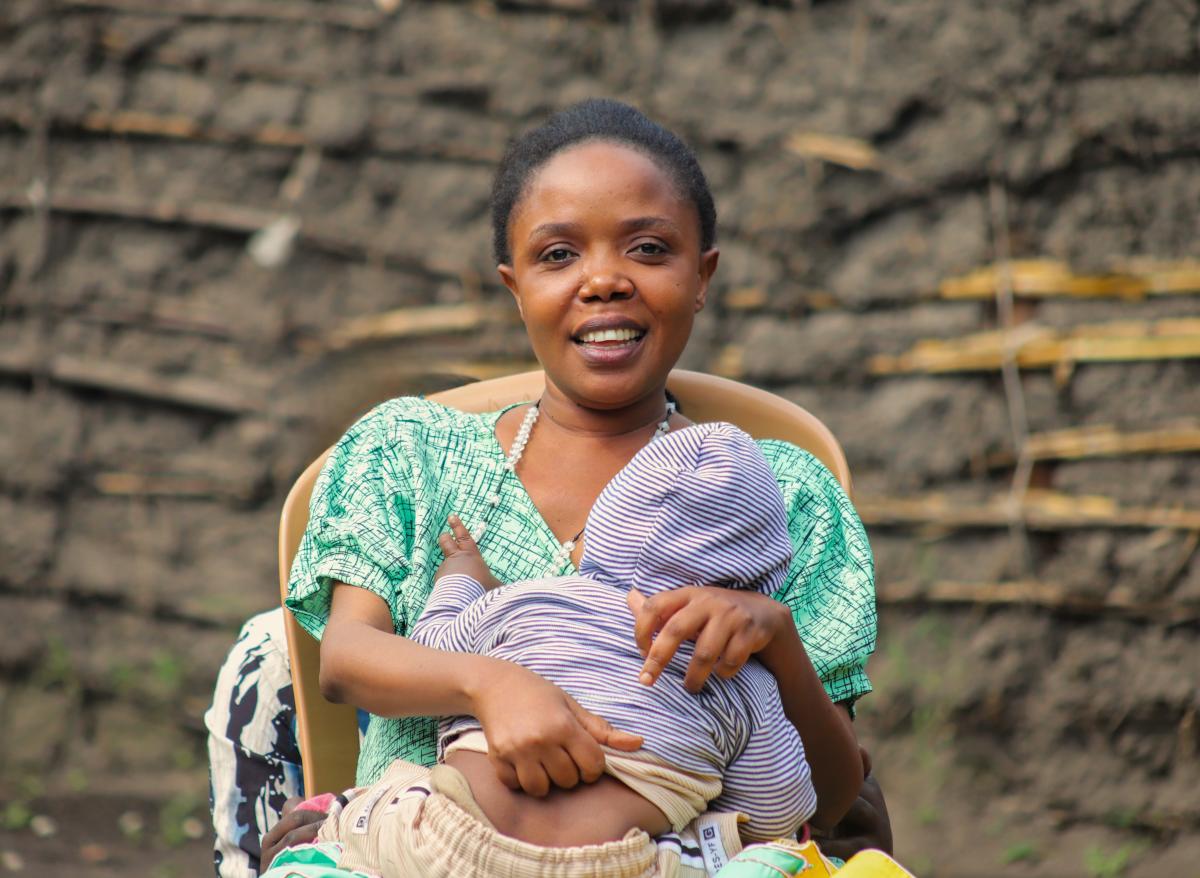
Accessing healthcare has never been as simple as leaving
home and travelling to the nearest health facility for 34-year-old Robinah
Nzyabake.
Robinah lives in Kasese District and uses a wheelchair for
mobility. Kagando Hospital is nearly 10 kilometres from her home, making
transport essential whenever she needs healthcare. But transport comes at a
cost, and in the past, it was an expense she could not always afford.
During her first pregnancy, these financial and mobility
challenges prevented Robinah from attending the recommended antenatal care
visits. Without affordable transport to the hospital, she eventually gave birth
with the assistance of a traditional birth attendant.
The experience was difficult. Robinah recalls challenges
accessing appropriate care after delivery, while her baby frequently fell ill.
For her, the experience highlighted how important it is for women, particularly
women with disabilities, to have access to professional healthcare throughout
pregnancy, childbirth and the postnatal period.
Her most
recent pregnancy, however, was different.
Robinah is now a member of the St. Mbaga Caritas Village
Savings and Loans Association (VSLA). Her journey towards saving specifically
for healthcare began after she participated in a sensitisation session on
Saving for Health and Community-Based Health Insurance (CBHI) conducted by
Kagando Hospital, one of the health facilities implementing a CBHI scheme in
Kasese District.
Following the session, Robinah enrolled in the health
insurance scheme and began actively saving for healthcare through her VSLA.
When she became pregnant again, these two decisions helped her better prepare
for the costs associated with accessing maternal healthcare.
This time, Robinah attended all her antenatal care visits.
Whenever she needed to travel to Kagando Hospital, she could borrow money from
her VSLA to pay for a boda boda (a motorcycle taxi) to take her to and from the
health facility. Her outpatient healthcare costs at the hospital were covered
under her insurance package.
This made a significant difference for her. Instead of
worrying about how she would raise money for both transport and healthcare
whenever she needed medical attention, she had financial options available to
help her access the services she needed.
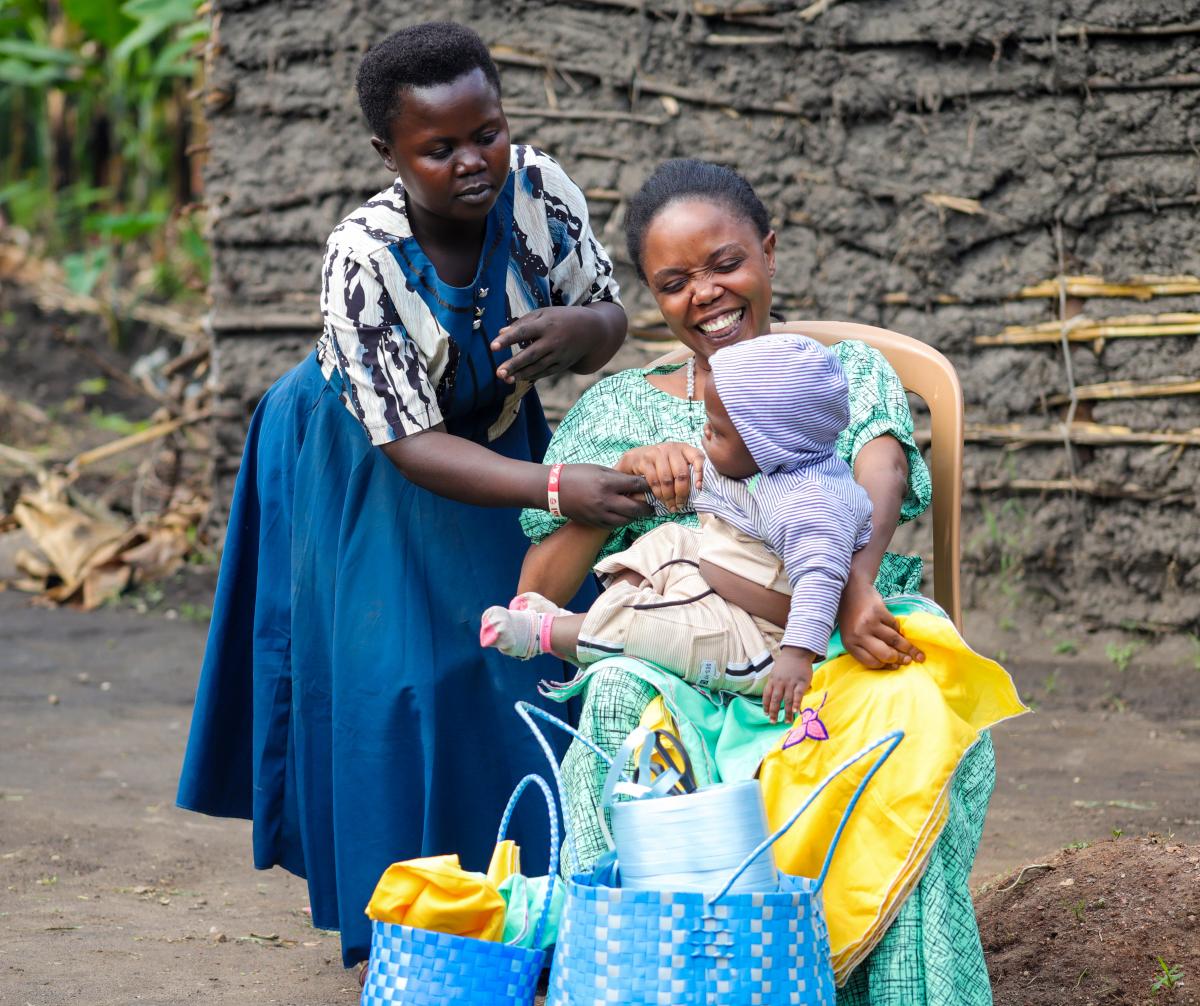
When the time came to give birth, she was also able to
access a mama kit containing essential supplies for childbirth, something she
says she did not have during her previous delivery. Her most recent childbirth
went well, without the major challenges she had experienced before. Robinah
paid a subsidised fee of UGX 30,000, while the remaining eligible healthcare
costs were covered under her insurance package.
Being able to plan for healthcare expenses is particularly
important for Robinah. Persons with disabilities can face additional barriers
to accessing healthcare, including the cost and availability of suitable
transport. For women with disabilities, these challenges can become even more
significant during pregnancy and childbirth.
Across Uganda, about 13% of people aged five years and above
have a disability, with disability more prevalent among women of reproductive
age than men, according to the Uganda Bureau of Statistics. Although the rights
of persons with disabilities are recognised in Uganda’s Constitution, many
continue to face barriers in accessing essential services, including
healthcare.
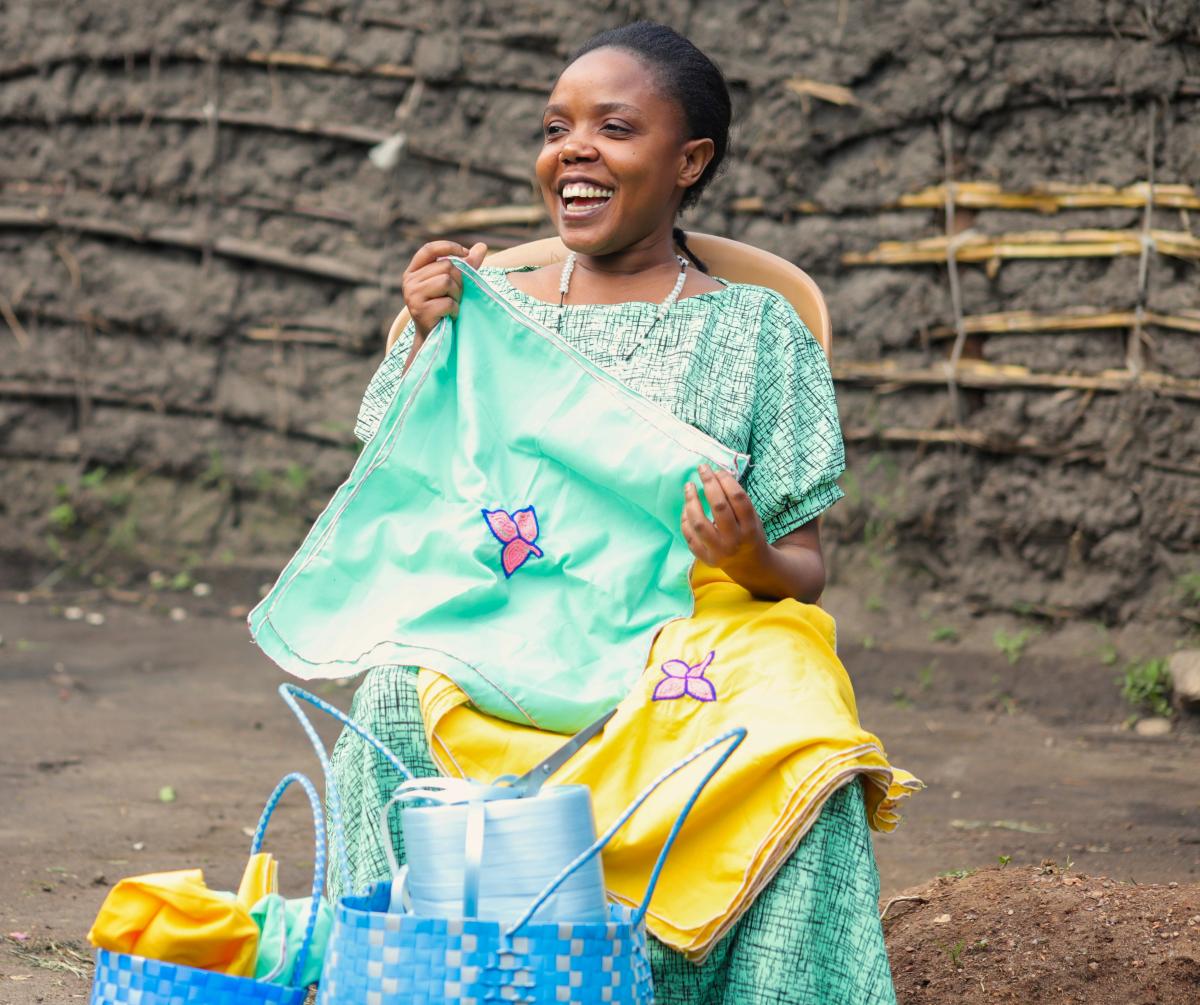
Beyond saving for her health, Robinah is also working to
strengthen her livelihood. She makes tablecloths and weaves craft baskets to
earn an income. She continues to save for healthcare through her VSLA and
currently has UGX 60,000 set aside for future health needs. The difference
between her two childbirth experiences goes beyond the amount of money she was
able to save.
Robinah’s experience reflects the broader objective of the
Decent Work and Social Protection Project in Uganda to strengthen social
protection and help communities become more resilient to health-related
financial risks.
Through Kagando Hospital in Kasese District and Kitojo
Integrated Development Action (KIDA) Hospital in Kabarole District, the project
supports Community-Based Health Insurance schemes that enable households to
contribute towards healthcare in advance and access services when they need
them. So far, 3,148 community members have enrolled in the CBHI schemes
implemented through the two hospitals.
Alongside health insurance, the project supports the Saving
for Health initiative through Village Savings and Loans Associations (VSLAs) in
the Rwenzori and Albertine regions. A total of 981 groups, comprising 30,591
members (18,772 female), have collectively saved UGX 2.67 billion
(approximately EUR 652,366) for healthcare.
These initiatives are helping households prepare for
healthcare costs, reduce the financial burden of seeking care, and strengthen
access to essential health services, including maternal healthcare. For women
like Robinah, this means that pregnancy and childbirth do not have to begin
with the question of whether they can afford to seek care. Through health savings
and CBHI, they can prepare to access the healthcare services they need.
Latest news from this project
No news