Enabel backs new effort to align TVET with Uganda’s changing skills needs
As
Uganda’s economy continues to evolve, the need to equip young people with
relevant and practical skills is becoming increasingly important. Strengthening
the country’s Technical and Vocational Education and Training (TVET) system is
one of the areas Enabel is addressing through the WeWork – green and decent
jobs for youth project, funded by the European Union and the Kingdom of Belgium.
As
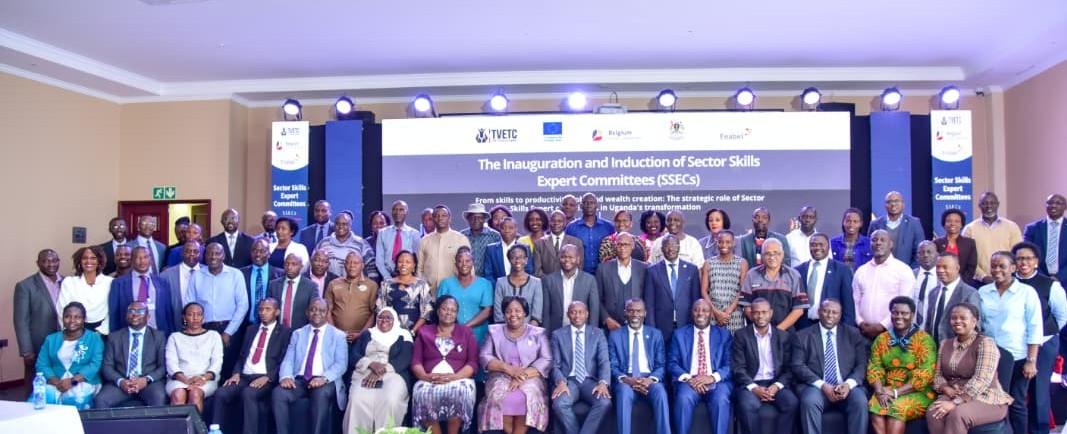
part of these efforts, Enabel partnered with the TVET Council to organise and
host the inauguration and induction of Uganda’s Sector Skills Expert Committees
(SSECs), a new mechanism aimed at bringing industry closer to the country’s
skills development system.
The
three-day workshop, held from 15th to 17th September in Entebbe, was organised
under the theme, “From skills to productivity, jobs and wealth creation: The
strategic role of Sector Skills Expert Committees in Uganda’s transformation.”
The
10 Sector Skills Expert Committees bring together industry players who are
expected to provide information on the skills needed in different sectors of
the economy. Their work will include identifying skills gaps, providing labour
market intelligence, advising on training priorities and recommending new
training programmes where necessary.
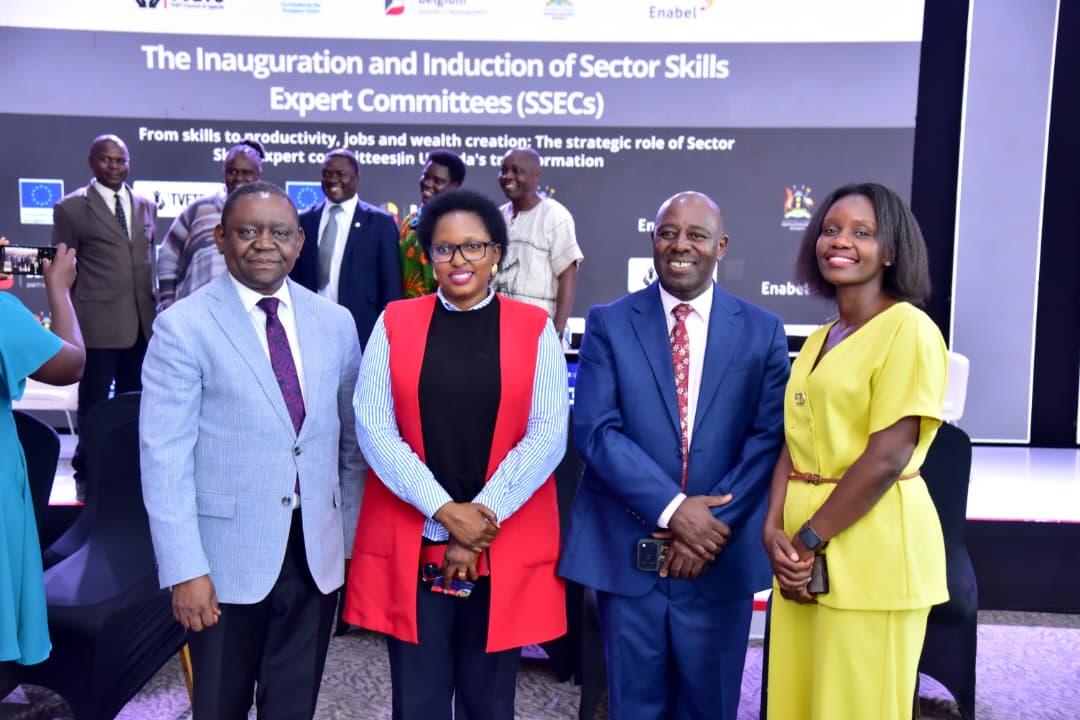
Opening
the event, State Minister for Education and Sports, Hon. Phyllis Chemutai, said
Uganda needs to look beyond the skills required today and anticipate those that
will be needed in the future. “What skills does Uganda need today, and what skills will
Uganda need tomorrow if we are to transform our economy and improve the lives
of our people?” she asked.
The
question comes at a time when Uganda’s economy and labour market are changing
rapidly, with new technologies and growing opportunities in areas such as ICT,
agro-industrialisation, tourism, manufacturing, oil and gas and other sectors. This
will create a need for TVET institutions to ensure that the training offered
keeps pace with these changes.
TVET
Council Executive, Director Moses Kasakya, said the committees were established
in response to a mismatch between the skills produced by some training
institutions and the competencies required in the workplace. He explained that
the committees, made up of industry representatives rather than trainers, will
provide information on the competencies needed now and those likely to be
required in the future. This
information is expected to guide decisions on curricula, assessment, funding
and investment in skills development.
TVET
Council Chairperson Allen Kagina also called on the committees to base their
recommendations on evidence rather than broad claims about skills shortages.
She highlighted employer evidence, investment trends, occupational standards,
technological changes and timely labour market data as an important guide for
their work.
The
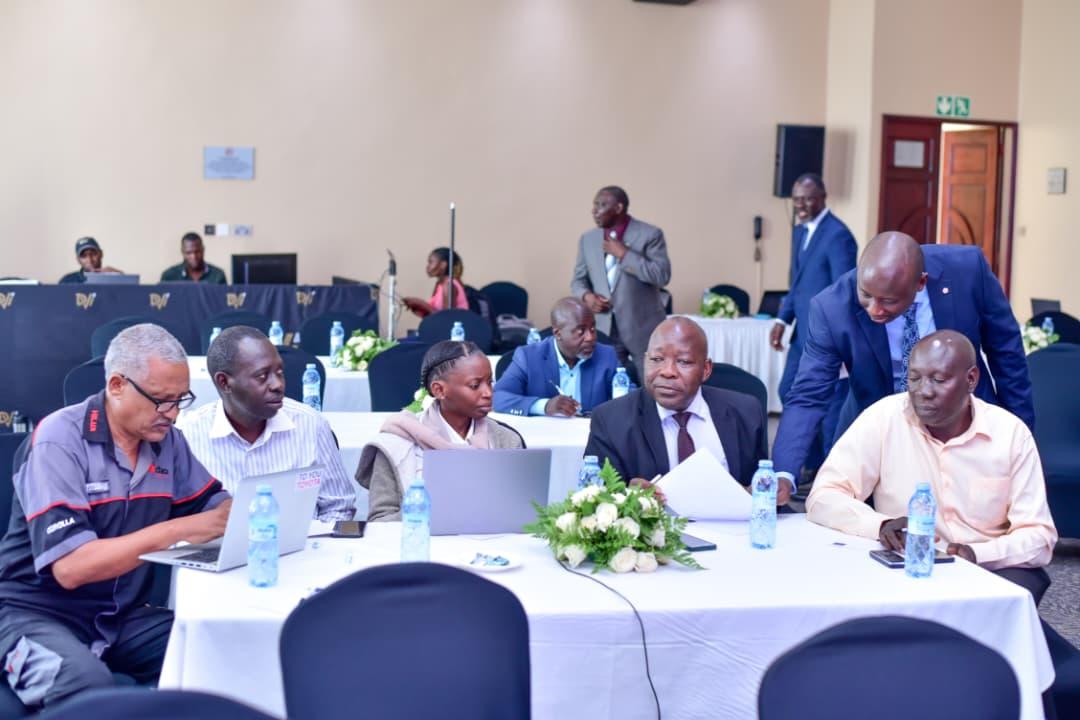
three-day induction introduced committee members to their role within the
national TVET system and equipped them with approaches to labour market intelligence
and translating evidence into recommendations for training and investment.
The
emphasis on stronger links between industry and training institutions reflects
a key area of Enabel’s work under WeWork. The project works with TVET
institutions in Busoga, Kampala, Rwenzori and West Nile to improve training
delivery, build the capacity of trainers and promote TVET as a pathway to
employment and entrepreneurship.
Enabel
also engages in policy dialogue aimed at strengthening the wider TVET system
and making it more responsive to the needs of young people and the economy. The
establishment of the Sector Skills Expert Committees provides an opportunity to
strengthen this connection at national level. Their work will ensure that
training responds to labour market needs and gives young people the skills
required for employment, entrepreneurship and a changing economy.


Latest news from this project
No news