Building Smarter Infrastructure: Rethinking Sustainability Across Borders
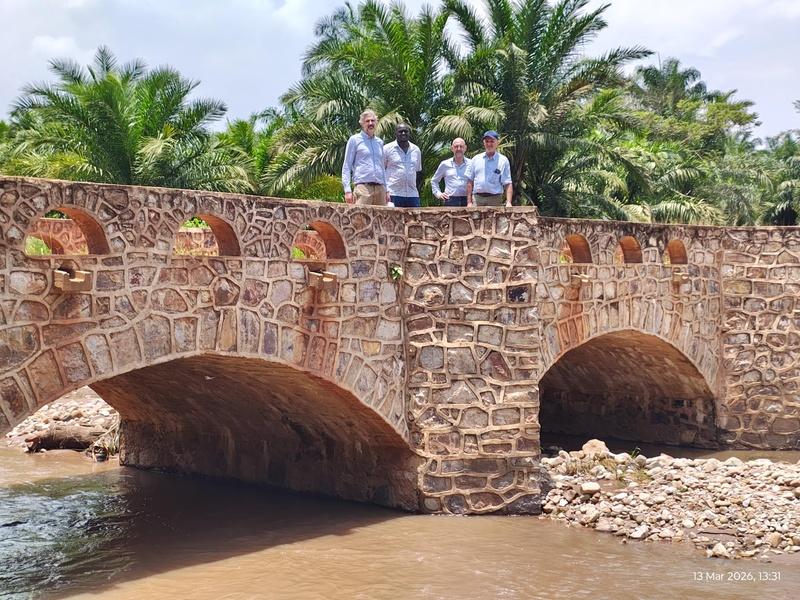
What
does it take to build infrastructure that is not only functional but
sustainable, efficient, and fit for the future? This strategic question drove
Enabel's recent East Africa Infrastructure Hub workshop in Kigoma, Tanzania,
held from March 10 to 12, 2026. Bringing together 30 colleagues from Belgium,
Uganda, DRC Congo, Rwanda, Mozambique and Burundi. The event provided a space
for practical reflection, peer learning, and collaborative problem-solving to
improve infrastructure delivery.
The workshop revealed a critical insight: infrastructure
must no longer be treated as a purely technical or construction-focused
function. To deliver long-term value, it must be understood as a strategic
intervention at the intersection of sustainability, service delivery, economic
opportunity, and institutional capacity.
Sustainability emerged as the strongest priority across
discussions and participant surveys. However, participants were clear that
sustainable practices must move from aspiration to operational reality. This
requires the systematic adoption of EDGE certification for all buildings,
greater use of tools to compare materials, and stronger capacity in sustainable
construction practices. Importantly, the conversation is shifting beyond
minimizing negative impacts to actively improving local ecosystems and communities.
Infrastructure can be designed not only to reduce harm but to regenerate
landscapes, enhance biodiversity, and strengthen social resilience. This
regenerative approach positions the InfraHub for the next level of ambition.
Crucially, infrastructure expertise must be integrated at the earliest stages
of project formulation, including human resources planning and programme
design, rather than entering the conversation only during construction.
Equally important is the need to transition toward more
holistic operational models. Infrastructure delivery must expand beyond
engineering to encompass legal, financial, and business considerations, such as
public-private partnerships and climate finance. Social and participatory
approaches, alongside diverse expertise and local partners, are essential for
creating systemic and multidisciplinary delivery models that respond to
increasingly complex realities.
Procurement emerged as a central challenge. While
fundamental to infrastructure delivery, significant gaps remain in
country-level understanding of these processes. Participants called for
targeted training, stronger onboarding, and a collaborative approach to improve
both compliance and efficiency. Building local capacity and strengthening
national systems, including certification mechanisms for sustainable materials,
is equally vital for ensuring long-term ownership and impact beyond project
timelines.
Communication also surfaced as a strategic requirement,
not simply a visibility need. Participants stressed the importance of improving
how infrastructure is communicated both internally and externally, positioning
it as a development tool with measurable social, economic, and environmental
value. This must be coupled with enhanced day-to-day coordination between teams
and countries.
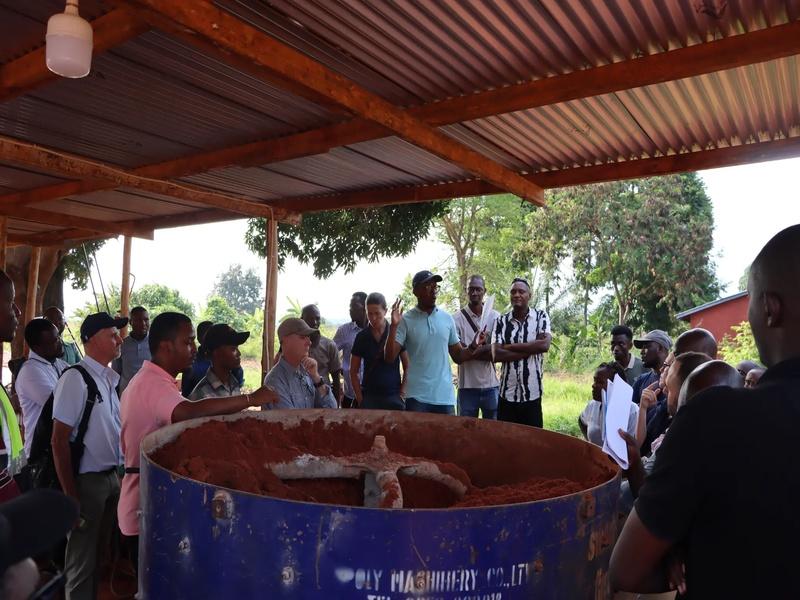
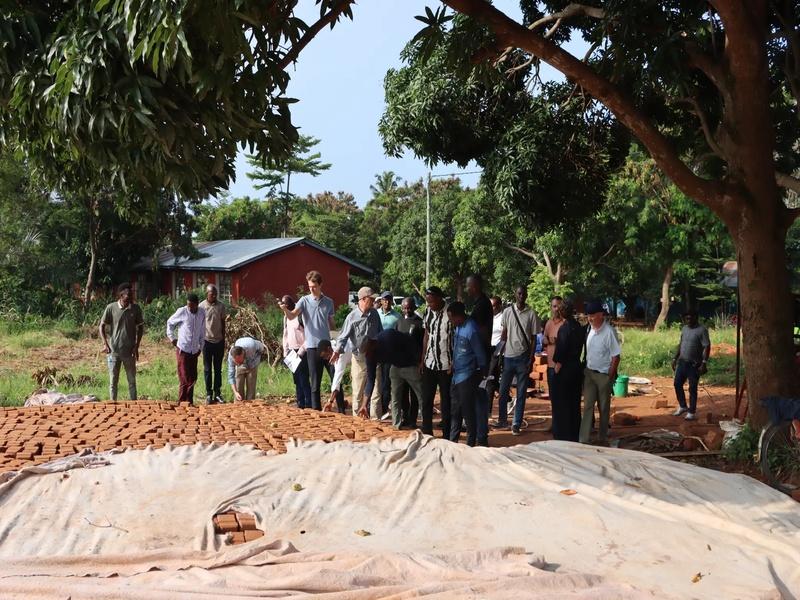
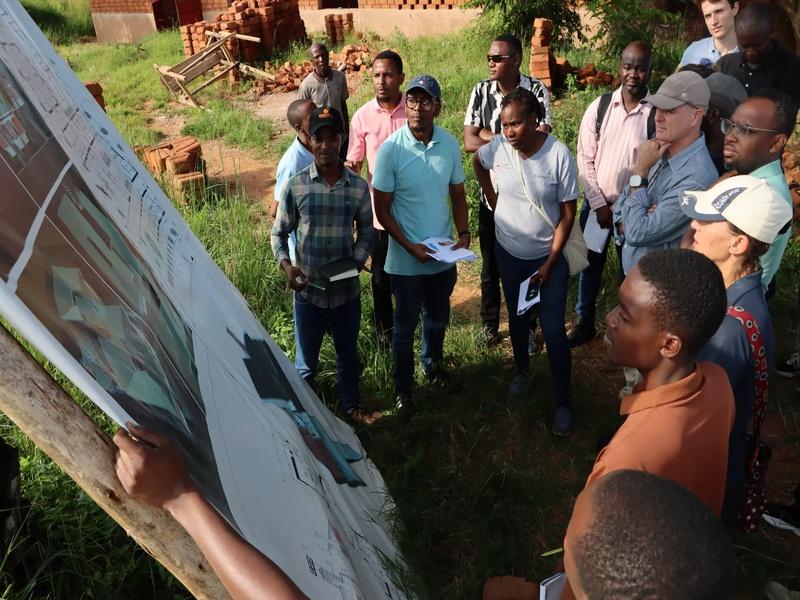
The workshop reinforced the value of practical,
experience-based learning and cross-country collaboration. The East Africa
Infrastructure Hub is increasingly recognized not just as an exchange platform
but as a mechanism for project development and collective problem-solving.
Participants highlighted strong interest in sharing practical lessons across
contexts and called for stronger collaboration on areas such as grants,
sustainability, and implementation models.
Yet translating these priorities into structured actions
requires stronger ownership and follow-through, particularly regarding
communication strategies and alignment with broader Enabel objectives like
corridor development. The challenge now is not identifying what matters, but
building the systems and accountability to act on it.
What emerged from the workshop is a clearer direction for
how Enabel can approach infrastructure differently: more integrated in design,
more practical in implementation, more collaborative across countries, and more
deliberate in building sustainability into decisions from the start. If
infrastructure is to remain a meaningful driver of development, it must be
shaped with greater intention. This workshop marked an important step in that
direction.
Latest news from this project
No news