Enabel and HRMAU bring Uganda's Human Resource leaders together to shape the future of work
Completing a training programme is an important
step towards employment, but it does not automatically translate into a job.
The transition from training to work depends on several factors, including
whether the skills acquired respond to labour market needs, whether graduates
have practical workplace experience and whether employers are actively involved
in preparing the workforce they need.
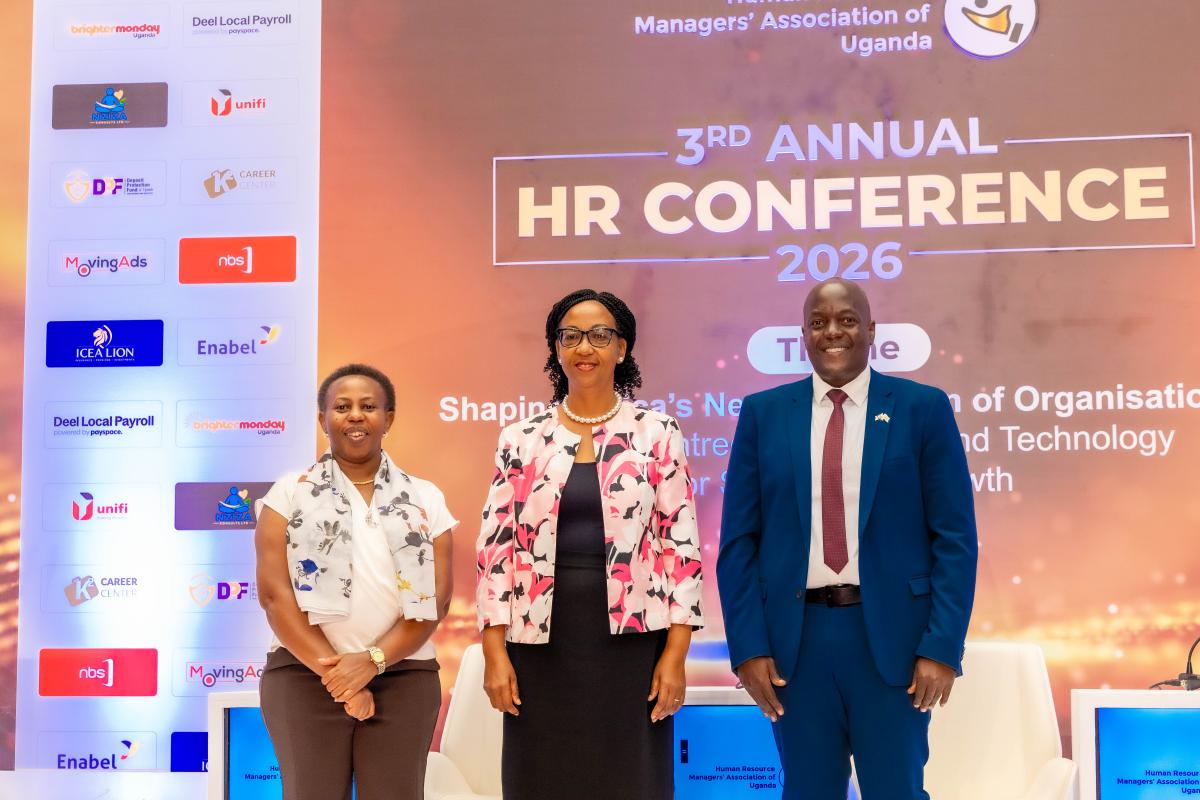
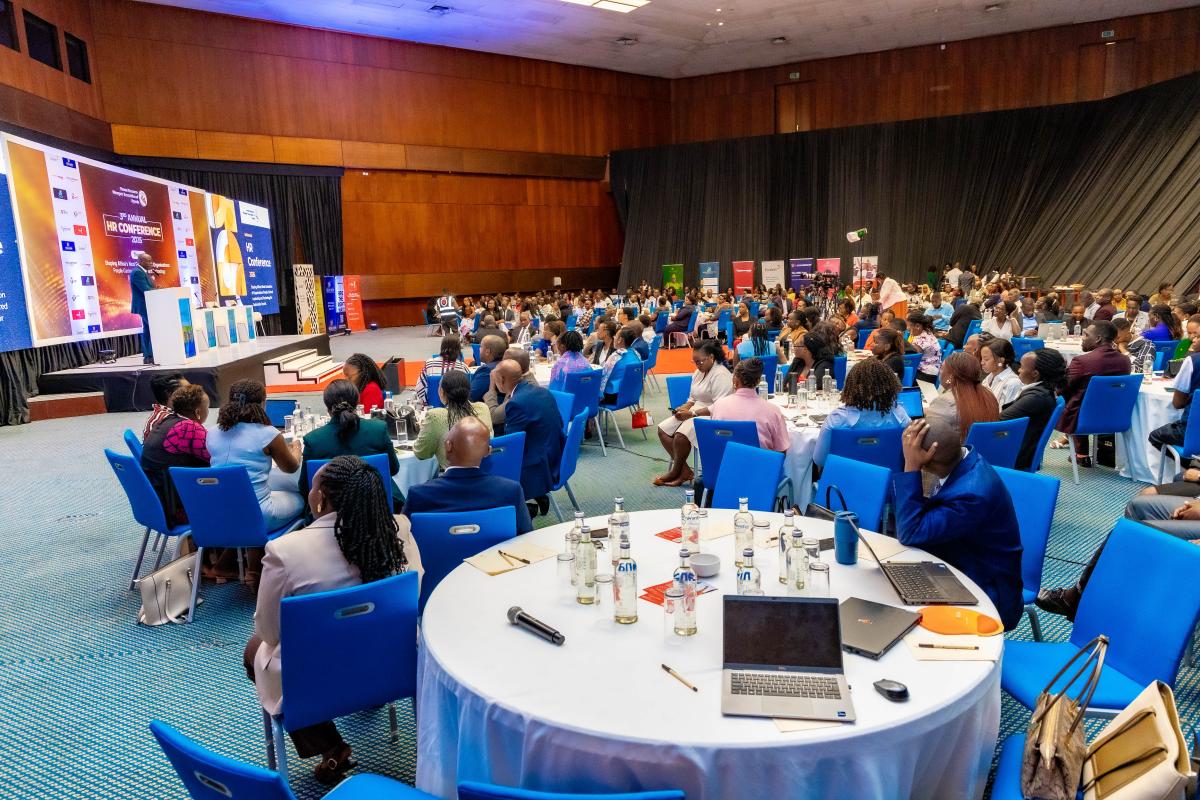
These questions are at the centre of the 3rd Annual Human Resource Managers
Association of Uganda (HRMAU) Conference, which took place on 11th–12th November 2026
at Kampala Serena Hotel. Enabel partnered with HRMAU to convene the two-day
conference, bringing together human resource professionals, government
representatives, employers and development partners under the theme "Shaping
Africa's next generation of organisations: people-centred leadership and technology for sustainable growth."
The conference provided a platform to exchange perspectives on the changing
world of work and explored how organisations can build productive, inclusive and
resilient workforces.
Speaking at the conference, Mrs. Catherine Bitarakwate Musingwiire of the
Ministry of Public Service reaffirmed the Ministry's role in providing
leadership, guidance and mentorship. She emphasised the importance of
collective efforts to shape the mindset and values of the workforce.
Paul Rugambwa, President of HRMAU, acknowledged Enabel's partnership through
the WeWork-green and decent jobs for youth project, which equips young people with skills and connects them
to employment opportunities. He emphasised that an effective employment
ecosystem must prepare people with skills that respond to employers' needs.
Adding to the discussion, David Maraka, Enabel's Enterprise Development and
Decent Work Expert, delivered a keynote address titled *Beyond skills development: Enabel's approach to bridging the gap between training and sustainable employment.
He challenged stakeholders to look beyond the number of people trained and
consider what happens after training. Are graduates able to apply their skills,
access decent employment, sustain their jobs, progress in their careers or
establish viable enterprises?
He highlighted the importance of making training responsive to labour market
demand, strengthening collaboration between training institutions and
employers, and creating opportunities for internships, apprenticeships and
workplace-based learning. He also emphasised that technical competencies must
be complemented by work-readiness skills and entrepreneurial capabilities.
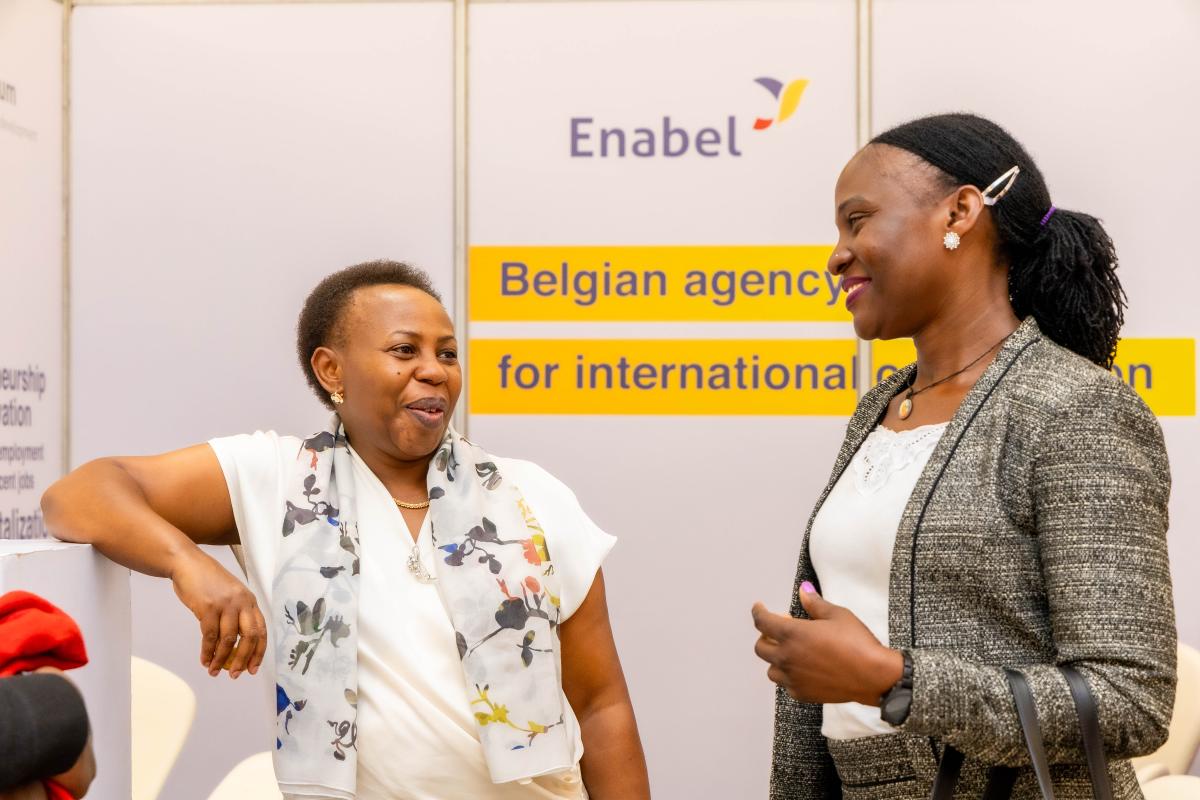
Enabel is also showcased its work at the conference exhibition, where
participants engaged with the organisation and its partners. Kampala Capital
City Authority (KCCA), for instance, created awareness about the Work
Readiness Programme and its role in preparing young people for the workplace.
Through the WeWork project, funded by the European Union
and the Kingdom of Belgium, Enabel works with government, training institutions
and private sector actors to strengthen the connection between skills
development and employment opportunities.
The partnership with HRMAU creates an important space for continued engagement
with employers and HR professionals, whose experience and understanding of
workplace needs are essential in shaping relevant skills development and
employment interventions.
Ultimately, skills development must be connected to real opportunities. The
value of training is reflected not only in the competencies acquired, but also
in the ability to apply those competencies, access decent work and build
sustainable livelihoods.

Latest news from this project
No news