LEONIDIA LOI KABI – FROM PRISON TO NEW HOPE
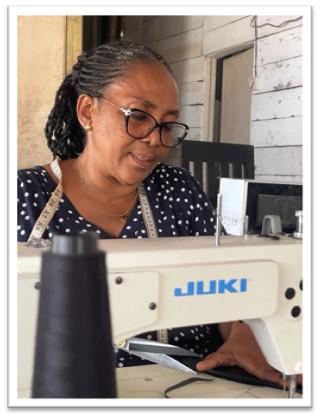
Leonidia Loi Kabi, a 55-year-old woman and a small-scale entrepreneur specializing in herbal products, is a powerful example of how access to legal aid and rehabilitation can restore dignity and rebuild lives. Before her incarceration, Leonidia lived a modest but meaningful life with her husband, Mr. Peter Kabi. Both had children from previous relationships, and together they worked hard to build a stable home and provide for their blended family.
Leonidia served nine years in prison before being released in 2025. Her life took an unexpected and painful turn in 2012, when law enforcement officers conducted a search at her home and discovered government trophies that had been secretly hidden there. Although Leonidia had no knowledge of their existence, she and her husband were arrested and charged with unlawful possession of government trophies, a serious criminal offense in Tanzania.
The legal journey that followed was long, complex, and emotionally draining. Initially, they were released on bail, but in October 2016, Leonidia was re-arrested and held in custody as the case dragged on. In 2017, after years of a protracted and challenging legal process, both she and her husband were convicted and sentenced to 20 years in prison.
This judgment was a life-shattering moment for Leonidia and her family. Her imprisonment not only separated her from her loved ones but also left their children without parental care, causing severe emotional and economic strain on the household. What began as an ordinary day quickly turned into a long and painful chapter of her life.
Once imprisoned, Leonidia faced not only the emotional burden of incarceration but also the uncertainty of her future. However, her life began to change when she was introduced to vocational training and rehabilitation programs offered in prison. Determined not to allow her situation to define her permanently, Leonidia enrolled in tailoring and bag-making courses. She showed exceptional talent in making women’s handbags and travel bags, and through these skills, she was able to earn an income.
Through hard work and commitment, Leonidia successfully completed her training and was awarded a Vocational Education and Training Authority (VETA) certificate. This qualification gave her a sense of purpose and a tangible skill she could rely on after her release. Her journey inside prison was not only about learning skills but also about rediscovering her strength, self-worth, and determination. A crucial turning point in Leonidia’s story came when she received legal aid from paralegals. These paralegals enhanced her with knowledge on justice and legal representation which facilitated her self-representation. With their dedicated support, Leonidia gained legal awareness, regained confidence, and eventually secured an early release before completing her full sentence.
Today, Leonidia is a free woman and a living example of resilience and transformation. She acknowledges that prison was a painful and challenging chapter in her life, but it also gave her courage, discipline, and practical skills. She now uses her tailoring skills to earn a living, support her family, and rebuild the stability she once lost over nine years past.
More importantly, Leonidia has become a voice of encouragement in her community. She openly speaks about the importance of legal awareness, discipline, and making wise choices. Her story reflects the transformative power of legal aid, rehabilitation, and access to skills development, especially for women in vulnerable situations.
Leonidia’s journey demonstrates that incarceration does not have to be the end of a person’s life story. With access to justice, compassion, and opportunity, people can rebuild their lives, restore their dignity, and contribute positively to society. Her transformation is not only a personal victory but also an inspiring testimony of the impact of legal empowerment programs.
Latest news from this project
No news