A Skill to Employment Pathway Connects Hadija to Her Coveted Job
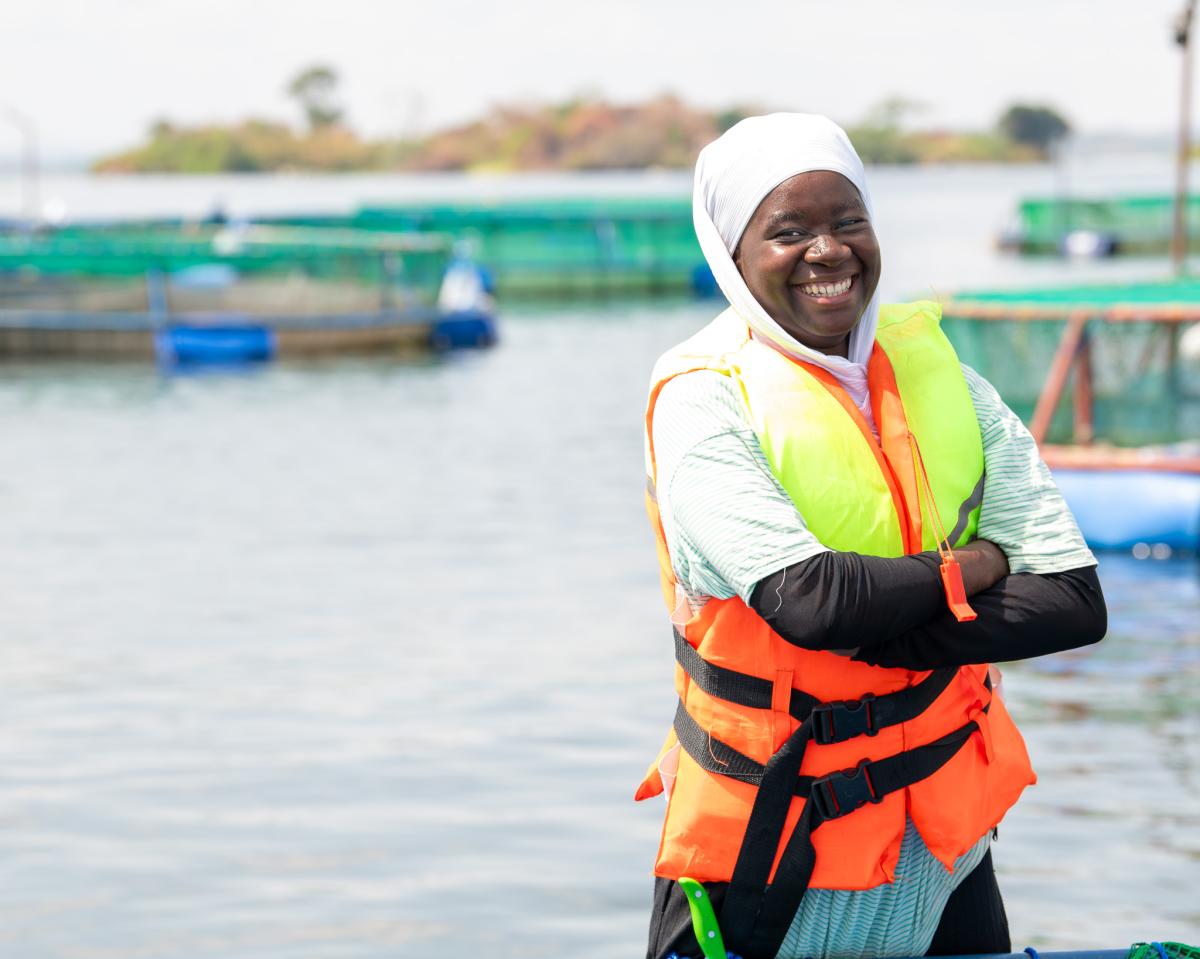
Hadija Fulano, loved to engage herself in fishing. After her lower secondary
school in 2021, she joined the Fisheries Education Training Authority (FETA)
training centre in Mwanza for a diploma in aquaculture.
Despite her hopes of landing a job, she had to go back home
and start searching.
Her situation was like many youths that complete academic and
professional training. Often employers decry lack of soft skills.
A systematic approach to facilitate transition from training
to decent jobs or self-employment is what can make the difference. Through EU-funded
Inclu-cities project, Enabel Tanzania collaborated with FETA to implement Work
Readiness Program that invited youth in Mwanza to participate in a three-month
training in fish farming.
Under work readiness program FETA Mwanza registered 150 youths
in the fish farming program.
“I heard about a program at my former college that provided
training in fish farming and linkage to private sector companies to gain
experience,” says, Hadija. Despite staying without a job related to her
training for several months after graduation she had not given up on her
ambition for a career in the value fishing chain.
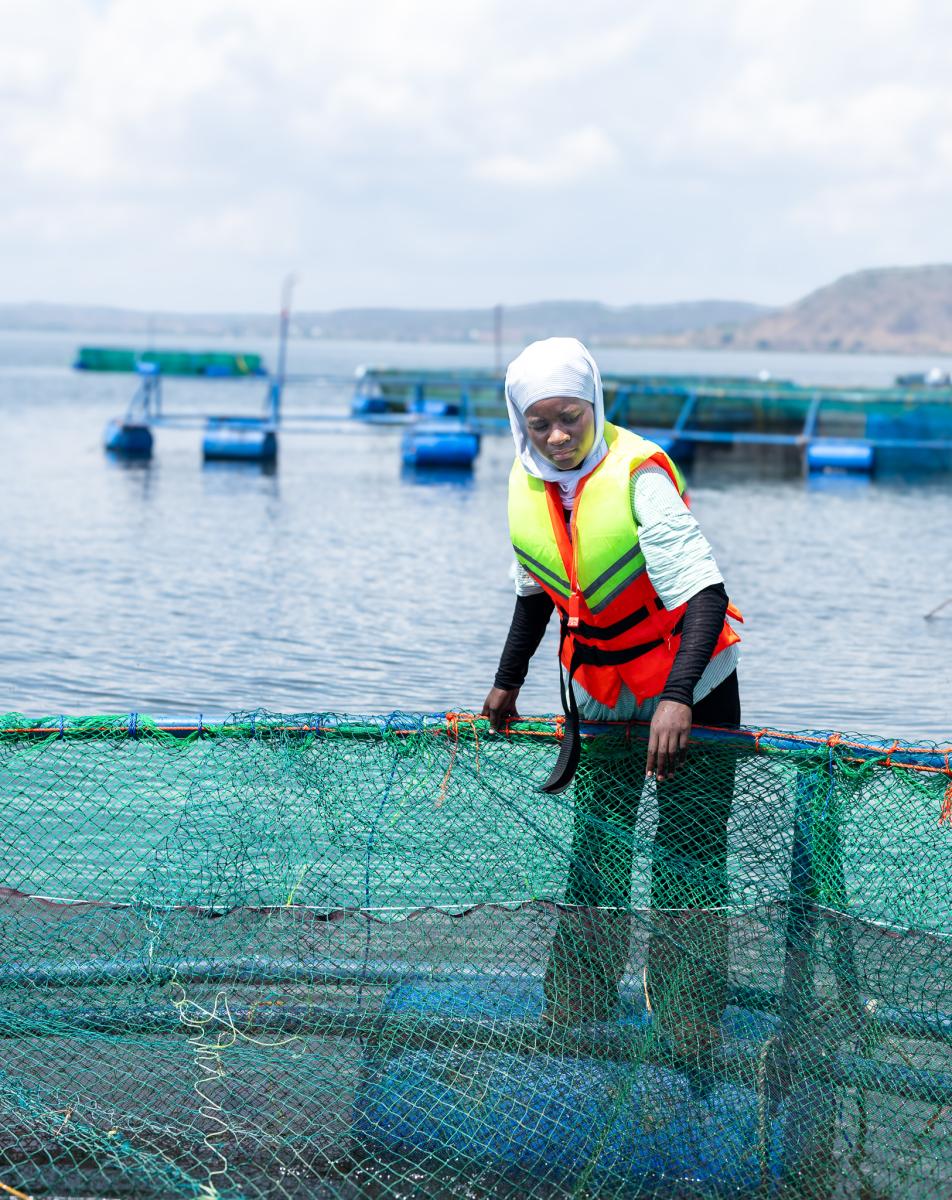
During their three months of training WRP trainees learned about management
of fish cages, making the cages, setting up in the lake, fish processing and,
more importantly, their tutors spend time exploring different possibilities of
jobs, self-employment and business opportunities in fish farming.
The project also invested in training FETA tutors, equipped the training facility with necessary equipment to support the training and supported career counseling for trainees. Another key node on the pathway is linkages with employers--which informed FETA about skills required in the market and committed to host learners for practical experience.
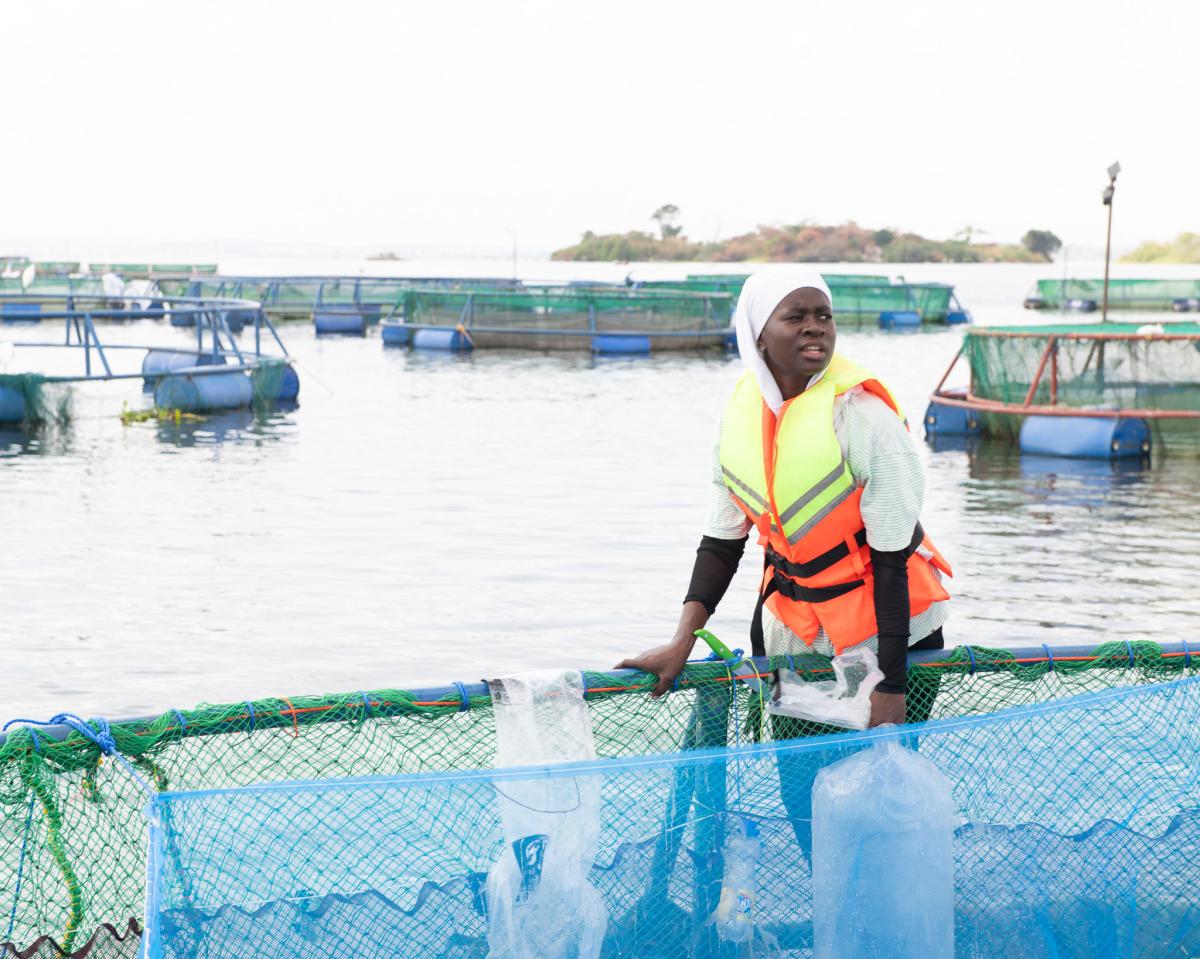
Fish farming has gained popularity in Tanzania’s portion of
the Lake Victoria in the past five years. Approved fish farming sites are teamed
with caged fish farms. The Government has supported input loans that increased fish
farmers.
Additionally related businesses are flourishing, from production of fish
feed, cage fabrication, sales of nets, to breeding fingerlings, and more.
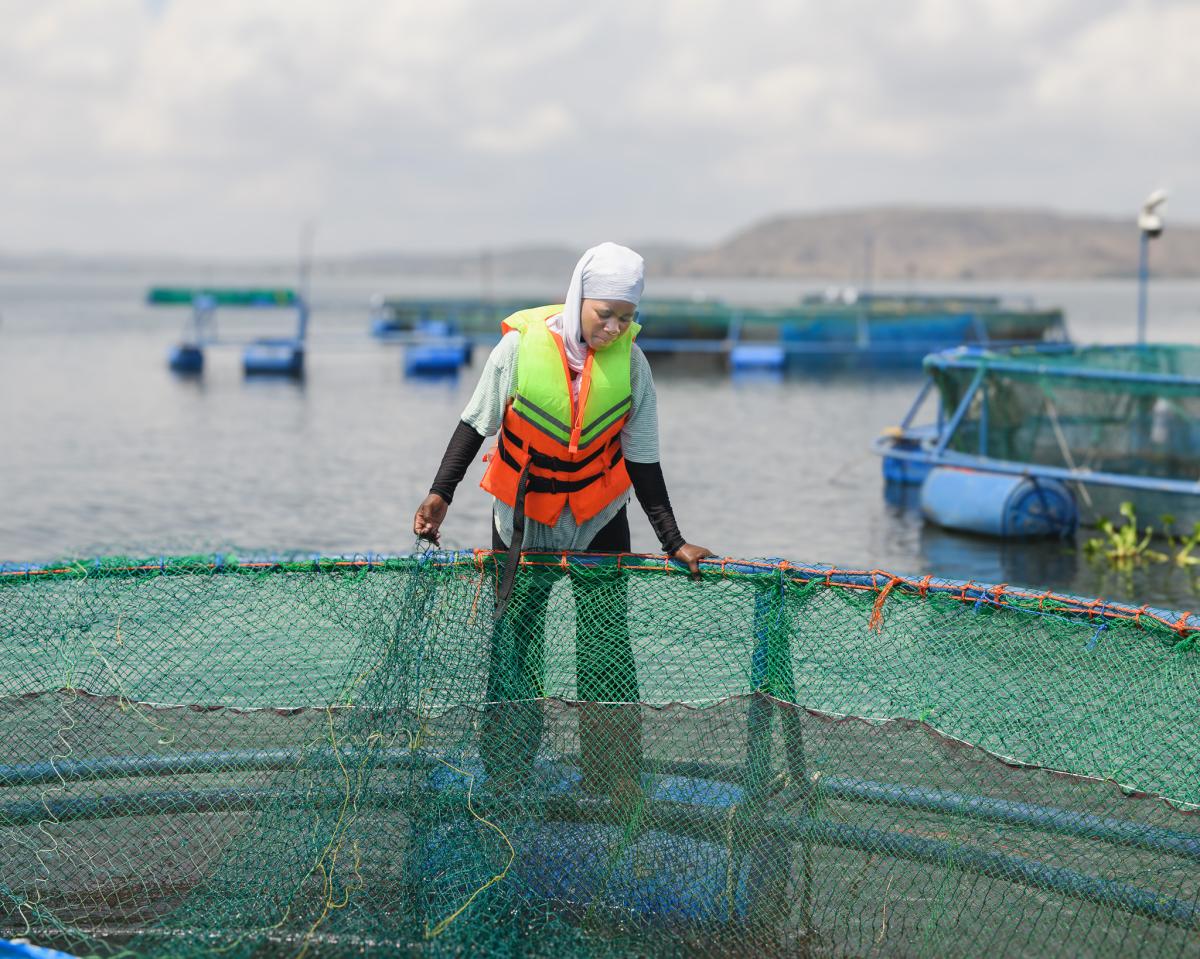
Hadija never stirred from her desire to manage a fish cage. Through
the WRP she was assigned for practical experience, at Acquacom, a private fish
farm on the outskirts of Mwanza.
According
to Emmanuel Shija, Acquacom branch manager in Mwanza, after the scheduled
practical attachment of three months, his company retained six youths as
temporary employees. Then, when ASOBO, an E-mobility company, started investing
in fish farming, they approached Acquacom to recommend a hardworking, trustworthy
farm manager. Hadija was recommended.
In October 2026, Hadija successfully delivered her first
harvest, completing 7 months of breeding, feeding and treating the stock of
tilapia in the fish cage of her employer.
“She has been very good, in the management of the cage,” says,
Desdeus Clavery the Director of ASOBO.
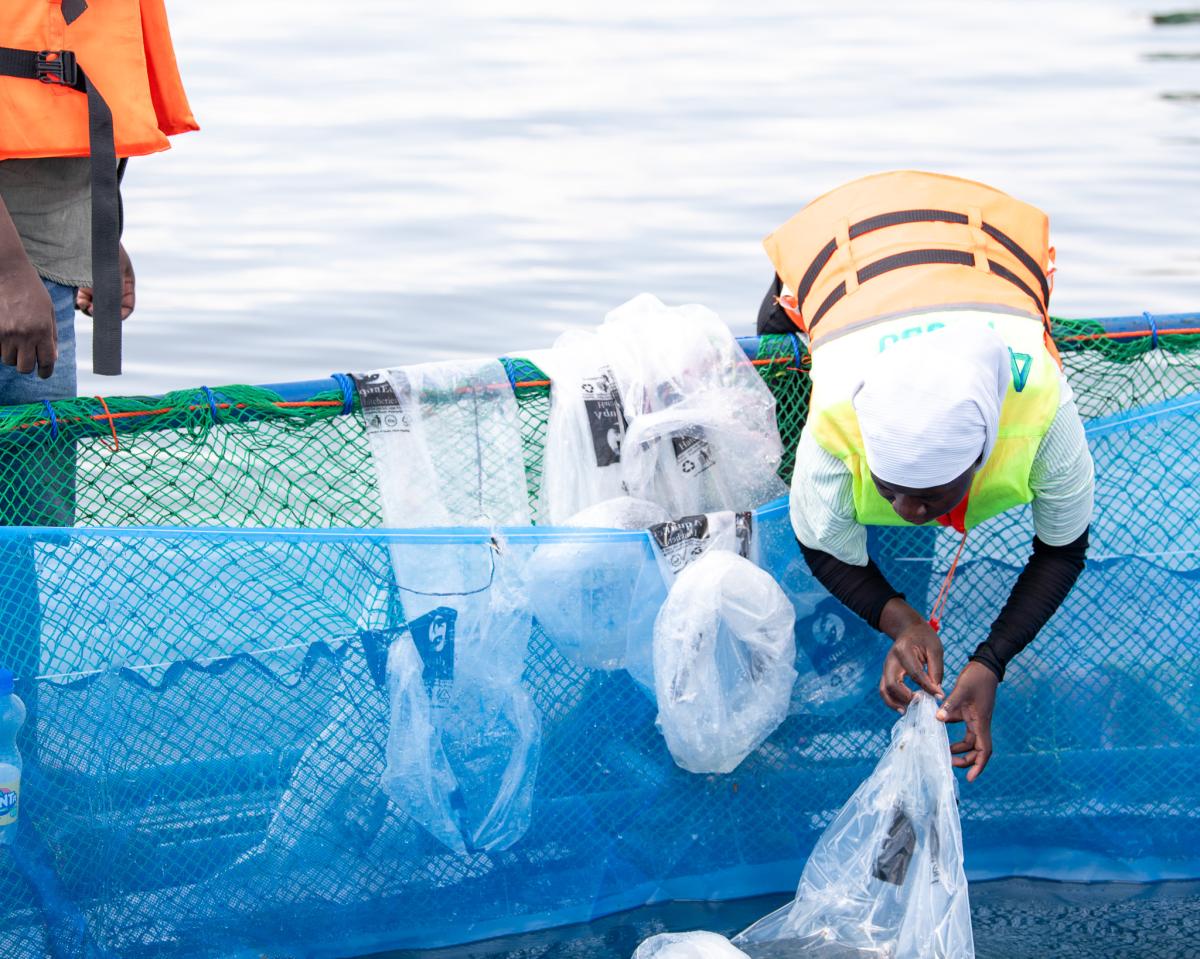
A new stock has just been introduced in the
cage for the next round.
“I have always wanted to work in fishing and, I’m grateful
that the WRP program enabled me to reach my goal. I will work to perfect my
skills and experience, ultimately, my goal is managing a big farm and, starting
small, running my own fish farm in the future.”
The fact that Hadija, got a job at ASOBO, that has also
benefited from Inclu-cities financial support to grow their venture that provides
environment friendly engines for mobility for Lake Victoria fishers, emphasizes
the value of linkages the Enabel promotes. Growing businesses need a labour
force with the right skills.
Ends
Latest news from this project
No news