New Partnerships Sought to Unlock Nacala Corridor Opportunities
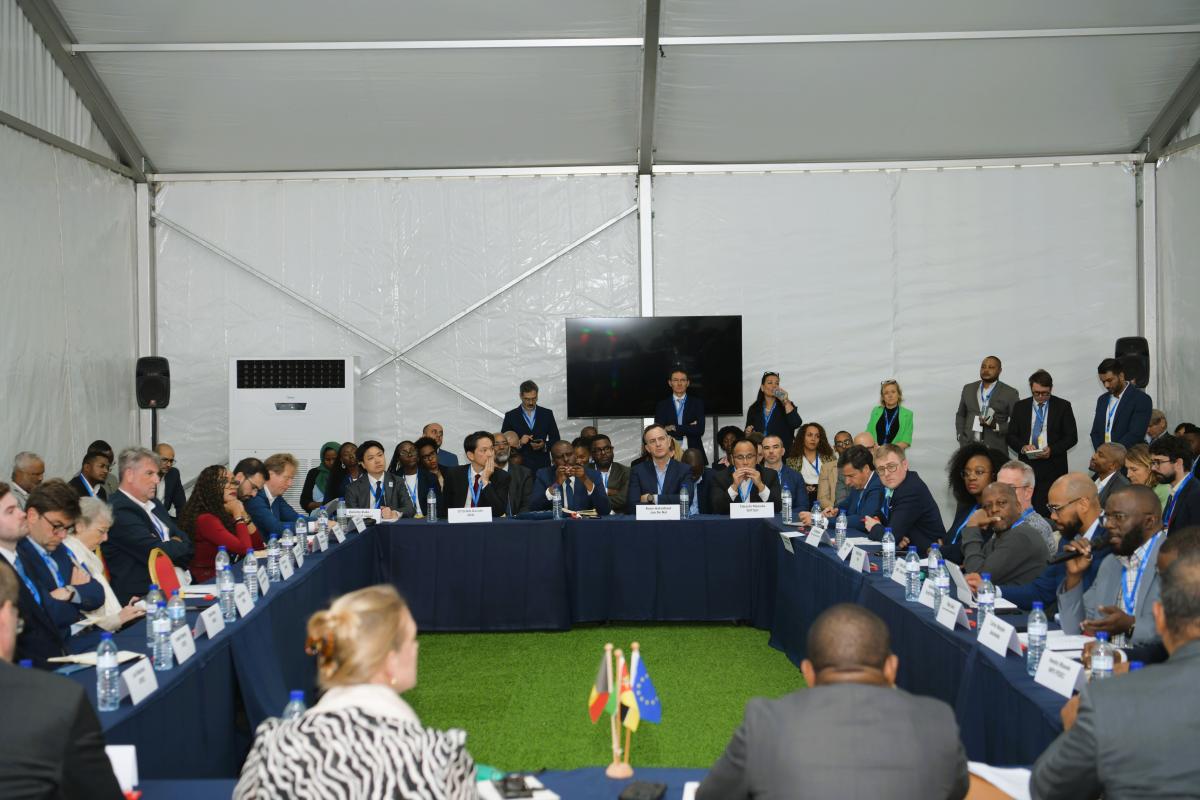
At the Mozambique-EU Business Forum,
stakeholders called for coordinated action to transform the Nacala Corridor
into a platform for sustainable investment, economic growth and regional
integration.
Maputo, 9 June 2026 – Government
representatives, investors, development partners and private sector actors
gathered today at the Mozambique-EU Business Forum to discuss how coordinated
investments and new partnerships can unlock the economic potential of the
Nacala Corridor and accelerate sustainable development across northern
Mozambique and the wider region.
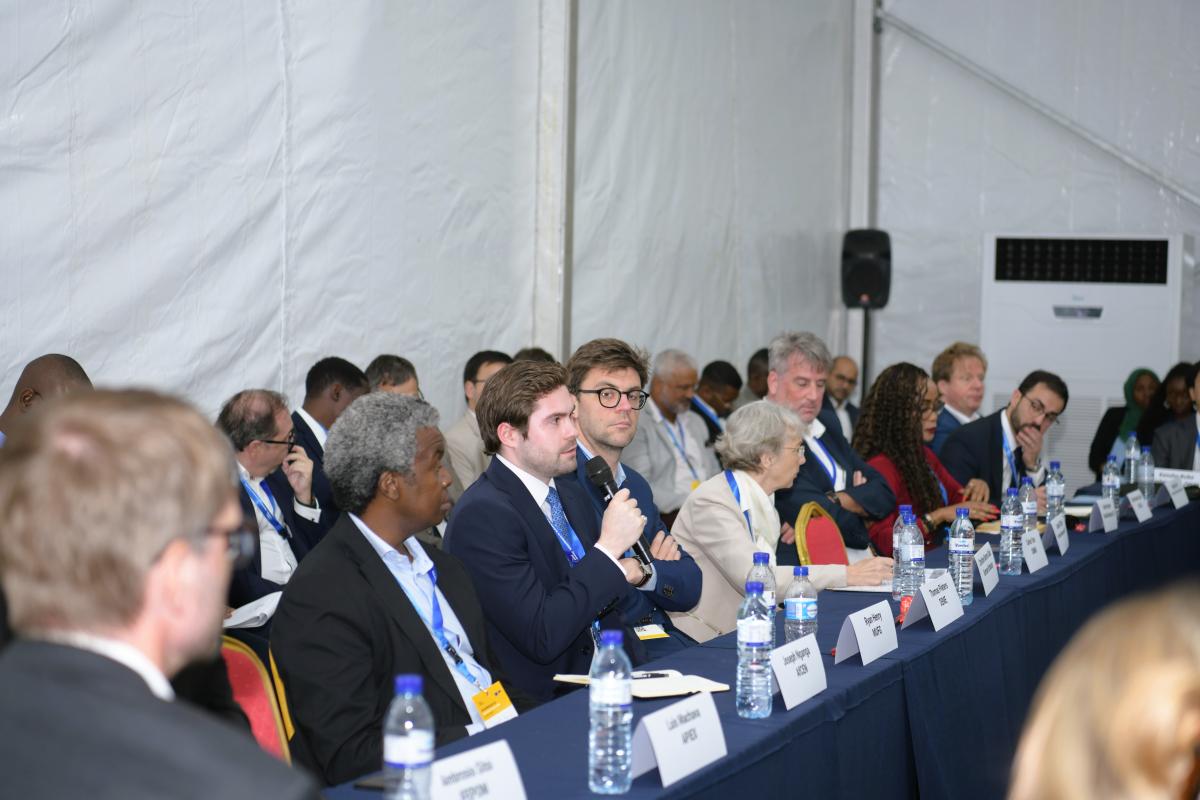
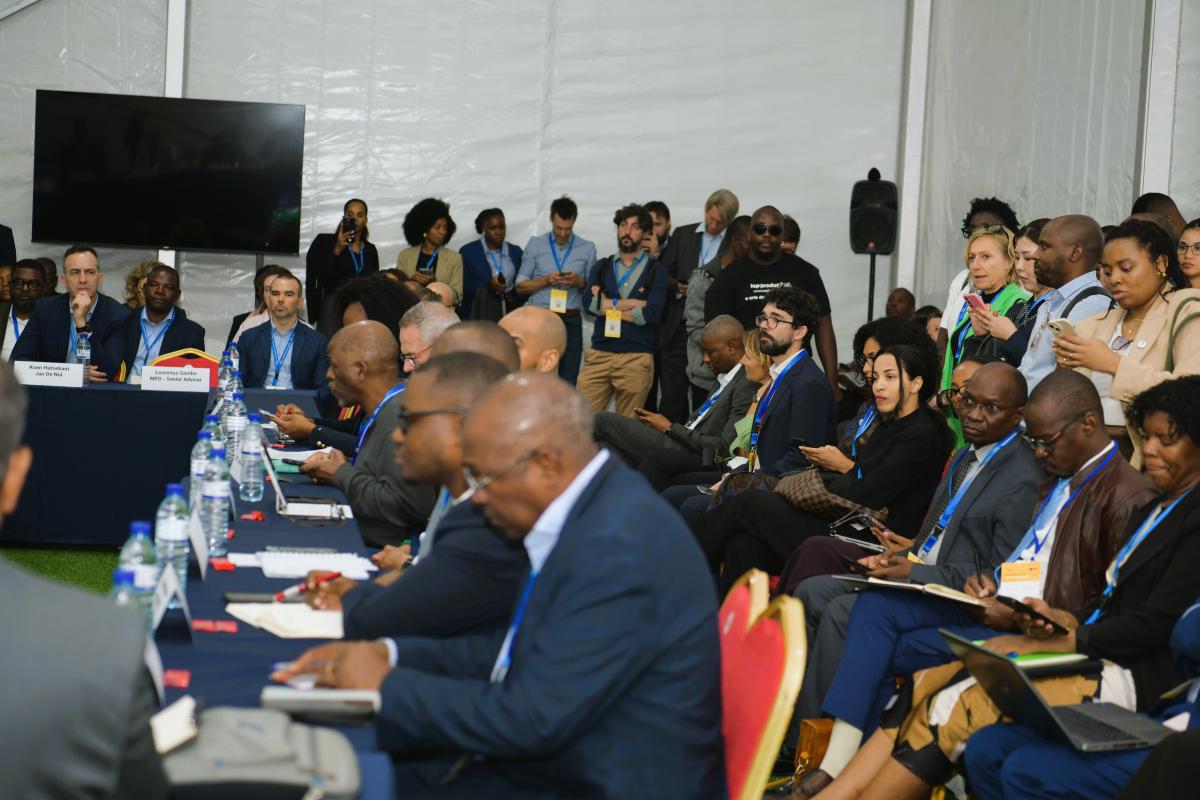
The session, co-hosted by Mozambique and Belgium, focused
on how coordinated corridor development can attract investment, strengthen
value chains and create economic opportunities across sectors including
agriculture, logistics, mining, energy and tourism.
While the Nacala Corridor offers significant
opportunities for investment and growth, participants noted that many
communities in the region continue to face development challenges. The
discussion focused on how investments can generate both economic returns and
positive social impact.
Opening the session, the Government of Mozambique
reaffirmed its commitment to advancing an integrated vision for the corridor,
one that goes beyond transport infrastructure and positions the Nacala Corridor
as a platform for economic transformation, regional integration and private
sector development.
“The opportunities are significant. It is now our
responsibility to work together to transform them into viable projects,
sustainable investment, employment, economic growth and real benefits for the
population,” said Angelo Nhalidede, National Director of Economic Policy and
Development at the Ministry of Planning and Development.
Turning vision into implementation requires effective
coordination. Hendro Nhavene, Head of the Project Implementation Unit for
PEDEC-Nacala, explained how the unit helps align investments and interventions
with the Nacala Corridor Economic Development Strategy and broader government
priorities.
“We have a steering committee with different government
entities that meets at least twice a year for coordination and alignment across
sectors and stakeholders,” said Nhavene.
He noted that PEDEC-Nacala serves as a gateway for
investors and development partners seeking to engage in the corridor, helping
connect them with relevant government institutions while ensuring that proposed
initiatives complement ongoing efforts and national priorities.
“Whether you are looking for a project in agriculture,
logistics or environment, instead of going to different entities, we can
provide you with relevant information,” he added.
The vision of the other side
Private sector perspectives reinforced both the opportunities and challenges associated with operating along the corridor. Agricultural exporter Jacaranda shared how improved connectivity has facilitated access to international markets, while noting that access to finance and climate-related shocks remain significant barriers to growth and resilience. International partners also shared lessons from their experience supporting corridor development.JICA highlighted the importance of long-term planning and integrated development approaches, noting that sustainable economic transformation depends on combining infrastructure investments with reliable energy, education and local development. Port of Antwerp-Bruges International echoed these lessons, drawing on its partnership with Enabel in Benin, where knowledge transfer, institutional strengthening and capacity development helped build sustainable local management capabilities.
Building on this experience, preparations are underway to support similar cooperation initiatives in Mozambique through European Union financing. Participants concluded that the future success of the Nacala Corridor will depend on its ability to function not only as transport infrastructure, but also as a platform that connects businesses, communities, institutions and markets. Priorities identified during the discussion included improving connectivity between production areas and transport networks, reducing logistics costs, strengthening the enabling environment for investment and promoting coordinated implementation across sectors.
The session was part of the MOZ-EU Business Forum, which brought together public and private sector stakeholders to strengthen economic cooperation and promote sustainable investment between Mozambique and Europe.
Laatste nieuws van dit project
Geen nieuws