Energy study visit to Belgium: insights from Ukrainian experts
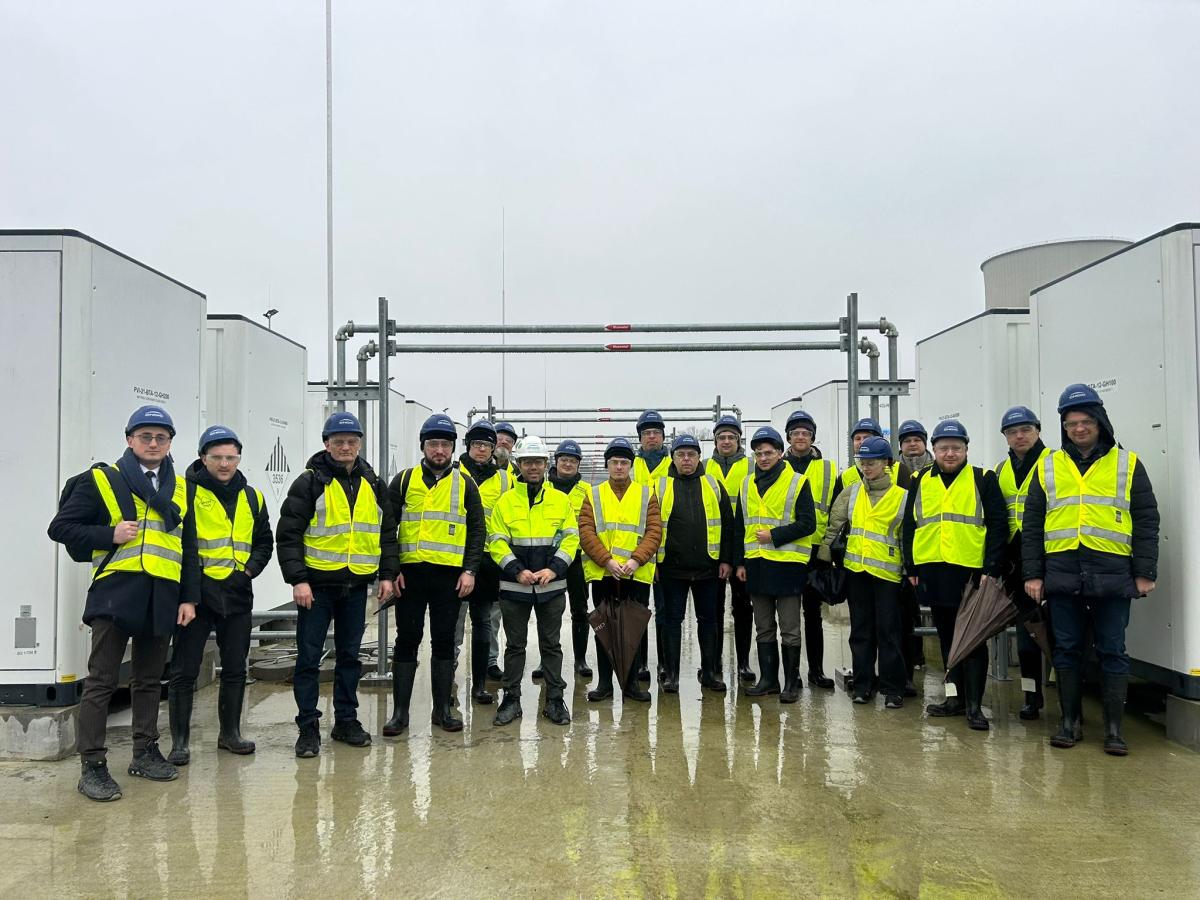
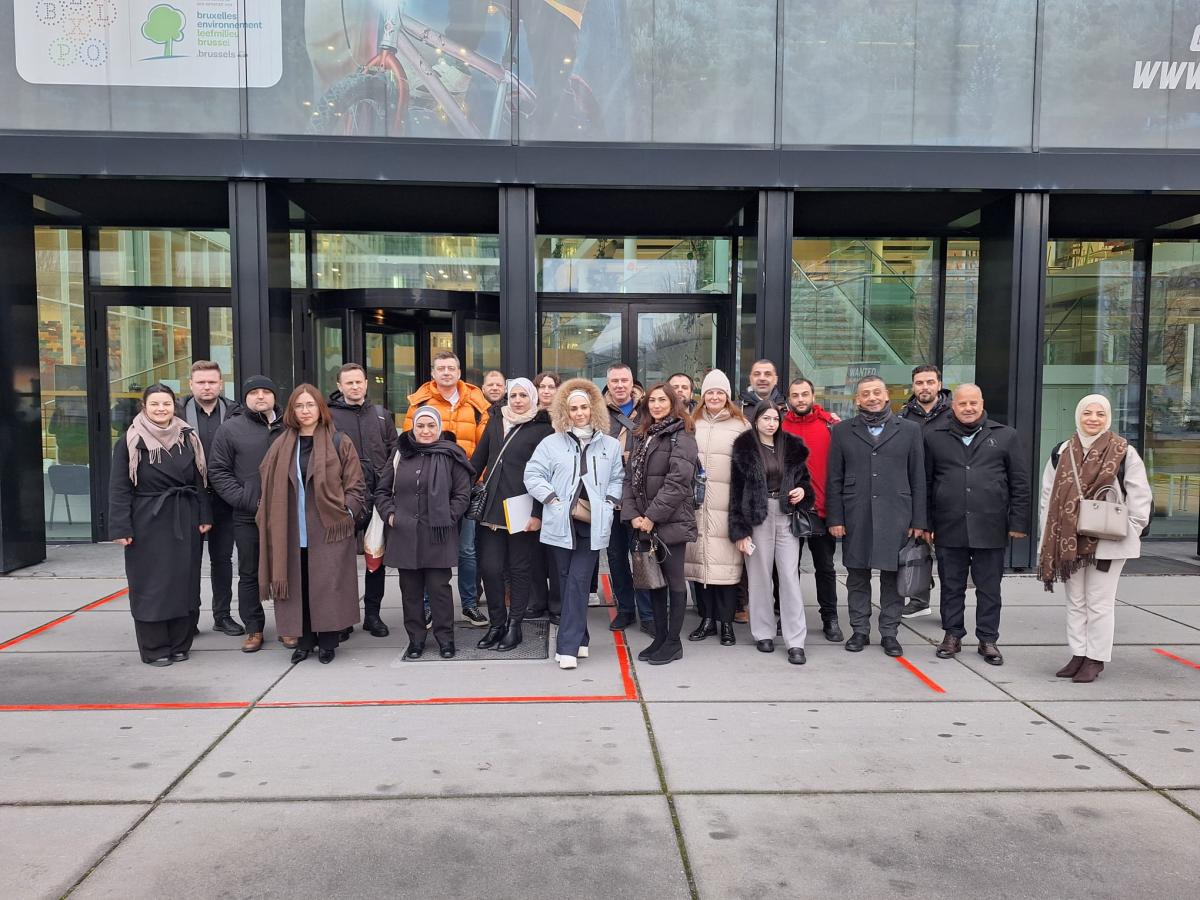
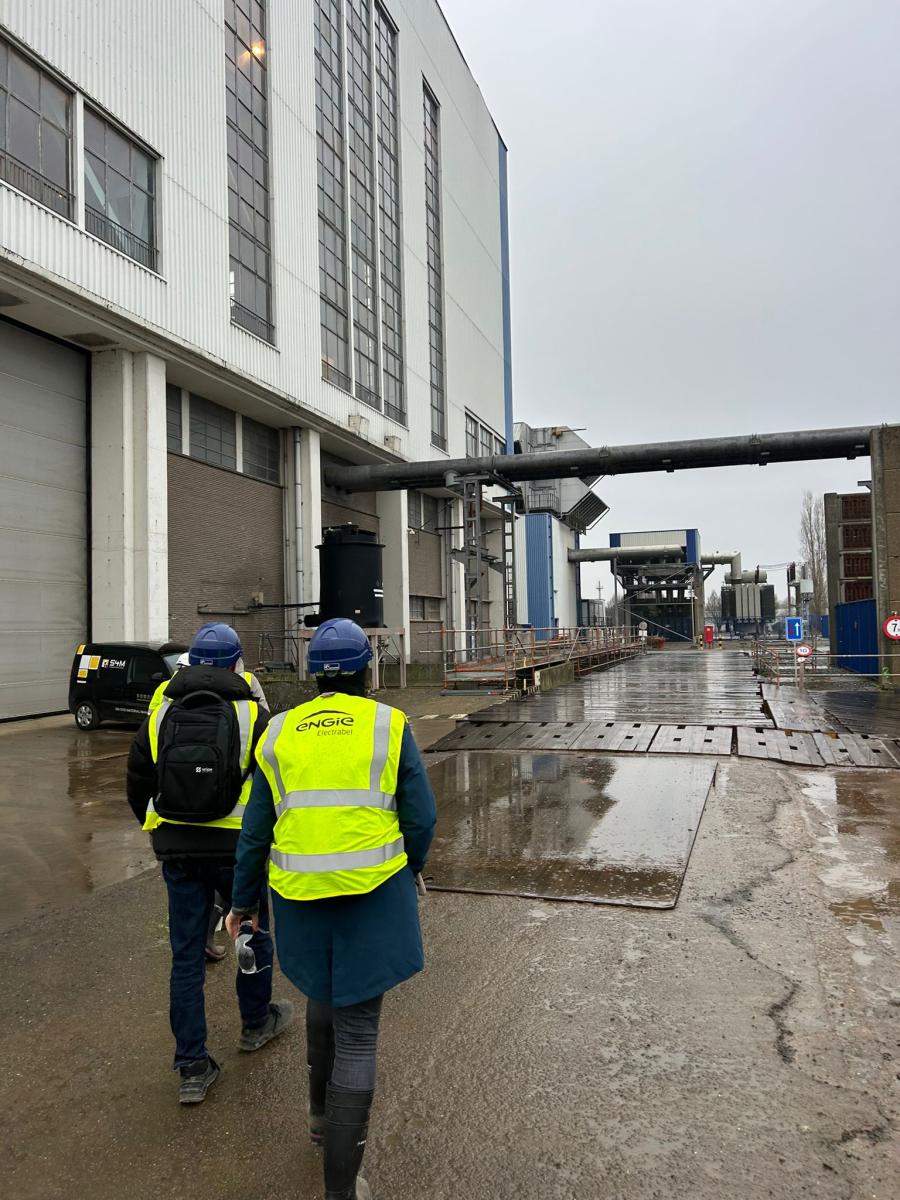
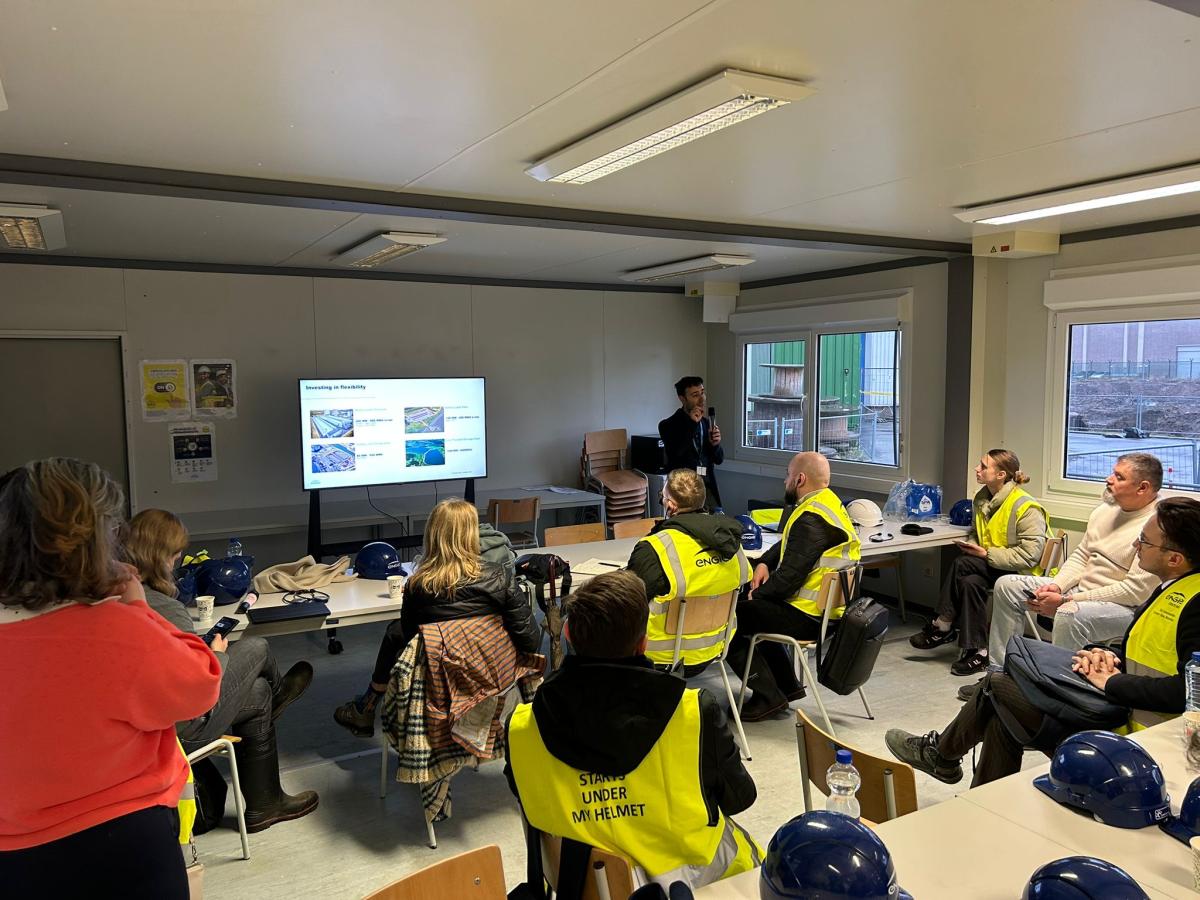
Enabel welcomed senior public-sector energy delegations from Moldova, Ukraine and Palestine to Belgium for an intensive study tour from 2 to 6 February 2026.The programme combined site visits and targeted exchanges with leading Belgian public and private actors to explore energy efficiency in buildings, ESCO mechanisms, EU grid integration, battery energy storage systems (BESS) and battery circularity.
The week featured engagements with a wide range of Belgian stakeholders across the energy ecosystem, including Elia, Brussels Environment, Engie, Umicore, Sortbat, Sibelga, Deplasse, Vlaams Energiebedrijf (VEB), Homegrade, Yuso, Ampacimon, Octave and Coopeos.
These interactions enabled peer-to-peer learning on policy, regulation and operations, as well as hands-on exposure to Belgian innovations and project execution models.
At Enabel's request, the participants from Ukraine's Ministry of Energy and Ministry of Development shared what stood out to them and which practices from their Belgian colleagues they felt were worth taking back home.
● Liubava Radiychuk, Deputy Director (Municipal Infrastructure), Recovery and Reform Support Team at the Ministry for Development of Communities and Territories in Ukraine
Giving batteries a second life
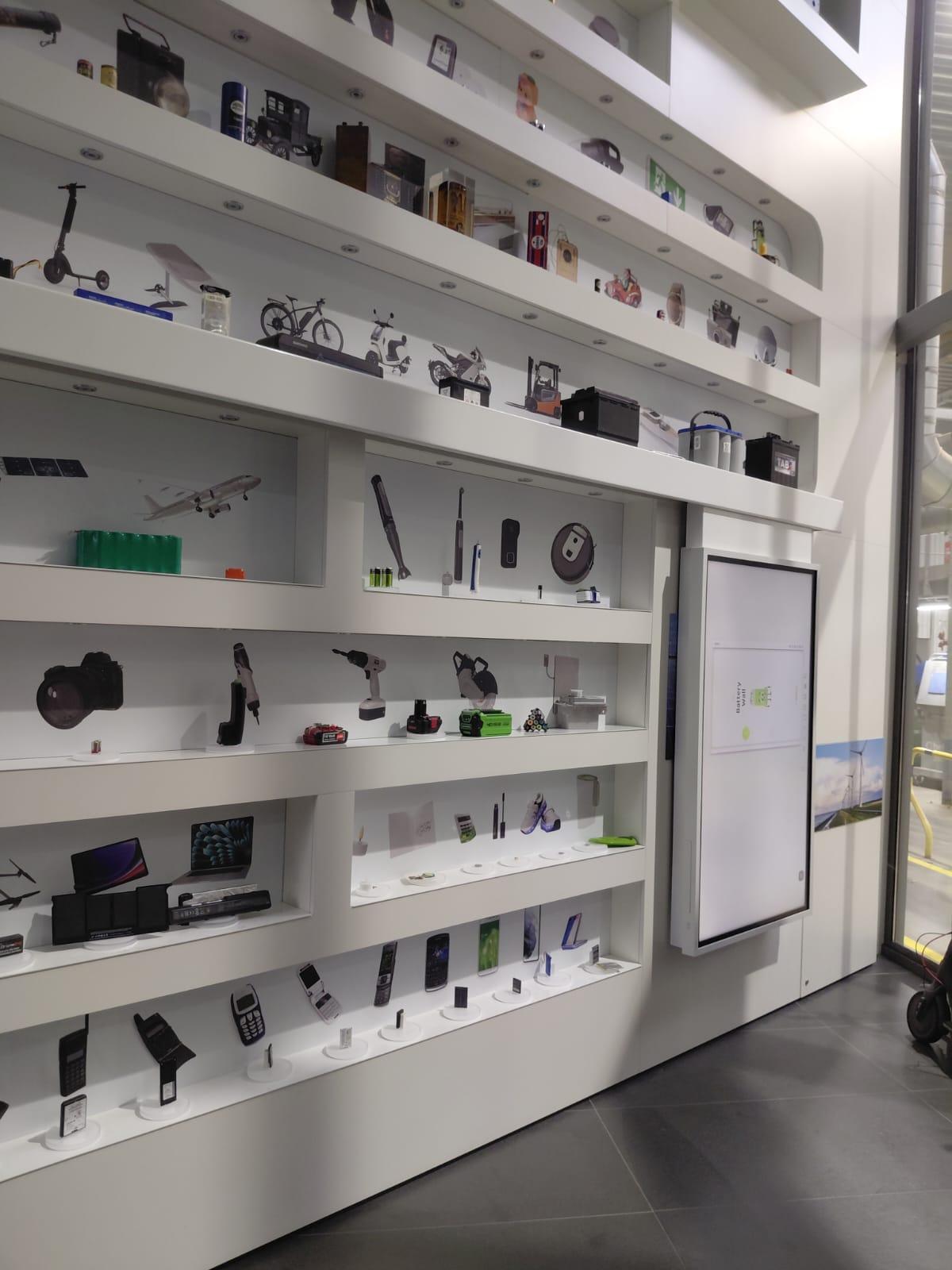
“The visit to Bebat and Sortbat offered a full picture of battery waste management – from collection and logistics to advanced sorting. Their strong focus on research, safety in storage and transport, and the use of AI and X-ray technologies for sorting were especially noteworthy.
For Ukraine, where widespread battery use has become a necessity due to power outages, developing a comprehensive management strategy – including second-life applications – is now an urgent task.”
Lessons from Belgium
“From my perspective, the most relevant example for Ukraine is the integrated climate policy approach of Bruxelles Environnement, which demonstrates effective cooperation between public authorities and the private sector.
In the near term, Ukraine should prioritise collecting and structuring reliable data – particularly on the condition of its building stock – to support evidence-based decisions.
Over time, scaling up energy efficiency will require financial incentives, grant programs, circular economy standards, and consistent long-term planning.”
● Roman Polishchuk, State Expert of the Expert Group on Renewable Energy Development, Ministry of Energy of Ukraine
Insights from the grid control room
“Our visit to the control center of Belgium’s transmission system operator, Elia Group, left the strongest impression. Alongside the tour, we received a clear and practical overview of how their system is designed to manage balancing and integrate renewable energy.
It was particularly insightful to watch, in real time, how a power system with a high share of renewables maintains stability – using market-based tools, ancillary services, and cross-border electricity flows.
A powerful moment came when we saw Ukraine’s unified power system marked in red on the map, reflecting its forced isolated operation after the largest attack on energy infrastructure at that time. It was a stark reminder of how critical grid resilience and deeper integration with the European energy system are for Ukraine.
Circularity as a strategy
“One solution that stood out was presented by Ampacimon. The company develops transmission line sensors that monitor vibration, temperature, sag, and other indicators to determine real-time line capacity, with updates every five minutes.
For Ukraine, where infrastructure damage has led to persistent transmission bottlenecks, such tools could help dispatchers at Ukrenergo make better use of available grid capacity and operate the system more flexibly.
In the short term, battery energy storage systems (BESS) – especially when paired with solar power plants – are a priority. They would make it possible to shift generation from peak production hours to peak demand periods, reduce imbalances, and strengthen system flexibility.
Looking further ahead, I was impressed by the model presented by Bebat, Sortbat, and Umicore. Their integrated system for collecting, sorting, and recycling batteries returns valuable materials back into production.
This approach is increasingly relevant for Ukraine, given the rapid growth in power banks, backup storage systems, and the expected expansion of BESS and electric mobility.
Establishing a single, vertically integrated operator with a closed-loop cycle – from collection to recycling – could help Ukraine prepare for rising volumes of used batteries.”
Laatste nieuws van dit project
Geen nieuws