Building partnerships for a mineral-powered future and inclusive growth in Uganda
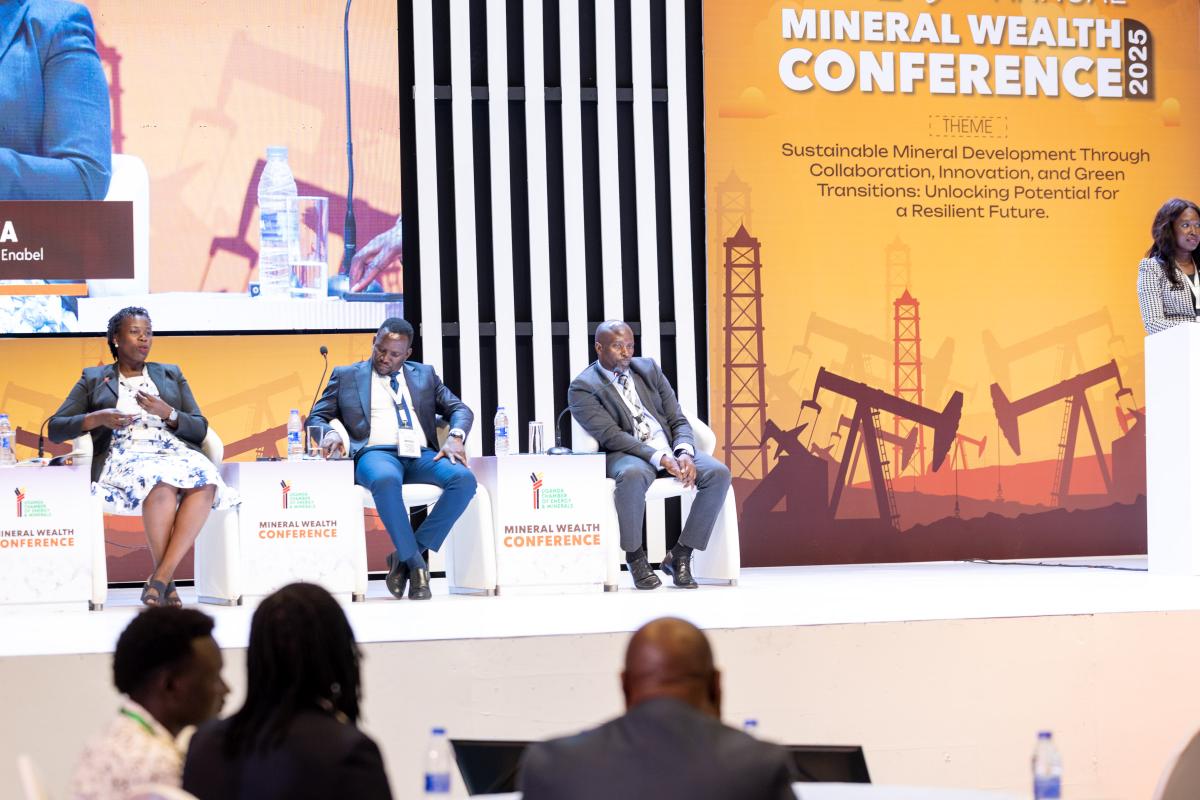
Uganda’s mining sector took center stage at the 14th Mineral Wealth Conference organised by the Uganda Chamber of Energy and Minerals, in collaboration with the Ministry of Energy and Mineral Development of the Government of Uganda and other stakeholders at the Serena Conference Center, Kampala. This conference builds on the success of previous conferences, which have established Uganda and the whole region as a prime destination for mineral investment and exploration.
The Ministry of Energy and Mineral Development notes that Uganda hosts more than 50 mineral types, with significant reserves including 31 million tonnes of gold, 560 million tonnes of iron ore, and 7.8 million tonnes of copper.
Hon. Canon Dr. Ruth Nankabirwa Ssentamu, the Minister of Energy and Mineral Development, in her communication, said that Uganda is blessed with gold, copper, iron ore, lithium, cobalt, graphite, rare earths, and a dynamic, youthful population. “The goal is to grow the country’s economy tenfold by 2040 through value addition, industrialisation, and strategic partnerships,” she emphasised.
Aggrey Ashaba, the Chairman of the Uganda Chamber of Energy and Mines, underscored the need for value addition in the minerals and extractives subsector. “For any of us who are interested in the sector, we need to make sure that we support processing, mineral beneficiation, national content, and the communities where mining is done so that we give them identity and ownership,” added Ashaba.
Currently, the mining and energy sector contributes just 1% to the gross domestic product, but the government is targeting to grow this to between 8-10% in the next 5 years, before growing it further to 25% by 20240. “This is achievable with the support of all partners, investors, and policymakers,” said Ashaba. He added that every stakeholder should bring their innovation to make sure that these targets are achievable.
Meanwhile, the British High Commissioner, Lisa Chesney MBE, praised Uganda’s collaborative approach, saying strong partnerships between Uganda and the UK, especially in finance, would be vital in unlocking new opportunities.
During the conference, Enabel took part in a panel discussion focused on unlocking the potential of host communities for sustainable mineral development. The session highlighted the importance of enhancing regulatory clarity, promoting responsible mining practices aligned with Environmental, Social, and Governance (ESG) standards, and driving value addition to empower both businesses and communities along the mineral value chain.
Speaking on the panel, Moreen Kiiza, the Enabel Business and Human Rights Expert, emphasized that community participation is not merely a privilege but a fundamental right. “The human rights-based approach seeks to empower local communities to unlock opportunities, address vulnerabilities, and meaningfully engage with mining companies,” she explained.
Mr. Don Binyina, Executive Director of the African Centre for Energy and Mineral Policy (ACEMP), added that communities in mining areas hold a right to have licenses and should not rely solely on royalties or compensation. Instead, he noted that, “they can and should play an active role in driving sustainable development within the sector.”
Mining and extractives, including oil and gas, are one of the four sectors that the government is banking on in the implementation of the fourth National Action Plan (NDP IV) that seeks to grow Uganda’s gross domestic product to 500 billion US dollars by 20240. As the country seeks to strengthen its position in Africa’s mineral landscape, participants agreed that collaboration between government, industry, and financial institutions will be essential to achieve sustainable growth.
Laatste nieuws van dit project
Geen nieuws