Gisakura: Where the Forest meets the Tea
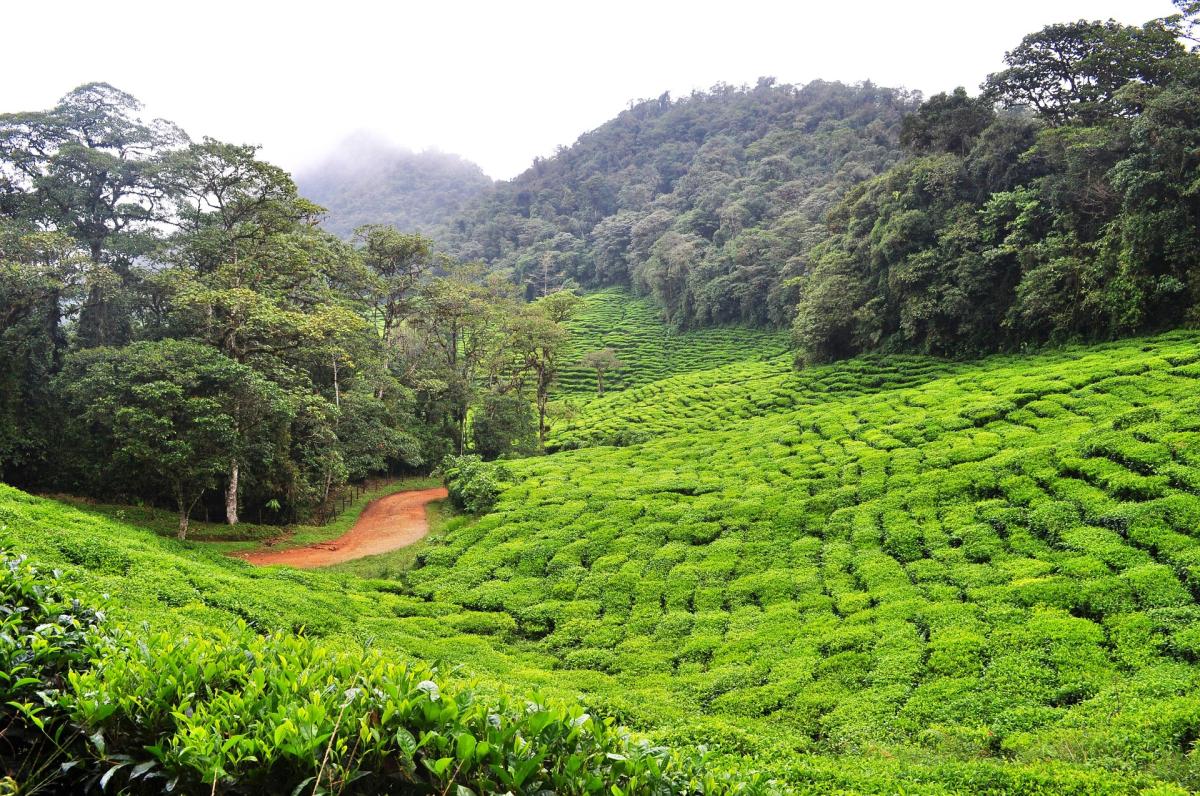
On the edge of Nyungwe, one of
Rwanda’s great ancient forests, life is lived close to the trees. Between 400
and 500 people share every square kilometre of land here, and for generations
they have turned to the forest for what they need: wood for the cooking fire,
timber for building, medicinal plants for healing, and a host of other gifts
from the canopy.
But the forest has been carrying
a heavy load. Farms slowly expanded outward, poachers slipped between the
trees, and a changing climate added its own quiet pressure. Little by little,
the green cover of the park and the land around it began to thin.
Then came a new initiative.
Through the NaturAfrica project,
and in partnership with the Rwanda Forestry Authority and Rwanda Mountain Tea,
a plan took root: bring indigenous trees, some of them already at home in
Nyungwe, back into the tea plantations. The hope was simple and bold. The trees
would restore the forest cover, nourish the soil, and welcome biodiversity
home.
In Gisakura, in Nyamasheke
District, the story began with the people themselves. Local tea growers’
cooperatives walked their fields and helped map out 250 hectares of plantation
where agroforestry would be planted. The approach was new to them, yet they
welcomed it with openness and enthusiasm, and that welcome was perhaps the most
inspiring part of all.
Those 250 hectares will become
more than a planting site. They will form a living corridor, a green thread
linking the tea plantations to the Nyungwe forest through the Nyungwe Remnant
Forest, so that nature can once again move freely between the two.
Healthier soil and protected
water sources will bring benefits well beyond the trees. The same water that
serves the tea factory also serves the surrounding community, and with it
safeguarded, Rwanda Mountain Tea and the growers’ cooperatives can work towards
organic tea certification, a step that ties livelihoods directly to
conservation.
And as the young trees rise, the
story reaches further still. The forest cover will increase, carbon dioxide
will be drawn from the air, and a small corner of Rwanda will play its part in
the global effort against climate change.
Laatste nieuws van dit project
Geen nieuws