Kundi Salum’s journey from a stressful youth to decent job
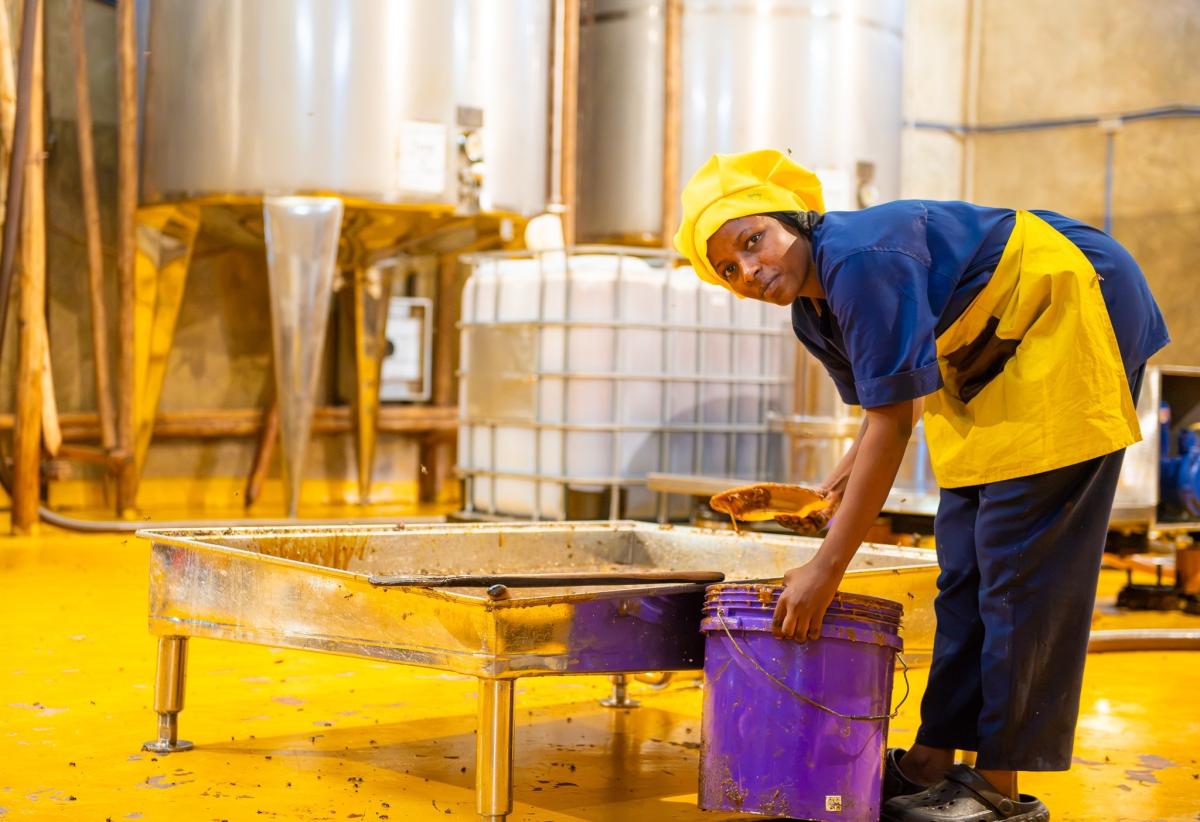
Back in 2022, Kundi Salum and her family had considered learning a skilled trade at the Kigoma centre of the Vocational Education and Training Authority (VETA), but the costs were too high for her aunt who had been taking care of the young lady after her parents passed away.
Kigoma region’s population is dominated by a youth workforce. However, many young people—particularly girls and young women—remain poorly positioned to benefit from economic opportunities that continue to grow in Kigoma. High training costs, persistent gender stereotypes, inadequate gender-responsive facilities, weak links between training institutions and employers, and limited access to workplace experience restrict their participation in vocational education and their transition into decent employment. Kundi’s path changed in 2025 when she joined food processing course at VETA Kigoma through the facilitation of Wezesha Binti Project. With support from the Belgian government, the Wezesha Binti project strengthens the transition from training to work by facilitating linkages between TVET institutions linkages and employers. In Kigoma town, Third Man Limited, a honey processing and marketing company famously known as Upendo honey is one of private sector collaborators in the Wezesha Binti’s TVET program. “We found that Wezesha Binti mission to empower girls with skills and decent jobs and businesses matches with our objectives as a company,” says, Byela Bandio, a Human Resource Officer at Third Man Limited. As part of the memorandum of understanding between Enabel and VETA, doors were open for learners like Kundi to gain the much-needed experience.
“At Upendo honey I learned how to live like an employee, how to interact with people at a place of work, how to contribute to a team,” says Kundi.
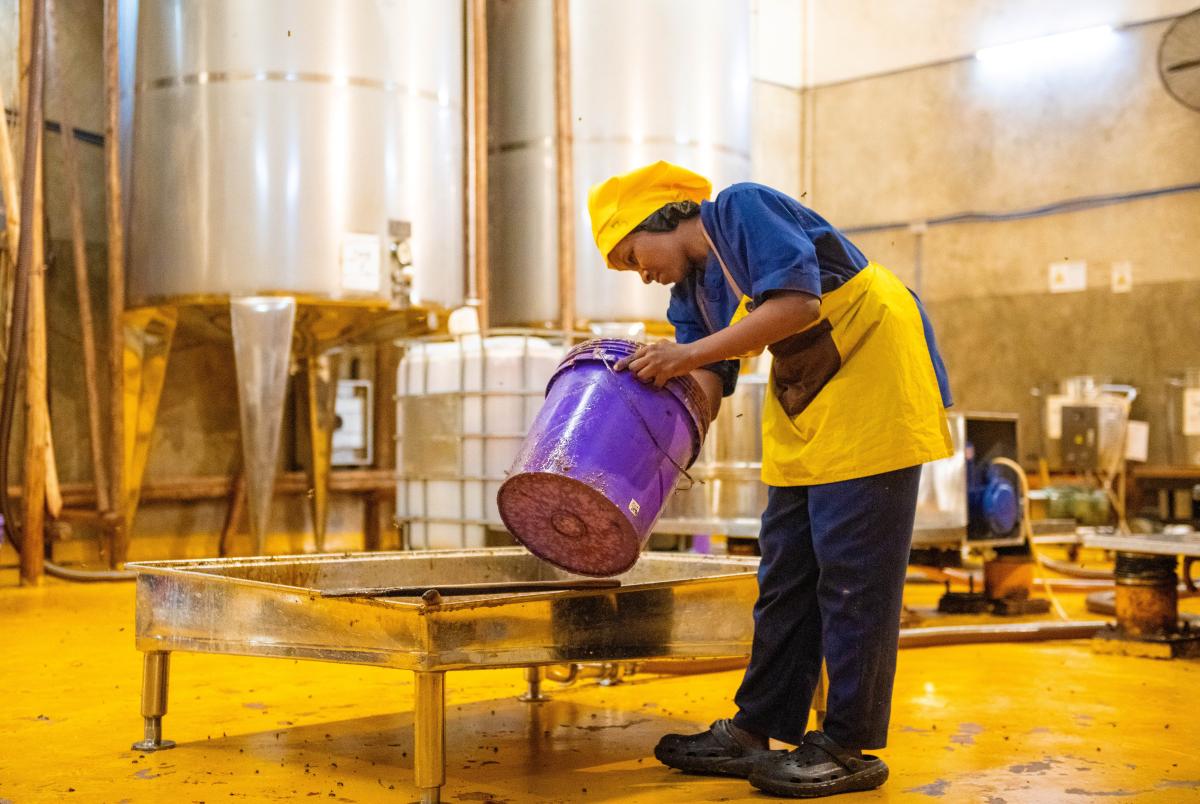
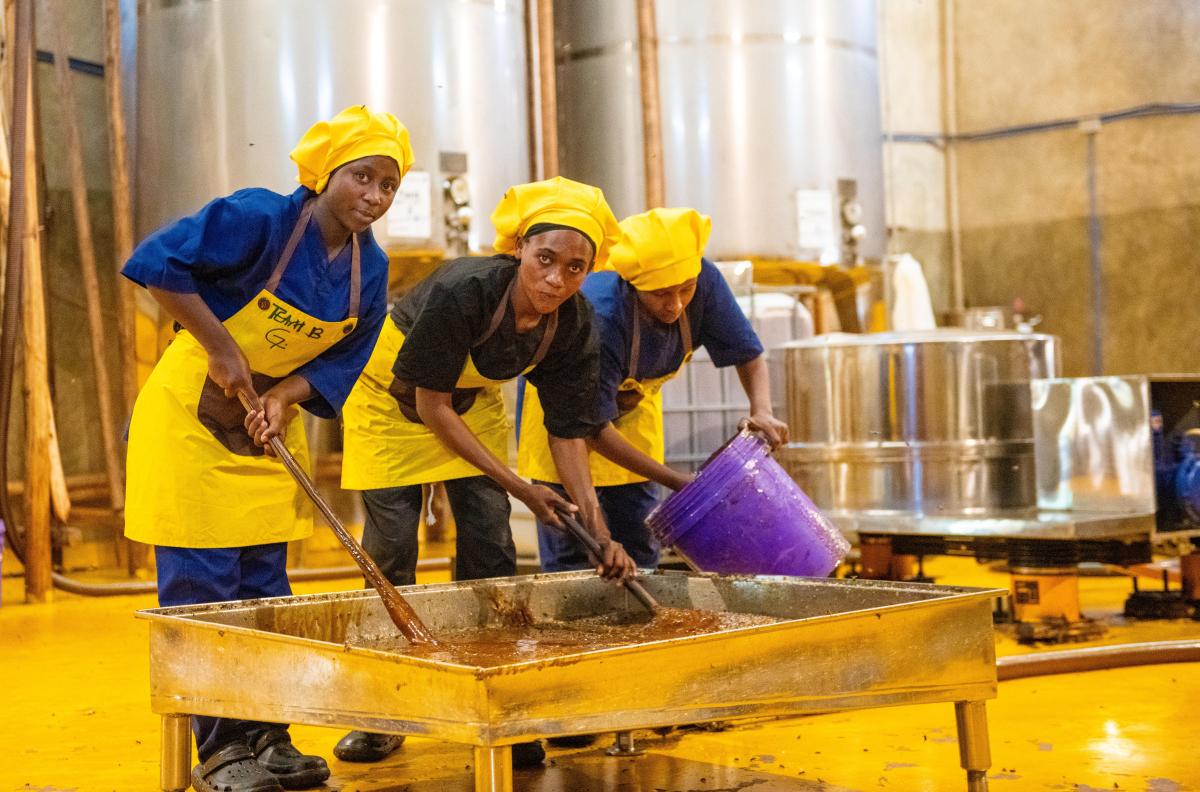
On top of providing space for VETA’s students to gain practical experience, Upendo Honey offered to employ some, based on the company’s requirements. Kundi was one of the three girls who received a call to report for work at Upendo Honey a couple of months after completing their field attachment. Employers that collaborate with VETA and Enabel through Wezesha Binti benefit with meeting youth that are hardworking and malleable therefore can be trained to fit in their environment. “Without this collaboration probably, we would not have been able to meet some of these young girls who are excellent staff and very good people,” says Byela. Upendo honey did not require additional interview for the youth because they already observed their work ethic during their practical attachment. Kundi's experience reflects the broader impact of the Wezesha Binti Project in supporting young women to transition from training to decent employment.
A total of 300 graduates (204 women and 96 men) has secured decent employment through partnerships with public and private sector employers, including Third Man Limited (Upendo Honey), Kasulu Sugar Company, and other industries.
“I’m very grateful for the opportunity to get a job at Upendo Honey. I have a salary, I have NSSF, and I have medical insurance. Our factory is far from restaurants, but our employer provides lunch for us. I feel valued.” Her story demonstrates how partnerships between TVET institutions and employers can create sustainable employment opportunities for young women in Kigoma. ends
Dernières actualité de ce projet
Pas d'actualité