Rechercher
Visualisation 1 - 2 de 2 évaluations
-

Beekeeping Value Chain Support (BEVAC) project
14/07/2026 2026 | Particip-technopolis
The project Beekeeping Value Chain Support (BEVAC), funded entirely by the European Union with a total budget of EUR 9.9 million, was implemented by Enabel in partnership with the International Trade Centre in Tanzania. It aims to contribute to inclusive economic growth and poverty reduction by strengthening the competitiveness of an environmentally sustainable and inclusive beekeeping value chain. The project focuses on three main results: improving the enabling institutional and regulatory environment for value chain actors; enhancing the efficiency and quality of production within the beekeeping value chain; and boosting access to domestic and export markets. Implemented across several regions of Tanzania between 2021 and 2026, the project operates in a context where beekeeping holds high economic and environmental potential but faces structural constraints such as low productivity, reliance on traditional practices, limited market integration and pressures on natural resources.The final evaluation serves both accountability and learning purposes, covering the full implementation period from 2021 to 2025/2026. It is structured around the CAD criteria, with a particular analytical emphasis on effectiveness, impact and sustainability, while also addressing relevance, coherence and efficiency. The evaluation applies a mixed-methods, theory-based approach combining qualitative and quantitative data, with analysis grounded in the project’s theory of change. In addition to performance assessment, it explores cross-cutting dimensions such as gender equality, youth inclusion, environmental sustainability, climate resilience, digitalisation, and private sector development. It also examines partnerships, market dynamics, institutional changes, and unintended effects, providing a comprehensive assessment of the project’s contribution to the transformation of the beekeeping value chain.
-
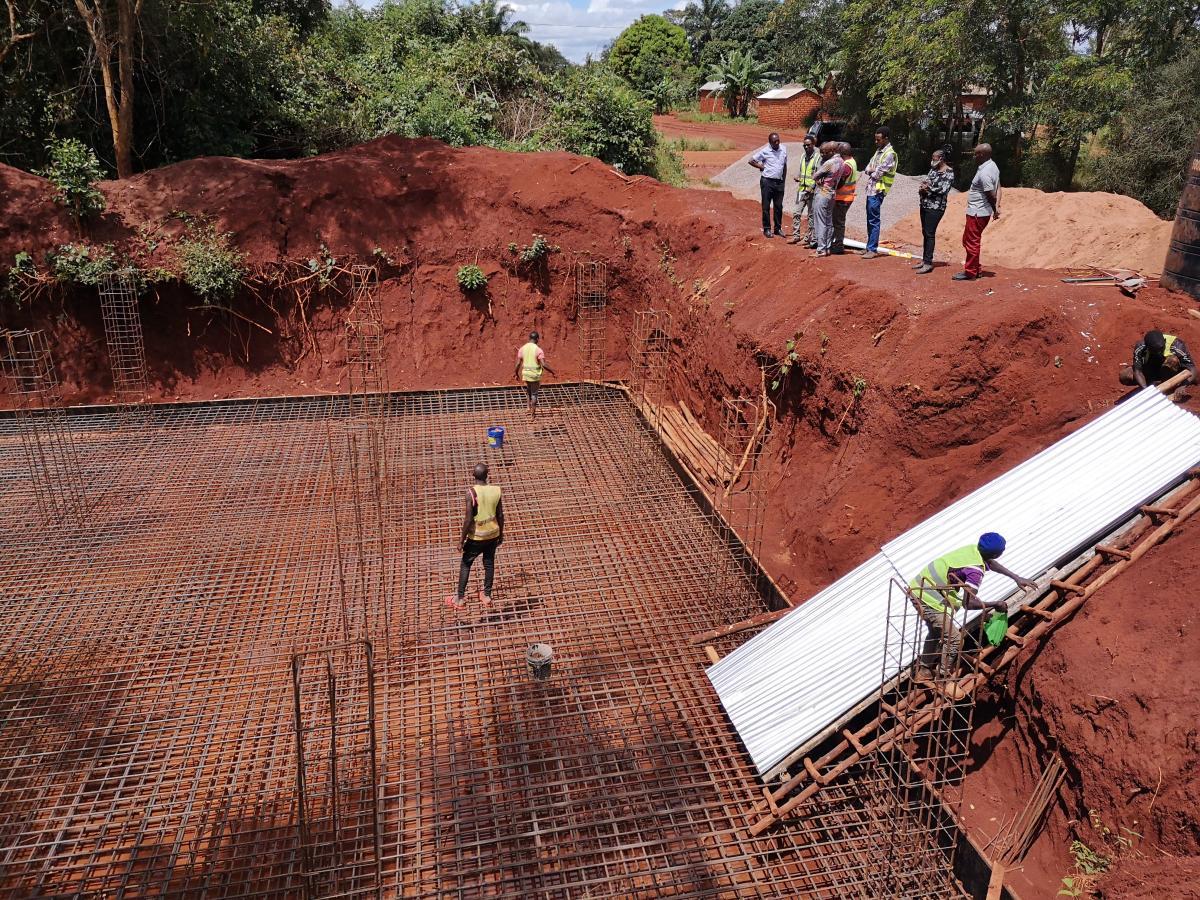
Water and Sanitation Kigoma Region Project (WaSKiRP)
29/10/2025 2025 | Particip-technopolis
The Water and Sanitation Kigoma Region Project (WASKIRP) was formulated as part of the Indicative Cooperation Programme between the Kingdom of Belgium and the Government of Tanzania. With a total budget of EUR 12,800,000 funded primarily by the Government of Belgium (including a contribution from the Government of Tanzania), the project was implemented by Enabel in collaboration with the Ministry of Water (MoW) and the Rural Water Supply and Sanitation Agency (RUWASA). The project addresses severe challenges in the water sector in Tanzania's Kigoma Region, a marginalized area facing low access to safe water (under 30% in targeted villages) and endemic waterborne diseases due to aging infrastructure. WASKIRP’s specific objectives were to increase access to safe drinking water, reduce the water and sanitation burden among communities—especially women and youth—and improve hygiene practices. Key results included establishing Community-Based Water Supply Organizations (CBWSOs) for sustainable management, providing access to safe water for 200,000 inhabitants through rehabilitated and extended assets, and promoting enhanced household hygiene practices.This End-Term Evaluation was conducted to assess the results achieved and the overall implementation process, serving the dual purpose of accountability and generating learning for future strategies. The analysis focused on the period from April 2021 to January 2025, while also considering earlier stages of the project's implementation since 2017. The analytical framework systematically examined all six DAC criteria. The evaluation questions prioritized aspects related to effectiveness, efficiency, and sustainability of the infrastructure and services delivered. In addition, the evaluation measured the project’s effects concerning three cross-cutting themes: gender equity, environment and climate change, and human rights. The findings are intended to facilitate strategic decision-making by Enabel and the Tanzanian authorities concerning the project’s planned phase-out.