Bee keeping is no longer for men only
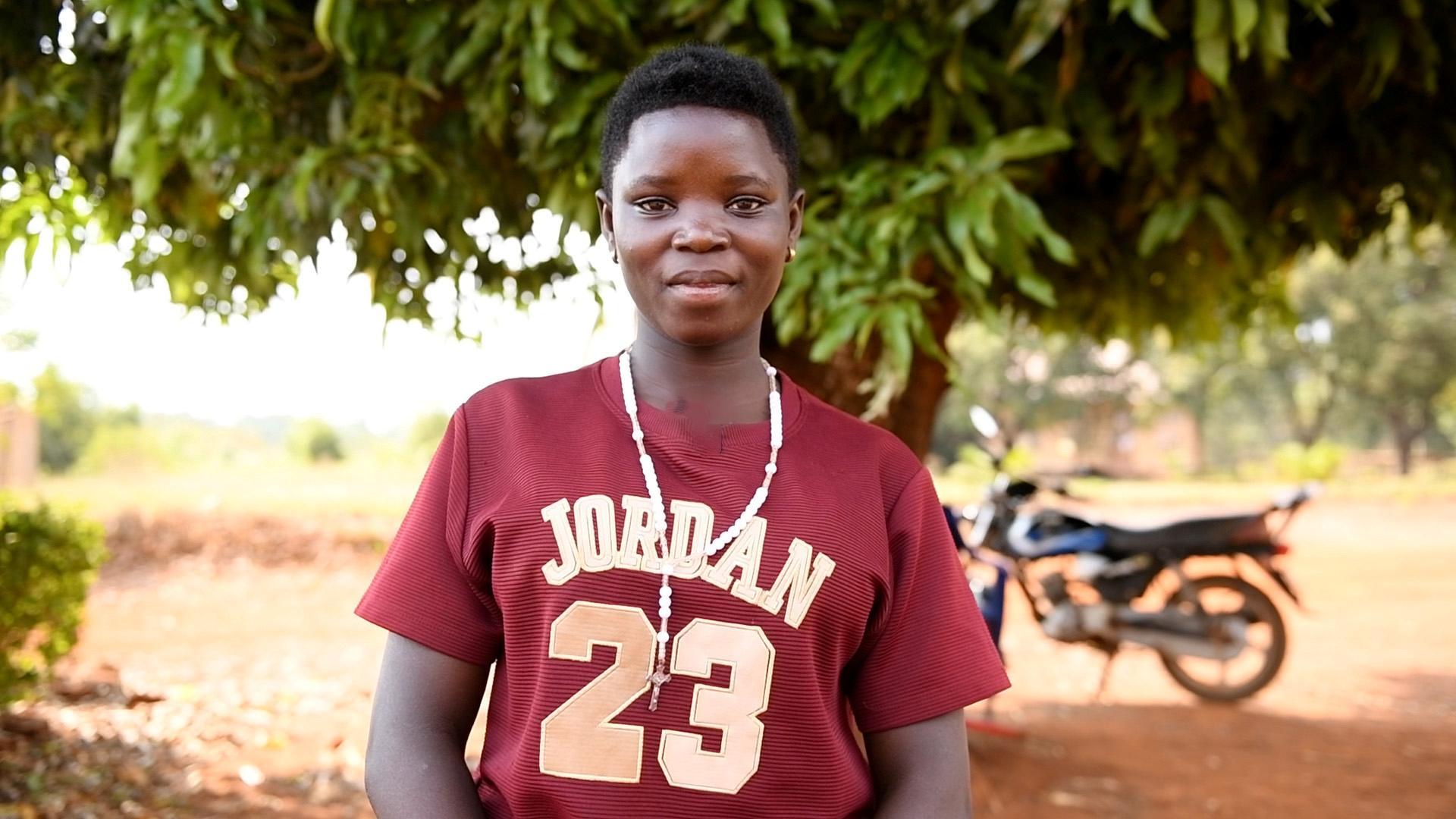
Dainess Issa Ali, a fourth child in her family of four girls and four boys, grew up in an extended family home with uncles and aunties and other siblings. She loved honey and always knew bee keeping and harvesting honey is preoccupation of grown older men. Youth, especially girls in Kigoma region in Tanzania, live with gender realities that confine their choices of study and livelihood trades. Her perspective changed when she registered at the Ministry of Agriculture Training Institute (MATI)-Mubondo to learn bee keeping and value addition to agricultural crops. Organised with technical and financial support from Enabel Tanzania’s Wezesha Binti project the work readiness training sought to enable girls take advantage of the economic opportunities available in Kasulu district in Kigoma—a regional abundantly endowed with fertile soils and swathes of forested land. “I learned a lot about gender and was amazed how our tutors insisted that girls can manage a hive farm just as men. It was unimaginable at first, but I was happy how they helped me understand and practice,” Said Dainess MATI-Mubondo taught her modern ways to set up and manage an apiary and, processing honey to get multiple products. Besides that,Dainess joined Young Beekeepers Group, an organization of 16 members she formed with fellow learners at MATI who came from Kidyama. News of a group of 15 young girls and one young man engaged in bee keeping and honey processing business raised eyebrows in their village. Culturally bee keeping and honey selling is done by aged men in Kidyama and in Kigoma generally. While at MATI-Mubondo, youth learned gender equality, opening their eyes about economic, social and cultural opportunities available to both male and females. With Young Beekeepers, gender is no longer a block. Wezesha Binti project provided the group a start- up capital of 30 hives, protective gear and other bee keeping supplies, The college allocated a forest area to the group for five years to enable them to establish and manage their apiary. Now, contrary to her perspective before Enabel support, Dainess has five hives on her own, apart from the 30 hives that Enabel gave the group to set up their apiary. With her group their plan is to increase their production capacity to 500 hives and move their apiary to their own piece of land by 2030.
Latest news from this project
No news