Building healthier communities in Uganda’s Rwenzori region
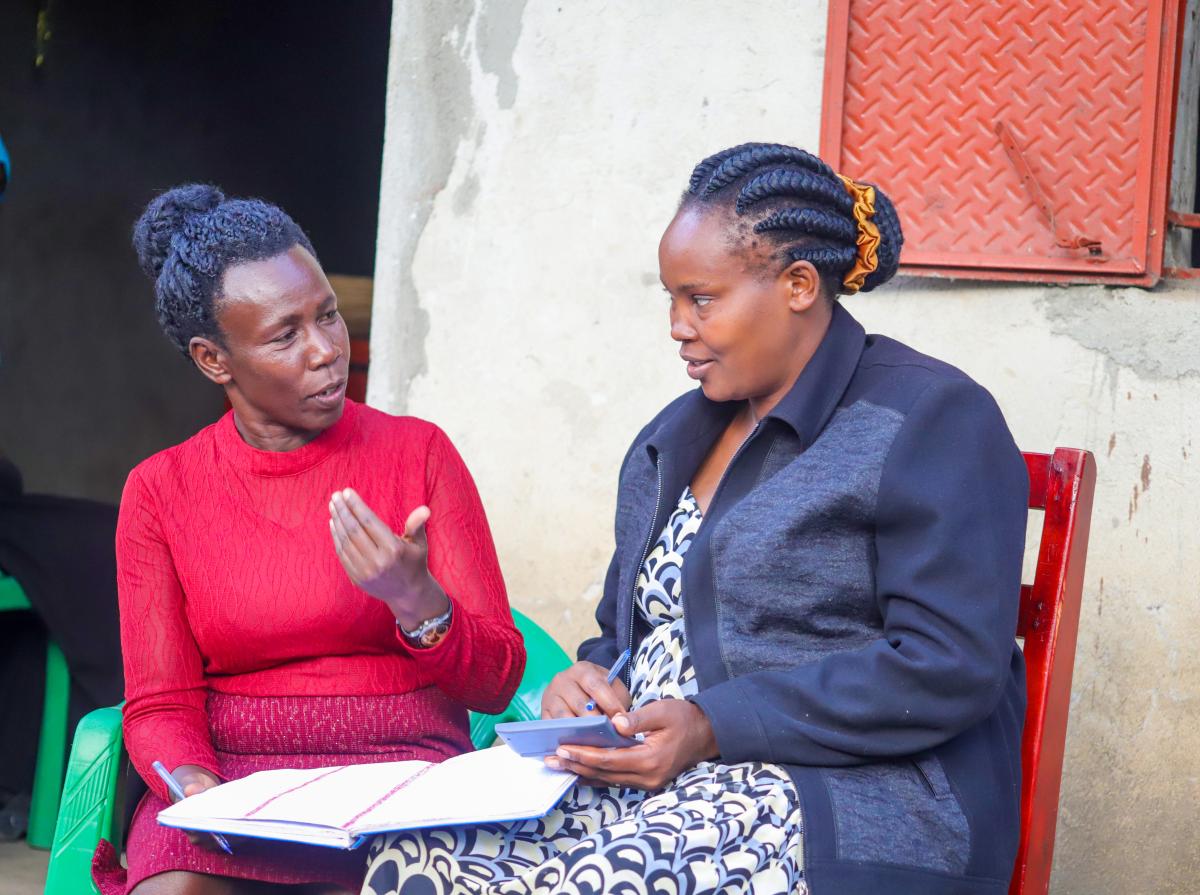
In Fort Portal City, community volunteer Rosette
Kabarangira is helping families rethink how they prepare for healthcare
expenses, encouraging a culture of saving that can make timely medical care
more accessible. For Rosette Kabarangira, helping a family prepare for a
medical emergency begins with a simple conversation about saving.
In communities where household incomes are often
stretched across competing needs, putting money aside for healthcare can seem
difficult. Some people believe that saving is only possible for those with
well-paying jobs or substantial incomes. Rosette is working to change that
perception.
As a community volunteer and savings-for-health
ambassador in Fort Portal City's North Division, she works with seven Village
Savings and Loans Associations (VSLAs), encouraging members to save regularly
for healthcare and manage their finances more effectively. Her work is helping
community members understand that preparing for future medical expenses does
not necessarily require a large income. Rather, it can begin with small,
consistent contributions and a commitment to financial planning.
One of the biggest challenges Rosette encounters is
the belief that saving for healthcare is beyond the reach of people with
limited incomes. Through community mobilisation and awareness sessions, she
encourages individuals and households to reconsider this perception and explore
how joining a VSLA can help them prepare for healthcare needs.
"Most people used to
think that you need a big job or a lot of money to start saving for health. My
sessions focus on addressing those misconceptions, and usually, they enrol and
start saving afterwards," she explains.
For Rosette, these conversations are an important part
of building financial confidence within communities. Rather than simply
encouraging people to contribute money, she helps them understand the value of
saving, the benefits of belonging to a VSLA and the practical steps involved in
becoming a member. Her approach focuses on making financial preparedness
understandable and achievable for people with different income levels.
As a trained savings-for-health ambassador, she
mentors VSLA members on financial management and the importance of planning for
future needs. Her community sessions cover savings management, budgeting,
saving for old age, personal financial management and investment.
These topics help members think more broadly about how
they use their income and how they can balance immediate household expenses
with longer-term financial responsibilities. Through the training and
mentorship, Rosette encourages members to develop habits that can strengthen
their financial preparedness and improve their ability to respond to unexpected
expenses.
She also follows up
with the VSLA groups to monitor their progress and encourage members to keep
saving for healthcare. This ongoing engagement is important because building a
savings culture requires more than a single awareness session. It depends on
consistent encouragement, practical guidance and the confidence that regular
contributions can make a difference. This is because when people understand why
they are saving and how to manage their resources, they are better positioned
to make informed decisions about their healthcare needs.
Among the changes that motivate Rosette most is the
difference she has observed in how expectant mothers prepare for and access
maternity services. Pregnancy comes with healthcare needs that require timely
attention, including regular antenatal care visits. Yet the costs associated
with seeking these services can place pressure on households that have not
prepared financially.
Rosette has seen how this approach is making a
difference among the communities she works with. "I see that expectant
mothers are now able to happily attend all their maternity services, including
all antenatal visits, because they are saving for health," she says.
Witnessing these changes reinforces the importance of
her work. Her experience shows the importance of saving
for healthcare. When families set aside money in advance, they can meet medical
costs when the need arises without having to scramble for money. Having money set aside can make it easier for
expectant mothers to attend antenatal visits and access other maternity
services when they need them.
Rosette is among the Village Health Team (VHT) members
trained to serve as savings-for-health ambassadors under the Decent Work and
Social Protection project in Uganda, funded by the Kingdom of Belgium. The
project promotes saving for health among VSLAs in the Rwenzori and Albertine
regions as an approach to addressing delays in seeking healthcare
Through their existing relationships with community
members, VHTs are well positioned to mobilise households, explain the benefits
of health savings and provide continued mentorship to VSLA groups.
Rosette's work also shows the importance of financial
education in social protection. Beyond the amount saved, the knowledge and
habits developed through regular mentorship help communities to make
better-informed decisions about managing their resources.
She says that the impact of saving for health should
not end when the project ends. She wants the communities she works with to
continue saving and applying the financial management skills they have
acquired.
As Uganda advances discussions around Universal Health
Coverage, Rosette believes that encouraging households to maintain their health
savings is an important part of strengthening financial preparedness. She
continues to motivate VSLA members to remain active, contribute regularly, and
recognise health savings as an ongoing household priority.

Latest news from this project
No news