Bringing life-saving ultrasound services closer to mothers in Busoga and Rwenzori regions in Uganda.
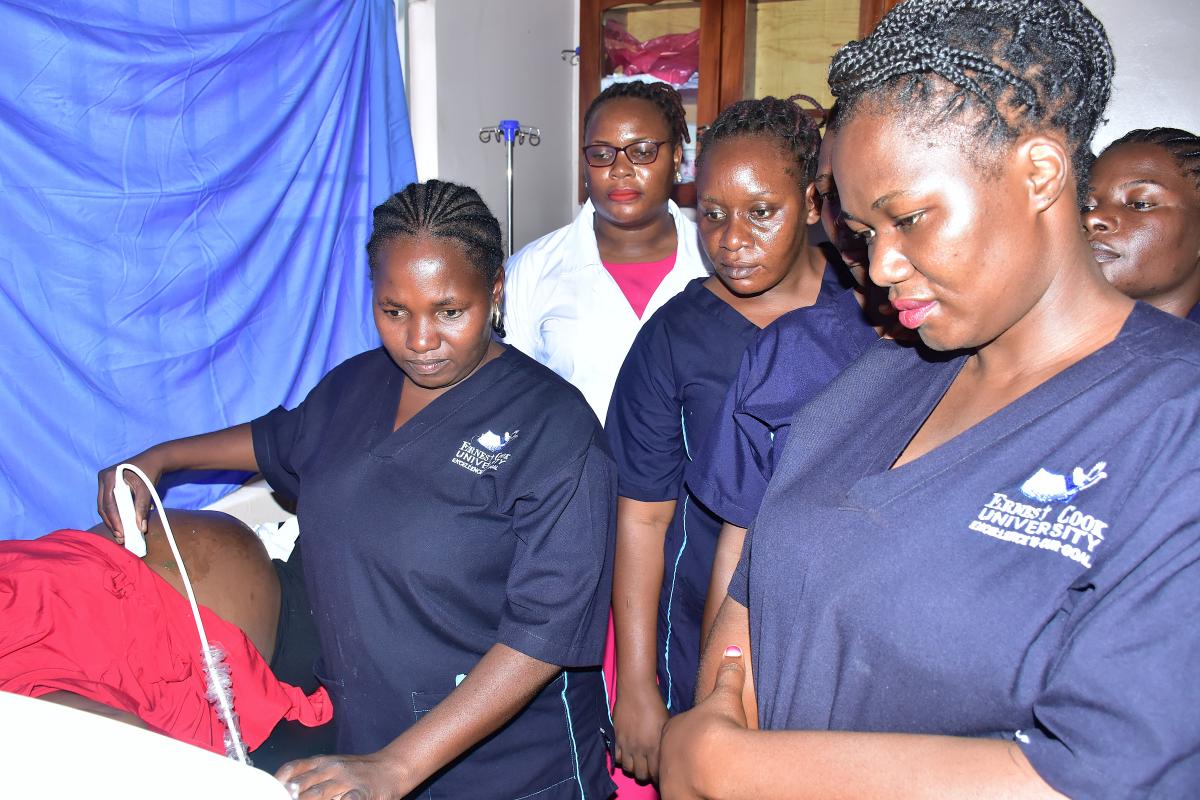
Routine checks for expecting mothers are essential, and early ultrasound is a critical component of that care. Evidence shows that timely obstetric scans confirm pregnancy viability and gestational age, support monitoring of fetal growth and presentation, and help identify risks such as multiple gestations, ectopic pregnancy, fetal growth restriction, and other complications as reflected in the Ministry of Health’s Uganda Clinical Guidelines and Antenatal Care (ANC) guidance, which recommend use of obstetric ultrasound to identify high‑risk conditions for timely referral and appropriate clinical management, improving outcomes for both mothers and babies.
Despite these proven benefits, access and quality have historically been uneven across levels of care. Systemic challenges including inadequate equipment, limited numbers of trained personnel, and variations in skill levels have constrained service delivery, delayed diagnosis, and complicated care pathways. Recognizing these gaps, Enabel has equipped health centers across the Busoga and Rwenzori regions with essential ultrasound imaging tools to integrate routine obstetric scanning into standard antenatal care. This investment reduces service gaps, brings diagnostics closer to communities, and relieves pressure on higher-level facilities by enabling earlier and more accurate assessment at the first point of contact.
However, equipment alone does not guarantee impact. The true measure of success lies in the capability of health workers to use these tools safely, consistently, and confidently. In 2024/2025, Enabel supported 12 health workers; midwives, clinical officers, and nurses to enroll in a one-year Diploma in Sonography at Ernest Cook University Mengo Kampala, building the competencies required to use these tools effectively.
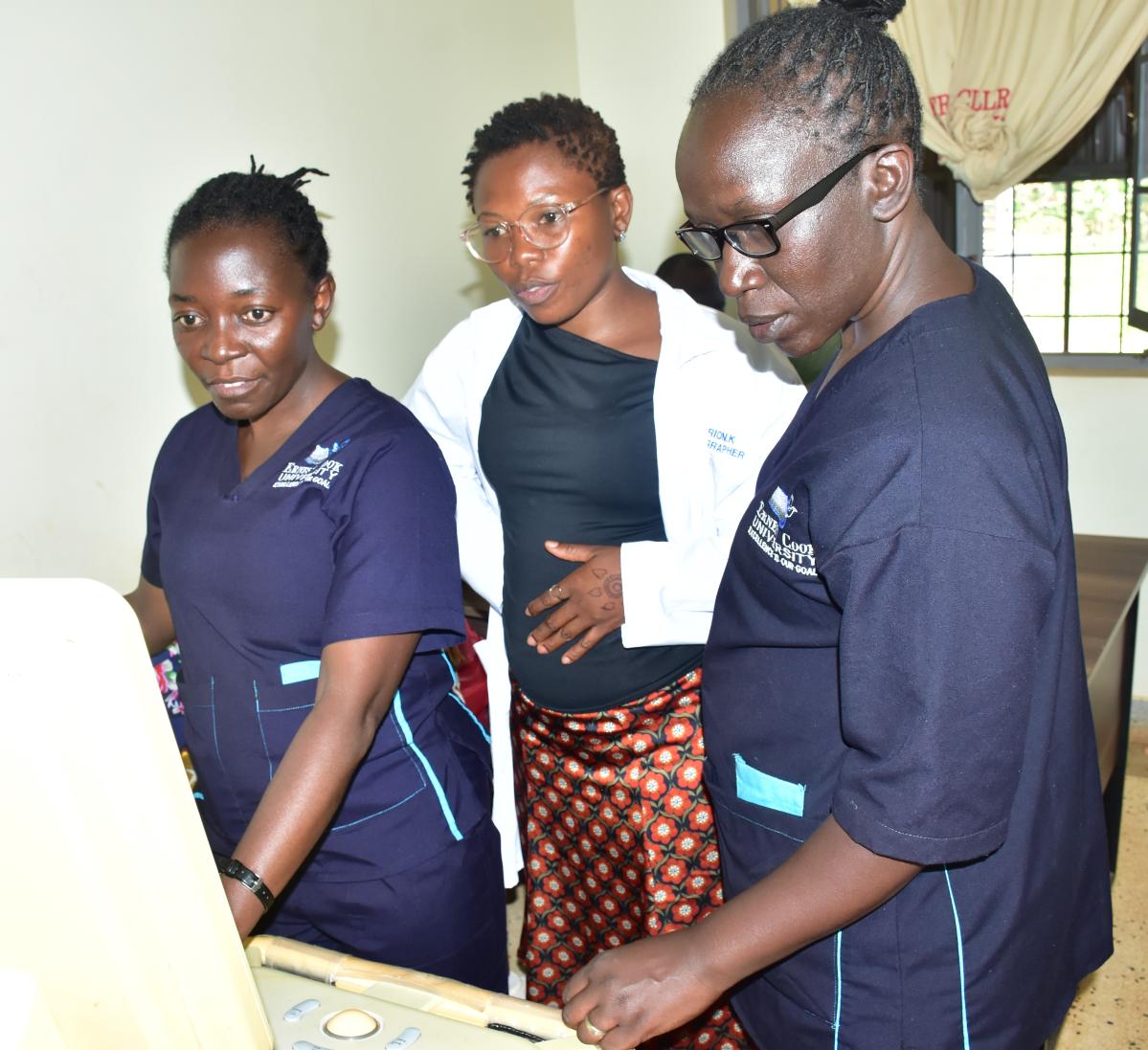
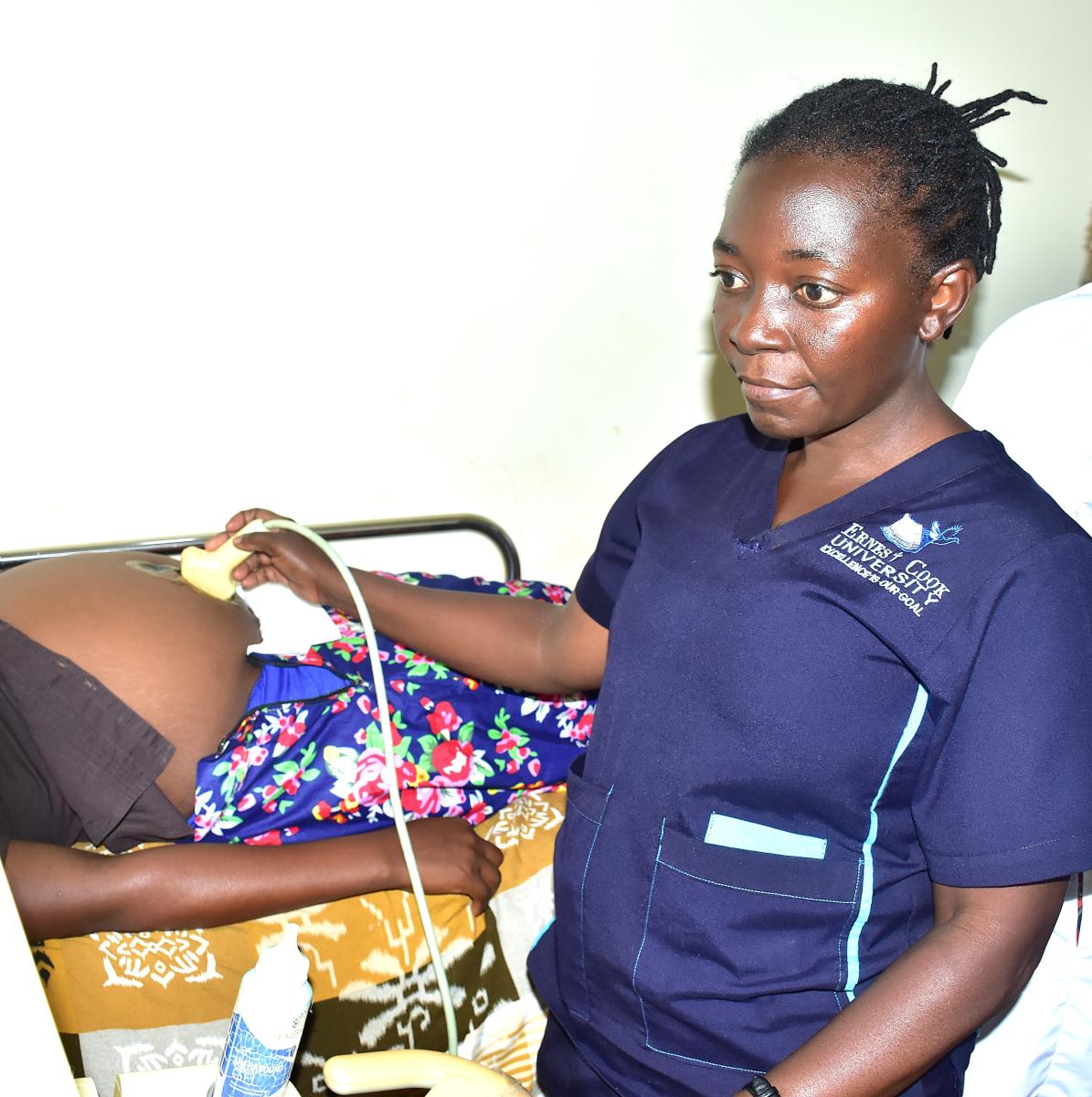
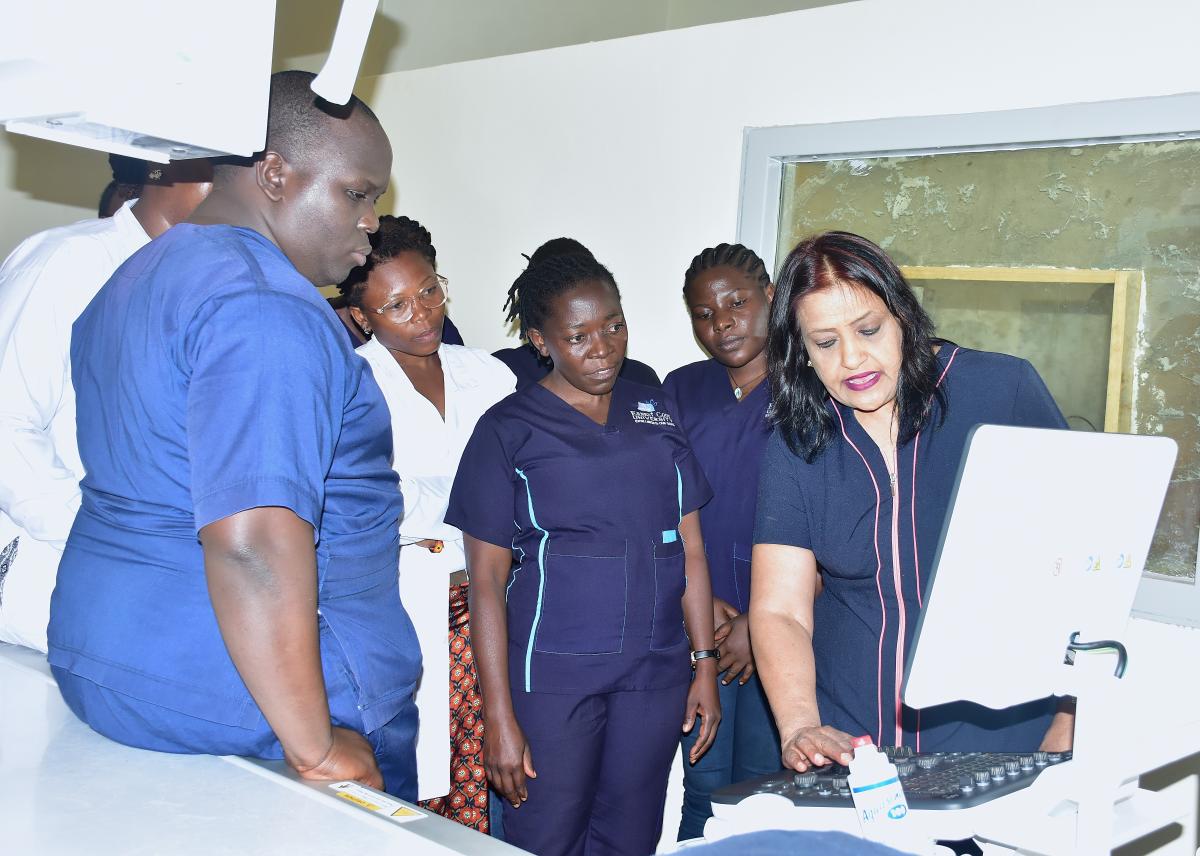
To further deepen practical competence, Enabel organized a focused, clinic-first immersion designed around the realities of frontline care aimed at exposing the health workers to a range of ultrasound machine models and configurations in use across regional health facilities while engaging in supervised, hands-on scanning within real clinical settings, creating a durable foundation for quality.
According to Marion Kainza, Nursing Officer at Bukuku Health Centre IV in Fort Portal District, the one-year course has equipped her with practical skills to better support mothers and their newborns. “Previously, many mothers would go back home when referred for scans because transport costs were high. A single trip to Fort Portal Regional Hospital could cost 12,000 Uganda shillings, ( 3 euros) which was a significant financial strain. With the skills I’ve gained, I can now support mothers here at the facility.”
Similarly, Katusiime Joy, a Midwife at Kataraka Health Centre IV in Fort Portal City, noted that the sonography course has deepened her ability to support mothers. “As a midwife, I wanted to build more skills so I can provide better care. I have gained practical imaging competencies and can now confidently perform abdominal, gynecological, and obstetric examinations.
This experience has inspired me to enroll for a bachelor’s in medical imaging to further strengthen my practice.” This cohort will expand the regions’ diagnostic capacity and anchor ongoing mentorship, skills transfer, and quality improvement within facilities so that mothers and babies can access safer, earlier, and higher-quality care, closer to home.
Latest news from this project
No news