Mozambique’s First Climate Finance Conference: Turning vision into a national movement
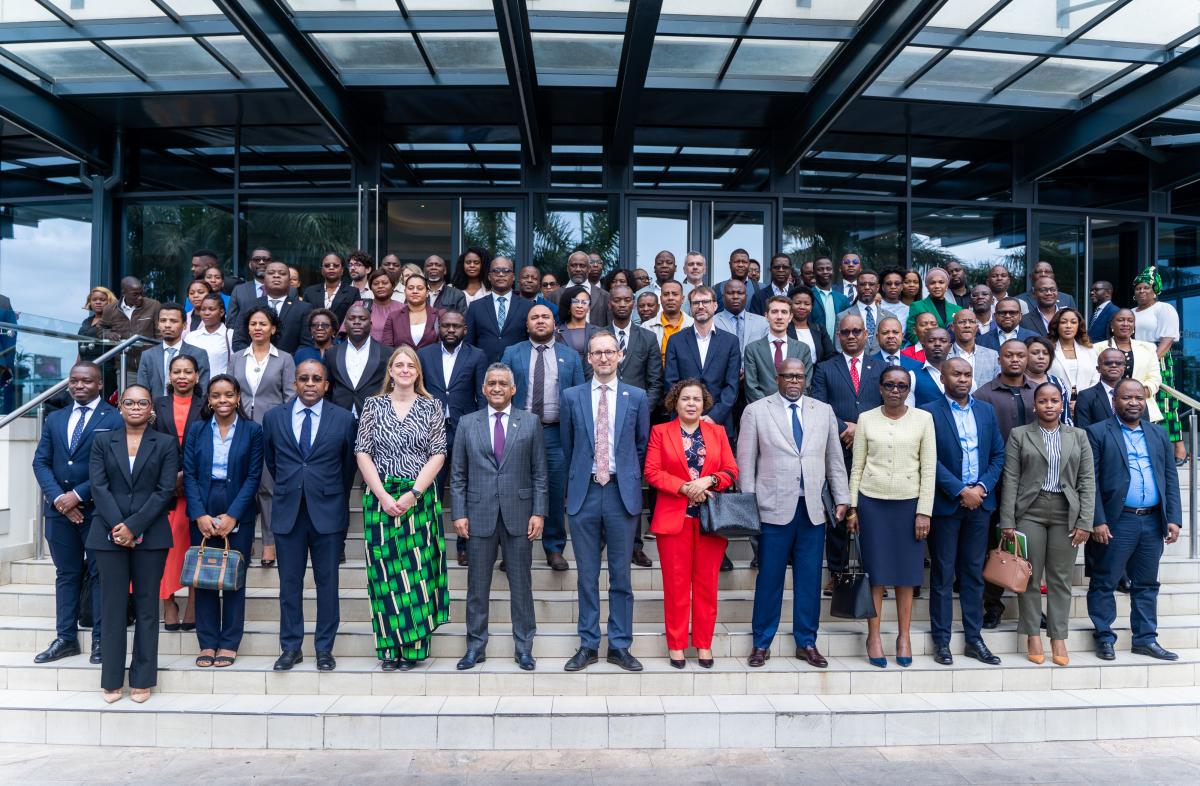
Mozambique took a decisive step towards climate-resilient growth this October, hosting its first National Climate Finance Conference in Maputo. For two days, history was made, not only because this was a long-awaited milestone, but with the announcement of the 10-year Climate Finance Strategy, the event officially marked the moment climate shifts from being a niche topic and becomes the main language of national economic planning. But these gears started moving well before October. Even before 2025. Here is the story behind the history.
From Awareness to Action
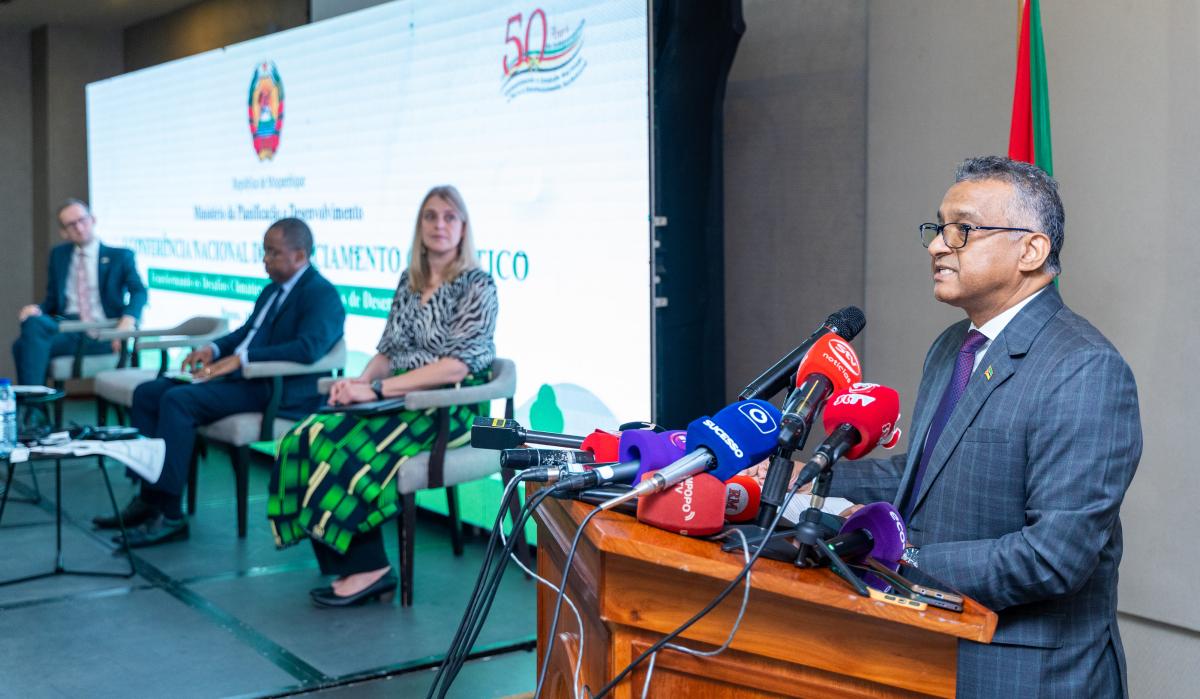
Few countries feel the weight of climate change as tangibly as Mozambique — with over 75 extreme weather events recorded between 2000 and 2023, leaving behind billions in losses and hard-earned lessons in resilience. More than 1.6 million Mozambicans could be pushed into poverty by 2050 if climate action falls short. Yet, where others only see risk, Mozambique now sees an opportunity: to transform vulnerability into innovation, and climate challenge into an engine of growth. That conviction guided the creation of the National Directorate of Climate Finance (DNFC) in 2023, a landmark reform proudly supported by Enabel through the bilateral cooperation with the Kingdom of Belgium. The Directorate, now nested within the Ministry of Planning and Development, is designed to ensure that climate finance becomes a pillar of economic governance, linking fiscal policy, investment, and resilience planning. “Mozambique lives a decisive moment in its history. Climate change is no longer a distant threat. It is a daily reality,” said H.E. Salim Valá, Minister of Planning and Development. “Each drought, cyclone, and flood reminds us that the time for action is now.”
Partnerships that Move the Needle
Behind this transformation is a partnership grounded in trust and shared vision. Belgium and Mozambique have worked hand in hand to build not only the strategy but also the institutional muscle needed to make climate finance work for people.
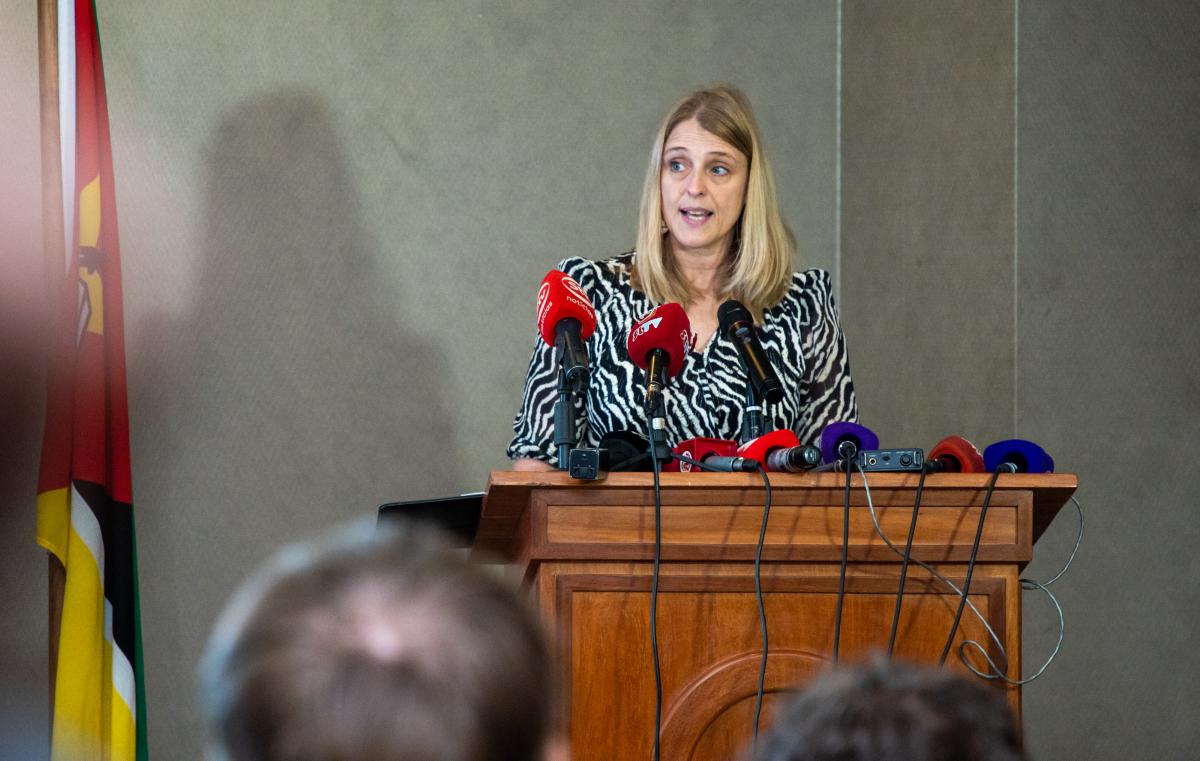
“The creation of the National Directorate of Climate Finance shows how Mozambique views climate finance as a central pillar for sustainable development,” said H.E. Delphine Perremans, Head of Belgium’s Diplomatic Bureau in Maputo.
“We are proud to share Belgian expertise, through Enabel, to help regulate carbon markets, access international funds, and integrate climate into public financial management.” This partnership is already producing results.
Last year, Mozambique and Belgium kickstarted the conversion of €2.4 million of public debt into direct investments for climate resilience. A tangible example of how diplomacy and development cooperation can converge to create impact.
Shaping the Future of Climate Finance
The National Climate Finance Strategy 2025–2034, presented during the conference, is Mozambique’s blueprint for this next chapter.
It introduces a coordinated system to mobilise domestic and international finance for climate action, while promoting innovative mechanisms such as carbon credits, green taxation, insurance, and debt-for-climate swaps. But beyond its technical design, the strategy signals a shift in mindset: from reactive response to strategic investment.
For the first time, climate finance is being seen not as a cost to bear, but as a catalyst for fiscal stability, job creation, and inclusive growth. “Climate finance is not a cost. It is an investment in our future - in our food security, our education, and our peace,” Minister Valá reminded participants.
“This conference symbolises our collective commitment to turn ideas into commitments, and commitments into measurable results.”
A Conference that Redefined the Conversation
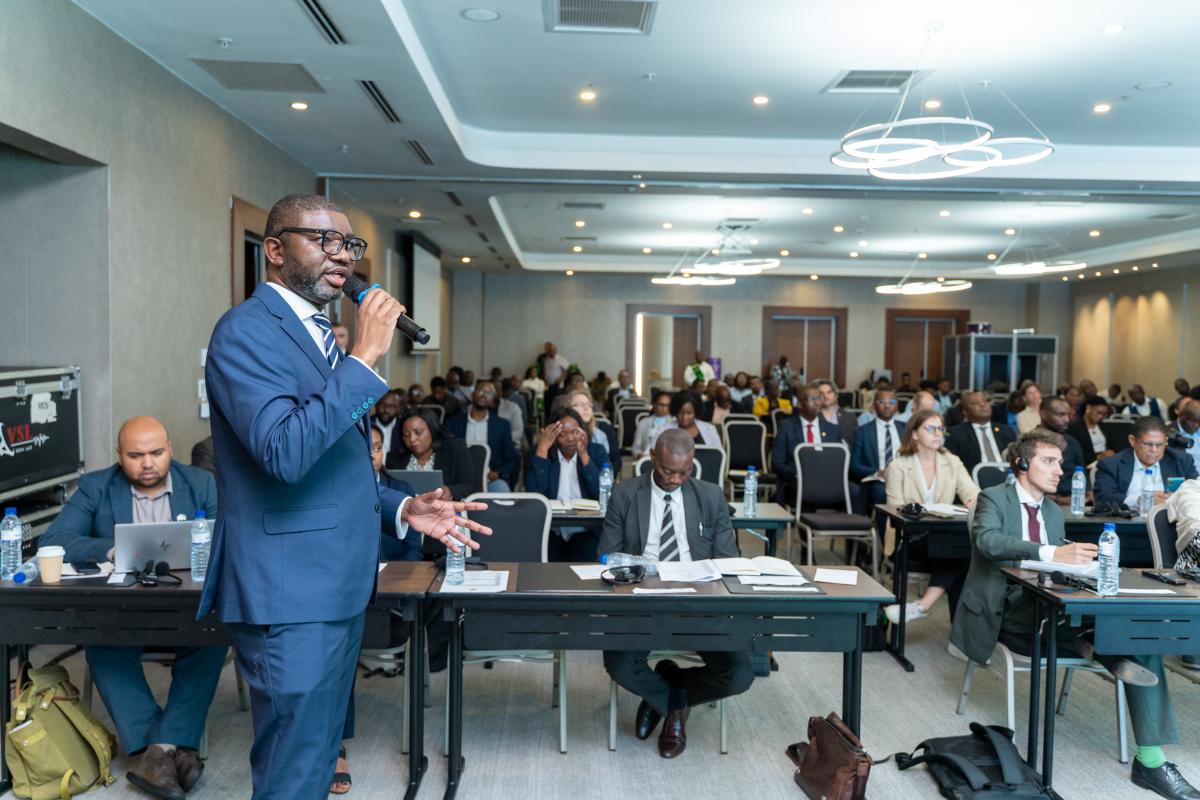
The two-day event gathered voices from ministries, banks, academia, and civil society to discuss how climate finance can move from concept to practice. Panels explored different topics yet, what stood out most was not the technical content but the tone: pragmatic, visionary, and united. Each discussion pointed to one conclusion — that climate resilience is no longer an environmental agenda but an economic one.
The First National Climate Finance Conference will not be remembered for its speeches, but for what it launched: a collective effort to make climate finance a driver of national development.
It has inspired new partnerships, strengthened existing ones, opened dialogue between the public and private sectors, and positioned Mozambique as a pioneer in Africa’s climate finance landscape.
Through collaboration with Belgium and other partners, Mozambique is redefining what climate finance means: not just funds for recovery, but capital for transformation. For Enabel, partnering with the government in this journey is about being a bridge between global mechanisms and local priorities. It is about connecting dots: between data and decisions, between vision and execution, and between institutions that must collaborate to make the system work. As highlighted by Adriaan Tas, Enabel’s Country Director in Mozambique: “Our partnership is not just about funding projects; it’s about helping the government of Mozambique build a financial architecture that can sustain its climate ambitions for decades. We are building the foundations for an economy that grows because it is green — not despite it.”
Laatste nieuws van dit project
Geen nieuws