Building partnerships that connect skilled youth to jobs
A
graduation ceremony is usually a celebration of certificates and academic
achievement. At the Vocational Education and Training Authority (VETA) Kasulu
Centre in Tanzania's Kigoma Region, however, the audience told a different
story.
Alongside
proud parents and government leaders sat employers from local industries, ready
not only to applaud graduates but also to recruit them.
It
was an uncommon but encouraging sight—a clear sign that collaboration between
training institutions, government and the private sector is transforming how
young people transition from learning to work.
The
event showcased the results of the Wezesha Binti Project, implemented by Enabel
and funded by the Belgian Ministry of Foreign Affairs. Beyond celebrating
project achievements, it demonstrated how sustained partnerships can address
one of the biggest challenges facing youth employment programmes: ensuring that
training leads to real opportunities.
Turning skills into jobs
Across
Africa, many young people complete vocational training only to discover that
employers are looking for different skills, while businesses struggle to find
qualified workers. This mismatch between training and labour market needs
remains one of the key drivers of youth unemployment, particularly for young
women who often face additional social and economic barriers.
Rather
than treating vocational training as a standalone intervention, the Wezesha
Binti Project invests in building relationships among local government
authorities, vocational training providers and employers.
Together, they
identified occupations with growing demand, created opportunities for workplace
learning, and ensured that employers became active partners in preparing young
people for employment.
"Our
role has been to bring everyone around the same table," explains Christine
Rwankote, Project Manager for Wezesha Binti. "We have worked with private
companies to create industrial attachment opportunities, while engaging
government and employers to support internships and employment pathways for graduates."
A region of growing opportunity
Kigoma
is rapidly emerging as an economic gateway in western Tanzania. Its strategic
location bordering Burundi and the Democratic Republic of the Congo, and the
ongoing Standard Gauge Railway project, is creating new opportunities in
transport, logistics, construction and manufacturing.
The
region hosts more than 1,100 industries, most of them micro and small
enterprises, alongside a growing number of medium-sized businesses. These
developments are increasing demand for skilled workers who are ready to contribute.
Recognising
this opportunity, the Enabel, through the Wezesha Binti project, works to align
vocational training with local labour market needs. Young people received
technical training alongside work readiness and life skills that employers consistently
identify as essential, including communication, teamwork, and professionalism
and problem-solving.
Dreams realised through
partnership
For
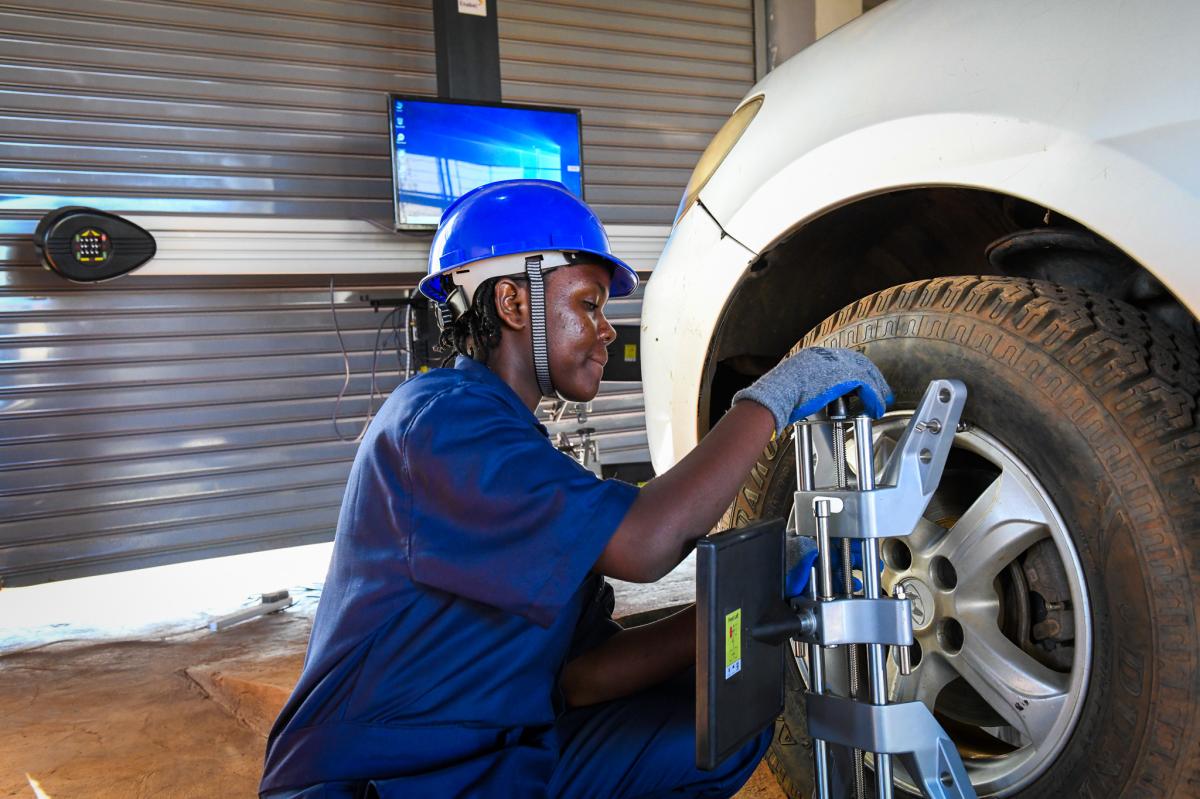
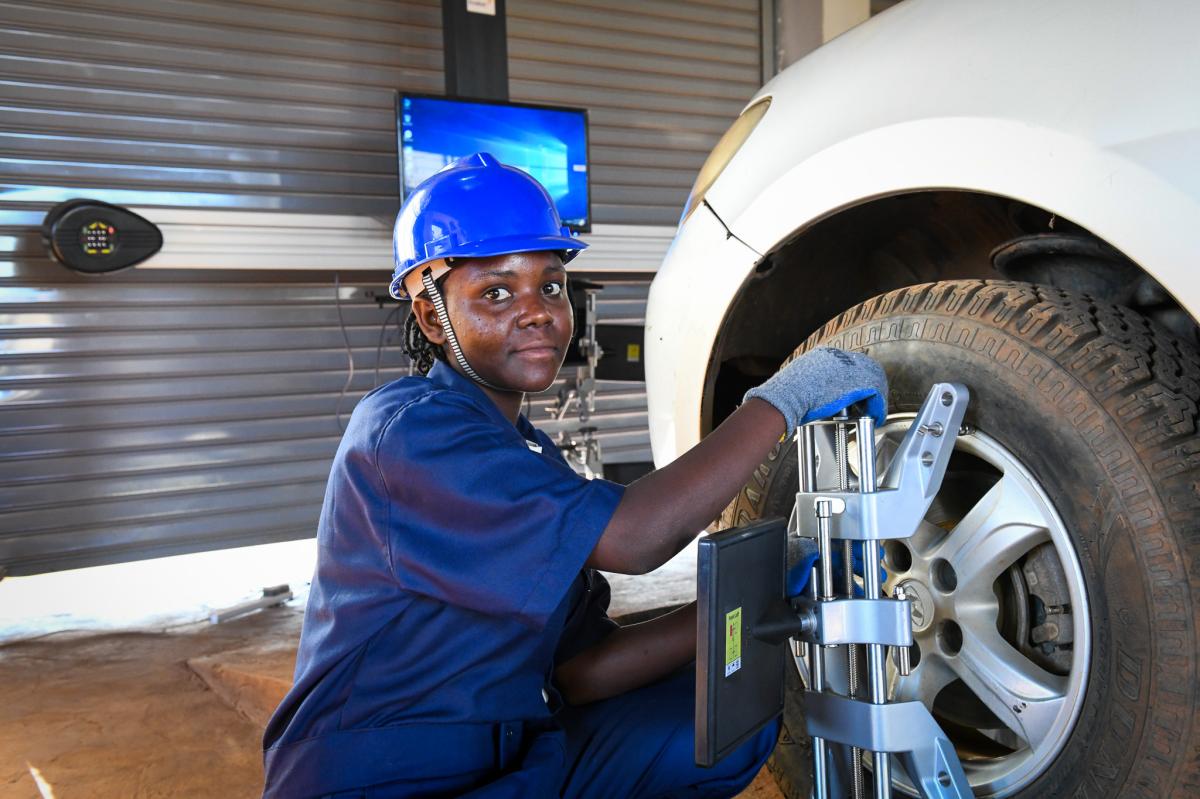
graduates like Renatha Augustino, the programme has opened doors that once
seemed impossible.
After
completing lower secondary school, financial circumstances prevented her from
continuing her education. While she earned an income by styling hair, her real
passion was motor vehicle mechanics—a career choice many people questioned
because she was a young woman.
Today,
Renatha proudly holds skills in both professions.
"I
now have two professions," she says with a smile. "I can style hair,
repair vehicles and even drive them. The confidence I have gained is something
I never imagined."
Her
classmate Jackline Paschal shares a similar story. After leaving school
following pregnancy, she supported herself through tailoring while apprenticing
at a local garage whenever time allowed. Formal vocational training gave her
the technical skills and nationally recognised qualifications needed to pursue
her ambition with confidence.
Their
stories illustrate how opportunity expands when training is matched with
employer engagement and practical workplace experience.
Employers become partners
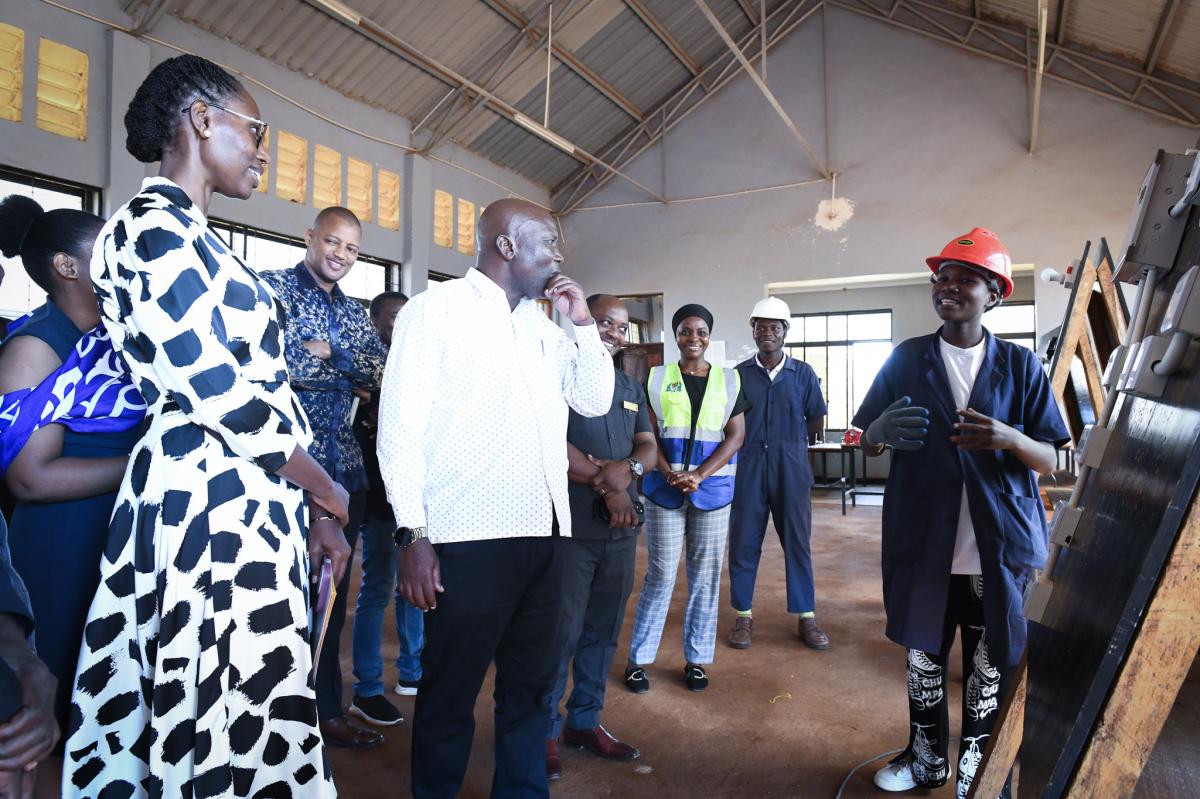
The
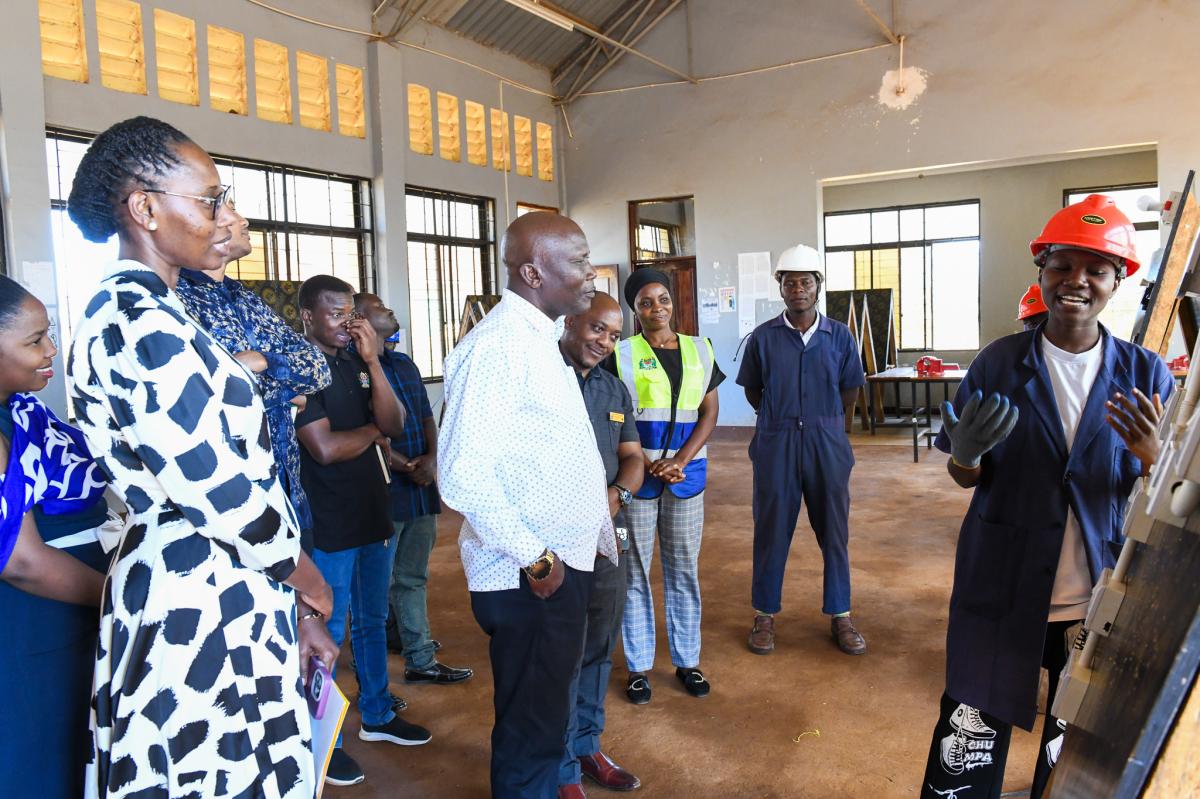
graduation ceremony reflected just how far these partnerships have developed.
This was evident not only in the participation of employers but also in the
results achieved through the collaboration.
The numbers behind the
collaboration are equally encouraging.
In June
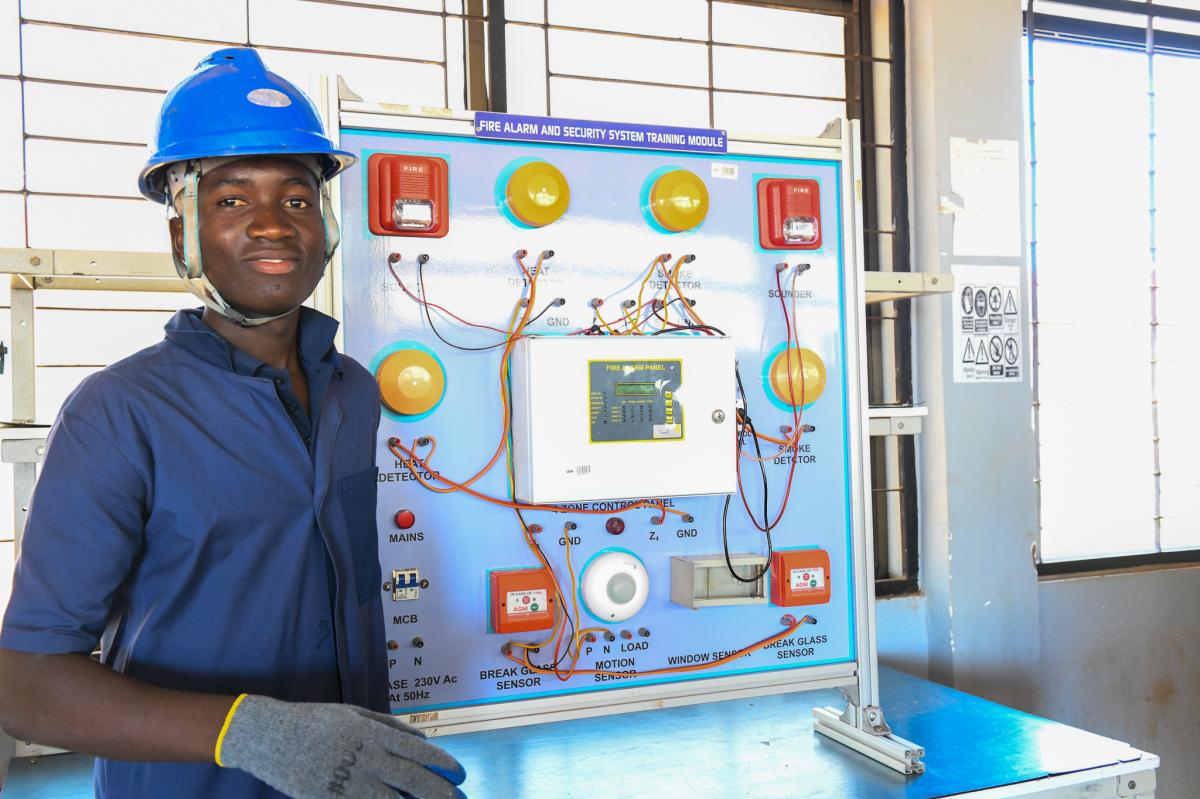
2026, 104 trainees—75 women and 29 men—graduated from VETA Kasulu after
completing six months of training in motor vehicle mechanics, electrical
installation, plumbing, and batik and soap making.
The
project also supported 32 employees from Kasulu Sugar Company to obtain
nationally recognised RPL certification, strengthening both individual career
prospects and company productivity.
As one
of the project's industry partners, Kasulu Sugar celebrated not only the
graduation of trainees but also the certification of its employee’s success of
employees who completed the Recognition of Prior Learning (RPL) programme,
receiving nationally recognised certification as plant operators.
The
company also announced that it would retain all five motor vehicle mechanics
trainees who had completed industrial attachment at the company, together with
two plumbing graduates.
"We
are proud to be part of this collaboration," said the company's Human
Resources Manager. "Our employees gained formal certification while we
provided trainees with practical workplace experience. Both the company and the
learners have benefited."
Government
leaders also pledged continued support. Speaking during the ceremony, the
Kasulu District Commissioner committed to prioritising skilled youth
entrepreneur groups for district economic empowerment loans, recognising that
access to finance is another important step towards sustainable livelihoods.
The
project also facilitated pathways for 50 graduates to access employment
opportunities for graduates linked to the Standard Gauge Railway project, while
previous internship partnerships with Upendo Honey have already resulted in
graduates securing permanent positions after demonstrating strong workplace
performance.
Lessons for youth employment
programmes
By
engaging employers during programme design, aligning training with labour
market demand, investing in workplace learning and maintaining strong
collaboration with government and training institutions, young people are far
more likely to make a successful transition into employment or
entrepreneurship.
The
graduation at VETA Kasulu was therefore more than an end-of-course celebration.
It demonstrated how collaboration between government, vocational training
institutions and employers can help young people move more quickly from
training into employment or entrepreneurship. As Kigoma's economy continues to
grow, strengthening these partnerships will remain essential in ensuring that
more young people acquire the skills, experience and opportunities needed to
build sustainable livelihoods.
ends
Laatste nieuws van dit project
Geen nieuws