Turning Uganda’s green economy ambitions into decent jobs
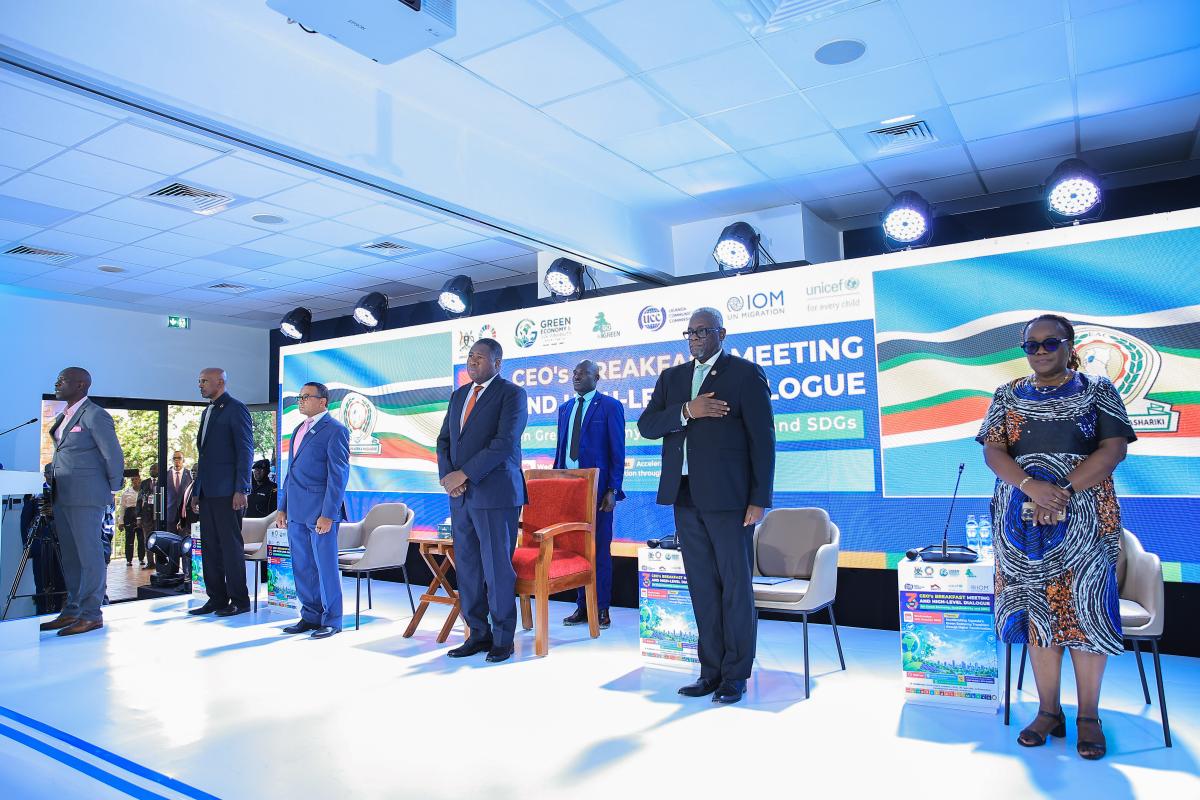
Uganda’s transition to a greener economy
presents an opportunity to attract investment, strengthen businesses and create
decent jobs for young people. Turning this potential into lasting economic
benefits, however, will require coordinated action across government, the
private sector and development partners.
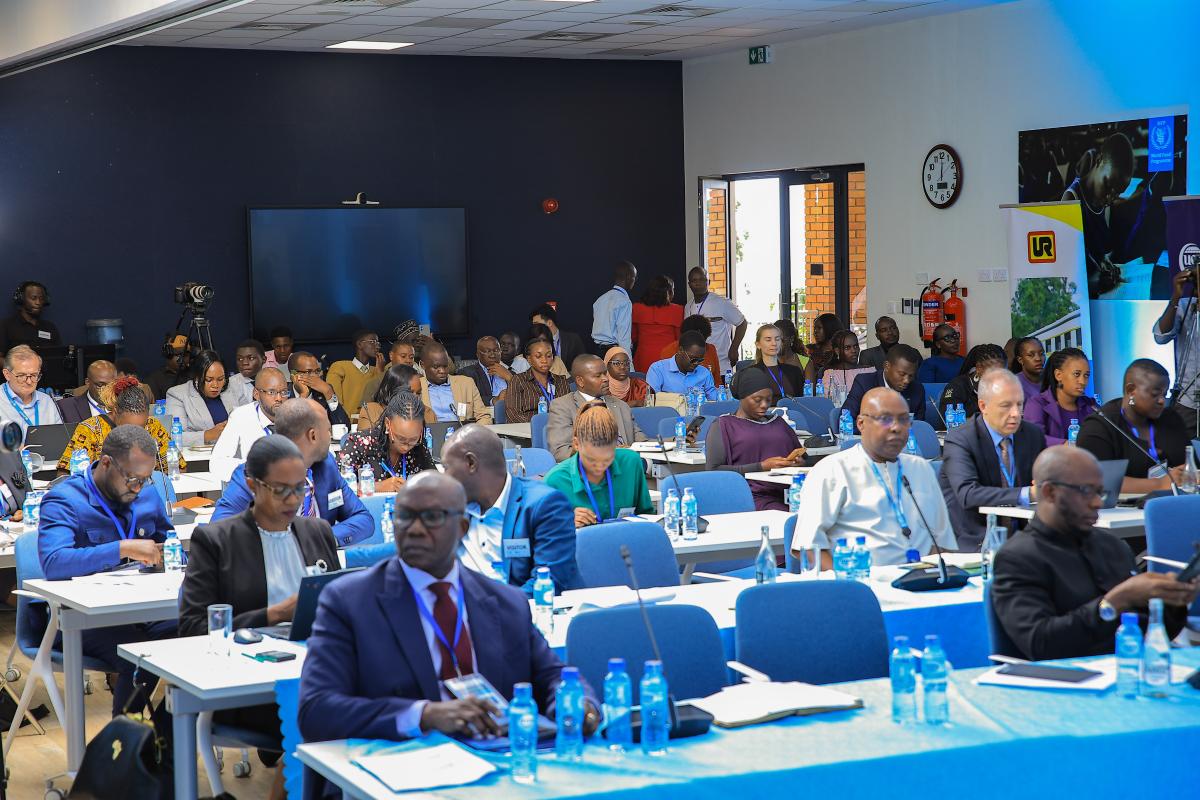
This was a key message from the 3rd CEO’s breakfast meeting and high-level dialogue on green economy, sustainability and
the Sustainable Development Goals (SDGs), held on 14th-October-2026 at the UNICEF
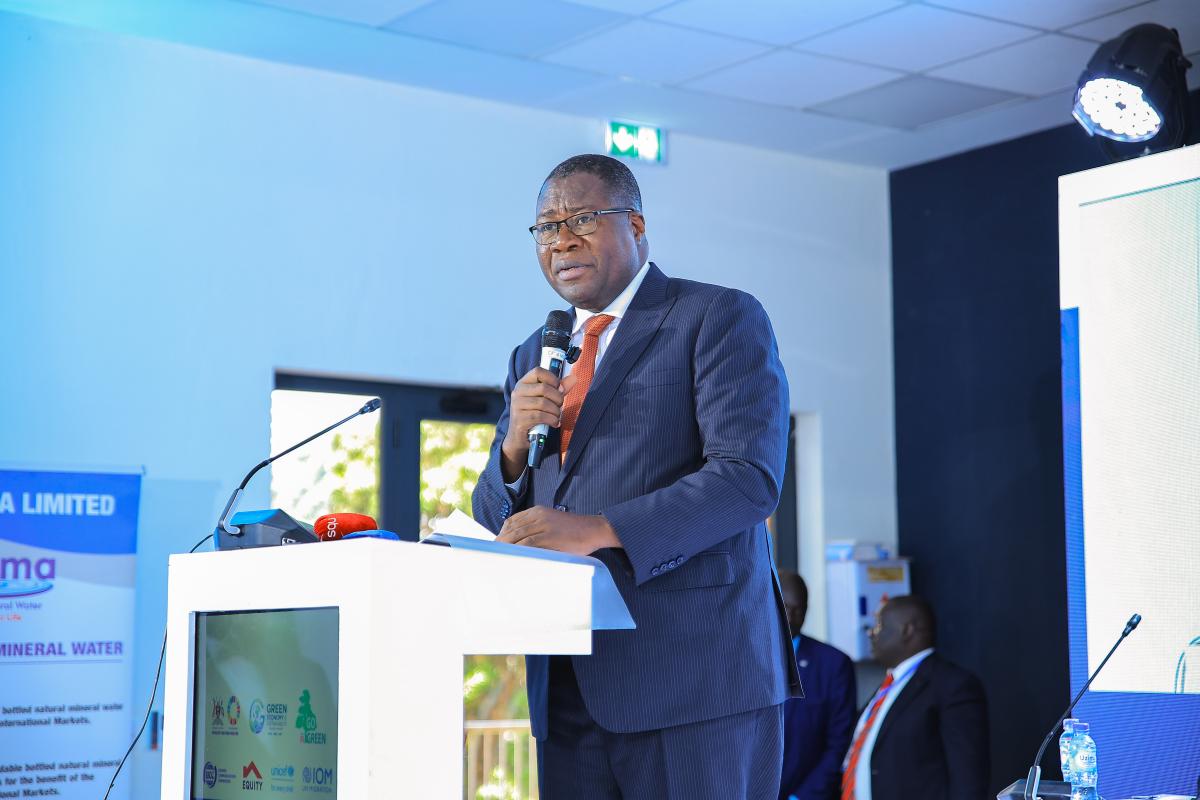
Conference Centre in Mbuya, Kampala. The meeting was officially opened by the
Speaker of Parliament, Rt. Hon. Jacob Marksons Oboth, who delivered the keynote
address under the theme, "Accelerating Uganda’s green economy transition
through digital transformation."
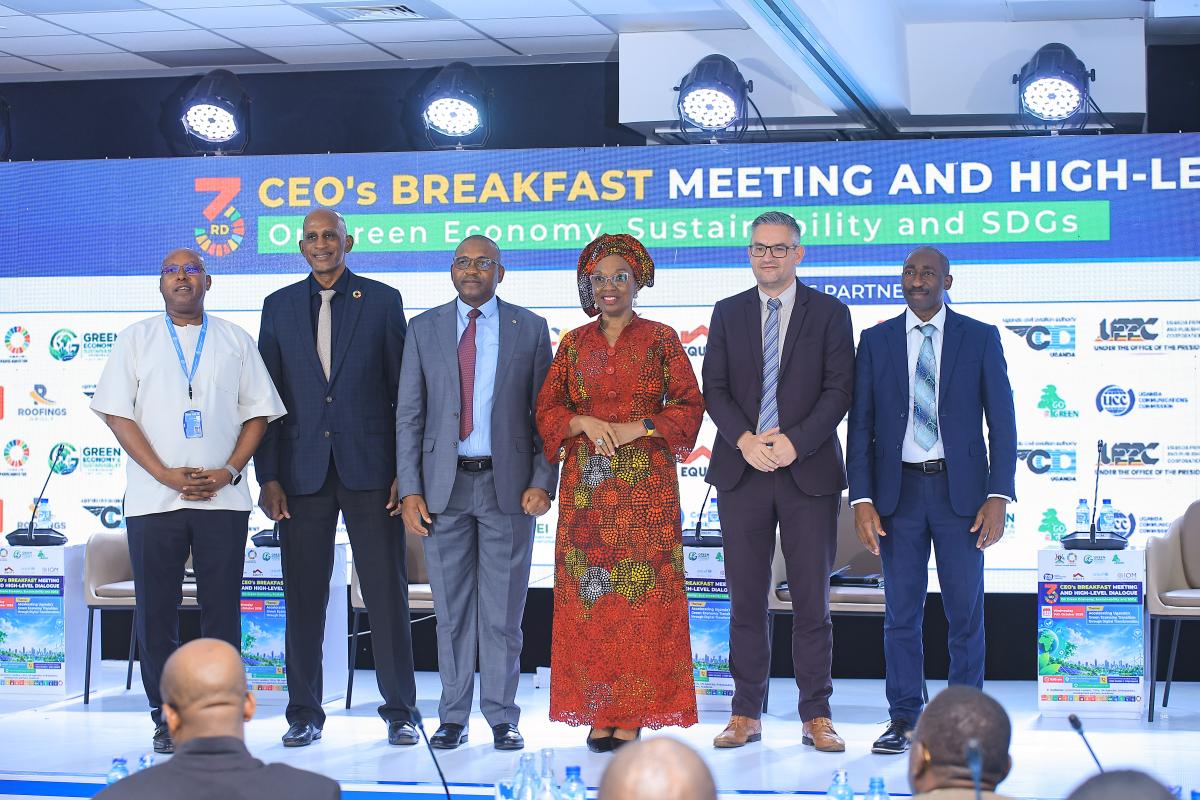
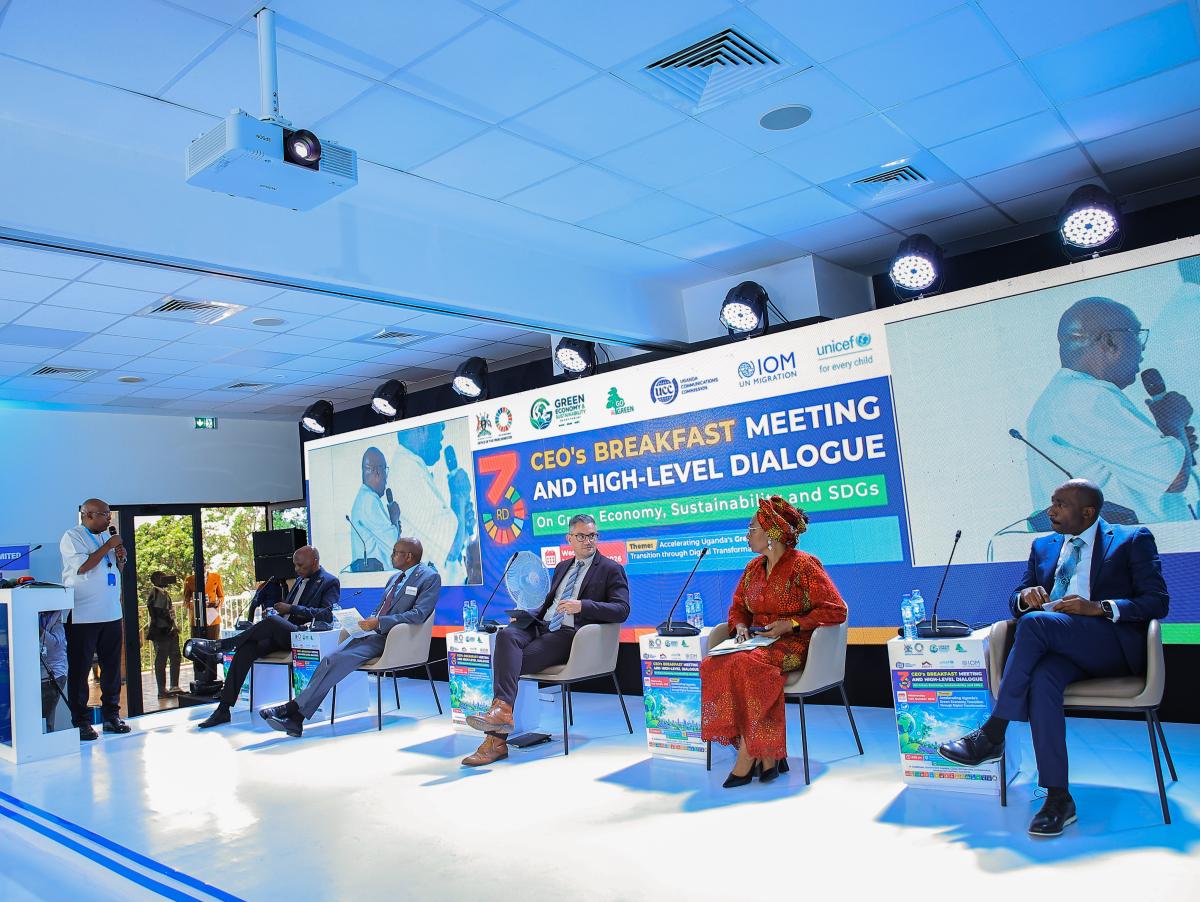
The dialogue brought together government
representatives, business leaders, diplomats, UN agencies, development partners
and financial institutions to explore how digital transformation, investment
and collaboration can help Uganda advance its green economy ambitions and
translate sustainability commitments into practical results.
In his opening remarks, the Speaker called on
leaders to move beyond discussions and statistics to practical action on
climate change and environmental protection. He highlighted the importance of
translating commitments into tangible measures that protect livelihoods,
strengthen resilience and advance Uganda’s development priorities.
Speaking at the meeting, Enabel Country
Director Nicolas Oebel emphasised that environmental ambitions must be matched
by economic opportunities capable of sustaining businesses and creating jobs.
“The green transition will only become
sustainable when it becomes economically viable,” Nicolas said, highlighting
the importance of connecting skills development, enterprise growth and market
demand.
This means that Enabel and its partners must look beyond introducing green technologies or training young people in emerging skills to ensuring that businesses can compete and grow, markets exist for green products and services, and young people have clear pathways to employment or establishing their own enterprises.
Investment was another important
consideration in the discussions. World Bank representatives highlighted the
role of green finance, technology and international partnerships in advancing
the transition. Attracting investment requires an enabling environment,
confidence in the policy framework and well-prepared projects capable of
delivering economic and environmental returns.
These considerations are closely linked to
the development of green value chains, where skills, finance, technology and
markets must work together. Without businesses able to generate demand for new
skills and investment that enables them to grow, the potential for green
industries to create lasting employment remains limited.
The discussions also highlighted the
importance of connecting environmental sustainability with essential services
and social inclusion. UNICEF Country Representative Dr. Robin Nandy stressed the urgency of climate-resilient water, sanitation and hygiene services,
particularly for children and vulnerable communities affected by climate
shocks.
This perspective broadened the discussion
beyond economic growth alone, highlighting how climate resilience, public
health and access to essential services contribute to a greener and more
inclusive economy.
For Enabel, linking these wider development
priorities with employment means ensuring that emerging green industries create
opportunities people can access. Renewable energy, green construction, bamboo
and sustainable tourism are among the areas where stronger connections between
training institutions, enterprises and markets can help translate green growth
into jobs. Young people need more than technical
training to benefit from these opportunities. They also need practical
experience, employers seeking their skills and pathways into employment or
entrepreneurship. Businesses, in turn, need access to skilled workers,
appropriate technologies, finance and markets to develop competitive products
and services.
Enabel’s WeWork-green and decent jobs for youth project, funded by the
European Union and the Government of Belgium, connects skills development,
employment and enterprise growth as part of its work to expand green and decent
job opportunities for young people in Uganda.
The discussions at the breakfast reinforced
the importance of bringing these different elements together. Government
policies can create an enabling environment, financial institutions can unlock
investment, development partners can help address barriers, and businesses can
turn opportunities into viable products, services and jobs.
The challenge now is to translate Uganda’s
green economy ambitions into action that delivers measurable economic and
environmental benefits. A transition that connects skills, enterprises, finance and markets can enable Uganda to protect its natural resources, strengthen competitiveness, expand economic opportunities and create decent jobs for its young people.
Latest news from this project
No news