Enabel × ETF: insights from a study visit on vocational excellence
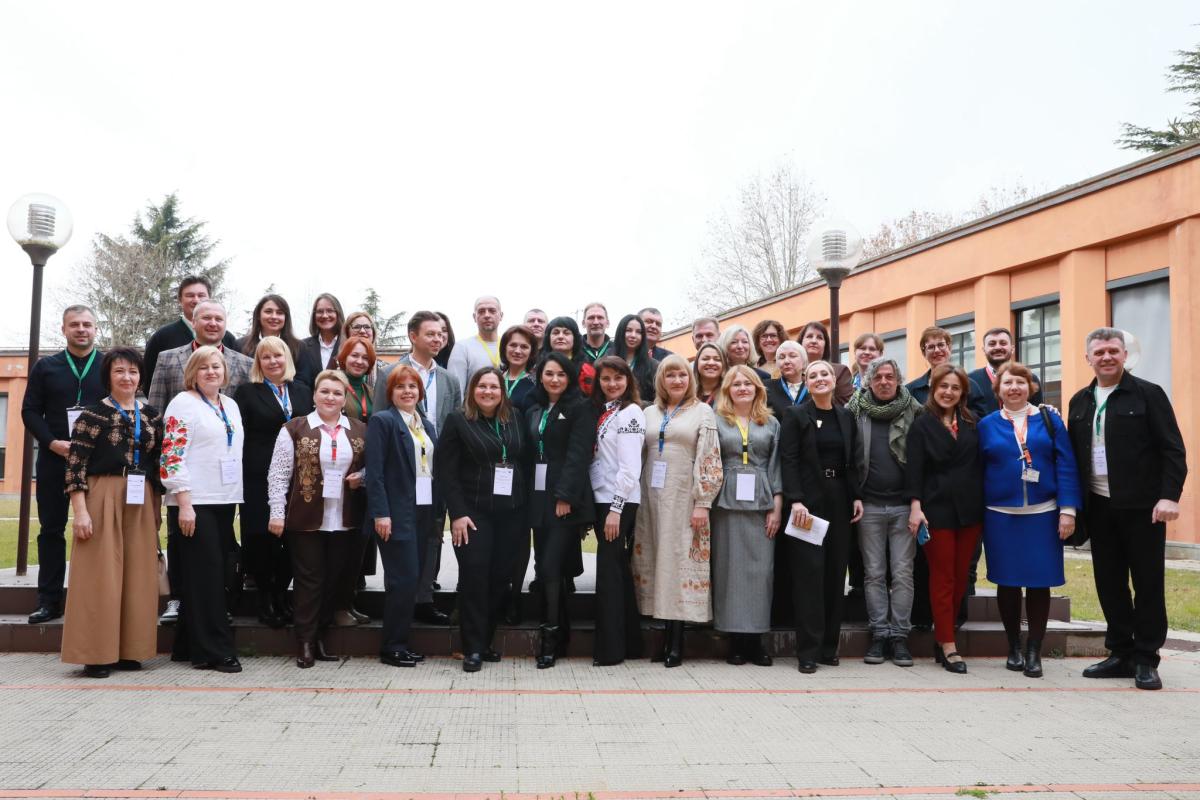
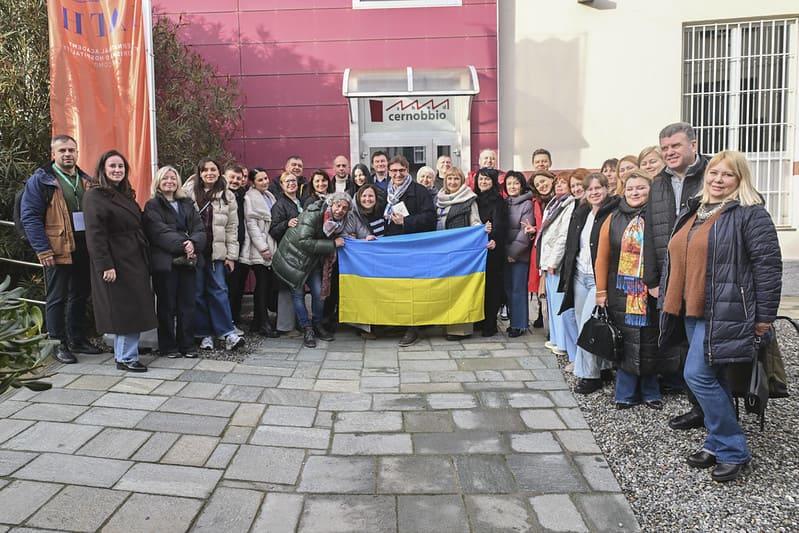
In February, Enabel teamed up with the European Training Foundation to host a week-long peer-to-peer exchange at ETF’s headquarters in Turin. The tour under Enabel's BE-Relieve Ukraine programme centered around Centers of Vocational Excellence (CoVEs) – an EU approach that connects VET providers, employers, local authorities, and other partners to deliver high-quality skills and drive regional development.
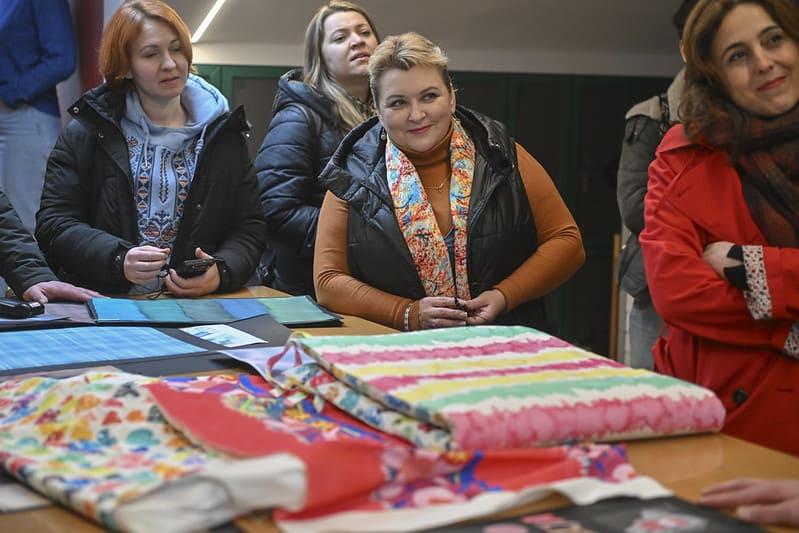
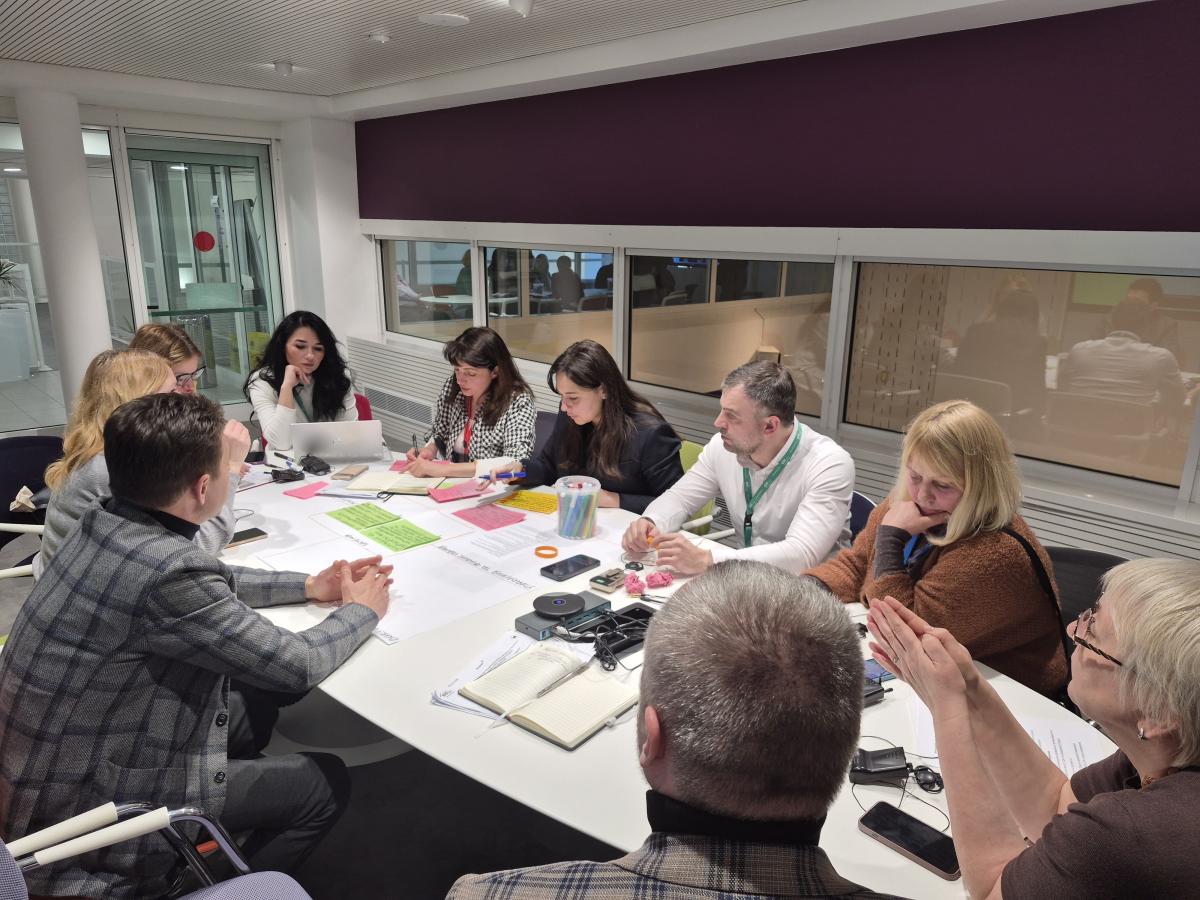
35 participants – including representatives from Ukraine’s Ministry of Education and Science, vocational school directors, regional and city administrations – explored how to tailor these practices to the Ukrainian context. The programme, designed by the ETF, featured hands-on workshops and visits to Italian CoVEs, covering governance, entrepreneurship, digital and green skills integration, and performance evaluation tools like ISATCOVE. At Enabel's request, three participants shared what stood out to them and which practices they felt were worth taking back home.
Through our partnership with the Ministry of Education and Science, we continue to support Ukraine’s VET system, helping schools align with EU standards, respond to regional labour market needs, and contribute to the country’s reconstruction.
Thank you to our partners at ETF for their invaluable expertise and hospitality.
_____
Insights from Italian CoVEs
Oleksandra Khomyk, Director, Department of Economic Development, Chernihiv Regional Military Administration : "Our visit to ITS Academy highlighted the critical role of innovation. What this institution is doing goes beyond the typical scope of vocational education in Ukraine, focusing on high-tech industries and collaboration between academia and the private sector. ENGIM emphasizes business involvement in training, Piazza dei Mestieri cultivates excellence through creativity and practical skills, and Cometa Formazione promotes an inclusive, human-centered learning environment – also with a strong focus on creativity."The main takeaway: in vocational education, people are central – both learners and educators.
Learning with heart
Liudmyla Panasiuk, Director, Kolky Vocational Education Center: "The visit to Cometa Formazione left the strongest impression on me. The institution truly has a soul – everything it does is designed for the students.Their model of individualized learning, which adapts to each student’s abilities and needs, stood out. This student-centered approach, emphasizing support and holistic development, is a model worth replicating in Ukraine’s Centers of Excellence."From theory to practice
Oleksandr Savchuk, Director, Kvasyliv Engineering and Technology Vocational College: "In Turin, I gained a clearer understanding of how a Center of Vocational Excellence can operate as a skills hub, engage effectively with businesses and communities, and integrate education with entrepreneurial and social initiatives. Key insights include (1) A CoVE succeeds only through systematic collaboration with employers, shifting from a traditional “training institution” to an active regional partner; and (2) ISATCOVE self-assessment should be continuous, forming the basis for management decisions and strategic planning. The training on the international self-assessment tool ISATCOVE was particularly valuable. It was highly practical and clarified how self-assessment can become a genuine tool for institutional development, rather than a formal procedure.Group work analyzing real-life cases provided concrete insights and ideas for improving institutional operations."Win-win partnerships
Oleksandra Khomyk, Director, Department of Economic Development, Chernihiv Regional Military Administration: "My vision for Ukraine’s Centers of Vocational Excellence has been reinforced and enriched through concrete examples. The system should be built on sustainable partnerships, aligned with business needs and community priorities. Centers should play a pivotal role in regional socio-economic ecosystems, driving innovation and professional excellence. Businesses must actively participate in workforce development – not just providing technical support, but sharing the experience, skills, and knowledge they require. I hope that the Chernihiv Regional Council on Employment and Skills Development, established with the support of Enabel, will foster productive dialogue and partnerships, help define the mission and values of the Centers of Excellence, and identify key priorities for workforce training. We need to ensure that vocational education actively strengthens the region’s economic potential. At the same time, we must break the stereotype that vocational education is less prestigious. What we observed in Turin provides a clear understanding of how this can be achieved."Next steps following the study visit
Liudmyla Panasiuk, Director, Kolky Vocational Education Center:- Implement ISATCOVE self-assessment tools
Use for internal quality monitoring, evaluating management processes, and preparing for certification according to excellence standards. - Develop CoVEs through public-private partnerships
Strengthen collaboration with businesses to update facilities and equipment, co-create training programs, and expand dual-education opportunities. - Promote equity and social inclusion
Increase access for vulnerable groups, enhance barrier-free environments, and provide tailored support for individual learners.

Latest news from this project
No news