Enhancing school supervision and data efficiency across Uganda

In Uganda, the lack of adequate transport and modern tools has long hindered effective school monitoring and supervision. District education departments, tasked with ensuring quality education, have struggled to reach schools in remote and hard-to-reach areas. Without regular inspections, schools often lacked the necessary oversight and guidance to address challenges, leading to gaps in education delivery and outcomes.
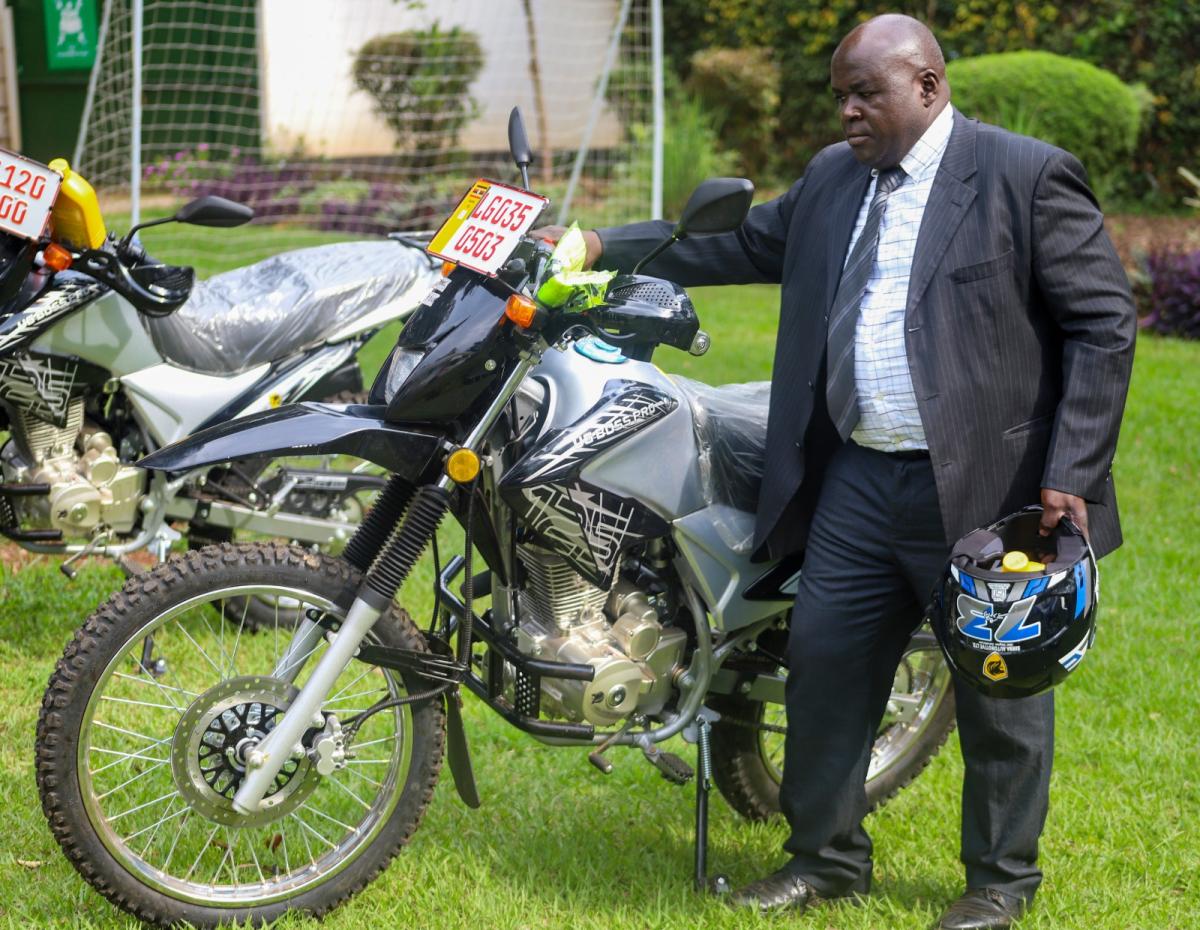
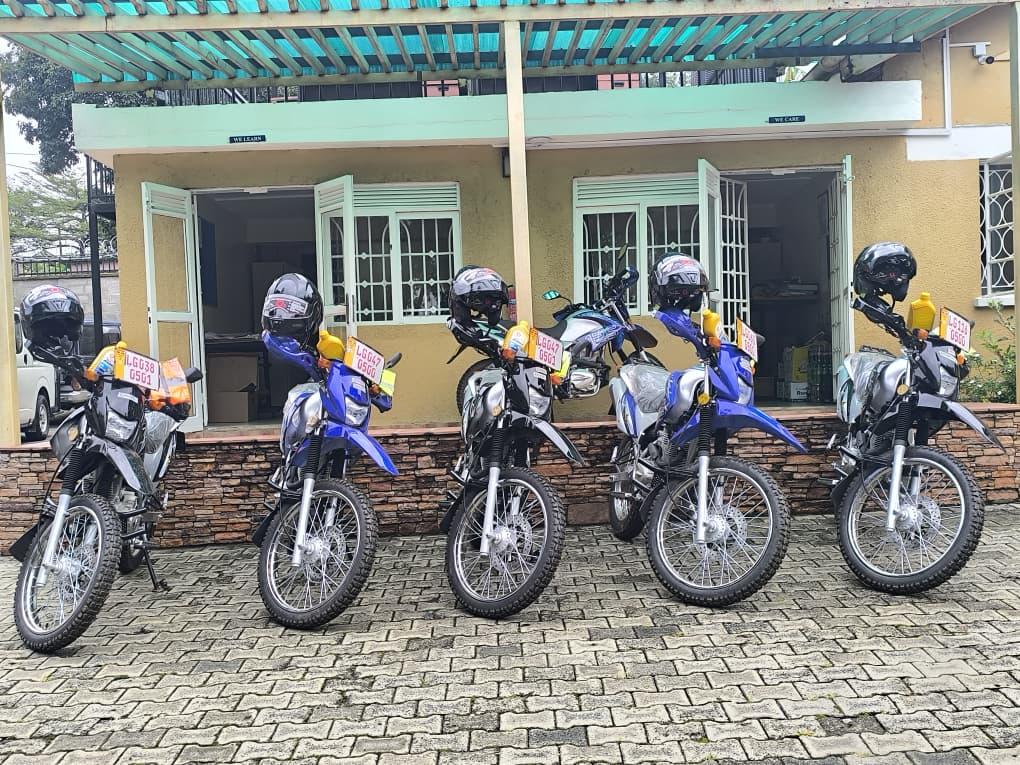
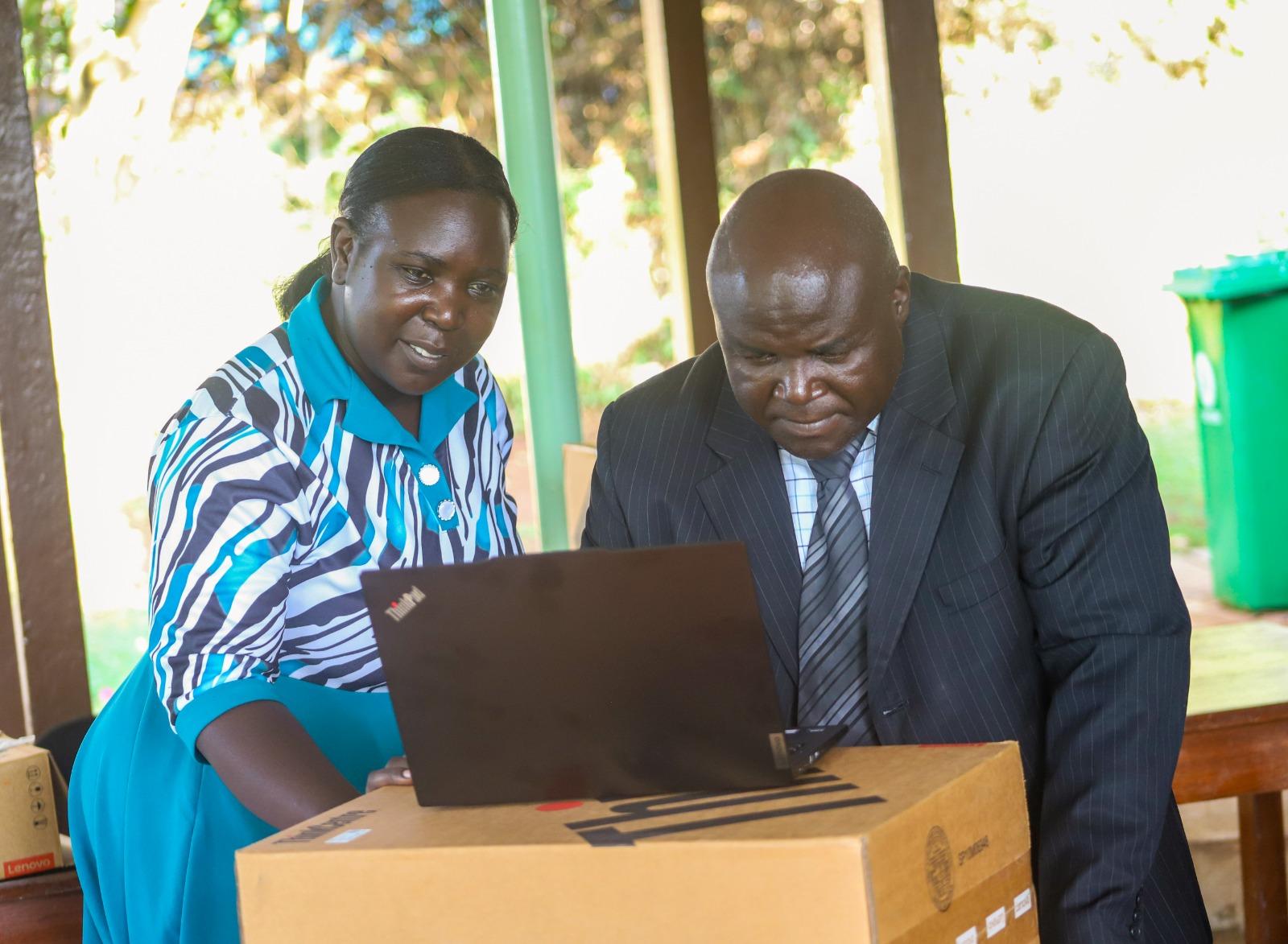
To address these challenges, Enabel, in partnership with the Ministry of Education and Sports, provided motorcycles to district education departments, aimed at strengthening school monitoring and supervision, enabling education officers to access even the most remote schools. In addition, modern ICT tools, including laptops and tablets, were distributed to enhance data management, reporting, and decision-making processes.
This initiative was rolled out in the West Nile, Busoga, and Rwenzori regions, areas that have long faced challenges in education supervision due to their geographical and infrastructural constraints. By equipping these regions with the necessary tools, Enabel has empowered education officers to improve the quality of delivery.
Angulima Collins Nyaliyo, Senior Inspector of Schools in Madi Okollo district, notes, "We previously faced significant challenges due to the lack of transport facilities. Many schools in remote areas were left uninspected for long periods, which affected their performance. Now, with motorcycles, we can reach these schools more frequently and provide the necessary support," he explained.
Nyaliyo also emphasized the importance of the ICT tools. "The tablets have been equipped with an inspection tool, which allows us to collect and manage data more efficiently during school visits. This has improved our reporting processes and enabled us to make better decisions to support schools," he added.
Enabel’s efforts have not only improved the frequency and quality of school inspections but have also fostered a culture of data-driven decision-making. By equipping education departments with the tools they need, the initiative is ensuring that schools in even the most remote areas receive the attention and support they deserve.
This initiative is a testament to the power of collaboration and innovation in addressing systemic challenges in education. With continued support, the regions of West Nile, Busoga, and Rwenzori are now better positioned to provide quality education for all children, ensuring that no child is left behind.
Latest news from this project
No news